 Intellect Plus
Empires & civilisations
439 cards. Each one is a 40-second story with a five-minute read behind it. Page 7 of 8.
 The Kingdom of Dahomey: A West African Power Built on Conquest and CommerceEmerging in the 17th century, Dahomey became a formidable regional power through a professional standing army and a centralized economy tied to the Atlantic slave trade. Known for…
 How a fierce lioness transformed into Egypt's most beloved feline goddessLong before she was the gentle protector of the home, Bastet was a predator of the desert. Discover the remarkable religious evolution of an ancient deity who transitioned from a …
 The Roman Emperor who renamed the entire calendar after his own twelve namesCommodus, the first ruler born during his father's reign, transformed from a promising heir into a paranoid autocrat. He eventually declared himself a living god, rebranded Rome i…
 How a strategic lakeside town survived centuries of conflict between Milan and the Empire.Perched on the southern tip of Lake Como, this city evolved from a Roman grid into a fiercely independent commune. Caught between the ambitions of Milan and the Holy Roman Empire,…
 The Circassian genocide: How a mountain nation was erased from the CaucasusOnce a proud, independent nation on the Black Sea, the Circassians were systematically expelled by the Russian Empire in the 19th century. Today, the vast majority of the populati…
 Fifteen nations share one King, yet each remains a distinct, sovereign legal entity.A Commonwealth realm is a sovereign state that shares the same monarch as others, yet operates as an independent nation. With 15 such realms currently existing, this arrangement c…
 The Last Emperor of Rome: A Soldier-King Who Became a Marble LegendConstantine XI Palaiologos was the final ruler of the Eastern Roman Empire, a man defined by his military service and his tragic end. Though he died defending Constantinople in 14…
 Is coconut oil a superfood or just another saturated fat to avoid?Despite its reputation as a healthy staple, coconut oil is 82 percent saturated fat. While marketing suggests it is a miracle food, major health organizations warn against its con…
 Three Inca children were left to sleep on a frozen volcanic peak centuries agoIn 1999, archaeologists discovered three remarkably preserved mummies near the summit of Llullaillaco, a 6,739-meter volcano. These children, sacrificed in an Inca ritual known as…
 Was the ancient land of Canaan actually a vast, purple-dyed empire of trade?Canaan was a geopolitical crossroads where empires collided, yet its true origins remain shrouded in mystery. Was it a land of humble subjects, or a hub of luxury defined by the p…
 Why the Inca Empire sent their most perfect children to die on frozen peaksThe Capacocha was a solemn Inca rite where children were selected as tribute to appease deities and prevent natural disasters. These young victims, considered the purest represent…
 Once a bar snack for thirsty patrons, caviar is now a global luxury commodity.Caviar was once so abundant in the United States that bars gave it away to induce thirst. Today, the delicacy is defined by scarcity, strict international trade regulations, and a…
 The deepest point on Earth is a shifting, three-basin mystery beneath the Pacific Ocean.The Challenger Deep is Earth's lowest point, a series of three basins hidden within the Mariana Trench. While humans have explored its depths, measuring it accurately remains a sc…
 How the Chola Empire built a maritime superpower through temples, trade, and bureaucracyThe Chola Empire was a medieval thalassocratic powerhouse that dominated southern India and projected influence across Southeast Asia. By pioneering a centralized bureaucracy, mas…
 How the kidnapped wife of a nomad became the architect of the Mongol EmpireBörte, the first wife of Genghis Khan, was far more than a royal consort. Kidnapped by a rival tribe shortly after her marriage, her rescue ignited her husband's rise to power. Sh…
 Belisarius: The Byzantine General Who Conquered North Africa With Only 17,000 SoldiersFlavius Belisarius, a commander for Emperor Justinian I, is remembered as one of history's greatest military minds. Despite being frequently outnumbered, he masterfully navigated …
 The blast furnace is a countercurrent chemical reactor that built the modern world.A blast furnace is not just a hot box; it is a sophisticated, continuous chemical reactor. By forcing hot, carbon-rich gases upward against a descending column of ore and flux, it…
 Did a naval blunder at Actium truly end the Roman Republic forever?On 2 September 31 BC, the fate of the Roman world hung in the balance near Actium, Greece. Octavian’s fleet clashed with the combined forces of Mark Antony and Cleopatra in a deci…
 Bologna: From Ancient Roman Colony to the World's Oldest University CityBologna is more than a transit hub in northern Italy. Home to the world's oldest university, this city has survived Roman collapse, medieval infighting, and devastating wartime bo…
 The Book of the Dead was never a single book, but a collection of spells.Ancient Egyptians did not follow one canonical text to reach the afterlife. Instead, they curated personal collections of magic spells on papyrus scrolls, designed to guide the so…
 Is the brown sugar in your pantry actually just white sugar in disguise?Most modern brown sugar is not a raw, unrefined product of the plantation. Instead, it is typically refined white sugar with molasses added back in. This shift in definition was c…
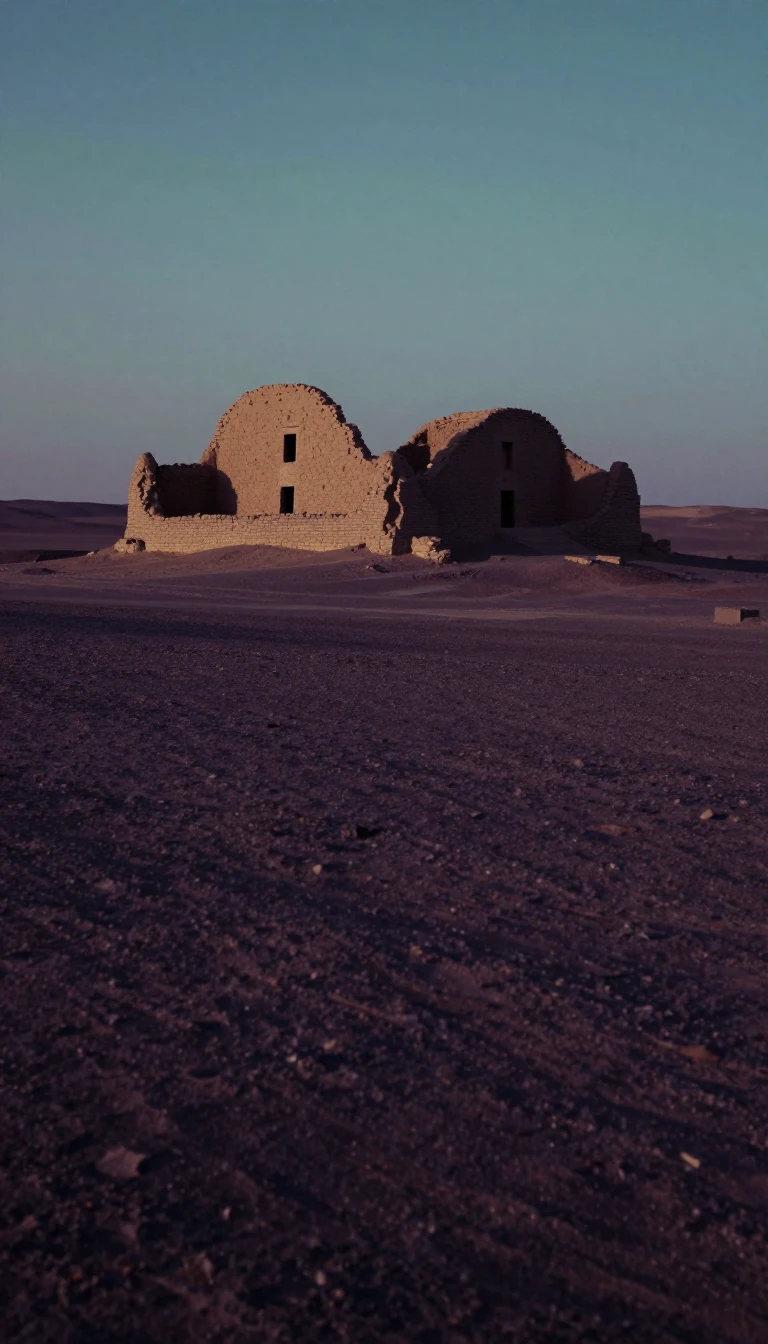 Bukhara: The Ancient Silk Road City That Once Served as a Global Slave CapitalBukhara is a historic Uzbek city with a name possibly derived from a Buddhist term for monastery. Once a thriving Silk Road hub and intellectual center of the Islamic Golden Age, …
 For centuries, European and American citizens were the primary targets of North African slave raids.From the 16th to the 19th century, Barbary corsairs terrorized coastal towns from Italy to Iceland, capturing over a million people. These raids were not merely piracy; they were …
 The Mughal Emperor Who Nearly Lost His Throne Before He Even Inherited ItBahadur Shah I spent his life in the shadow of his father, Aurangzeb, enduring imprisonment and surveillance for suspected treason. When he finally ascended the throne at age 64, …
 The Last Mughal Emperor Was a Reluctant Poet-King Trapped by History and MutinyBahadur Shah Zafar was the final ruler of a 500-year dynasty, yet he held power only over Delhi. A devout Sufi and prolific poet, he was thrust into the 1857 Indian Rebellion agai…
 How a 20-year-old strategist nearly dismantled the Mughal Empire from the inside outAppointed Peshwa in 1720, Bajirao I transformed the Maratha Empire into a dominant force through aggressive expansion and brilliant military maneuvers. By targeting the vulnerabil…
 The Bar Kokhba Revolt: A Forgotten War That Reshaped the Ancient Jewish WorldBetween 132 and 136 AD, Simon bar Kokhba led a fierce rebellion against the Roman Empire, briefly establishing an independent Jewish state. Though ultimately crushed, this conflic…
 Between 1500 and 1800, Barbary pirates enslaved over a million Europeans from coastal regions.From the shores of Ireland to the Mediterranean, Barbary corsairs operated a vast slave trade that targeted ships and seaside villages. For centuries, these North African states e…
 Bari: The Adriatic port that survived slave markets, chemical disasters, and imperial sieges.Bari is a city of layers, from its ancient Greek roots to its role as a medieval slave depot and a modern industrial hub. Beyond its famous basilica, the city hides a dark World W…
 Beneath Istanbul lies a sunken palace built by 7,000 enslaved people in the 6th century.The Basilica Cistern is a vast, subterranean marvel of Byzantine engineering. Once a vital water reservoir for Constantinople, this forest of 336 marble columns was forgotten for …
 Athenian democracy was a radical experiment in direct power, not a representative system.Ancient Athens pioneered a political model where citizens held direct authority, bypassing the representative structures common today. While celebrated as the cradle of democracy,…
- Was the Great Arab Revolt a genuine national uprising or a Hashemite power play?Conventional history frames the Arab Revolt as a unified national uprising against Ottoman rule. Yet, evidence suggests it was a localized Hashemite project, heavily subsidized by…
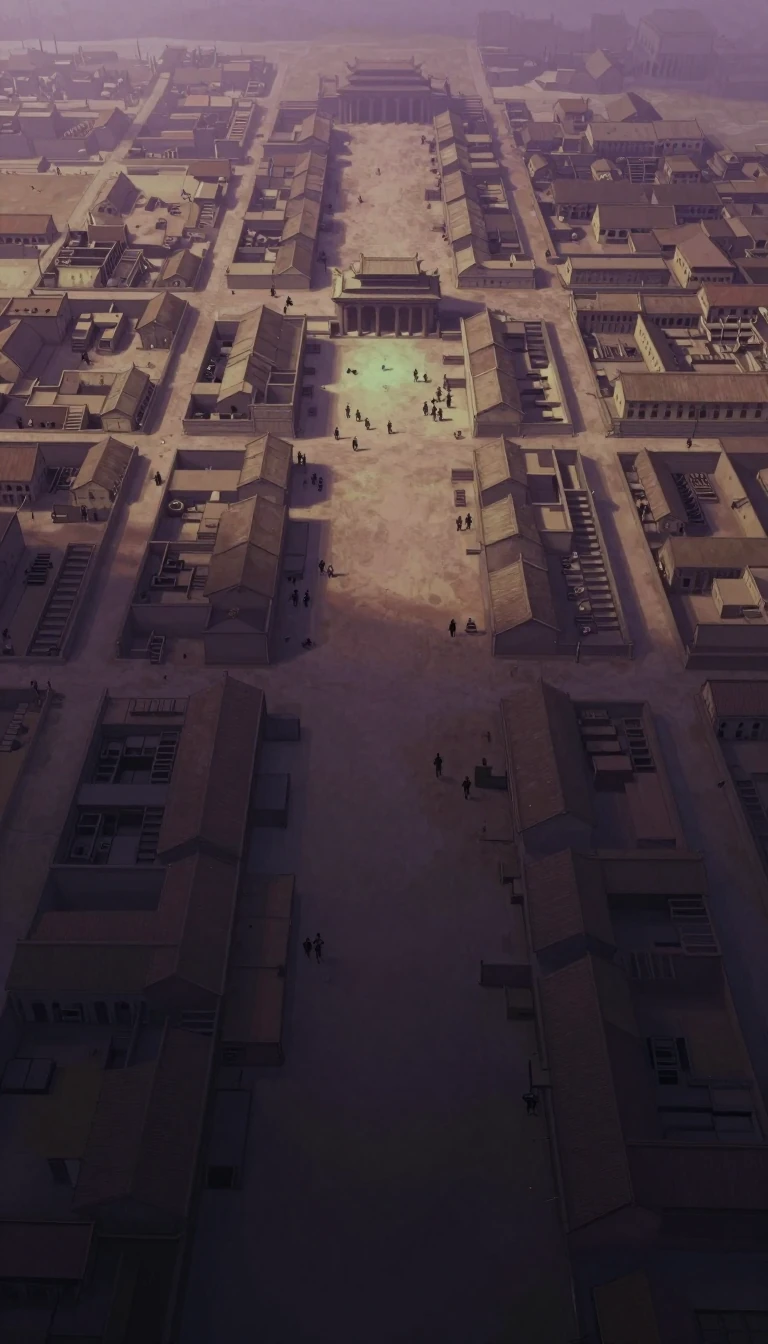 Archaic Greece was a crucible of innovation, not just a precursor to the Classical age.Long dismissed as a primitive prelude to Classical glory, the Archaic period was actually a time of radical transformation. Between 800 BC and 480 BC, Greeks invented the alphabet…
- Was Jesus a created being? The ancient theological debate that split the Roman EmpireArianism, a fourth-century movement, challenged the Trinity by arguing that Jesus was a created being, distinct and subordinate to God the Father. While condemned as heresy at the…
 The assassination of Julius Caesar failed to save the Republic and birthed an Empire.On the Ides of March, 44 BC, sixty senators stabbed Julius Caesar to death, hoping to preemptively defend the Roman Republic from his absolute power. Instead of restoring traditio…
 Is the Amazonian 'spirit rope' a sacred ritual or a modern psychedelic tourism trend?Known as the liana of the soul, ayahuasca is a potent decoction from the Amazon. While often romanticized as an ancient tradition, its widespread use is a relatively recent develo…
- How one soldier-emperor reunited a crumbling Roman Empire in just five yearsAurelian rose from humble beginnings to command the Roman Empire during its darkest hour. Between 270 and 275, he defeated barbarian invaders, crushed internal rebellions, and rec…
 Apotheosis is the ancient practice of elevating humans, ideas, or rulers to divine status.From pharaohs in Egypt to Roman emperors and modern religious movements, the desire to bridge the gap between mortal and divine has shaped history. Whether through state-sanctione…
 How a British oil dispute triggered a CIA-led coup in 1953 IranWhen Iran nationalized its oil industry to reclaim wealth from British interests, the resulting economic blockade and political instability paved the way for a clandestine operati…
- Were the Achaeans of Homer a real historical power or a literary invention?In the Iliad, the Achaeans are the primary name for the Greeks, appearing 598 times. Yet, outside of epic poetry, their identity remains a subject of intense scholarly debate. Are…
 The Roman Empire fell in 476, or in 1453, depending which half you meanRome did not fall in one go. Its western half ended in 476 when a Germanic commander deposed a teenage emperor ironically named Romulus Augustus. The eastern half, run from Consta…
 Mongol conquerors helped revive the very idea of a unified IranThe Ilkhanate was founded by Hulegu, a grandson of Genghis Khan, yet its official name was simply Iran, the Land of Iran. Its Mongol rulers hired historians to cast them as heirs …
 The tragic battle that defined a religious divideIn 680 CE, a stand against an empire changed Islam forever. The Battle of Karbala was not merely a political skirmish, but a pivotal moment of martyrdom that forged the distinct i…
 The sweet, bitter, and blood-soaked history of the world's largest cropIt is a biological marvel, capable of converting solar energy into massive biomass with incredible efficiency. Yet, the global spread of sugarcane has been driven by a darker engi…
 The toxic survival crop that feeds 500 million peopleIt is a biological paradox: a plant that contains enough cyanide to be lethal, yet serves as the third-largest carbohydrate source in the tropics. From the ancient Maya to modern …
 The indigenous North African identity that survived empires and conquestsLong before the Arab expansions of the 7th century, the Imazighen had already established a complex network of kingdoms across the Maghreb. From the Nile Valley to the Atlantic, t…
 Is Shamanism a Universal Concept, or a Collection of Local Practices?The very definition of shamanism is fiercely debated among scholars. While some see a core practice of accessing spirit worlds through altered states, others argue that applying a…
- The Persian King who waged war against the godsXerxes I is often remembered for his massive invasion of Greece, but his most profound impact may have been a radical shift in imperial identity. By dismantling the traditions of …
 Beyond the law: the mystical heart of the Islamic traditionWhile often viewed as a mere subset of Islamic law, Sufism emerged as a profound spiritual reaction to worldly luxury. It seeks not just adherence to ritual, but a direct, persona…
 How a secondary player became the master of AsiaHe wasn't the strongest contender in the power struggle following Alexander the Great's death. Yet, through calculated patience and strategic alliances, Seleucus I Nicator rose fr…
 Is justice merely a convenient lie told to keep the masses in line?In Plato’s Republic, the search for justice leads to a startling blueprint for a utopian city. From the myth of a rigged lottery to the censorship of poetry, explore how a philoso…
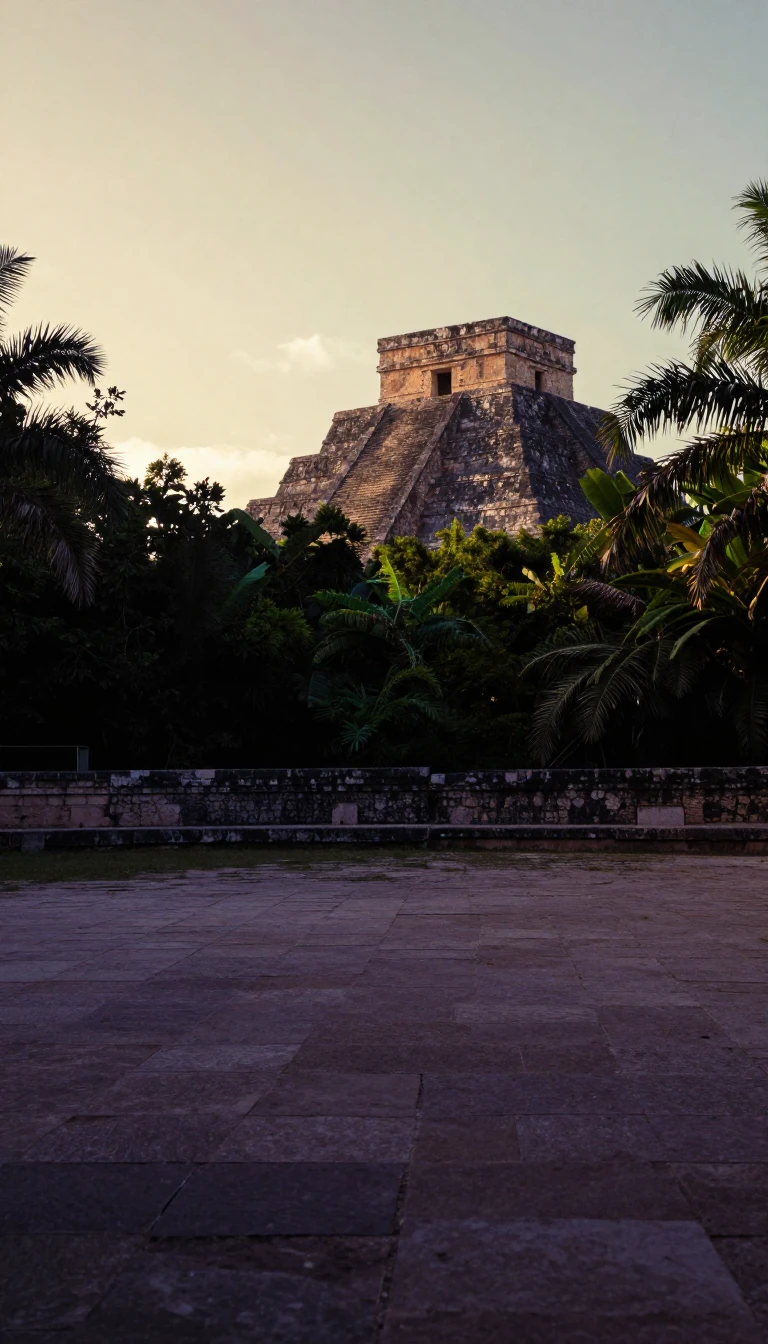 Was the legendary Feathered Serpent actually a Spanish conqueror?For centuries, history books claimed the Aztec Emperor Moctezuma II mistook Hernán Cortés for the returning god Quetzalcōātl. But modern historians are uncovering a much more comp…
 The word pagan was actually a piece of Roman military slangBefore it described ancient gods, 'pagan' was a derogatory label for civilians and peasants. It was an exonym—a name imposed by outsiders—created by early Christians to distinguis…
 Is democracy merely a temporary mask for the rule of the few?From the ancient streets of Athens to the modern halls of Washington, the concept of oligarchy suggests that power naturally gravitates toward a small, privileged group. Whether t…
 The thousand-pace journey: how a Roman stride became a global standardThe modern mile is a precise mathematical construct, but its ancestors were much more human. From the rhythmic left foot of a Roman legionary to the varying walking hours of Dutch…
 The peasant-born emperor who rebuilt an empire and rewrote the lawHe was known as 'the emperor who never sleeps,' a man of immense energy and ambition. From a humble Illyrian background, Justinian I transformed the Roman world, launching massive…
- The many meanings of 'Terrible': why history remembers Ivan the FearsomeWe call him 'the Terrible,' but the Russian epithet *grozny* suggests something else entirely: a ruler who was formidable, awe-inspiring, and powerful. Behind the myth of a mere t…
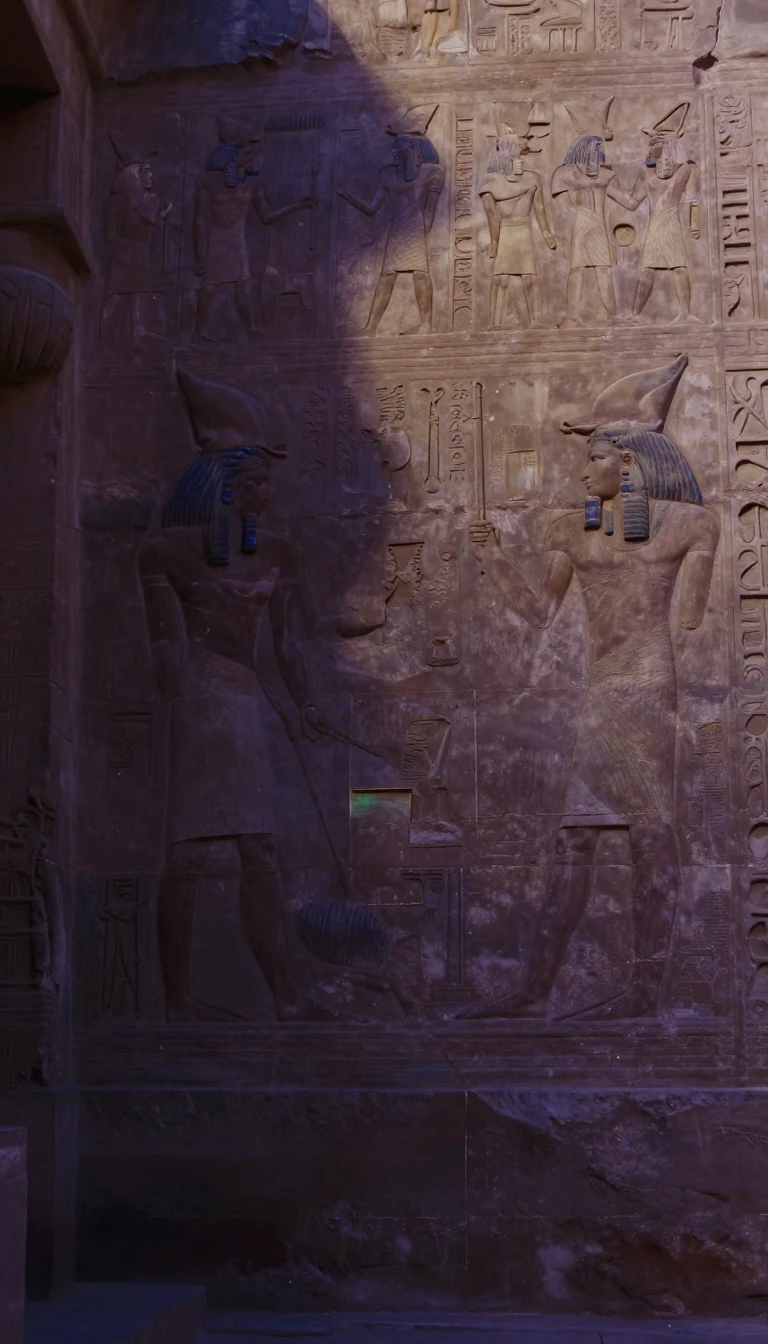 The art of destruction: why civilizations smash their most sacred imagesIconoclasm is more than just vandalism. From the Pharaohs of Egypt to the reformers of Europe, the deliberate destruction of monuments and icons has served as a powerful tool to r…
- The scholar who fought Mongols, clerics, and kings from a prison cellIbn Taymiyya was far more than a quiet academic. A 13th-century Hanbali jurist, he was a political firebrand who led military resistance against Mongol invaders, issued fatwas tha…
 Was the Father of History actually the Father of Lies?He traveled the vast Persian Empire, documenting the collision of East and West. Yet, his contemporaries accused him of inventing stories for mere entertainment. Discover the comp…