 Intellect Plus
Empires & civilisations
439 cards. Each one is a 40-second story with a five-minute read behind it. Page 4 of 8.
 Did ancient mariners cross the Pacific on rafts, or was it a grand delusion?Thor Heyerdahl famously drifted 8,000 kilometers across the Pacific to prove that South Americans settled Polynesia. While his 1947 Kon-Tiki expedition captivated the world, moder…
 Was the last Roman emperor a child figurehead named after Rome's legendary founders?Romulus Augustulus, a minor placed on the throne by his father, ruled for only ten months before his deposition in 476. Though often cited as the final Western Roman emperor, his …
 How a 37th-generation descendant of Muhammad lost his kingdom by refusing to compromiseHussein bin Ali, the Sharif of Mecca, gambled his sovereignty on a promise of Arab independence. When the British Empire pivoted toward the mandate system after World War I, Husse…
 Did a balsa raft really prove that ancient South Americans settled the Pacific islands?In 1947, Thor Heyerdahl sailed a primitive balsa raft across the Pacific to prove that ancient South Americans could have reached Polynesia. While the voyage was a global sensatio…
 The Rajput princess who became the most powerful woman in the Mughal EmpireMariam-uz-Zamani was far more than a political pawn in a royal marriage. As the chief consort of Emperor Akbar, she broke conventions by maintaining her Hindu faith within the pal…
 Before Arabic digits, the Greeks used their own alphabet to calculate the cosmos.Ancient Greeks did not just use letters for words; they used them for math. By assigning numerical values to the Greek alphabet, they created a system that powered everything from…
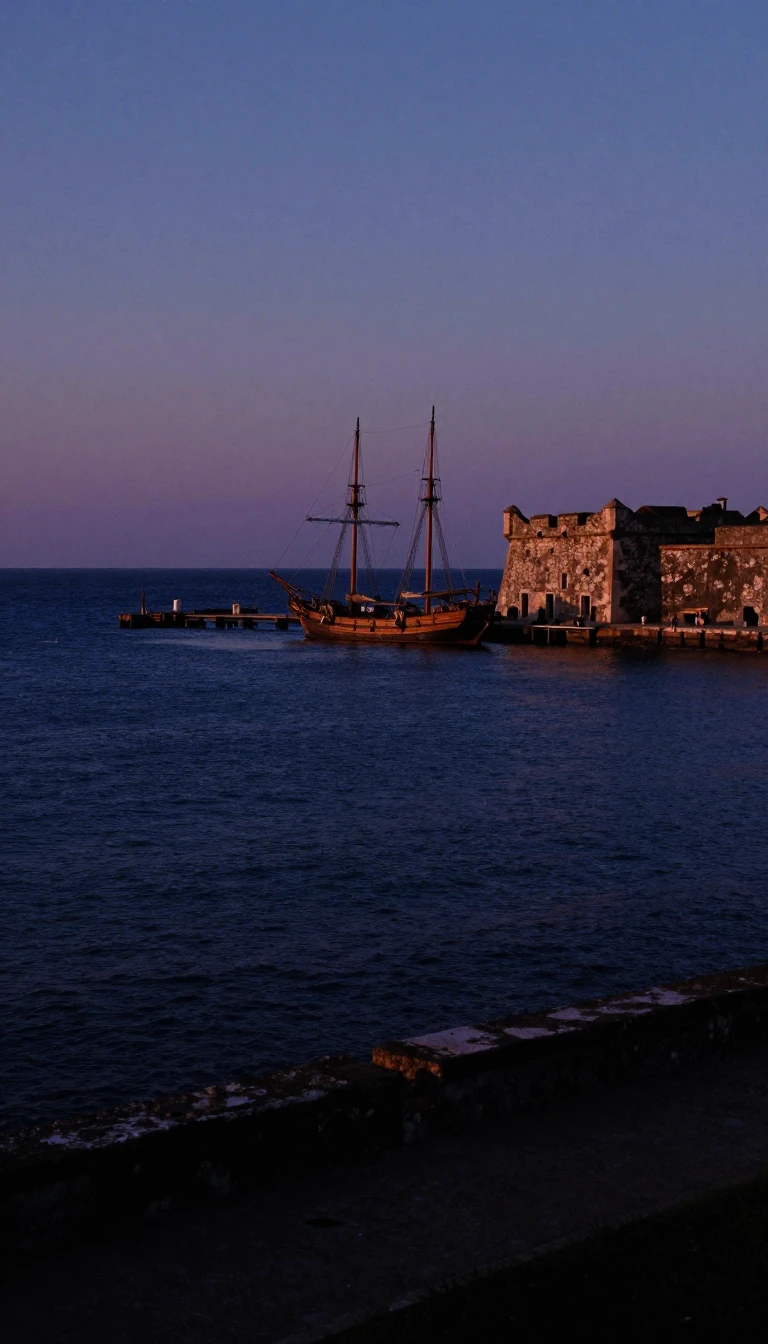 Cartagena: The Mediterranean port that survived empires, revolutions, and industrial collapseFounded as a strategic Carthaginian stronghold, this Spanish city has served as a Roman capital, a Byzantine outpost, and the final Republican bastion of the Spanish Civil War. Fr…
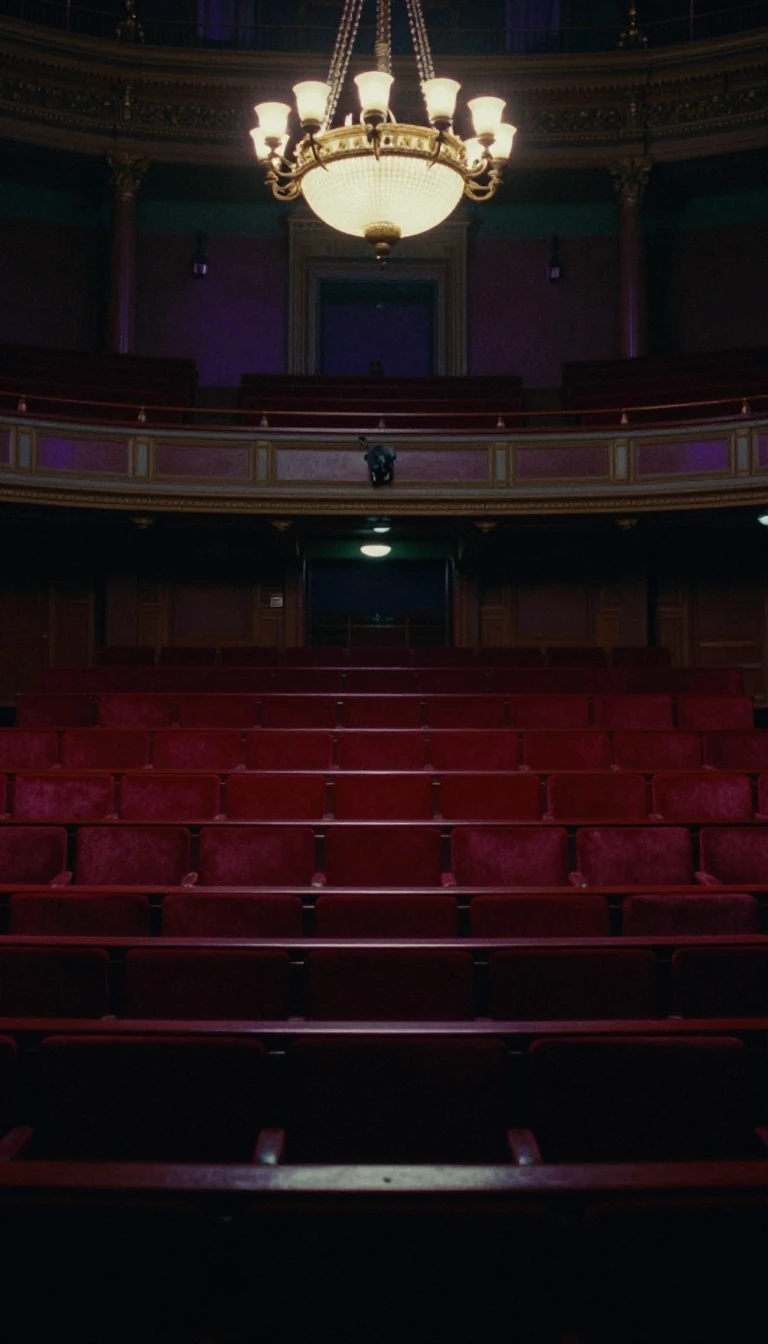 How the French First Republic was born from prison massacres and royal treasonThe French First Republic emerged not from a peaceful transition, but from the chaos of the 1792 insurrection and the brutal September Massacres. As the monarchy collapsed, the ne…
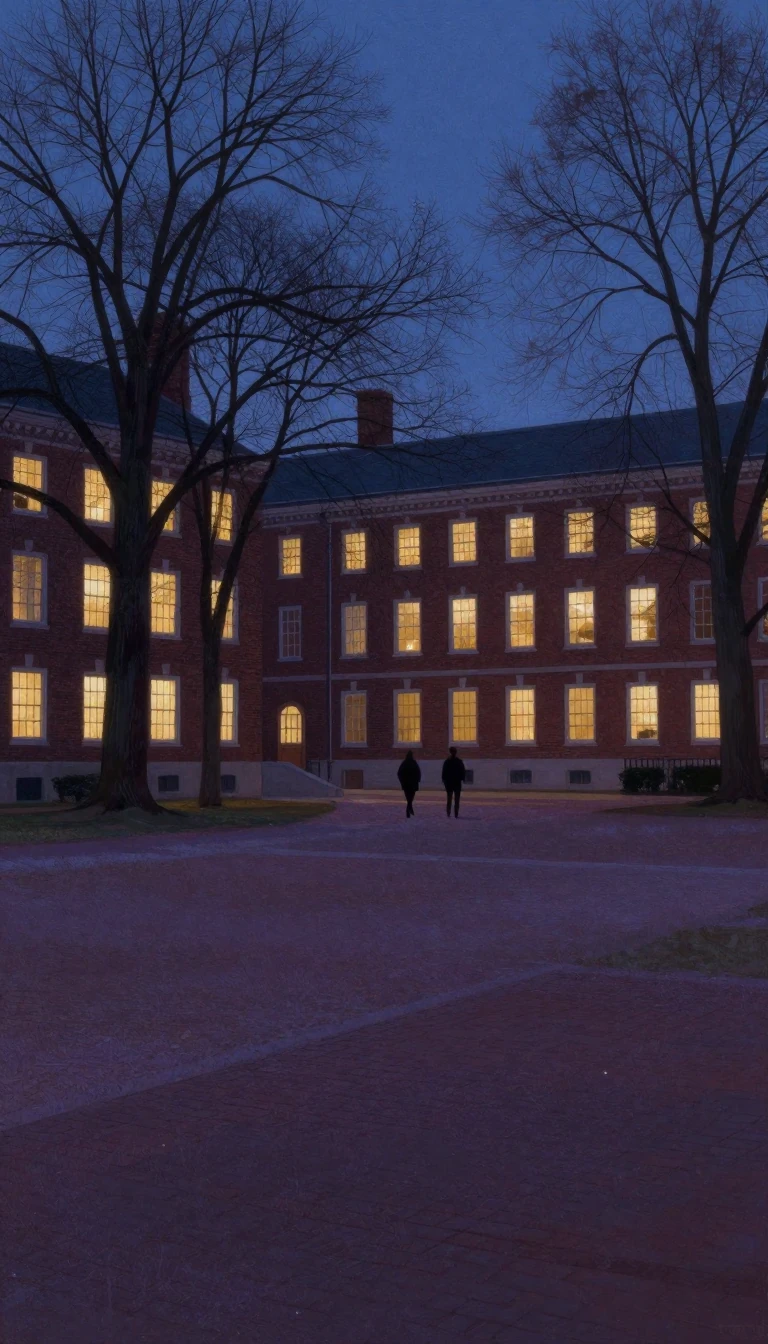 The oldest public university in the American West began as a weekly evening class.San Jose State University traces its roots to a modest 1857 program in San Francisco that met just once a week. Today, it stands as the founding campus of the California State Uni…
 Was Selim II truly the drunkard history remembers, or a misunderstood patron of arts?Known as Selim the Drunkard, the Ottoman Sultan who succeeded the legendary Suleiman the Magnificent is often dismissed as a pleasure-seeking recluse. Yet, his reign saw the expan…
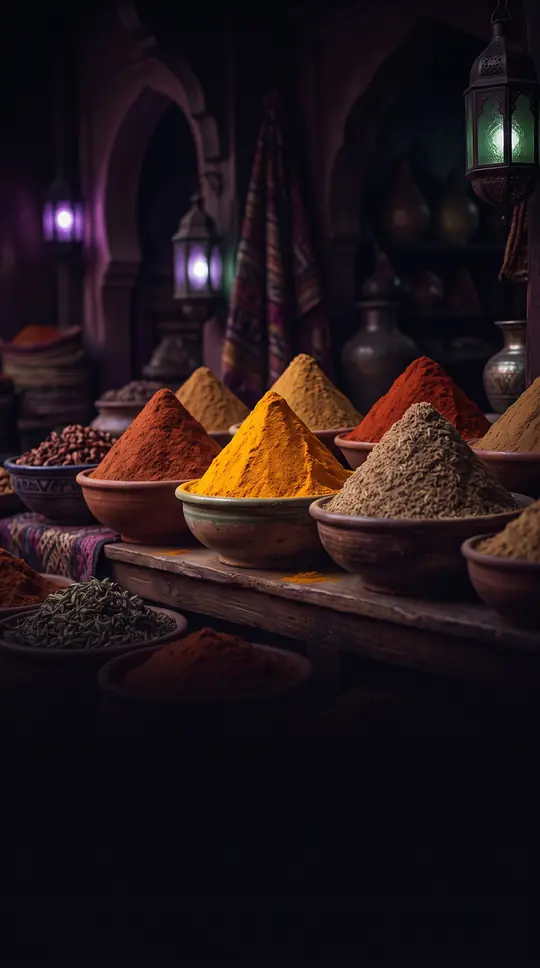 The global obsession with chewy tapioca pearls began as a humble, cheaper sago substitute.Tapioca pearls are translucent spheres crafted from cassava starch, prized for their signature texture. Originally developed in Southeast Asia as an affordable alternative to trad…
 The Ottoman Sultan who ruled through his mother and executed nineteen brothers at onceAscending the throne in 1595, Mehmed III began his reign with a brutal purge of his siblings. Yet, he was often a passive figurehead, ceding immense authority to his mother, Safiy…
- Sultan Murad III: The Reclusive Ottoman Ruler Who Dreamt of Killing ThousandsMurad III was a scholarly, deeply religious sultan who rarely left his palace, yet his reign saw the Ottoman Empire reach its territorial peak. Behind his quiet, routine-driven li…
- How thirty-six sultans ruled the Ottoman Empire for over six centuries of historyThe Ottoman dynasty defined a transcontinental empire from 1299 to 1922. While the sultan held absolute power as the shadow of God on Earth, the reality of succession was often br…
 Why your body treats a simple amino acid as the universal starting gun.Methionine is more than just a building block for proteins. As the essential amino acid encoded by the start codon AUG, it signals the beginning of life at the cellular level. Bey…
 Biodiesel is not a modern invention but a nineteenth-century chemical breakthroughWhile often viewed as a contemporary climate solution, the roots of biodiesel reach back to 1853. Long before modern environmental mandates, scientists were experimenting with veg…
 How a loose network of exiled intellectuals transformed the Ottoman Empire into a dictatorshipBeginning as a clandestine opposition movement against absolute rule, the Young Turks sought to modernize the Ottoman state through constitutional reform. Their journey from ideal…
 Three distinct institutions share a name, but their histories and missions differ significantlyThe name York University appears on three separate campuses across the globe, yet they are entirely distinct entities. From a Russell Group research powerhouse in England to a mas…
 Was Vulgar Latin a distinct language or just the common speech of Rome?The term Vulgar Latin is a persistent, controversial label for the informal registers of Latin spoken across the Roman Empire. While early scholars imagined it as a separate, corr…
 From tax collector's son to emperor: how Vespasian stabilized a crumbling Roman EmpireVespasian rose from humble equestrian origins to found the Flavian dynasty, ending the chaos of the Year of the Four Emperors. A pragmatic general who once faced public ridicule f…
 How a Prussian Prince Transformed a Vassal State Into a Sovereign European KingdomThe Kingdom of Romania emerged from the Ottoman Empire as a constitutional monarchy, only to navigate a turbulent century of world wars, royal dictatorships, and rapid industriali…
 How a small Iberian county transformed into a global empire and eventually collapsedThe Kingdom of Portugal emerged from a semi-autonomous county to become a major global power, spanning centuries of exploration and colonial expansion. Yet, its journey from a med…
 How a minor German duchy transformed into the powerhouse that unified modern GermanyThe Kingdom of Prussia began as a legal fiction, a title claimed by a ruler who was technically a subject of the Holy Roman Emperor. Through military discipline, bureaucratic rigo…
 Why this royal purple gemstone was once as valuable as diamonds and rubiesLong prized for its supposed ability to prevent intoxication, amethyst was once counted among the world's five cardinal gems. Its status shifted dramatically after massive deposit…
 The Alawites: From a Marginalized Sect to the Architects of Modern Syrian PowerLong persecuted as heretics by both Sunni and Shia authorities, the Alawites were once Syria’s poorest rural peasants. Their dramatic ascent from the fringes of society to the pin…
 How a Berber religious movement built an empire and then collapsed from withinFounded on a strict unitarian doctrine in the Atlas Mountains, the Almohad Caliphate rose to dominate North Africa and Muslim Iberia. Yet, despite their military prowess and early…
 The Allies of World War I were a complex, shifting coalition of global powers.The Entente was not a monolithic bloc but a fluid network of nations with competing interests. While Britain, France, and Russia formed the core, the coalition expanded to include…
 The ancient lighthouse that gave the world its word for 'headlight'For centuries, the Pharos of Alexandria stood as one of the Seven Wonders of the Ancient World. It wasn't just a beacon for sailors; it was an architectural marvel so influential …
 The veiled desert warriors who once controlled the vast trade routes of the SaharaKnown as the veiled people, the Tuareg are an Amazigh ethnic group with a complex history of noble warrior castes, trans-Saharan trade dominance, and fierce resistance to colonial…
 Why the twelve Greek gods were never actually a fixed group of twelveThe twelve Olympians are famous as the supreme Greek pantheon, yet the list of who belonged to this elite circle was never set in stone. While tradition placed them on Mount Olymp…
 The Ukrainian Soviet Socialist Republic: A Complex History of Sovereignty and State-Sponsored TerrorFrom its turbulent birth during the Russian Revolution to its role as a founding United Nations member, the Ukrainian SSR existed as a paradox. It was a constituent republic of th…
 Why the world's most famous blue stone is a geographical misnomerTurquoise has been prized for millennia, from the tombs of Egyptian pharaohs to the ritual masks of the Aztecs. Yet, despite its name suggesting a Turkish origin, the stone was ne…
 Tuva: The remote Siberian republic that once printed stamps of trains it never had.Nestled at the geographical center of Asia, Tuva is a land of mountains, glaciers, and a unique history of shifting empires. Once a nominally independent state between the World W…
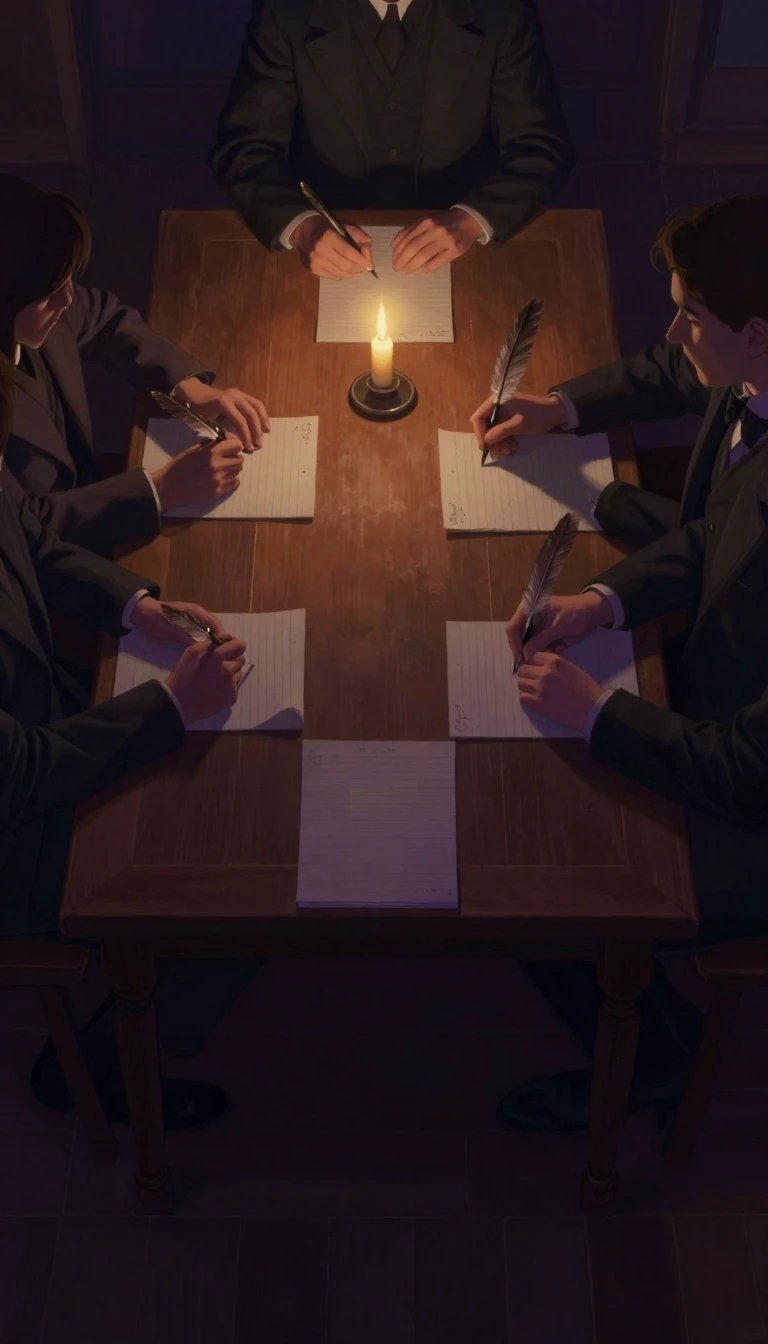 The short-lived sovereignty of the Welsh PrincipalityBefore it was annexed by the English crown, the Principality of Wales stood as a distinct, economically vibrant territory. Driven by the ambitions of Llywelyn ap Gruffudd, this er…
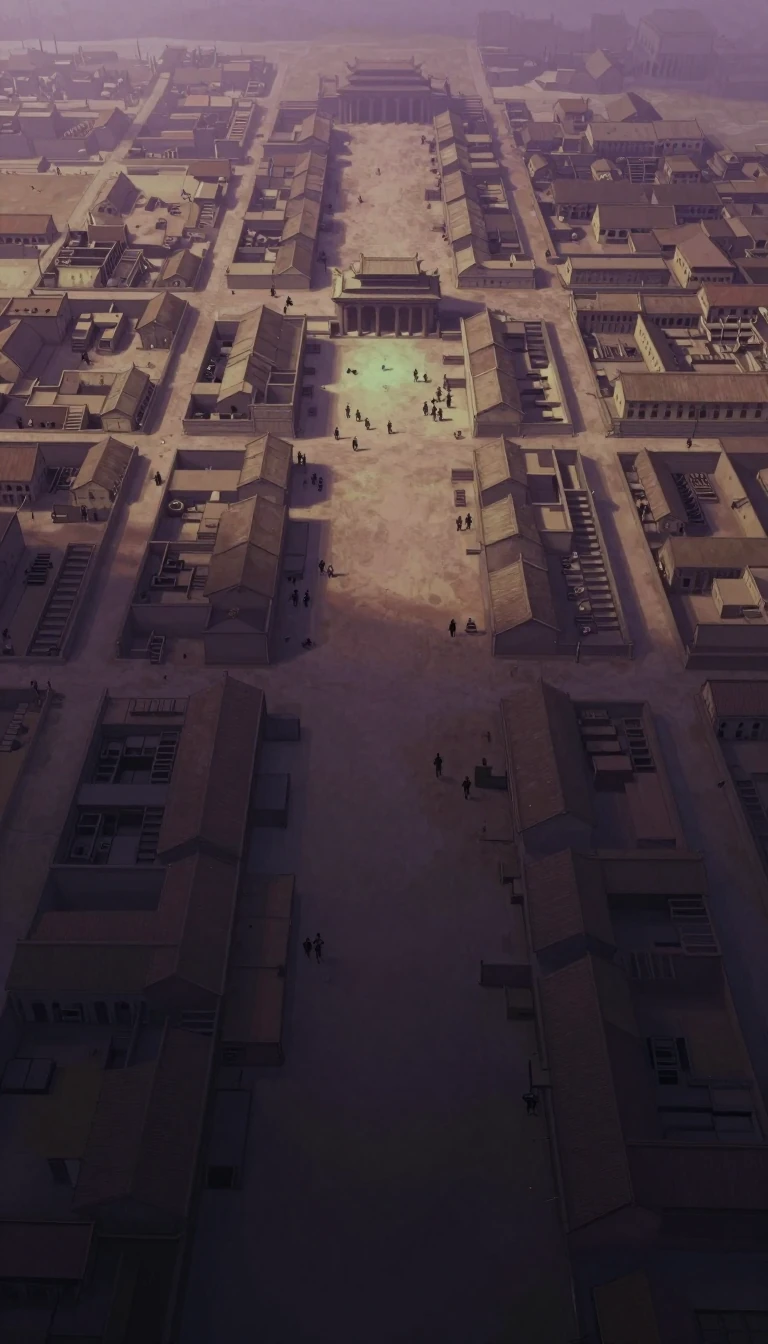 How a Macedonian Princess and a Mermaid Legend Defined a Mediterranean CrossroadsFounded in 315 BC, Thessaloniki has served as a vital nexus for empires, religions, and cultures for millennia. From its origins as a Macedonian royal namesake to its centuries as…
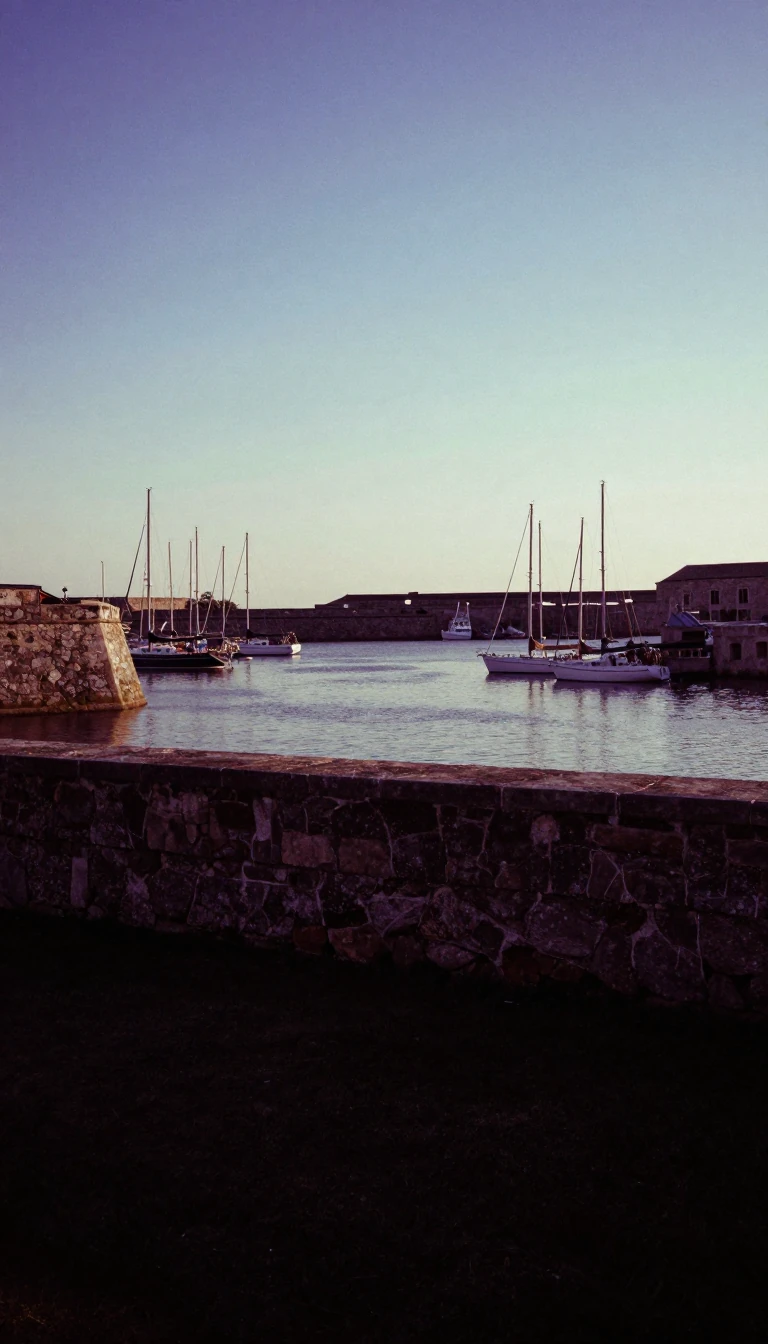 Why some empires rule the waves instead of the land beneath their feetA thalassocracy is a state defined by its maritime reach rather than its interior borders. Unlike traditional land-based empires, these seaborne powers thrive by controlling trade…
 How a former captive became the most powerful woman in the Mongol EmpireTöregene Khatun ruled the Mongol Empire for five years, navigating a male-dominated hierarchy to secure her son's succession. Often dismissed by contemporary chroniclers as vengef…
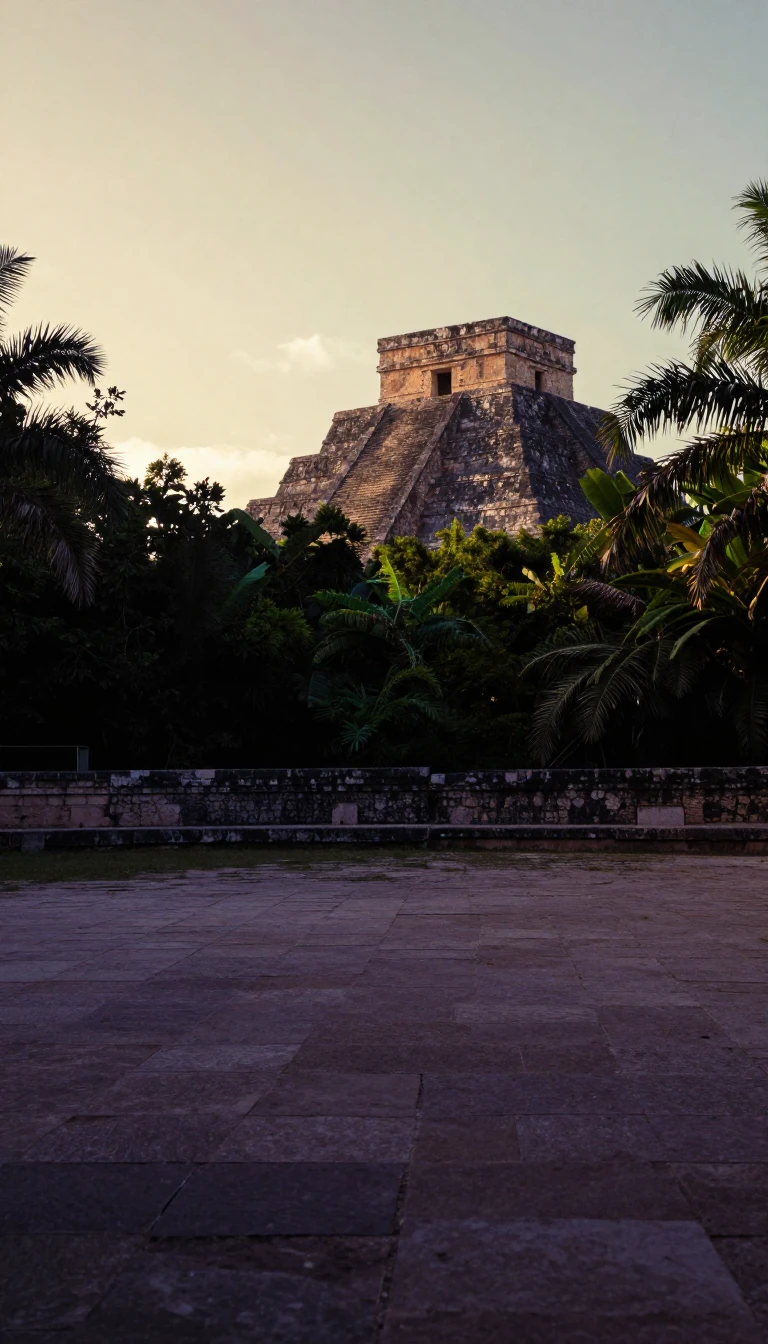 Tezcatlipoca, the Smoking Mirror, was the Aztec deity of conflict, night, and transformation.Known as the Smoking Mirror, Tezcatlipoca was a central, multifaceted Aztec deity associated with everything from hurricanes and obsidian to war and divination. Often depicted as …
 How a nineteenth-century party organ became Canada's self-styled national newspaper of record.Founded in 1844 by a Father of Confederation, The Globe and Mail has evolved from a partisan weekly into a national institution. Through mergers, corporate acquisitions, and a per…
 The Mongol Empire's finest warrior was passed over for the throne, then died mysteriously.Tolui, the youngest son of Genghis Khan, was a master of ruthless military efficiency who broke the Khwarazmian Empire. Despite his battlefield brilliance and status as the tradit…
 Why the Roman Triumphal Arch Became the Ultimate Symbol of Imperial PowerOriginally a Roman invention to celebrate military triumph, the triumphal arch evolved from a functional gateway into a potent tool of political propaganda. From Renaissance pagea…
- The Temple of Artemis was a marvel that survived floods, fire, and shifting empiresKnown as one of the Seven Wonders, the Temple of Artemis in Ephesus was a political and religious powerhouse. While legends credit Amazonian warriors with its origin, the site end…
 How a widowed princess engineered the rise of the world's most powerful dynastySorghaghtani Beki was a Keraite princess who navigated the treacherous politics of the Mongol Empire to secure the throne for all four of her sons. By mastering imperial administr…
 How a city of Spartan outcasts became a Mediterranean powerhouse and naval hubFounded by the sons of unmarried Spartan women, Taranto evolved from a Greek colony into a sovereign power of Magna Graecia. Today, this Italian port city balances its ancient her…
 Silicon dioxide is the silent architect of both the natural world and modern technology.From the sand beneath our feet to the fiber-optic cables powering the internet, silicon dioxide is everywhere. This versatile compound forms the backbone of glass, concrete, and s…
 In our modern world, has the map finally replaced the territory we inhabit?Jean Baudrillard’s 1981 essay argues that contemporary society has replaced reality with symbols and signs. We no longer live in a world of original objects, but in a simulation w…
 How a remote Circassian coastline became Russia's unofficial summer capital and Olympic stageSochi, once the heart of Ubykhia, transformed from a site of imperial conquest and genocide into a sprawling, subtropical resort. From Stalin’s favorite dacha to the record-breaki…
- From moral strength to absolute power: the evolving history of the title sultanOriginally an Arabic term for abstract moral authority, the title sultan transformed into a designation for sovereign rulers across the Muslim world. While often confused with kin…
- The Sultanate of Zanzibar: A maritime empire that ended in a 38-minute war.For over a century, the Sultanate of Zanzibar exerted influence across the East African coast, balancing between Omani roots and European colonial ambitions. From its origins as a…
 How a provincial outsider transformed the Roman Empire into a rigid military monarchyBorn in modern-day Libya, Septimius Severus rose from obscurity to seize the Roman throne in 193. By shifting power from the Senate to the legions and expanding the empire to its …
 From teen dramas to box office titans: the versatile career of Shawn LevyShawn Levy has evolved from directing Nickelodeon shows to helming some of the most successful films in history. With a career spanning decades, he has transitioned from family-fr…
 Was the pharaoh Seti I a victim of his own son's historical revisionism?Seti I is often remembered as the father of Ramesses the Great, but his own reign was a masterclass in restoring Egyptian sovereignty. While modern scholars have dismantled myths …
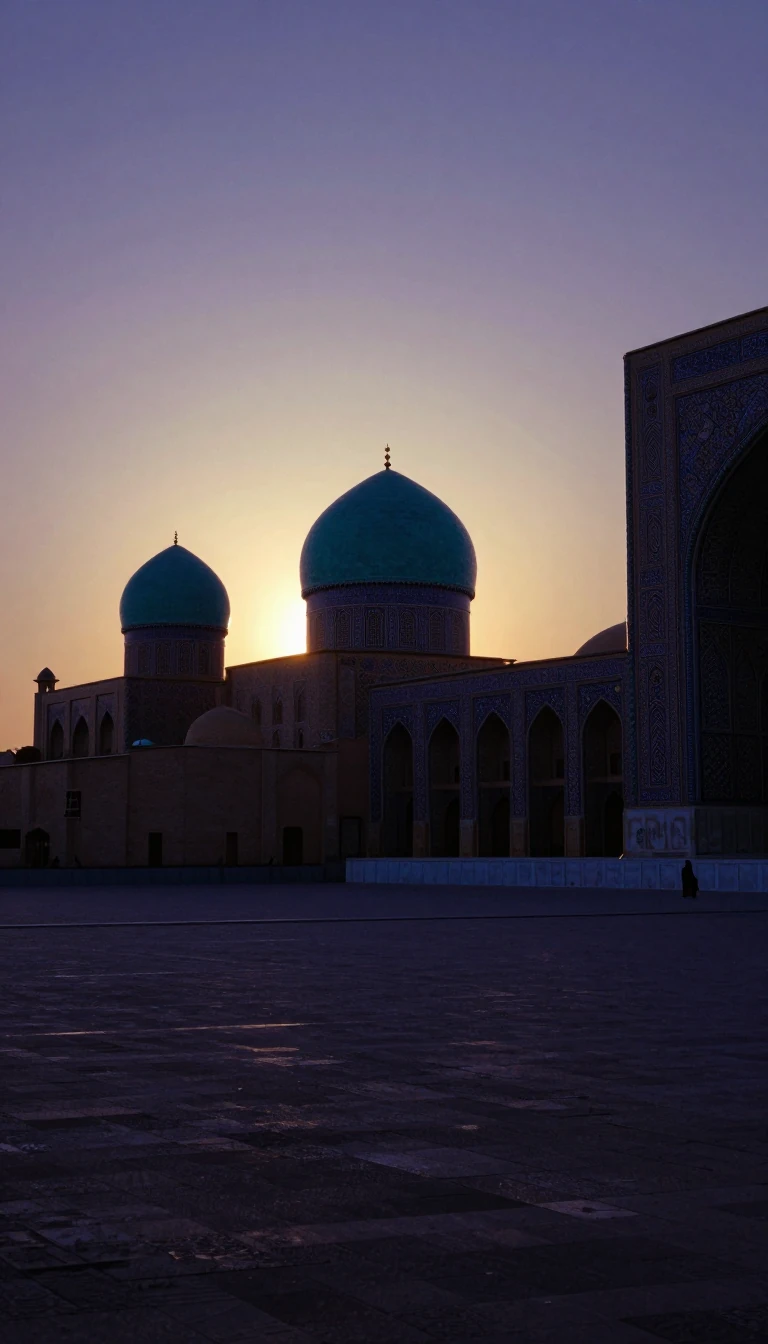 How the Safavid Empire transformed Iran into a modern, meritocratic, and Shia stateRuling from 1501 to 1736, the Safavid dynasty fundamentally reshaped Iranian identity. By establishing Twelver Shi'ism as the official state religion and creating a complex, merit…
 The shifting identity of the Saracen: from desert tribes to a global religious labelFor centuries, the term Saracen served as a catch-all for Europeans to describe Muslims, yet its origins remain shrouded in mystery. Far from a self-defined identity, this label e…
 Why Shaanxi is the true cradle of Chinese civilization and its modern industrial heartShaanxi is more than a province; it is the historical epicenter of China. From the ancient capitals of the Zhou and Tang dynasties to the revolutionary base at Yan'an, this region…
 How a revolutionary vision for a people's country reshaped China's modern political identityBorn from the 1912 collapse of two millennia of imperial rule, the Republic of China attempted to forge a modern state amidst warlordism, foreign invasion, and civil war. Its lega…
 Why Italy’s twenty regions are far more than just simple administrative lines on maps.Italy is a unitary republic, yet its twenty regions operate as autonomous entities with their own statutes and governments. Born from a 1948 constitution but delayed until 1970, t…
 The Roman emperor was never a formal office, but a collection of stolen powers.The title of Roman emperor did not exist as a legal position. Instead, it was a fragile, improvised accumulation of Republican titles and military command. Legitimacy was a post-f…
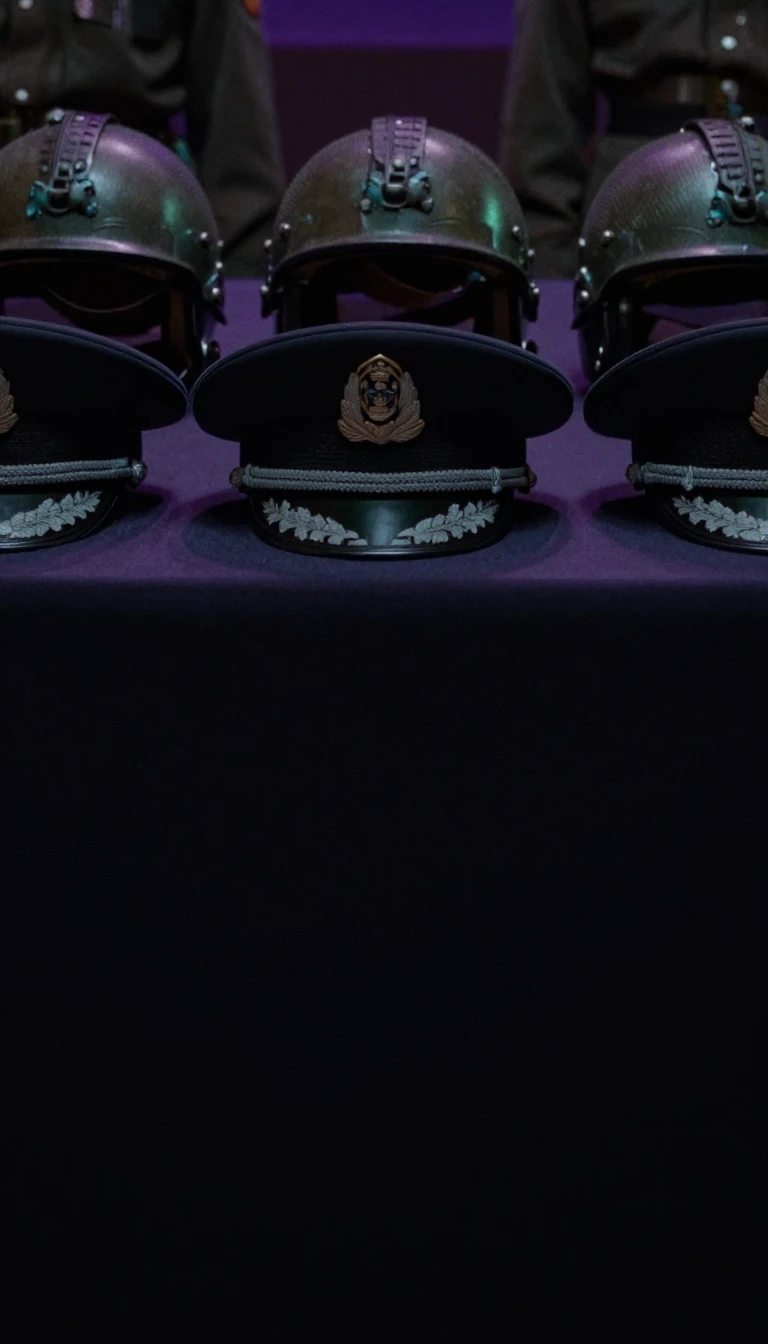 Why the military regiment is both a tactical powerhouse and a stubborn administrative relicThe regiment is a military paradox. It serves as a fundamental tactical building block for combat, yet it functions as a permanent, tradition-bound family that manages a soldier’s…
- The Rhineland: A fragmented industrial heartland forged by centuries of shifting borders and empiresThe Rhineland is not a single state, but a loosely defined industrial powerhouse along the Rhine. Once a patchwork of petty principalities under the Holy Roman Empire, it was radi…