 Intellect Plus
Empires & civilisations
439 cards. Each one is a 40-second story with a five-minute read behind it. Page 6 of 8.
 Why did a US warship shoot down a civilian airliner over Iranian waters?On July 3, 1988, the USS Vincennes fired two missiles at Iran Air Flight 655, killing all 290 people on board. While the US claimed it misidentified the Airbus A300 as an attackin…
 The Iran hostage crisis was intended as a short, symbolic protest, not a long standoff.What began as a planned few-hour occupation of the U.S. Embassy in Tehran spiraled into a 444-day international crisis. While student leaders initially aimed to make a brief polit…
 Hoodoo: The Secret Spiritual Resistance That Shaped African American HistoryBorn from the trauma of the transatlantic slave trade, Hoodoo is an autonomous spiritual system blending West and Central African traditions with Indigenous and European influence…
 Why the Ancient Greeks Feared Pride More Than Almost Any Other Human FailingIn the ancient world, hubris was not just a personality quirk; it was a dangerous, often criminal, violation of the natural order. Far from simple arrogance, it was a violent, pub…
 How the wealthiest man in the world lost his kingdom to a sudden invasionFor over two centuries, the Nizamate of Hyderabad stood as a unique, independent-minded princely state in the heart of India. Ruled by a dynasty of immense wealth and feudal power…
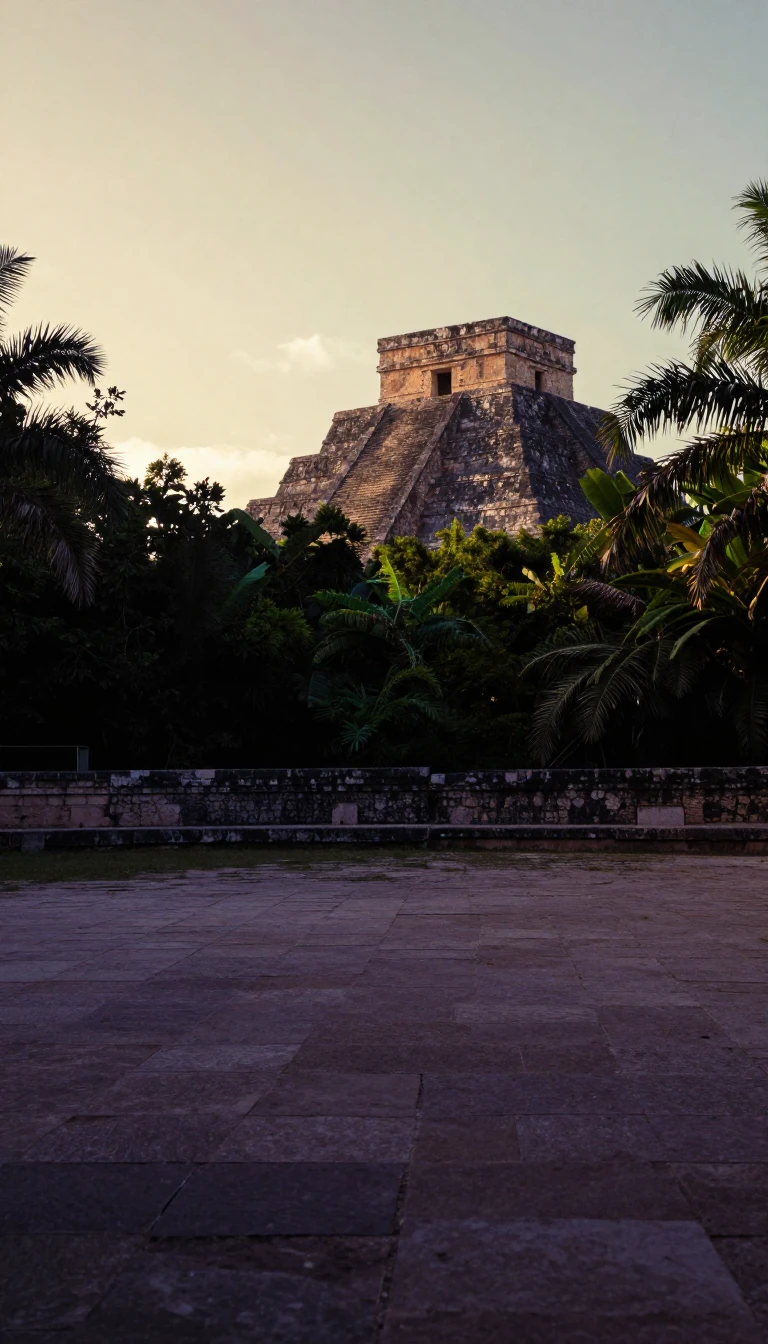 Was Aztec human sacrifice a religious duty or a tool of political propaganda?For centuries, accounts of Aztec human sacrifice have painted a picture of mass slaughter. Yet, modern archaeology and critical historical analysis suggest these numbers were heav…
 Were the Hyksos brutal invaders or simply settlers who seized a power vacuum?For centuries, history painted the Hyksos as bloodthirsty foreign oppressors who conquered Egypt. Modern scholarship, however, suggests a more nuanced reality. These rulers of the…
 For sixty years, a single monarch ruled the entire Iberian Peninsula and its global empire.Between 1580 and 1640, the Iberian Union united Spain and Portugal under the Habsburg dynasty. While the crowns shared a king, the two nations remained distinct, maintaining separ…
 From Roman soldiers to Indian sages: How the title of Emperor evolved globallyThe title of emperor is far more than a simple rank. It is a linguistic tapestry woven from military salutes, ancient religious concepts, and claims to universal authority. Across…
 The Arch Pirate who vanished with history's most profitable haul of stolen treasureHenry Every became the world's most wanted man after orchestrating a brutal raid on a Mughal pilgrimage fleet. While his peers faced the gallows, Every pulled off the ultimate dis…
 Is a saint's biography history or a tool for teaching the faithful?Hagiography is more than a simple life story of a holy figure. Originating as a way to record the deeds and martyrdoms of early saints, the genre evolved into a powerful rhetorica…
 Was the Sun really the center of the universe, or just a convenient placeholder?Heliocentrism is often framed as a sudden scientific breakthrough, yet the idea of a moving Earth dates back to antiquity. While Nicolaus Copernicus is credited with the 16th-cent…
 Güyük Khan: The Mongol Emperor Who Demanded the Pope Submit to His AuthorityReigning for less than two years, Güyük Khan transformed the Mongol Empire into a global administrative power. He ordered an empire-wide census, appointed regional governors, and …
- How a rugged southern frontier became the heart of China's ethnic diversityGuangxi, a mountainous region bordering Vietnam, has long served as a wild, expansive frontier for Chinese civilization. Home to China's largest ethnic minority population, the Zh…
 Why the 'little war' has been the ultimate equalizer for thousands of yearsGuerrilla warfare is not just a modern insurgent tactic; it is an ancient, flexible strategy of attrition. By avoiding head-on clashes and using the terrain to vanish after a stri…
 How the House of Austria built a global empire and then bankrupted itFrom 1516 to 1700, the Habsburg dynasty turned Spain into the world's most formidable power. They commanded vast territories across the Americas, Europe, and Asia, ushering in a g…
 The harem was rarely a place of polygamy, but a symbol of social status.Popular imagination paints the harem as a hidden world of sexual excess and subjugation. In reality, the institution was primarily about the seclusion of women as a marker of elit…
 The ancient fiber that built empires is now quietly revolutionizing modern green constructionHemp is one of the oldest plants humans have ever spun into fiber, dating back 50,000 years. Once the backbone of maritime sailcloth, this versatile crop is now being reborn as a …
 The lost secret of Greek fire: a medieval weapon system that burned on waterFor centuries, the Byzantine Empire dominated the seas with a terrifying, inextinguishable weapon known as Greek fire. More than just a mysterious chemical formula, it was a sophi…
 The forgotten king who survived a poisoner only to fall to his own peopleBefore Alexander the Great dismantled the Achaemenid Empire, Darius III faced a more intimate threat. After forcing his would-be assassin to drink lethal poison, the Persian King …
 Why the Georgian language stands alone, defying every major linguistic family on Earth.Georgian is a linguistic island. Unrelated to any major global language family, it belongs to the unique Kartvelian group. With its own ancient script, a complex verb system that …
 The Kurdish dynasty that redefined Egypt as a Sunni powerhouseIn 1171, Saladin didn't just defeat the Crusaders; he fundamentally re-engineered the identity of Egypt. By dismantling the Shia Fatimid Caliphate and establishing an Ayyubid sult…
 How a discarded sugar refinery waste product became the world's oldest branded food item.Once considered mere pig-food, golden syrup was transformed by Victorian chemists into a kitchen staple. Its iconic tin features a bizarre biblical scene of a lion carcass filled …
 What defines a great power, and why is the label so notoriously difficult to pin?A great power is a sovereign state capable of exerting influence on a global scale, yet no consensus exists on what makes one. From military might to economic reach, the criteria …
 The Great Seal of the United States took six years and fourteen men to design.Adopted in 1782, the Great Seal is more than a national emblem; it is a complex heraldic puzzle. From the Eye of Providence to the thirteen arrows and olive branch, every element …
 How a group of middle-ranking colonels seized control of Greece in a single nightIn April 1967, a clandestine military cabal executed a swift, surprise coup in Athens, arresting thousands and suspending the constitution. This regime, which ruled for seven year…
 Was the Greek Dark Age a genuine collapse or just a failure of our records?Between 1180 and 800 BC, Greece lost its palaces, its writing, and its monumental art. Traditionally viewed as a silent, regressive era, modern archaeology suggests a more complex…
 Why Italy’s iconic green, white, and red flag was once a dangerous act of rebellionBorn from the revolutionary fervor of the late 18th century, Italy's tricolour began as a grassroots symbol of defiance against foreign rule. Though inspired by French ideals, it …
 How a fly whisk incident in 1827 triggered over a century of French colonial rule.The French conquest of Algeria began with a diplomatic insult and ended in a brutal war of independence. What started as a dispute over unpaid wheat debts evolved into a complex c…
 How a Provisional Government Became France's Longest-Lasting Regime Since the Ancien RégimeBorn from the chaos of the Franco-Prussian War in 1870, the French Third Republic was never intended to be permanent. Yet, despite deep political fractures, colonial expansion, an…
 How a second-century Roman atlas survived for over a millennium without its original mapsClaudius Ptolemy’s Geography was a revolutionary attempt to encode the known world into coordinates. Though the original maps were lost to time, the text survived through the Midd…
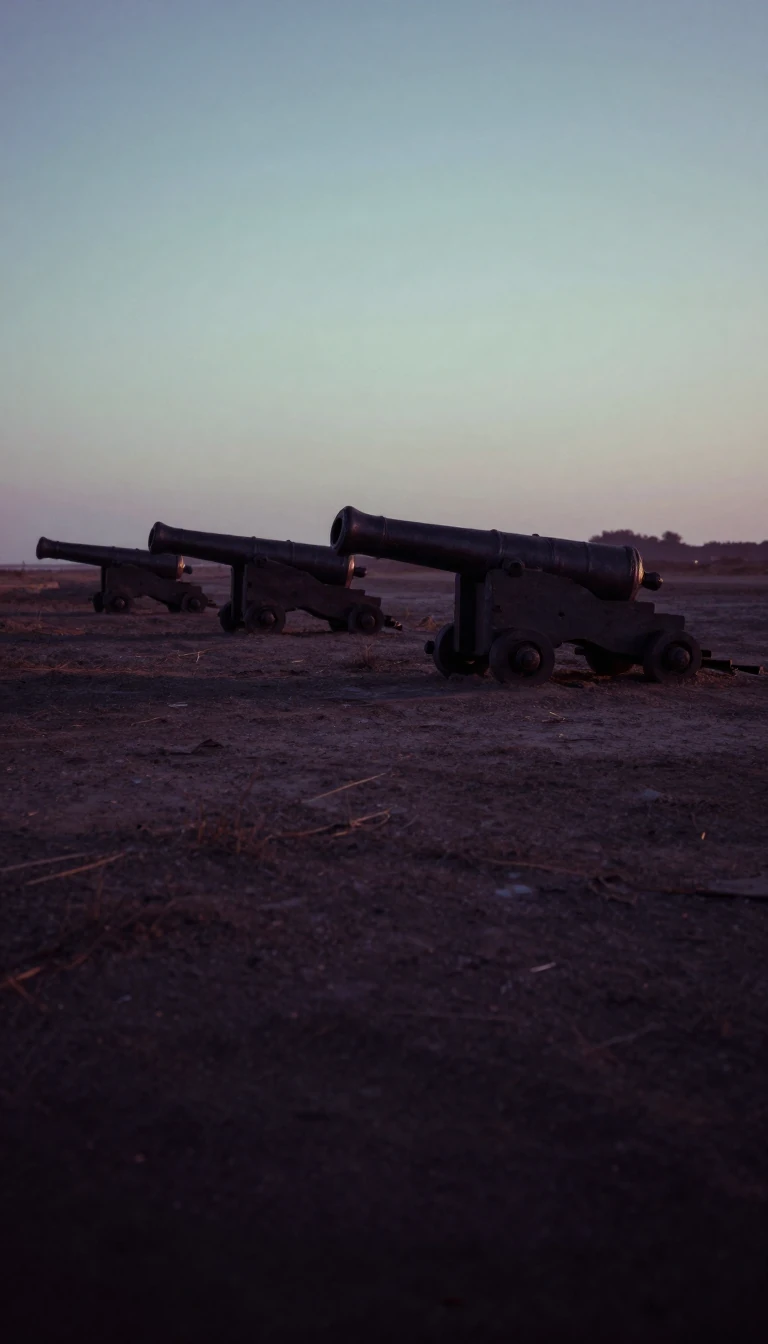 Why a failed naval gamble at Gallipoli became a defining moment for modern TurkeyThe 1915 Gallipoli campaign was intended to force the Ottoman Empire out of the First World War. Instead, it became a brutal, year-long stalemate that claimed 500,000 lives. While…
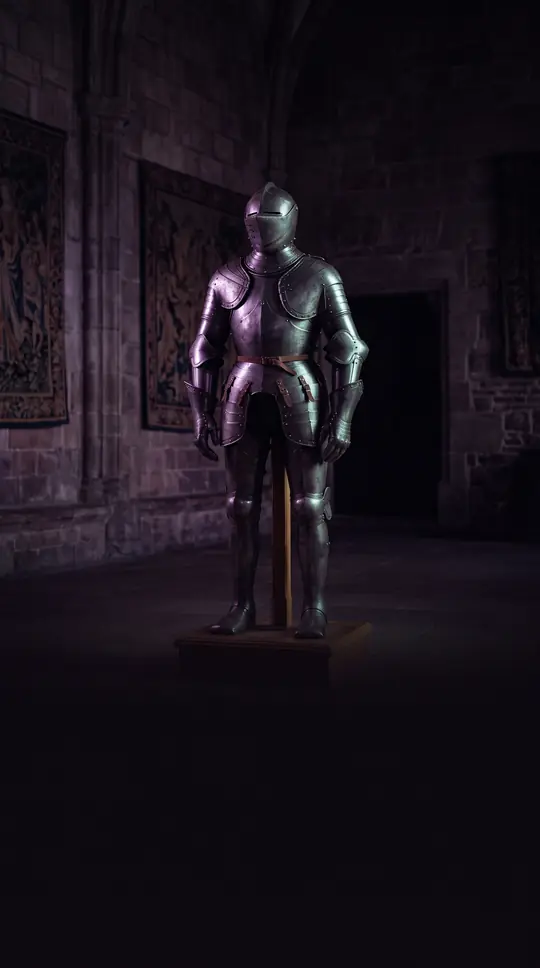 The 18th-century preacher who became a global celebrity through the power of his voice.George Whitefield was a theatrical Anglican priest who transformed evangelism into a mass-media spectacle. By preaching to millions across the British Empire, he became one of the…
 Why fantasy cinema evolved from B-movie obscurity to the industry's most profitable blockbuster engine.For decades, fantasy films were dismissed as low-budget curiosities plagued by poor effects and over-the-top acting. Today, they dominate the global box office. This transformatio…
 Is the All-Seeing Eye a Masonic conspiracy or a symbol of divine oversight?The Eye of Providence, often encased in a triangle and bathed in light, is a global icon of divine watchfulness. While conspiracy theorists frequently link it to Freemasonry and t…
 Why your life feels meaningless and how to navigate the inevitable identity shift.An existential crisis is more than just a bad day; it is an internal conflict where the desire for meaning clashes with an indifferent world. Whether triggered by a milestone or a…
 The ferret: an ancient hunter turned modern lab partner and misunderstood household companionDomesticated for millennia to flush rabbits from burrows, the ferret is a biological marvel with a history as complex as its personality. From the hunting grounds of Genghis Khan …
 The mysterious origins and enduring power of the fifth column labelA fifth column is an internal group that undermines a nation from within, often aiding an external enemy. Though the term is synonymous with the Spanish Civil War, its exact origi…
- How two words caused a thousand-year schism between the Western and Eastern churchesThe Filioque controversy centers on a single Latin phrase meaning and the Son. Inserted into the Nicene Creed, this addition sparked a theological firestorm over the nature of the…
 Fiat money is a decree-based currency that functions entirely on collective social trust.Derived from the Latin for let it be done, fiat money lacks intrinsic value or commodity backing. It circulates solely because users agree on its worth, trusting that merchants wi…
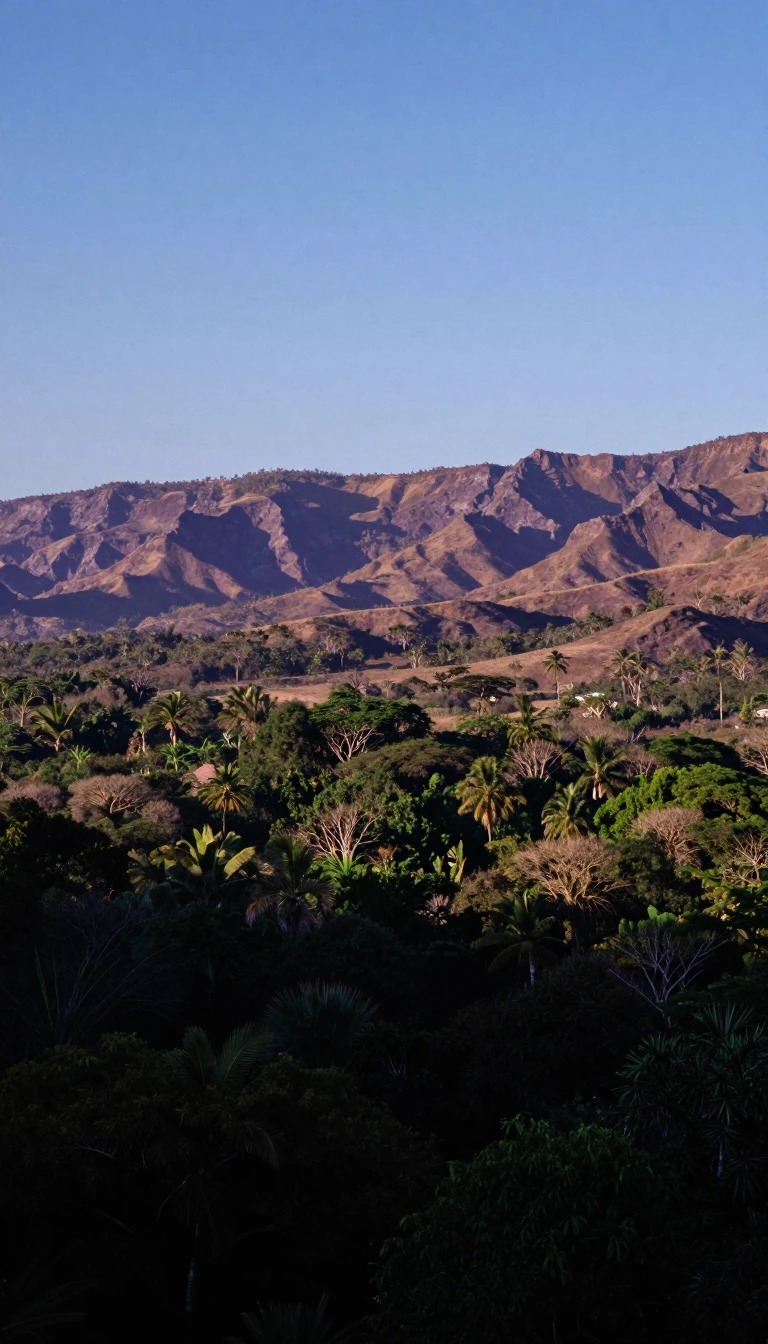 Mexico’s first independent government was a short-lived monarchy led by a former royal officer.After gaining independence from Spain in 1821, Mexico took the unusual step of establishing a constitutional monarchy. Led by Agustín de Iturbide, the First Mexican Empire lasted …
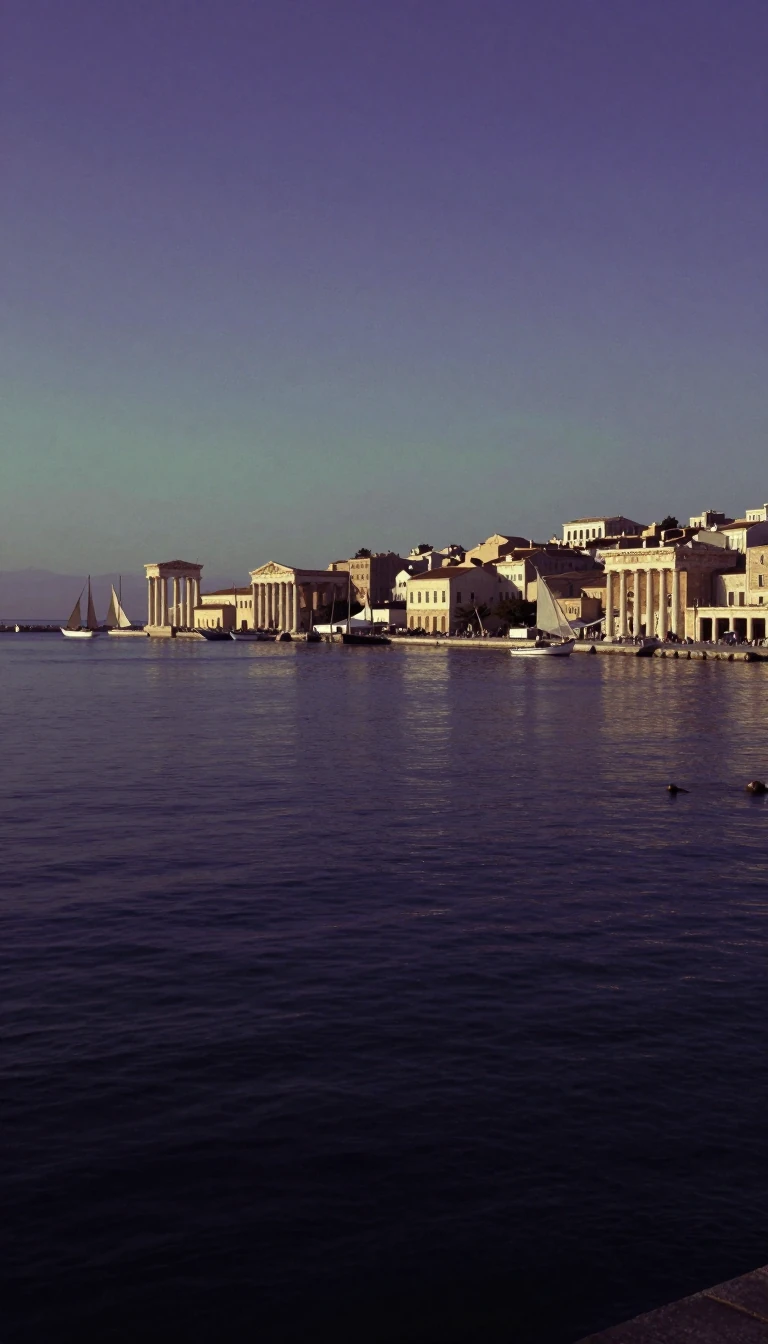 Ephesus was a shifting metropolis that survived earthquakes, sieges, and the loss of its seaOnce a premier Greek colony and later a Roman capital, Ephesus was a city defined by its constant reinvention. From its legendary origins to its role as a major religious hub, it …
 Beyond the desert sands: How the Nile powered the construction of ancient Egypt's pyramidsThe iconic pyramids of Egypt are more than just stone tombs for pharaohs. While they stand as enduring symbols of the Old and Middle Kingdom periods, recent archaeological finding…
 The Emperor of Japan is the world's last remaining monarch to hold that title.While Japan's imperial line traces back to ancient tradition, the role has shifted dramatically from divine ruler to ceremonial symbol. Today, the Emperor serves as a national fig…
 Why some territories are trapped inside others, and why they are disappearingAn enclave is a territory entirely surrounded by one other state, while an exclave is a piece of land separated from its home country by foreign soil. These geographical anomalies…
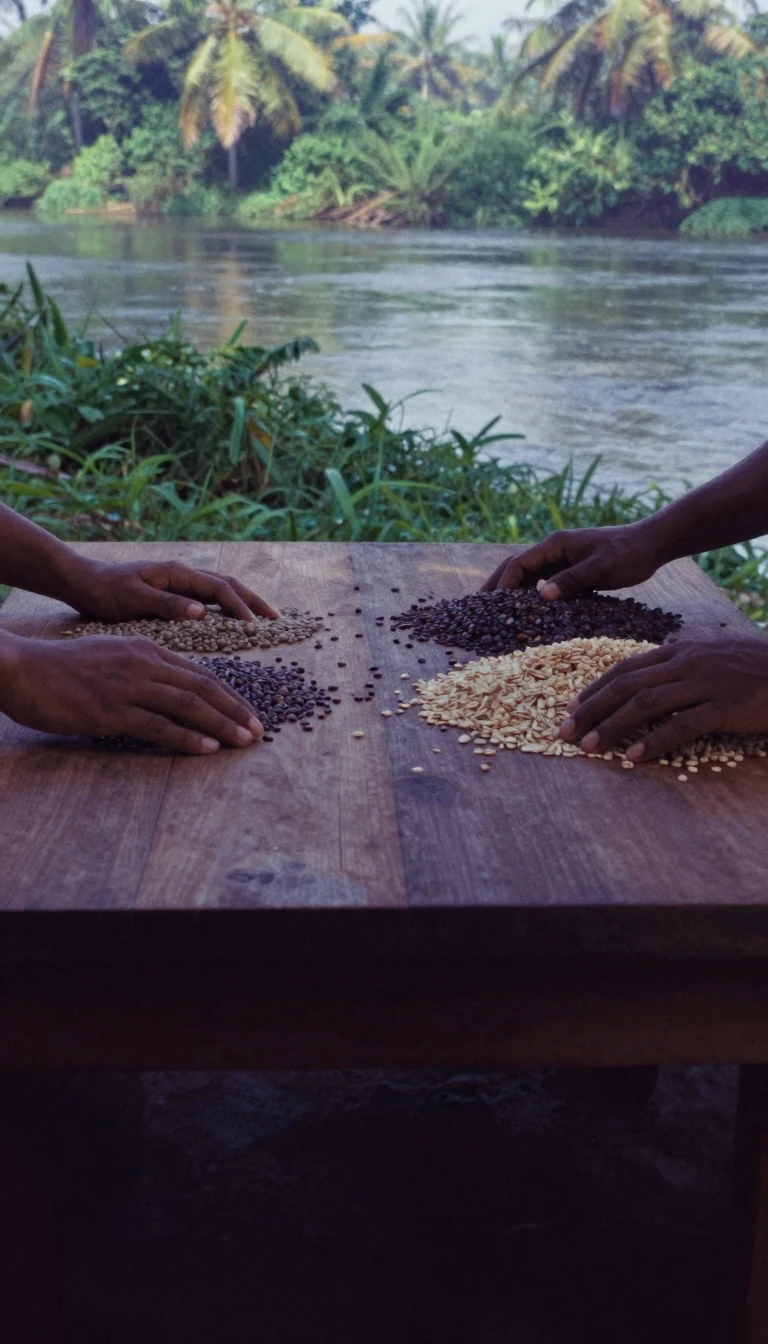 Eudaimonia is not just happiness; it is the ancient pursuit of a flourishing life.Modern happiness often implies a fleeting, subjective state of mind. Ancient Greeks, however, sought eudaimonia—a profound, objective condition of living and doing well. Far from …
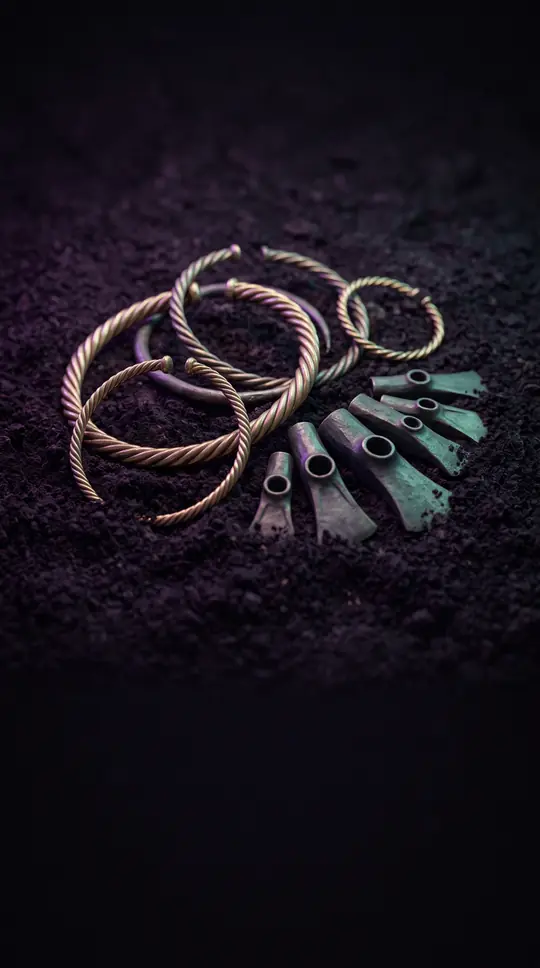 The ancient roots of evangelism: from a messenger's reward to a global movementEvangelism is the act of sharing the Christian gospel, but its origins are rooted in a Greek term for a messenger's reward. Today, it spans everything from street preaching to dig…
 Is evil a fundamental reality, a failure of perception, or a social construct?Across history, humanity has struggled to define evil. Is it a supernatural force, the absence of good, or merely a relative concept shaped by our own perspective? From ancient le…
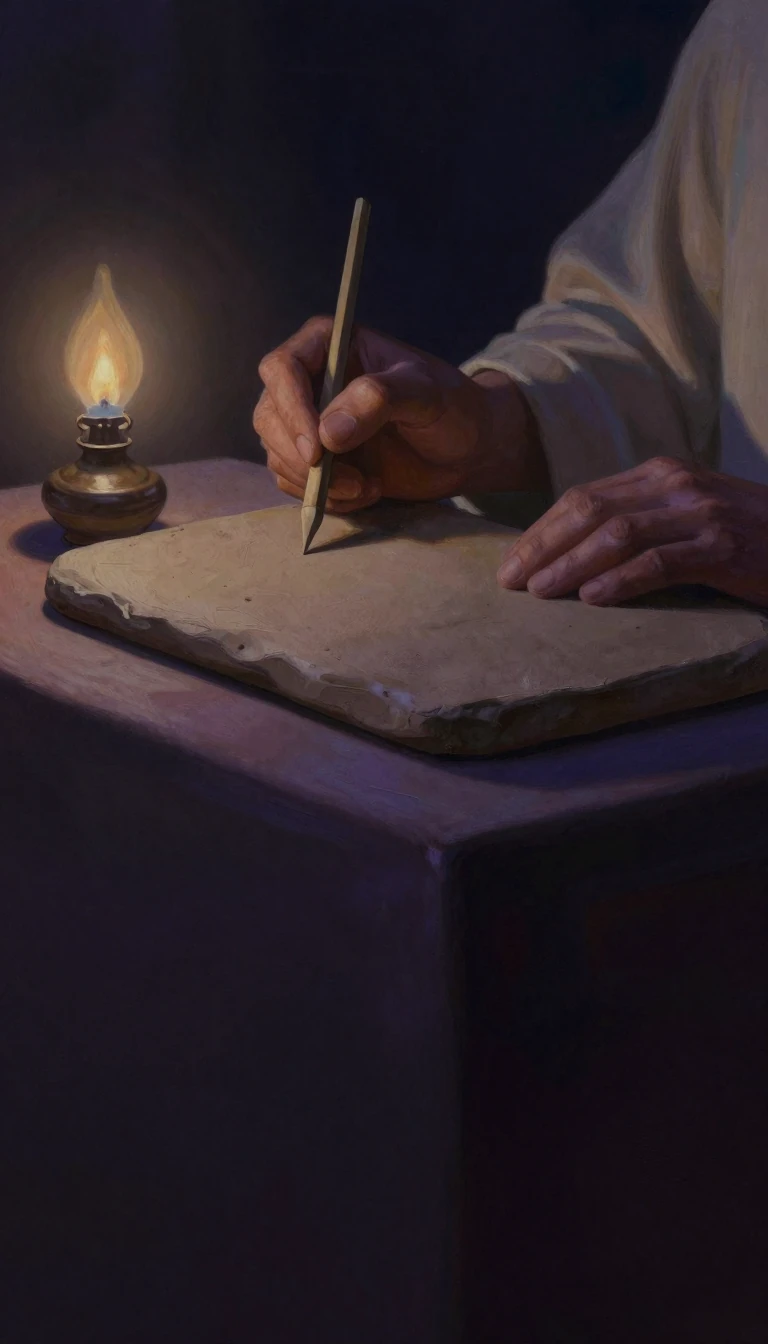 The Roman Emperor who bought the throne at a public auction for 25,000 sestercesIn 193 AD, the Praetorian Guard auctioned the Roman Empire to the highest bidder. Didius Julianus won the title by promising 25,000 sesterces to every soldier. His reign lasted on…
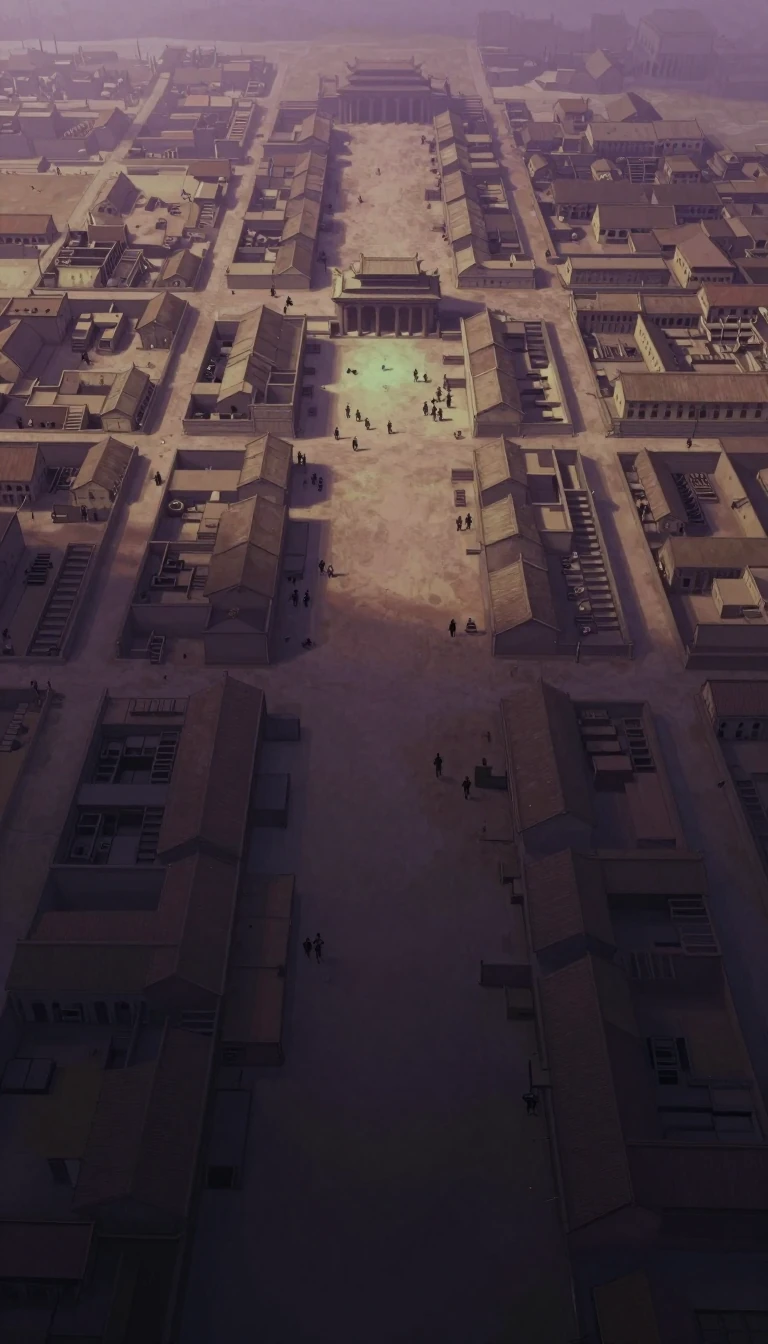 Why did ancient Greeks believe the center of the world was in Delphi?For centuries, the ancient world looked to Delphi as the spiritual navel of the earth. Home to the legendary oracle Pythia, this sacred precinct on Mount Parnassus served as a geo…
 India's demographic history reveals a complex tapestry of ancient migrations and rapid urban growth.With over 1.4 billion people, India is now the world's most populous nation. Beyond the sheer scale, its demographic story is defined by a deep genetic heritage, a shifting rural-…
 Why Turkey’s official census data avoids measuring the country’s diverse ethnic compositionIn Turkey, demographic data is not merely a statistical exercise but a deeply political instrument. While the government officially avoids collecting data on ethnicity to emphasiz…
 Was the Chinese dynastic system a clean succession of rulers or a chaotic overlap?History books often present Chinese dynasties as neat, sequential blocks of time. In reality, the transition between ruling houses was frequently a messy, prolonged affair. New re…
 Edirne: The ancient Balkan crossroads that served as the second Ottoman capital citySituated between Europe and Asia, Edirne has been a site of constant contest for millennia. Once the second capital of the Ottoman Empire, this Turkish city holds a dense history …
 Italy’s demographic transformation: from a nation of emigrants to a society of aging residents.Once defined by mass exodus, Italy now faces a stark demographic reality. With one of the world's lowest fertility rates and a rapidly aging population, the country is navigating …
 Crucifixion was a calculated tool of Roman state terror, not just a method of execution.Far from a uniform practice, crucifixion was a versatile, gruesome spectacle designed to maximize public humiliation and deterrence. By stripping victims naked and leaving them to…
 Is the use of physical pain to punish children an ancient necessity or choice?For millennia, societies used physical pain to discipline children, prisoners, and slaves. While often justified by tradition or scripture, this practice is not an innate human be…
 The Russian dacha is more than a summer home; it is a cultural institution.Originating as royal gifts in the 17th century, the dacha evolved from an aristocratic retreat into a vital Soviet-era escape. Today, these seasonal homes represent a unique inter…
 Corfu: How a Mediterranean Island Became a Strategic Fortress for EmpiresKnown as the island of the Phaeacians in mythology, Corfu has served as a vital naval staging post for centuries. From its ancient status as a major Greek naval power to its role …
 The Ancient Kingdom of Dacia: A Formidable Power That Once Challenged the Roman EmpireSpanning the Carpathian Mountains and the Danube, the Dacian kingdom was a major power that repeatedly defied Roman authority. Under leaders like Burebista and Decebalus, the Daci…