 Intellect Plus
Empires & civilisations
439 cards. Each one is a 40-second story with a five-minute read behind it. Page 5 of 8.
 The Roman calendar was a political tool that once stretched to 446 days long.Before the Julian reform, the Roman calendar was a chaotic, often manipulated system that drifted seasons out of alignment. Pontiffs frequently failed to intercalate properly, dri…
 Why did the Romans elect two leaders to share one year of absolute power?The Roman consulship was designed to prevent the return of kings. By forcing two men to share supreme authority, each with the power to veto the other, Rome created a system of ch…
 How a Tribe of Meccan Merchants Became the Architects of the Islamic CaliphateBefore Islam, the Quraysh were an elite mercantile tribe controlling trade routes across the Arabian Peninsula. After years of bitter conflict with Muhammad, they underwent a rema…
 Is progressivism a fixed ideology or a shifting response to the modern world?Progressivism is not a single doctrine but a flexible philosophy aimed at improving the human condition. From its Enlightenment roots to contemporary debates over market socialism…
 How a shepherd-warrior tribe transformed into a dynasty that defined modern Iran's bordersThe Qajar dynasty ruled Iran from 1789 to 1925, evolving from a Turkic tribal force into a sophisticated Perso-Islamic monarchy. Despite their rise to power, they faced relentless…
 How a 15th-century African giraffe became a legendary Chinese omen of prosperityThe qilin is a mythical chimerical beast said to herald the arrival of sages or benevolent rulers. While its origins trace back to ancient poetry, the creature’s modern identity w…
 Why history often erased the power of women who ruled in their own right.A queen regnant is a monarch who rules in her own right, holding full sovereign power. Unlike a queen consort, who shares a husband's rank, a queen regnant possesses the authority…
 Rana Sanga: The scarred warrior who nearly stopped the Mughal Empire in its tracksRana Sanga was the last independent Hindu sovereign to command vast swathes of northern India. A veteran of countless battles, he lost an eye, an arm, and the use of a leg, yet he…
 Is the President of Iran truly the head of state or a subordinate official?While the President of Iran holds the title of head of state in international records, the office functions under the strict authority of the Supreme Leader. This unique executive…
 Was the Pergamon Altar actually the throne of Satan mentioned in the Book of Revelation?Pergamon was a powerhouse of the Hellenistic world, renowned for its library and monumental architecture. Yet, its most famous relic, the massive Pergamon Altar, carries a dark le…
 Did a mysterious ancient plague really bring the Byzantine Empire to its knees?Beginning in 541, a devastating epidemic swept through the Mediterranean, forever altering the trajectory of the Byzantine Empire. While traditional accounts describe a cataclysmi…
 Italy's Prime Minister: A powerful office defined by fragile coalitions and constant political mediation.The Italian prime minister is the nation's de facto chief executive, yet lacks the formal power to fire ministers. This structural limitation forces leaders to act as mediators be…
 How a Timurid prince built a global economic superpowerFrom a small conquest in 1526 to controlling a quarter of the world's population, the Mughal Empire once defined the global economy. Discover how this dynasty of Timurid descendan…
 The teenage emperor whose sudden death ended the direct male Romanov dynasty in 1730Peter II of Russia ascended the throne at eleven, only to spend his short reign trapped between warring court factions. A neglected orphan who despised statecraft, he preferred hu…
 The Praetorian Guard: From Elite Imperial Bodyguards to Kingmakers of the Roman EmpireOriginally established to protect Roman generals, the Praetorian Guard evolved into a volatile political force. These elite soldiers eventually gained the power to assassinate emp…
- Padua: The Ancient Trojan City That Became a Hub of Science and ArtLegend claims this northern Italian city was founded by a Trojan prince, but its true legacy lies in its intellectual and artistic defiance. From hosting one of the world's oldest…
 The Ostrogothic Kingdom: A Brief, Sophisticated Attempt to Rebuild the Western Roman EmpireBetween 493 and 553, the Ostrogoths ruled Italy under Theodoric the Great, attempting to blend Germanic military power with Roman administrative tradition. While Theodoric success…
 The Pahlavi dynasty rose from a military coup to define Iran's modern trajectory.Founded by a non-aristocratic soldier, the Pahlavi dynasty transformed Iran through rapid secularization and nationalism before its collapse in 1979. This brief, intense era of mo…
- The Pahlavi dynasty transformed Iran from a fragmented state into a modern regional power.From 1925 to 1979, the Pahlavi dynasty reshaped Iran through rapid modernization, secularization, and military expansion. Yet, this era of economic growth and infrastructure devel…
 Can a shared alphabet and deep economic ties unite the modern Turkic world?The Organization of Turkic States is a unique intergovernmental alliance aiming to bridge cultures and economies across vast distances. From its origins in 2009 to a recent push f…
 The Nicene Creed was designed as a secret token to distinguish believers from heretics.Originally called a symbolon, the Nicene Creed functioned like a broken object whose two halves, when joined, verified a person's identity. Adopted to resolve the Arian controvers…
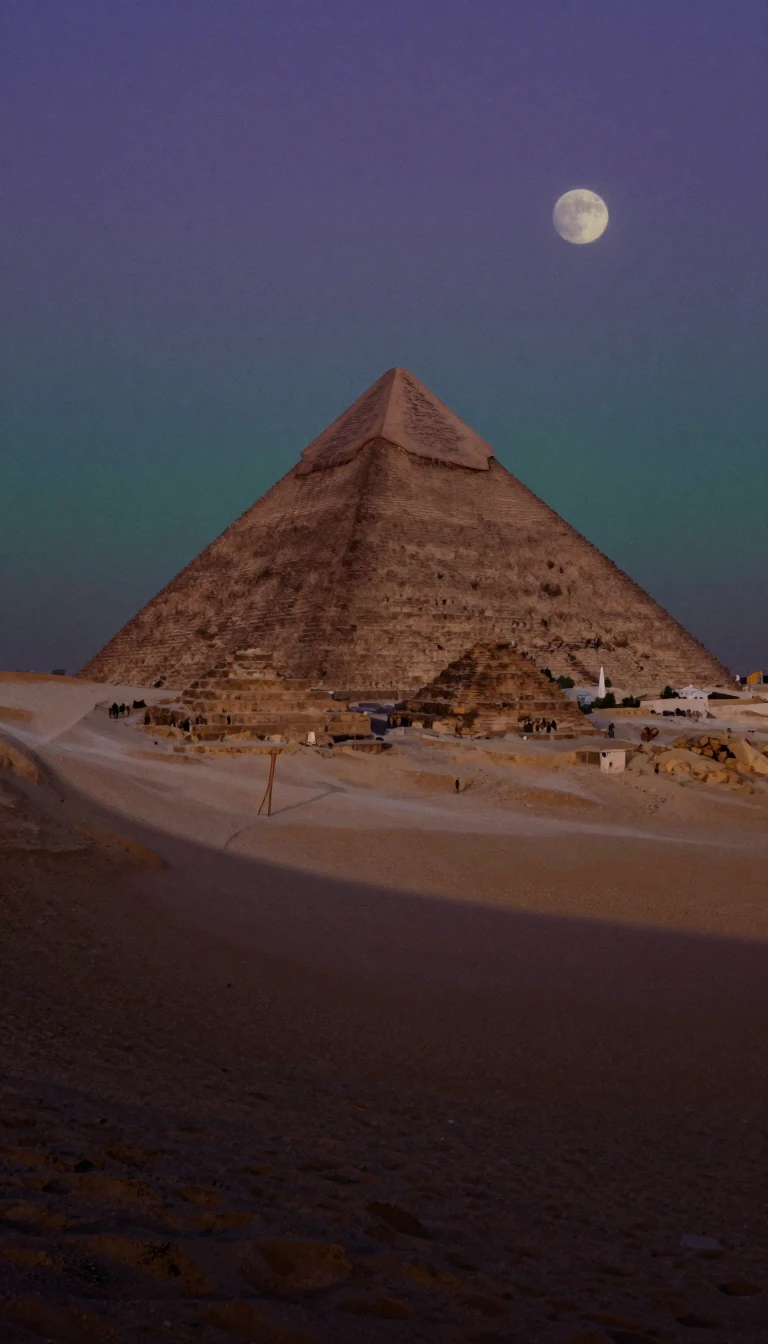 Why the Old Kingdom of Egypt is literally written in stoneSpanning roughly 2700 to 2200 BC, the Old Kingdom represents Egypt's first sustained peak of civilization. Often called the Age of the Pyramids, this era transformed the Nile Vall…
 Did the Western Roman Empire really fall in 476, or was it just rebranded?In 476 AD, a barbarian officer named Odoacer deposed the last Western Roman emperor. While tradition marks this as the empire's collapse, Odoacer ruled with the Roman Senate's sup…
 Beyond the Cloister: The Ancient and Diverse Traditions of Monastic LifeMonks are often imagined as solitary figures in quiet prayer, yet the reality of monasticism spans thousands of years and vastly different cultures. From the ascetic wanderers of …
 Mummification is a global phenomenon that predates the pyramids by thousands of yearsWe often associate mummies with the golden sands of Egypt, but these preserved remains appear on every continent. From deliberate burials in Southeast Asia dating back 12,000 year…
 Why Ancient Greeks Believed Music Could Literally Shape Your Moral CharacterIn ancient Greece, music was not merely entertainment; it was a powerful tool for ethical development. Philosophers like Plato and Aristotle argued that specific musical modes, or…
 How Spain’s monarchy survived a dictatorship to become a symbol of democratic unityThe Spanish monarchy is a constitutional paradox. Once the center of a global empire, it was dismantled, restored by a dictator, and eventually redefined as a democratic arbiter. …
 Is Mongolian one language or a complex web of shifting, disputed dialects?Mongolian is not a single, static tongue, but a vibrant continuum spanning Mongolia, China, and Russia. While state-sanctioned standards exist in Ulaanbaatar and Inner Mongolia, l…
 The Mongol Empire was a brief, explosive chapter in a much longer, complex history.While the 13th-century Mongol Empire is famous for its vast reach across Eurasia, it was merely one phase in a deep history of nomadic confederations. From the ancient Donghu to t…
 The spiritual leader who spent forty-four years in silence and claimed to be GodMeher Baba was a 20th-century Indian figure who claimed to be the Avatar, the reincarnation of major religious prophets. After beginning a period of silence in 1925, he communicat…
 From ancient curses to modern plastic, the volatile history of naphtha explainedNaphtha is a versatile hydrocarbon mixture that has shaped human history for millennia. Once invoked in ancient Mesopotamian curses and used as a mysterious, fire-starting liquid …
- Maat: The Ancient Egyptian Force That Kept The Universe From Collapsing Into ChaosIn ancient Egypt, the cosmos was not merely a physical space but a delicate structure maintained by Maat. Representing truth, justice, and moral balance, this foundational concept…
 How a Greek kingdom became a contested crossroads of empires and national identitiesMacedonia is more than a geographic region; it is a historical palimpsest. From the ancient kingdom of Philip II and Alexander the Great to a centuries-long Ottoman province, this…
 Was Rome’s greatest architect and general actually the secret architect of the empire?Marcus Vipsanius Agrippa was more than just Augustus’s right-hand man. He was the military genius behind the Battle of Actium, the engineer who turned Rome into a city of marble, …
 From Neolithic stone to parliamentary symbol, the mace is history's most enduring blunt weapon.The mace evolved from a simple Paleolithic club into a sophisticated tool of war designed to crush plate armor. While its combat utility faded, it transformed into a powerful embl…
 The Mahdi: A Messianic Figure Across Centuries of Islamic Theology and Political AmbitionThe Mahdi, or The Guided One, is a central figure in Islamic eschatology, representing a messianic leader destined to restore justice before the end of the world. While Sunni and …
 How a minor underworld deity transformed into the supreme king of the Mesopotamian gods.Marduk began as an obscure, sparsely attested figure in the third millennium BC. Yet, through centuries of political maneuvering, syncretism, and epic literature, he ascended to b…
 Why Britain’s most famous classicist insists that the ancient world is never really deadMary Beard transformed the study of Ancient Rome from an ivory tower pursuit into a public conversation. By challenging traditional narratives and embracing her role as a media-sa…
 How a medieval Baltic trade hub became the cradle of Northern European commerceLübeck rose from a Slavic settlement to the de facto capital of the Hanseatic League. For centuries, its unique legal code governed trade across the Baltic, shaping the economic l…
 The Greek underworld was not a hell for all soulsAncient Greeks didn't view death as an automatic descent into eternal torment. Instead, their afterlife was a complex geography of rivers and meadows where the fate of your soul d…
 Proclaimed in 1897, the short-lived Korean Empire attempted a rapid, ambitious modernization.Seeking independence from foreign interference, King Gojong transformed Joseon into the Korean Empire. Through the Gwangmu Reform, he pursued Western-style industrialization, mili…
 When Crusaders Seized Constantinople, They Created an Empire That Lasted Only Fifty-Seven YearsIn 1204, the Fourth Crusade abandoned its mission to Jerusalem, instead sacking Constantinople and establishing the Latin Empire. This short-lived feudal state attempted to replac…
 Lü Bu: The legendary warrior who betrayed his way to a violent, lonely endRenowned for his martial prowess and his legendary steed, the Red Hare, Lü Bu was a formidable warlord during the late Eastern Han dynasty. Yet, his legacy is defined as much by h…
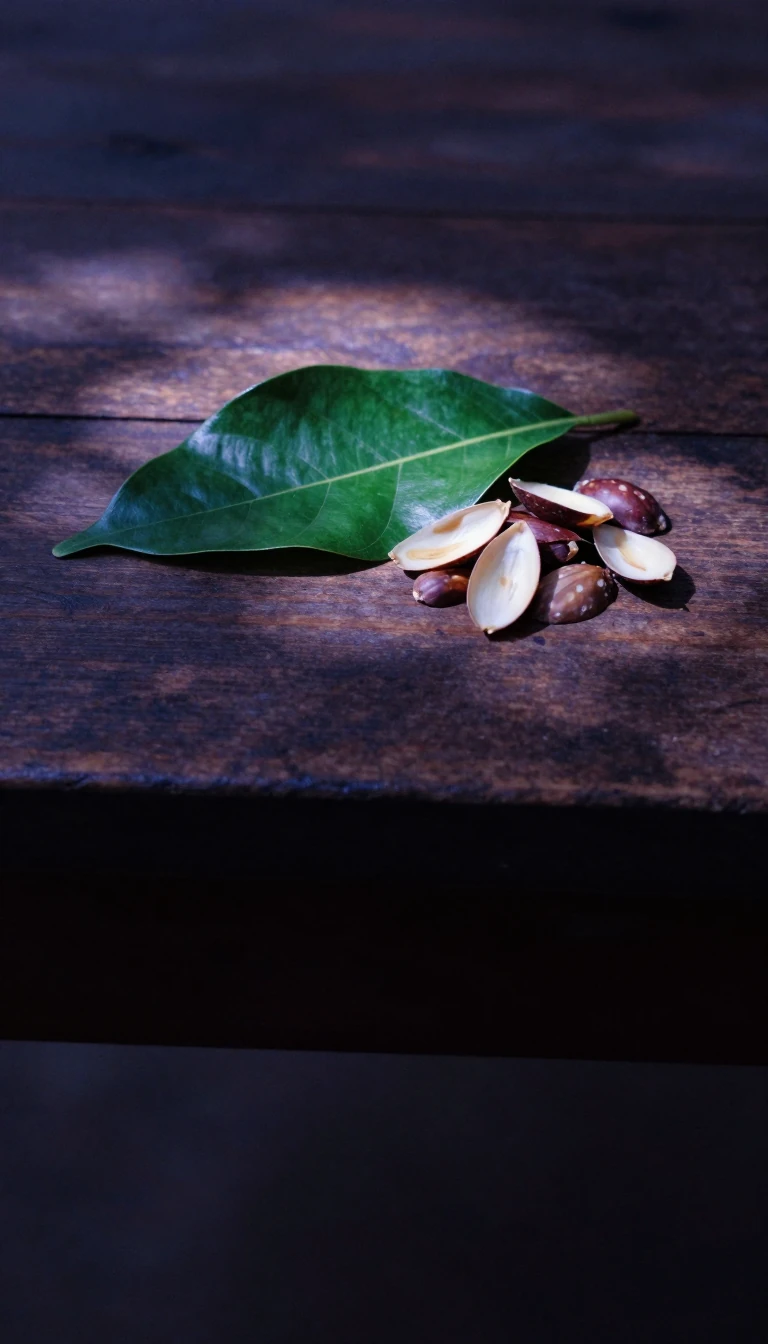 The bitter seed that built empires and defined the modern global soda industryNative to West African rainforests, the kola nut is a potent stimulant that has served as a sacred ceremonial offering, a tool for social mobility, and the original namesake for t…
 How a Napoleonic creation became a constitutional powerhouse in the heart of GermanyBorn from the collapse of the Holy Roman Empire, the Kingdom of Württemberg evolved from a French-aligned client state into a sophisticated constitutional monarchy. Despite its sm…
 The Kingdom of the Two Sicilies was a powerhouse of culture and industry.Before Italy became a unified nation, the Kingdom of the Two Sicilies stood as the largest state on the peninsula. Ruled by the House of Bourbon, it was a land of massive opera ho…
- The Mutawakkilite Kingdom of Yemen: A Century of Isolation, Conflict, and Absolute MonarchyEmerging from the collapse of the Ottoman Empire in 1918, the Kingdom of Yemen sought to restore a Greater Yemen through territorial expansion and isolationism. Ruled by an absolu…
 How a fragile union of former empires became a kingdom of internal contradictionsBorn from the collapse of Austria-Hungary and the unification of Serbia and Montenegro in 1918, the Kingdom of Yugoslavia was a grand pan-Slavic experiment. Yet, from its inceptio…
 The Kingdom of Naples was a European powerhouse ruled by foreign dynasties for centuriesSpanning southern Italy, the Kingdom of Naples was a major economic and military engine for Spanish and French empires. Despite its immense wealth and strategic importance, the st…
 How a tiny German kingdom became Europe's most industrialised powerhouse by 1871The Kingdom of Saxony was a paradox: a Roman Catholic royal family ruling over a 95% Protestant population. Despite losing 60% of its territory to Prussia in 1815, it transformed …
 How a quirk of inheritance law dissolved a kingdom and reshaped German historyFor over a century, Hanover and Great Britain shared a monarch in personal union. When Queen Victoria ascended the British throne in 1837, this bond shattered due to archaic succe…
- Why the Kingdom of Sardinia was rarely governed from the island of SardiniaThough it bore the name of a Mediterranean island, the Kingdom of Sardinia was a mainland power. For over a century, its true center of gravity was Turin, not Cagliari. This compo…
 How a Balkan Monarchy Transformed from an Agrarian Zadruga into a Modern European PowerThe Kingdom of Serbia emerged in 1882, navigating a volatile landscape of imperial ambitions and internal dynastic blood feuds. From its roots as a traditional agrarian society go…
- The Kingdom of Greece was a turbulent experiment in monarchy and national identity.Established in 1832 after a grueling war for independence, the Kingdom of Greece spent over a century navigating foreign influence, economic instability, and the ambitious Megali …
 How the Kabyle people maintained their mountain independence for over a thousand yearsIndigenous to the Atlas Mountains of Algeria, the Kabyle people have long served as a bastion of Berber identity. Despite centuries of pressure from Roman, Ottoman, and French for…
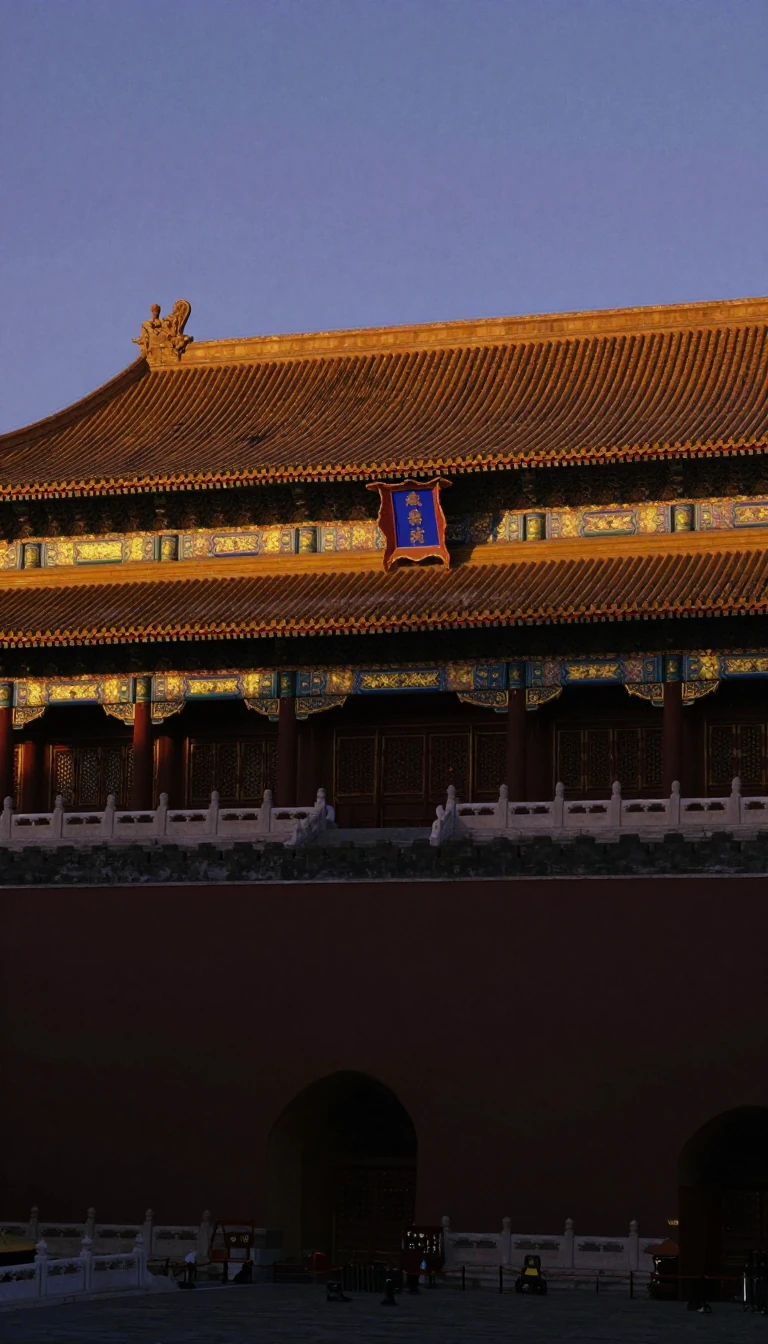 How a mechanical silver tree served drinks in the heart of the Mongol Empire.In the 13th century, the Mongol capital of Karakorum was a cosmopolitan hub where a Parisian goldsmith’s automaton—a silver tree—poured wine for the Khan’s guests. Far from a mere…
 The puppet regime that tried to reinvent Italian Fascism as a socialist movementBorn from a German rescue mission, the Italian Social Republic was a desperate, short-lived state led by a humiliated Benito Mussolini. While nominally sovereign, it functioned as…
 The Iranian rial's long journey from silver coins to a million-to-one dollar exchange rateThe official currency of Iran has undergone a dramatic transformation since its inception in the late 18th century. Once a silver coin worth a fraction of a toman, the rial has fa…
 The Iran Nuclear Deal: A Decade of Diplomacy, Constraints, and Eventual CollapseIn 2015, world powers and Iran finalized a landmark agreement to curb Tehran's nuclear ambitions in exchange for sanctions relief. By limiting enrichment and opening facilities to…
- The shadow organization that once operated as a state-sanctioned death squadIn the late 1970s, Turkey was gripped by urban guerrilla warfare. Amidst the chaos, the Grey Wolves emerged not just as a political youth wing, but as a disciplined paramilitary f…