 Intellect Plus
Philosophers
1,976 cards. Each one is a 40-second story with a five-minute read behind it. Page 27 of 33.
 Did one of the 20th century's greatest mathematicians reject his own life's work?L. E. J. Brouwer revolutionized topology with his fixed-point theorem, yet he later dismissed his own mathematical achievements as false. As the founder of intuitionism, he argued…
 Lawrence Kohlberg argued that moral maturity is a measurable, six-stage developmental sequence.Lawrence Kohlberg revolutionized psychology by proposing that moral reasoning evolves through a fixed, universal sequence of stages. Rather than focusing on what people choose, he…
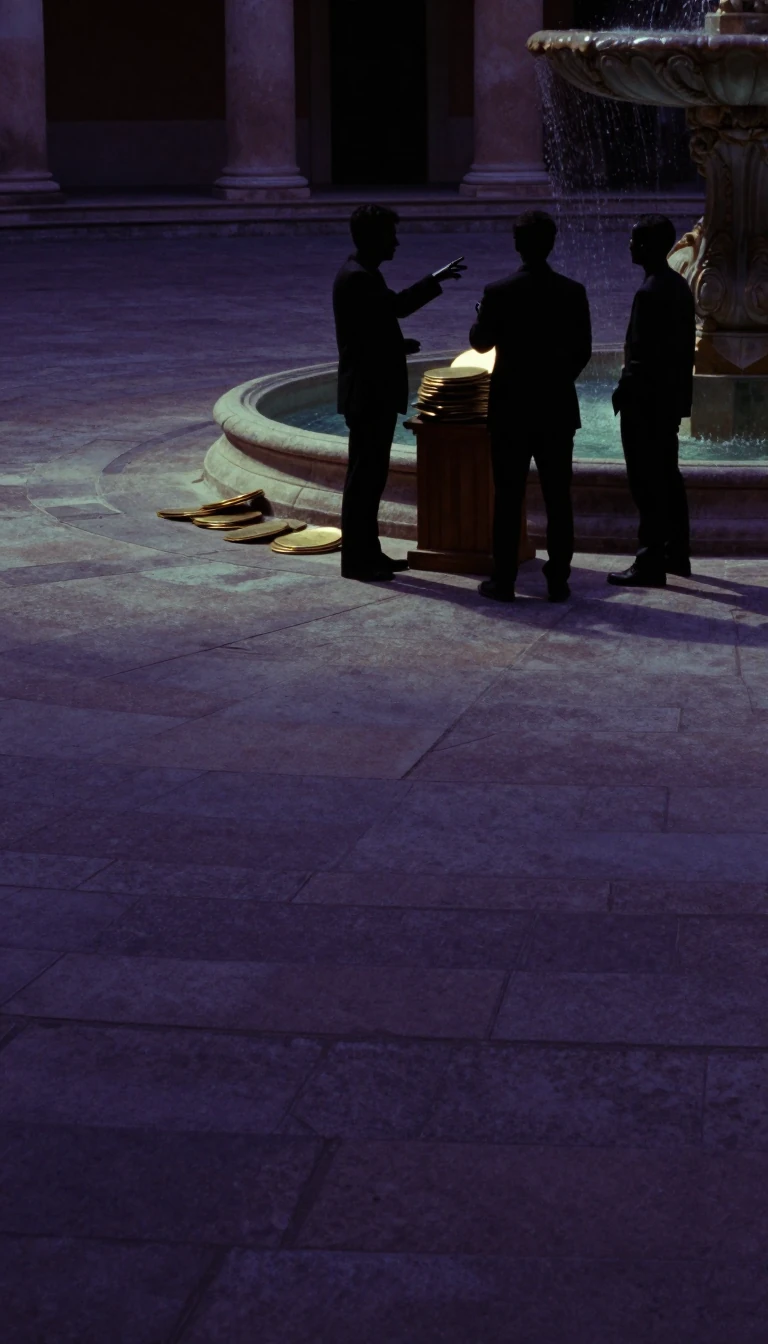 Did ancient philosophers hide their true teachings to survive and educate the elite?Leo Strauss argued that great thinkers often wrote esoterically, burying radical ideas beneath conventional language. By doing so, they protected themselves from persecution while…
 Why the self-regulating market is a dangerous myth that threatens modern democracyKarl Polanyi argued that market-based societies are not inevitable, but historically contingent. He warned that when economies are detached from social and cultural foundations, t…
 The philosopher who co-founded Wikipedia now claims the site is broken beyond repairLarry Sanger helped launch Wikipedia in 2001, envisioning a collaborative project rooted in neutrality. Today, he is its most vocal critic. Sanger argues that the platform has aba…
 How an 18th-century physicist became the first woman to hold a university chair.Laura Bassi was a scientific pioneer who shattered gender barriers in academia long before they were officially dismantled. Recognized as the Bolognese Minerva, she became the fir…
 How a psychiatrist became a philosopher to map the limits of human existenceKarl Jaspers began his career diagnosing mental illness, but his dissatisfaction with clinical methods led him to pioneer a new way of understanding the human condition. By shifti…
 The man who gave the world the word robot actually hated the termKarel Čapek introduced the word robot to the global lexicon in his 1920 play R.U.R., yet he originally intended to call his artificial beings laboři. He found that term too artifi…
 The Pope of Marxism who predicted the inevitable collapse of the capitalist systemKarl Kautsky was the intellectual architect of the Second International, shaping global socialist thought for decades. Known as the Pope of Marxism, he transformed complex economi…
- Can we escape our own biases to understand the truth of social reality?Karl Mannheim, a foundational figure in the sociology of knowledge, argued that our ideas are deeply tethered to our social position. By distinguishing between ideologies that pre…
 How a Buchenwald survivor transformed the trauma of concentration camps into literary artJorge Semprún survived the Buchenwald concentration camp, only to spend his life wrestling with how to communicate the impossible. Through fractured, non-linear narratives, he exp…
 How a forgotten eighteenth-century play helped ignite the American RevolutionJoseph Addison was a celebrated British essayist and politician, but his most enduring legacy is a tragedy that became a rallying cry for American independence. His play Cato, a T…
 Was the French Revolution a divine punishment for the sins of Enlightenment rationalism?Joseph de Maistre, a Savoyard diplomat and philosopher, argued that political order cannot be built on abstract reason. Instead, he claimed that true authority is divinely sanctio…
 The French philosopher who published nothing while alive yet became a literary legendJoseph Joubert was a master of the aphorism who never released a single book during his lifetime. Instead, he filled notebooks with profound reflections on existence and spiritual…
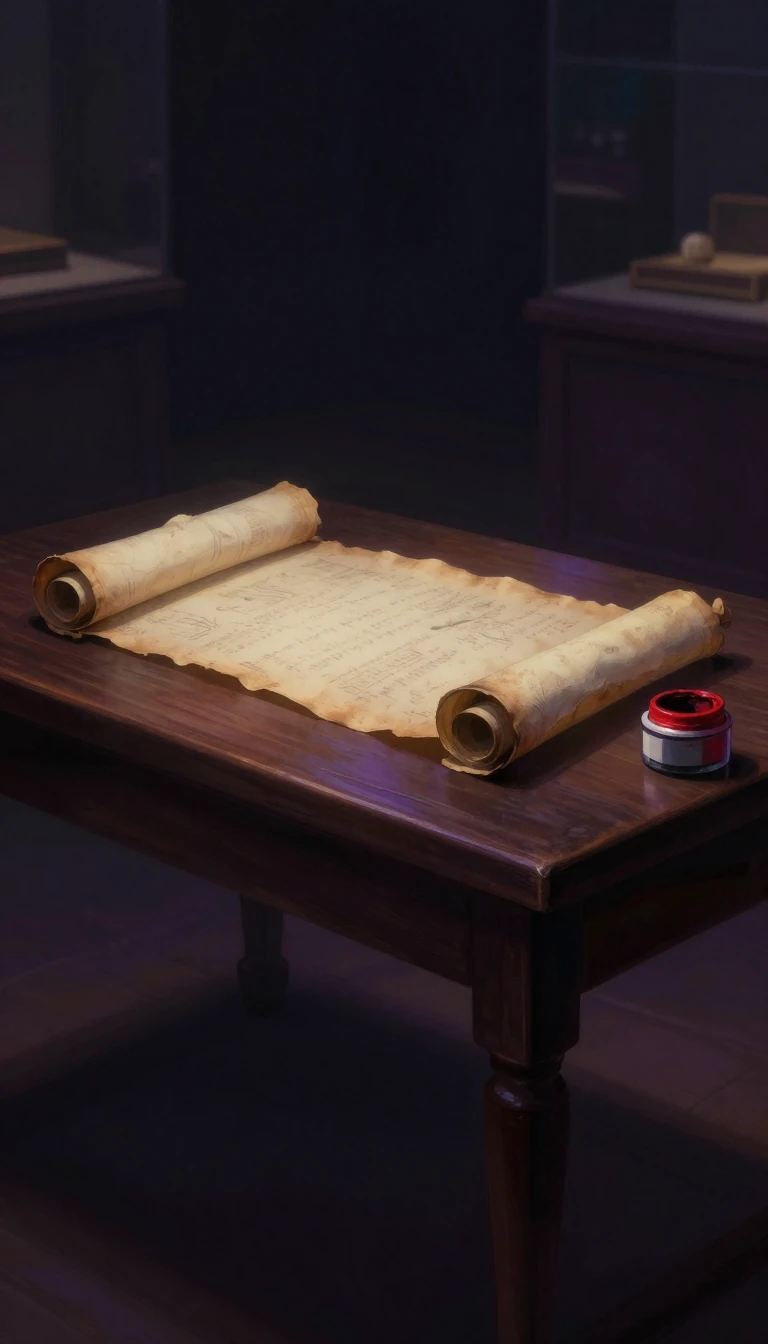 Can a machine truly understand, or is it just shuffling symbols in a room?John Searle challenged the promise of strong artificial intelligence with his famous Chinese room argument. He argued that manipulating symbols according to a program does not equ…
 John Toland: The 18th-century radical who dared to call religion a political fraudJohn Toland was the first person ever labeled a freethinker. A brilliant, combative Irish philosopher, he argued that reason should govern all human belief. His radical ideas on c…
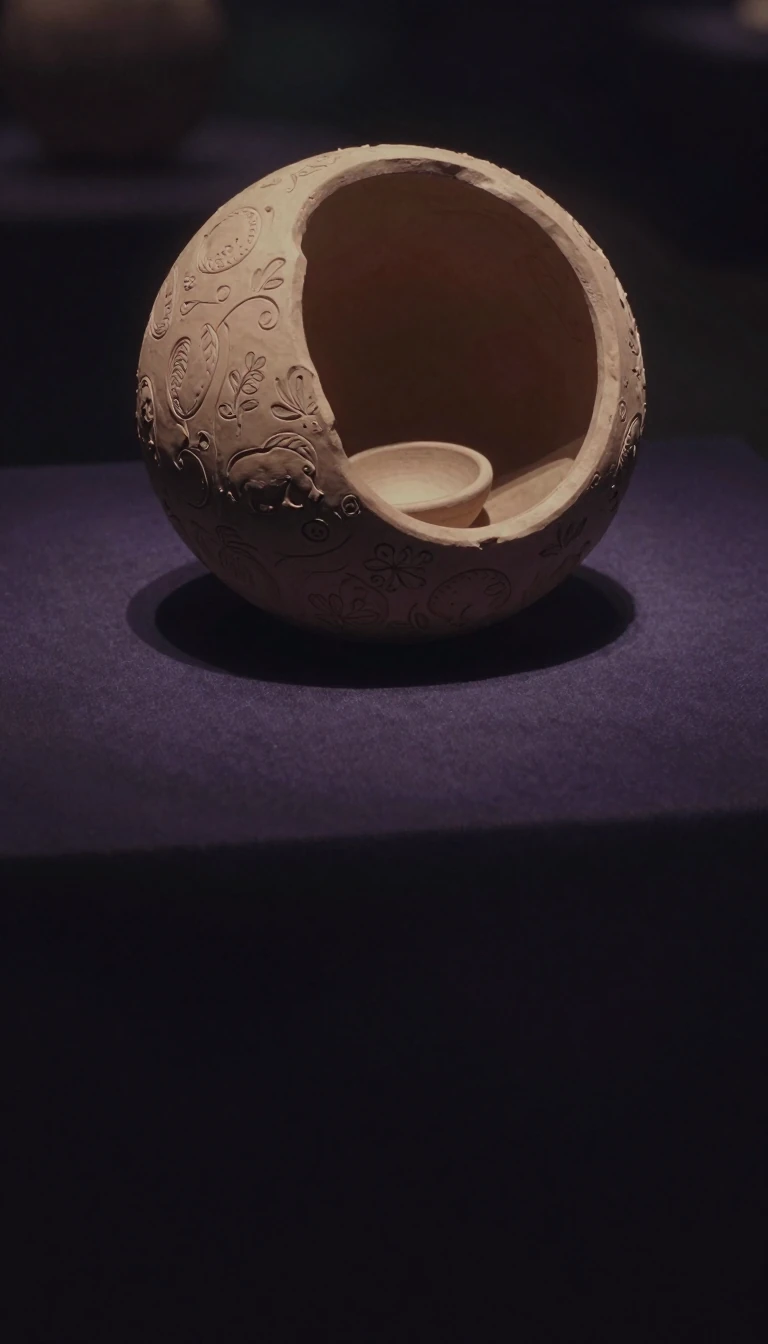 The man behind the famous overlapping circles was a priest, gardener, and cricket innovator.John Venn is globally recognized for the diagrams that bear his name, yet his life extended far beyond logic. A former Anglican priest and Cambridge academic, Venn was also a comp…
 Nobel-winning neurophysiologist John Eccles proposed a radical trialist view of human consciousness.Sir John Eccles, a 1963 Nobel laureate in physiology, spent his life mapping the synapse before turning his focus to the enigma of the mind. He moved beyond traditional dualism to…
 John Scotus Eriugena: The Ninth-Century Irish Intellectual Who Reconciled Reason and Divine FaithBertrand Russell called him the most astonishing person of the ninth century. As the leading scholar of the Carolingian Renaissance, this Irish-born philosopher dared to claim tha…
 John Wallis: The cryptographer who gave us the symbol for infinityBefore he became a foundational figure in calculus, John Wallis served as a chief codebreaker for the English Parliament. His mathematical genius emerged from a desire to formaliz…
 Why a 7th-century monk’s guide to heaven became a foundational text for modern philosophyJohn Climacus, a Byzantine hermit, authored a thirty-step manual for spiritual perfection that remains a cornerstone of Orthodox monastic life. While his work, The Ladder of Divin…
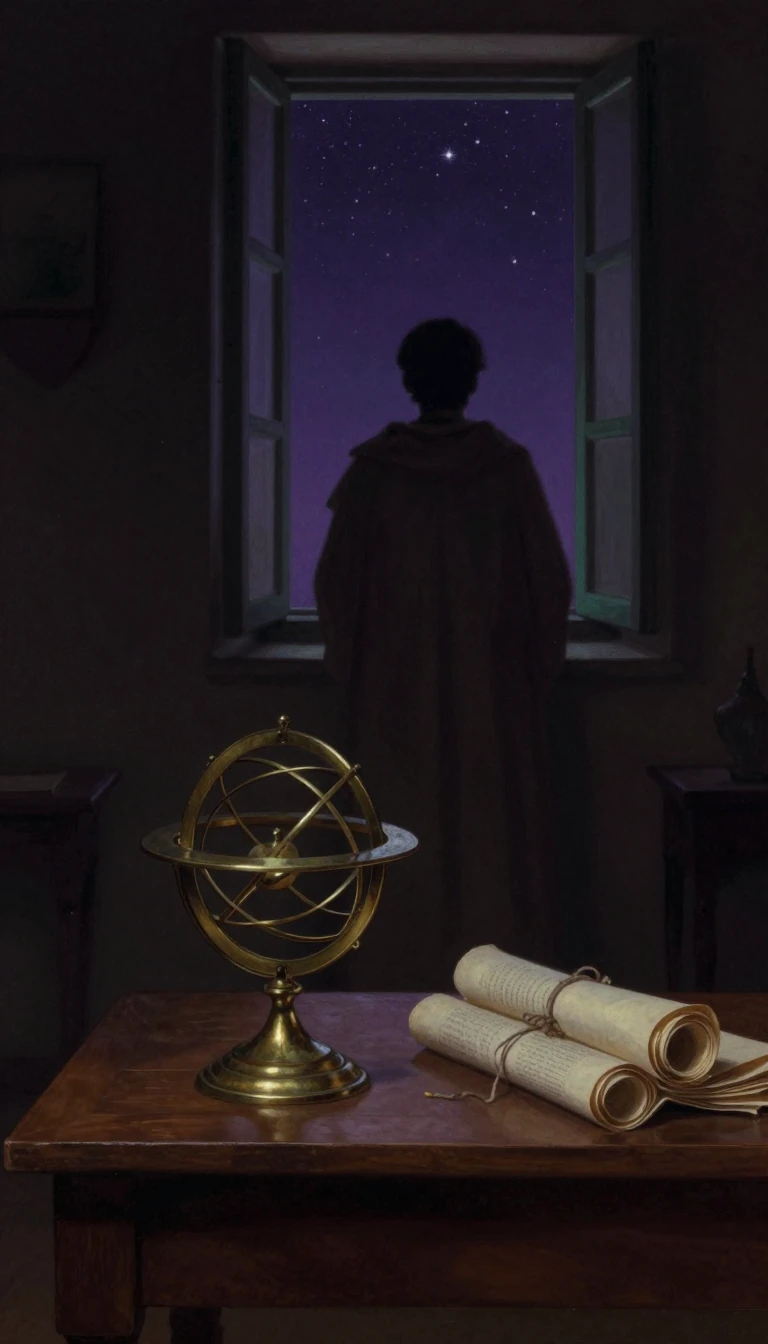 Can you read a person's soul simply by tracing the outline of their face?Johann Kaspar Lavater, an 18th-century Swiss theologian, believed that human character was etched into the lines of our countenances. By popularizing the silhouette, he turned pro…
 How a self-taught peddler’s son became the definitive voice of Germany’s greatest poetJohann Peter Eckermann did not learn to read or write until age fourteen. Yet, he became the indispensable companion to Johann Wolfgang von Goethe. His meticulous records of their…
 Why Lord Acton believed that great men are almost always bad menLord Acton is remembered for his warning that power corrupts, yet he left behind almost no completed books. A polymath who mastered multiple languages and amassed a 60,000-volume …
 The 17th-century refugee who argued that schools were crushing the natural human love of learning.John Amos Comenius, a displaced Moravian bishop, transformed education by rejecting the era's brutal, rote-heavy methods. He believed children were born with an innate craving for…
 Why the Magus of the North declared war on the Enlightenment's obsession with reason.Johann Georg Hamann, an 18th-century German philosopher, famously challenged the Enlightenment by arguing that reason is inseparable from language. Known as the Magus of the North…
 The man who turned the Latin world toward the TrinityBefore he was a saint, Hilary of Poitiers was a pagan aristocrat with a high-level Greek education. He didn't just convert to Christianity; he revolutionized how the Western Churc…
 The polymath who proved pi is irrational and mapped the heavens before his timeJohann Heinrich Lambert was a self-taught genius who escaped a tailor's shop to reshape mathematics, optics, and astronomy. From proving the irrationality of pi to inventing the f…
 The medieval philosopher who paved the way for modern physicsLong before Galileo, a 14th-century French scholar challenged the foundations of Aristotelian physics. By rethinking how objects move through space, Jean Buridan developed a revol…
 The man who tried to legislate German poetry and lost to the imaginationJohann Christoph Gottsched was the Enlightenment's ultimate literary gatekeeper. He believed German drama required strict, French-inspired rules to achieve greatness, successfully…
- Johann Friedrich Herbart: The Philosopher Who Turned Pedagogy Into a Rigorous Academic DisciplineJohann Friedrich Herbart, a 19th-century German philosopher, fundamentally reshaped education by arguing that character is not innate but can be systematically cultivated. By movi…
 Johann Gottfried Herder: The Philosopher Who Defined the Soul of the NationBefore Germany was a unified state, Johann Gottfried Herder argued that a nation’s true spirit lived not in palaces, but in the songs, dances, and language of the common people. B…
- Did one historian invent the term Hellenistic and shape the destiny of modern Germany?Johann Gustav Droysen was a titan of nineteenth-century German thought. He coined the term Hellenistic to define an entire era of antiquity, yet his influence extended far beyond …
- Can a radical view of emptiness actually save the world of everyday experience?Je Tsongkhapa, the 14th-century Tibetan philosopher, argued that emptiness is not a void or a nihilistic dead-end. Instead, he proposed that everything exists interdependently. By…
- How one American economic theorist became a secret architect for global superpowersJeremy Rifkin has spent decades moving from anti-war activism to advising the world's largest economies. From shaping China's five-year plans to guiding the European Union's green…
- Why saying something is often the same as doing something, according to J. L. AustinWe often assume language exists to describe the world, but J. L. Austin argued that many utterances are actually actions. When you promise, christen a ship, or bequeath an item, y…
 A reluctant messiah who rejected his own divinity to find a pathless truth.Raised by the Theosophical Society to be a prophesied World Teacher, Jiddu Krishnamurti famously disbanded his own movement in 1929. He spent the rest of his life arguing that tru…
 Was play the original engine that built the foundations of human civilization?Johan Huizinga, a pioneer of modern cultural history, proposed a radical idea: play is not merely a pastime, but the primary formative element of human culture. By examining histo…
- How a silent court tutor became the most feared satirist in seventeenth-century FranceJean de La Bruyère lived in the shadow of the French aristocracy, observing the vanity of the elite from within the household of the Prince de Condé. His sharp, biting portraits o…
 Can a sophisticated intellectual truly champion the raw, untutored art of the streets?Jean Dubuffet rejected traditional beauty to pioneer art brut, a movement celebrating the raw creativity of psychiatric patients and children. Yet, his own scholarly writings on t…
 Why Jean-François Lyotard argued that our grand stories about progress are fundamentally brokenJean-François Lyotard defined the postmodern condition as an incredulity toward meta-narratives. He argued that humanity has outgrown the grand, universal stories—like the promise…
 How a forgotten French encyclopaedist cured the depression of John Stuart MillJean-François Marmontel was a central figure of the Enlightenment, a prolific writer, and a key contributor to the Encyclopédie. Though his name has faded, his literary influence …
 Why the internet's collective wisdom might be making us less intelligent and more isolated.Jaron Lanier, a pioneer of virtual reality, argues that our digital landscape is failing us. By prioritizing anonymous crowds and data-harvesting platforms, we are devaluing indiv…
- The Polish pediatrician who walked into a death camp to protect his childrenJanusz Korczak was a celebrated author and educator who pioneered children's rights in the early 20th century. When the Nazis forced his Warsaw orphanage into the ghetto, he repea…
 Why Jean Baudrillard argued that the Gulf War never actually took placeJean Baudrillard, a provocative French thinker, famously claimed the first Gulf War was not a war at all. He argued that modern society is so saturated with signs, media images, a…
 Jean Bodin: The Renaissance thinker who defined sovereignty and hunted witchesJean Bodin was a French jurist who sought to end religious civil war by placing the state above all factions. He pioneered the modern concept of sovereignty, arguing that a monarc…
- Why the world's most famous debunker hated being called a debunkerJames Randi spent decades exposing faith healers and psychics using the same sleight-of-hand tricks they claimed were miracles. Yet, he rejected the label of debunker, arguing tha…
 The armchair historian who shaped British India without ever setting foot in the country.James Mill, a foundational figure in utilitarianism and political economy, authored the definitive history of British India in 1817. Despite never visiting the colony, his harsh, …
 The 17th-century physician who coined the word gas and weighed a growing tree.Jan Baptist van Helmont was a restless polymath who bridged alchemy and modern science. He invented the term gas, proposed the first randomized controlled trial, and conducted a f…
 The 19th-century scientist so famous that mail simply arrived addressed to Purkyně, Europe.Jan Evangelista Purkyně was a titan of anatomy and physiology whose influence was so vast that international letters reached him with only his name and continent. From discovering…
- Jan Smuts: The Philosopher-General Who Shaped Global Governance and Coined the Concept of HolismJan Smuts was a paradoxical figure: a Boer general who became a British field marshal, a key architect of the League of Nations and the United Nations, and a philosopher who intro…
- Did this Swiss historian predict the rise of 20th-century violent demagogues?Jacob Burckhardt was a pioneer of cultural history who saw the Renaissance not just as art, but as the birth of modern man. Yet, he also foresaw a dark future, warning of a coming…
 Was the father of Islamic Modernism actually a master of political disguise?Jamal al-Din al-Afghani was a 19th-century firebrand who traversed the globe, from India to Paris, to forge a united Islamic front against Western imperialism. Yet, his own identi…
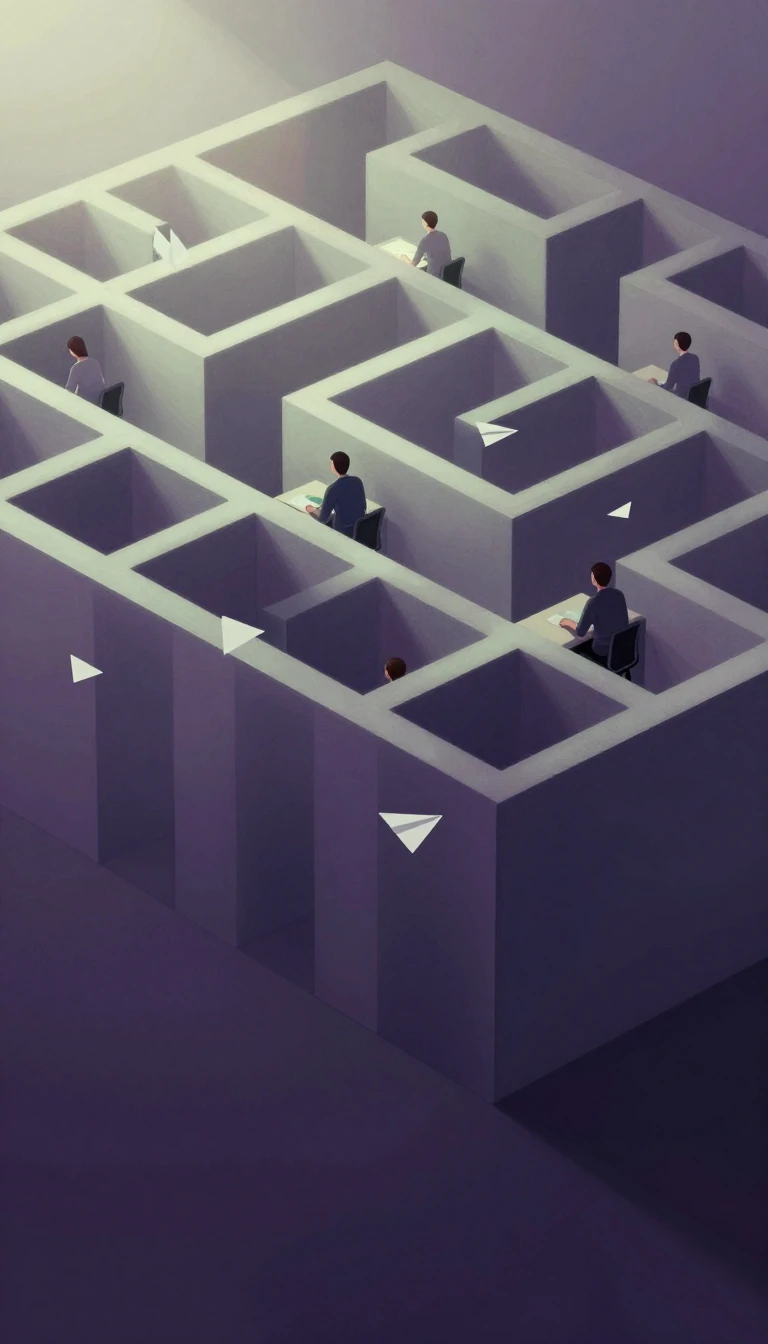 How James Madison Engineered a Republic to Prevent the Tyranny of the MajorityKnown as the Father of the Constitution, James Madison was a brilliant political architect who feared that direct democracy would lead to social decay. By studying ancient confede…
 Why this radical priest argued that modern institutions are actually making us less freeIvan Illich was a polyglot priest and philosopher who believed our most trusted systems—schools and hospitals—were traps. He argued that instead of helping us, these institutions …
- Was this exiled Russian philosopher the secret architect of modern autocratic thought?Ivan Ilyin, a far-right thinker expelled from the Soviet Union in 1922, spent his life championing an autocratic, religious vision for Russia. Though he once flirted with fascism,…
 How a Soviet paleontologist founded a new science and imagined a utopian future.Ivan Yefremov was a polymath who bridged the gap between hard science and visionary fiction. As the father of taphonomy, he revolutionized how we understand fossilization. Yet, he…
- Why Iris Murdoch argued that moral life is a pilgrimage from illusion to realityIris Murdoch was a titan of 20th-century literature and philosophy who challenged the era's dominant moral theories. She rejected the cold logic of her contemporaries, arguing ins…
 Before Isaac Newton, there was Isaac Barrow: the polymath who paved the way.Isaac Barrow was a brilliant mathematician and theologian who served as the first Lucasian Professor of Mathematics at Cambridge. A mentor to Isaac Newton, he pioneered early meth…
 Isabelle de Charrière: The Enlightenment polymath who refused to be a subordinate wife.Born into Dutch nobility, Isabelle de Charrière defied 18th-century expectations by mastering mathematics, physics, and multiple languages. A sharp critic of aristocratic stagnati…