 Intellect Plus
Earth science
386 cards. Each one is a 40-second story with a five-minute read behind it. Page 4 of 7.
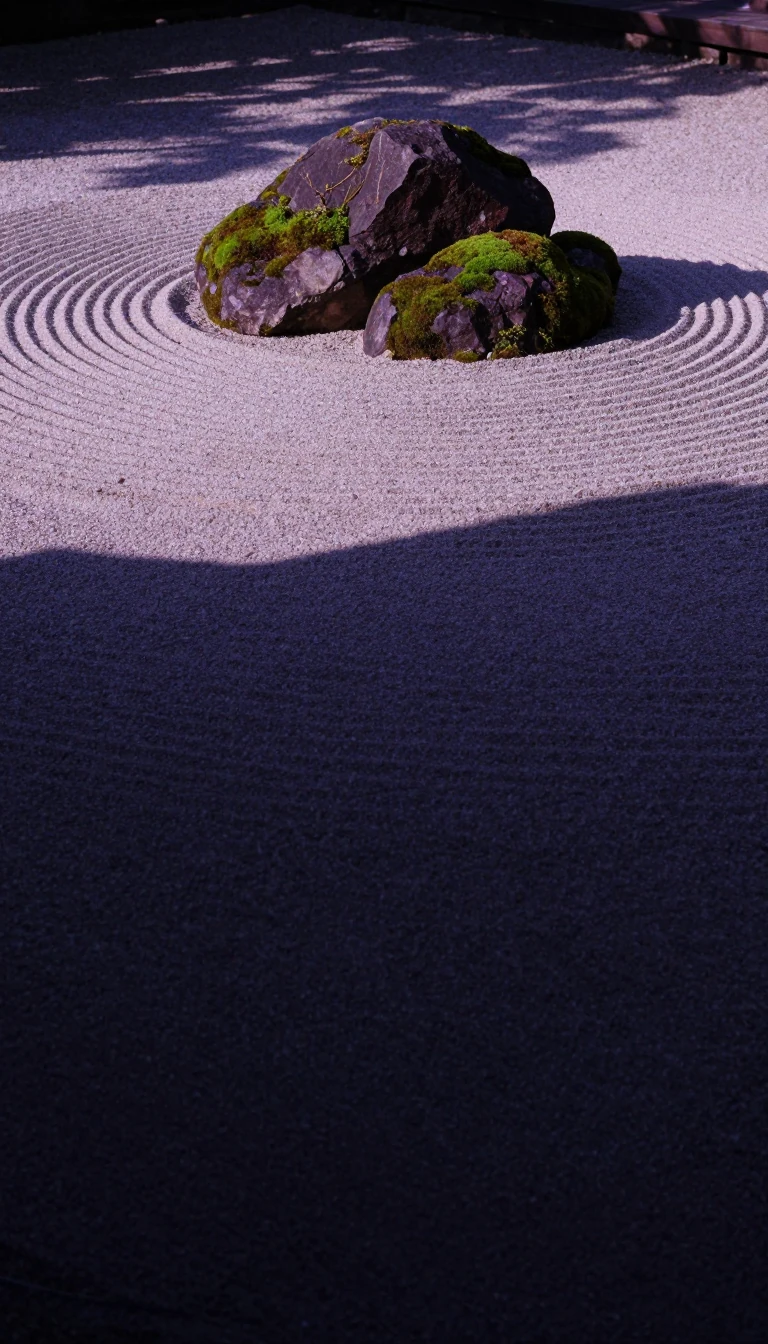 Schist gets its name from the Greek verb meaning to splitHeat and pressure during mountain building line up flat mica and chlorite crystals inside a rock until it peels apart into flakes thinner than a centimetre. That property, called …
 The Sargasso Sea has no coastline at all, only a ring of currentsMost seas are hemmed in by land, but the Sargasso Sea is bounded by nothing except the circling North Atlantic Gyre. Meanwhile the Sea of Galilee is actually a freshwater lake. Th…
 Sea ice is riddled with salty brine channels that host whole food websFrozen seawater covers about 7 percent of Earth's surface, yet it is far from solid. It is a mix of ice, trapped brine, air bubbles and salt, and those brine channels shelter micr…
 The ocean surface in one Indian Ocean spot dips 106 metres below averageSea level is not flat. Earth bulges at the equator and gravity varies from place to place, so the ocean's resting surface sags as much as 106 metres below the global mean in one I…
 Some of the mud on the ocean floor fell from outer spaceSeafloor sediment comes from four sources: eroded land, the shells of dead plankton, chemical reactions in seawater, and space. That last, cosmogenous material settles alongside t…
 A ship named Muirfield once struck an undersea mountain nobody had chartedMore than 14,500 seamounts, drowned volcanoes rising at least a kilometre off the seafloor, stud the oceans, and most have never been studied closely. In 1973 one gave its name to…
 Seasons come from Earth's tilt, and the warmest months lag the sunniestThe Northern Hemisphere gets its strongest sunshine in May, June and July, yet its hottest months are June, July and August. That seasonal lag is one surprise. Another is how many…
 Rainforests are not really Earth's lungs, but they may be its pharmacySomewhere between 40 and 75 percent of all living species may be native to rainforests, and more than a quarter of natural medicines were found there. Yet the popular idea that th…
 River rapids exist because hard rock refuses to wear down as fastRapids form where a riverbed tilts steeply and the rock beneath resists erosion better than the stretch downstream. Soft layers wash away, hard ones stay, and water tumbling over …
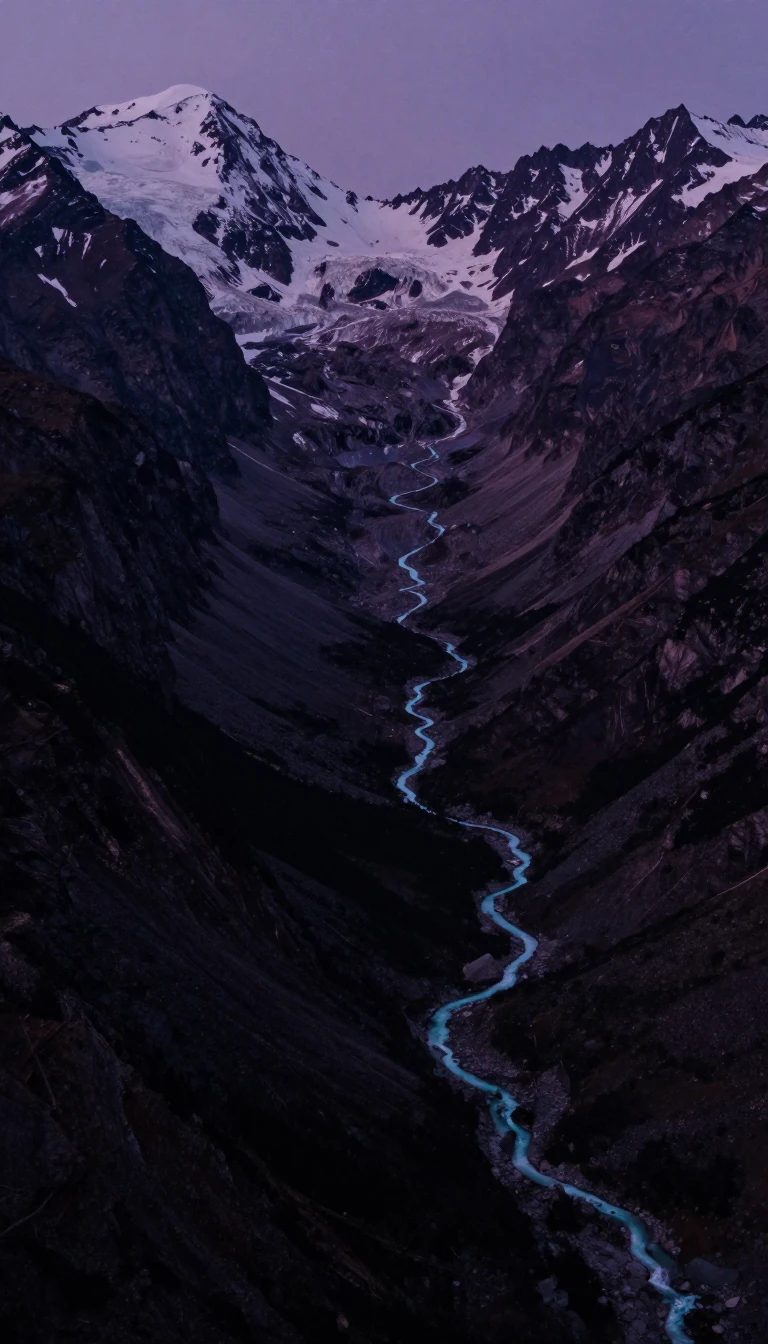 About half of the world's rivers don't flow all year roundRivers seem permanent, yet roughly half of Earth's waterways stop flowing for part of the year, dried by desert seasons or locked in winter ice. Others keep running through drough…
 Deltas are named after a Greek letter because the Nile's looked like oneGreek writers saw that the land where the Nile meets the sea formed a triangle, like the capital letter delta. Herodotus used the name fourteen times for Egypt, but applying it to…
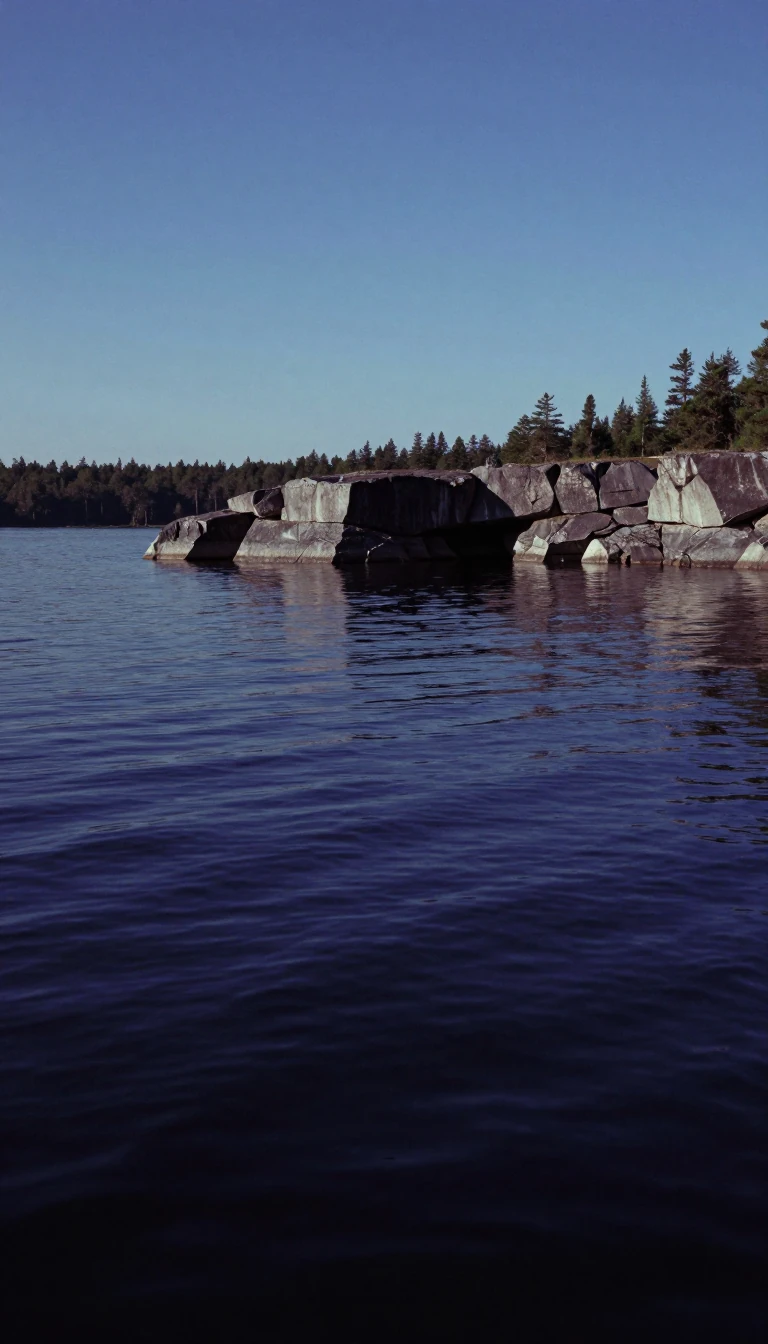 The ocean floor is almost entirely one kind of rock: basaltAround 65 percent of Earth's crust by volume is igneous rock, born from cooled magma, and the oceanic crust is 99 percent basalt. Continents lean instead on granite and its relati…
 The famous Black Prince's Ruby in Britain's crown is not a rubyA ruby is simply red corundum, the same mineral as sapphire, coloured by a trace of chromium. Swap about one aluminium atom in a hundred and the crystal glows red, even fluorescin…
 Desert sand is plentiful, yet useless for making concreteConstruction consumes about fifty billion tons of beach and fossil sand every year, and on human timescales that sand does not come back. The world's deserts hold vast amounts, bu…
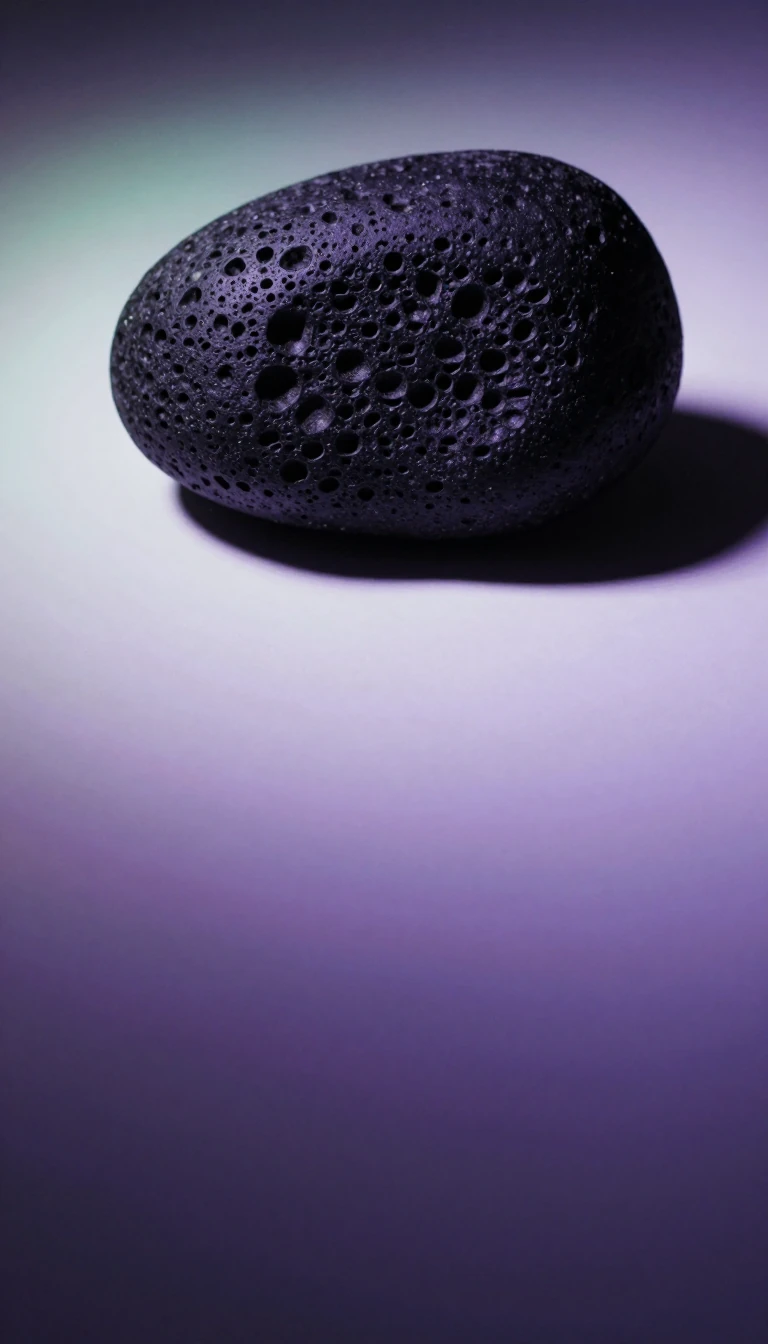 Buried sandstone cements itself by dissolving the points where its grains touchUnder kilometres of sediment, sand grains press so hard against each other that the strained contact points dissolve. That dissolved mineral then settles into the open pores and g…
 Ancient thinkers believed quartz was ice frozen so hard it could never meltThe Greek word for crystal comes from their word for icy cold, because philosophers such as Theophrastus thought clear quartz was supercooled ice. Pliny the Elder agreed, noting i…
 Geologists nearly abolished the Quaternary, the period in which humans evolvedWe live in the Quaternary, the geological period covering the last 2.58 million years of ice ages and the whole span of recognisable humans. Yet not long ago the body that sets th…
 Raindrops are not teardrop-shaped; big ones look more like hamburger bunsChildren draw raindrops as teardrops, but real ones never take that shape. Small drops are round spheres. As they grow, air pressure flattens their undersides until the largest re…
 Newton gave the rainbow seven colours to match the notes of a musical scaleThe rainbow's seven colours are a choice, not a law of nature. Isaac Newton first counted five, then added orange and indigo so the spectrum would mirror the seven notes of a musi…
 The Phanerozoic, the eon of visible life, got its name from a mistakeGeologists named our current eon the Phanerozoic, Greek for visible life, because they once thought life itself began with it. They were wrong. Complex soft-bodied creatures flour…
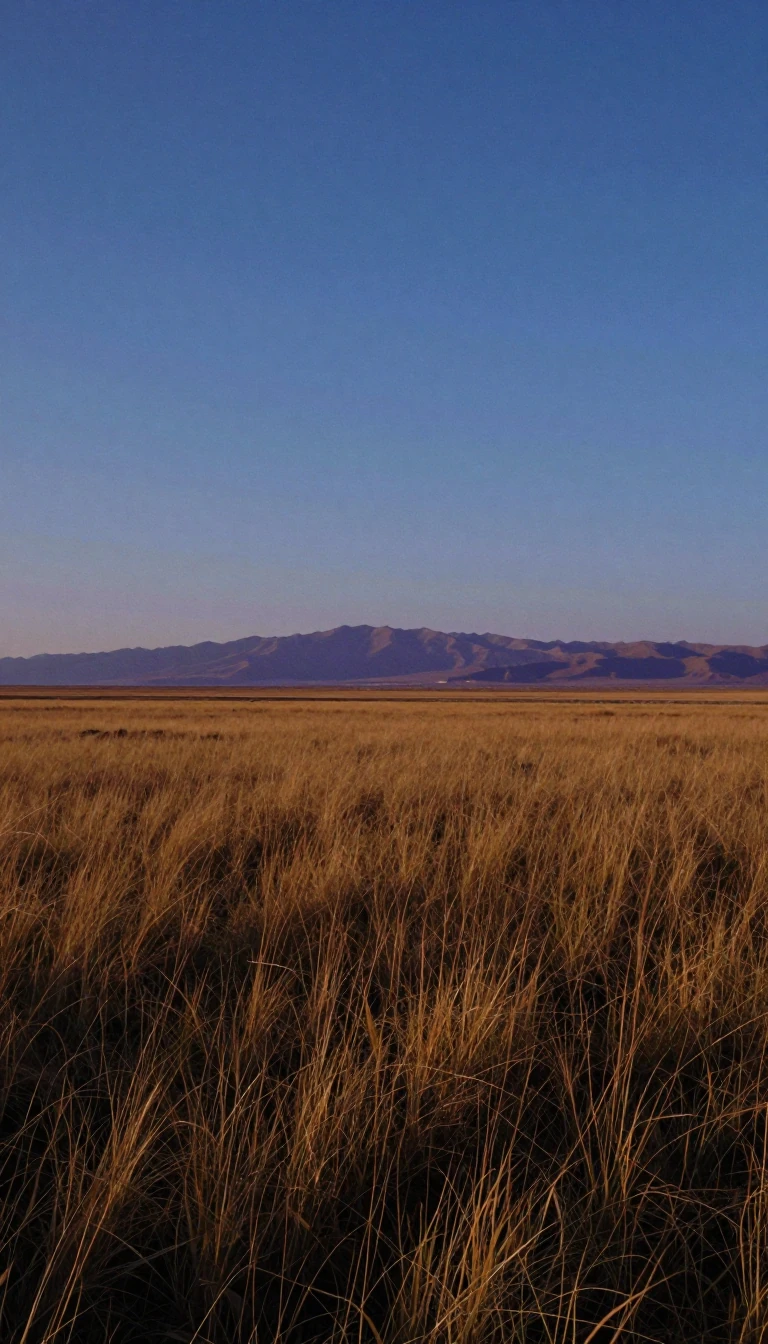 Plains cover over a third of Earth's land, and they even exist on MarsFlat land sounds like the least interesting landscape imaginable, yet plains blanket more than a third of the world's continents and feed much of humanity. They are built by river…
 The Tibetan Plateau is so high it helps steer India's monsoonAt about 5,000 metres above sea level and roughly 2.5 million square kilometres across, the Tibetan Plateau is the largest and highest tableland on Earth. It is still rising as tw…
- The polar vortex does not come to visit; its weakness lets Arctic air escapeWhen a brutal cold snap hits North America, headlines often blame the polar vortex. Scientists say that is not quite right. The vortex is a permanent ring of cold, spinning air ar…
 Dutch polders gave the country its oldest democracies and a style of politicsAround a fifth of the Netherlands was once under the sea. Keeping that reclaimed land dry demanded constant cooperation, and the water boards set up to manage it became the countr…
 Nobody agrees on where a pond ends and a lake beginsYou might think the difference between a pond and a lake is obvious, but scientists have never settled it. Definitions range from 2 hectares to 8, or rest on waves, light or roote…
- North America's tallgrass prairie was shaped for millennia by people setting firesThe prairie looks like untouched wilderness, but it was partly made by people. For 10,000 to 20,000 years, Indigenous peoples burned the tallgrass every year, and evidence suggest…
 The Precambrian covers 88 percent of Earth's history, and we know little about itNearly nine-tenths of our planet's story happened before the Cambrian, from Earth's birth about 4.6 billion years ago until hard-shelled animals appeared around 538.8 million year…
 Pyroxene means fire stranger, a name born from a geological misunderstandingEarly mineralogists found crystals sealed inside volcanic glass and assumed they were intruders, impurities in the melt. They named them pyroxenes, from Greek words for fire and s…
 The Great Dying wiped out 81 percent of marine species in a geological blinkAbout 252 million years ago, life on Earth came closer to being erased than at any other known time. The Permian-Triassic extinction killed roughly four in five marine species and…
 Petrologists recreate crushing mantle pressures in the lab to study rocks nobody can reachSome of the most important rocks on Earth never make it to the surface intact, and those deep inside other planets are completely out of reach. Petrology, the science of how rocks…
 The Paleozoic's starting line is a burrow in NewfoundlandThe Paleozoic, the era of 'ancient life', began 538.8 million years ago and closed with the worst extinction in the history of complex life. Its official start is pinned not to a …
 Wegener was right about Pangaea but wrong about what split itAlfred Wegener argued in 1912 that all the continents had once been a single landmass. He was correct, yet the idea stalled for decades because his explanation, that Earth's spin …
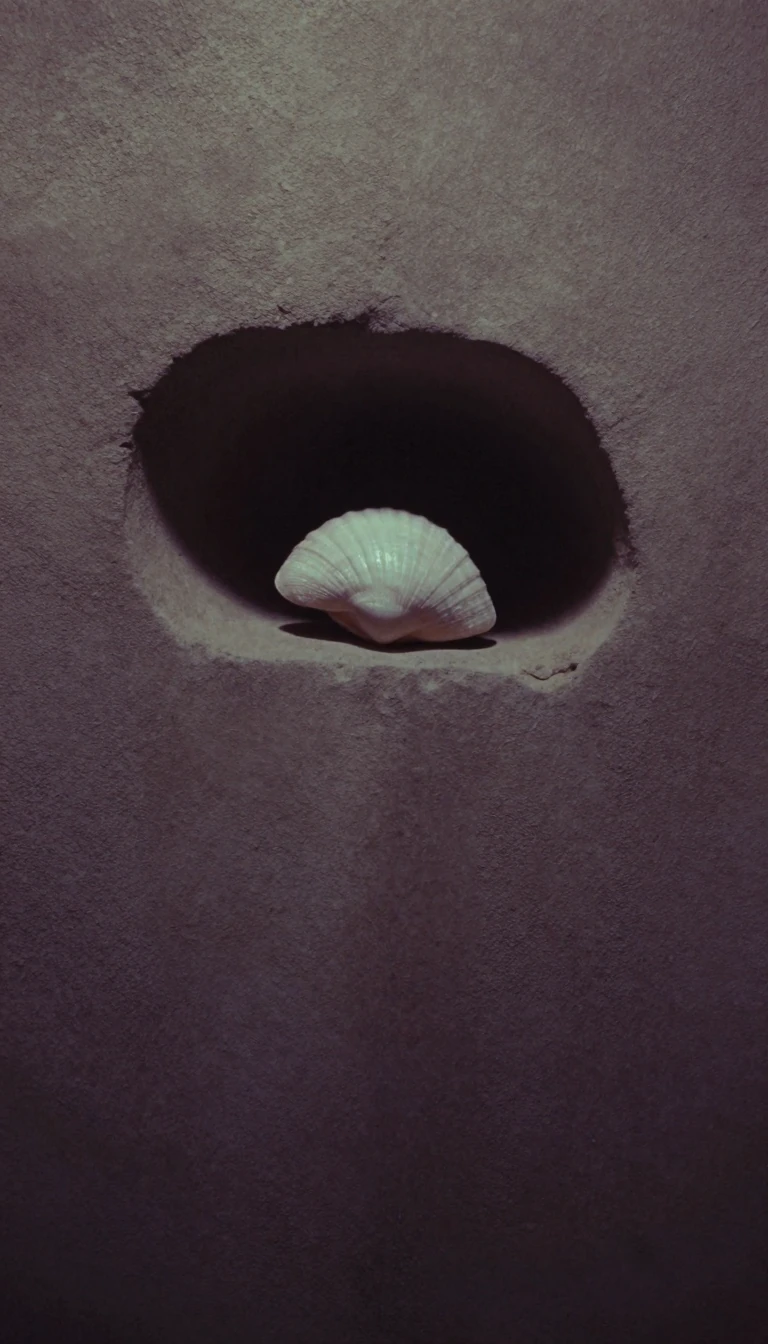 Pearls rarely start with a grain of sandThe familiar story says a pearl begins when a grain of sand slips into an oyster. That is rarely true. The usual trigger is a parasite, a scrap of organic matter, or an injury tha…
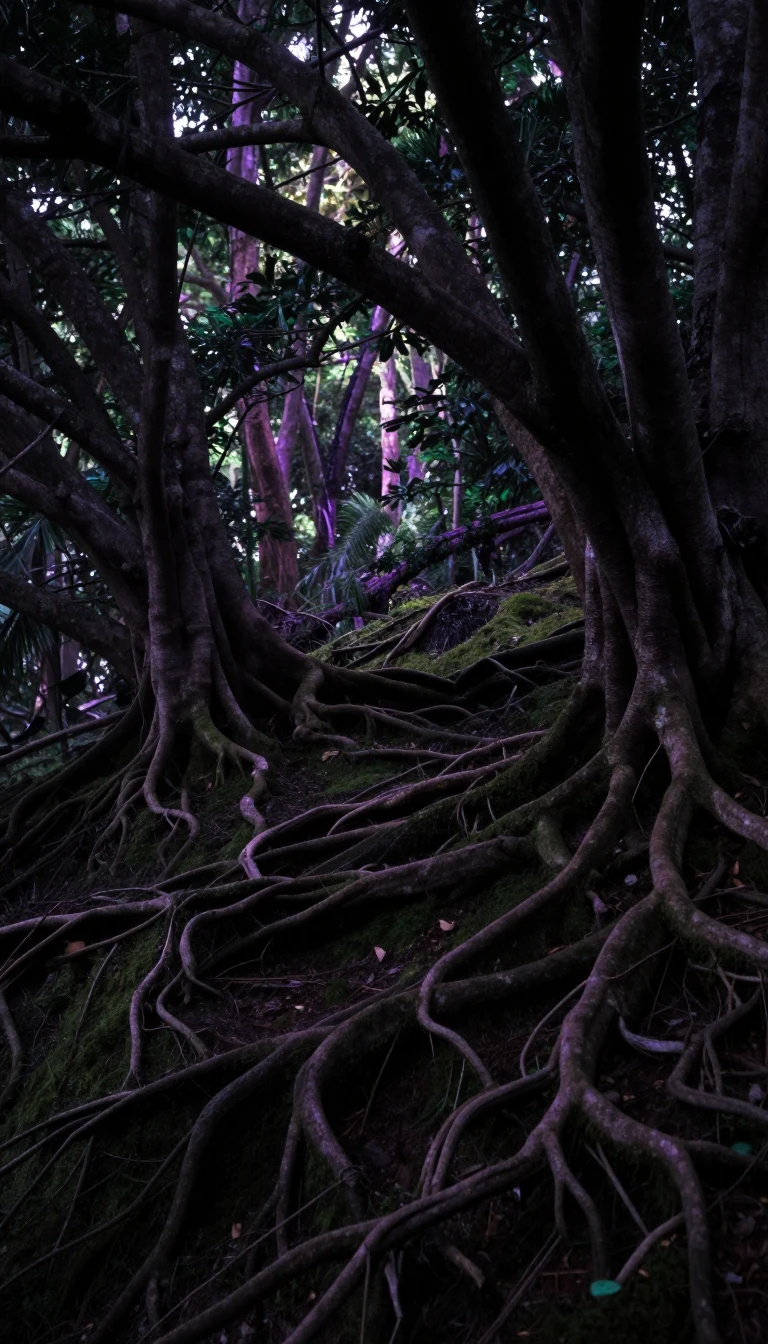 Peat covers 3 percent of land but holds more carbon than all forestsPeatlands blanket only about 3 percent of Earth's land, yet they store up to 550 gigatonnes of carbon, some 42 percent of all soil carbon and more than every other vegetation type…
 Soil is Earth's skin, born where rock, air, water and life meetGeologists call the thin soil layer on Earth's surface the pedosphere and liken it to the dead outer layer of human skin. It forms only where four worlds interact: bedrock, air, w…
 A peninsula is literally an 'almost-island', and nature builds them many waysThe word peninsula comes from Latin for 'almost island': land wrapped in water on most sides but still tied to the mainland. The largest is the Arabian Peninsula. Some were torn o…
 Some permafrost has stayed frozen for around 700,000 yearsPermafrost is ground that stays below freezing for at least two years running, and the oldest has been frozen for roughly 700,000 years. It underlies about 11 percent of the world…
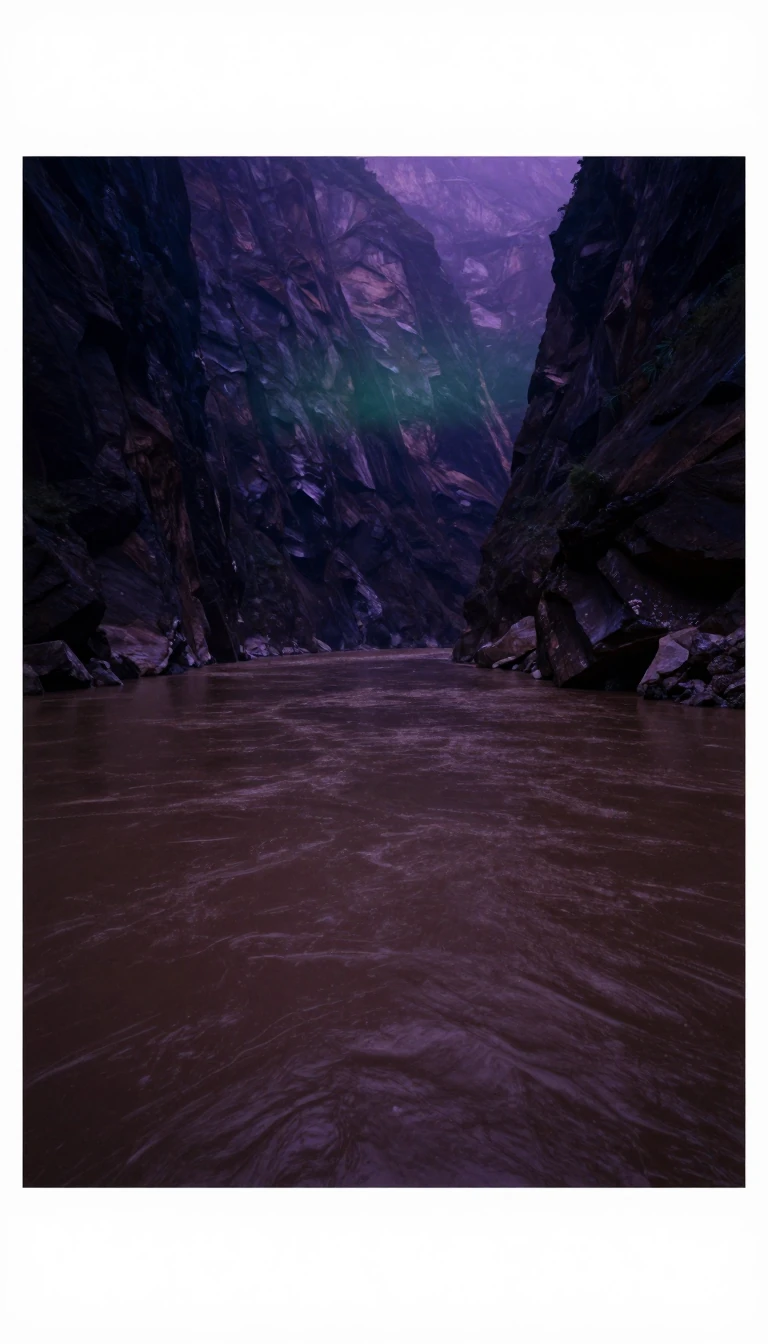 Ocean trenches cover just half a percent of the sea, yet hold its deepest pointOceanic trenches are long, V-shaped gashes in the seafloor where one tectonic plate dives beneath another. More than 50 major trenches exist, covering only about 0.5 percent of th…
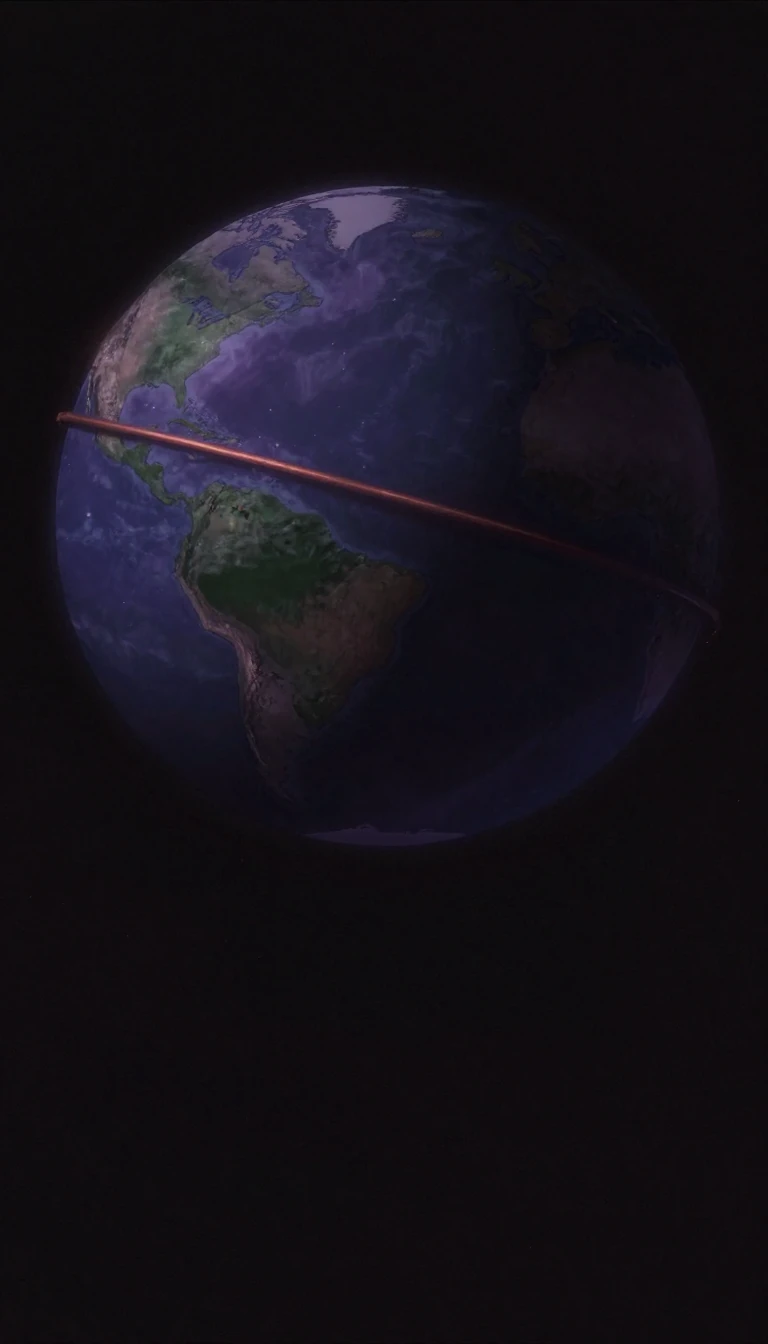 Portugal ran the first long-term science project on Atlantic winds and currentsLong before oceanography had a name, Portuguese navigators were systematically mapping Atlantic winds and currents, decade after decade, under threat of death for anyone who leake…
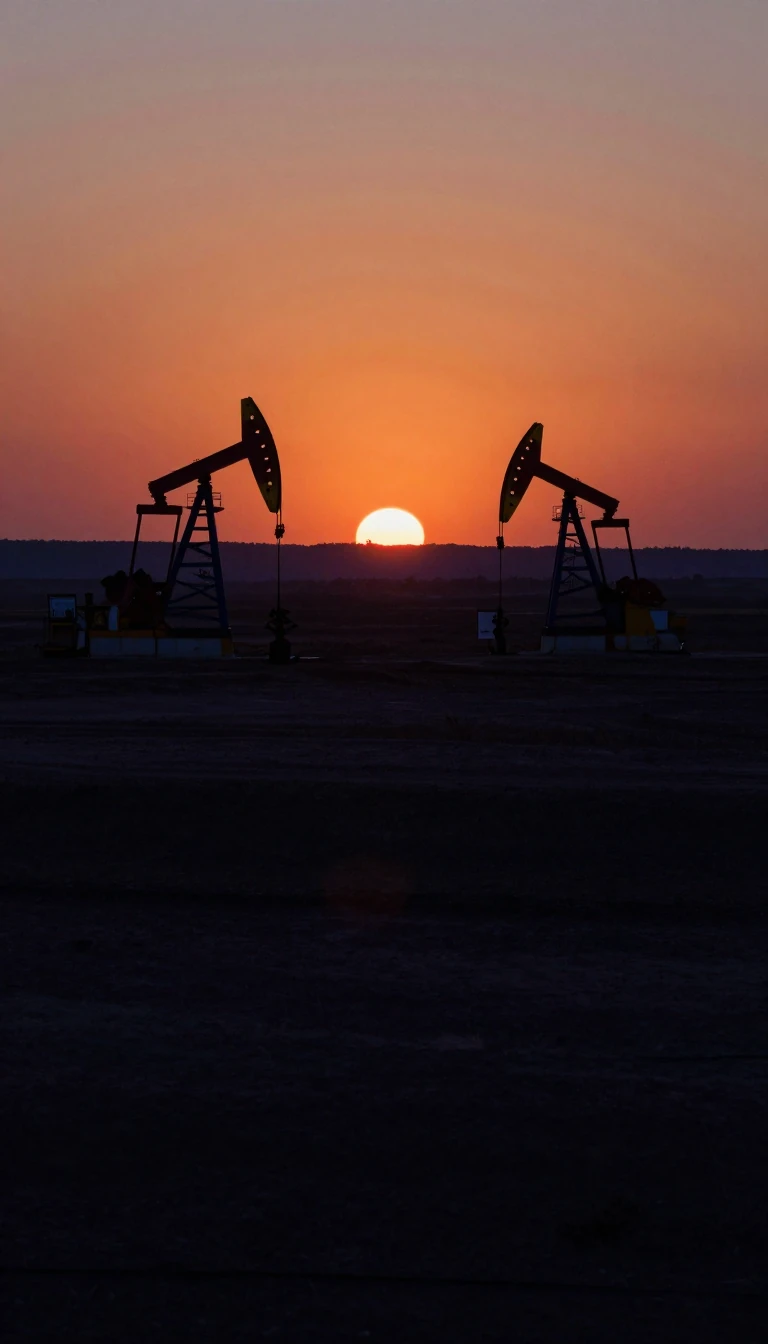 Oil shale holds trillions of barrels, yet almost nobody can profit from itA 2016 estimate put the world's oil shale resources at the equivalent of 6.05 trillion barrels, several times global proven oil reserves. Yet only Estonia and China run well-estab…
 Rock only becomes ore when mining it paysOre is not a type of rock but an economic verdict. A deposit counts as ore only when the metals or minerals it holds are worth more than the cost of digging them out and refining …
 One chlorine atom can wreck around 100,000 ozone moleculesA single chlorine atom freed from a CFC molecule in the stratosphere can destroy about 100,000 ozone molecules before it is finally locked away. That multiplier explains how refri…
 The Paleogene begins with a clay layer laid down in a few daysIn Tunisia, geologists mark the start of the Paleogene, 66 million years ago, at the rusty base of a clay band about 50 centimetres thick that settled in just days. It carries the…
 Striking oil can make a country poorer, a trap called the resource curseA sudden gush of money from mining or drilling sounds like pure luck. Yet the flood of cash can drive up prices and wreck other industries, a pattern nicknamed Dutch disease, whil…
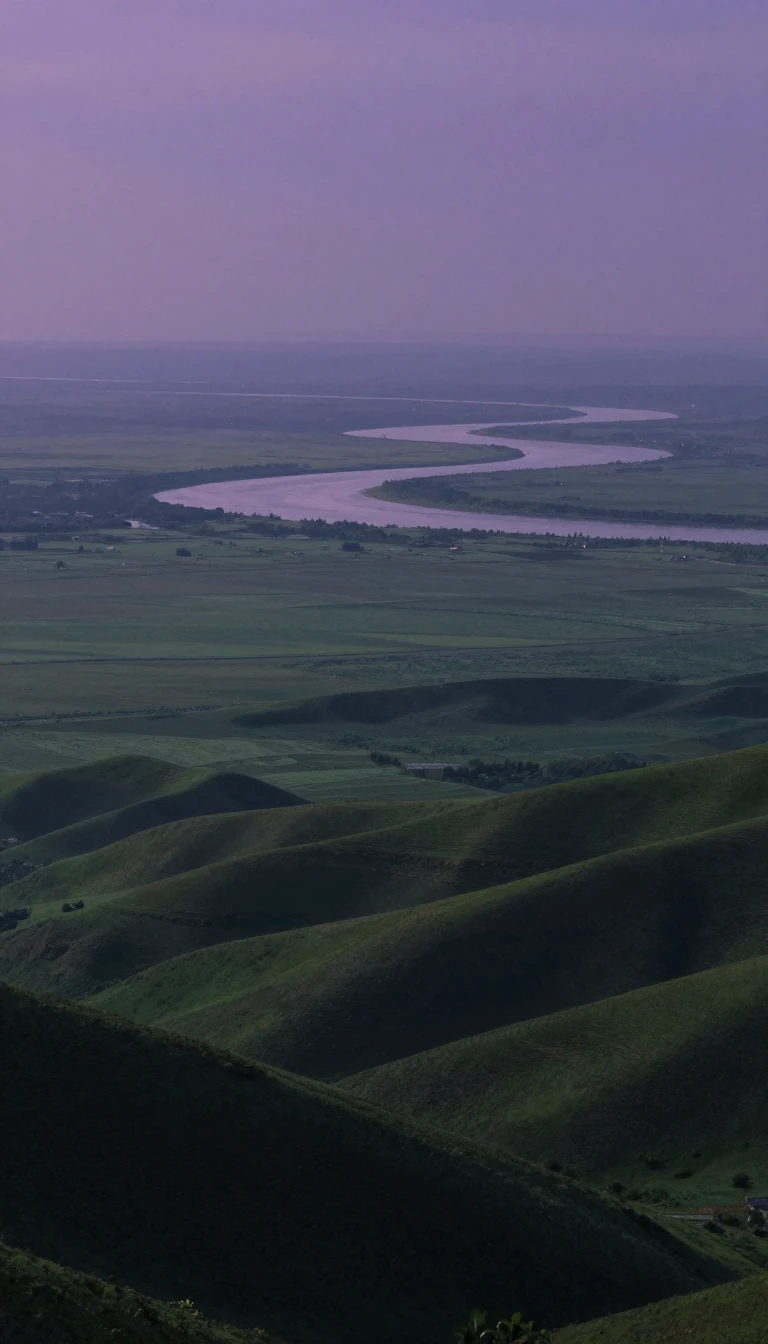 The Neogene built the grasslands, the Himalayas and, at the very end, usBetween about 23 and 2.6 million years ago, the planet slowly turned into the one we recognise. Continents settled near their present spots, the Americas joined at Panama, forests…
- Most desert oases are gardens that people built and keep aliveThe storybook oasis is a pool ringed by palms that nature simply provided. In reality, most oases are human creations. Water has to be there, but it takes wells, canals, undergrou…
 The Southern Ocean only became official around the year 2000Many people learned at school that Earth has four oceans. The familiar five-ocean map settled only recently: the U.S. Board on Geographic Names recognised the Southern Ocean, boun…
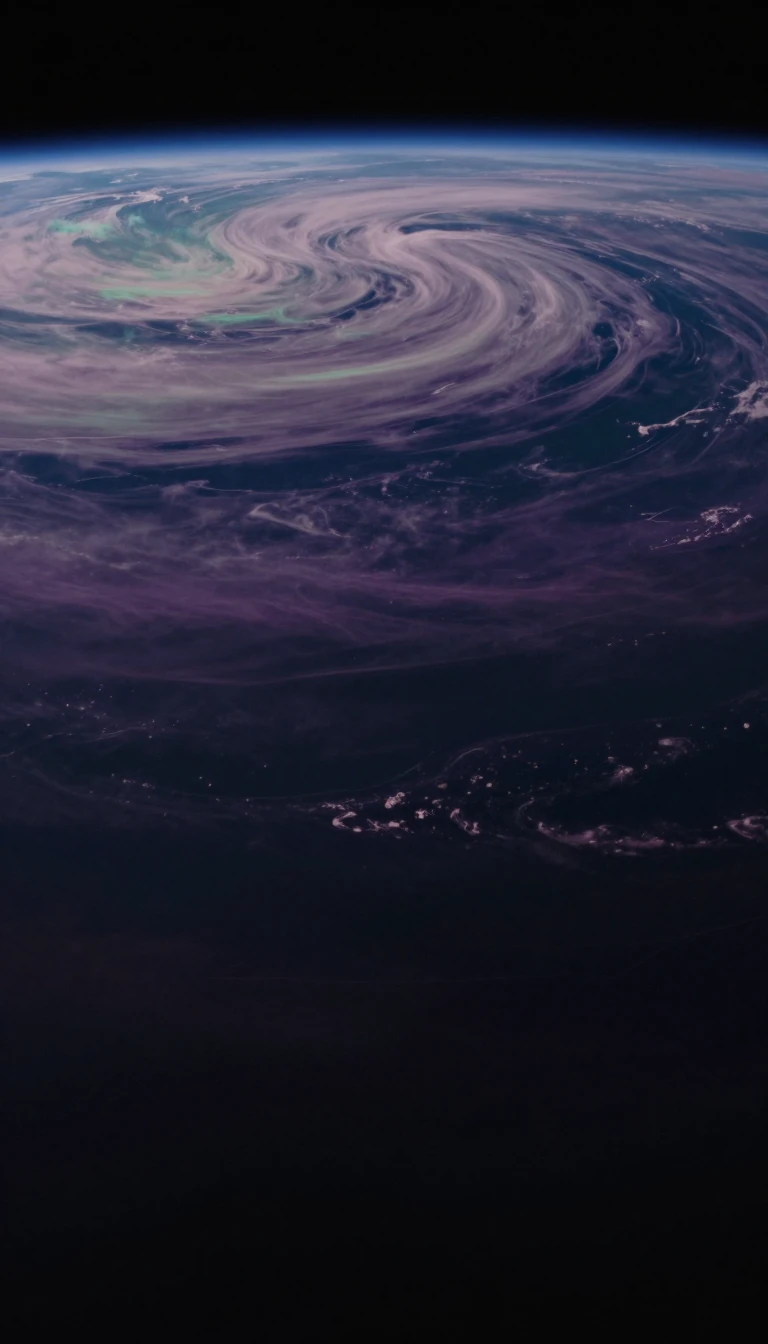 Some deep ocean water takes about a thousand years to resurfaceWarm Atlantic water flows north, cools, grows dense and sinks near the Arctic. From there it creeps through the deep basins of the world, and the oldest of it rises again in the N…
 A mirage is no hallucination: you can photograph itThe shimmering pool on a hot road is not in your head. Air of different temperatures really bends light, so a camera records the false image too. Your brain supplies the story, re…
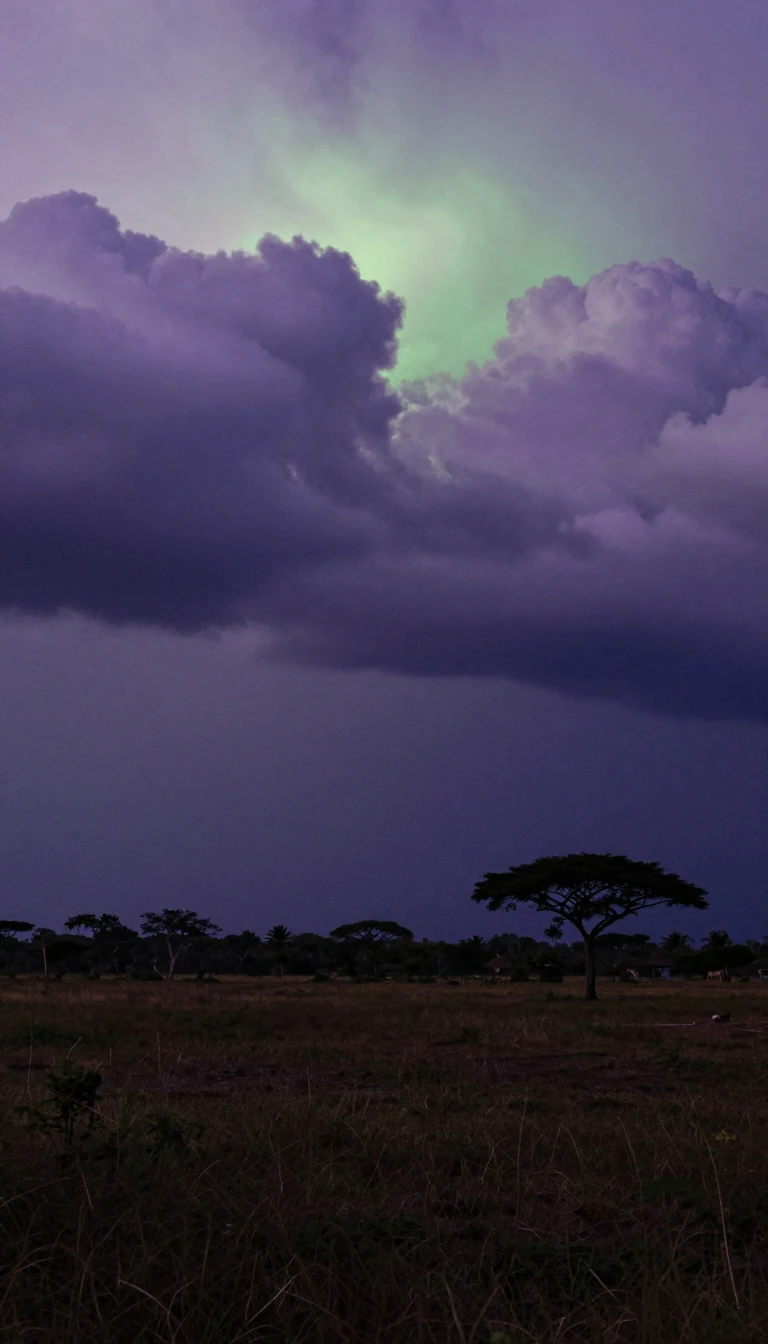 The monsoon is not simply a giant sea breeze after allFor a long time the monsoon was explained as a sea breeze on a continental scale: land heats faster than water, so moist ocean air rushes inland and rains out. That picture is no …
- Glaciers work like conveyor belts, and moraines are the piles they leave behindA glacier grinds rock into everything from fine flour to boulders and carries it downhill like freight on a belt. Where the ice pauses, stalls or meets another glacier, it dumps t…
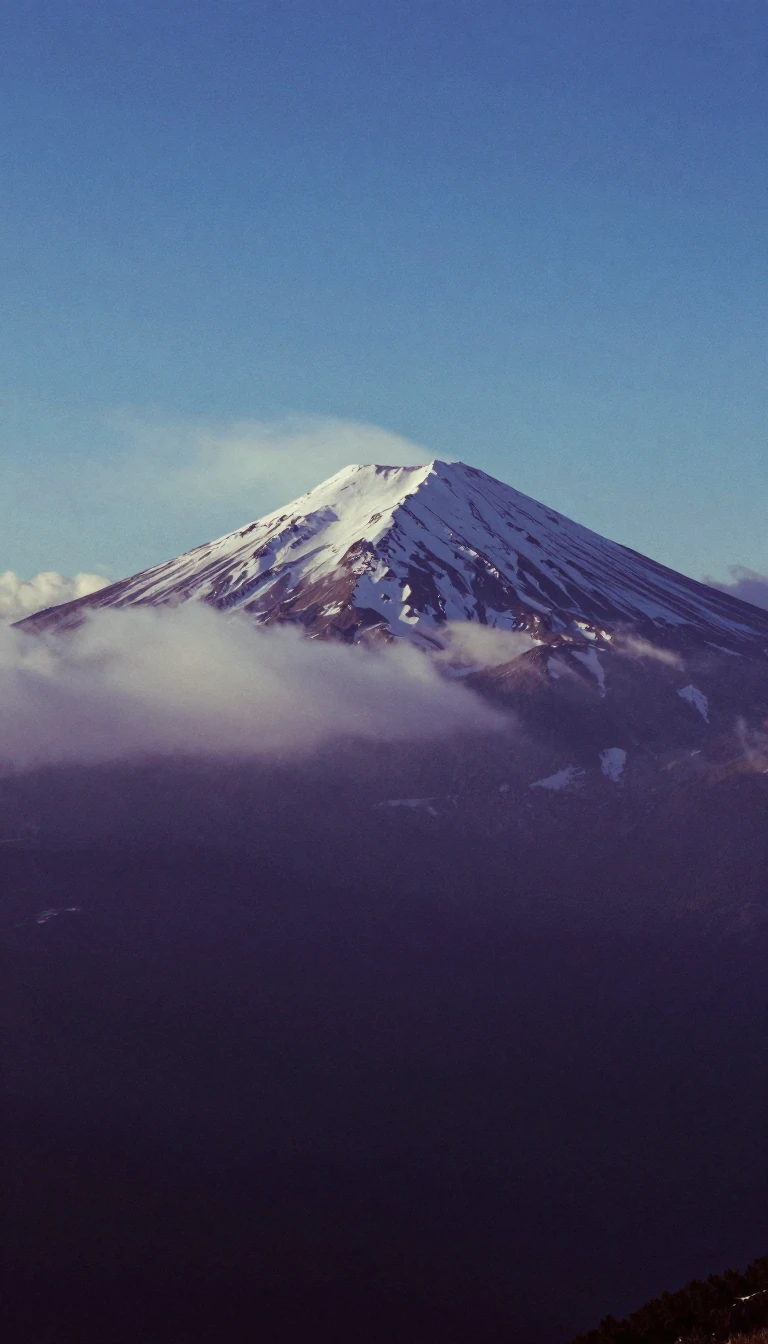 Climbing 100 metres feels like travelling 80 kilometres toward the poleWalk 100 metres uphill and, in climate terms, you have moved about 80 kilometres closer to the nearest pole. That rough rule explains why a tropical peak can wear permanent snow, …
 The widest mountain pass on Earth sits just 140 metres above sea levelMountain passes sound like thin, frozen notches, and some are: roads cross the Himalaya above 5,500 metres. But the widest pass in the world, the Palakkad Gap in Kerala, India, li…
- Earth's longest mountain chain runs 65,000 kilometres, almost entirely underwaterThe Andes stretch about 7,000 kilometres and are often called the longest mountain system on land. Count the submerged Ocean Ridge, though, and you get a continuous chain of peaks…
 Why many researchers say there is no such thing as a natural disasterAn earthquake in an empty desert harms nobody. It becomes a disaster only when it strikes people living in weak buildings with little preparation. Since at least 1976, critics hav…
- A beaver dam counts as nature, but a mud hut does notWhere does nature stop? By the usual definition, a termite mound or a beaver's dam belongs to the natural world, while a simple mud hut or a solar panel set in empty desert is art…
- Scratch tests, polarised light and X-rays: how mineralogists tell crystals apartA mineralogist's first tools are almost childlike: scratch one stone against another, check its colour and shine, see how it breaks. The advanced ones fire X-rays through powdered…
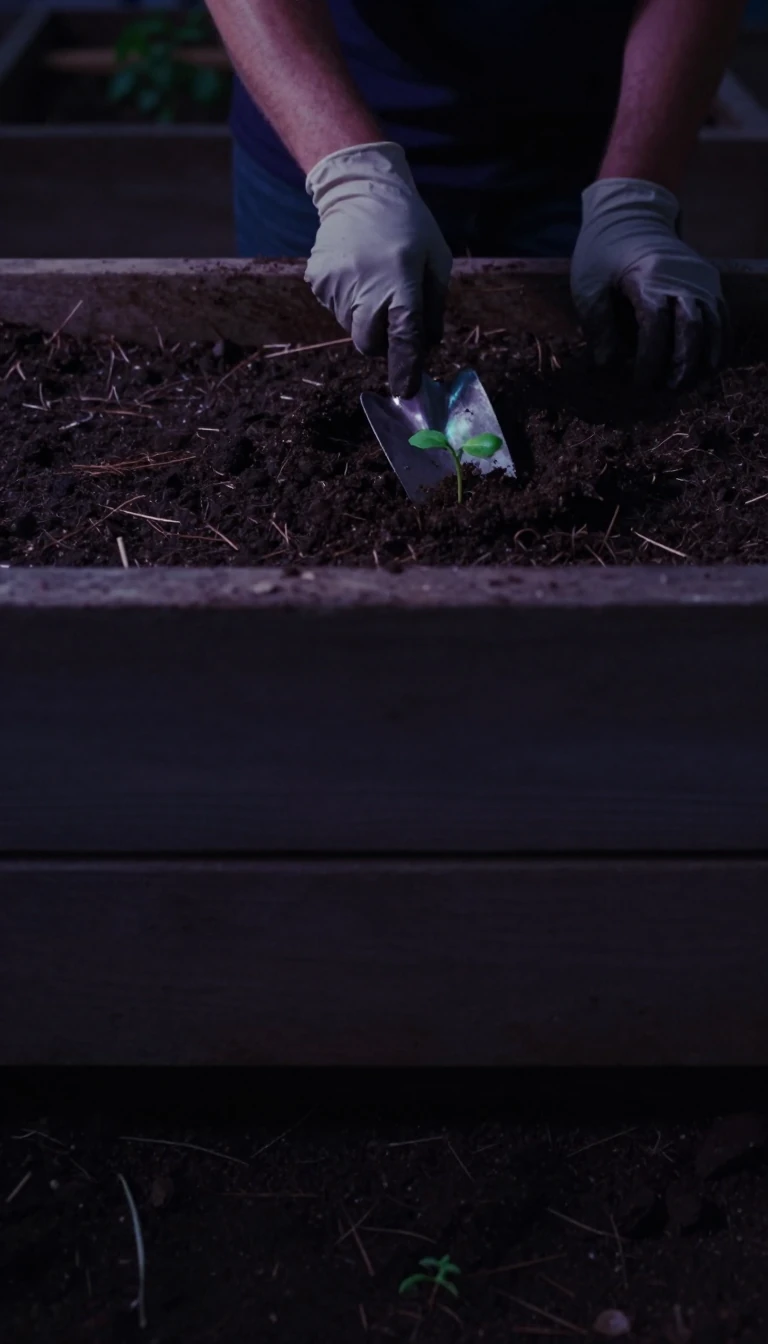 England and Wales have lost about 97 percent of their hay meadows in a centuryA hay meadow looks wild, but it is a farming invention dating to the Iron Age, when tools for cutting hay first appeared. Left to grow each summer and mown once, these fields once…
 Einstein once lectured on why rivers wiggle, and a Turkish river named the loopsThe word meander comes from a Turkish river so twisting that ancient Greeks used its name for anything winding. In 1926 Albert Einstein proposed that Earth's rotation might start …
 A mesa is a table of rock kept standing by a hard lidSpanish speakers named these landforms after tables, and the comparison is exact: a flat top, sheer sides, and open ground all around. The secret is a hard cap of sandstone, limes…