 Intellect Plus
Earth science
386 cards. Each one is a 40-second story with a five-minute read behind it. Page 6 of 7.
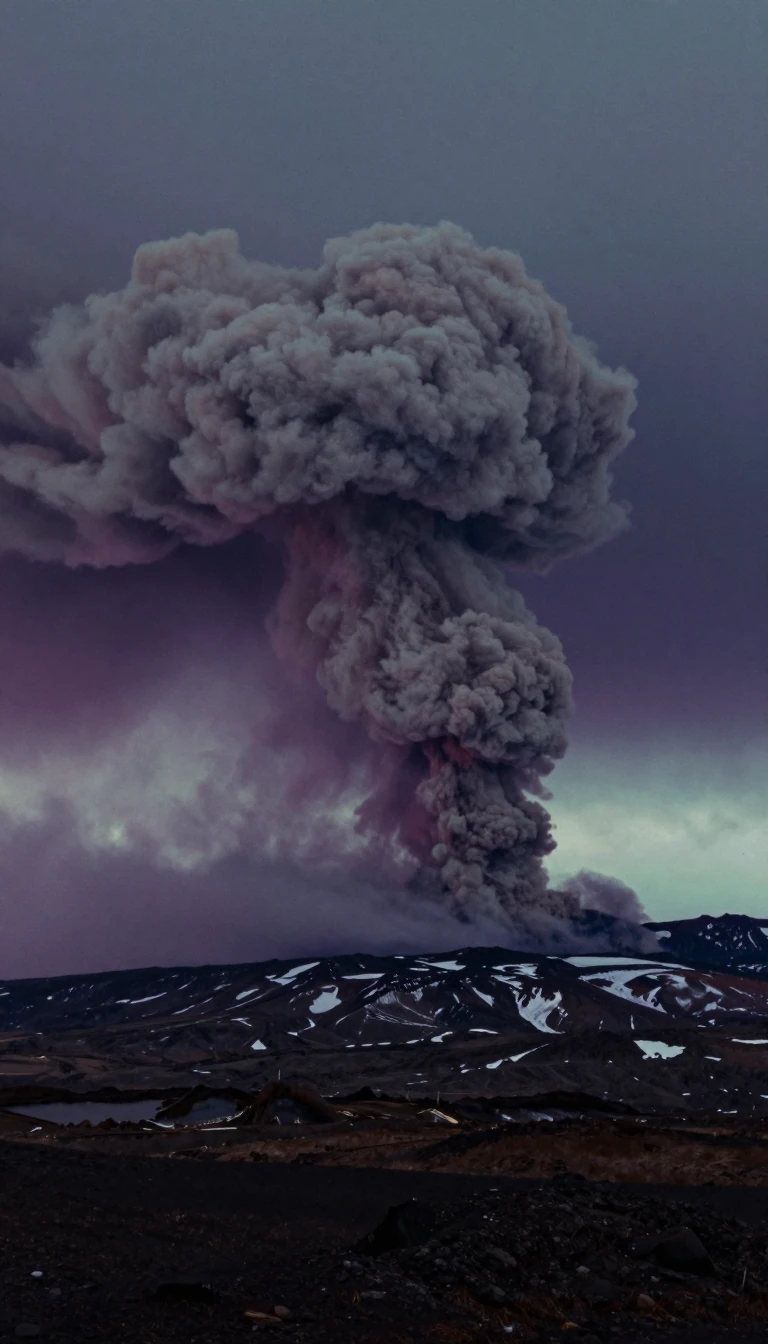 A geyser is a natural pressure cooker, and Iceland once coaxed one awake with soapGeysers need heat from nearby magma, a water supply and underground plumbing with just the right narrow throat. The cooler water on top acts like a pressure-cooker lid until the h…
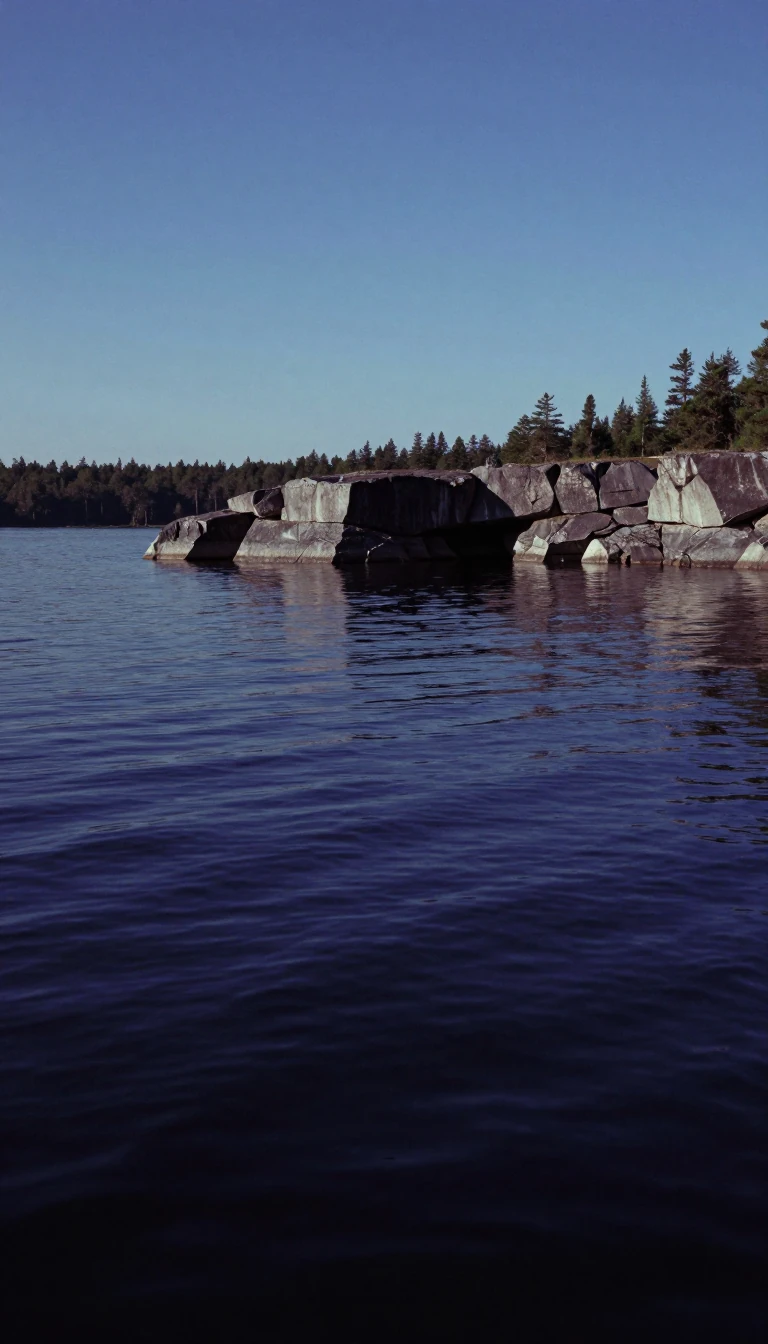 New England's stone walls are full of boulders carried for miles by iceMany rocks stacked into New England's old field walls are glacial erratics, stones dragged far from their home bedrock by ice sheets. Glaciers act as both sculptors and delivery t…
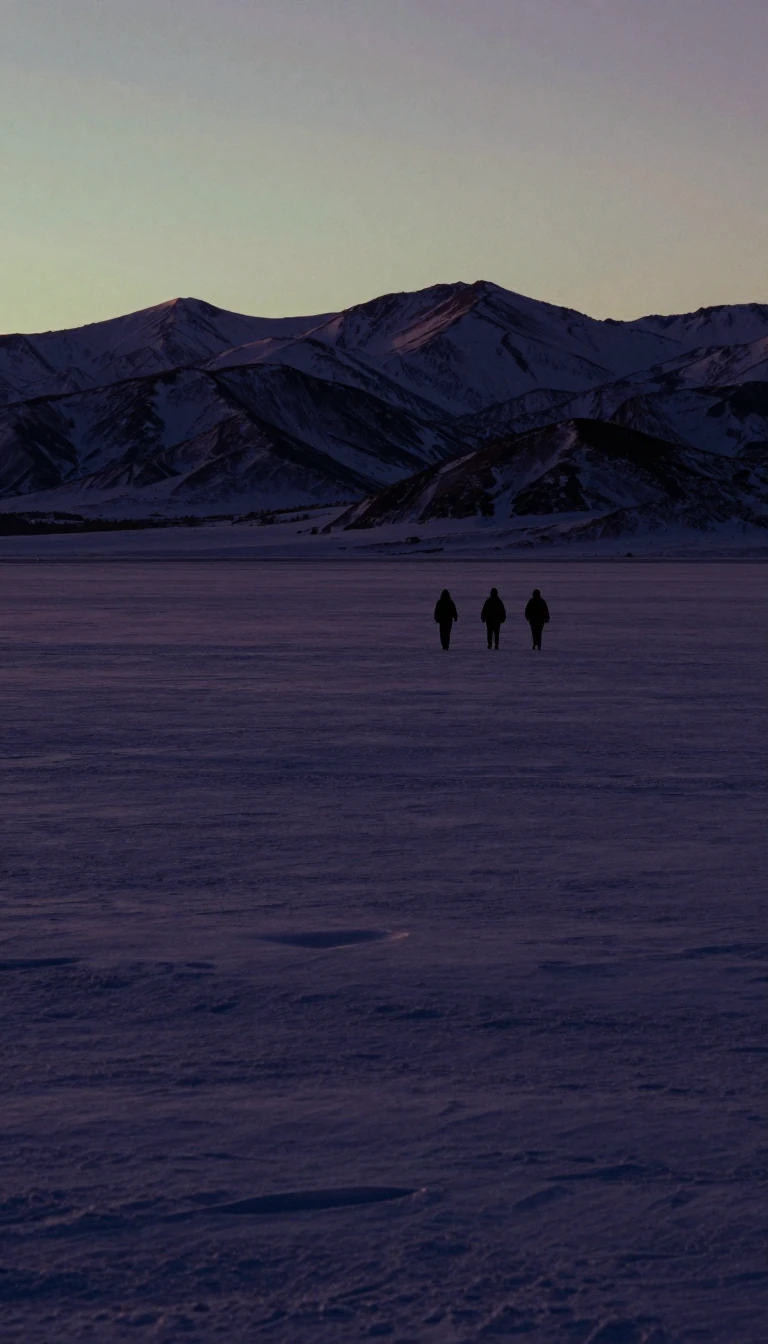 Geologists class glacier ice as a rock, and it flowsTo a geologist, glacier ice is a metamorphic rock made almost entirely of one mineral, sitting just below its melting point. It creeps downhill under its own weight, stores about …
- Some of Earth's oldest surviving rock is banded gneiss over four billion years oldOn an island about 300 kilometres north of Yellowknife in Canada sits the Acasta Gneiss, metamorphosed between 3.58 and 4.031 billion years ago and among the most ancient intact p…
 Add water and granite melts at roughly half its dry temperatureDry granite needs about 1,215 to 1,260 degrees Celsius to melt at surface pressure. Deep in the crust, with water present and a few hundred megapascals of pressure, it can melt at…
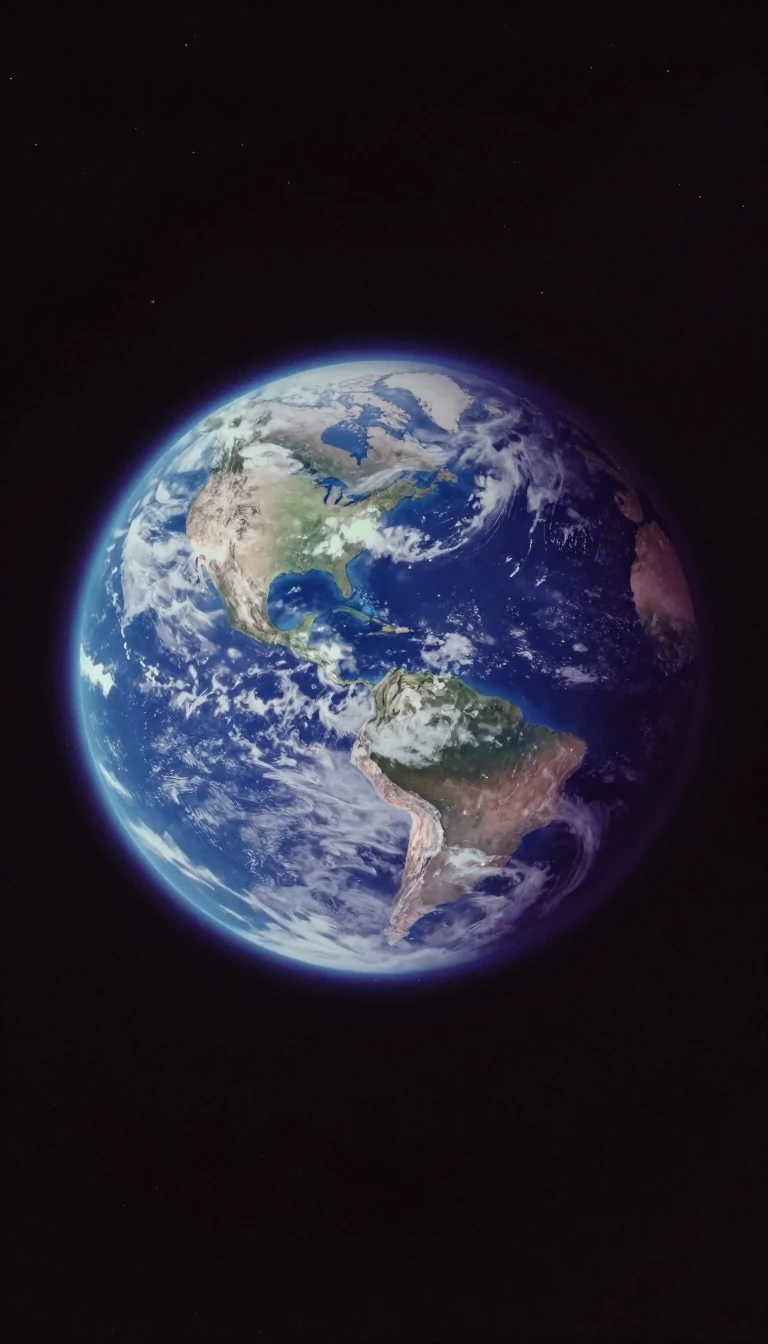 A magnetic shield may have saved Earth's air from the fate of MarsAbout 3.5 billion years ago Earth switched on its magnetic field. The young Sun was blasting out a solar wind roughly 100 times stronger than today's, and without that shield our …
 Scratch it, drip acid on it, even lick it: how geologists identify mineralsA geologist's toolkit is surprisingly hands-on. Rubbing a mineral across unglazed porcelain leaves a coloured streak that betrays its identity. A drop of hydrochloric acid makes s…
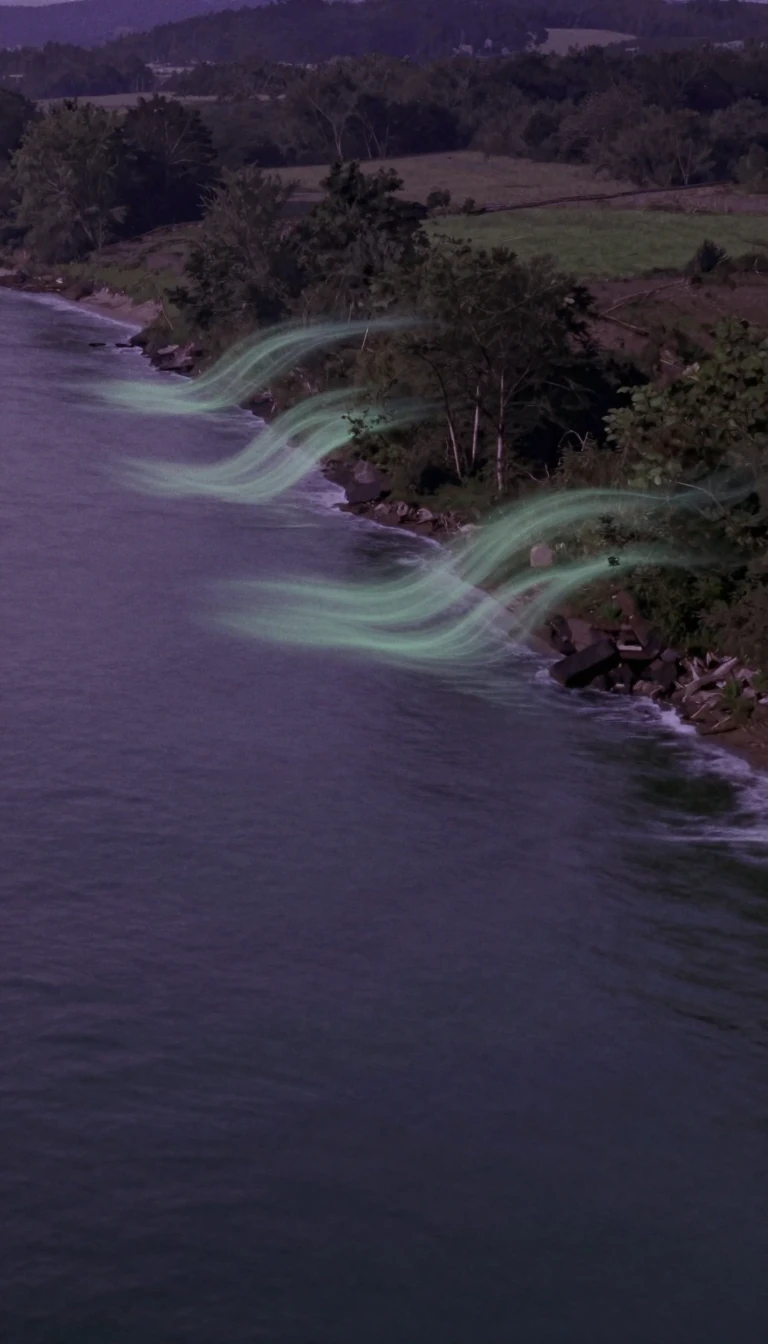 India's Kosi River can shift its channel 730 metres in a single yearFloodplains are built by rivers that refuse to stay put. As a channel swings through its meanders, it gnaws one bank and lays sediment on the other, and some rivers move astonishi…
 Fog droplets are tiny floating ponds where bacteria grow and divideFog is a cloud that has come down to ground level, but recent research shows it is also a living habitat. Droplets in overland fog hold bacterial concentrations comparable to lake…
 Solid rock can bend like a rug, from tiny crinkles to mountainsRock layers laid down flat can end up curled into arches, troughs and zigzags. Geologists call these folds, and they range from microscopic crinkles to structures the size of moun…
 A medieval forest didn't need trees, just a king who hunted thereWhen the Normans brought the word forest to England, it was a legal term for land reserved for royal hunting, whether or not trees grew on it. That confusion survives: there are m…
 Frost on a window is a fractal caught between one and two dimensionsThe fern-like patterns frost paints on a cold window are fractals. Because the ice crystals can only spread across a flat pane, the patterns have a fractal dimension between one a…
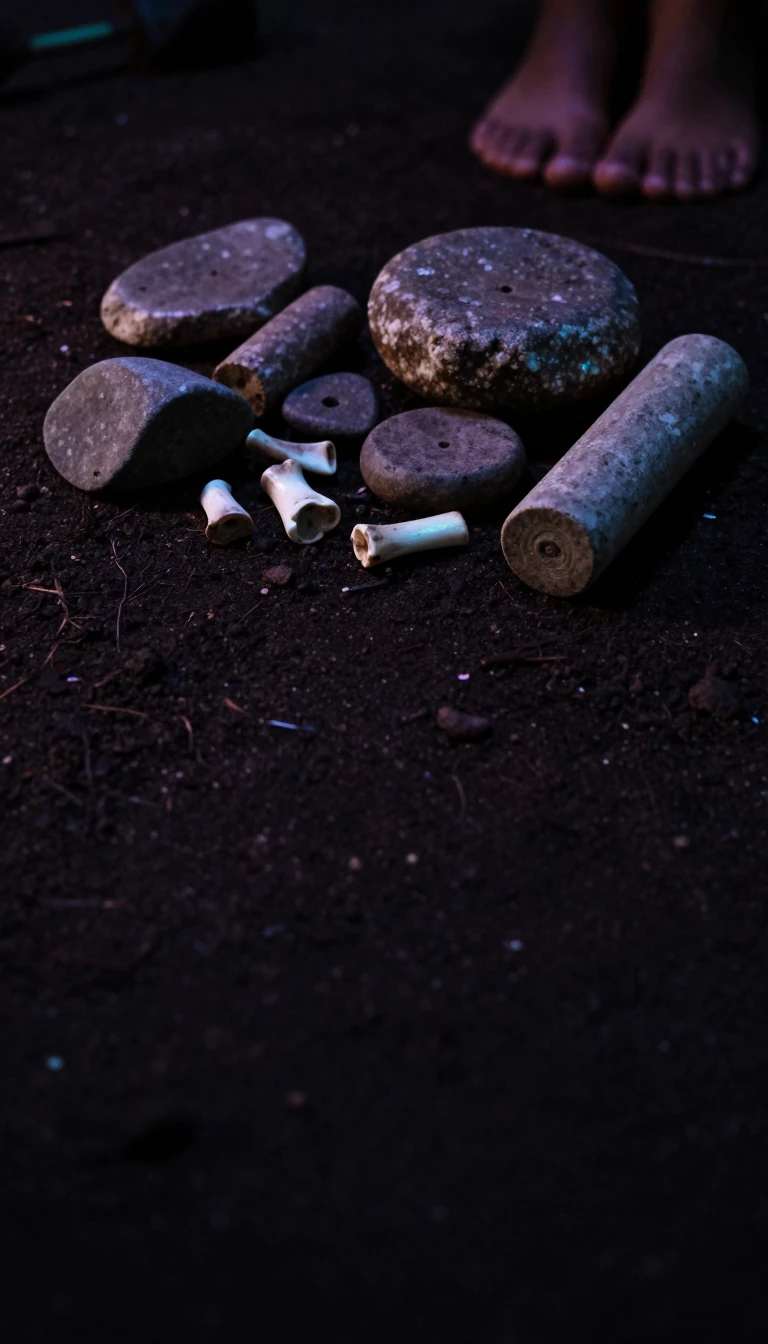 You can visit the Upper Cretaceous but never the Late CretaceousGeologists keep two parallel vocabularies. The Late Cretaceous is a stretch of time, so nobody can go there. The Upper Cretaceous is the rock laid down during it, so you can stand…
- Sea level is lumpy: the true shape of Earth dips and bulges by 110 metresImagine the oceans at rest, free of currents and winds, extended under the continents. That surface, the geoid, is not a smooth ellipsoid. It rises and falls by up to about 110 me…
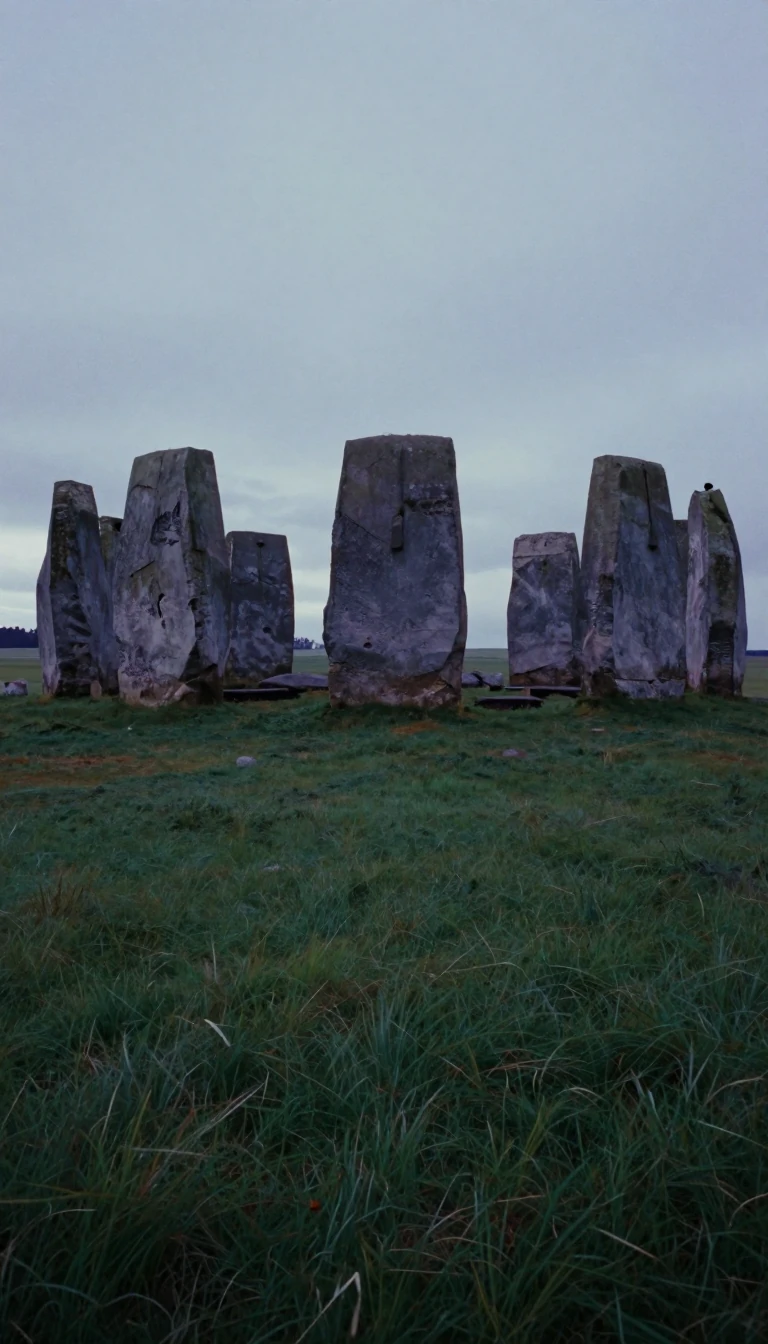 Geologists hammer golden spikes into cliffs to mark the edges of timeTo define where one slice of Earth's history ends and the next begins, geologists choose a precise point in a real rock face and call it a golden spike. The boundary that closed t…
 Feldspar is so common in the crust that its weathered remains make most mudFeldspar minerals crystallise in almost every kind of igneous rock, but they form at high temperatures and fall apart easily at the surface. Water breaks them down into clays, whi…
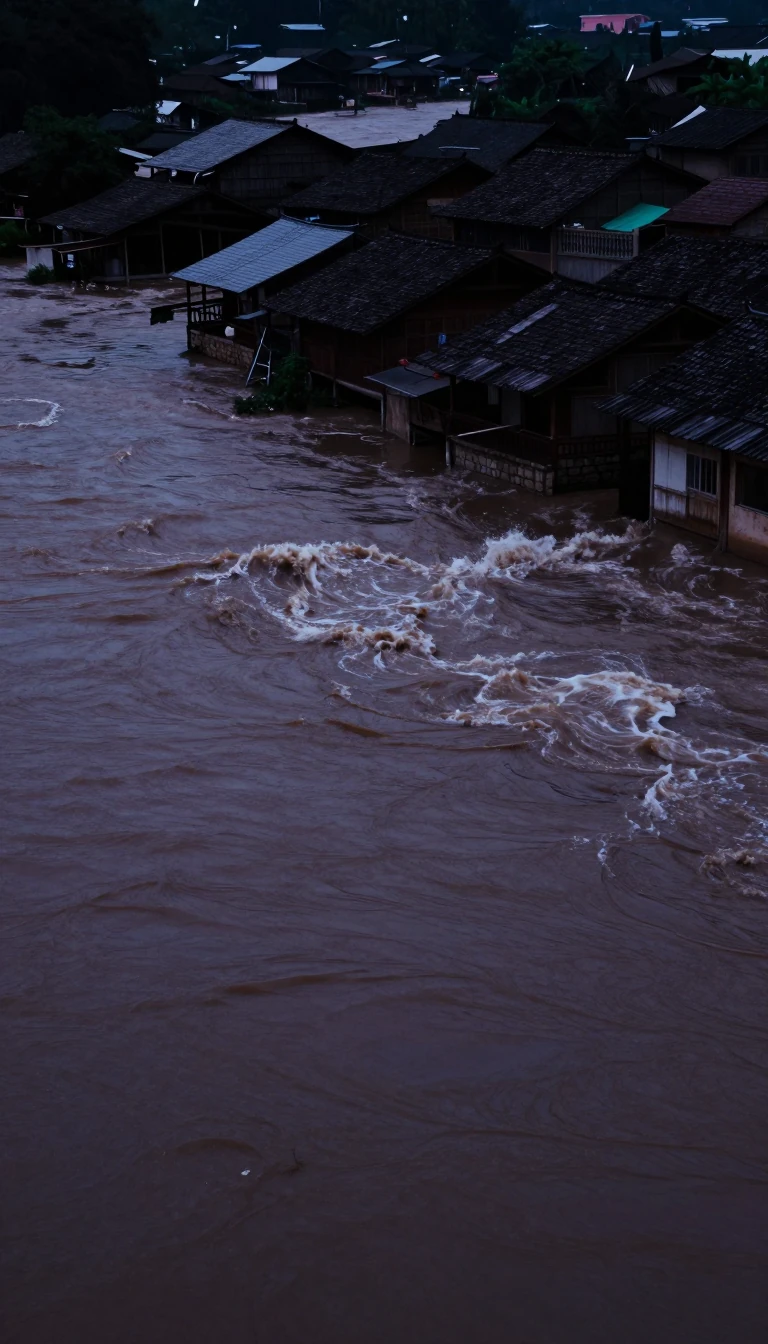 Some floods are deliberate, from rice paddies to wartime defencesMost floods are disasters, but people also drown land on purpose. Farmers flood paddies to grow rice, Dutch engineers designate fields to take a swollen river's overflow, and armi…
 Earth's inner core grows by about 80,000 tonnes of iron every secondNearly 2,900 kilometres beneath our feet lies an ocean of molten iron and nickel about 2,260 kilometres deep. As the planet slowly cools, its base freezes onto the solid inner cor…
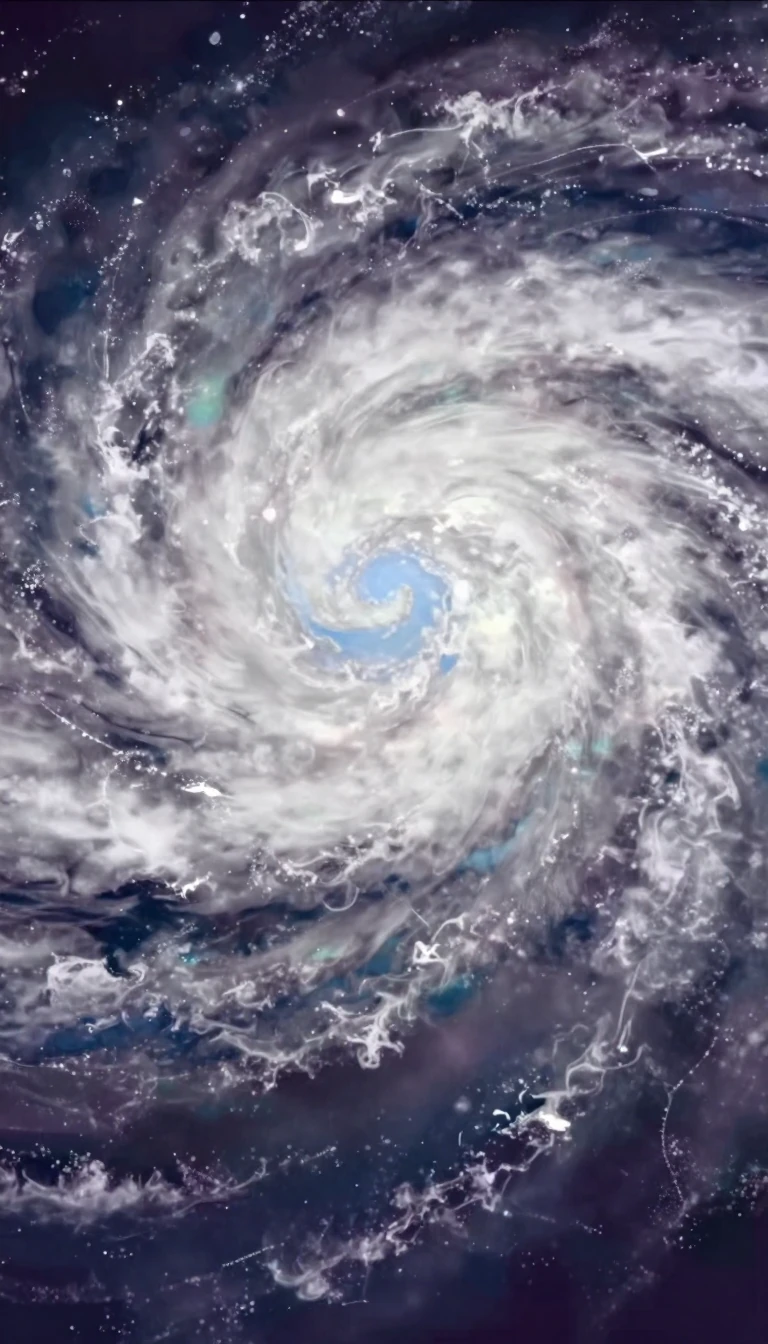 El Niño was named by Peruvian fishermen after the Christ ChildWarm water showing up off Peru around Christmas gave El Niño its name, the Boy. Today the term describes one phase of a Pacific-wide swing in winds and sea temperatures that bring…
 Almost every emerald is flawed, so jewellers grade them by naked eyeDiamonds are judged under tenfold magnification, but emeralds are so often riddled with inclusions and cracks that an emerald counts as flawless if nothing shows to the unaided ey…
 Humans now drive soil erosion 10 to 40 times faster than natureErosion is natural: water, wind, ice and gravity have always carried soil and rock from one place to another. But farming, deforestation, roads and sprawl have multiplied the glob…
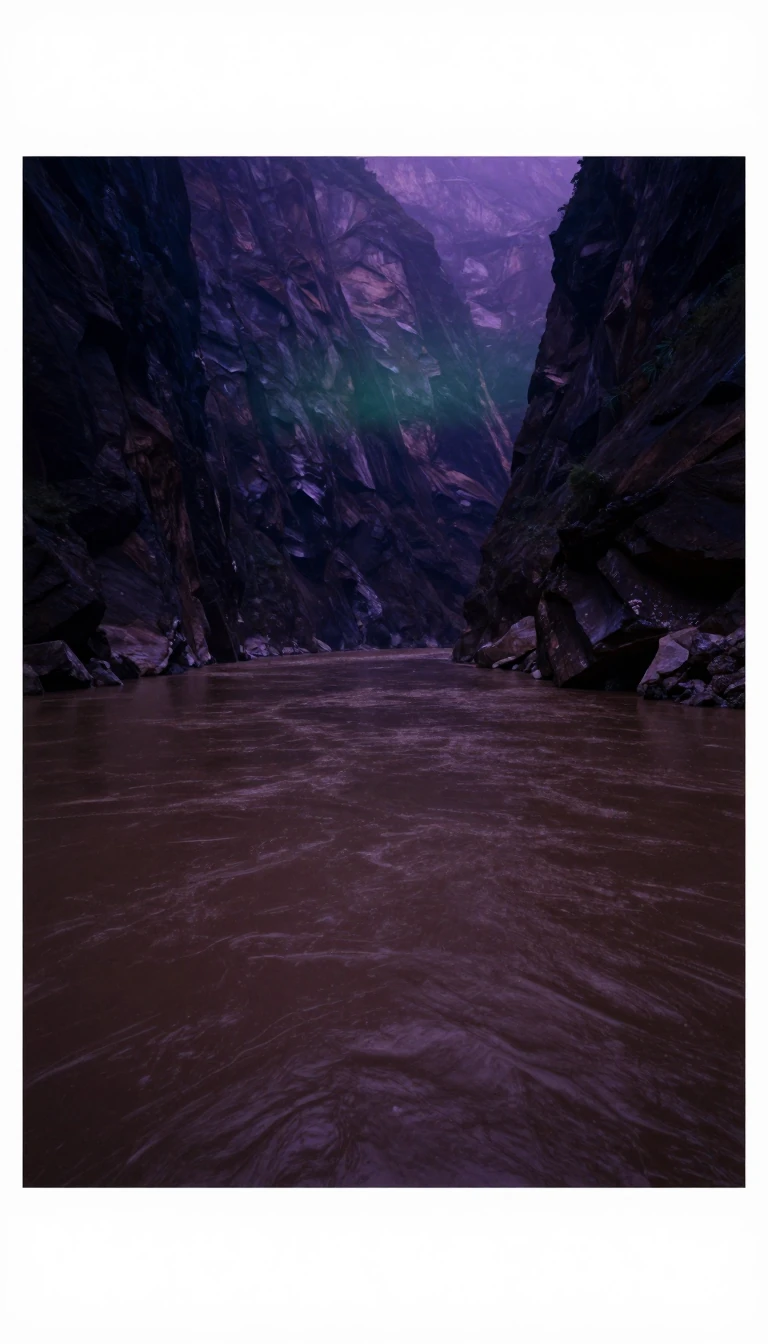 Most of the world's estuaries are younger than farmingWhen the last ice age ended and seas began climbing roughly 10,000 to 12,000 years ago, oceans flooded valleys carved by rivers and glaciers. Those drowned valleys became today's …
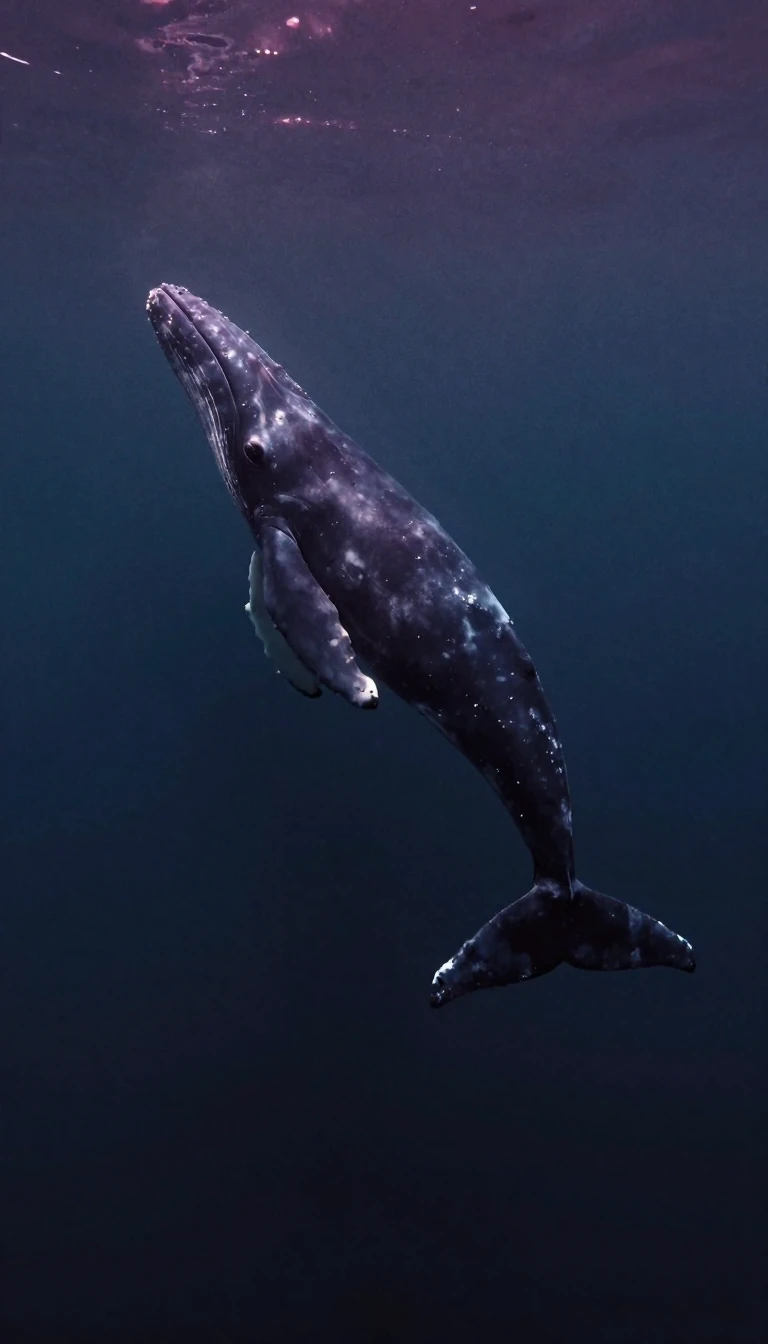 The Great Dying wiped out about 81 percent of marine speciesAround 252 million years ago, at the close of the Permian, life suffered its worst known catastrophe. Roughly four in five marine species and an estimated 70 percent of land verte…
- Meteorologists call a storm a bomb when its pressure plunges fast enoughIf a mid-latitude storm's central pressure drops by more than a millibar an hour, forecasters call it explosive cyclogenesis, and the storm earns the nickname bomb. These extratro…
 Geologists still describe faults using words borrowed from old minesThe two sides of a sloping fault are called the hanging wall and the footwall because miners working a tilted ore seam stood on one and had the other hanging overhead. Even the la…
- Earth science rests on one bold bet: the present explains the pastNobody watched mountains rise or oceans open. Geologists reconstruct those events by assuming that the processes working today, erosion, eruptions, sediment settling in rivers, ha…
 A fault's width, not its length, caps how big an earthquake can getMost of an earthquake's energy never reaches us as shaking: perhaps 10 percent or less radiates as seismic waves, the rest cracks rock and heats the fault. And the biggest quakes …
 Parts of the Amazon grow more leaves when the rain stopsIn the tropics, dry months are not a fixed calendar fact but the shadow of a wandering band of rain. As that belt swings between hemispheres, rivers shrink, herds walk, fires spre…
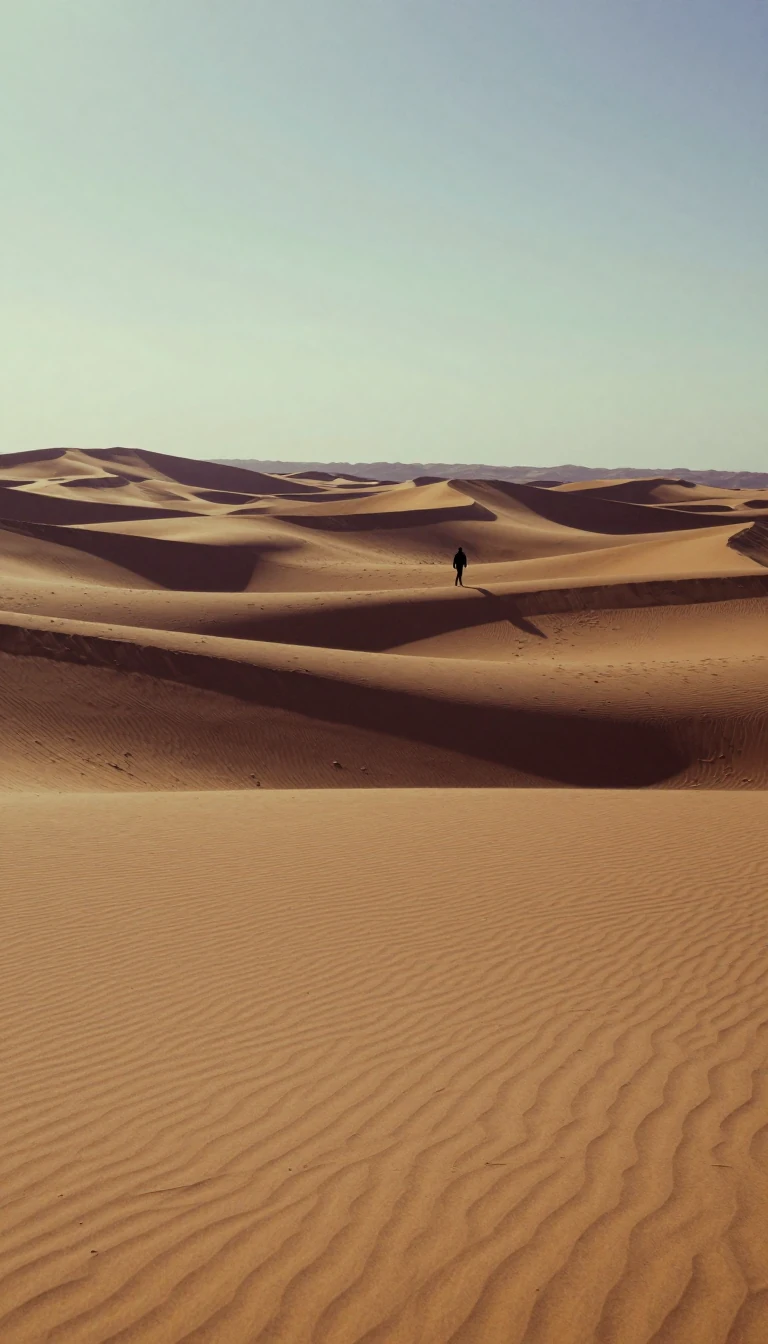 A town in Western Australia had to move because sand dunes swallowed itIn the 1890s the settlement of Eucla, in Western Australia, was relocated because drifting dunes were burying it. Dunes can travel startlingly fast: between 1954 and 1959 a group …
 Mauritania went from two dust storms a year to about eightySand grains hopping across a desert build up static charge, and that charge shakes loose even more grains. The result can be a wall of dust over a kilometre high. Saharan storms h…
 Ocean floor is young; some continental rock is over four billion years oldThe ground beneath us is a skin thinner than one percent of Earth's radius, floating on denser mantle rock. Seafloor is constantly made and swallowed, so none of it is older than …
- Inge Lehmann found Earth's solid heart by reading distant earthquake echoesIn 1936 the Danish seismologist Inge Lehmann studied records of New Zealand earthquakes and noticed waves that seemed to bounce off something deep inside the planet. She concluded…
 The Arctic magnetic pole is really the south pole of Earth's magnetA compass needle's north end swings toward the Arctic, and opposite poles attract. So the magnetic pole near Canada's Ellesmere Island is, strictly speaking, the south pole of Ear…
- Earth's mantle is hotter than molten rock yet stays almost entirely solidNear the core, mantle rock reaches about 4,200 kelvin, far above the temperature at which peridotite melts at the surface. Crushing pressure keeps it solid. Over millions of years…
- Nearly half of all the world's land drains into the Atlantic OceanFollow any raindrop downhill and it ends up somewhere specific. For about 48.7 percent of Earth's land, that somewhere is the Atlantic, fed by rivers from the Great Lakes to the N…
- By the early 1980s researchers had published over 150 definitions of droughtDrought sounds simple, yet by the early 1980s more than 150 definitions were in print. The UN climate panel now settles for drier than normal. The trouble is that dryness can stri…
 Death Valley's sailing stones are pushed by windblown sheets of iceOn the Racetrack Playa in Death Valley, rocks slide across a dry lakebed and leave long trails with nobody touching them. Scripps researchers finally filmed the cause: thin panes …
- Some Antarctic ice has stayed frozen for close to a million yearsA snowflake landing today may melt within months, but water locked in glaciers and ice sheets can stay frozen for tens of thousands of years, and deep ice in parts of East Antarct…
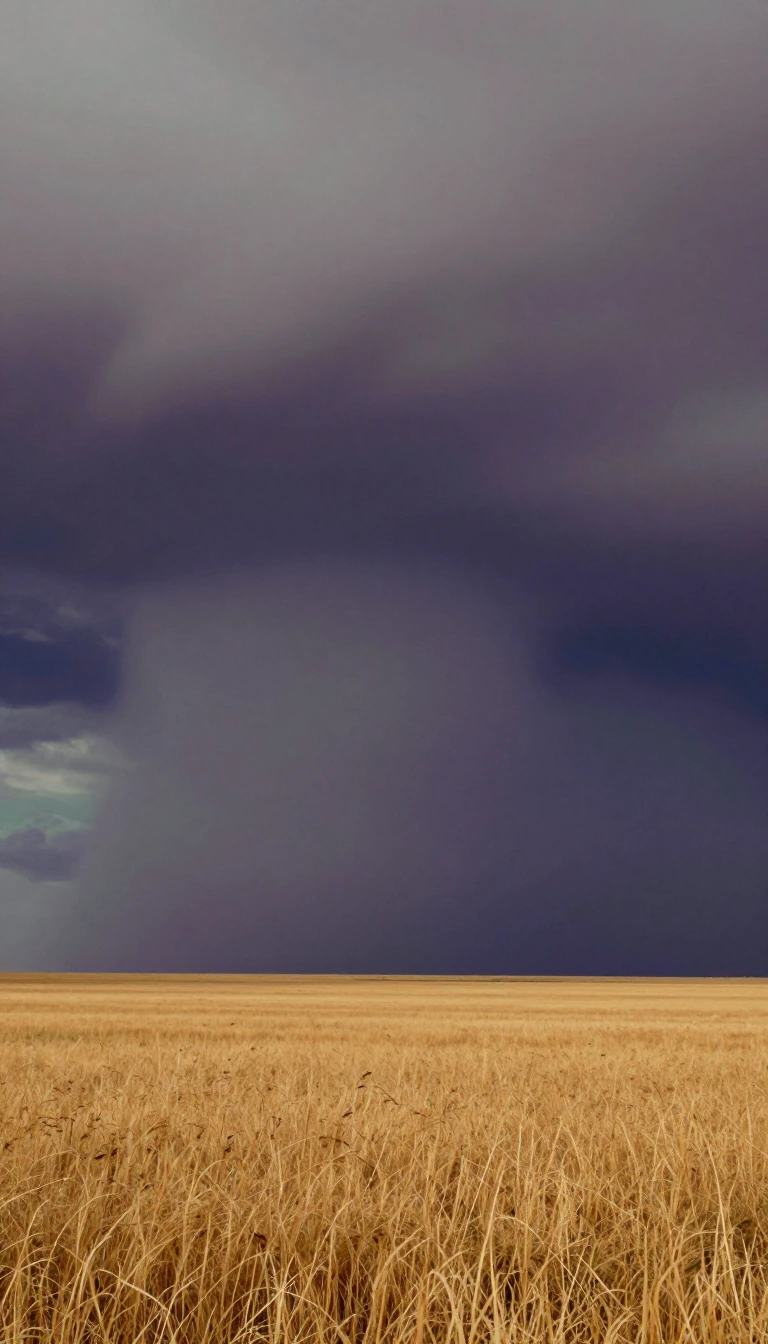 An average thunderhead weighs about half a million kilogramsThe towering storm cloud called cumulonimbus holds roughly 500,000 kilograms of water on average, and its top can climb to 12 kilometres, sometimes 20 or more. It is the largest c…
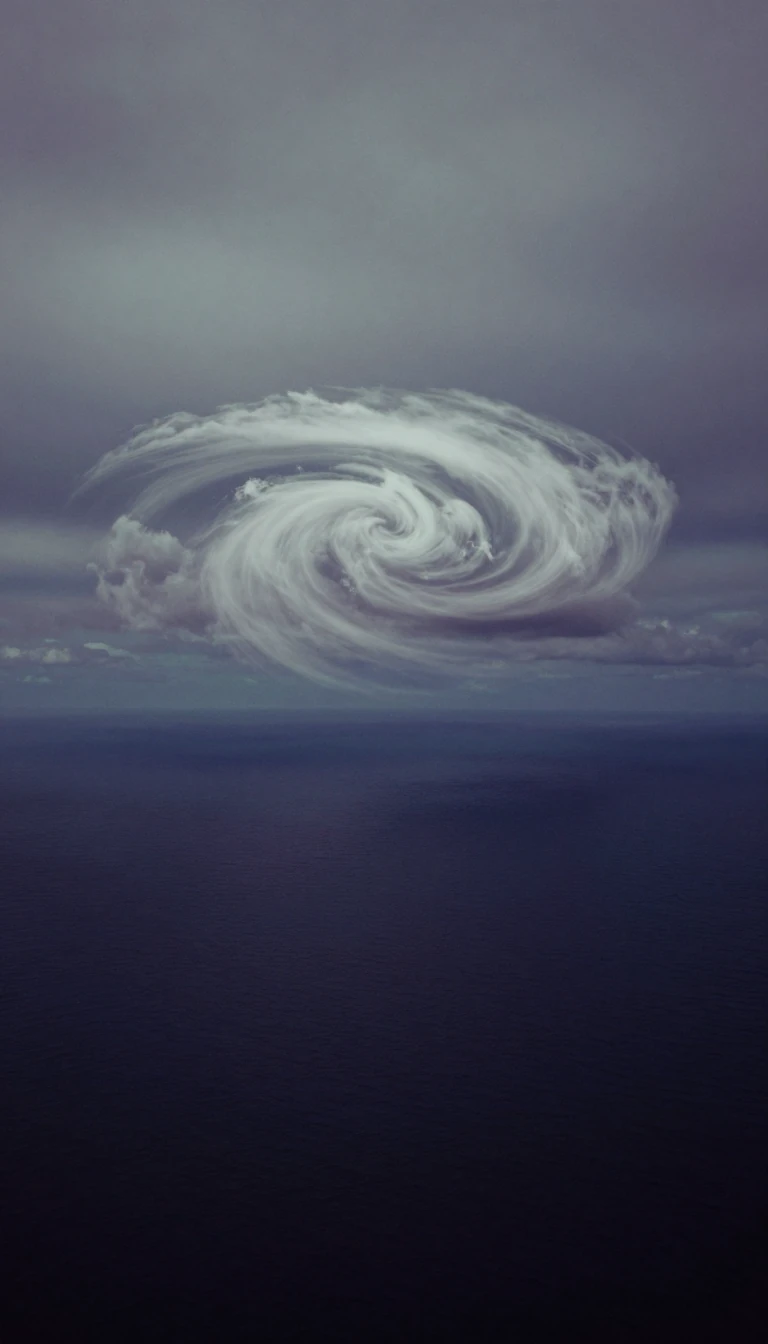 Fair-weather cumulus clouds are powered by the heat of their own condensationThe fluffy, flat-bottomed clouds of a summer afternoon run on a feedback loop. Warm air rises and cools until its vapour condenses, and condensing releases heat that pushes the ai…
 The word cyclone was coined by an East India Company official in CalcuttaHenry Piddington, a British East India Company official, wrote 40 papers on tropical storms from Calcutta between 1836 and 1855 and gave them a name from the Greek for circle. A c…
 Shakespeare's desert of Bohemia had no sand, only an absence of peopleDesert once meant an abandoned place, not a dry one. Before the twentieth century English speakers used it for any empty land, which is why a desert island needs no dunes. Today t…
 In Israel's Negev, dew supplies nearly half the water of some desert shrubsDew never adds up to much, rarely more than half a millimetre a night. Yet in the Negev Desert, researchers found it accounts for almost half the water in three dominant shrubs. T…
 Coasts cover a sliver of the ocean yet sustain most commercial fishCoastal habitats account for only about 7 percent of the world's oceans, yet at least 85 percent of commercially caught fish depend on them at some stage of life. Nearly half of h…
- Montserrat's jagged peaks are made of cemented river pebblesThe mountain near Barcelona whose name means jagged mountain is built from conglomerate: rounded pebbles and cobbles glued together by natural cement. Erosion carved vertical chan…
- Most sand on the world's continental shelves was dumped there during the last ice ageThe shallow seabed fringing the continents is really drowned land. Around 60 to 70 percent of its sediment was laid down during the last ice age, when sea level stood 100 to 120 m…
 Darwin predicted a sunken volcano lies beneath every atoll, and he was rightOn the Beagle voyage, Charles Darwin reasoned that ring-shaped coral atolls grow on volcanic islands that slowly sank, the coral climbing upward to stay in the light. He predicted…
- The Cretaceous is named after chalk, and forests then grew near the polesFor some 77 million years, the longest period of the past half-billion years, Earth ran warm and mostly ice-free. Shallow seas flooded continents, forests reached the poles, and t…
 Crocodiles survived the dinosaur-killing asteroid partly by eating leftoversWhen an asteroid slammed into Mexico 66 million years ago, about three quarters of species vanished, including every dinosaur except birds. Crocodilians pulled through, likely bec…
 Earth's continents may be the only crust of their kind in the Solar SystemPlanetary geologists sort rocky crusts into three types. Almost every world has the second kind, basalt melted from the mantle. But the continents we live on count as tertiary cru…
 A medieval Chinese scholar deduced climate change from buried bambooAround the 11th century, Shen Kuo found petrified bamboo underground in a region far too dry to grow it. He concluded that climates shift over vast stretches of time. Climatology …
- The word cloud originally meant a lump of rockIn Old English, clud meant a hill or a mass of stone. Around the 13th century people began applying it to heaped rain clouds that looked like boulders, and the metaphor eventually…
- Which is Earth's deepest canyon depends on how you measure itAsk for the world's deepest canyon and you get an argument. Some point to Tibet's Yarlung Tsangpo at about 5,500 metres. Others pick Nepal's Kali Gandaki Gorge, where the river ru…
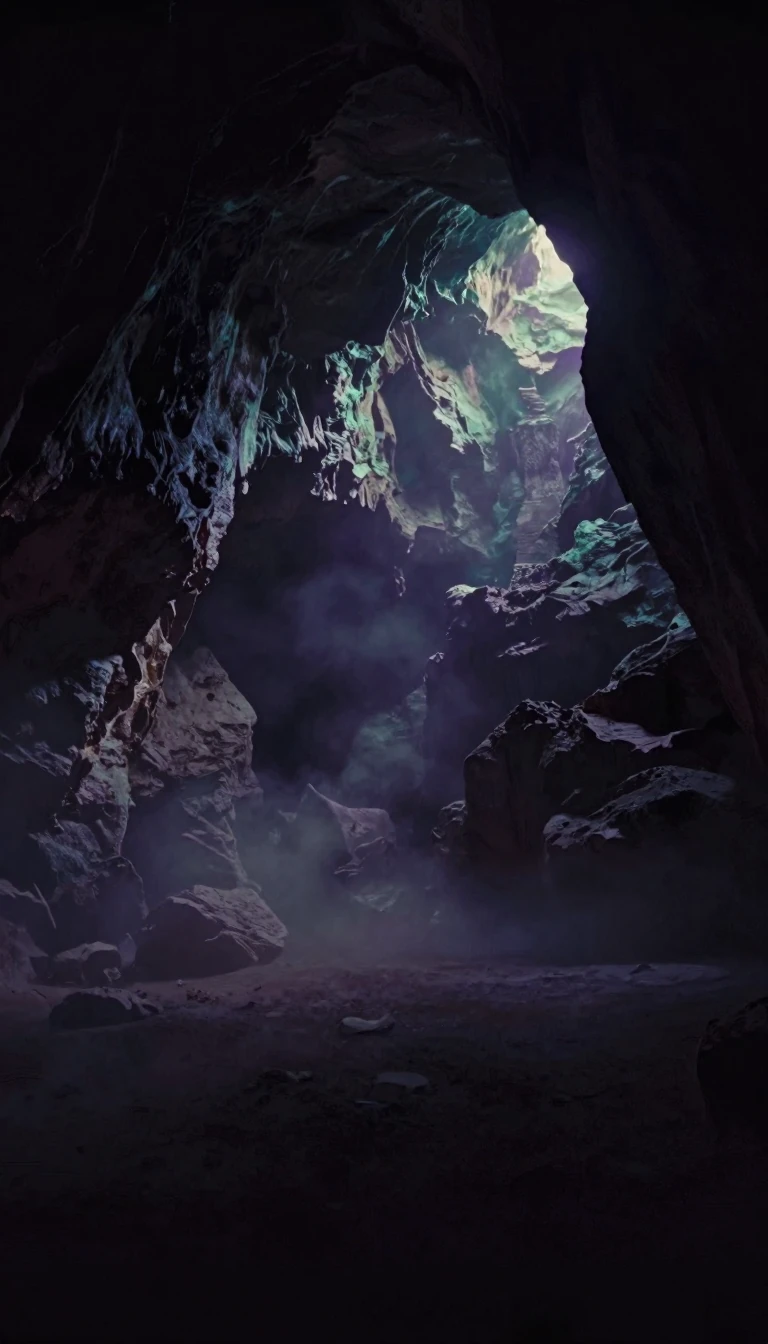 Carlsbad Cavern was eaten out from below by sulfuric acidMost limestone caves are dissolved by rainwater trickling down from the surface. New Mexico's Carlsbad Cavern and Lechuguilla Cave seem to have formed the other way round. Hydroge…
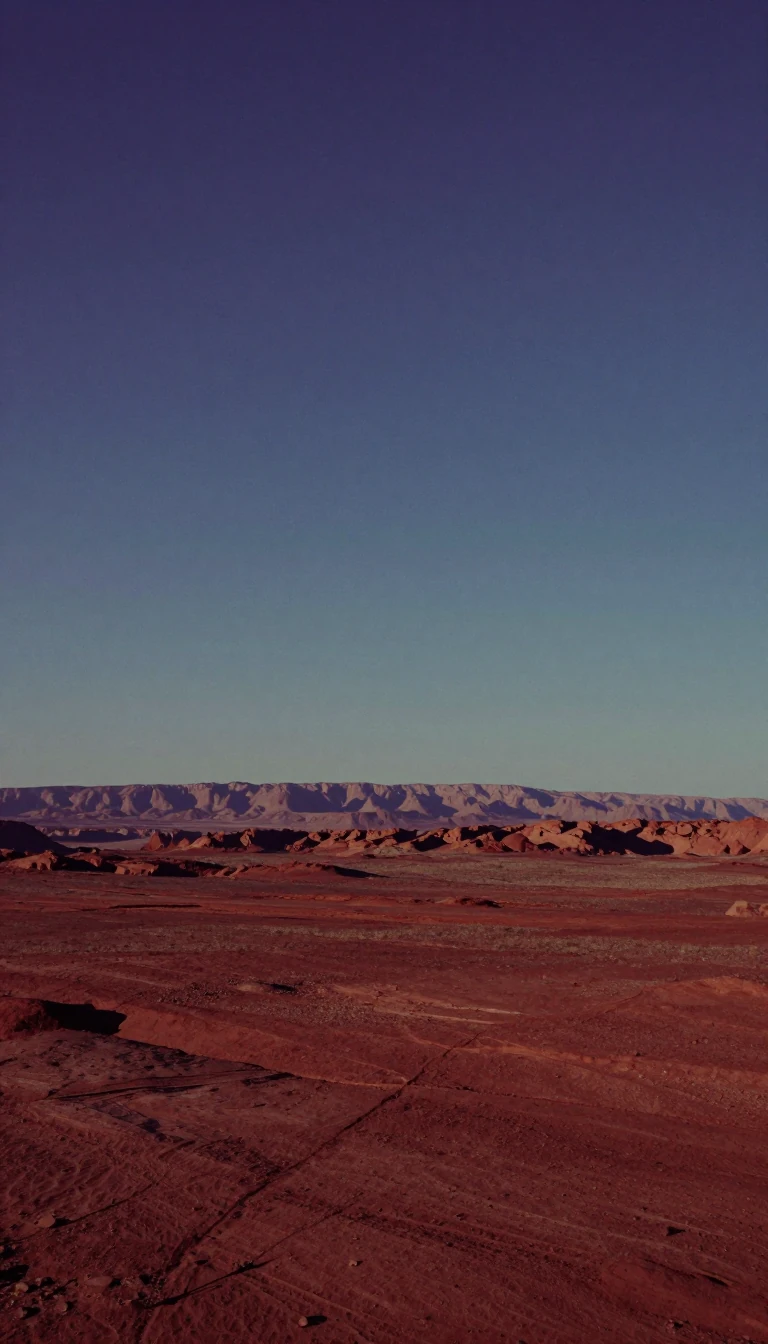 After the dinosaurs died, sharks ruled the seas and jungles reached the polesWhen an asteroid ended the age of dinosaurs 66 million years ago, it opened the Cenozoic, the era we still live in. Early on, the planet warmed until jungles spread to the poles a…
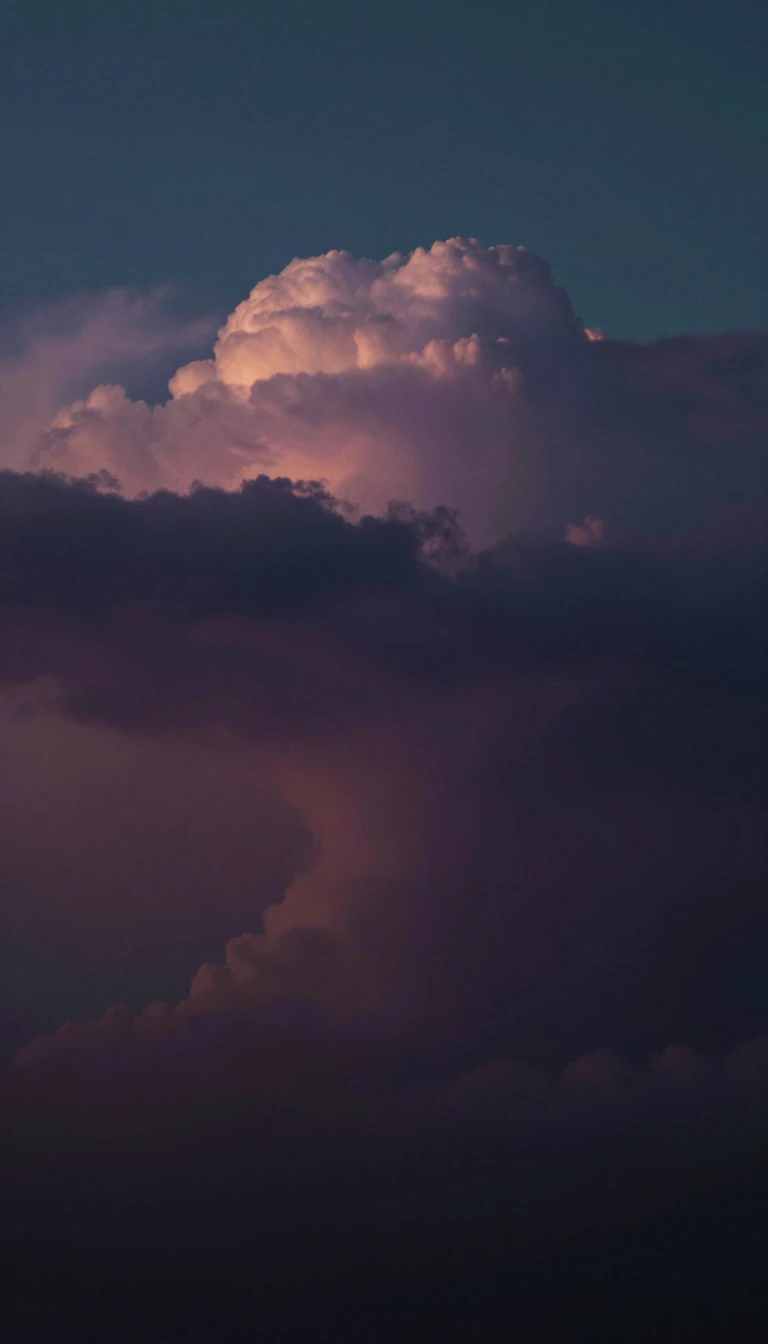 Wispy cirrus clouds are seeded mostly by airborne mineral dustThose thin white streaks high overhead are made of ice, and each crystal needs something to grow on. Research aircraft sampling cirrus over North and Central America found mostly …
 Clay holds its shape thanks to a thin film of waterWet clay can be squeezed into any shape and then keeps it, because its microscopic mineral plates are glued by a film of water that lets them slide yet holds them in place. Fire t…
 The tallest cliff in the Solar System may be 20 kilometres highOn Miranda, a small moon of Uranus, a fault scarp called Verona Rupes may drop about 20 kilometres. On Earth, rankings are messier: a cliff need not be perfectly vertical, so whet…
- Climate is what you expect; weather is what you actually getA single rainy week tells you about weather. Climate is the pattern underneath, conventionally averaged over 30 years, a span chosen because it is long enough to smooth out quirks…
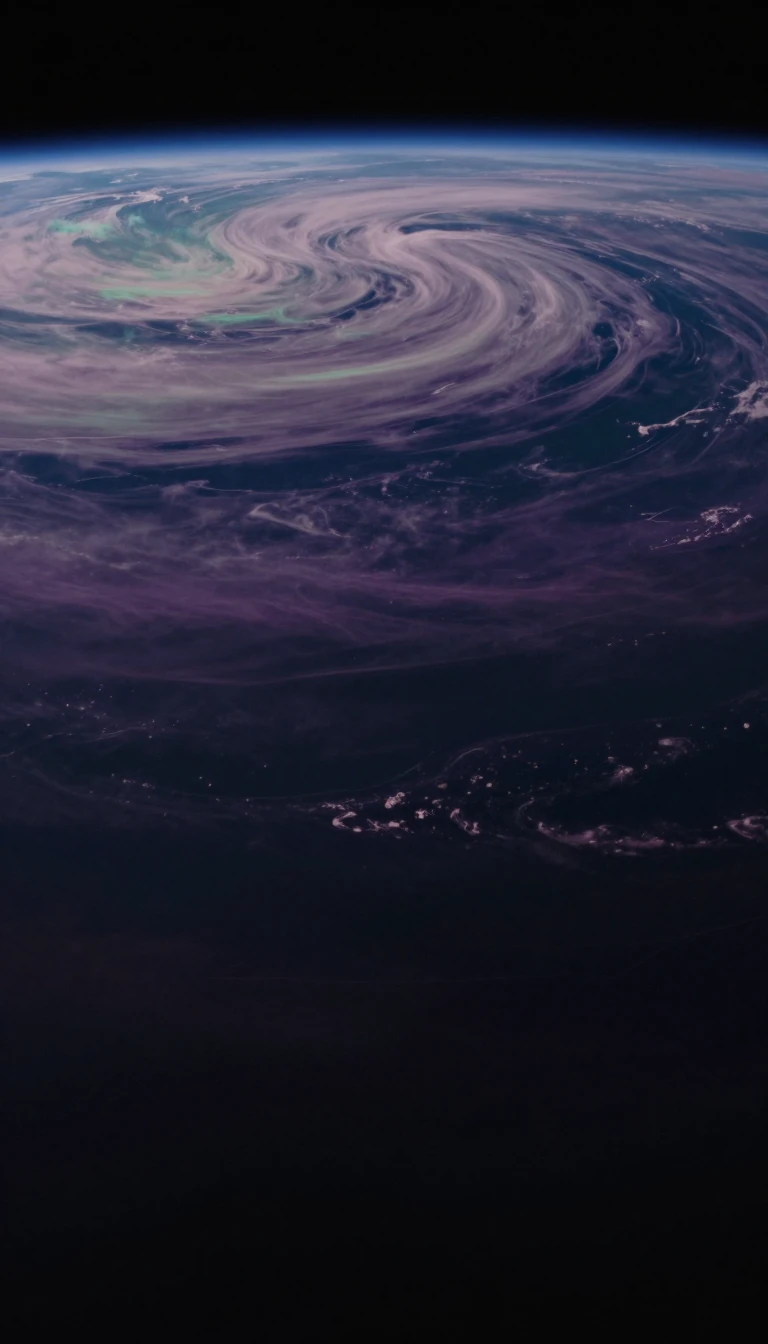 Earth's climate runs on an energy budget with sunlight as incomeNearly all the energy in Earth's climate arrives as sunlight, and some leaks back out to space. When more comes in than goes out, the planet warms; when the balance tips the other…