 Intellect Plus
Earth science
386 cards. Each one is a 40-second story with a five-minute read behind it. Page 3 of 7.
 The Paleoproterozoic era transformed Earth from a toxic, anaerobic world into a modern planet.Spanning from 2.5 to 1.6 billion years ago, the Paleoproterozoic was Earth's longest geological era. It witnessed the first stabilization of continents, the rise of oxygen-produci…
 Mangrove forests are the world's most productive coastal engineers, building land from the sea.These salt-tolerant forests thrive in the harsh intertidal zone, where they act as natural barriers against storm surges and tsunamis. By slowing tidal waters with their stilt-lik…
 Is the New World Order a secret global plot or a misunderstood political term?The New World Order is a term that has shifted from describing post-war global cooperation to fueling apocalyptic fears of a shadow government. While politicians use it to discuss…
 A vortex is not just a swirl, but a complex, self-organizing fluid structure.From the violent winds of a tornado to the quiet wake of a boat, vortices are fundamental to fluid motion. These swirling regions of energy and momentum can stretch, twist, and me…
 The world's largest gypsum dunefield hides a prehistoric secret beneath its shifting white sands.White Sands National Park in New Mexico contains 4.5 billion tons of gypsum sand, forming the largest dunefield of its kind on Earth. Beyond its striking landscape, the park prese…
 Why do we find comfort in stories about the end of the world?Apocalyptic fiction is not just about destruction; it is a mirror for our deepest cultural anxieties. From ancient myths of divine floods to modern tales of alien invasion, these …
 Why the hidden geometry of atoms dictates the physical world around usCrystals are far more than just gems; they are precise, repeating patterns of atoms that define the physical properties of matter. From the way a material breaks to how it conduct…
 Why some volcanoes grow into sticky, unstable mounds instead of explosive mountainsLava domes are the slow-motion architects of the volcanic world. Formed by thick, viscous magma that refuses to flow, these circular mounds can grow for centuries before suddenly …
 Some tropical places get two rainy seasons, and rainforests get noneA rainforest never has a wet season, because its rain arrives evenly all year. Yet parts of the tropics enjoy two, as the band of storms called the Intertropical Convergence Zone …
- Wetlands are the most threatened ecosystems on Earth, and among the richestSwamps and marshes were long seen as wasteland to drain. In fact they filter water, soften storms, store carbon and teem with life. A 2005 global assessment found wetlands under m…
 Some wildfires smoulder underground for months without a visible flameNot every wildfire roars through treetops. Ground fires creep through buried roots, peat and forest duff, smouldering for days or months. In Indonesia, a scheme to create rice fie…
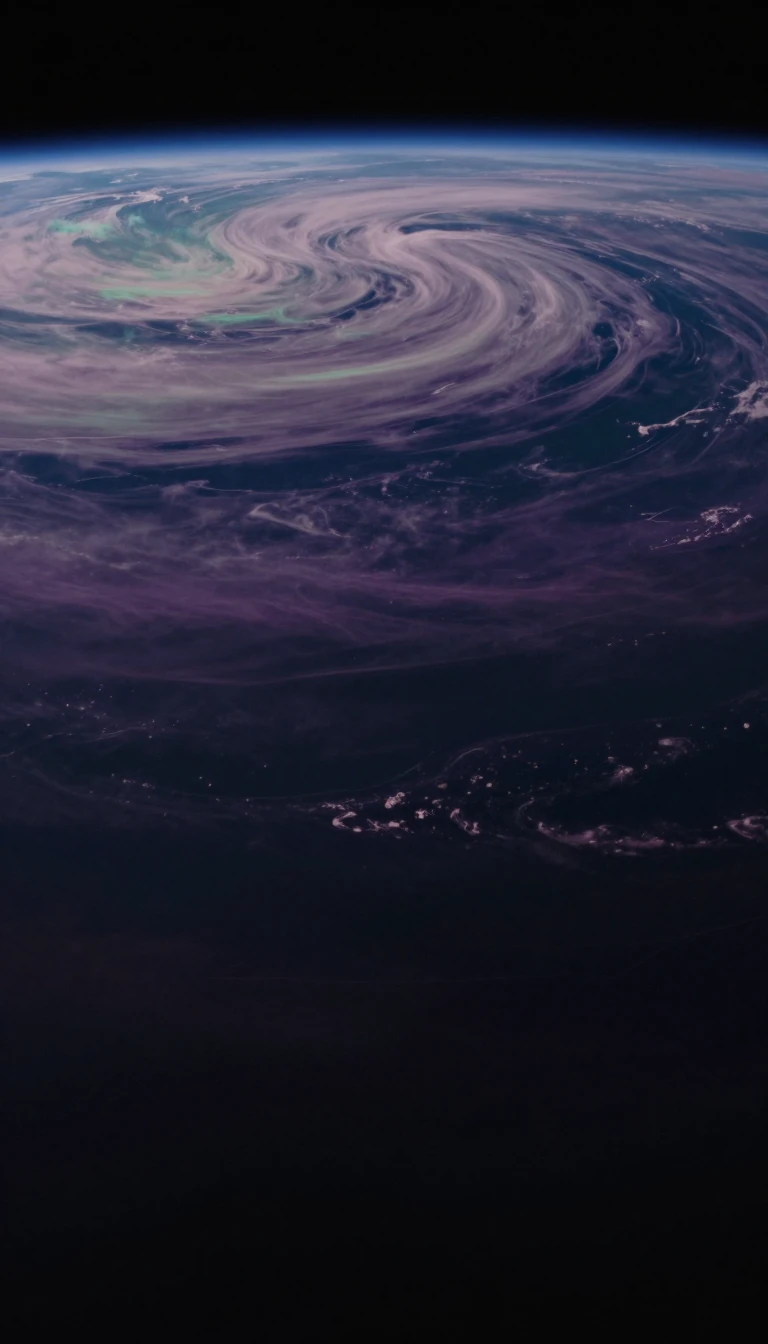 A westerly wind blows eastward, because winds are named for their sourceMeteorologists label wind by where it comes from, not where it goes, so a northerly pushes south and a westerly heads east. It trips people up constantly. Behind the naming sits s…
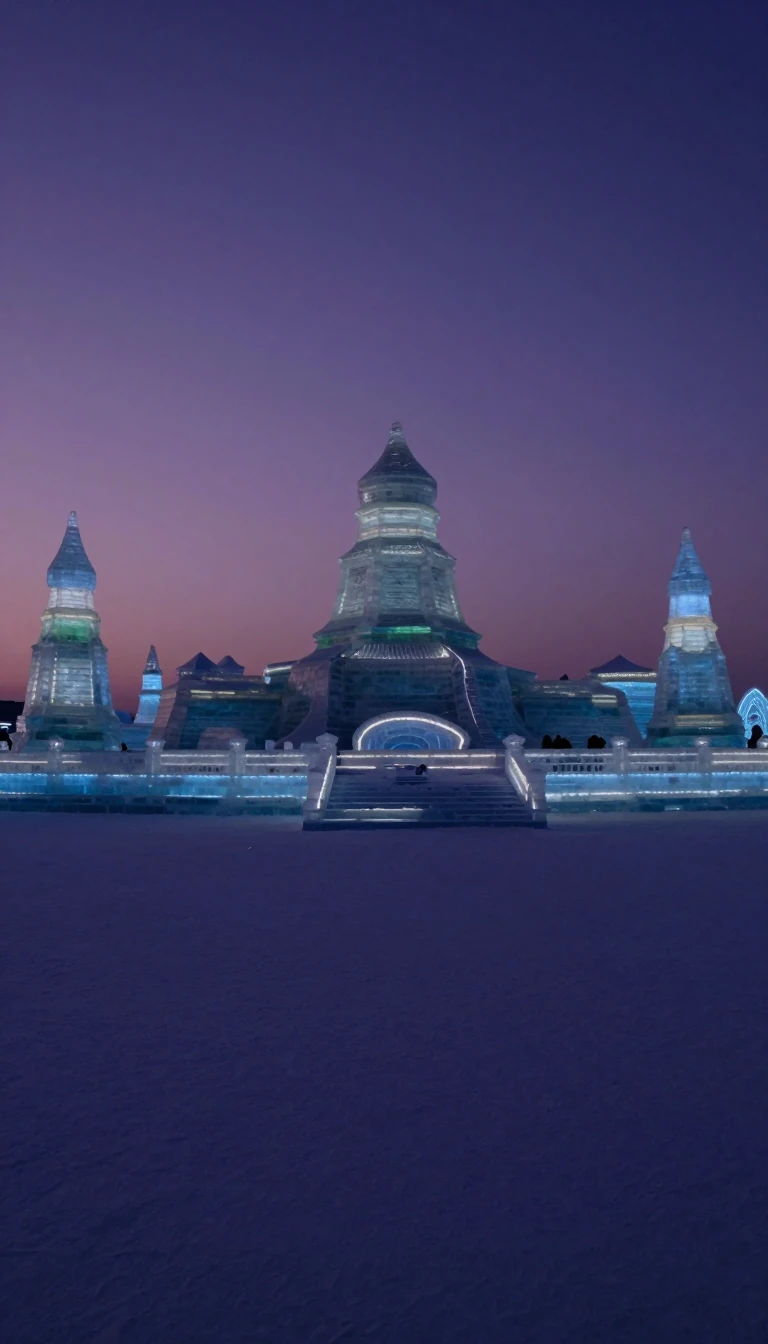 Two Canadian cities on the same latitude have wildly different JanuariesWinnipeg and Vancouver both sit at 49 degrees north. Winnipeg's January days peak around minus 11 Celsius, with nights near minus 21. Vancouver, bathed by mild Pacific winds, stay…
 Evaporation is nature's desalination plant, and the ocean runs most of itWhen seawater evaporates, salts and particles stay behind, so every cloud is freshly distilled water. The ocean holds about 97 per cent of Earth's water, supplies 86 per cent of g…
 Waterfalls walk backwards, carving gorges as they retreat upstreamA waterfall is not a fixed feature but a slow-motion retreat. Spinning stones drill potholes, splashback hollows out soft rock beneath the lip, and eventually the overhanging cap …
- Jupiter has had the same storm raging for at least 300 yearsWeather is not just an Earth thing. Jupiter's Great Red Spot, a vast anticyclone, has been spinning for at least three centuries, and even the Sun has weather of a sort, shedding …
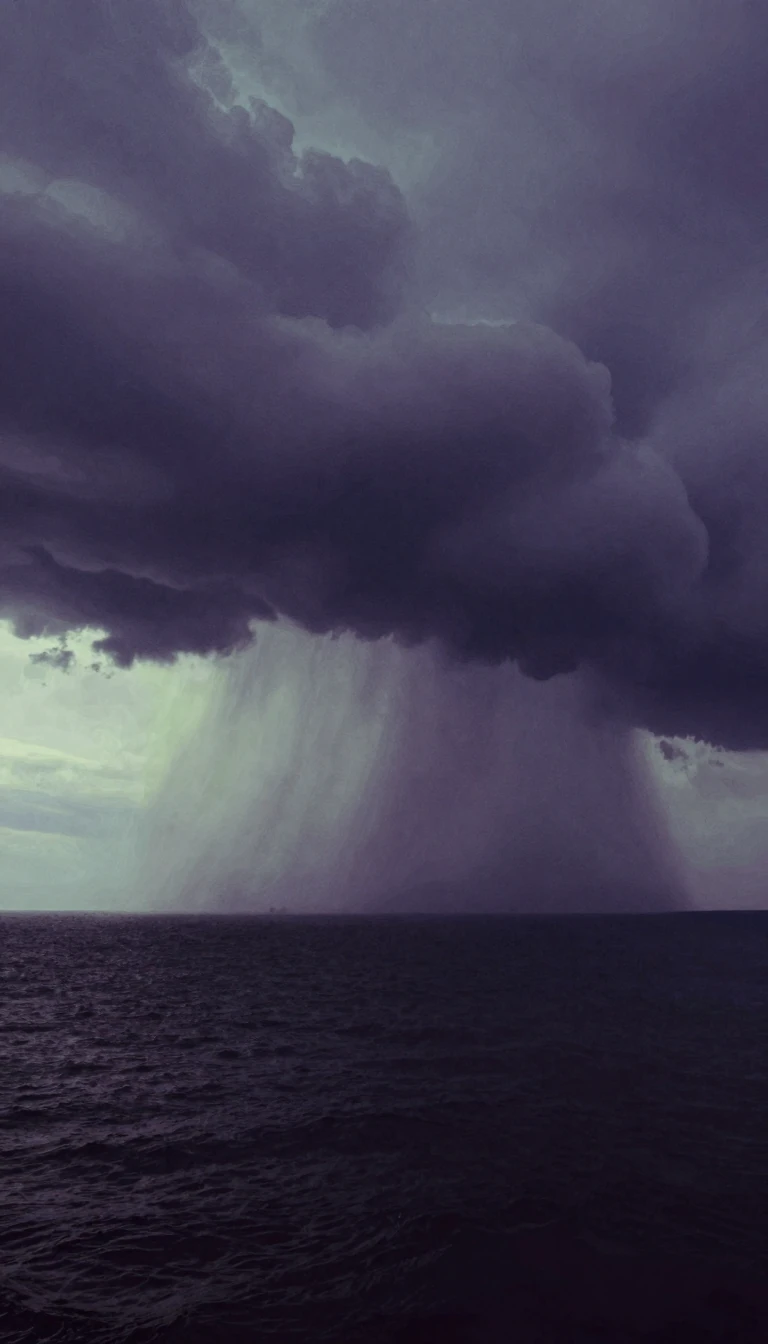 A shipwreck in 1859 gave us the phrase weather forecastWhen a storm sank the Royal Charter in October 1859, Robert FitzRoy responded by drawing charts to predict gales, and he called the practice forecasting the weather. Within two ye…
 Cold fronts can travel twice as fast as warm ones, and hit harderWhere two air masses meet, weather gets interesting. Dense cold air both shoves and lifts the warm air ahead of it, so cold fronts can move up to twice as fast as warm fronts and …
 Freezing water cracking rocks turns out to be the lesser culpritTextbooks long taught that rocks split because water expands by about 9 per cent as it freezes in cracks. Newer experiments point elsewhere. In ice segregation, a thin liquid-like…
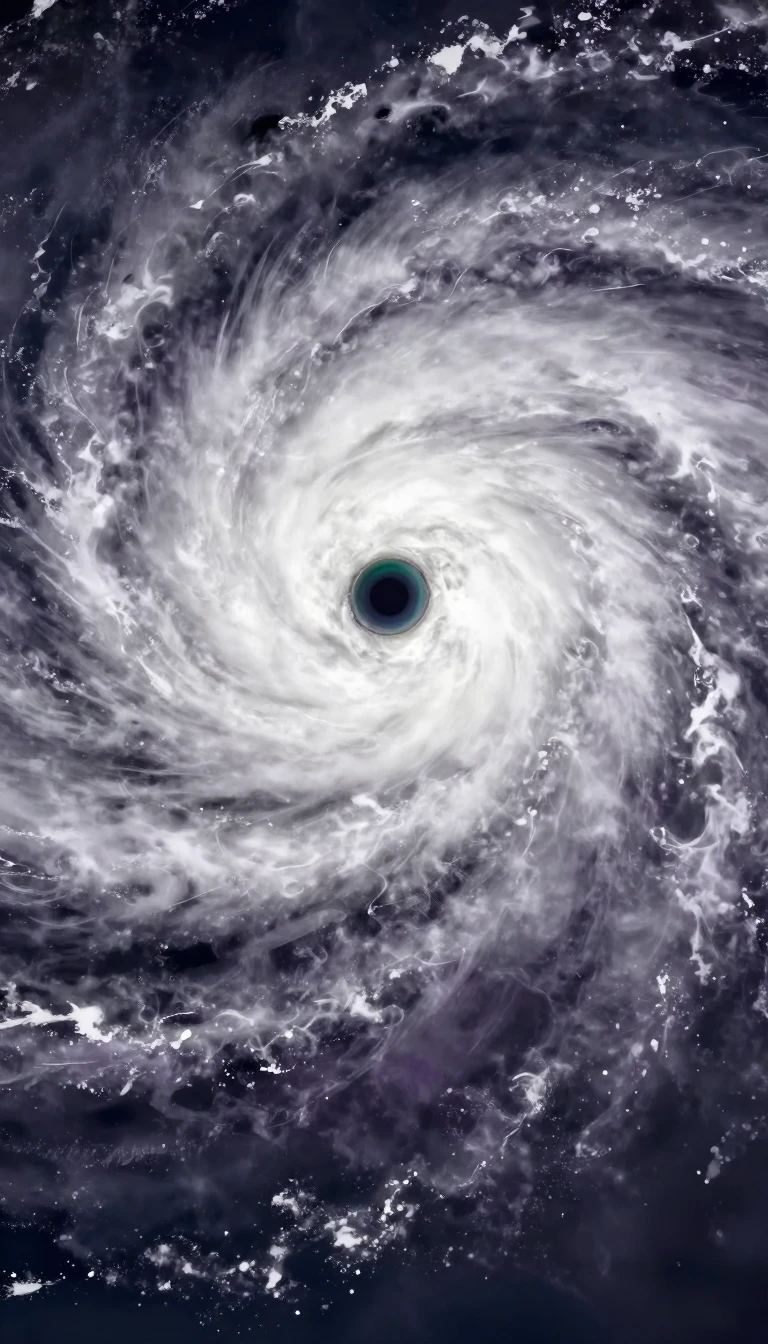 Hurricane, typhoon and cyclone are one kind of storm with three regional namesA hurricane over the Atlantic, a typhoon near Japan and a cyclone in the Indian Ocean are the same machine: a spinning low fuelled by evaporation from warm seas. Around 80 to 90 a…
- One hectare of rainforest can hold 42,000 insect species and 313 tree speciesTropical rainforests shelter somewhere between 40 and 75 percent of all species on Earth, including two-thirds of flowering plants, on ground whose soils are surprisingly poor. Th…
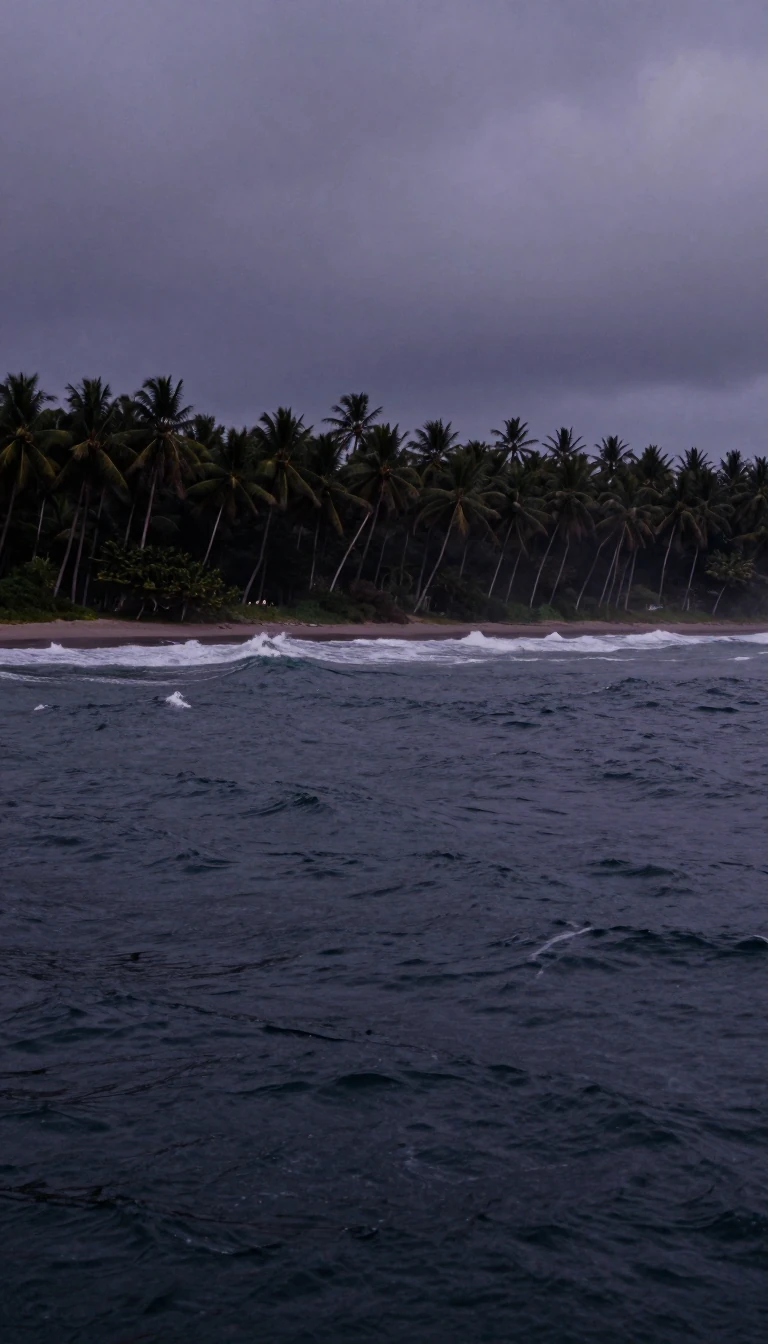 Out at sea, a tsunami is a swell only about 30 centimetres highA tsunami can cross an ocean almost unnoticed, raising the surface by roughly 300 millimetres, because its wavelength stretches hundreds of kilometres. Only in shallow coastal wat…
 Easter Island's moai were carved from compacted volcanic ashTuff is volcanic ash turned to stone, and despite its tough-sounding name it is soft enough to carve. The Romans built with it throughout Italy, and the Rapa Nui people shaped mos…
 The Arctic tundra is a desert that turns into marshland every summerArctic tundra gets only 150 to 250 millimetres of precipitation a year, as little as many deserts. Yet in summer it is a maze of bogs, lakes and streams, because frozen ground a s…
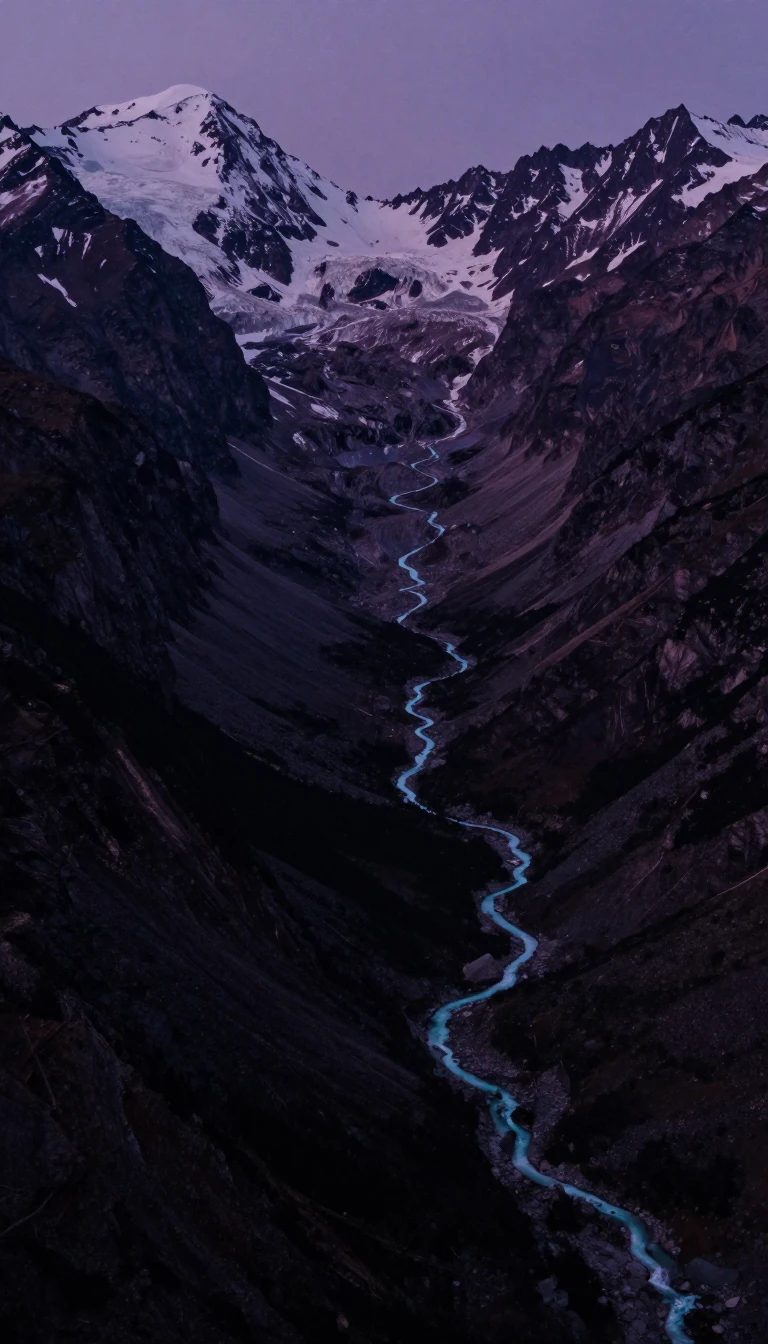 Rivers carve valleys shaped like a V, glaciers grind them into a UYou can often tell what made a valley just by its cross-section. Running water saws narrow V-shaped notches; moving ice scours wide U-shaped troughs with steep walls and flat floo…
- Most of Earth's volcanoes erupt unseen, on the ocean floorPicture a volcano and you probably imagine a smoking cone. In fact most volcanic activity happens underwater along mid-ocean ridges, quietly building new seafloor. The biggest kno…
- Trade winds pile the Pacific about 60 centimetres higher on its western sideA giant loop of air spans the equatorial Pacific: rising over warm, wet Indonesia, sinking over the cool eastern ocean, and returning as trade winds along the surface. It pushes e…
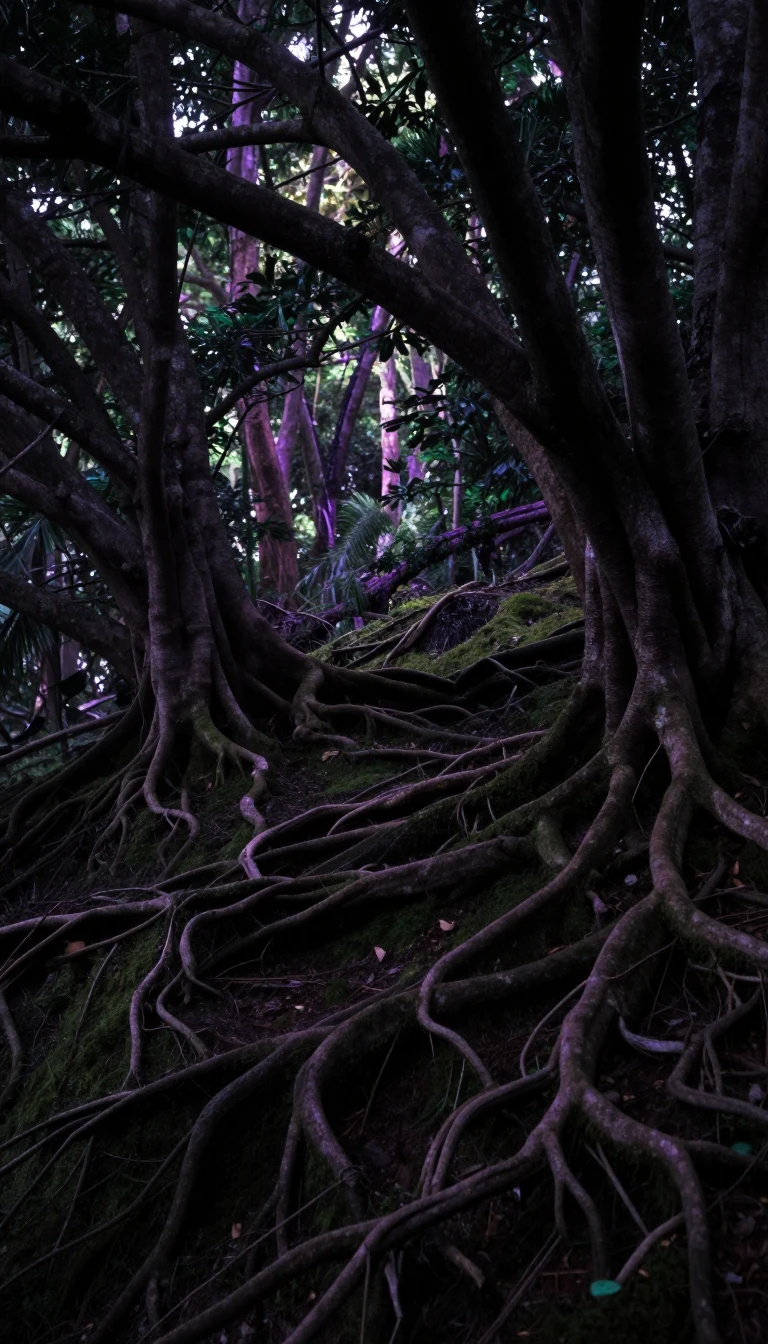 Temperate forests stack four living layers beneath canopies up to 61 metres tallWalk into an oak or beech forest and you are passing through four storeys: a canopy that can tower 30 to 61 metres, a sub-canopy of waiting saplings, a shrub layer, and a ground l…
- Most people live in the temperate zone, yet temperate covers wildly different weatherTemperate sounds mild, but the label stretches from the humid summers of southern China to the chilly, wind-blown Faroe Islands. Officially it covers the latitudes between the tro…
- Salt and cold drive an ocean conveyor whose oldest water takes 1,000 yearsDeep beneath the waves, a slow global current is powered not by wind but by differences in temperature and saltiness. Heavy, cold, salty water sinks near Greenland and Antarctica …
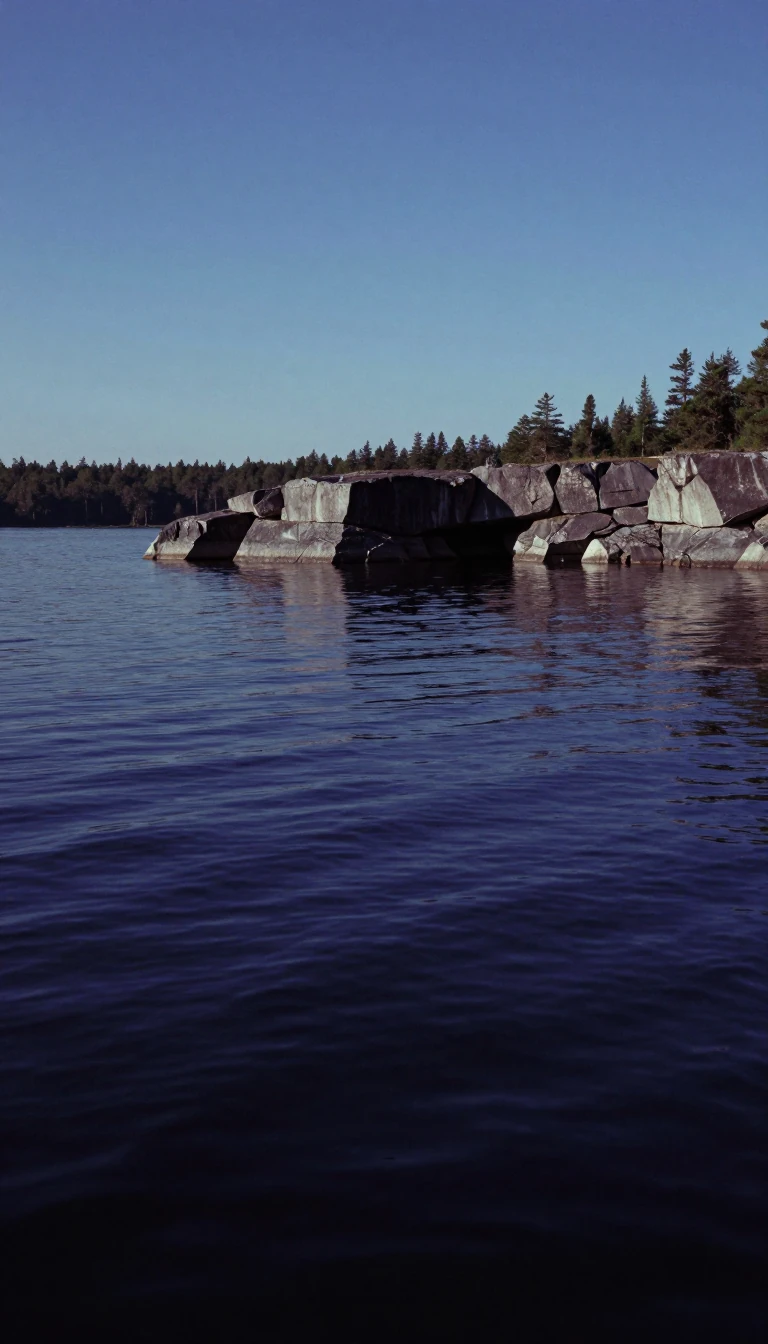 Thrust faults shove older rock on top of younger rock, breaking geology's ruleNormally the oldest rock layers lie deepest. Thrust faults flip that order, pushing ancient strata up and over younger ones, sometimes for kilometres. Geologists in the Alps, Scot…
- An ordinary thunderstorm lives about an hour and a half in three actsMost thunderstorms are born, peak and die in roughly 90 minutes, each stage lasting around half an hour. Warm, moist air shoots upward, builds a cloud that can top 20 kilometres, …
- Spring tides have nothing to do with spring, and neap means powerlessTwice a month, when Sun, Moon and Earth line up, their pulls combine and tides swing to their extremes. Those are spring tides, named for water that leaps up, not for the season. …
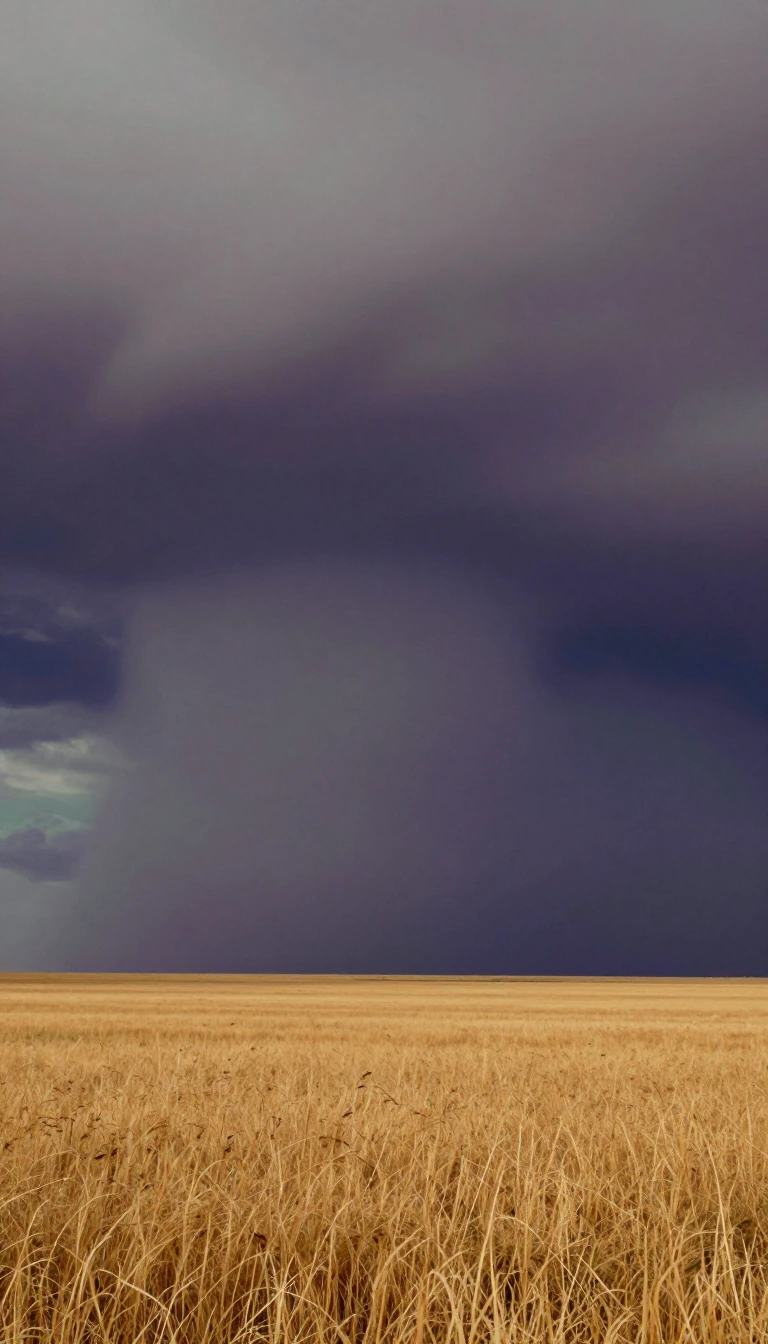 The widest tornado on record measured about 4.2 kilometres acrossMost tornadoes are about 80 metres wide, blow under 180 kilometres per hour and fizzle within a few kilometres. The extremes are staggering: winds above 480 kilometres per hour, a…
- The trade winds were named for paths, not commerce, and they fertilise the AmazonTrade once meant a track, and the trade winds were simply the steady routes across tropical oceans. Portuguese sailors learned to loop with them in the 15th century, shaping which…
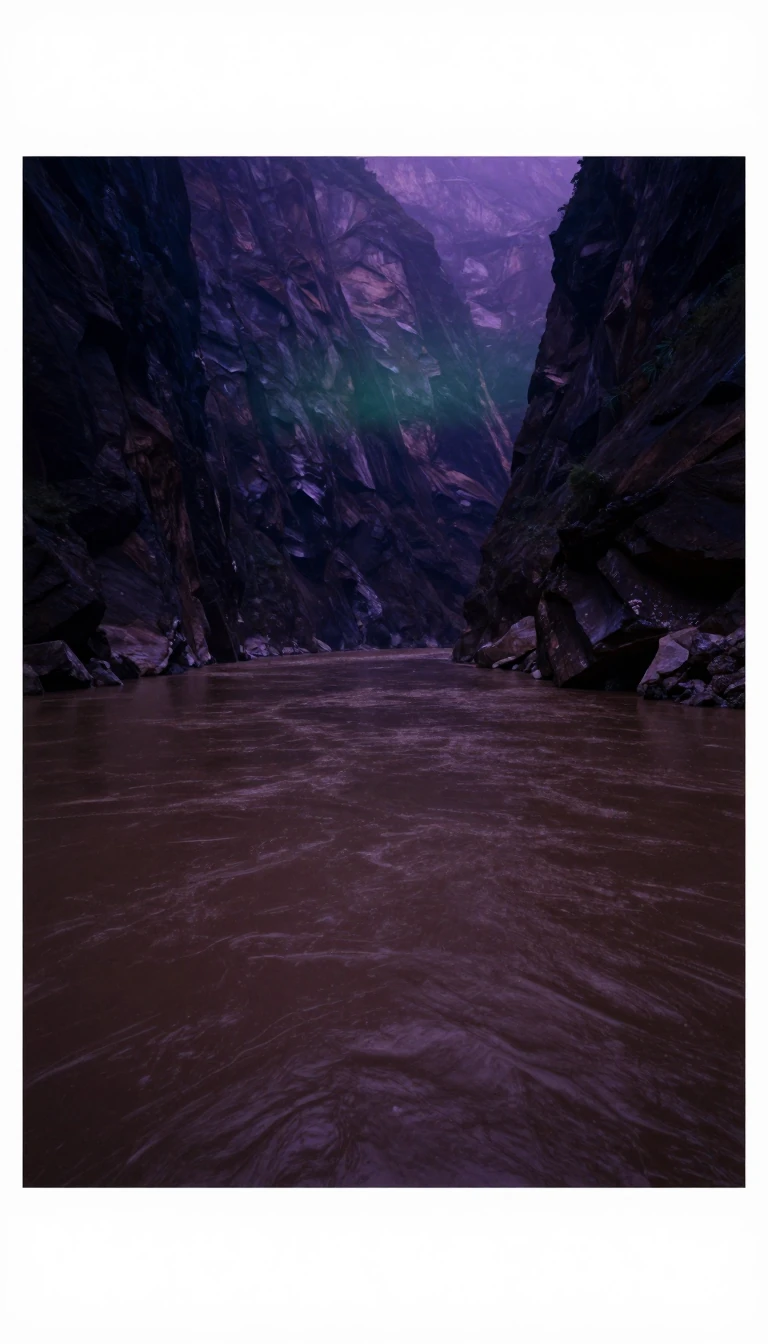 Volcanic eruptions 201.4 million years ago cleared the stage for dinosaursAt the end of the Triassic, colossal eruptions across what became the Atlantic pumped out carbon dioxide and mercury, heating the planet and souring the seas. Up to a third of mar…
- In the tropics, rain sorts the climates because temperature barely changesA tropical climate never has a month averaging below 18 °C, so seasons are defined not by cold but by rain. Köppen's system splits the tropics into three kinds using a single numb…
- The world's largest land biome is only about 12,000 years oldThe taiga, or boreal forest, blankets 17 million square kilometres across Canada, Alaska, Scandinavia and Siberia, more than a tenth of Earth's land. Yet in its present form it ap…
 The softest mineral on Earth ends up in plastics, paper, rice and potteryTalc sets the bottom of the Mohs hardness scale at 1, soft enough to scratch with a fingernail. That softness comes from sheets of atoms held together by feeble forces that slide …
 Sweden's spring starts only after seven straight days averaging above freezingWhen does spring begin? In Sweden, meteorologists wait until the daily average temperature stays above zero for seven days in a row, so the date can land anywhere from mid-Februar…
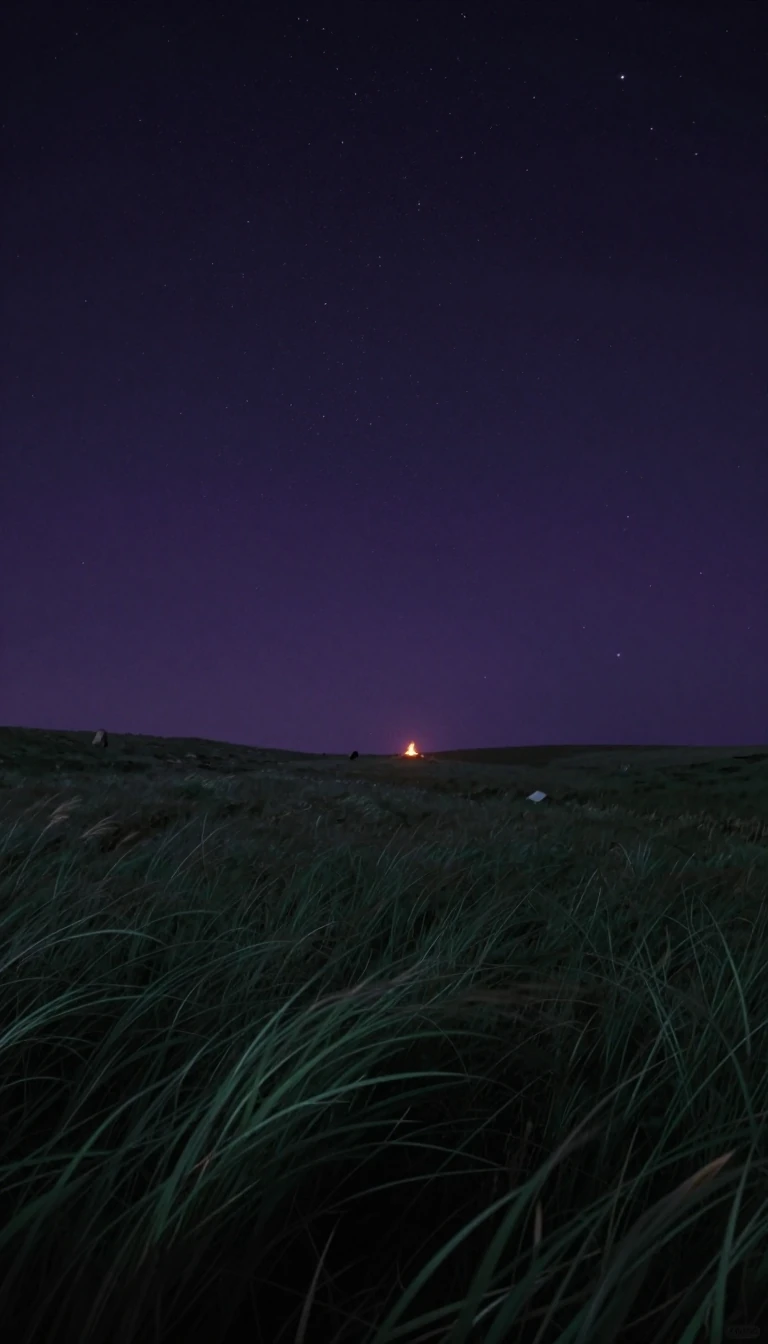 The grassy steppe helped spread horses, wheels and Indo-European languagesStretching from Ukraine across Russia and Kazakhstan to the mountain ranges of western China, the Great Steppe is the largest grassland region on Earth. Its open plains played a m…
 Jupiter's Great Red Spot has been raging for at least 340 yearsEarth's storms last from about half a day to a little over a week. Jupiter's Great Red Spot, a swirling system bigger than our whole planet with winds beyond hurricane strength, h…
 Scotland's Pentland Firth might generate 10 gigawatts from tides aloneWater squeezed through a narrow strait moves with enormous force, and unlike wind or waves, tides arrive on a predictable schedule. Estimates suggest turbines in Scotland's Pentla…
 A 17th-century priest worked out the basic rules for reading rock layersIn 1669 Nicholas Steno, a Catholic priest, set down a principle that sounds obvious once said aloud: in undisturbed layers of rock, the oldest lie at the bottom. That law of super…
 Midsummer Day falls near the start of modern summer, not its middleEngland still calls 24 June Midsummer Day, which sounds odd when summer has barely begun. The name survives from an older reckoning in which summer ran from 9 May to 10 August, wi…
 New Zealand drained 90 percent of its wetlands in about 150 yearsFor centuries swamps were written off as worthless ground, good only for hunting and trapping, so people drained them. Nine tenths of New Zealand's wetland vanished within roughly…
 A giant earthquake can make the whole Earth ring like a bell for weeksThe biggest quakes do more than shake the ground. They set the entire planet vibrating in tones with periods of up to an hour, and that ringing can be detected for as long as a mo…
 The same Mediterranean scrub goes by garrigue, phrygana, tomillares or bathaLow, soft-leaved scrub rings the Mediterranean, and every shore has its own word for it: garrigue in France, phrygana in Greece, tomillares in Spain, batha in Israel. Shrubland is…
 Light from the horizon crosses up to 38 times more air than overheadWhy is the sky deep blue straight up but pale near the horizon? Light arriving from low angles has pushed through as much as 38 times more atmosphere than light from directly abov…
 The phrase clean slate comes from pub tabs chalked on stoneInnkeepers once kept customers' charges on small framed sheets of slate, written in chalk and wiped when the debt was paid. That habit gave English the clean slate and the blank s…
 Snow is made of clear ice, so why does it look white?Each snow crystal is transparent ice, yet a snowfield glows white. The reason is scattering: countless facets, hollows and flaws bounce every colour of light around until it all c…
- A single gram of soil can hold billions of organisms from thousands of speciesScoop up a gram of ordinary soil and you are holding billions of living things, mostly microbes, belonging to thousands of species that science has barely explored. Soil packs rou…
- The world may already have passed peak phosphorus, back in 1989Phosphorus is the nutrient soils most often run short of, and plants cannot divide cells or grow seedlings without it. It comes from limited deposits of rock phosphate, and some e…
 In Sicily, weathering makes new soil at about a tenth of a millimetre yearlyUnder Sicily's Mediterranean climate, rock breaks down into fresh soil at roughly a tenth of a millimetre a year. At that pace, a hand's depth of earth represents many centuries o…
 China was sorting its soils into nine classes by the 5th century BCEThe oldest known soil classification appears in the Chinese text Yu Gong from the 5th century BCE, sorting land into three categories and nine classes by colour, texture and water…
 In Missouri a whole creek vanishes underground and reappears 9 miles awayAt Grand Gulf State Park in Missouri, an entire creek sinks into its own bed and disappears. The water travels underground and resurfaces about 9 miles off, helping feed Mammoth S…
 Frosted sand grains quietly reveal that the wind once carried themLook at a quartz grain under a scanning electron microscope and its surface tells a travel story. Polished grains and frosted ones have had different journeys, and a frosted finis…
- Nearly all the world's oil and every scrap of coal sit in sedimentary rockOver millions of years, sagging patches of Earth's crust fill with layer upon layer of sediment, sometimes almost 20 kilometres thick. These sedimentary basins hold virtually all …
 Sapphires come in almost every colour except redBlue is only the famous version. Sapphire is corundum, crystallised aluminium oxide, and trace elements tint it yellow, green, purple, pink, orange, black or leave it clear. Red c…
 Some savannas pack in more trees per hectare than neighbouring rainforestPicture a savanna and you probably imagine lonely trees dotting a sea of grass. Yet Brazil's cerrado can hold 800 to 3,300 trees per hectare, matching or beating nearby tropical f…