 Intellect Plus
Earth science
386 cards. Each one is a 40-second story with a five-minute read behind it. Page 7 of 7.
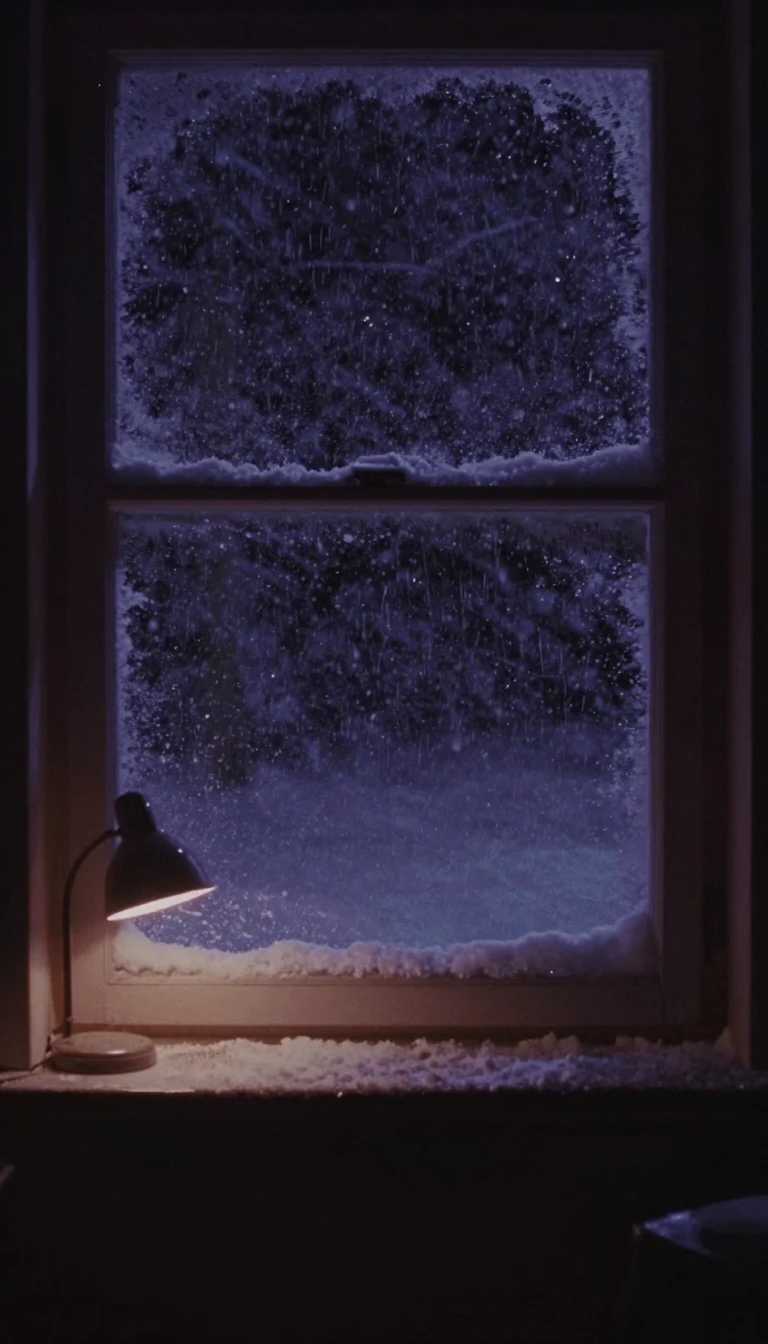 A blizzard is defined by its wind, not by how much snow fallsA foot of snow drifting down on a still day is just a snowstorm. A blizzard needs strong, sustained wind that whips snow into near-blindness for hours. In fact, no fresh snow need…
 Bogs grow so slowly that losing one can take millennia to undoIn a bog, plants grow sluggishly, but they rot even more slowly, because the waterlogged, acidic ground holds almost no oxygen. Dead moss piles up year after year as peat, sometim…
 Sharp-edged breccia reveals that its broken fragments never travelled farPebbles tumbling down a river lose their corners quickly, mostly within the first few kilometres. So when geologists find a rock packed with jagged, angular chunks cemented togeth…
 A feud between two Victorian geologists took a third period to settleAdam Sedgwick named the Cambrian after the Latin form of Cymru, the Welsh word for Wales, where he studied its rocks in 1831. His friend Roderick Murchison named the Silurian just…
 Darwin could not explain why animal fossils seemed to appear from nowhereIn 1859, Darwin admitted a troubling gap in his theory. Trilobites and other complex animals burst into the rock record with no visible ancestors beneath them. He guessed that old…
 Aluminium was once worth more than gold, until chemistry cracked bauxiteBauxite, a dull reddish rock named after a village in Provence, is where nearly all our aluminium starts. Before industrial refining, extracting the metal needed costly sodium or …
 International law uses a semicircle to decide what counts as a bayDraw a line across the mouth of a coastal inlet, then imagine a half-circle on that line. Under the UN Convention on the Law of the Sea, the inlet is a legal bay only if its water…
 Some beach sand has passed through the gut of a fishNear coral reefs, fish that graze algae off rocks and coral swallow grit along with their food, digest the organic part and excrete the rest. Over a lifetime, a single fish can tu…
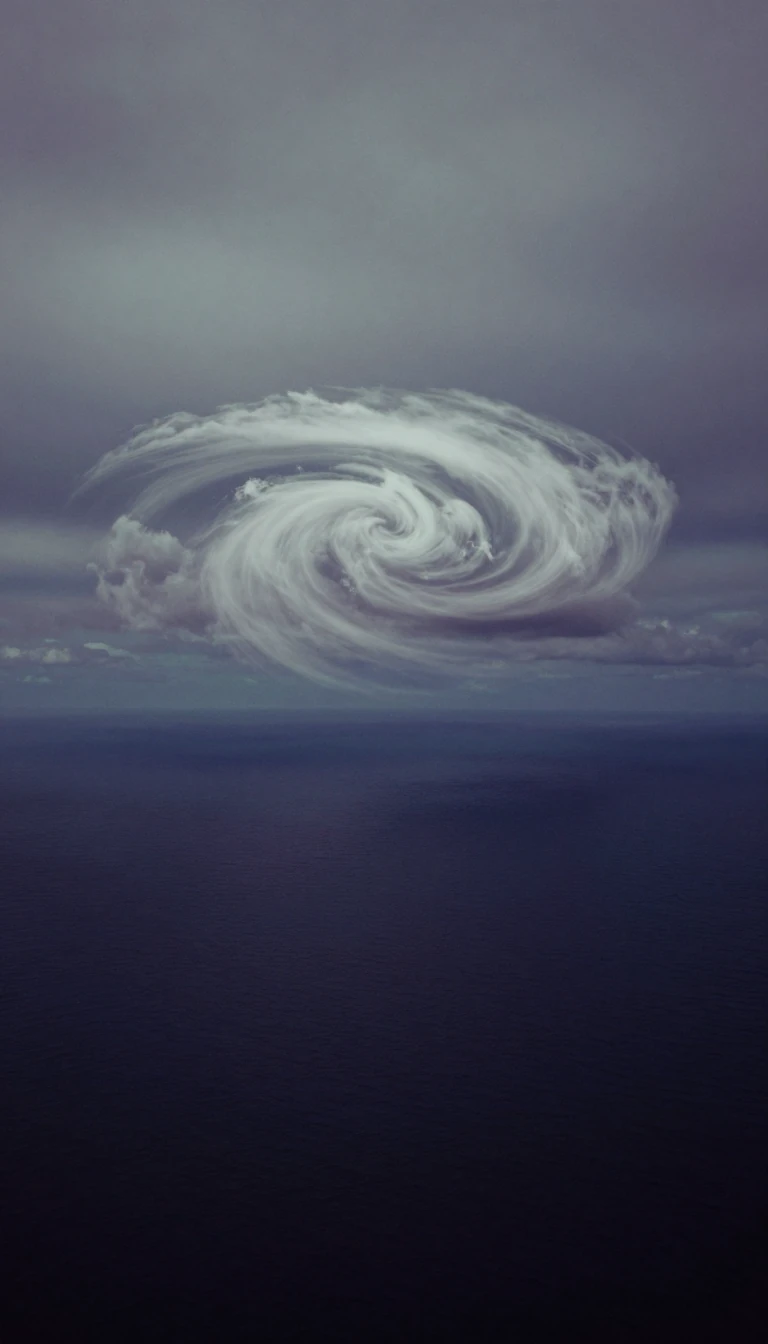 Why no suction pump can lift water higher than about 10 metresAir pushes down with the weight of about 1.03 kg on every square centimetre at sea level. That load equals a freshwater column roughly 10.3 m tall, which sets a hard ceiling: howe…
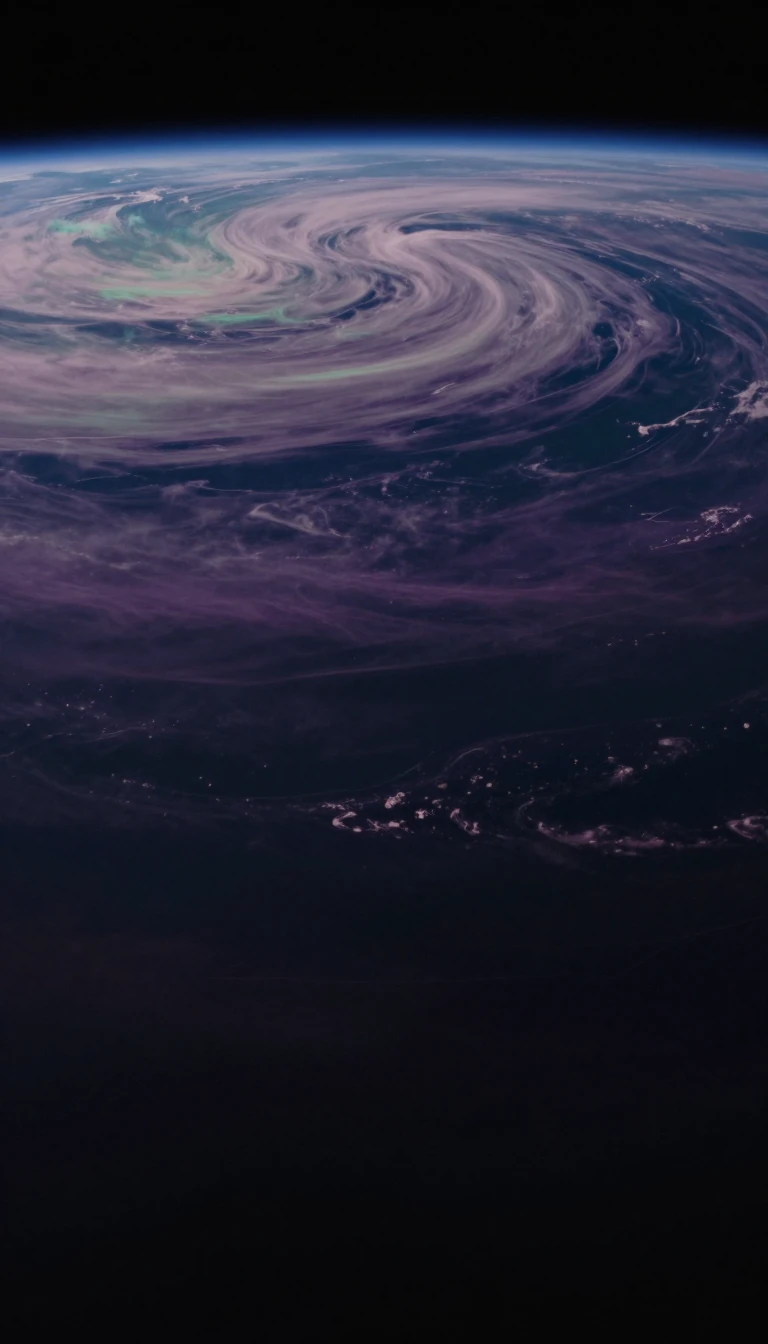 The science of air now forecasts storms on Jupiter and distant exoplanetsAtmospheric science began with weather balloons and ground stations, but its reach now includes a storm on Jupiter bigger than Earth, planet-wide dust storms on Mars and a gas gia…
- Darwin's elegant theory of atolls may have the story partly backwardsCharles Darwin pictured each atoll as a coral necklace left behind when a volcano sank beneath the waves. It is a beautiful idea, and still widely taught, yet newer drilling sugge…
 Americans say fall because the British once did, before they stoppedFall is not an Americanism. It was ordinary English in sixteenth-century England, shortened from phrases like fall of the leaf. Settlers carried it across the Atlantic in the 1600…
- Shouting will not start an avalanche, but a skier crossing the slope canFilms love the yodel that brings down a mountainside, but the pressure of sound is far too feeble, by orders of magnitude, to break a snowpack. The real culprits are fresh snowfal…
- Basalt paves most of the Solar System's rocky surfaces, including VenusMore than nine in ten volcanic rocks on Earth are basalt, and the pattern repeats elsewhere. The dark seas on the Moon are old basalt floods, the plains covering about 80% of Venu…
- Earth's air reaches 1500 °C high up, yet would not feel hotIn the thermosphere the thin gas can hit about 1500 °C, but a person there would not feel warm, because molecules are so scattered that each drifts about a kilometre before meetin…
- Earth's winds run as three giant heat engines stacked in each hemisphereThe Sun heats the tropics far more than the poles, and the air spends its whole existence trying to even that out. The result is three circulation cells in each hemisphere, one of…
- We owe the word electricity to a lump of fossilised tree resinRub a piece of amber and it picks up chaff and scraps of fabric. The ancient Greeks called the stone elektron, and that static trick eventually gave English the words electric and…
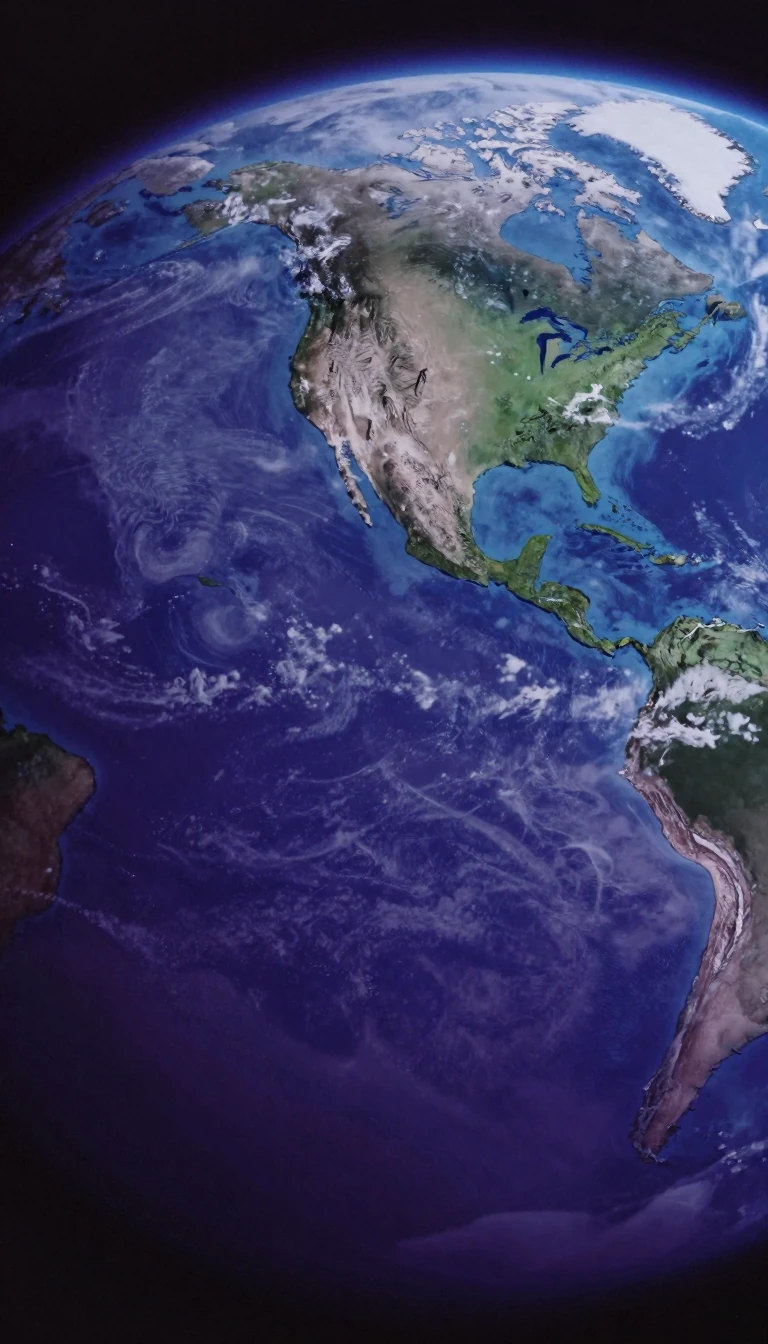 The world's biggest island cluster by count sits off Finland, not the tropicsIndonesia spans more than 17,500 islands and about 284 million people, yet the top spot for sheer number goes to Finland's Archipelago Sea, with roughly 40,000 mostly empty islets…
 People have been building islands by hand for well over a thousand yearsArtificial islands sound like a Gulf megaproject, but Bahrain's Al-Sayah Island was raised around a spring at least 1,200 years ago. In Solomon Islands lagoons, families still liv…
 Asbestos got its name by mistake from a Roman who confused it with limeIn ancient Greek, the word asbestos meant quicklime. Pliny the Elder, according to the Oxford English Dictionary, attached it to the fireproof mineral fibre, and the error stuck i…
 Dinosaurs appeared in the Triassic but crocodile cousins ruled itThe Triassic opened after a mass extinction that gutted life on Earth and closed with another. In between, over 50.5 million years, dinosaurs made their debut, yet the dominant la…
 Over half of Earth's surface is dark, flat seafloor few people have seenAbyssal plains, lying three to six kilometres down, cover more than half the planet's surface and rank among the flattest places on Earth. Yet scientists only recognised them as d…
 Even perfectly clean rain is slightly acidic, but acid rain is far worseAll rain carries a little carbonic acid from dissolved carbon dioxide, so clean rain sits just below neutral. Acid rain, loaded with sulphur and nitrogen pollution, typically fall…
 Wind rarely carves mushroom rocks; it mostly shifts sand along the groundDesert mushroom rocks and wind caves look like the work of sandblasting gales, but geologists now blame other causes, such as uneven weathering and rainwash. Windborne sand mostly…
- Weather forecasters label giant blobs of air with a three-letter codeA blast of summer heat from the American desert is cT; a frigid slab from northern Siberia in winter is cA. Meteorologists sort air masses, bodies of air spanning hundreds or thou…
 Where mountain streams hit flat ground, they spread sediment into giant fansWhen a stream bursts from a narrow canyon onto open ground, it suddenly slows and dumps its load, building a cone of gravel and sand. These alluvial fans range from a few metres w…