 Intellect Plus
Earth science
386 cards. Each one is a 40-second story with a five-minute read behind it. Page 5 of 7.
 The Age of Dinosaurs opened and closed with two of Earth's worst catastrophesThe Mesozoic began after the Great Dying, when perhaps 90 percent or more of marine species vanished, and ended with an asteroid strike off the Yucatan. In between, over roughly 1…
 Iron meteorites seem common only because people notice lumps of metalAround 5 percent of witnessed meteorite falls are iron, yet in Antarctica, where nearly everything that lands can be recovered, iron makes up just 0.4 percent of finds. Metal is s…
 To meteorologists, rain and snow are technically meteors, a usage from 1563When meteorology first entered English in 1563, a writer named William Fulke used meteors to mean shooting stars, rain, snow, clouds and even earthquakes. Weather scientists still…
 The same mineral sparkles in lipstick, fills drywall seams and insulates radio capacitorsMica peels apart into sheets thinner than a tenth of a millimetre that still block electricity and shrug off heat. That odd combination puts it in capacitors, car paint, eye shado…
 Earth's longest mountain range is hidden underwater and wraps the globe like a baseball seamA continuous chain of undersea mountains snakes through every ocean for about 65,000 kilometres, several times the length of the Andes. Along its crest the seafloor is being born,…
 Ice counts as a mineral, liquid water does not, and mercury gets a passMineralogists keep a strict rulebook. A mineral must form naturally, be solid, have ordered atoms and a fairly fixed recipe. So ice qualifies but water does not, seashells are exc…
 Marsh plants breathe through built-in snorkels running down their stemsRooted in waterlogged mud with almost no oxygen, marsh plants such as cattails and sedges survive by piping air from their leaves down to their roots through internal channels. Th…
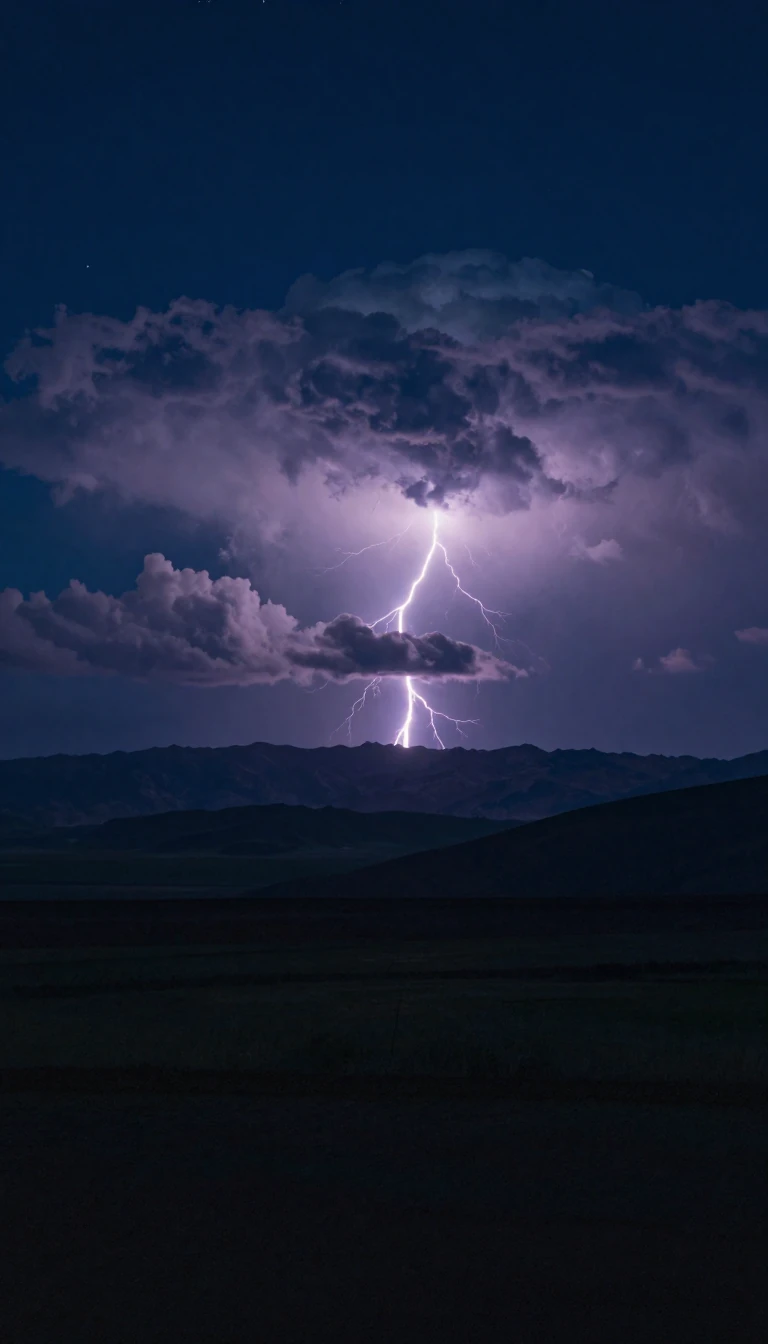 The rare positive lightning bolt can strike from clear blue skyFewer than one lightning strike in twenty is positive, but those bolts can carry up to 400,000 amps, roughly double a typical strike's peak, and travel through clear air far from …
 Much of the world's limestone is made of dead sea creaturesFor the past 540 million years, limestone has mostly been built by life: corals, shells and microscopic plankton piling up on shallow sea floors. That same rock now becomes cement…
 Limnology began as the oceanography of one Swiss lakeIn the nineteenth century François-Alphonse Forel studied Lake Geneva so thoroughly that he invented a new science to describe it. He called limnology the oceanography of lakes. T…
- Ocean floor gets recycled, but continents are nearly permanentThe oldest ocean floor on Earth is only about 170 million years old, because seafloor is constantly born at ridges and swallowed at subduction zones. Continents are too buoyant to…
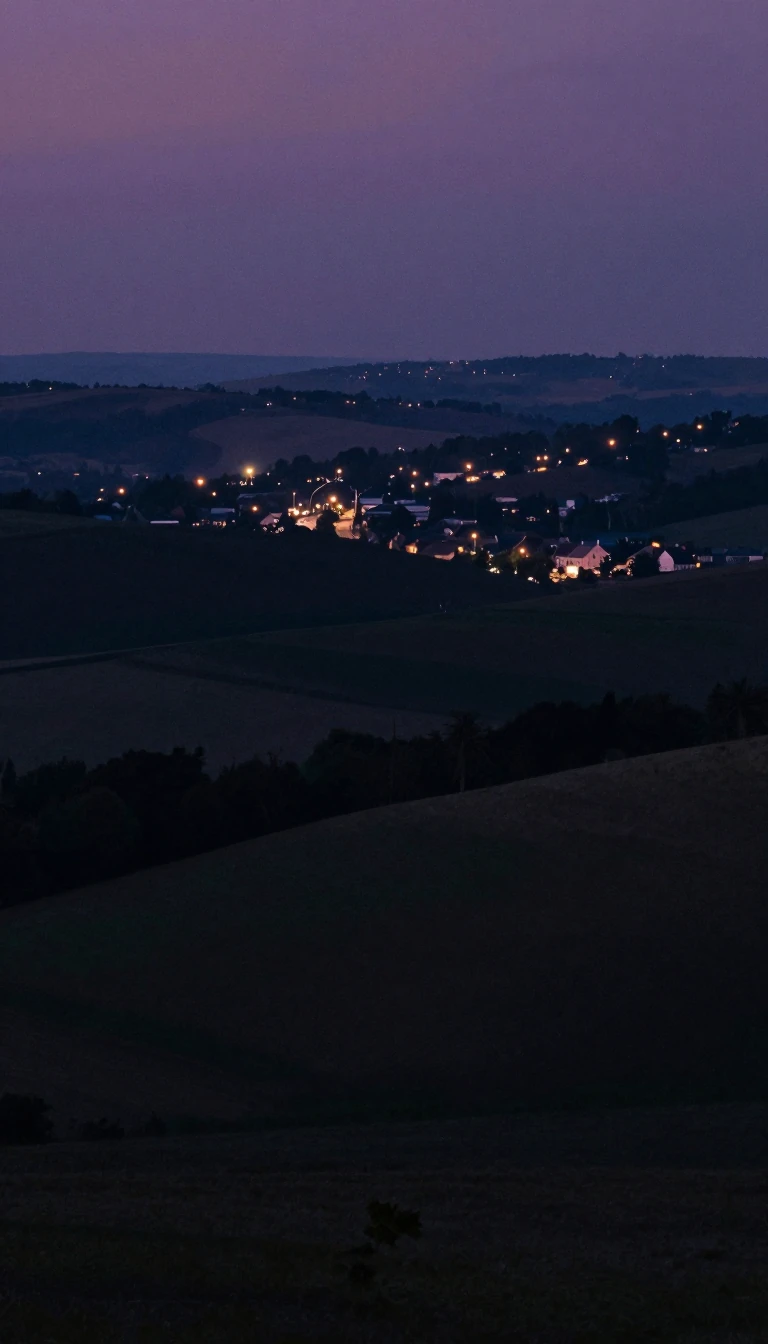 Why low pressure brings clouds, and warmer nightsA low on the weather map usually means wind, cloud and rain. It forms when air far overhead spreads apart and pulls surface air upward, partly lifting the weight pressing down. As…
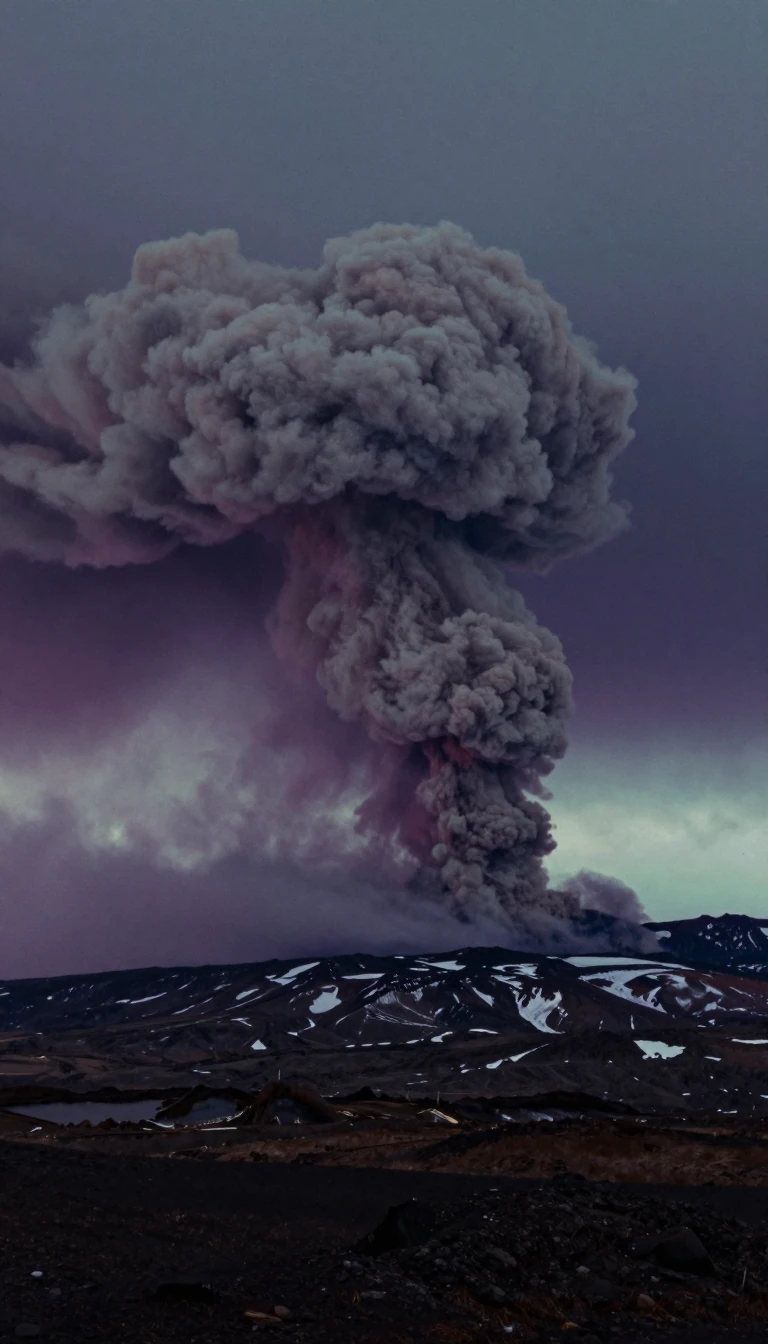 Drillers have hit live magma only three times, twice in IcelandAlmost everything known about magma comes from studying it after it erupts. Only three drilling projects have ever struck it underground: two geothermal wells in Iceland and one i…
 Mangrove seeds sprout on the tree, then sail off for a yearMost seeds wait for soil. Many mangroves germinate while still hanging from the parent tree, then drop a ready-made seedling into the sea. A red mangrove's floating offspring can …
 Light sinks centimetres into marble, giving statues their lifelike glowSculptors have favoured white marble for the human body since classical times for an optical reason. Calcite lets light travel between about 13 and 38 millimetres into the stone b…
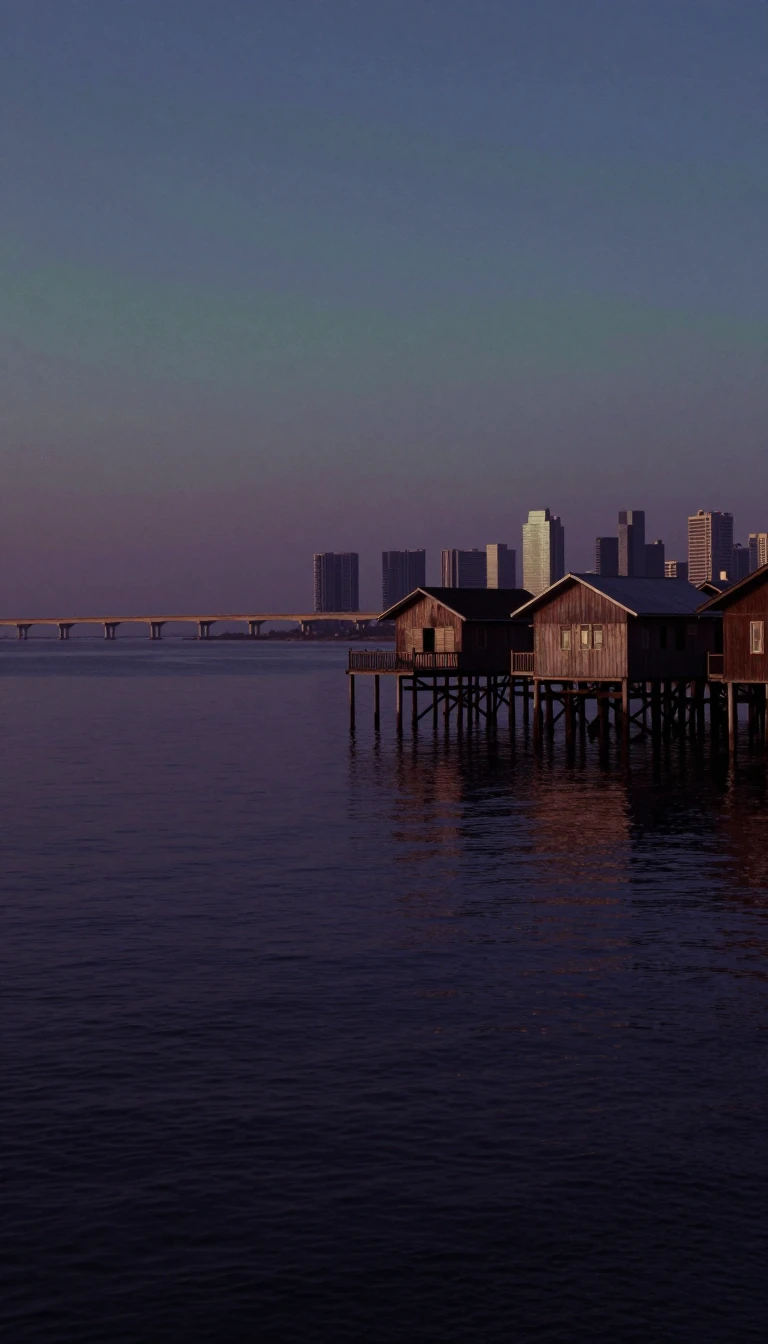 Singapore grew by a quarter in sixty years by building new landBetween 1960 and 2019, Singapore expanded from about 581 to nearly 726 square kilometres, not by conquest but by filling in the sea. People have been manufacturing land from water…
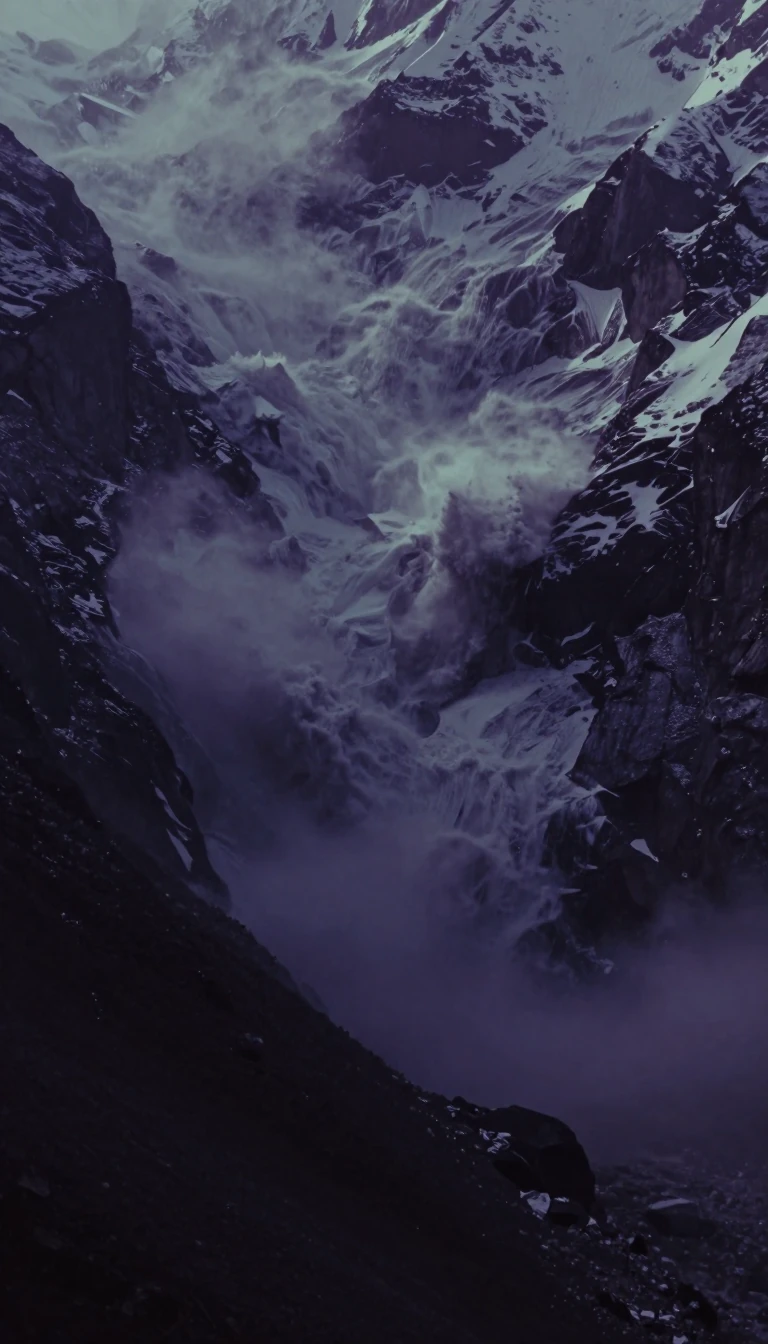 The biggest rock avalanches may ride a cushion of their own steamSome giant landslides travel astonishingly far across flat or even uphill ground. One explanation is that friction heats the base of the moving mass so fast that trapped water fla…
 A 372-million-year-old extinction wiped out reefs and helped create modern oil fieldsAbout 372 million years ago, the Kellwasser event struck the oceans, erasing perhaps 40 percent of marine species and nearly every reef-building animal. The oxygen-starved seas th…
 Earth's first great extinction came as ice, then as suffocating warmthRoughly 445 million years ago, almost all complex life lived in the sea, and nearly 85 percent of marine species disappeared. The killer struck twice: first a sudden ice age over …
 Most lava flows about as thickly as ketchup, yet travels for kilometresMolten basalt is roughly as viscous as ketchup, tens of thousands of times thicker than water. It still travels huge distances because its surface quickly hardens into a crust tha…
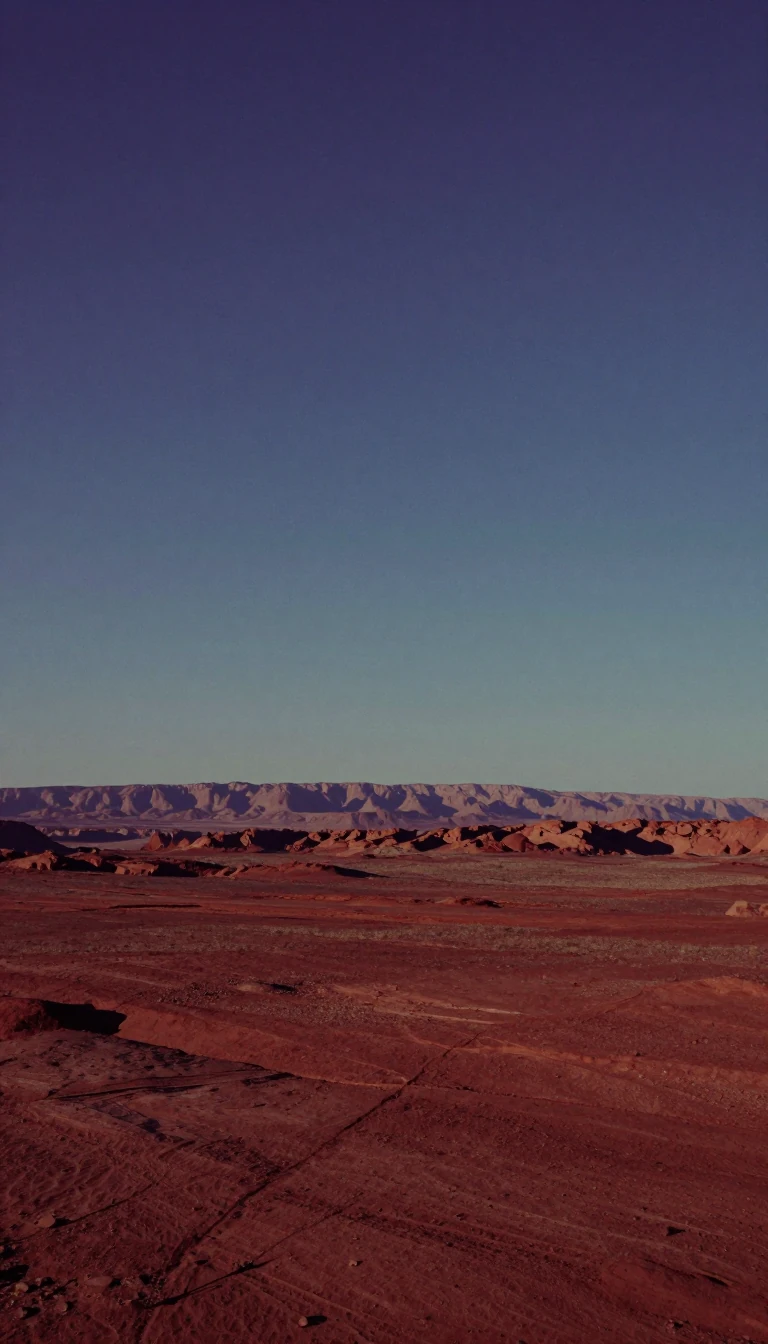 Dry land covers under a third of Earth, yet nearly all human history happened thereOnly 29.2 percent of Earth's surface is dry land, and the fresh water that land-dwellers depend on makes up just three percent of the planet's water. Still, almost everything peop…
- Continents and oceans count as landforms, and so do the smallest slopesGeographers call a hilltop, a saddle and an entire ocean basin by the same word. A landform is any feature of a solid planetary surface, natural or shaped by people, and the categ…
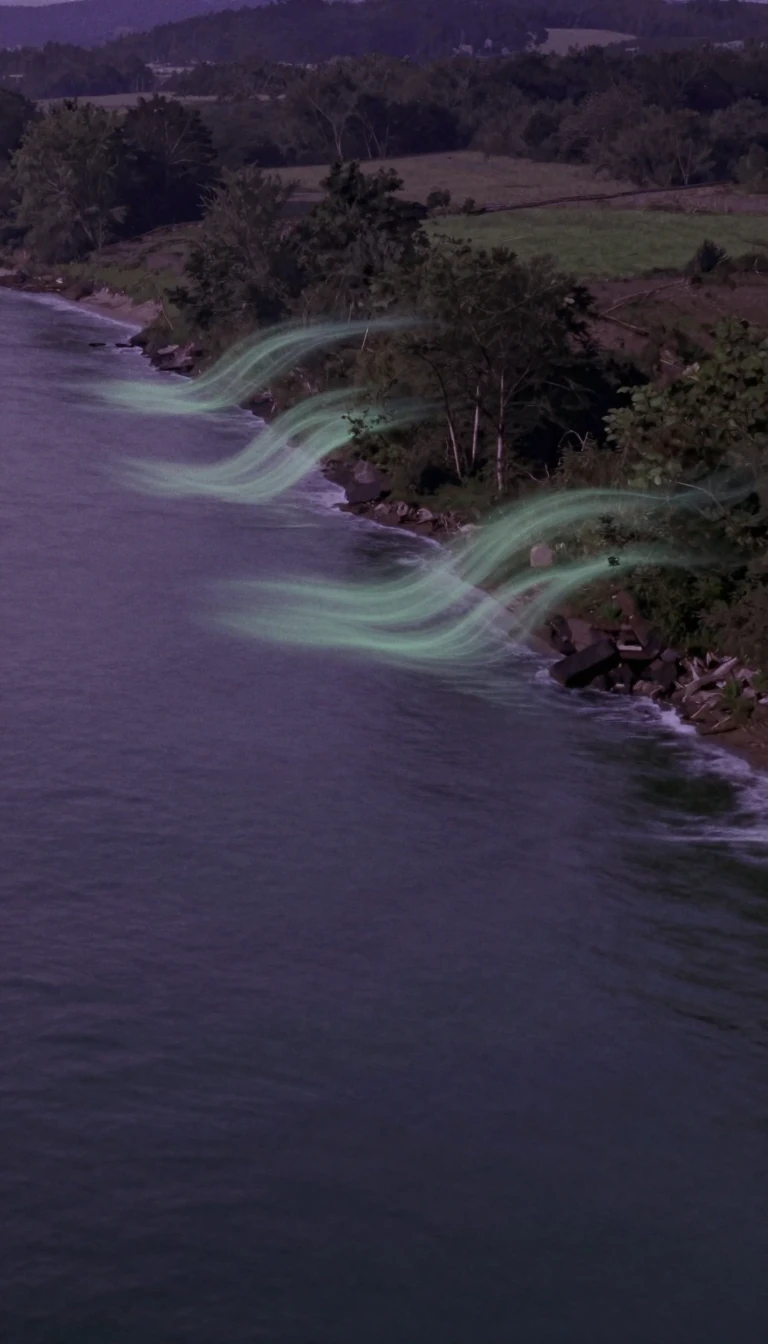 The jet stream's discoverer published his findings in EsperantoIn the 1920s, Wasaburo Oishi released weather balloons near Mount Fuji and tracked them as they rose into a fierce, steady wind high above Japan. He had found the jet stream, but …
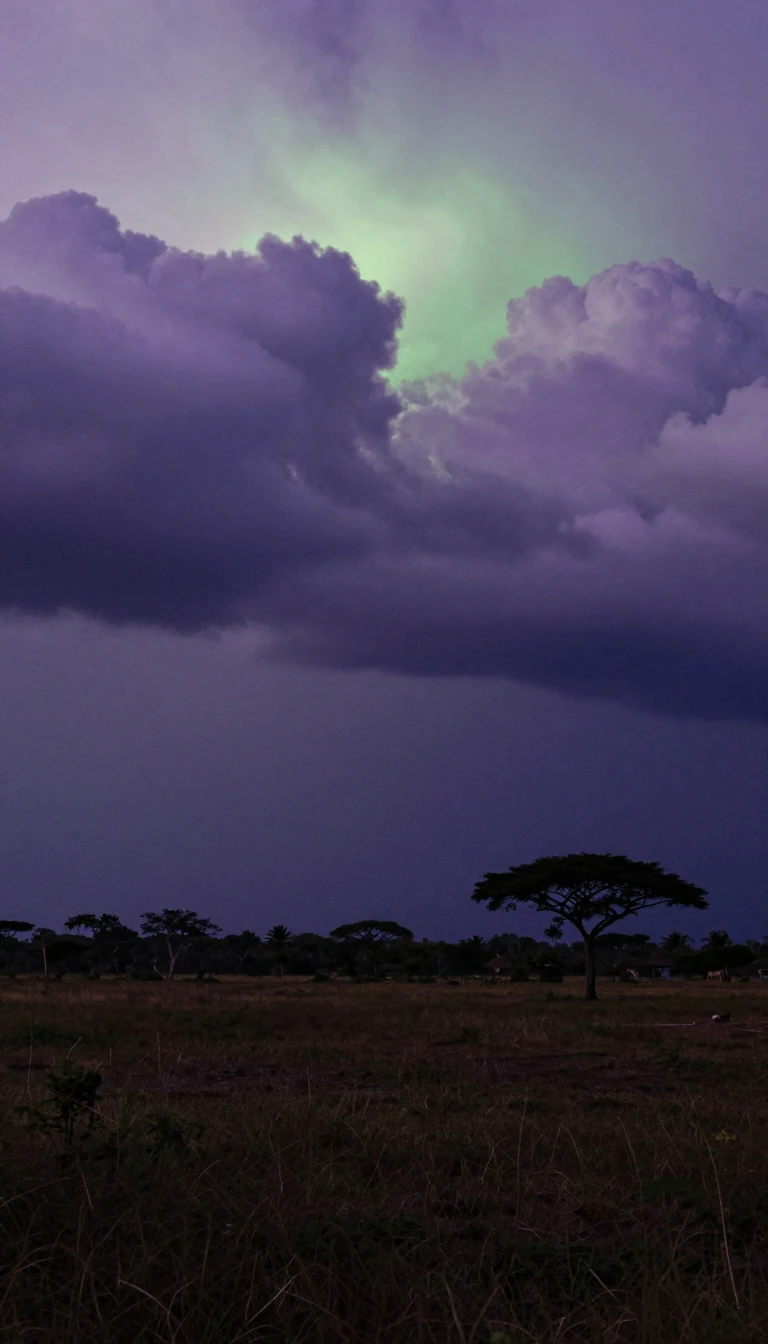 The word jungle comes from a Sanskrit term meaning rough and aridJungle began life in ancient India as a word for dry, rough ground, not dripping forest. Its tangled, impassable meaning grew partly from a misunderstanding: European explorers tr…
- One Jurassic stage is named for a mythical lover of the dawnMost slices of geological time take their names from towns and quarries, but the last stage of the Jurassic honours Tithonus, the Trojan prince who fell in love with Eos, goddess …
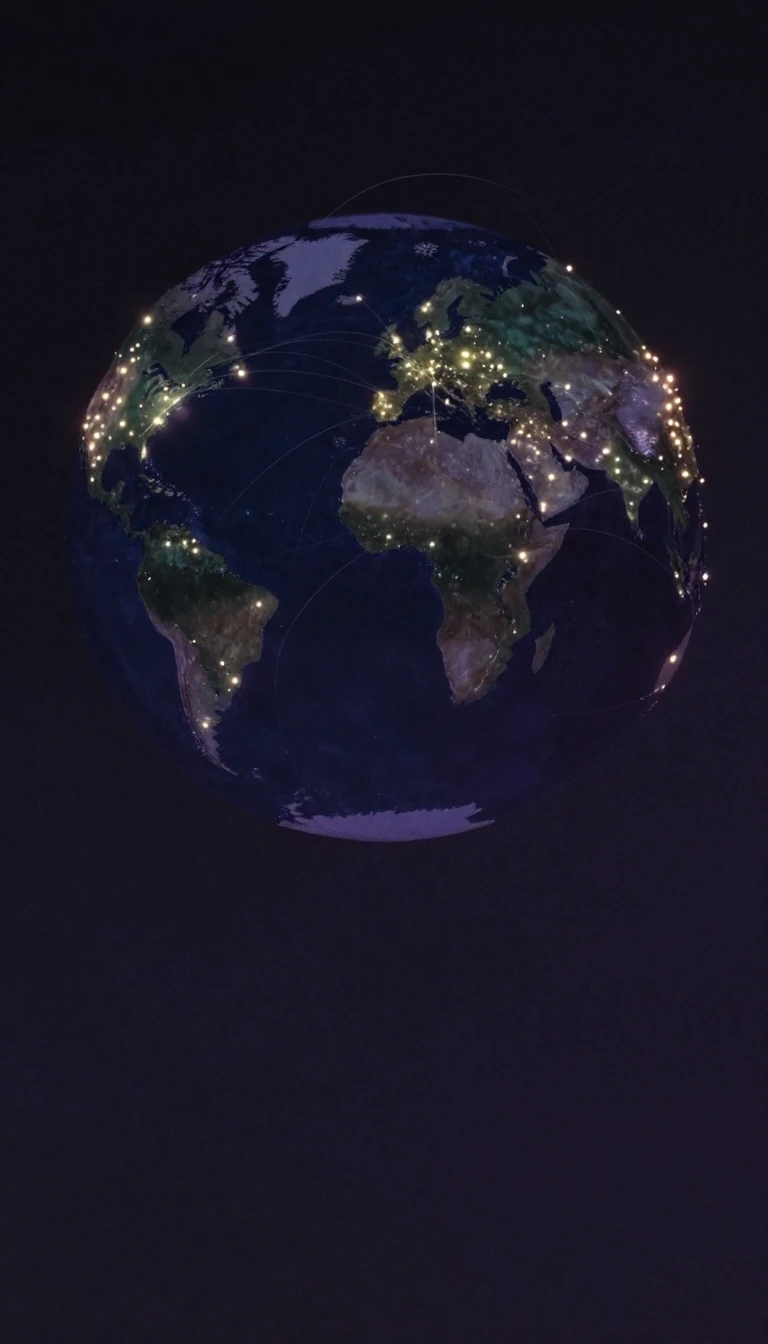 The world's favourite climate map was drawn by a botanistWhen Wladimir Köppen sorted Earth's climates in 1884, he started from plants. His five big groups, labelled with letters from A to E, track the kinds of vegetation that thrive und…
 The clay behind fine porcelain is named after a Chinese hillside villageKaolin, the soft white clay that made Chinese porcelain famous, takes its name from Gaoling, meaning High Ridge, a village near the porcelain city of Jingdezhen. A French Jesuit, …
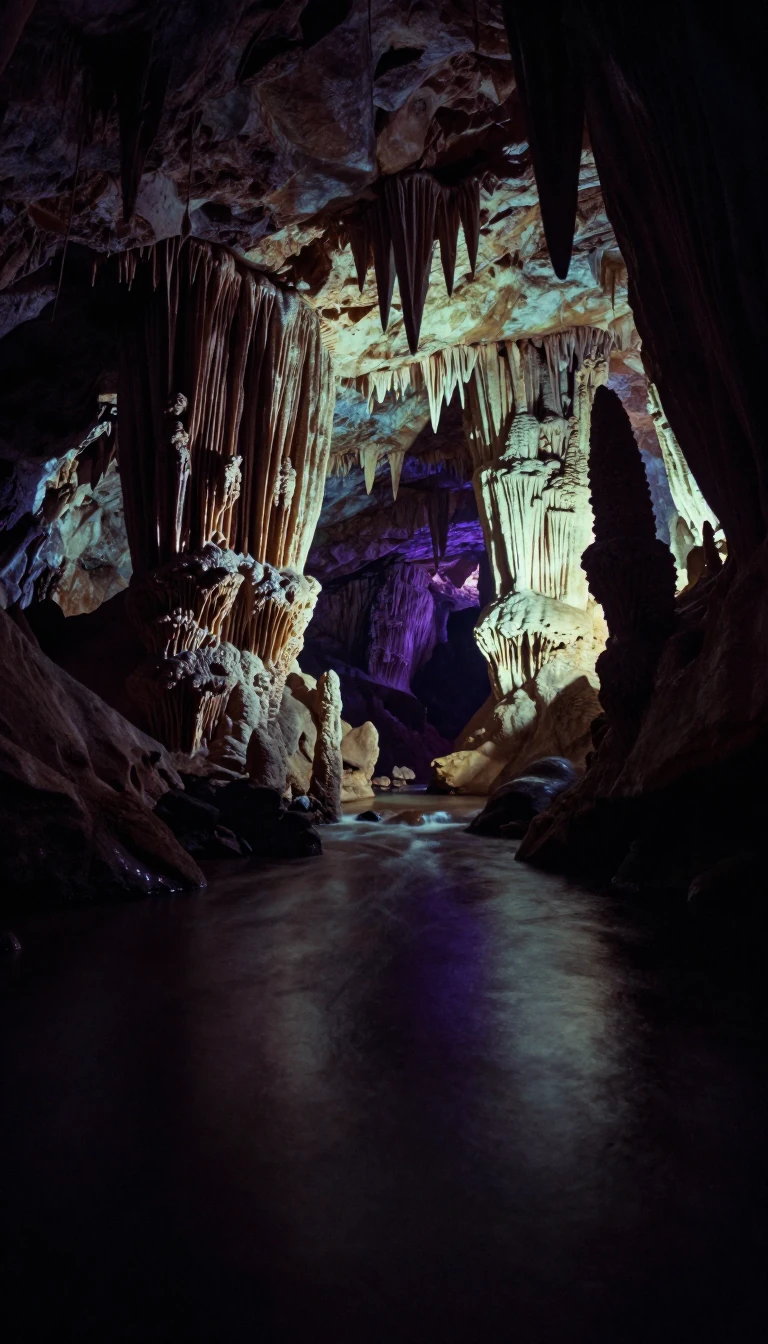 In karst country, rivers vanish underground and reappear with new namesSlovenia's Ljubljanica is nicknamed the river of seven names because it keeps disappearing into the ground and resurfacing somewhere else. That is typical of karst, landscapes car…
 Lagoons line about 15 percent of the world's coasts, often under other namesNorth Carolina's Pamlico Sound, Scotland's Montrose Basin and England's Fleet behind Chesil Beach are all lagoons, whatever they are called. These shallow waters, cut off from the…
 Nobody can say exactly where a pond ends and a lake beginsEarth may hold around 304 million lakes and ponds, yet there is no internationally agreed rule for telling the two apart. Nine in ten of those water bodies cover a hectare or less…
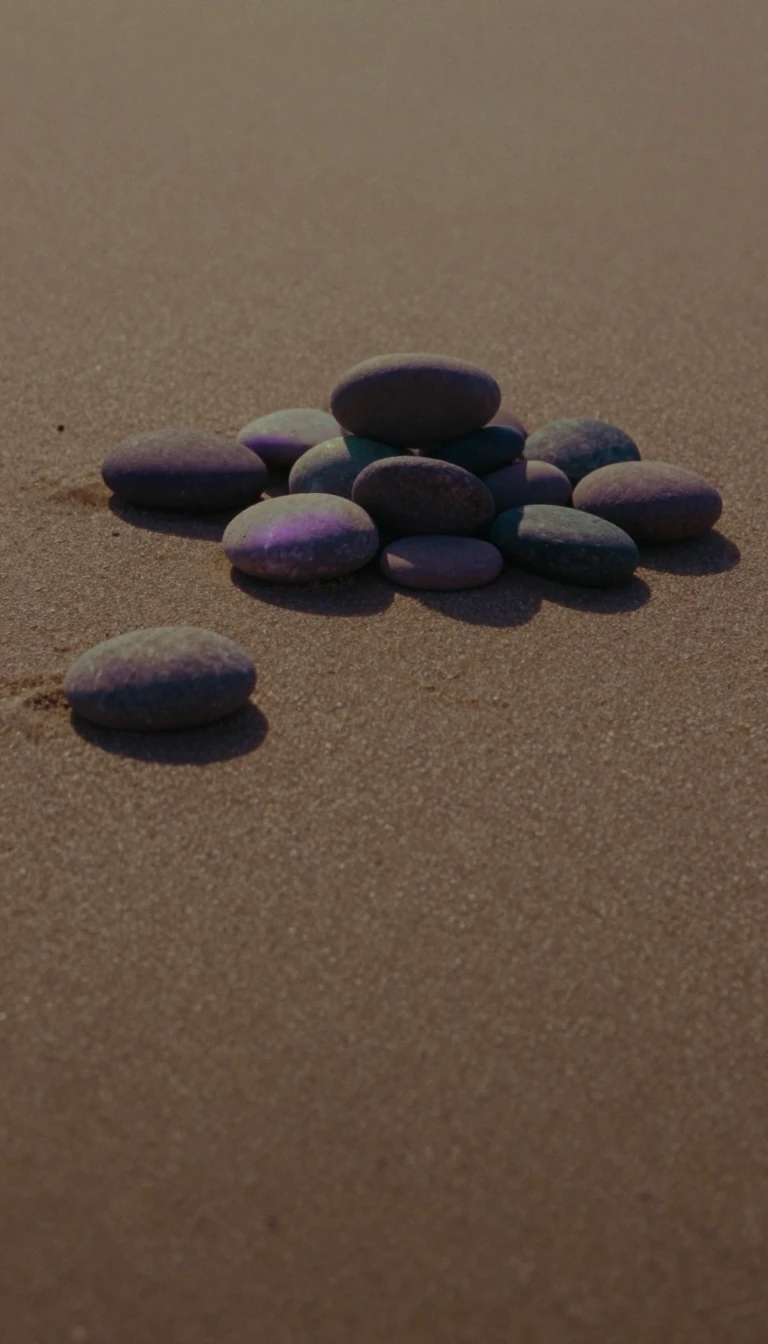 Jade is not one stone but two quite different mineralsCall something jade and you might mean either of two unrelated rocks. Nephrite is built from calcium and magnesium; jadeite from sodium and aluminium. Both are tough, carvable and…
 The grain of a rock tells you how fast its magma cooledGranite has crystals big enough to see because its magma cooled slowly, deep underground, wrapped in insulating rock. Basalt is fine-grained or glassy because lava froze fast in o…
 Geologists long insisted Meteor Crater was volcanic, not a cosmic hitIn 1903 a mining engineer named Daniel Barringer was sure the huge pit he owned in Arizona had been punched by something from space. Most geologists thought a volcanic steam blast…
- Earth's solid mantle flows, just far more slowly than pitchNobody has ever drilled through Earth's crust, yet we know the planet has a liquid outer core and a solid inner one. Earthquake waves gave it away. The rock of the mantle is solid…
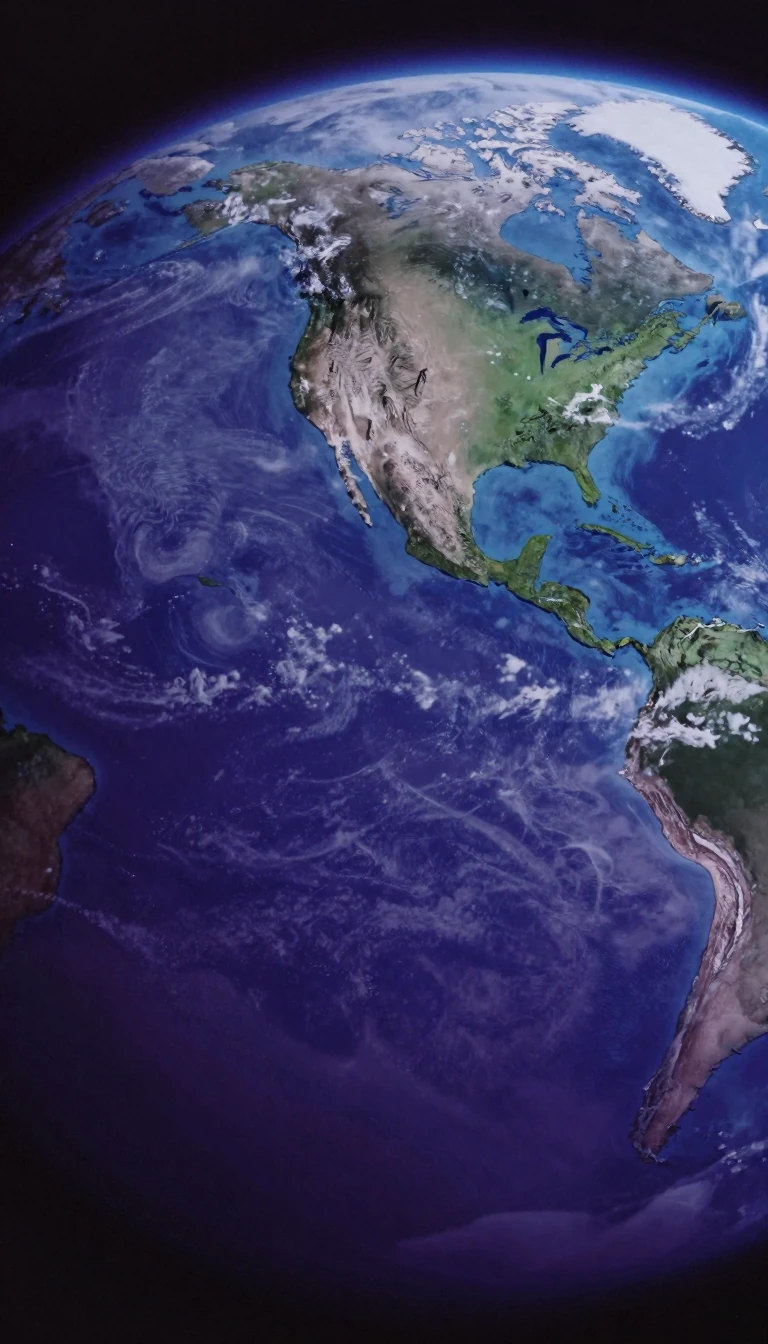 The s in island is a spelling mistake from the fifteenth centuryEnglish speakers once wrote iland, from an Old English word distantly related to Latin aqua, water. In the 1400s writers wrongly linked it to the French isle and slipped in a sile…
 Piano keys helped wipe out Kenya's elephant herdsFor a century, the white keys of pianos were faced with elephant ivory. A single Connecticut river valley once processed up to 90 percent of America's imported ivory, largely for …
- Is rain enough to fill a river? A 1600s experiment on the Seine said yesFor centuries nobody could prove that rainfall alone kept rivers flowing. Then Pierre Perrault measured the rain over the Seine's catchment against the river's flow and showed the…
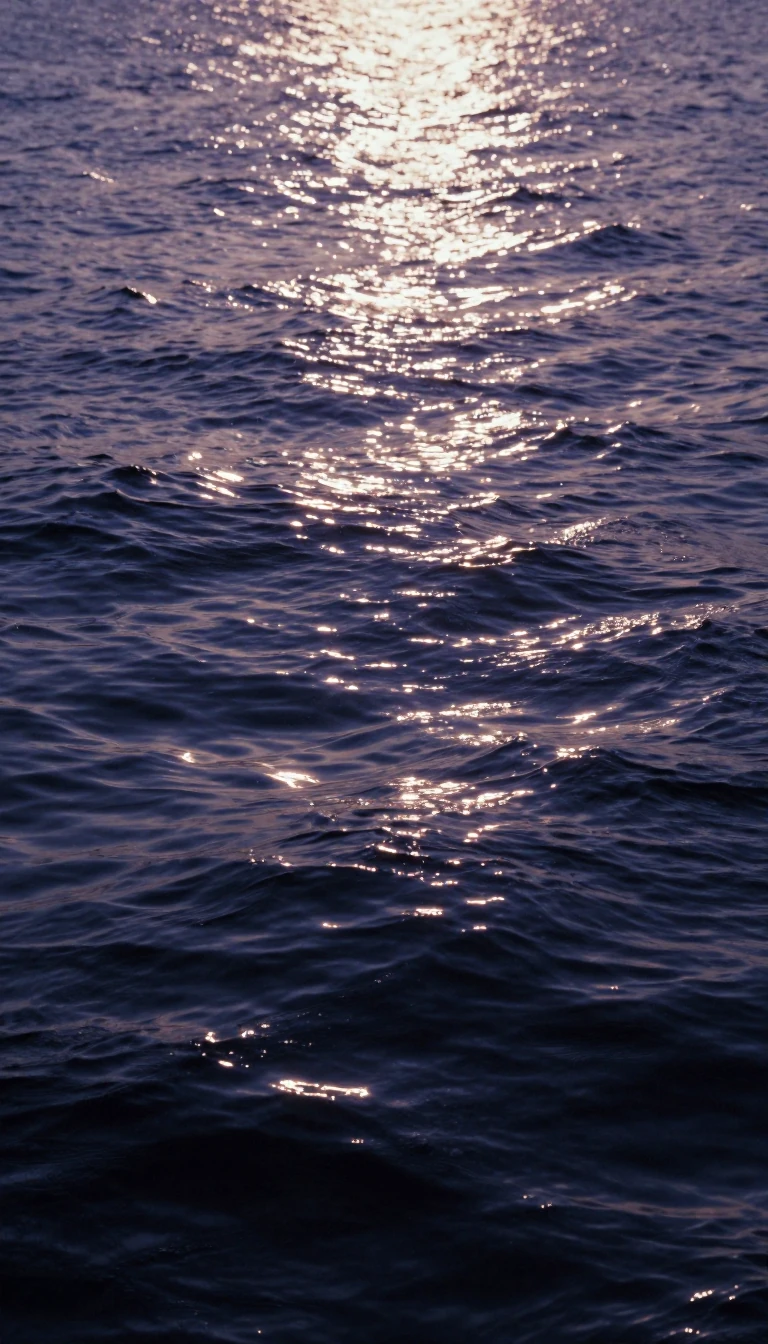 Only 0.3 percent of Earth's fresh water sits in lakes and riversEarth holds an estimated 1.386 billion cubic kilometres of water, yet 97.5 percent is salty. Of the small fresh share, most is locked in ice or hidden underground. Just 0.3 percen…
 Technically we are still living in an ice age that began 34 million years agoBecause Earth still has permanent ice caps, geologists say we are inside the Late Cenozoic Ice Age, under way for some 34 million years. The idea of vast ancient glaciers first ca…
- A fighter plane lost in Greenland in 1942 was found under 81 metres of iceWhen a P-38 Lightning crash-landed on Greenland's ice in 1942, nobody expected it to vanish. Fifty years later it was dug out from beneath 81 metres of new ice. Ice sheets are sti…
 Floating ice shelves act as brakes on the glaciers behind themAn ice shelf is a slab of glacier ice, up to a kilometre thick, floating on the sea while still attached to land. It looks passive, but it holds back the glaciers feeding it. When…
- Melting icebergs fizz like soda, a sound nicknamed Bergie SeltzerGlacier ice can be up to 10 percent trapped air, squeezed into bubbles as old snow compacts. When an iceberg melts, those bubbles burst one by one with a popping fizz. Scientists …
- How rain becomes a hot spring, and sometimes a geyserNobody agrees how warm a spring must be to count as hot: definitions range from anything warmer than its surroundings to above 50 degrees Celsius. What they share is the heat sour…
- Why Hawaii's islands get older toward the northwestIn 1963 J. Tuzo Wilson proposed that Hawaii formed as a tectonic plate slid slowly over a hot patch beneath it, leaving a trail of volcanoes behind. The idea explains why Hawaiian…
- Air doesn't really 'hold' water vapour, and a vacuum proves itWe talk about warm air holding more moisture, but the nitrogen and oxygen barely matter. A vacuum can take up almost exactly as much water vapour as the same space filled with air…
 Nautical charts deliberately hide the deep water, and that is the pointA sea chart is not a faithful map of the seabed. It is biased toward the shallowest depths, because its job is keeping ships off rocks, not showing the true shape of the bottom. A…
 Pumping groundwater has shifted the tilt of Earth's axis by 79 centimetresAbout 99 percent of the world's liquid fresh water sits underground, in the pores and cracks of rock and soil. Some of it is over a million years old. People now pump so much that…
 The soft mineral in your walls also grows crystals 11 metres longGypsum is one of the softest common minerals and ends up in drywall, chalk and plaster. In a Mexican mine cave kept at 58 degrees Celsius, though, it grew crystals up to 11 metres…
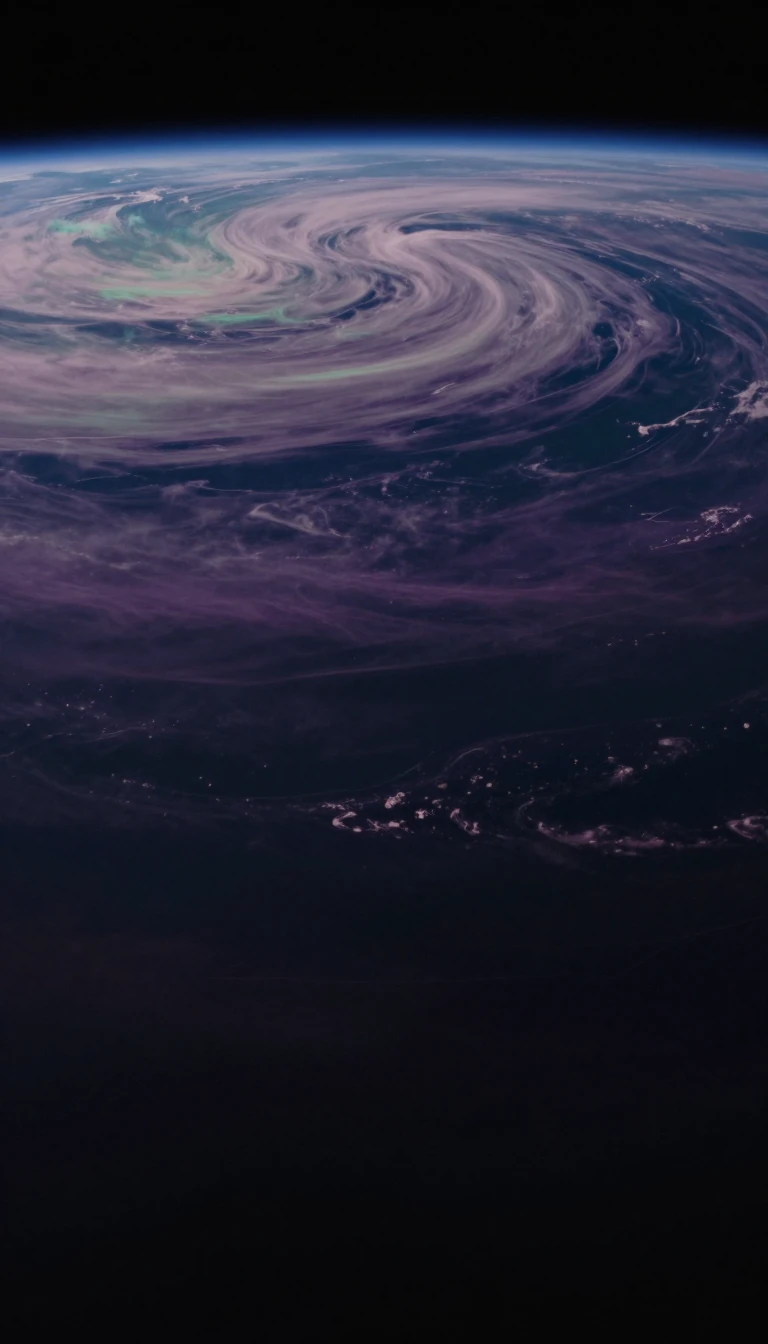 One vast loop of air builds the rainforests and the desertsNear the equator warm air rises, flows toward the poles about 12 to 15 kilometres up, then sinks around 30 degrees latitude and returns as the trade winds. This loop, the Hadley c…
- Hailstones probably don't get their onion layers by bouncing up and downSlice a big hailstone and you find rings like an onion. The old explanation said stones yo-yo repeatedly through the storm, gaining a coat each trip. Field studies and theory now …
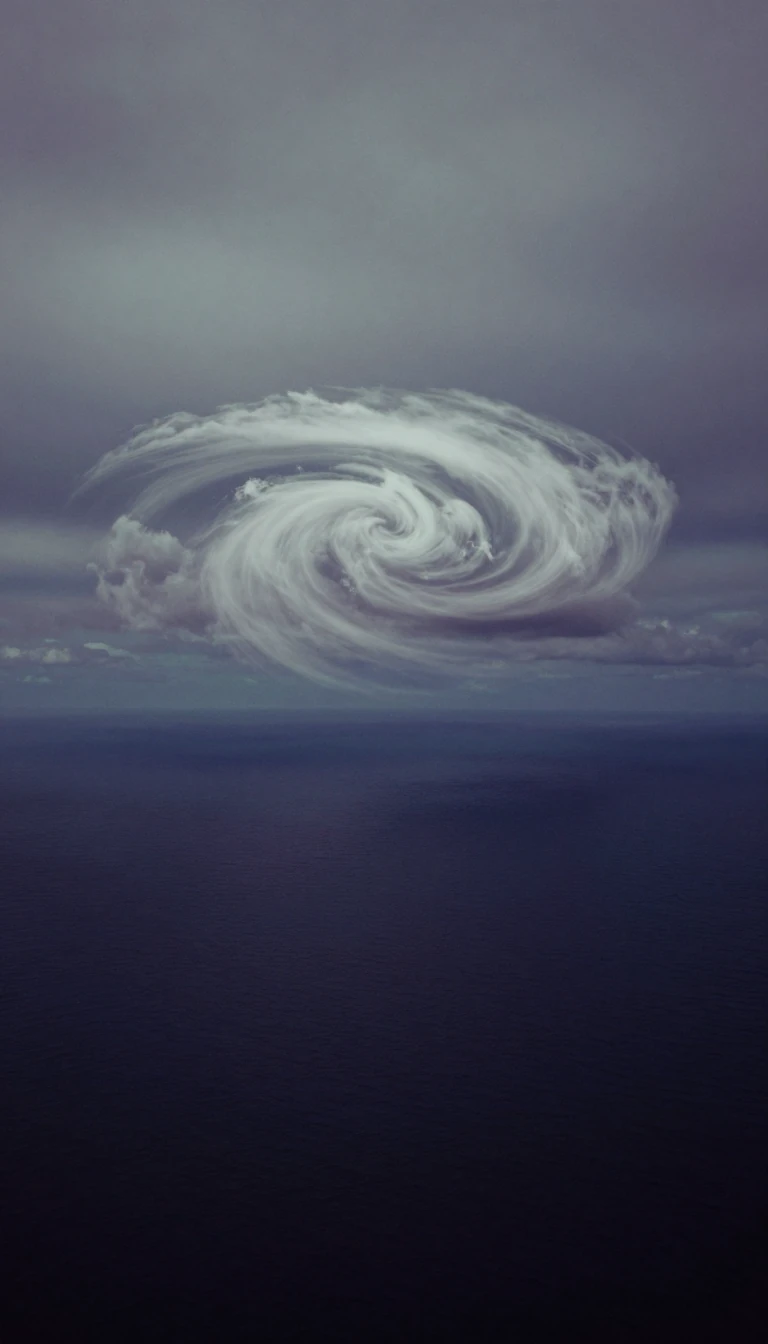 Francis Galton named the anticyclone, the weather system behind clear skiesThe big H on a weather map marks sinking air. As it descends it warms and dries, clearing away cloud, which is why highs usually bring sunny days, cold nights and sometimes smog o…
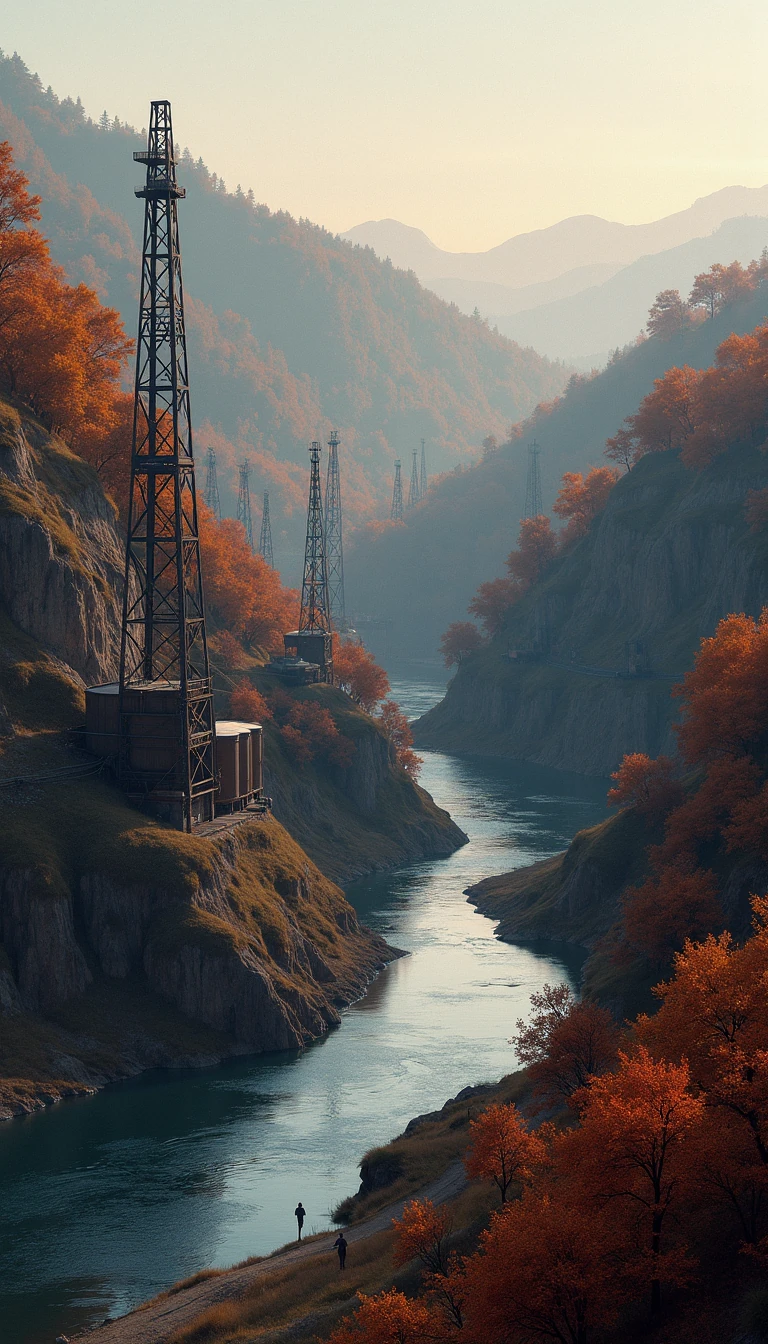 When does a hill become a mountain? Nobody officially agreesGeographers once drew the line at 1,000 feet, British hillwalkers at 2,000, and the Great Soviet Encyclopedia at 200 metres of relative height. The US Geological Survey eventually…
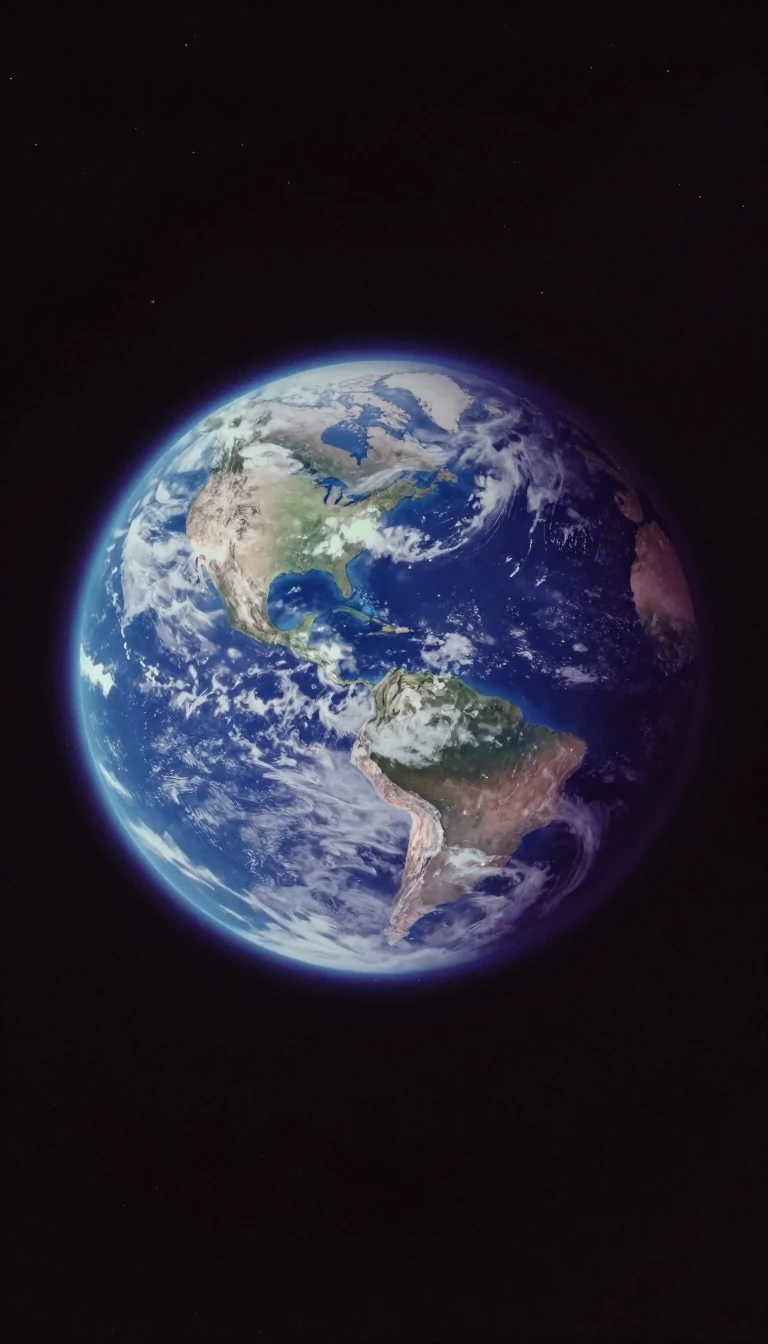 From molten rock to living planet: Earth's first billion yearsEarth took shape about 4.54 billion years ago, roughly a third of the universe's age, and spent its youth molten, battered and nearly oxygen-free. Yet zircon crystals 4.4 billion …
 The Holocene: 11,700 years of 'wholly new' time, and the epoch geologists refused to replaceEverything humans have ever written happened inside one geological epoch, the Holocene, which began around 11,700 years ago as the last ice sheets retreated. In March 2024, after …
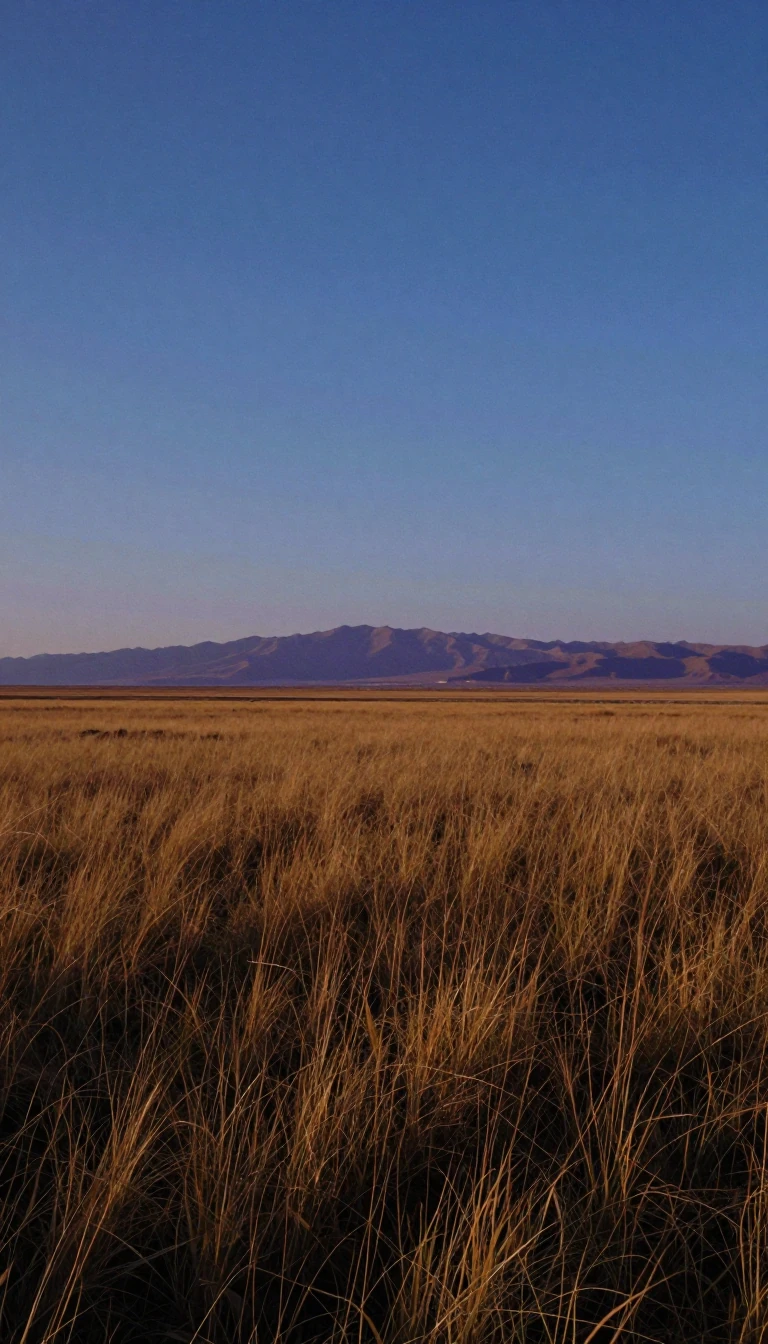 One square metre of Estonian meadow held 76 plant speciesOld meadows shaped by centuries of grazing and mowing rank among the most species-rich habitats on the planet; a single square metre in Estonia set a European record with 76 plant…
 Nobody agrees how big a stone can be and still count as gravelGeologists usually call any loose, rounded rock fragment over 2 millimetres gravel, with no upper limit. American soil scientists stop at 80 millimetres, the German scale runs to …
 The oxygen we breathe began as poison for Earth's early microbesAround 2.4 billion years ago, cyanobacteria were releasing a waste gas that most life on Earth could not tolerate. As free oxygen built up in the air and shallow seas, it probably…
 A greenhouse traps heat one way; Earth's atmosphere does it quite differentlyStrip away the heat-absorbing gases and Earth's average surface would sit near minus 18 degrees Celsius. Instead it hovers around 15, a 33-degree gift from a thin fraction of the …
 A Song dynasty official found seashells in a mountain cliff and deduced a vanished coastAround a thousand years ago, Shen Kuo noticed a horizontal band of clam shells running along a cliff hundreds of miles from the Pacific. He concluded the spot had once been a shor…
- The air above your head carries a constant 120 volts per metreNear the ground there is always a downward electric field averaging about 120 volts per metre, part of a planet-wide circuit carrying roughly 1,800 amperes that returns upward thr…