 Intellect Plus
Earth science
386 cards. Each one is a 40-second story with a five-minute read behind it. Page 2 of 7.
 From Ohio oil fields to a national energy giant: The Marathon Petroleum storyMarathon Petroleum began as a collection of small Ohio oil companies in 1887. Today, it stands as the largest petroleum refinery operator in the United States. Its evolution from …
 The MARCOS are India's elite maritime commandos, forged through one of the world's toughest training programs.Known as the Marine Commandos, the MARCOS are the Indian Navy's premier special forces. Founded in 1987, these highly trained operators are capable of executing complex missions a…
 How the Marine Raider Regiment evolved from a small pilot program into elite operators.Tracing their lineage to World War II amphibious specialists, the modern Marine Raider Regiment is the primary combat component of the Marine Corps Special Operations Command. Fro…
 The Mary Rose was a Tudor time capsule that redefined maritime archaeology forever.Launched in 1511, the Mary Rose served King Henry VIII for 34 years before sinking in 1545. When salvaged in 1982, the wreck revealed an unparalleled collection of Tudor-era artif…
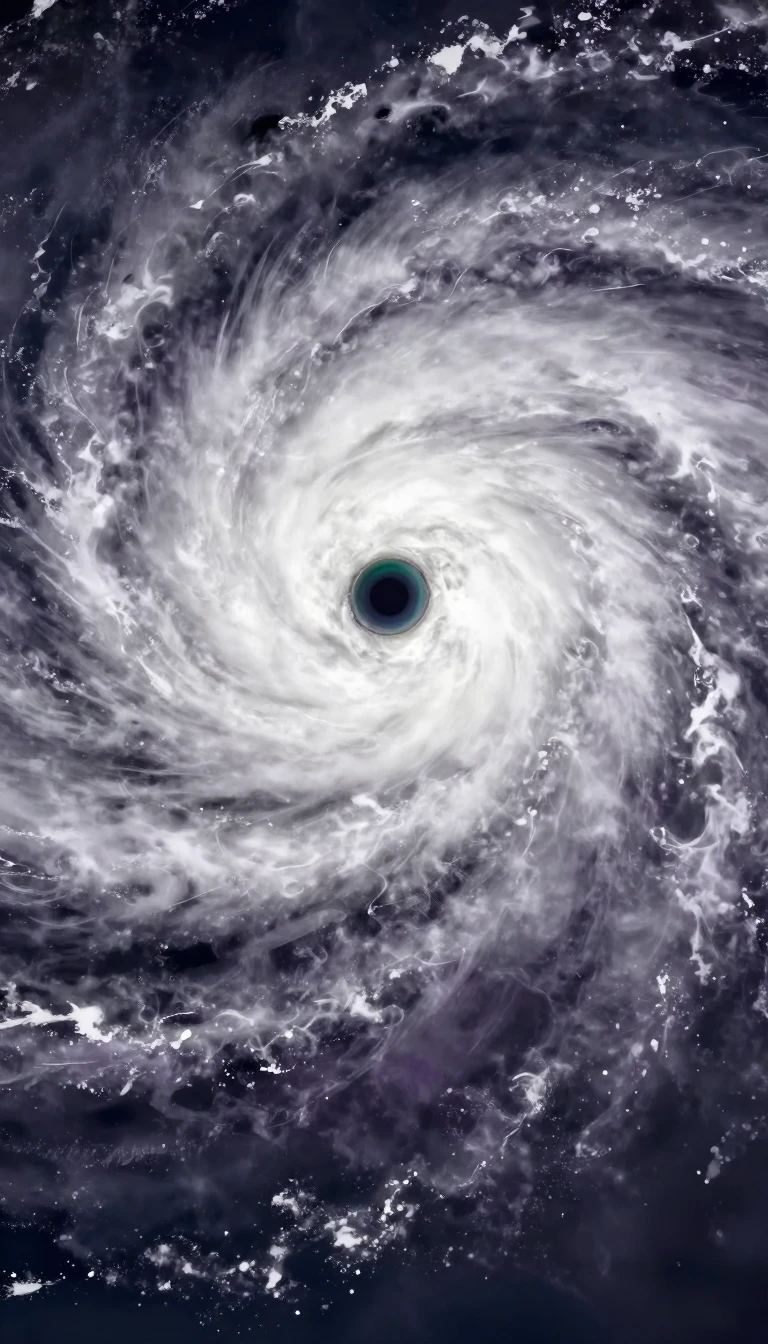 Can Mediterranean hurricanes truly exist, or are they just tropical-like imposters?Mediterranean tropical-like cyclones, or medicanes, are rare, intense storms that mimic the structure of tropical hurricanes. While they lack an official monitoring agency, these …
 Multicellular life is a masterclass in cooperation, specialization, and the division of labor.Multicellular organisms are not just collections of cells; they are highly integrated systems where individual units surrender independence to serve the whole. By specializing in …
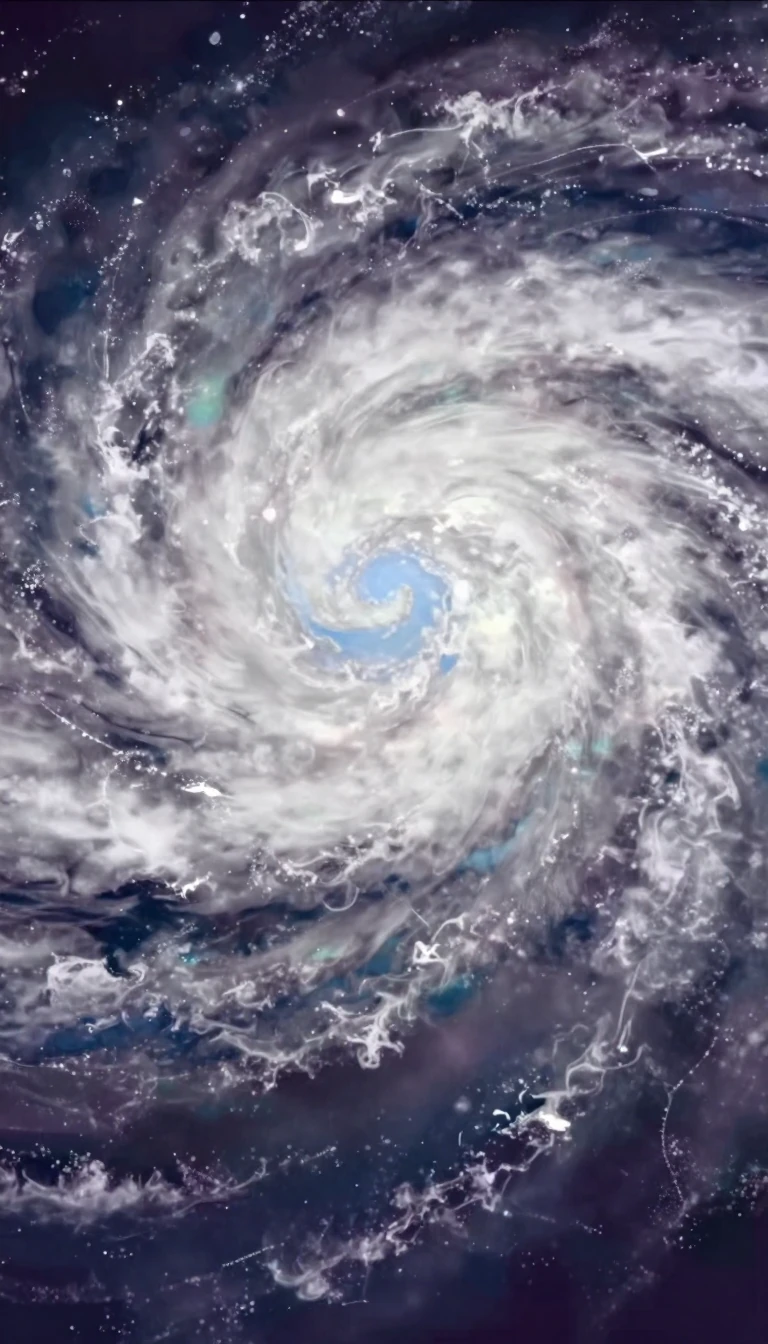 From telegraph signals to space weather, how the U.S. monitors the atmosphere and beyond.The National Weather Service has evolved from a 19th-century military telegraph project into a complex civilian agency. Today, it manages everything from local flash flood warning…
 Why Indian astrology tracks nine celestial bodies, including two that are entirely invisible.The navagraha are nine celestial entities believed to shape human destiny. While seven correspond to the Sun, Moon, and visible planets, two are shadow planets—Rahu and Ketu—that …
 Despite its misleading name, nickel silver contains absolutely no silver at all.This durable, silvery alloy is a clever blend of copper, nickel, and zinc. Originally discovered in China as a natural ore, it became a global sensation for its ability to mimic p…
 Why deep-sea divers experience a state of intoxication similar to drinking a martiniWhen divers descend into deep water, the nitrogen they breathe under pressure can trigger a reversible state of mental impairment known as nitrogen narcosis. Often compared to alc…
- Why the most feared storms of the North Atlantic are not actually hurricanesNor'easters are powerful extratropical cyclones that thrive on the violent collision between frigid Canadian air and the warm Gulf Stream. While they can mimic the intensity and c…
 How a former industrial conglomerate became the world's most influential education publisher.Pearson began as a diversified multinational dealing in aviation and energy before pivoting to dominate the global textbook market. Today, the company is defined by a digital-firs…
 Why a 1920s gasoline brand is named after a specific speed and roadThe iconic Phillips 66 name was not a random marketing choice. It emerged from a 1927 naming committee meeting where three distinct factors aligned: the fuel's specific gravity, t…
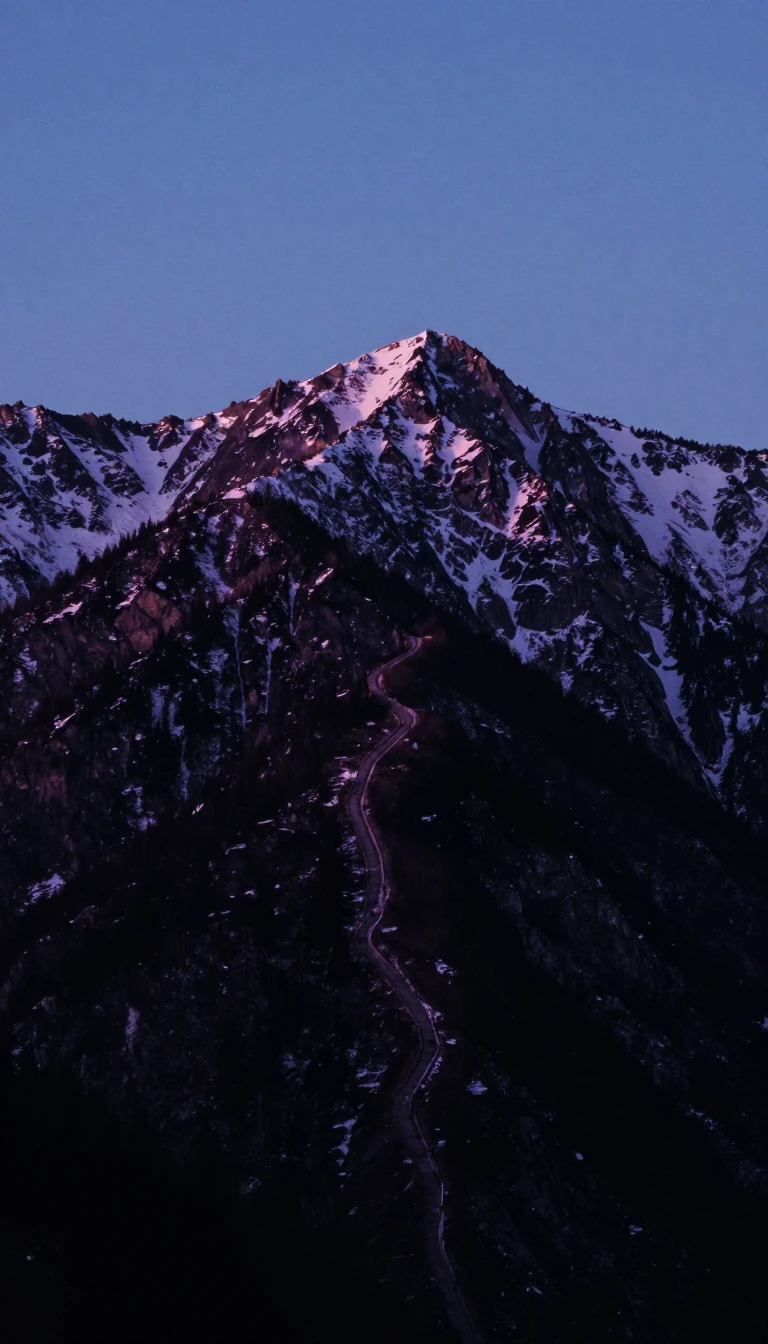 Italy's agricultural powerhouse is a massive, sediment-filled trough born from ancient tectonic collisions.The Po Valley is more than just a fertile plain; it is a geological marvel. Stretching across northern Italy, this vast basin acts as a sediment-filled sink between the Alps and t…
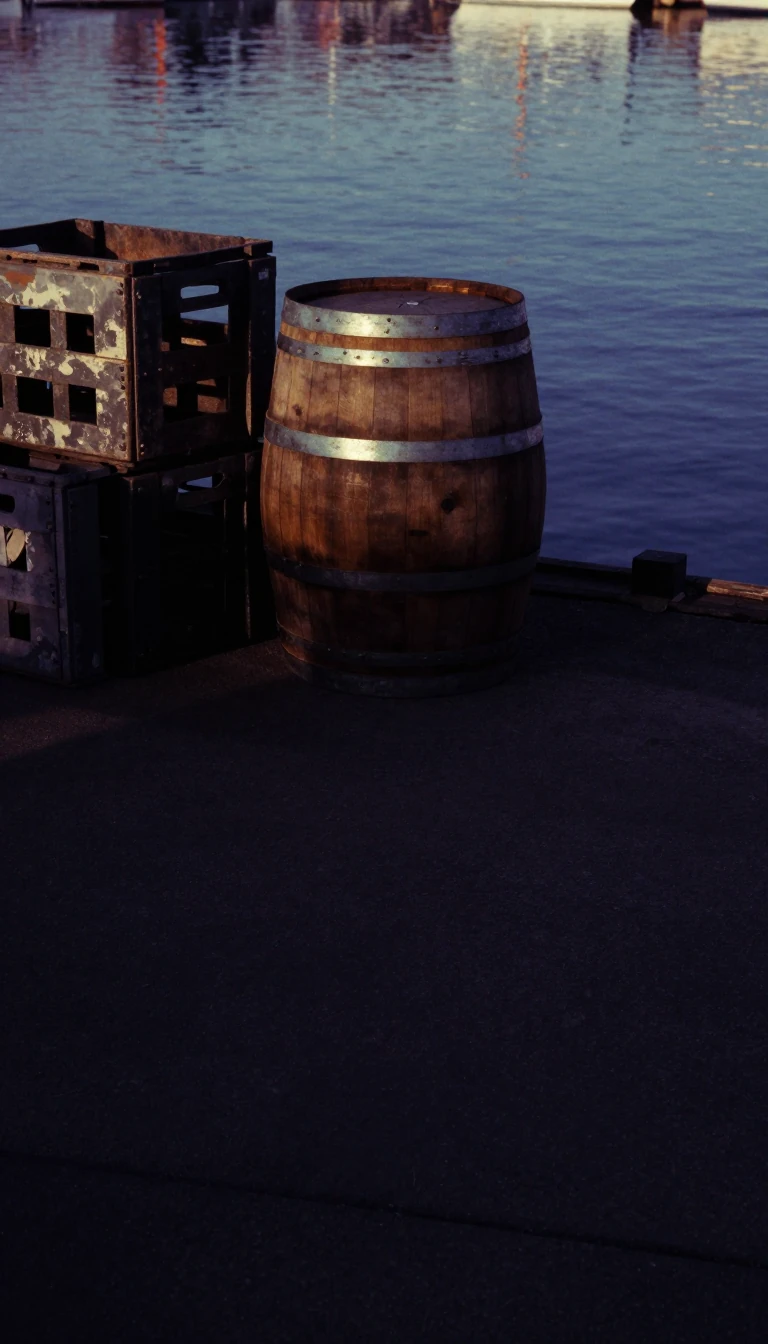 Was the infamous pirate flagship Queen Anne’s Revenge actually a former slave ship?Before it became the terror of the Caribbean under Blackbeard, the ship known as Queen Anne’s Revenge had a vastly different life. Originally a French vessel called La Concorde, i…
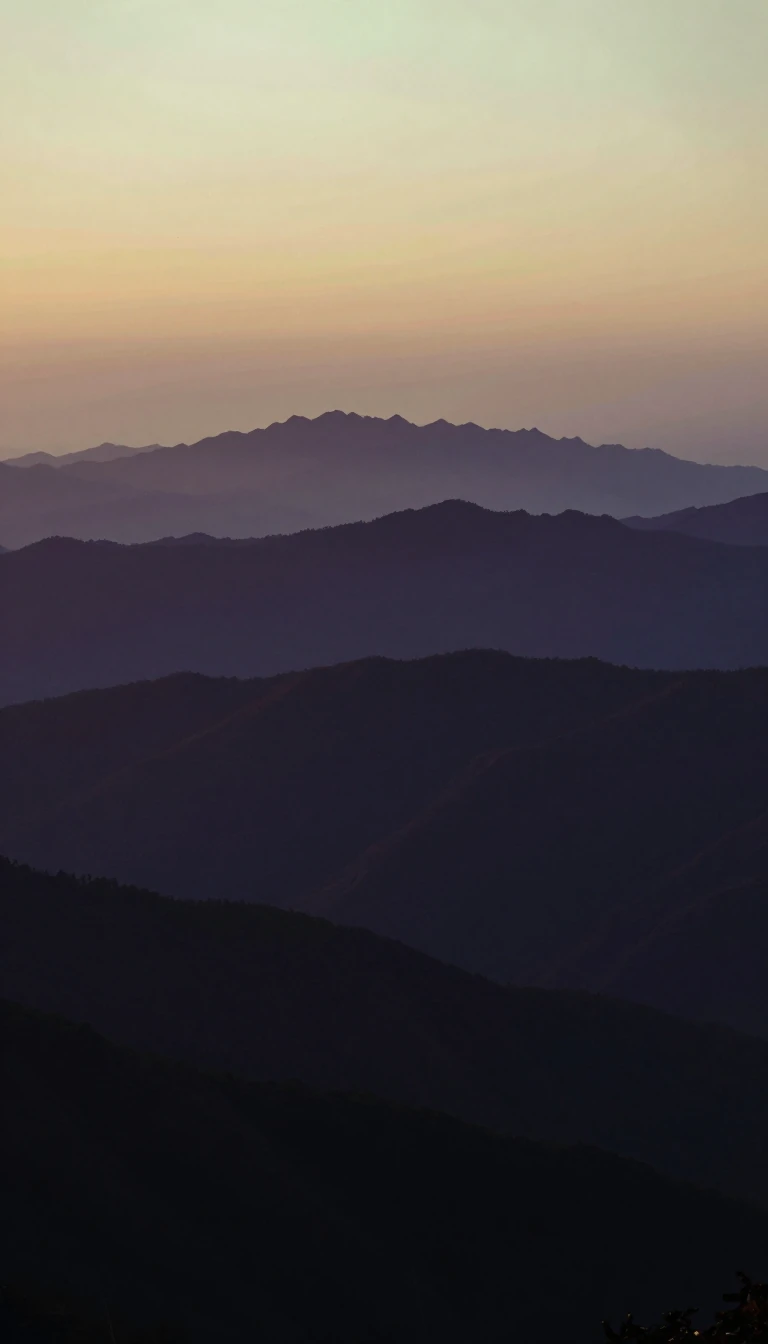 Can a global treaty actually save the world's disappearing marshes and peatlands?Adopted in 1971, the Ramsar Convention is the first international environmental agreement dedicated to protecting wetlands. While it has successfully designated over 2,500 sites g…
 Shayetet 13 is Israel’s elite maritime commando unit, operating in total secrecy for decades.Formed in 1949, this highly classified Israeli naval force specializes in complex sea-to-land incursions and counter-terrorism. Often likened to the United States Navy SEALs or th…
 Why the world's most popular 1940s superhero was forced to change his nameIn the 1940s, Captain Marvel outsold even Superman. Yet, a bitter copyright battle and a trademark conflict with Marvel Comics eventually stripped the hero of his original identit…
 When a Friendly Nation Committed State-Sponsored Terrorism Against a Peaceful Protest ShipIn 1985, French intelligence agents bombed the Greenpeace flagship Rainbow Warrior in Auckland, New Zealand, to stop protests against nuclear testing. The covert operation, codena…
 Why the simple snorkel is a complex piece of respiratory engineeringSnorkeling is more than just floating face-down. It involves managing respiratory dead space, preventing carbon dioxide buildup, and mastering fluid dynamics to clear water from y…
 Why the iconic orange glow of streetlights is vanishing from our night skiesFor decades, the distinct yellow-orange hue of low-pressure sodium lamps defined urban nights. Prized for their extreme energy efficiency and ability to cut through fog, these lam…
 The Iranian calendar is more precise than the Gregorian system used by most nations.Unlike the Gregorian calendar, which relies on a fixed mathematical formula to approximate the solar year, the Solar Hijri calendar is determined by real-time astronomical observa…
 Solitons are stable, self-reinforcing waves that refuse to break or merge like normal waves.Imagine a wave that travels for miles without losing its shape or speed. Unlike typical waves that flatten or crash, solitons are localized wave packets that maintain their identi…
- Why a sudden, violent shift in wind is more than just a gustWhile a gust lasts only seconds, a squall is a sustained, intense surge of wind lasting several minutes. Often arriving with heavy rain or thunder, these events are driven by sink…
 Why the sun's path across the sky is the secret to perfect building designThe sun does not just rise and set; it traces a precise, predictable arc that shifts with the seasons and your latitude. Understanding this geometry is not just for astronomers. I…
 The Swiss Alps are a rapidly shifting landscape shaped by ancient ice and modern climate.Covering 60 percent of Switzerland, the Alps are more than just iconic peaks. They act as the water tower of Europe, yet their glaciers have lost half their volume in just over a …
 Why the infamous Galloping Gertie bridge actually collapsed into the Puget SoundWhen the Tacoma Narrows Bridge opened in 1940, it was a marvel of slender, modern engineering. Yet, it earned the nickname Galloping Gertie for its tendency to sway in the wind. O…
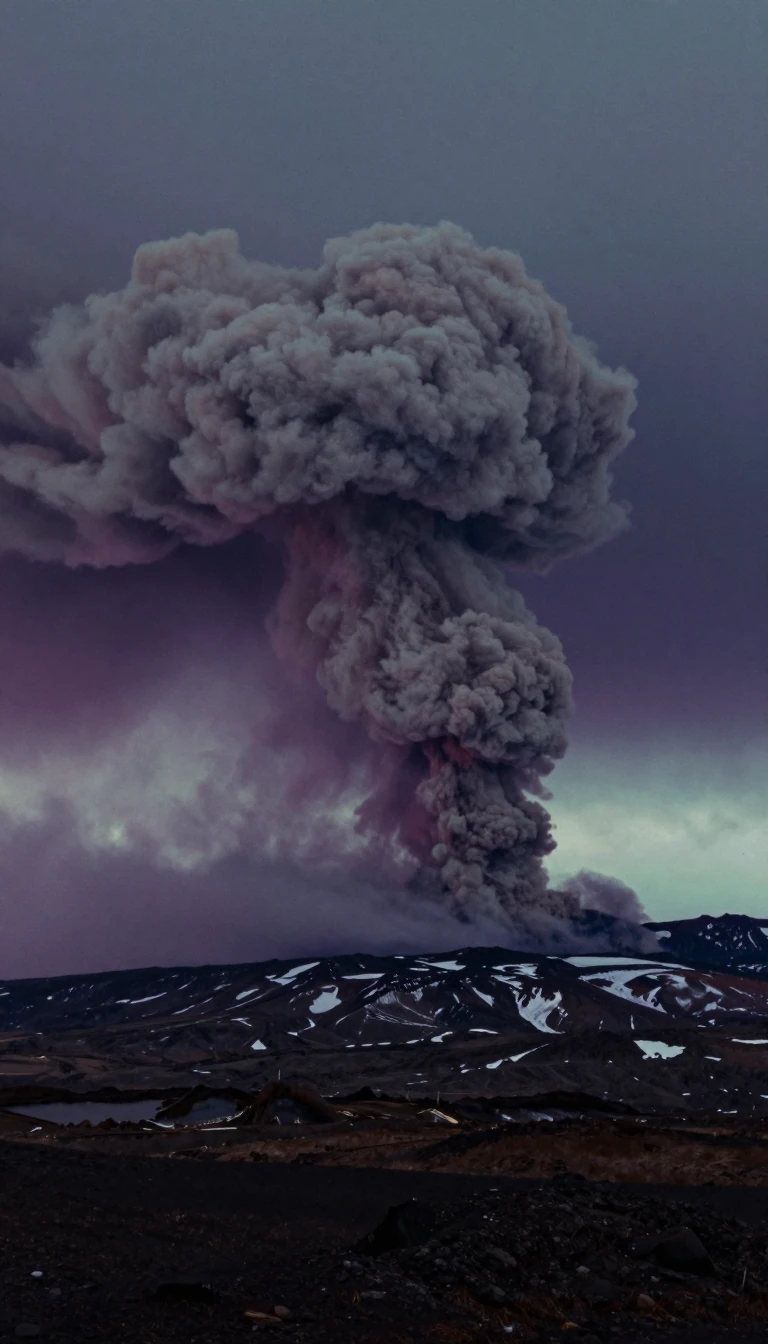 Beneath New Zealand's Lake Taupō lies a supervolcano capable of world-altering, violent eruptions.Lake Taupō is not just a scenic destination; it is the caldera of a massive rhyolitic supervolcano. While it has been quiet for roughly 1,800 years, modern monitoring reveals ongo…
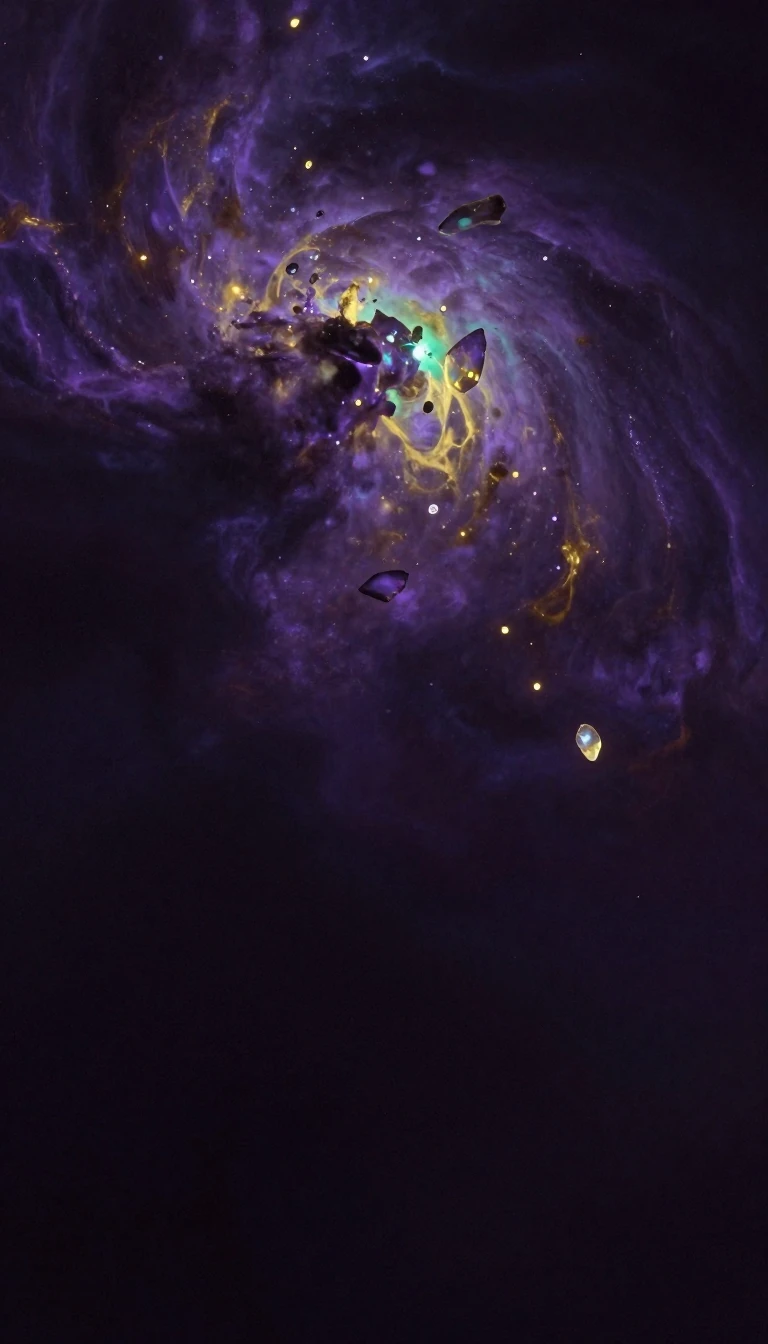 Are these glassy pebbles from space actually just melted pieces of Earth?Tektites look like extraterrestrial debris, but they are terrestrial rocks vaporized by massive meteorite impacts. These molten droplets were blasted into the atmosphere, cooled i…
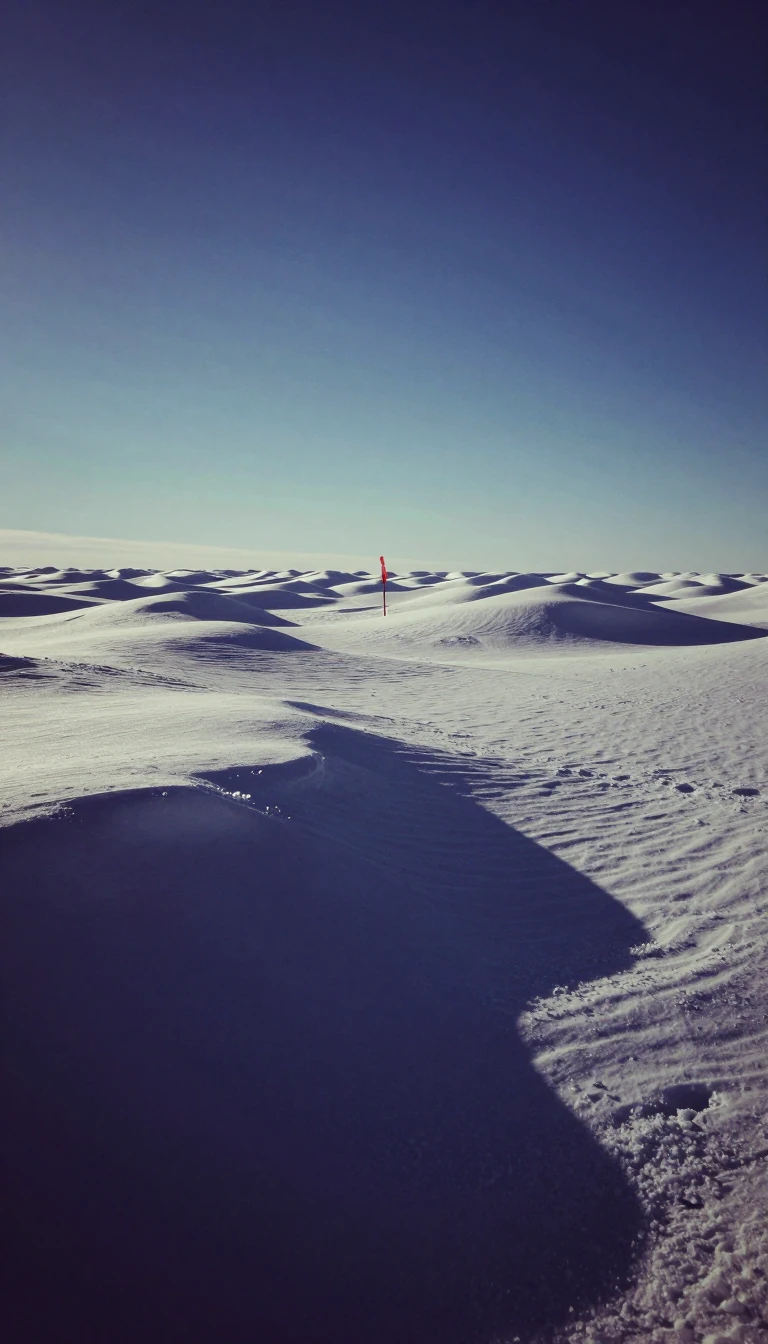 Why scientists are drilling into the world’s most unstable and remote Antarctic glacierThwaites Glacier is a massive, rapidly changing ice formation in West Antarctica that holds the potential to significantly raise global sea levels. Researchers recently completed …
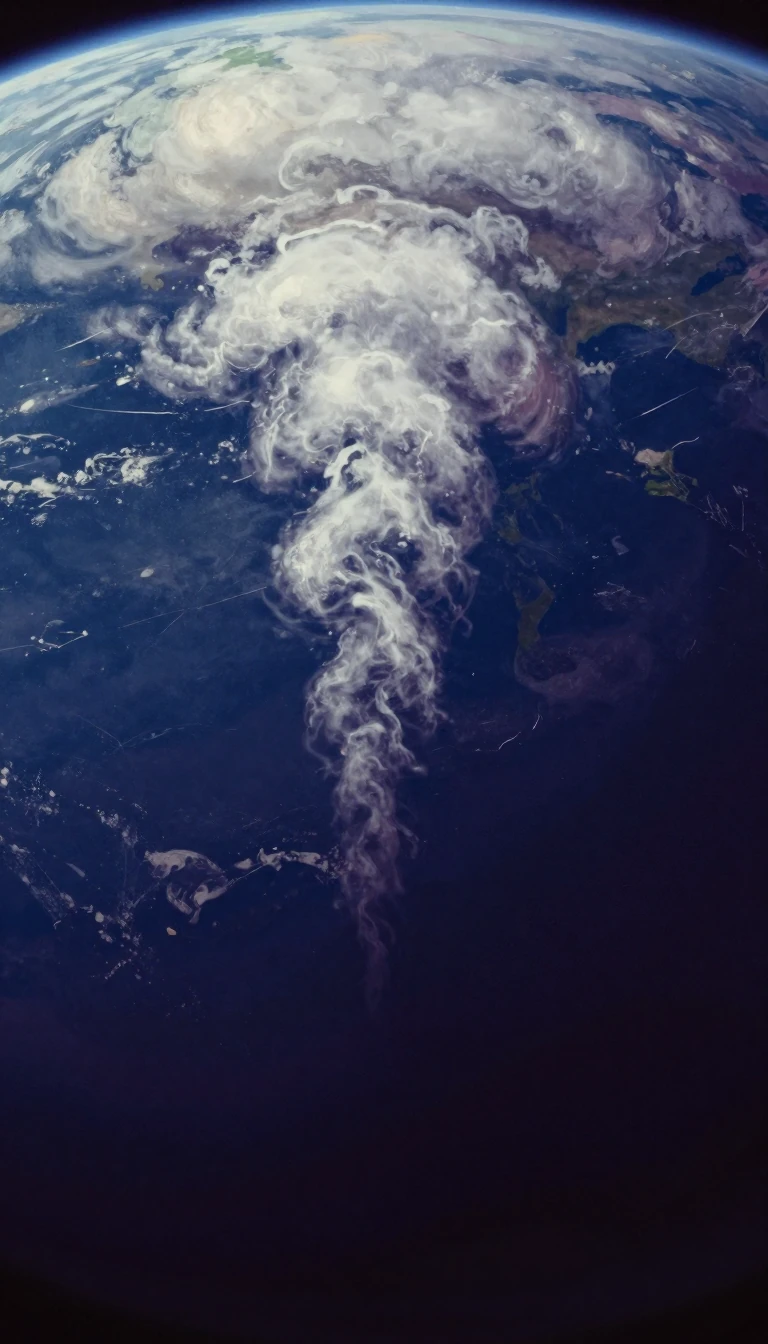 How a British Army test pilot became a pioneer for space-based scientific outreachBefore he was the first British astronaut to visit the International Space Station, Tim Peake spent years mastering military helicopters. His 2015 mission, Principia, transformed …
 The Tonian Period: When Earth's supercontinent stretched and life began to diversifySpanning from 1000 to 720 million years ago, the Tonian Period marks a pivotal chapter in Earth's history. Named for the Greek word for stretch, it captures the era when the super…
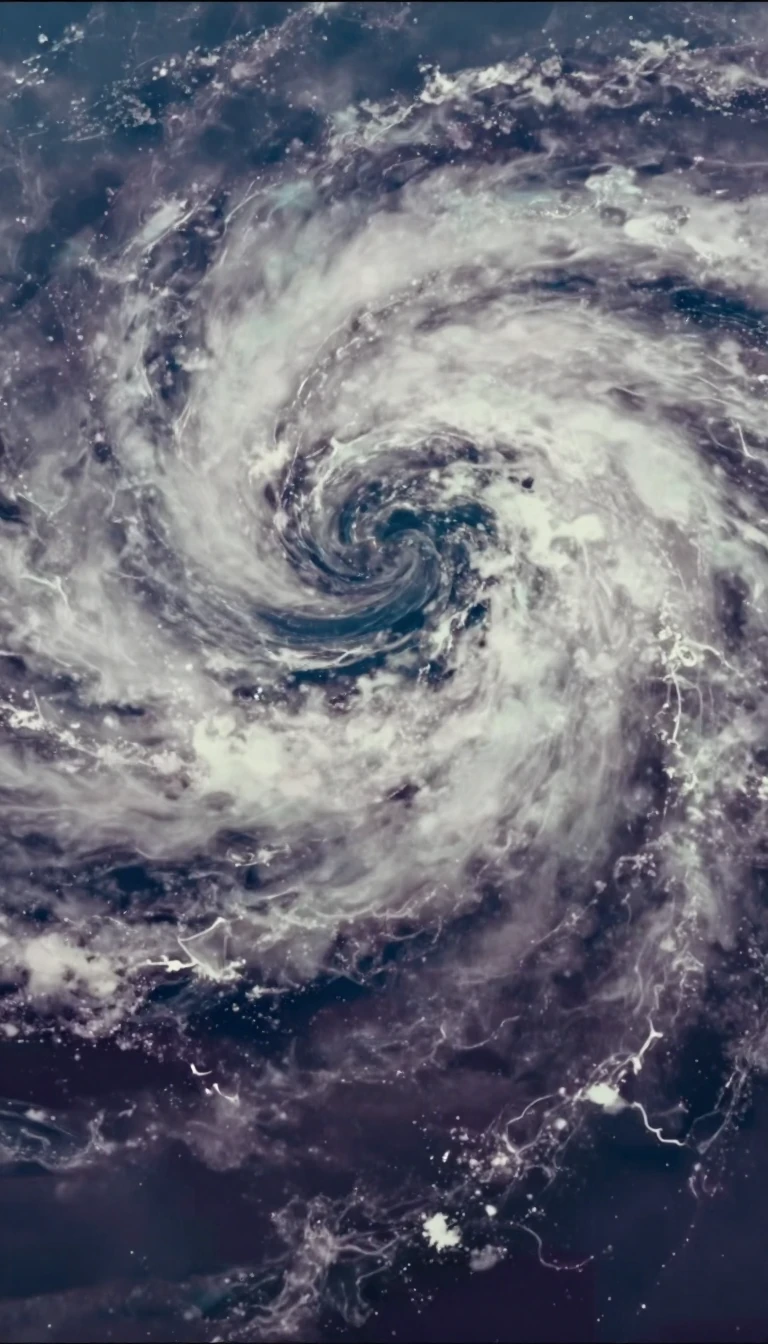 Why meteorologists stopped naming hurricanes after ships and started using human namesNaming tropical cyclones is not just a bureaucratic formality; it is a vital tool for public safety. By replacing cumbersome latitude-longitude coordinates with short, memorable n…
 Why Force Reconnaissance Marines Are Not Special Operations Forces Despite Their Elite CapabilitiesOften confused with special operations, Force Reconnaissance units are actually conventional assets serving the Marine Air-Ground Task Force. While they employ advanced tactics an…
- How a medieval Scottish institution became a modern hub for global energy researchFounded in 1495, the University of Aberdeen has evolved from a collegiate enclave into a world-class research powerhouse. Today, it balances centuries of academic tradition with c…
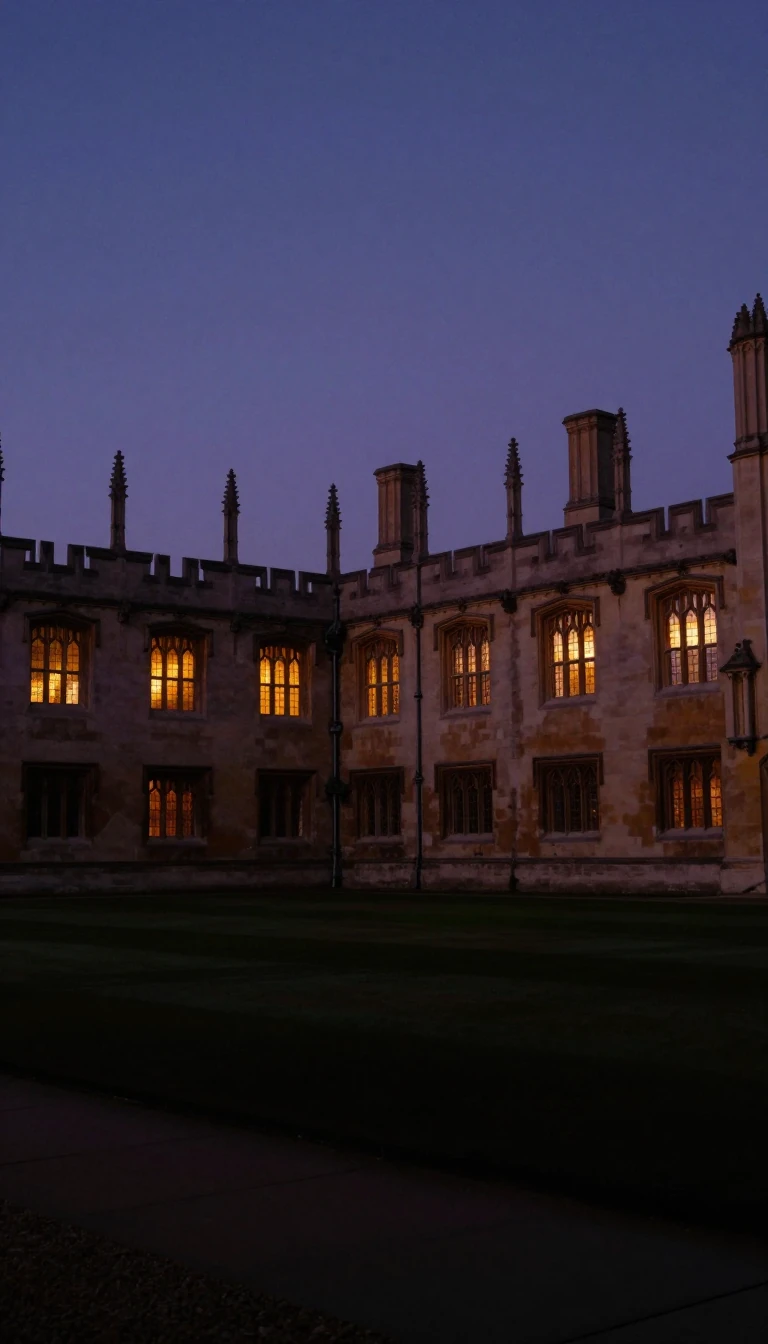 A university founded before the state itself, defined by its unique Cherokee Gothic architecture.Established in 1890, seventeen years before Oklahoma achieved statehood, the University of Oklahoma has evolved from a modest territorial institution into a major research hub. Be…
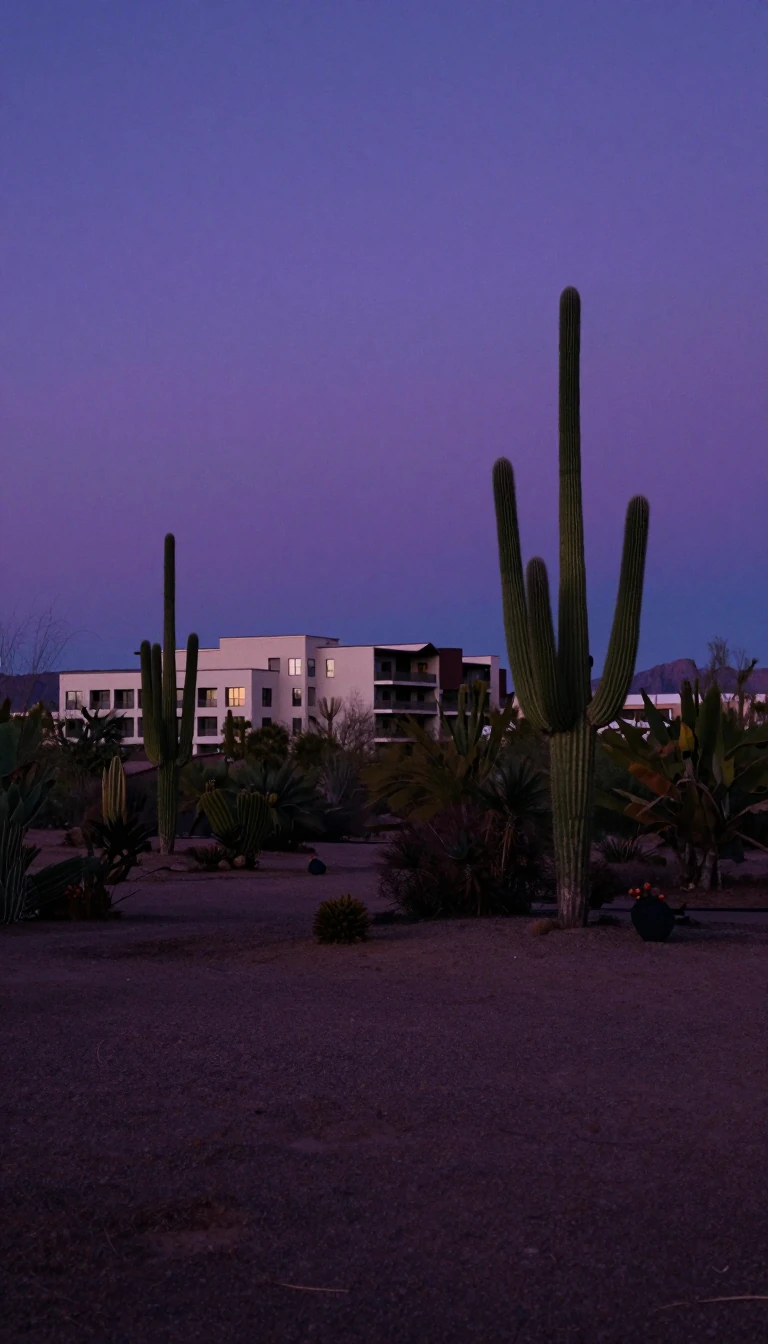 The University of Wyoming is a hub for R1 research and outdoor adventureNestled near the Medicine Bow National Forest, the University of Wyoming combines high-level research status with a supportive, student-centered community. From its Division I ath…
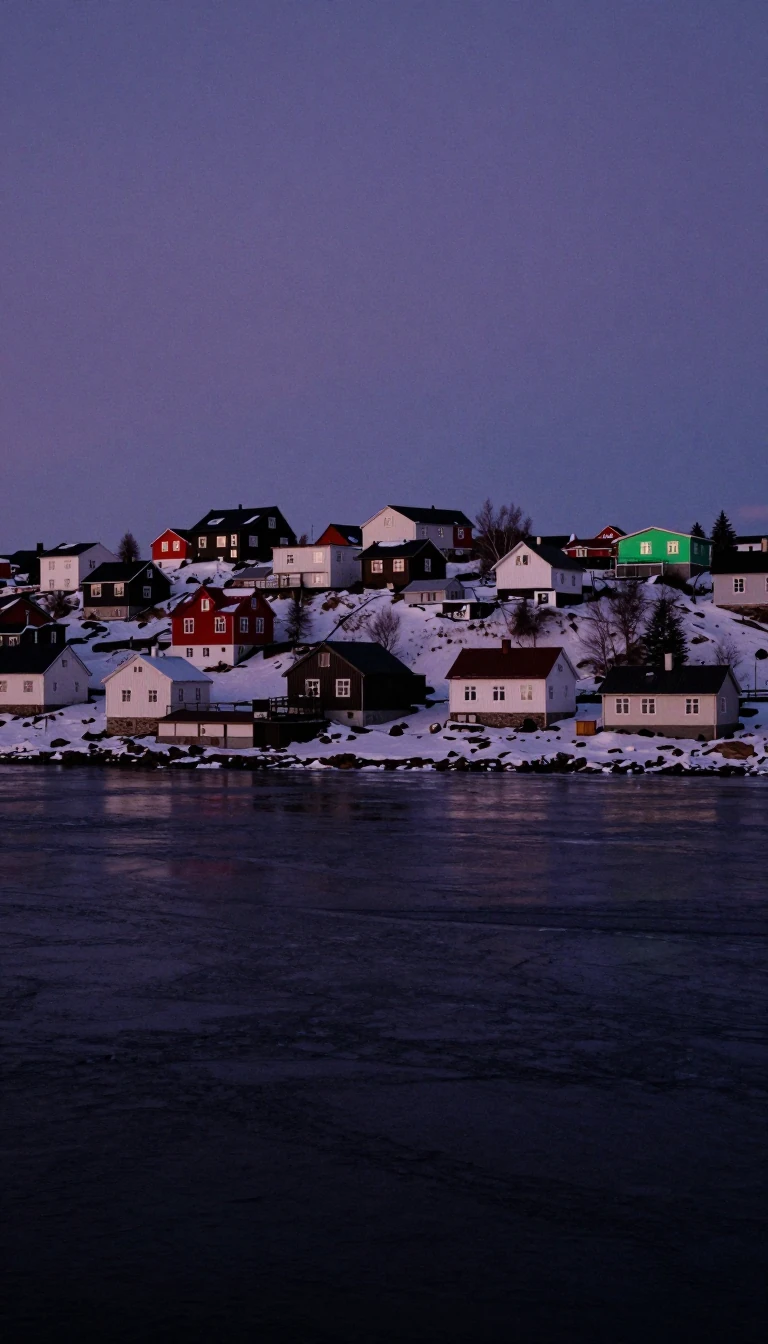 How a former Dutch island became the birthplace of every local childUrk was once an isolated island in the Zuiderzee, accessible only by boat. This isolation preserved a unique dialect and a charming, bizarre local mythology: the belief that all U…
 How a Cold War nuclear surveillance program accidentally discovered the universe's most violent eventsDeveloped to monitor Soviet compliance with the 1963 Partial Test Ban Treaty, the Vela satellite series was designed to detect nuclear detonations from space. While these spacecra…
 Is the most moral path for humanity to voluntarily cease all reproduction?The Voluntary Human Extinction Movement argues that human existence is fundamentally incompatible with the Earth's biosphere. Founded in 1991, this loose network advocates for a g…
 Can we actually control the weather, or are we just chasing clouds?Humans have long attempted to manipulate the atmosphere, from firing cannons at storms to seeding clouds with dry ice. While modern techniques like cloud seeding are used globally…
 Why these simple river barriers are often called drowning machines by experienced water usersA weir is a low-head dam designed to control water flow, yet these structures hide a lethal secret. Beneath the surface, the downstream side creates a hydraulic jump—a circulation…
 How a self-taught pilot discovered the jet stream while wearing a homemade pressure suit.Wiley Post was a pioneer who conquered the globe solo, but his most enduring legacy lies in the thin, freezing air of the stratosphere. By developing the world's first practical p…
 Why the United States has no permanent home for its most dangerous nuclear wasteFor decades, the nation has struggled to establish a final disposal site for high-level radioactive waste. Despite billions of dollars in research and a federal mandate to build a…
 The state-owned giant powering nearly half of India's petroleum marketIndian Oil Corporation isn't just a company; it is a massive public sector pillar. From managing 11 refineries to operating a pipeline network spanning over 13,000 km, its reach d…
 The ancient stone once believed to be a kidney stoneBefore it was a symbol of imperial power and sacred treasure, nephrite jade was known by a much more visceral name. Derived from the Greek for 'kidney stone,' this resilient miner…
 A tiny shift in temperature masks a massive surge in planetary heatEarth's surface temperature has risen by only about 2 degrees Fahrenheit since 1850. While that number sounds negligible, it represents a staggering accumulation of energy within …
 The ancient art of catching the sky to sustain life on EarthLong before modern plumbing, civilizations like the Romans mastered the capture of falling rain. Today, this ancient practice is evolving into a high-tech solution for urban flood…
 New computational method fills gaps in satellite gravity measurementsResearchers have developed a new computational approach to reconstruct missing data from the GRACE and GRACE-FO satellite missions. By using Singular Spectrum Analysis, the team s…
 A more precise global model for tracking tectonic plate movementsResearchers analyzing 1,122 data points from 22 plate boundaries have developed NUVEL-1, a new model describing how Earth's plates move. By synthesizing spreading rates, transform…
 Global sediment patterns reveal how Earth recycles elements between crust and mantleResearchers evaluating global marine sediments found that subducting material plays a vital role in recycling elements between the Earth's crust and mantle. By analyzing the chemi…
 Building a unified global platform for monitoring the planet's largest freshwater resourceResearchers outlining a vision for global groundwater management found that while progress is being made, groundwater has historically been simplified or excluded from global mode…
- How a diplomatic truce saved one of history's greatest space missionsIn the late 1980s, NASA and Europe faced a growing rift over perceived inequality in space cooperation. To prevent a political collapse that could have killed their most ambitious…
 From tropical plains to perpetual snow, one nation contains eight distinct climate zonesNepal is a land of extreme verticality. Within its borders, the landscape shifts from the low-lying, malaria-prone plains of the Terai to the world's highest peaks, creating a dra…
 Why old-growth forests are more than just a collection of very ancient treesOld-growth forests are complex, self-sustaining ecosystems defined by structural diversity rather than just age. These landscapes, characterized by multilayered canopies, decaying…
 Plywood is an engineered marvel that turns simple wood into high-strength, stable structural panels.By stacking thin wood veneers with alternating grain directions, engineers create a composite material that resists splitting, warping, and shrinking. This cross-graining techniqu…
 How ancient astronomers used a simple geometric trick to map the entire celestial sphere.The stereographic projection transforms a sphere into a flat plane, a feat that has powered everything from ancient star charts to modern complex analysis. While it cannot preserv…
 How 2015 Indonesian forest fires choked Southeast Asia for monthsIn 2015, a massive air pollution crisis blanketed Southeast Asia, caused by slash-and-burn farming on Indonesian peatlands. Exacerbated by El Niño, the haze triggered states of em…
 Barstow is a desert crossroads where ancient trade routes meet modern space explorationDeep in California's Mojave Desert, Barstow serves as a vital transit hub. From prehistoric indigenous trade paths to the historic Old Spanish Trail and today's major interstate h…
- How 230 million years of geological upheaval carved Utah’s most dramatic canyon landscapeZion National Park is a masterclass in erosion, where rivers have sliced through layers of sedimentary rock to reveal a vibrant, towering canyon. From its origins as an ancient se…