 Intellect Plus
Organisms
1,988 cards. Each one is a 40-second story with a five-minute read behind it. Page 34 of 34.
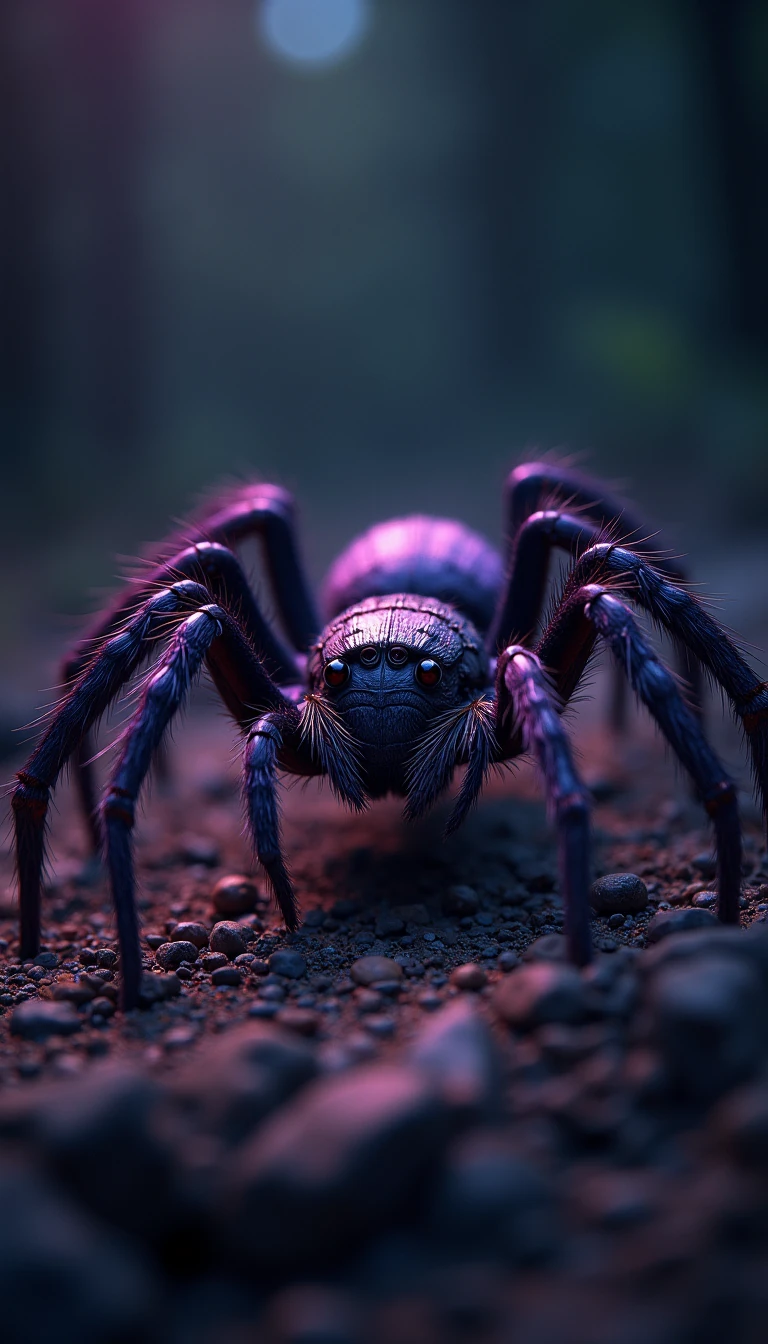 Arachnids wear eight legs and a weaver's mythClass Arachnida corrals spiders, scorpions, ticks, mites, harvestmen, and stranger chelicerates. Adults typically sport eight walking legs on a fused cephalothorax, plus chelicera…
 Amazon giant fish must gulp air or drownArapaima—also pirarucu or paiche—are among Earth's largest freshwater fishes, bonytongues of Amazon and Essequibo waters that can top three metres. They surface to breathe, so tra…
 Fourteen feathered fossils made Darwin's case visibleArchaeopteryx—ancient wing—lived about one hundred fifty million years ago on tropical Jurassic islands now preserved as Solnhofen limestone. Magpie- to raven-sized, it mixed dino…
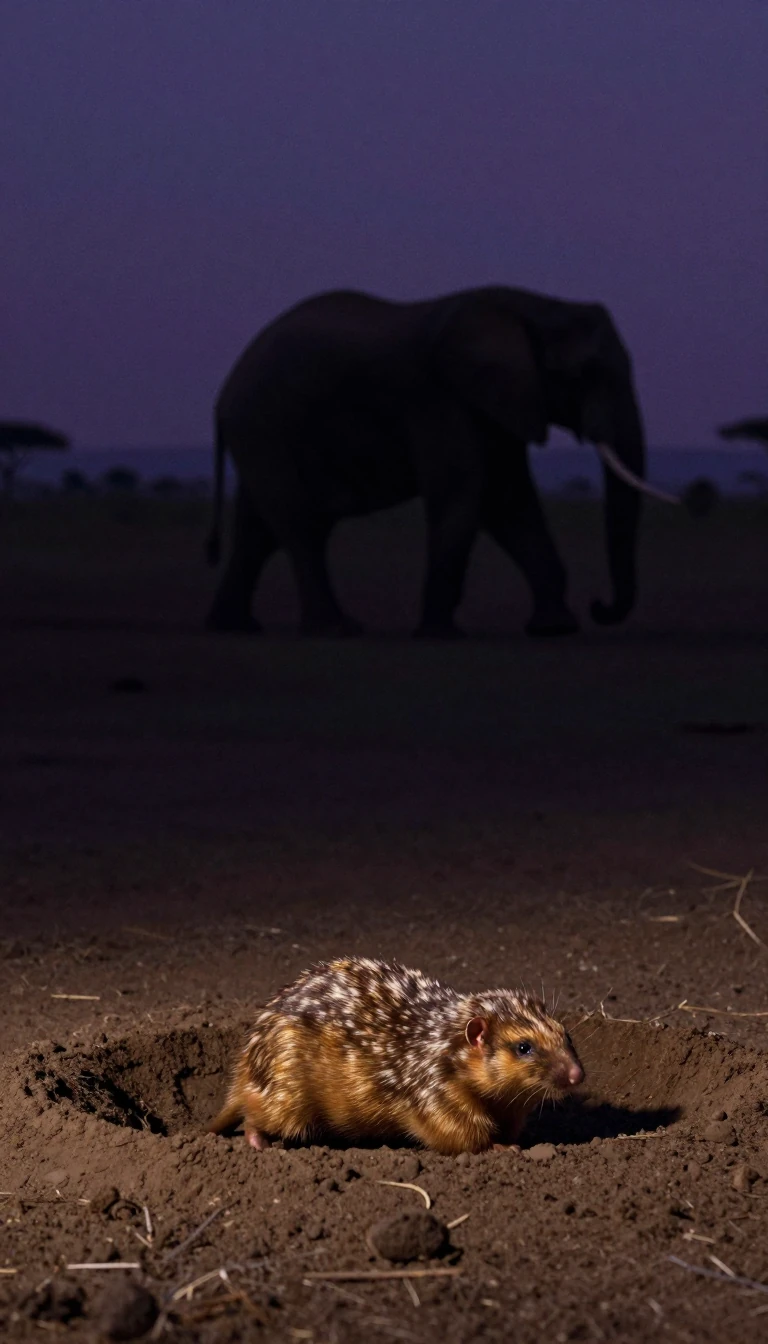 Armadillos include extinct two-tonne glyptodontsSpanish speakers named them little armored ones—twenty-one living cingulate species native only to the Americas. Genetic work now folds giant Pleistocene glyptodonts, once two ton…
- Arthropods own more than eighty percent of animal speciesPhylum Arthropoda—jointed-leg animals with chitinous exoskeletons, segmented bodies, and paired limbs—holds estimates from about one point seventeen million to five or ten million…
 Even-toed ungulates hide whales inside their familyArtiodactyla means even finger: roughly two hundred seventy land species that walk on the third and fourth toes—pigs, deer, cattle, camels, hippos. Molecular trees tuck fully carn…
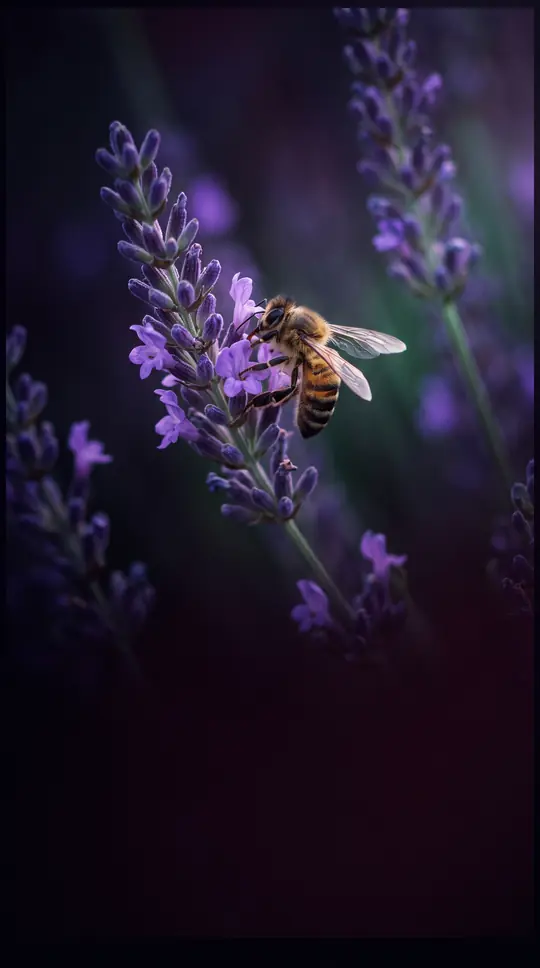 Most bees never make honey or live in hivesAnthophila holds over twenty thousand bee species in seven families. Honey bees, bumbles, and stingless bees are the social celebrities, yet more than ninety percent of bees are s…
 Chameleon colour is mostly signalling, not camouflageChamaeleonidae counts about two hundred Old World lizard species famous for shifting hues. Skin stacks chromatophores and iridophore crystal lattices that change spacing to flip r…