 Intellect Plus
Organisms
1,988 cards. Each one is a 40-second story with a five-minute read behind it. Page 31 of 34.
 A desert lizard's venom peptide became modern diabetes drugsHeloderma suspectum, the only venomous lizard native to the United States, rarely threatens people despite a painful bite. One peptide in its venom, exendin-4, became the template…
 Giraffes may be four species that stopped swapping genes long agoThey are Earth's tallest land mammals and largest ruminants, long treated as one species with nine subspecies. Genome work in twenty twenty-one, backed by twenty twenty-four skull…
 Galápagos giants can outlive a century—and once numbered a quarter millionChelonoidis niger, the Galápagos tortoise, is the largest living tortoise, reaching about 417 kilograms, and among the longest-lived vertebrates. Wild spans exceed one hundred yea…
 Galaxiids reverse salmon: ocean youth, freshwater adulthoodGalaxiidae are mostly small Southern Hemisphere freshwater fishes centered on Australia and New Zealand, with outposts in South Africa, southern South America, and nearby islands.…
 Landfowl survived the asteroid by staying toothless and earthboundGalliformes—landfowl—are heavy terrestrial birds with about 290 species in five families, from chickens and pheasants to megapodes and guineafowl. Together with waterfowl they for…
 Garter snakes can be venomous and poisonous at the same timeGarter snakes of genus Thamnophis range from central Canada to Costa Rica across roughly thirty-seven species and fifty-two subspecies. Early-2000s work showed they make mild neur…
 Gastropods twist 180 degrees—and outnumber every animal class but insectsSnails and slugs form class Gastropoda, a mollusk lineage whose living roster is pegged somewhere between sixty-five and eighty thousand species—second only to insects. Fossils re…
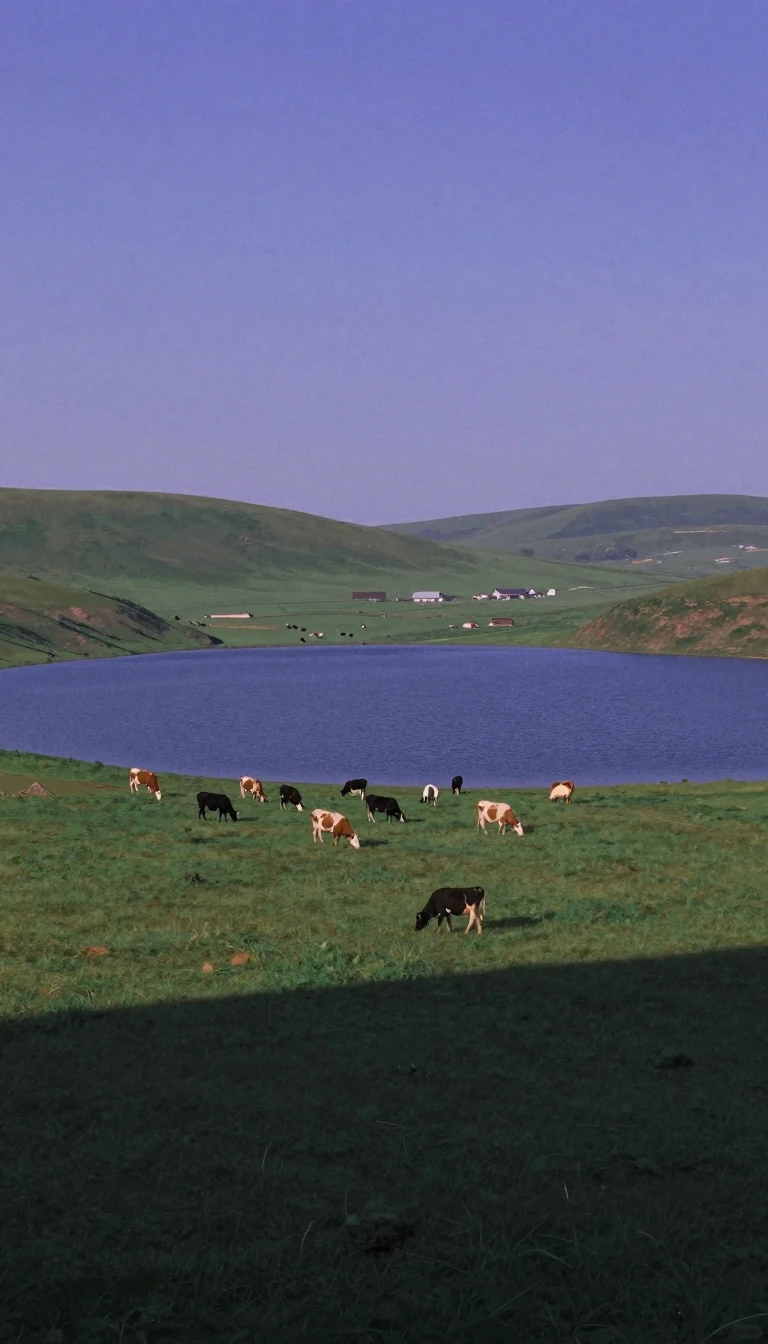 The gaur is the largest wild cattle still walking EarthBos gaurus, also called the Indian bison, tops every living bovid. IUCN has listed it Vulnerable since 1986, and a 2016 estimate capped mature animals at about 21,000, most of the…
- Gazelles can burst near one hundred kilometres an hourThese small antelopes of Gazella, Eudorcas, and Nanger live mostly across African deserts, grasslands, and savannas, with ranges into southwest and central Asia and India. Some sp…
 Gecko feet once blamed on van der Waals now look electrostaticNearly two thousand gecko species cling to warm climates on every continent but Antarctica. About sixty percent of them grow adhesive toe pads that walk walls and ceilings without…
 Flagellates swim with microtubule whips built nine-plus-twoA flagellate is a cell or organism bearing one or more whip-like flagella, also naming a body plan common among protists. Eukaryotic flagella ride microtubules in a nine fused pai…
 Six flamingo species split four American, two Old WorldFlamingos are long-legged waders in family Phoenicopteridae, sole survivors of order Phoenicopteriformes. Four species range the Americas and Caribbean; two inhabit Afro-Eurasia—s…
 Adult flatfish wear both eyes on one side of the headFlatfish are ray-finned members of Pleuronectoidei that lie on one flank on the seafloor, their bodies flattened side-to-side. As adults both eyes sit on the upward face while the…
- Flatworms skip lungs and hearts, so they stay thinPlatyhelminthes—flatworms—are soft, unsegmented bilaterian invertebrates whose Greek name means flat parasitic worm. Traditional texts split mostly free-living Turbellaria such as…
 Fleas jump 18 centimetres up yet never grew wingsFleas—order Siphonaptera—number about 2,500 species of tiny flightless insects that drink blood from mammal and bird hosts. Genetics nest them among parasitic scorpionflies. The o…
 True flies traded hindwings for spinning balance clubsFlies belong to order Diptera—“two wings”—because hindwings became halteres, gyroscopic stubs that steady flight. A mobile head carries huge compound eyes and mouthparts built to …
 Flying fish glide, not flap, on ocean runway leapsExocoetidae—about 64 species in seven genera—are marine ray-finned “flying fish” of order Beloniformes. They do not true-fly; they leap and glide on enlarged fins. Barbados brands…
- True foxes fill genus Vulpes across every continent but AntarcticaFoxes are small-to-medium omnivorous canids with flattened skulls, triangular ears, pointed snouts, and bushy tails. Twelve species form the monophyletic true-fox genus Vulpes; ab…
 Frigatebirds can soar for weeks and rarely wet their feathersFrigatebirds—family Fregatidae, five living species in genus Fregata—patrol all tropical and subtropical oceans with black plumage, forked tails, and hooked bills. Males inflate a…
 Frogs make up about 88 percent of living amphibiansFrogs are tailless amphibians of order Anura—“without tail”—ranging from tropics to subarctic zones but richest in rainforest wetlands. They comprise roughly 88 percent of extant …
 Magpies pass the mirror test, a feat few birds manageThe Eurasian magpie (Pica pica) breeds across northern Eurasia and ranks among the cleverest birds alive. Part of its forebrain is, relative to size, about as expanded as the brai…
- Badger families keep the same tidy tunnels for decadesThe European badger (Meles meles) is a stocky, striped member of the weasel family found from Europe into western and central Asia. Classified as a carnivoran, it actually eats al…
 The last wild wisent was shot in 1927; captive herds brought it backThe European bison, or wisent, is Europe's heaviest wild land animal. Hunters wiped out every wild herd in the early twentieth century, the last lowland animals falling in Białowi…
 Robins were redbreasts before English had a word for orangeThe European robin is a small insect-eating songbird, 12.5 to 14 centimetres long, whose orange-red breast is shared by males and females alike. Britons simply say robin, but the …
 Two seabass populations barely mix, and nobody knows whyEuropean seabass, sold as branzino in North America and also known as loup de mer, is the most important farmed fish in the Mediterranean. Yet its wild stocks hide a puzzle: Atlan…
- Sea scorpions grew to 2.5 metres and many never lived in the seaEurypterids, nicknamed sea scorpions, include the largest arthropods that ever lived: Jaekelopterus reached 2.5 metres. Yet the nickname misleads twice over. Only the earliest spe…
 Falcons are closer kin to parrots than to hawks and eaglesFalcons, about forty species in the genus Falco, are built for speed: a diving peregrine has been clocked at 390 kilometres an hour. They look like hawks and eagles, yet genetical…
 Cat eyes are about six times more light-sensitive than oursThe cat family, Felidae, counts forty-one living species, all strict meat-eaters with the most varied coat patterns of any land carnivores. They share a toolkit honed for ambush: …
 Darwin's famous finches are not true finches at allTrue finches, family Fringillidae, are small to medium songbirds with stout cone-shaped bills made for cracking seeds. More than two hundred species belong, from canaries to Hawai…
 Fire ants bite only to hold on, then sting with an alkaloid venomFire ants belong to Solenopsis, a genus of more than two hundred stinging species. Their name comes from a sting that feels like a burn, delivered after they clamp on with their j…
- Some female fireflies fake a rival species' flashes to eat the malesFireflies are beetles, more than 2,400 described species of them, and their glow probably began as a warning that the larvae taste foul. Only later did it become a courtship signa…
 Copperheads freeze because camouflage beats flightThe eastern copperhead (Agkistrodon contortrix) is a heavy-bodied pit viper of the eastern United States, banded with dark hourglasses on a reddish-brown ground. Rather than slith…
- Echidnas are egg-laying mammals in a four-species clubSpiny anteaters of the family Tachyglossidae share Australia and New Guinea with the platypus as the only living egg-laying mammals. Four echidna species survive, descended betwee…
 Echinoderms flip from bilateral larvae to five-part adultsStarfish, brittle stars, urchins, sand dollars, sea cucumbers and sea lilies make up the phylum Echinodermata, Greek for hedgehog skin. Their larvae swim with a left and right sid…
- True eels span thumb-length fish to four-meter giantsTrue eels, the order Anguilliformes, number about 1,000 species of ray-finned fish in 164 genera, and nearly all hunt other animals. They range from the 5-centimetre one-jawed eel…
- Electric 'eels' are knifefish split into three speciesSouth America's electric eels stun prey with shocks of up to 860 volts, yet they are knifefish, not true eels. Linnaeus described one species in 1766, and for over two centuries t…
 Torpedo rays lent their shock to naval weaponsElectric rays of the order Torpediniformes can discharge between about 8 and 220 volts, depending on the species, to stun prey and fend off attackers. The genus Torpedo, from a La…
- Wapiti means white rump in Shawnee and CreeThe elk (Cervus canadensis), or wapiti, is the second-largest member of the deer family, native to North America and Central and East Asia. Its English name is a colonial hand-me-…
 Horse-family fossils begin fifty-four million years agoEquidae, the horse family, holds horses, asses, zebras and many species known only as fossils. Over more than 50 million years it turned small, many-toed browsers into large anima…
 Eukaryotic cells likely began as an archaeal mergerEukaryotes keep their DNA in a membrane-wrapped nucleus and fill their cells with organelles held in shape by a cytoskeleton. The leading theory says they arose in the Paleoproter…
- Eagle-owl females can span nearly two meters of wingThe Eurasian eagle-owl (Bubo bubo) ranks among the world's largest owls: females reach about 75 cm long with wingspans up to 188 cm, and males are slightly smaller. Striking orang…
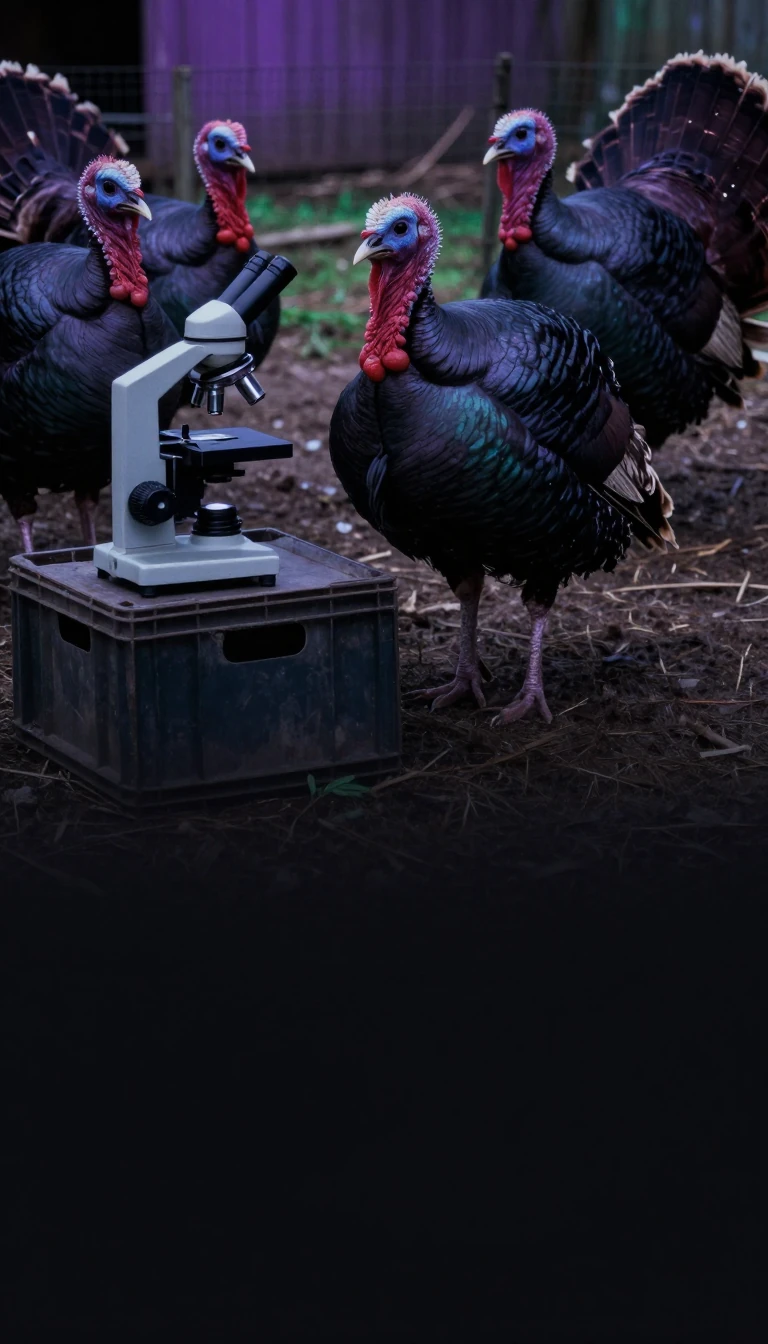 Turkeys are named for a trade route mix-up with guineafowlDomestic turkeys descend from a south Mexican wild subspecies and were likely tamed in Mesoamerica at least two thousand years ago. English speakers probably confused them with gu…
- Donkeys were domesticated in Africa five to seven thousand years agoThe donkey descends from the African wild ass and has hauled loads for millennia. More than forty million live mostly in poorer countries as pack and draught animals. Males are ja…
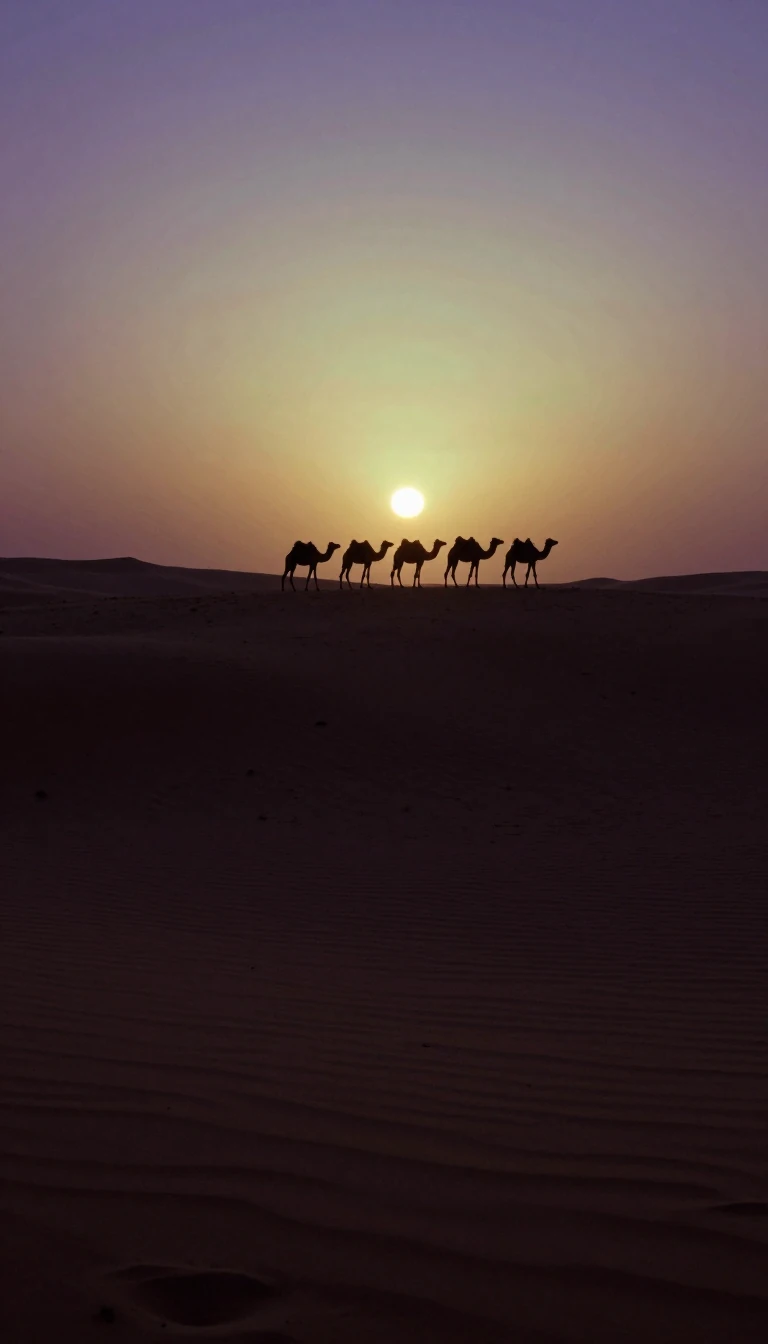 Wild dromedaries vanished nearly two thousand years agoThe one-humped dromedary is the tallest camel: males stand about 1.8–2.4 meters at the shoulder. Domesticated on the Arabian Peninsula roughly four thousand years ago, it no longe…
- A four-chromosome fly became genetics’ favorite animalDrosophila melanogaster—the common fruit or vinegar fly—draws researchers for a short life cycle, four chromosome pairs, and huge broods. Charles W. Woodworth proposed it as a mod…
- Duck once meant diver, replacing an older word for the birdDuck names many Anatidae waterfowl smaller and shorter-necked than geese or swans, yet the label is a form taxon, not one clean clade. Old English dūce, “diver,” from a verb meani…
- Dung beetles are a lifestyle, not one evolutionary clanBeetles that eat feces span several scarab lineages rather than a single ancestor. Most “true” dung specialists sit in Scarabaeinae, with Aphodiinae and earth-boring Geotrupidae s…
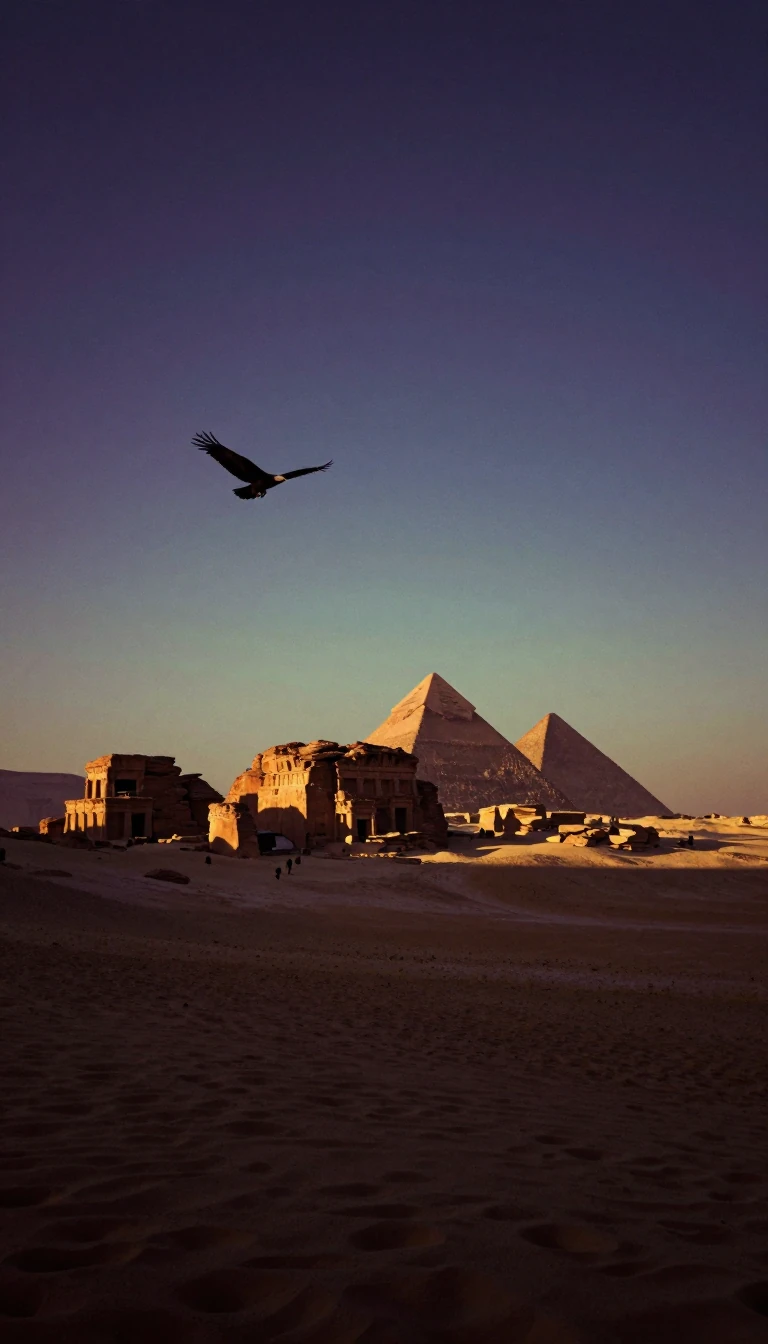 Eagle names any big enough raptor, not one neat family branchGenetically only Aquilinae are “true eagles,” yet English calls many large Accipitridae eagles, including the bald eagle. The word came through Old French from Latin aquila, repla…
 Earthworms are living soil mills with a tube-within-a-tube bodyEarthworms are terrestrial annelids—the larger oligochaetes—eating detritus, microbes, and algae in moist soils. A gut runs the body’s length; segments, setae, and dual fluid syst…
 Terrible lizards that never vanished—they became birdsDinosaurs dominated Mesozoic land after the Triassic-Jurassic extinction, yet only the avian lineage survived the end-Cretaceous catastrophe. Richard Owen coined dinosaur in 1842.…
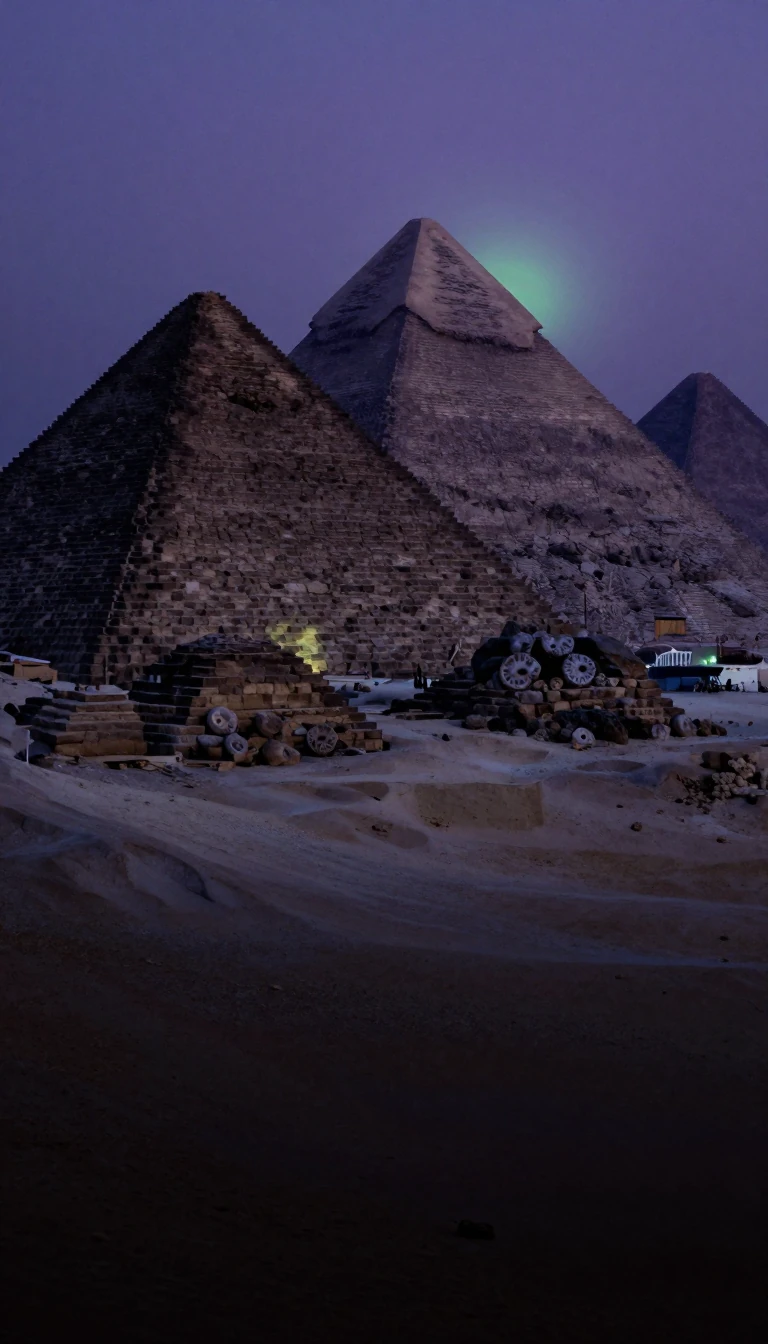 Double-beamed chevrons anchored a Jurassic whip-tailed giantDiplodocus, named for twin tail beams, roamed Late Jurassic North America and Europe. Williston found the first fossils in 1877; Marsh coined the genus amid the Bone Wars. D. carn…
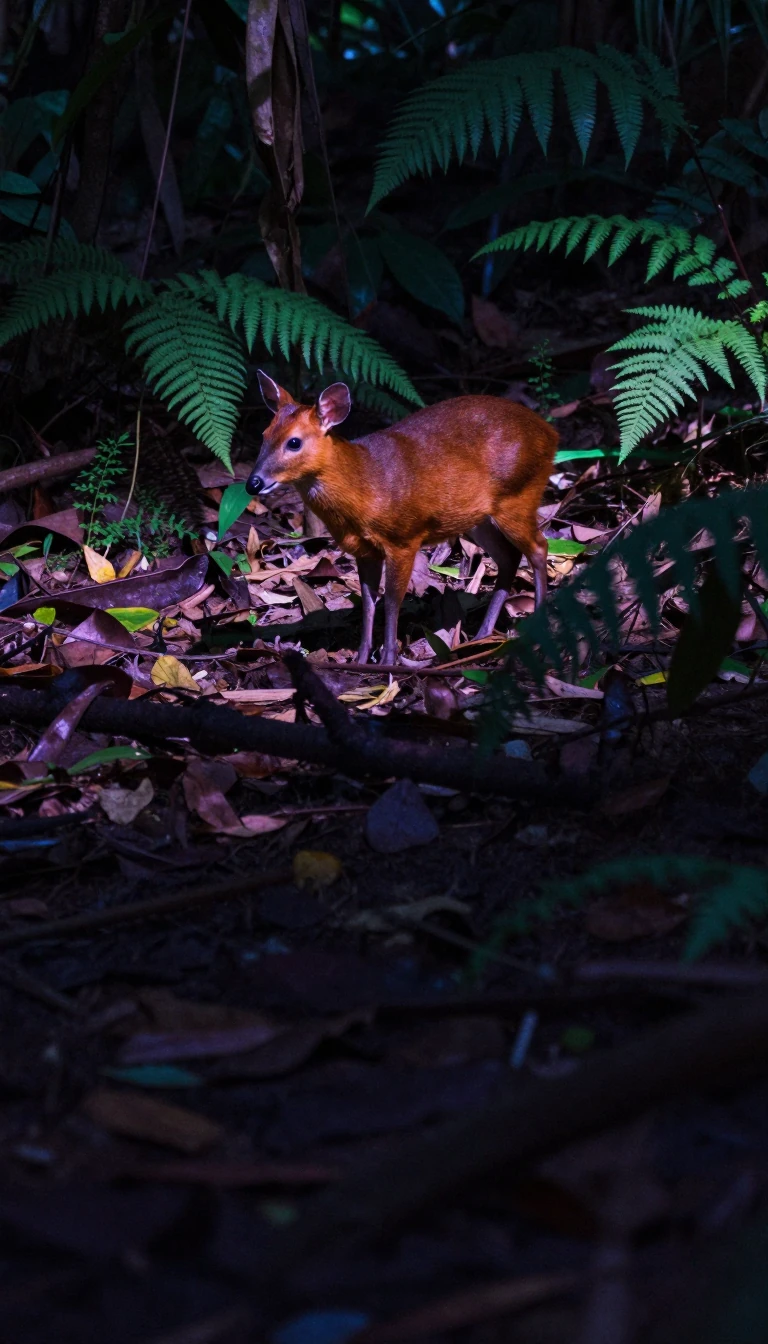 Two front teeth and fused toes define Australasia's marsupial giantsDiprotodontia is the largest living marsupial order, about 155 species including kangaroos, koalas, wombats and possums. Its extinct members ranged from the hippo-sized Diprotodon…
- Mauritius lost its giant flightless pigeon within a century of discoveryThe dodo Raphus cucullatus lived only on Mauritius before extinction by the late seventeenth century. Dutch sailors recorded it in 1598; hunting, invasive species, and habitat los…
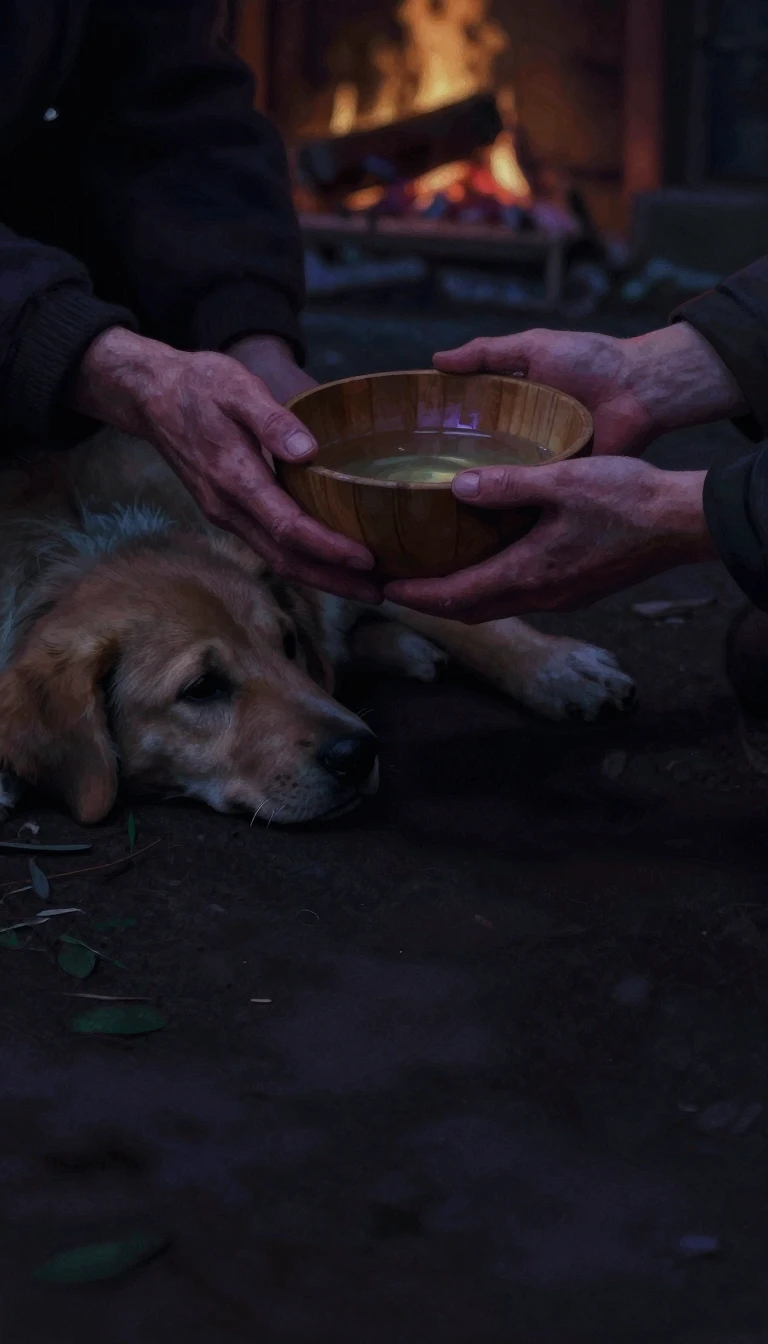 From Pleistocene wolves to starch-tolerant companions worldwideDogs descend from wolves domesticated at least 14,000 years ago—before agriculture—and perhaps over 25,000 years back. Canis familiaris now numbers up to one billion worldwide. Se…
 Toothed whales that echolocate, socialize, and span river to seaForty extant dolphin species belong to oceanic, river, and brackish families within toothed whale parvorder Odontoceti. Sizes run from 1.7-meter Maui's dolphin to ten-tonne orca a…
 Lanternfish rule a realm where sunlight never reachesBelow the sunlit epipelagic zone lies a vast dark ocean where lanternfish dominate among deep-sea fish. Anglerfish, viperfish, and bristlemouths share bathypelagic and abyssopelag…
- Antlers, myth, and a word that once meant any wild beastTrue deer belong to Cervidae, split between Cervinae and Capreolinae subfamilies. Males of nearly every species grow and shed bony antlers each year; female reindeer do too. From …
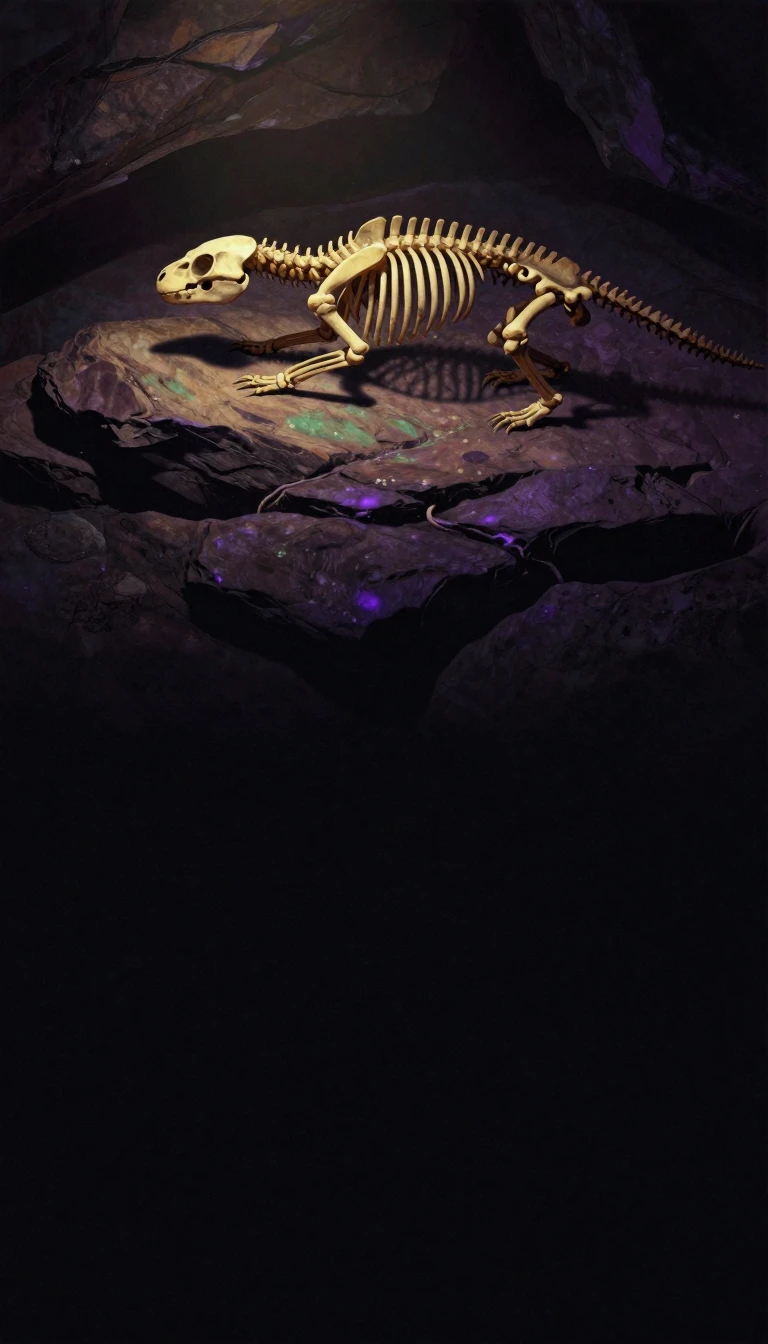 The sail-backed synapsid that predates dinosaurs by millionsDimetrodon prowled Permian landscapes 294 to 271 million years ago with a tall neural-spine sail and heterodont jaws. Popular culture treats it as a dinosaur, yet it vanished fort…
- Australia's dingo arrived by boat and still divides taxonomistsThe dingo is a medium Australian canine with a wedge-shaped skull and coat colors of ginger, black-and-tan, or creamy white. Its classification swings between domestic dog subspec…
 True crocodiles patrol tropics on four continents’ watersTrue crocodiles (family Crocodylidae) are large semiaquatic reptiles of tropical Africa, Asia, the Americas, and Australia. Looser speech sometimes folds all living Crocodylia—inc…