 Intellect Plus
Organisms
1,988 cards. Each one is a 40-second story with a five-minute read behind it. Page 10 of 34.
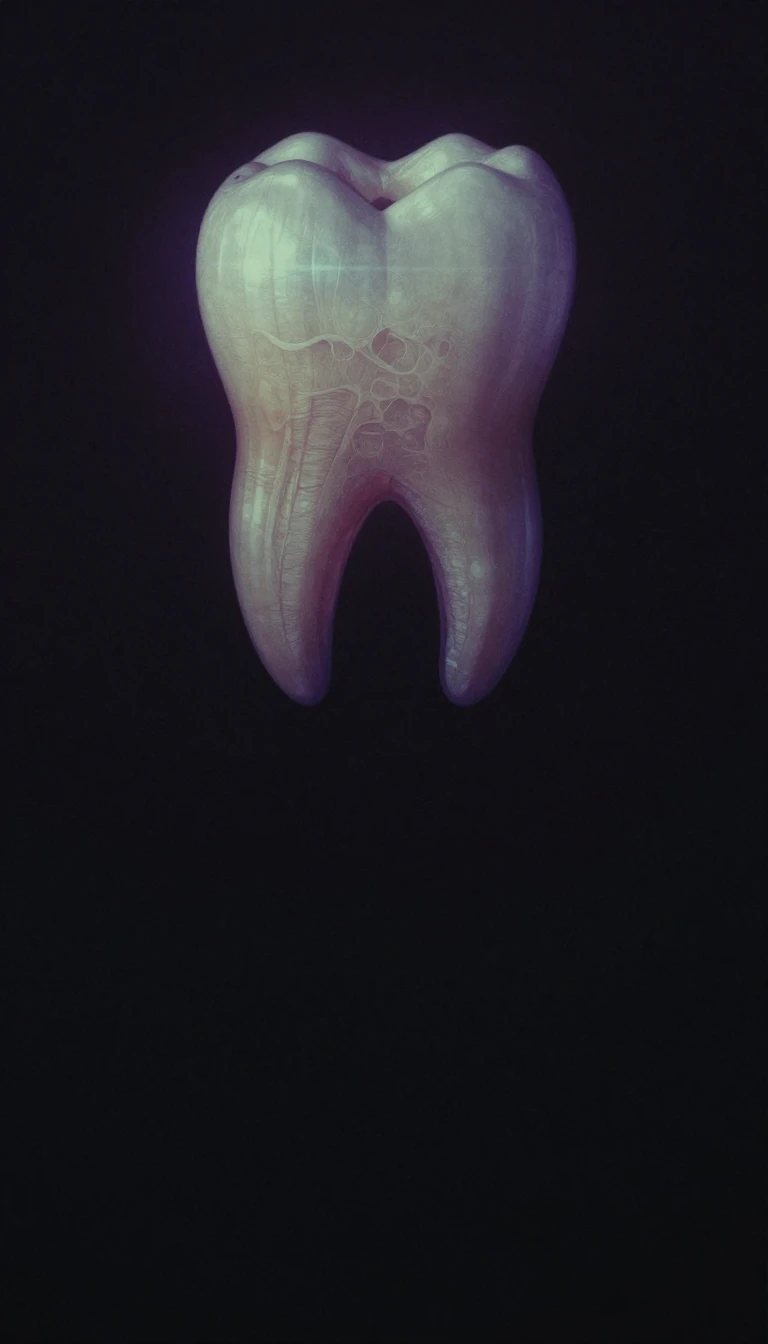 The humble lancelet is a living blueprint for the evolution of the vertebrate brain.Looking like a translucent, fish-like sliver, the lancelet hides a profound secret. Though it lacks a true brain, its genetic architecture mirrors the complex forebrain, midbrain,…
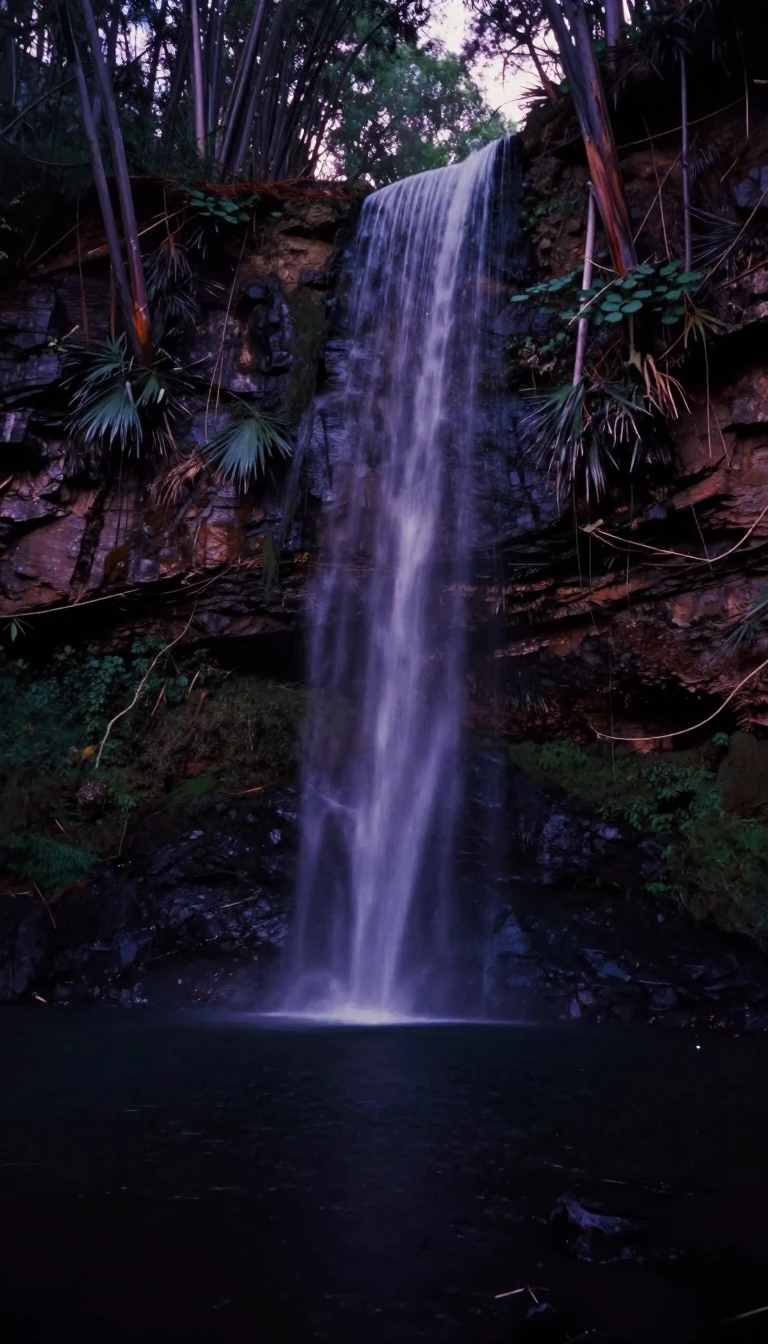 The Kimberley: An Ancient Australian Wilderness Three Times the Size of EnglandSpanning over 423,000 square kilometres, the Kimberley is a rugged, tropical landscape defined by extreme monsoonal weather and ancient geological history. From its massive tidal …
 The Kinkajou is a solitary, fruit-eating relative of the raccoon that lives in trees.Often mistaken for a monkey or a ferret, the kinkajou is actually a unique, arboreal member of the procyonid family. Native to the tropical forests of Central and South America, t…
 How a tiny antelope survives the African heat without drinking waterKirk's dik-dik is a master of arid survival, thriving in harsh African savannahs where water is scarce. By utilizing a specialized nasal cooling system and a highly selective diet…
 Why the Rebel Poet became the enduring voice of a nation's fight for freedom.Kazi Nazrul Islam, known as the Rebel Poet, transformed Bengali culture through his fierce anti-imperial activism and revolutionary compositions. From his early days in folk theat…
 Is Juno a goddess of marriage, a warrior, or the spirit of eternal youth?Juno is the complex protector of the Roman state, yet her true nature remains a subject of intense scholarly debate. Often simplified as a goddess of marriage, she embodies a vast…
 The chaotic, multi-year evolution of the script that brought Jurassic Park to lifeBefore Jurassic Park became a cinematic landmark, it underwent a turbulent development process. Multiple writers struggled to adapt Michael Crichton’s novel, with scripts shifting…
 How a 1969 British drama used a wild kestrel to critique a broken systemKen Loach’s Kes follows a neglected teenager who finds purpose by training a kestrel. Beyond a coming-of-age story, the film serves as a biting indictment of the British education…
 Joseph Chamberlain: The Radical Mayor Who Built Modern Birmingham and Split Two Political PartiesJoseph Chamberlain was a transformative force in British politics, evolving from a radical municipal reformer into an ardent imperialist. Known for his monocle and relentless ener…
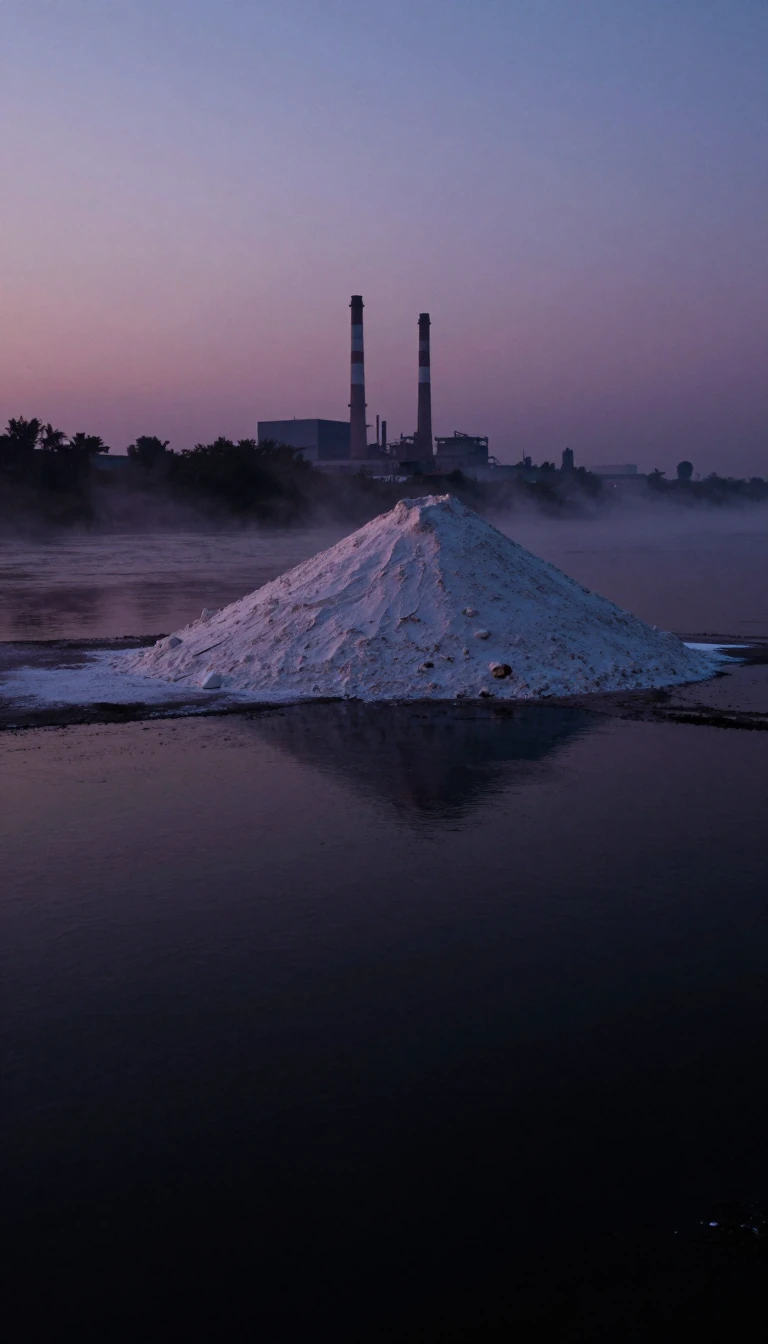 Beyond the gas station snack: the ancient science of preserving meat through dehydrationJerky is more than a modern convenience; it is an ancient survival technology. By stripping away moisture and adding salt, humans have turned perishable muscle into shelf-stable p…
 How a deadly summer in 1916 transformed sharks from harmless myths into man-eatersBefore 1916, many Americans and scientists believed sharks were essentially benign, incapable of harming humans. A terrifying two-week string of attacks along the New Jersey coast…
- A 63-day hunger strike that shook the British Raj and defined a martyr's legacy.Jatindra Nath Das was a 24-year-old revolutionary whose death in a Lahore jail became a turning point in India's independence movement. By refusing food for over two months to dem…
 The iris is more than just a color; it is a dynamic light aperture.Your iris acts as the eye's diaphragm, automatically adjusting to control how much light reaches your retina. While often admired for its unique, fingerprint-like patterns, this m…
 Could carrier pigeons actually outperform modern broadband internet connections for data transfer?While it began as an April Fools' Day joke in 1990, IP over Avian Carriers has evolved into a legitimate, if unconventional, method for moving large volumes of data. In several re…
 How the IUCN Red List tracks the silent disappearance of the world's speciesFounded in 1964, the IUCN Red List serves as the definitive global inventory of extinction risk. While it influences international policy and conservation efforts, the process of …
 The Japanese serow is a mountain-dwelling goat-antelope once hunted to the brink of extinction.Known as a living national treasure, the Japanese serow is a solitary, sure-footed bovid that has become a symbol of Japan. Once nearly wiped out by poaching, its recovery sparked…
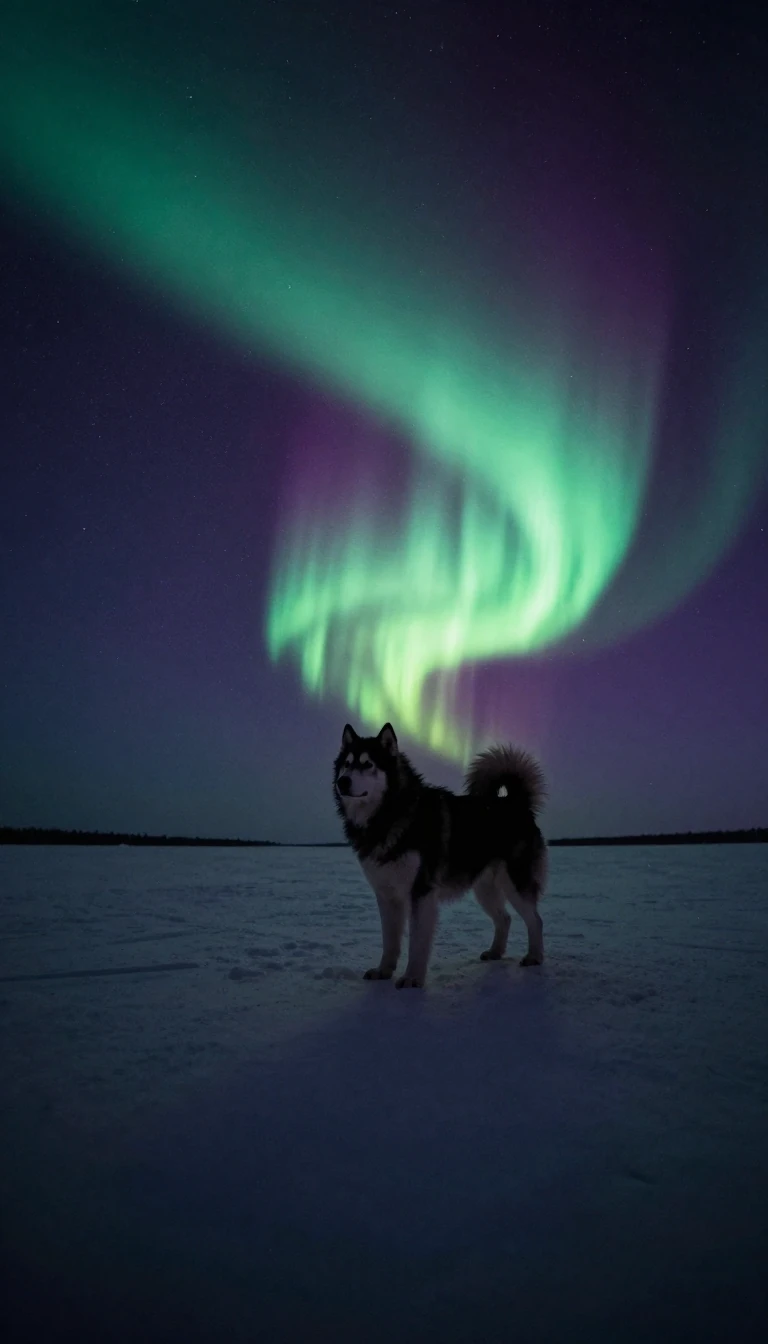 The Tanuki: A Japanese Canid That Is More Than Just a Folklore ShapeshifterThe Japanese raccoon dog, or tanuki, is a unique canid that blurs the line between biological reality and supernatural myth. While often mistaken for a raccoon in Western media, t…
 Could the ghost in your room actually be a low-frequency sound wave?Infrasound, a range of sound below the human threshold of 20 Hz, can bypass obstacles and penetrate solid matter. While we cannot consciously hear these waves, they may trigger ph…
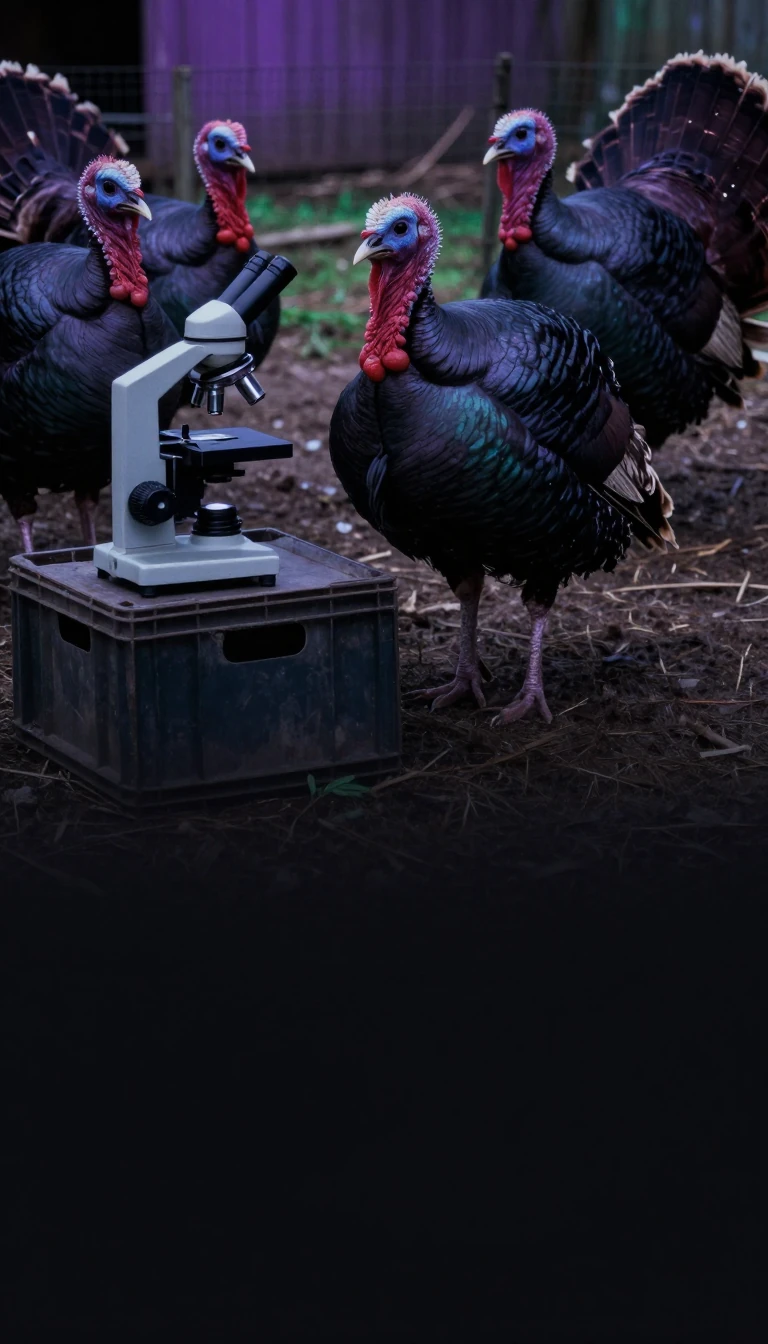 Modern agriculture relies on chemical warfare against insects, but at what ecological cost?Insecticides are essential tools for protecting crops and controlling disease, yet their history is a complex evolution of chemistry. From early stomach poisons to the systemic po…
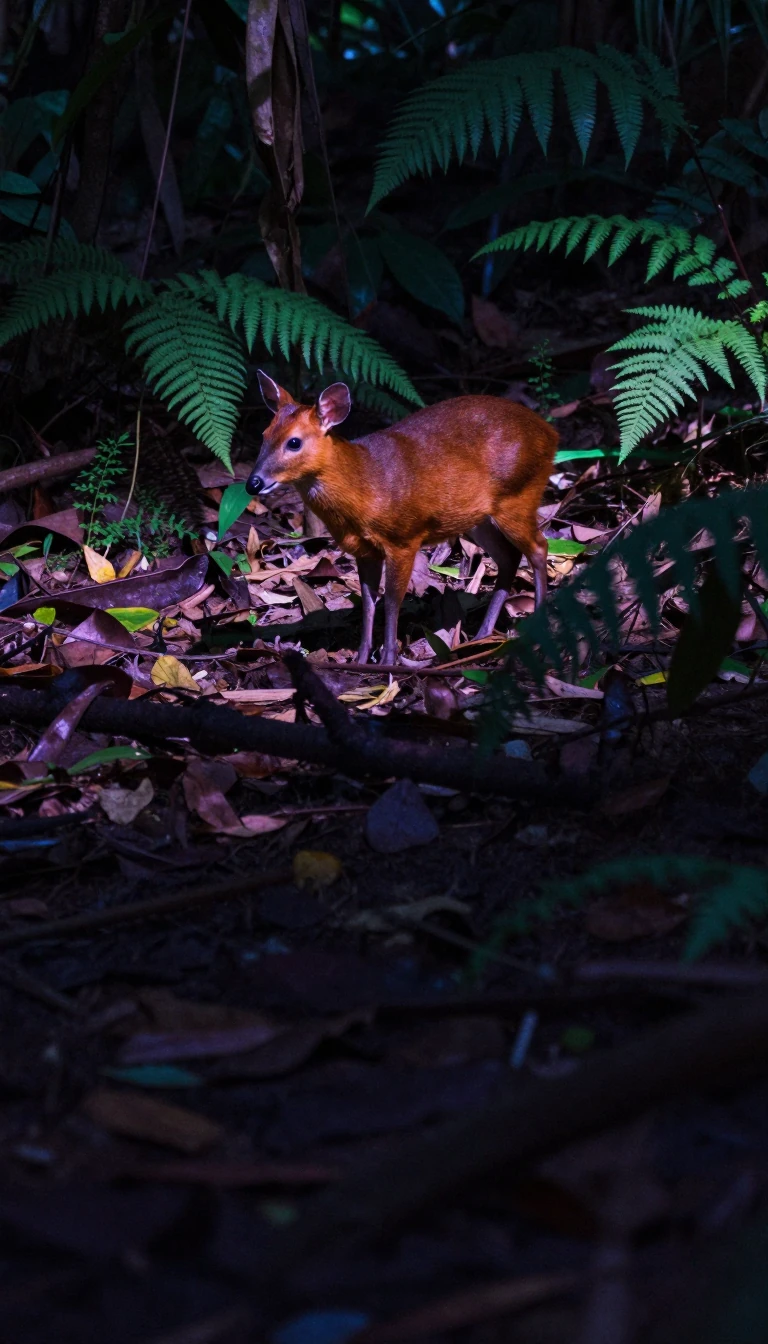 The white-tailed deer is the Americas' most widely distributed wild ungulateFrom the arid grasslands of Mexico to the tropical basins of the Amazon, this medium-sized herbivore has mastered nearly every ecosystem. Its success is so profound that it has be…
 The heavy-weight champion of North American flightWhile they may look clumsy, the wild turkey is one of the heaviest flying birds in the world. From their complex, color-changing heads to a unique evolutionary strategy of 'team-c…
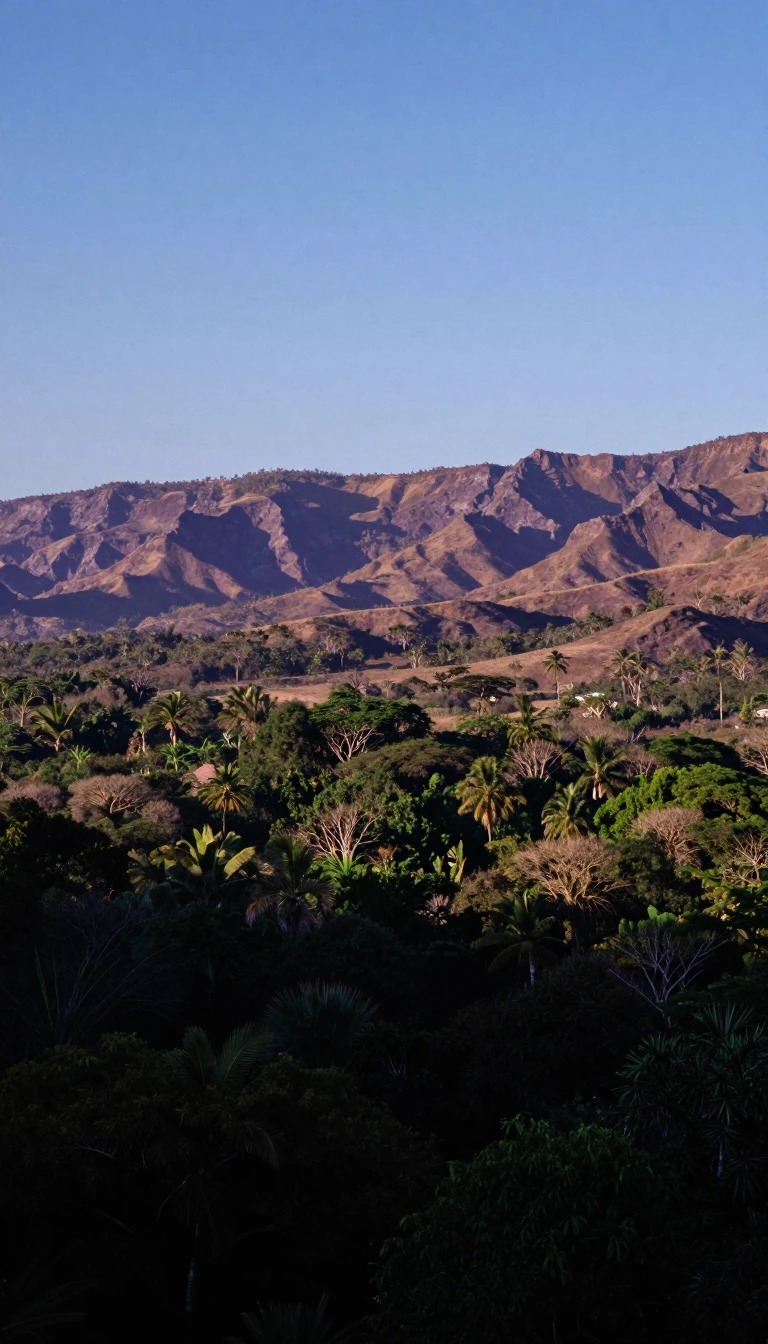 Zacatecas: A high-altitude Mexican state defined by silver, ancient history, and rugged terrain.Spanning over 75,000 square kilometers in north-central Mexico, Zacatecas is a land of extremes. From its arid, cactus-studded deserts to high-altitude forests, this state has sha…
 Beyond the Breakfast Plate: The Biological Powerhouse That Fuels Life Before It BeginsThe yolk is far more than a culinary staple; it is a sophisticated, nutrient-dense storage organ designed to sustain embryonic life. From its role in passive immunity to its compl…
 The resilient Zinnia: From Mexican scrubland to the International Space StationNamed for an 18th-century German scientist, the Zinnia is a sun-loving genus native to the Americas. These hardy annuals are prized for their vibrant, varied blooms and ability to…
 Most human infectious diseases originate in animals, but we are the ones driving the spillover.Zoonoses are infectious diseases that jump from animals to humans, accounting for roughly 60% of known human pathogens and up to 75% of emerging infections. While often blamed on …
 Zyklon B was a commercial pesticide before becoming a tool of industrial mass murder.Originally developed in the 1920s as a cyanide-based fumigant for ships and warehouses, Zyklon B was later repurposed by the Nazi regime. While its manufacturers marketed it as a …
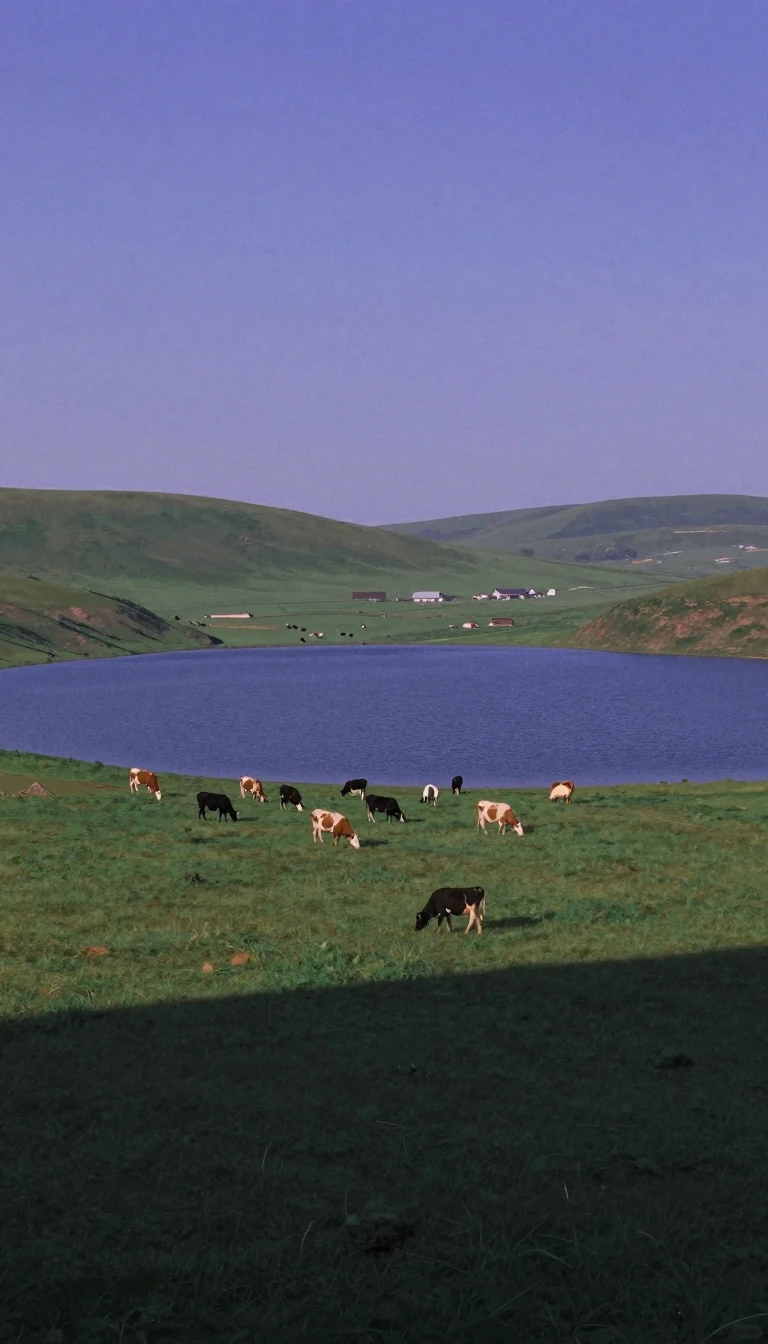 The wild water buffalo is the massive, endangered ancestor of our domestic herdsStanding up to 190 cm at the shoulder with horns spanning two meters, the wild water buffalo is a formidable bovine. Once widespread across Asia, this species is now critically th…
- The Wild Yak: A Himalayan Giant That Defies Domestic LifeThe wild yak is a massive, shaggy bovine that has roamed the high-altitude plateaus of the Himalayas for millennia. Despite their imposing size and strength, these creatures remai…
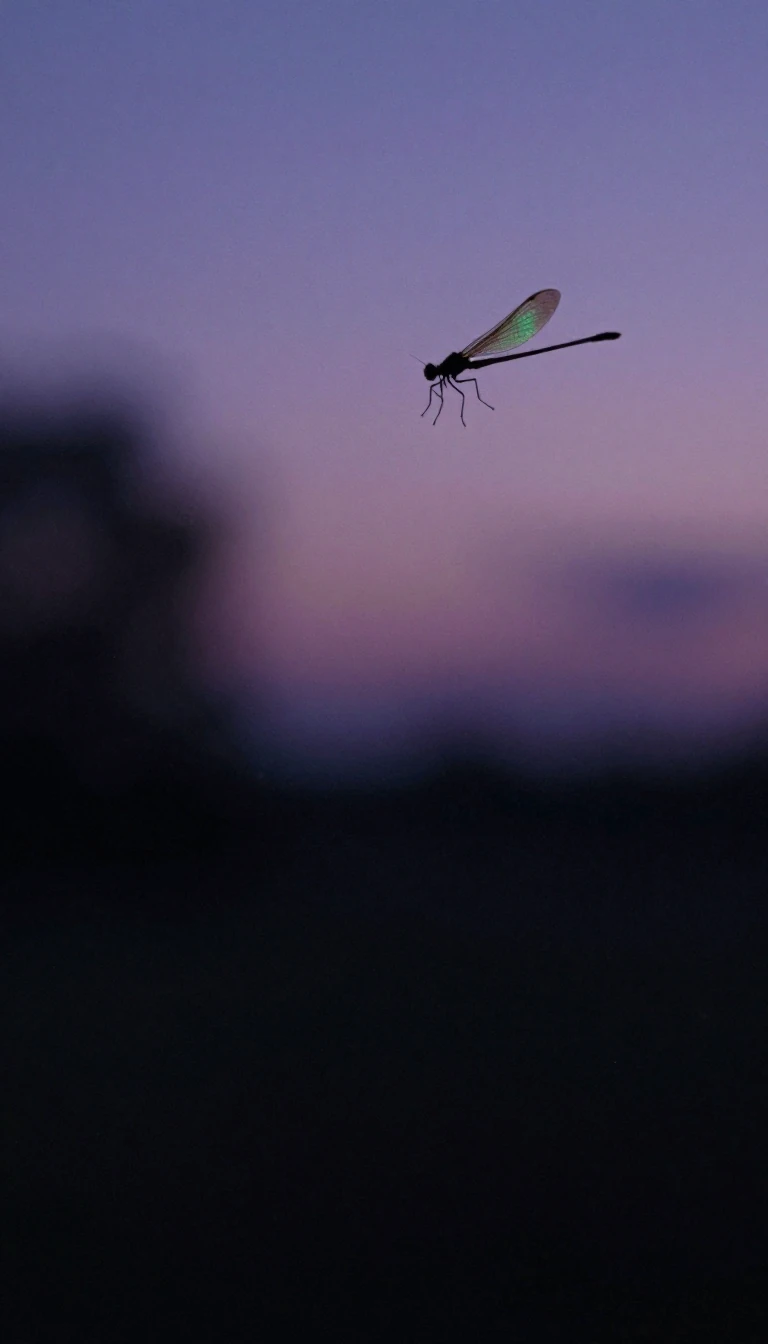 Why the wolf spider is the most devoted mother in the arachnid worldUnlike most spiders that abandon their eggs, the wolf spider carries her offspring everywhere. After they hatch, the spiderlings climb onto her back, where they remain for weeks. …
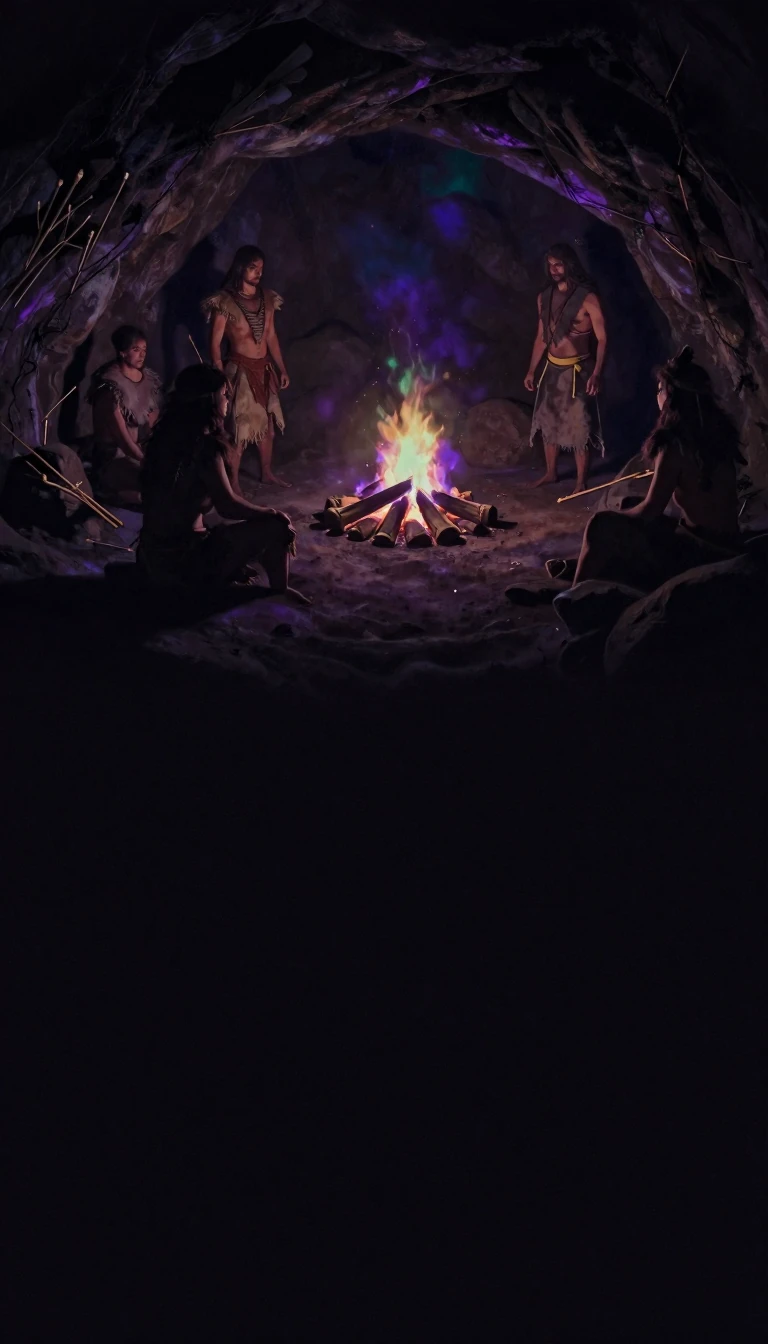 These simple marine worms might be the most ancient branch of bilateral animal life.Xenacoelomorpha are small, flat, worm-like creatures that challenge our understanding of animal evolution. Once mistaken for common flatworms, these marine organisms possess a sur…
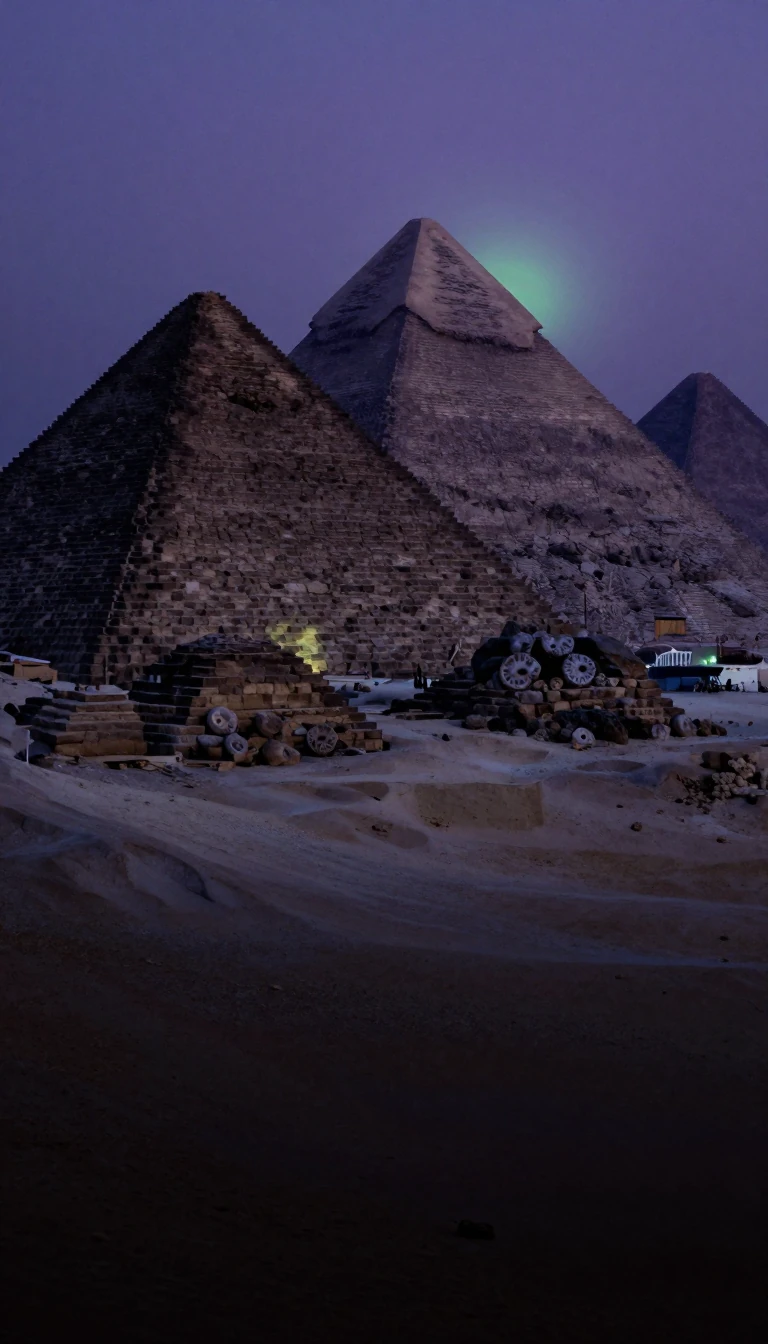 Why South America's strangest mammals have joints unlike any other creature on EarthThe superorder Xenarthra, including sloths, anteaters, and armadillos, is defined by unique vertebral joints called xenarthry. These ancient mammals evolved in isolation for milli…
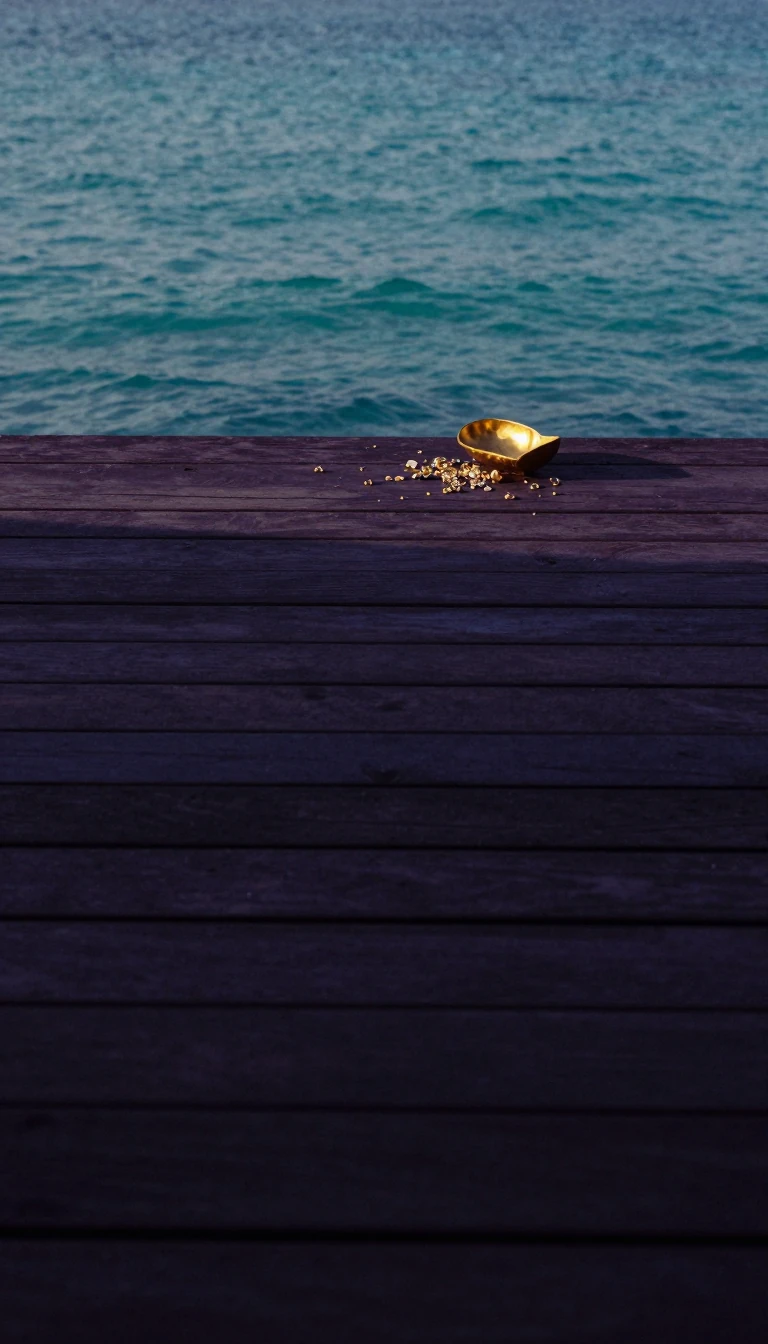 The yellowfin tuna is a high-speed predator that can dive over a kilometer deep.Known for its bright yellow fins and sickle-like appendages, the yellowfin tuna is a master of the open ocean. Capable of swimming at speeds up to 47 mph, this species balances a …
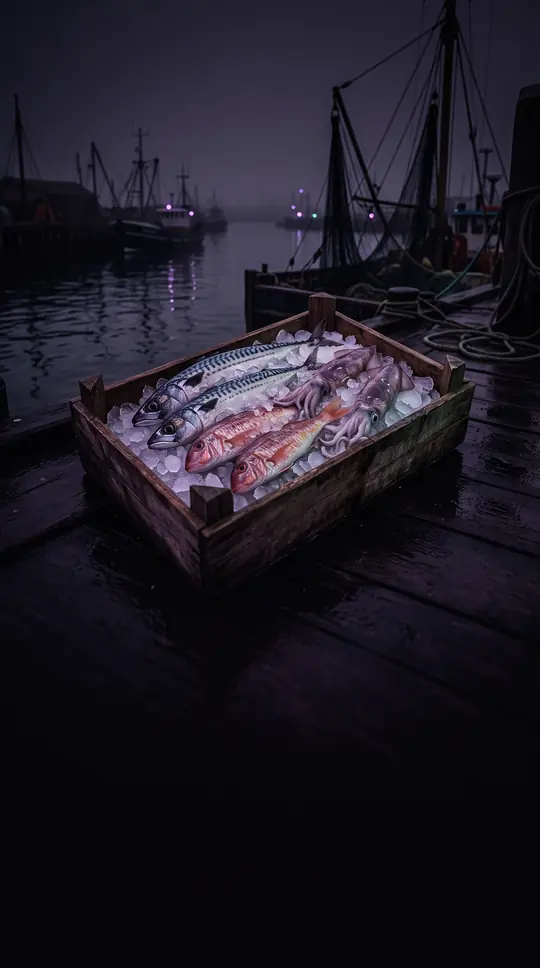 Whitebait is not a single species, but a culinary term for immature fish fry.Across the globe, whitebait refers to the tiny, tender fry of various fish species. While often treated as a delicacy, this collective label masks a complex ecological reality. Fr…
- The wild Bactrian camel is a distinct species that survived nuclear testing in China.Often mistaken for a feral descendant of domestic camels, the wild Bactrian camel is a unique species that diverged over 700,000 years ago. These resilient desert dwellers can dri…
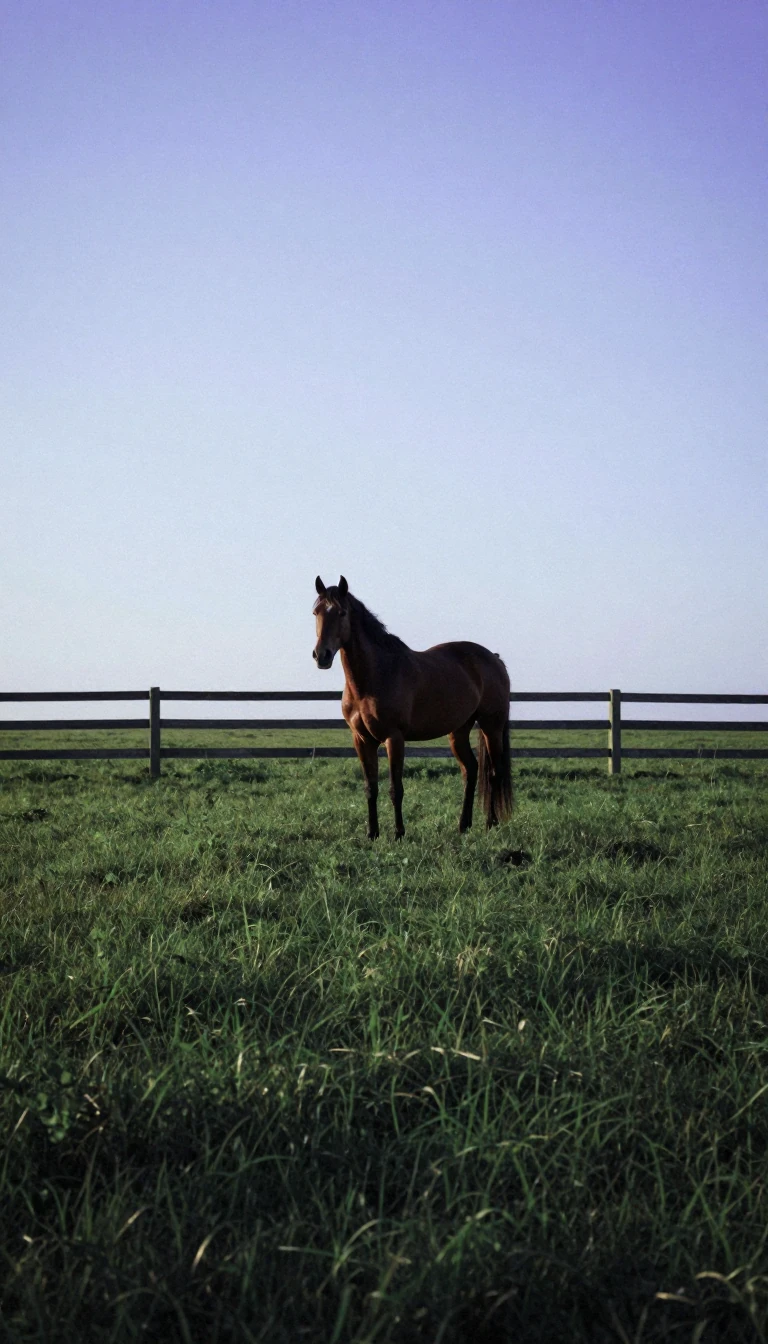 Are the horses roaming the American West actually wild, or just feral runaways?Most horses we call wild are actually feral, meaning they are descendants of domesticated animals that escaped. True wild horses, which never underwent domestication, are vanishin…
 The wildcat is not just a single animal but a complex evolutionary lineage.While we often think of cats as domestic companions, the wildcat is a diverse species complex split into European and African lineages. These solitary predators have roamed forest…
 A bedtime story for two young girls became a masterpiece of epic rabbit literature.Richard Adams improvised this tale during long car trips to entertain his daughters, Juliet and Rosamond. What began as an off-the-cuff narrative about a group of rabbits seeking …
 The vomeronasal organ is a hidden sensory system that detects pheromones and chemical signals.Beyond our standard sense of smell lies a specialized, tubular structure called the vomeronasal organ. Found in many tetrapods, this auxiliary system bypasses the main olfactory b…
 What exactly is a wallaby? The answer is more flexible than you might think.Wallaby is not a precise scientific classification but an informal label for macropods smaller than kangaroos or wallaroos. These marsupials have successfully colonized diverse en…
- The vampire deer: a tusked, antlerless anomaly that defies traditional deer biologyThe water deer is a biological outlier, sporting long, downward-pointing tusks instead of antlers. Despite its superficial resemblance to musk deer, this solitary creature is a tr…
 Australia's largest bird of prey is a resilient generalist with a unique wedge-shaped tail.The wedge-tailed eagle is a master of the Australian skies, thriving in environments from arid deserts to dense tropical rainforests. Despite historical persecution, this powerful…
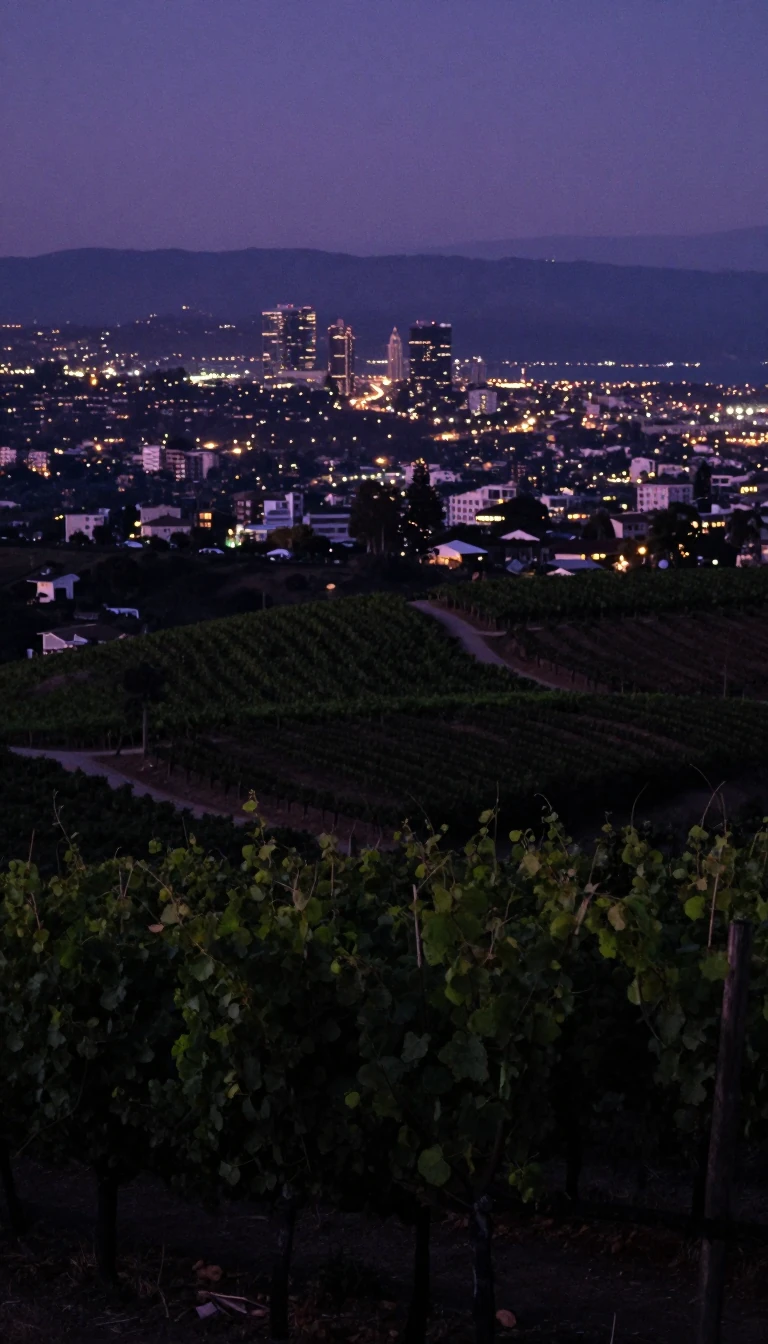 Is the West Coast defined by geography, politics, or the Pacific Ocean itself?The West Coast is more than a map line. While it always includes California, Oregon, and Washington, definitions shift from bureaucratic inclusion of Alaska and Hawaii to a politi…
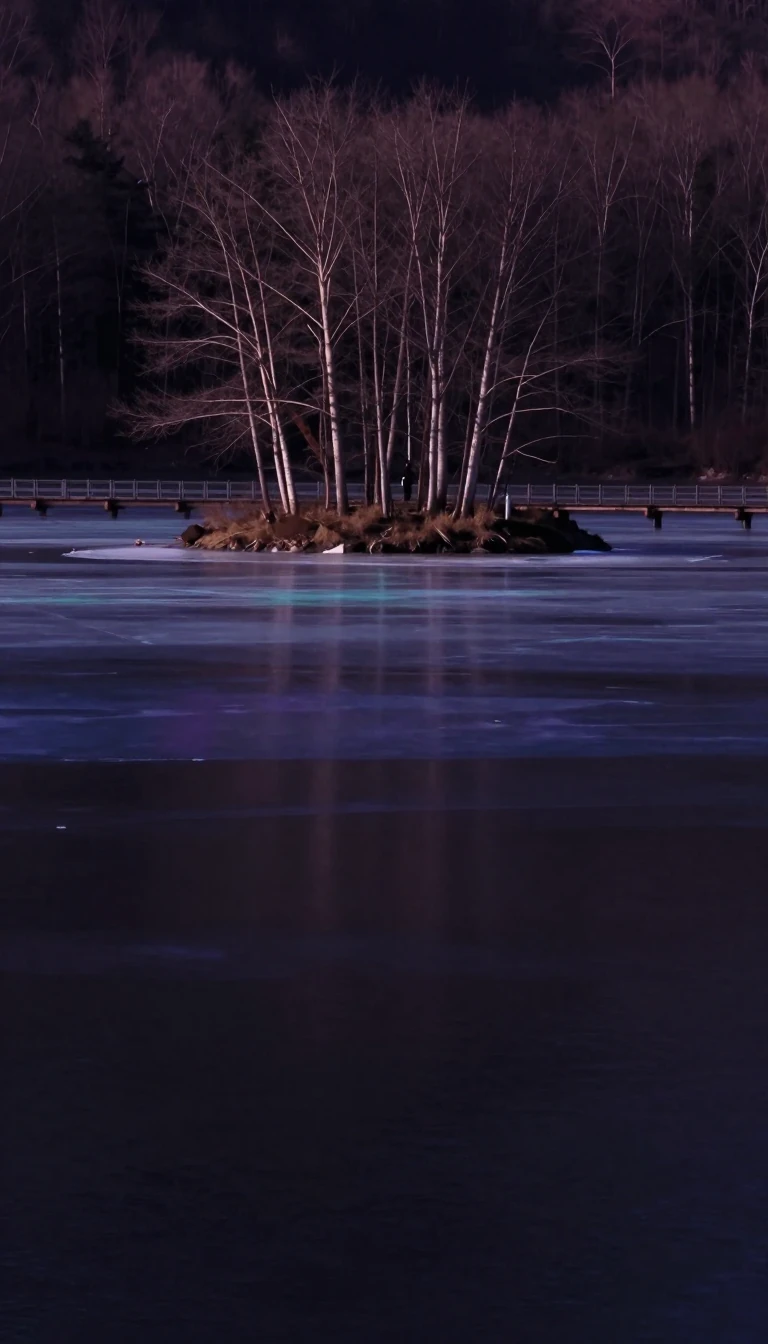 The wood grouse is a heavy, ground-dwelling giant of the ancient European forestsThe western capercaillie is the largest grouse on Earth, a bird so distinct that males weigh twice as much as females. Renowned for their thunderous take-offs and elaborate courts…
 Why the West Nile virus remains a persistent threat to humans and horses alikeFirst identified in Uganda in 1937, the West Nile virus has evolved into a global concern. While birds serve as its primary reservoir, the virus frequently spills over into humans…
 Why humans and guinea pigs share a strange biological vulnerability to scurvyMost animals synthesize their own vitamin C, but humans, higher primates, and guinea pigs cannot. A genetic mutation rendered the necessary enzyme dysfunctional in our ancestors, …
 Vitamin D is not actually a vitamin, but a powerful secosteroid hormone precursor.Often called a vitamin, this compound is actually a hormone precursor synthesized in your skin via sunlight. While essential for calcium absorption and bone health, its role in pr…
 The Virginia opossum is a resilient, ancient marsupial thriving in the modern American landscape.As the only marsupial native to North America, the Virginia opossum is a biological outlier. Often dismissed as a scavenger, this cat-sized creature is a master of survival, boast…
 In the psychological thriller Vivarium, a trapped couple is forced to raise a mysterious child.Directed by Lorcan Finnegan, the 2019 film Vivarium explores a nightmarish suburban trap. When Gemma and Tom visit a housing development called Yonder, they become inexplicably st…
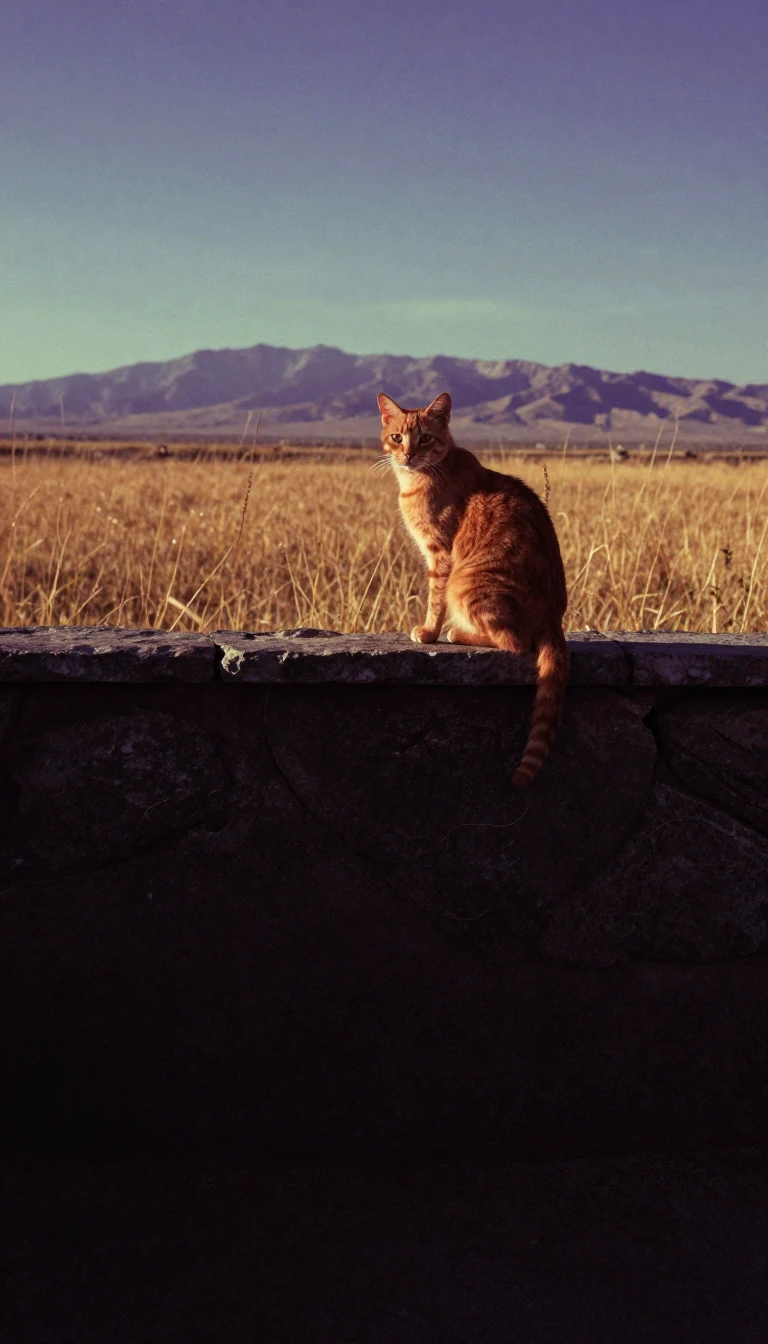 Why these primitive, cat-like mammals are the evolutionary ancestors of the modern feline familyViverrids are the most primitive members of the feliform carnivores, yet they remain widely misunderstood. Comprising 33 species across Africa, Europe, and Asia, these small to me…
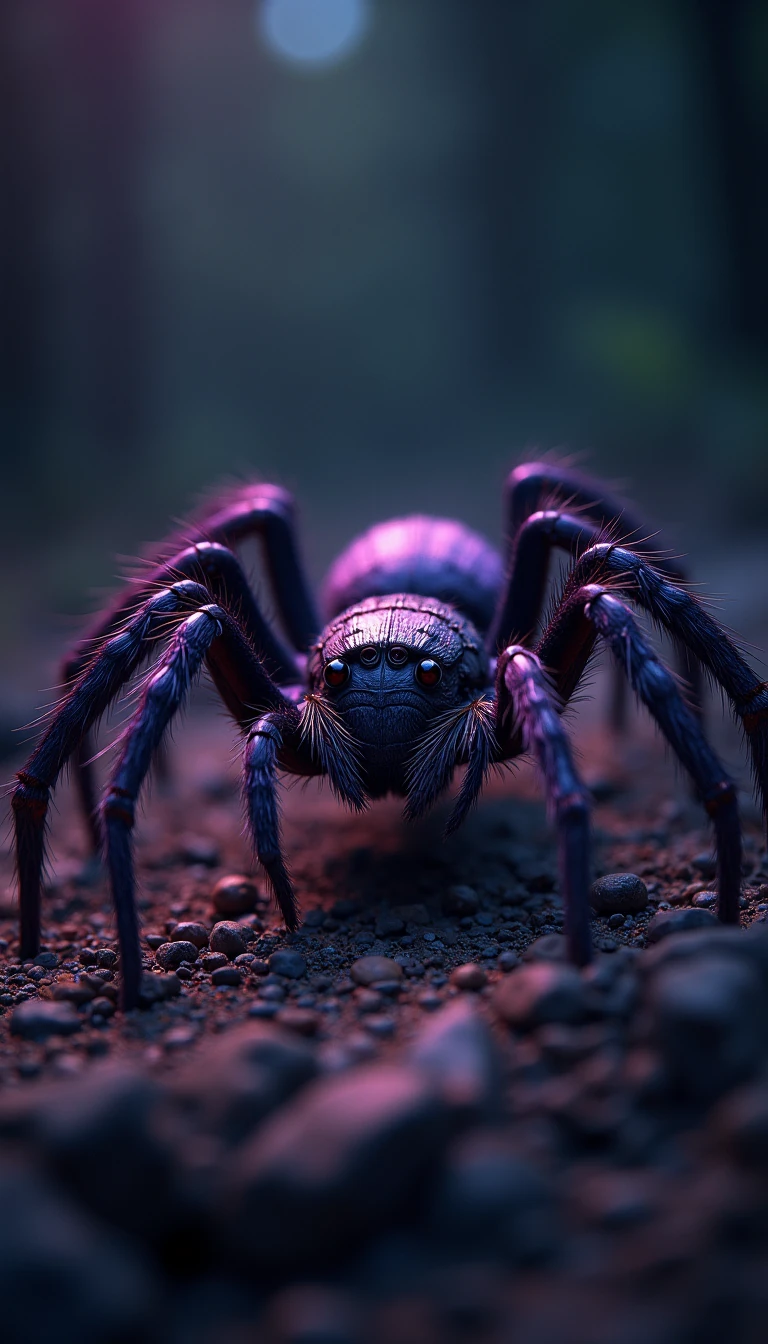 Why these arachnids spray vinegar and carry their young on their backsWhip scorpions, or vinegaroons, are formidable arachnids that defend themselves by spraying a pungent, vinegar-scented acid. Despite their intimidating appearance and scorpion-lik…
 The world's smallest porpoise is fighting extinction in a tiny corner of MexicoThe vaquita, a shy porpoise found only in the northern Gulf of California, is the most endangered marine mammal on Earth. With fewer than ten individuals estimated to remain in th…
 Why the production of veal has become one of the most controversial agricultural practices.Veal is the meat of young calves, often surplus males from the dairy industry. While prized in Mediterranean cuisine, the industry faces intense scrutiny over historical confineme…
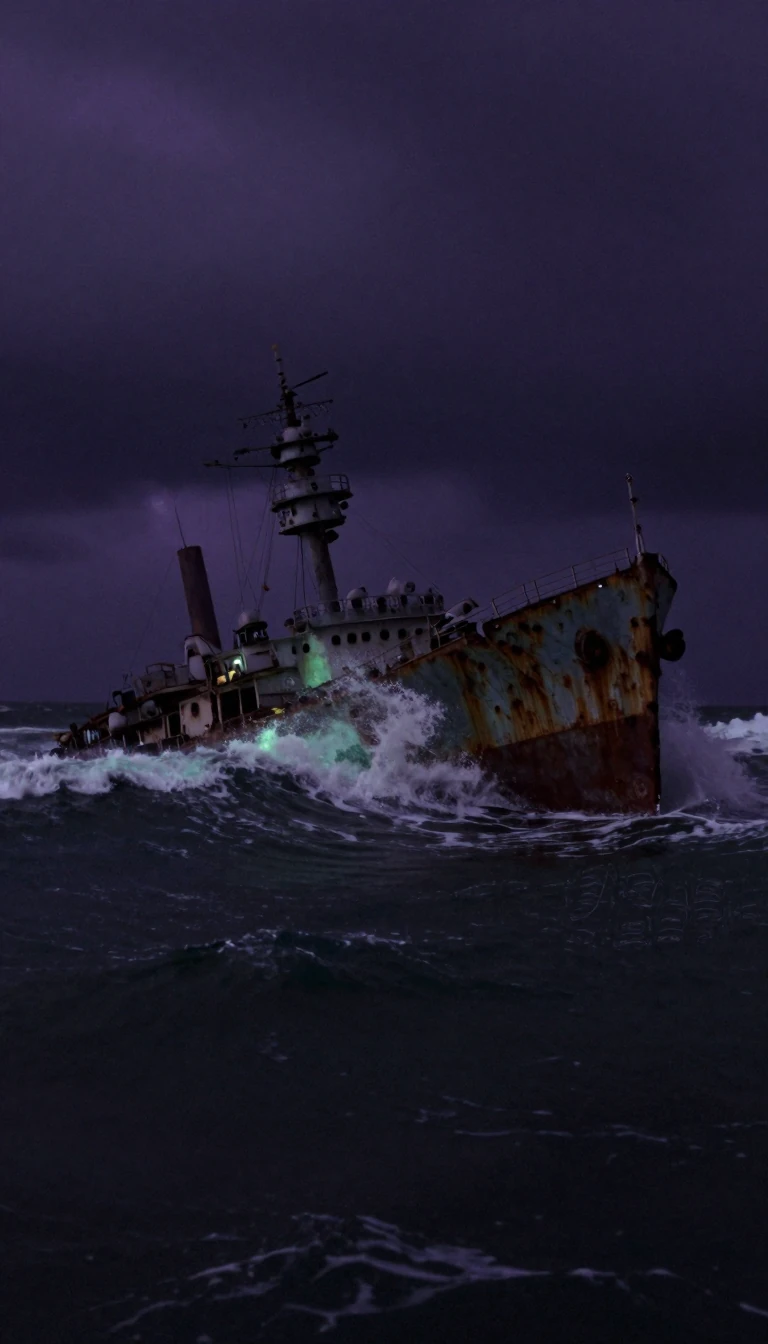 The USS Wasp was a flawed carrier built to exploit a treaty loophole.Commissioned in 1940, the USS Wasp was a unique aircraft carrier designed to squeeze maximum air power into a restricted tonnage limit. This engineering compromise resulted in a v…
 The parasitic mite that threatens honey bee colonies worldwide with rapid, lethal population growth.Varroa destructor is a tiny, button-shaped mite that feeds on the fat bodies of honey bees, weakening them and spreading debilitating viruses. Without active management, these par…
 Vipers use a sophisticated rotating mechanism to house long, lethal fangs in small mouths.Vipers are masters of precision, employing hinged fangs that fold away when not in use. These venomous snakes do not just bite; they calculate, often choosing to deliver dry strik…
- How a 1997 Legislative Compact Transformed a Land-Grant University into a Research PowerhouseFounded in 1865 as an agricultural college, the University of Kentucky underwent a radical shift in 1997. Tasked by the state legislature to reach top-tier research status by 2020…
- These marine invertebrates are our closest invertebrate relatives and build houses from cellulose.Tunicates are strange, sac-like marine animals that start life as tadpole-like larvae with notochords, linking them to vertebrates. While many spend their adult lives anchored to …
 Are whales actually ungulates? The surprising truth about hooves and evolutionary history.Ungulates are defined as hoofed mammals, yet the group includes whales and dolphins, which lack hooves entirely. This paradox highlights the shift from traditional classification …
 From a small seed collection to a massive cabinet-level department, how the USDA evolved.Originally established to distribute seeds and collect statistics, the United States Department of Agriculture has transformed into a sprawling federal entity. Today, it manages e…
 Why your body treasures a waste product that causes painful, crystalline joint inflammationUric acid is often dismissed as a metabolic byproduct linked to gout, yet it serves as a critical antioxidant in human blood. While most mammals convert this compound into allanto…