 Intellect Plus
Organisms
1,988 cards. Each one is a 40-second story with a five-minute read behind it. Page 30 of 34.
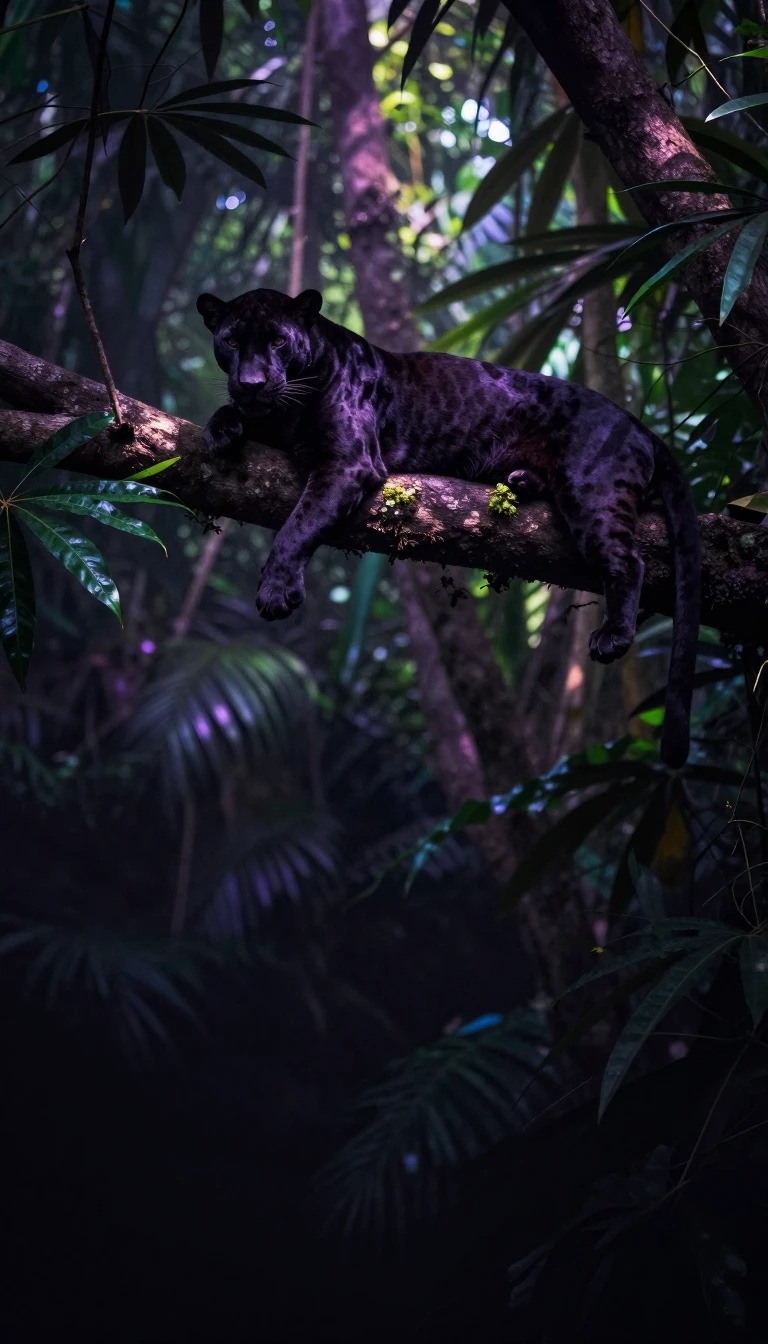 Leopards began in Africa then claimed Eurasia’s forestsPanthera pardus is one of five living big cats in its genus, with golden coats broken into dark rosettes. Males often weigh thirty to seventy-two kilograms; females run lighter. E…
 Scale-winged insects outnumber almost every other orderButterflies and moths form Lepidoptera—about one hundred eighty thousand named species, roughly eight point six percent of all described life, second only to beetles among insects…
 Lichens invented the word symbiosis as living partnershipsA lichen is not a plant but a hybrid colony: algal or cyanobacterial partners woven among fungal filaments, often with bacteria in the outer skin. Roughly twenty thousand species …
- Lions are social cats whose range once spanned three continentsPanthera leo now survives mainly in sub-Saharan Africa plus one western Indian pocket. Males carry the famous mane; females lead cooperative hunts inside prides of related lioness…
 Not all kingfishers fish—and blue is a trick of lightKingfishers (Alcedinidae) are 118 brightly coloured Coraciiformes in three subfamilies and nineteen genera, cosmopolitan yet strongest in tropical Africa, Asia, and Oceania. Large…
 New World blackbirds that pry food with powered billsIcterids—the New World blackbird family Icteridae—pack 108 species into 30 genera of often vivid passerines. Most wear black brightened by yellow, orange, or red. Their Greek-via-…
 The thumb spike that was once a nose hornIguanodon—"iguana-tooth"—was named in 1825 by Gideon Mantell and became the second dinosaur formally named from fossils, after Megalosaurus. Today's genus centres on I. bernissart…
 Bangladesh's national fish that runs up monsoon riversTenualosa ilisha—ilish, hilsa, or hilsa shad—is a herring-family migrant prized across Bengal and named Bangladesh's national fish as well as West Bengal's state fish. As of 2023 …
 Antelope that leaps ten metres and combs its own ticksThe impala (Aepyceros melampus)—Afrikaans rooibok, "black-footed high-horn" in Greek—is eastern and southern Africa's sole living Aepyceros. Shoulder height runs about seventy to …
- More than half of all known animal species wear exoskeletonsInsects—Latin insectum, cut into three parts—are arthropods with a head, thorax, abdomen, six legs, compound eyes, and antennae. Over a million species are described, more than ha…
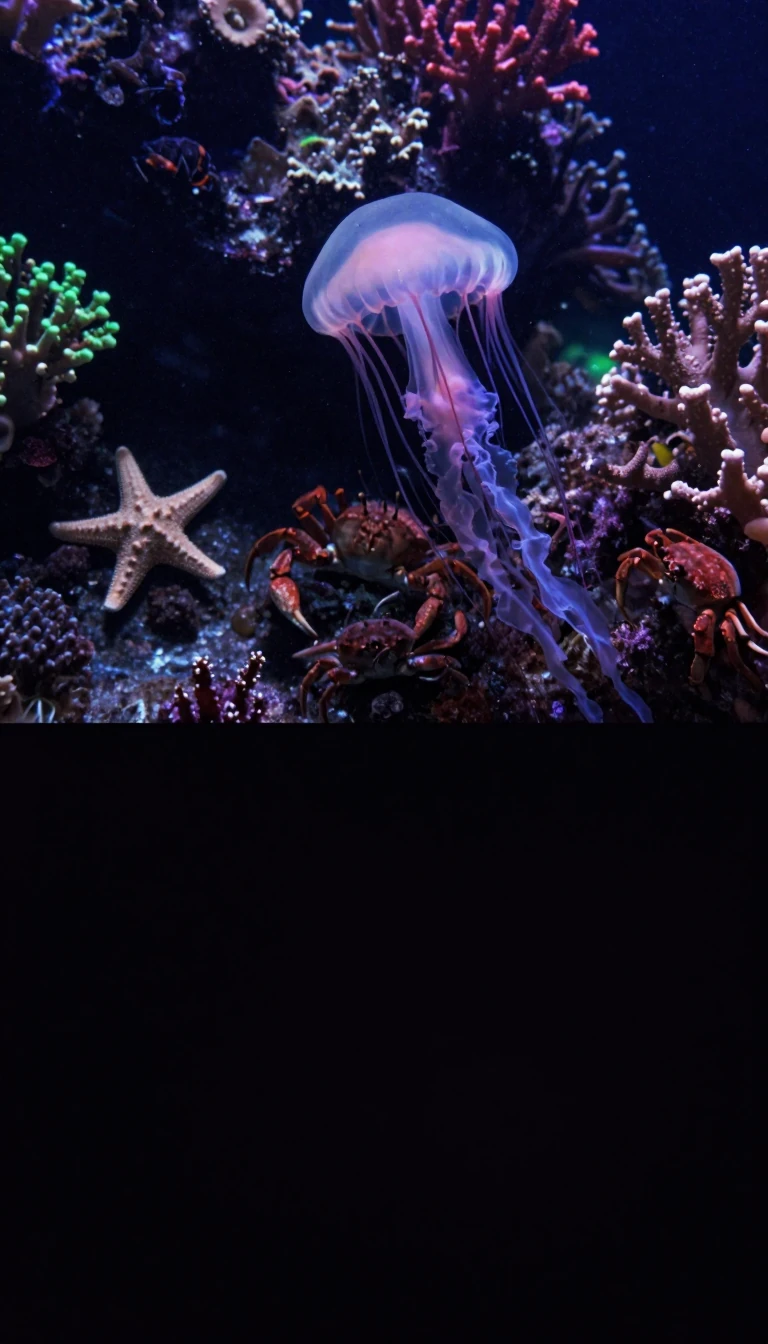 Ninety-seven percent of animals have no backbone"Invertebrate" is a convenience label, not a true taxon: animals that never form a vertebral column. One estimate puts them at about ninety-seven percent of animal species, spanni…
 Three "jackals" that are not one family treeToday "jackal" usually means three African and Eurasian canids: black-backed and side-striped jackals (genus Lupulella) plus the golden jackal (Canis aureus). The African golden w…
 America's big cat that kills through the skullThe jaguar (Panthera onca) is the Americas' only living Panthera and the hemisphere's largest cat—third worldwide after tiger and lion. Body length reaches about 1.85 metres and m…
 Half-billion-year hunters that are mostly water and stingJellyfish are the free-swimming medusa stage of many Medusozoa within Cnidaria—gelatinous bells of mesoglea trailing stinging tentacles. They pulse for propulsion, capture prey wi…
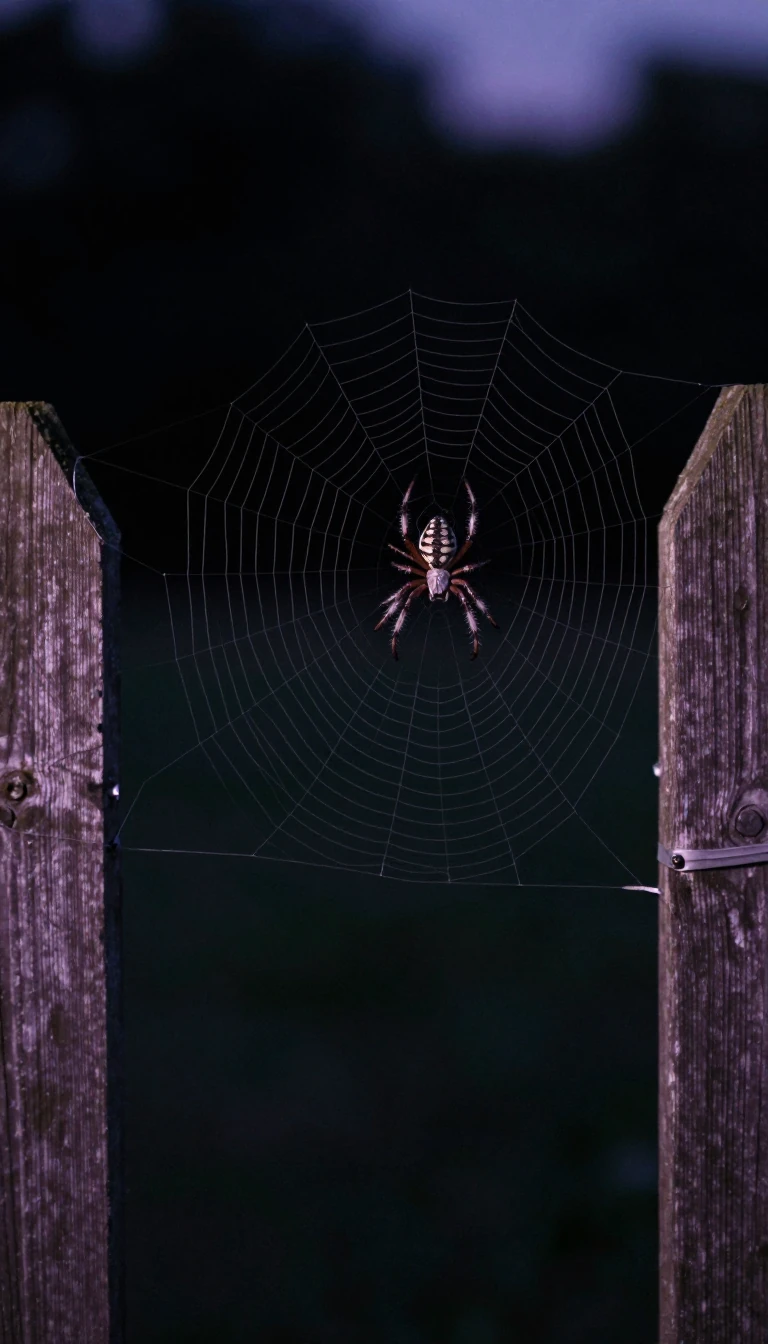 Spiders that see in colour and jump like telescopesJumping spiders (Salticidae) form the largest spider family—nearly 700 genera and about 7,000 species, roughly thirteen percent of all spiders. Their forward-facing principal eyes…
 Hoppers whose name never meant "I don't know"Kangaroos are the big macropods—red, antilopine, eastern grey, and western grey—native to Australia and New Guinea. Large males can stand about two metres and weigh ninety kilogra…
- Haploid sons help explain why sisters build empiresHymenoptera—the sawflies, wasps, bees, and ants—counts over 150,000 living species and more than two thousand extinct ones. Many are parasites; females often wield an ovipositor t…
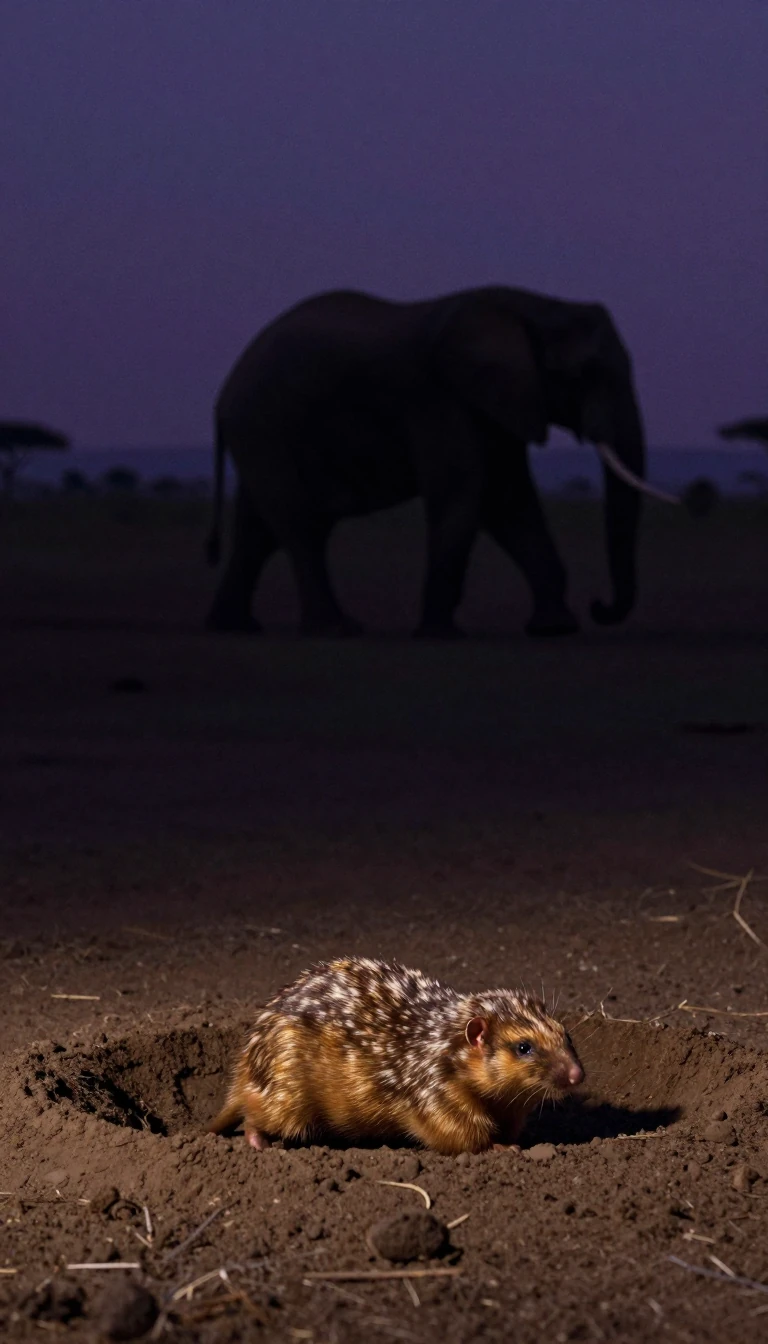 Elephant cousins the size of a stout marmotHyraxes—dassies of family Procaviidae—are thickset African herbivores thirty to seventy centimetres long and two to five kilograms. They look like overgrown pikas, yet their close…
 Sacred mud-probers that are not one tidy family treeIbises are long-legged waders of Threskiornithidae with downcurved bills, usually probing wet mud in groups for crustaceans. They nest territorially, often in trees beside spoonbi…
 True hornets are giant social wasps—not bald-faced lookalikesHornets are Vespa wasps, the largest eusocial vespines—European workers to about 35 mm, Asian giants past 50 mm. Twenty-two species exist, mostly Asian tropics; North America’s “b…
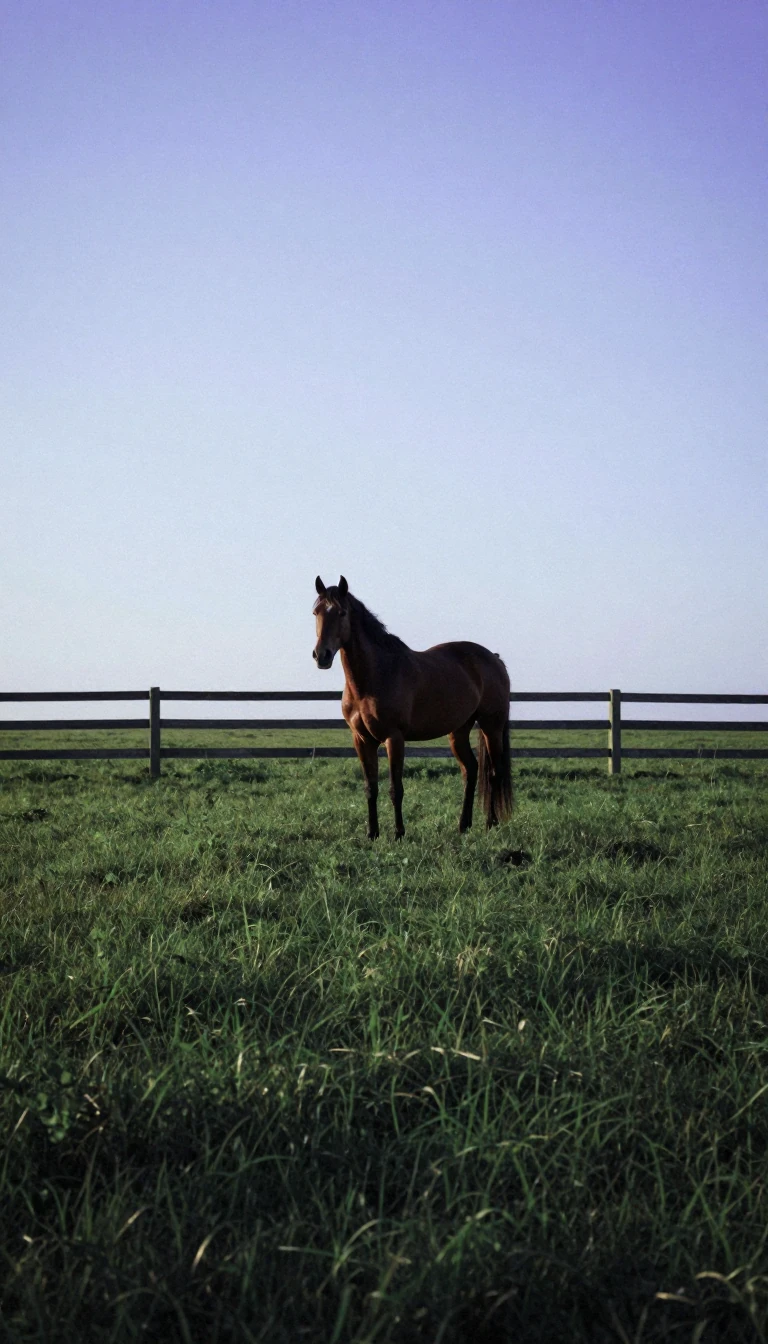 Modern horses left the Volga-Don, not Botai campsHorses evolved in North America over 45–55 million years from tiny multi-toed Eohippus to today’s one-toed runners. Domestication was once tied to Botai culture around 4000 BCE, y…
 The house sparrow is the world’s most widespread wild birdPasser domesticus—about 16 cm and 24–40 grams—followed humans from Europe, the Mediterranean, and Asia into Australasia, Africa, and the Americas. Intentional and accidental intro…
 Houseflies see your swat in slow motionMusca domestica processes visual flicker about seven times faster than humans, so a descending hand looks sluggish. Born likely in the Middle East, this gray four-striped commensa…
- Bee-sized dynamos that hover at nearly a hundred wingbeatsHummingbirds are American nectar specialists in the family Trochilidae—about 375 species from Alaska to Tierra del Fuego. Their wings can beat roughly twelve times a second in gia…
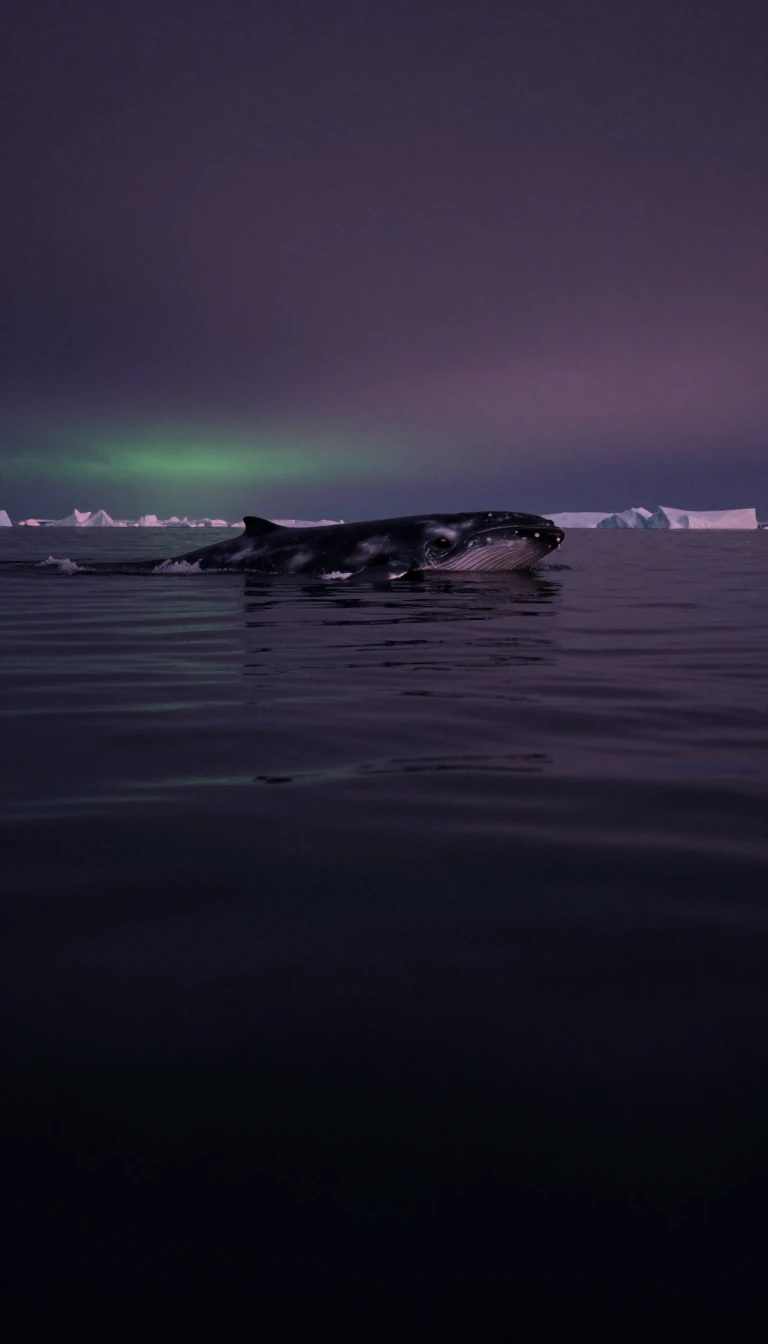 Bubble-net hunters that sang their way back from five thousandHumpback whales (Megaptera novaeangliae) are the sole species in genus Megaptera—rorquals fourteen to seventeen metres long and up to forty metric tons. They breach, slap, and mig…
- Only four species left from a once dog-like dynastyHyenas form the tiny family Hyaenidae—just four living species, each in its own genus—yet they shape many African ecosystems. Phylogenetically closer to cats and viverrids, they h…
 Tree frogs that often never climb a tree at allHylidae are widely called tree frogs and their allies, yet many species live on the ground or in water rather than in canopy. Forward-facing eyes and sticky toe pads suit climbing…
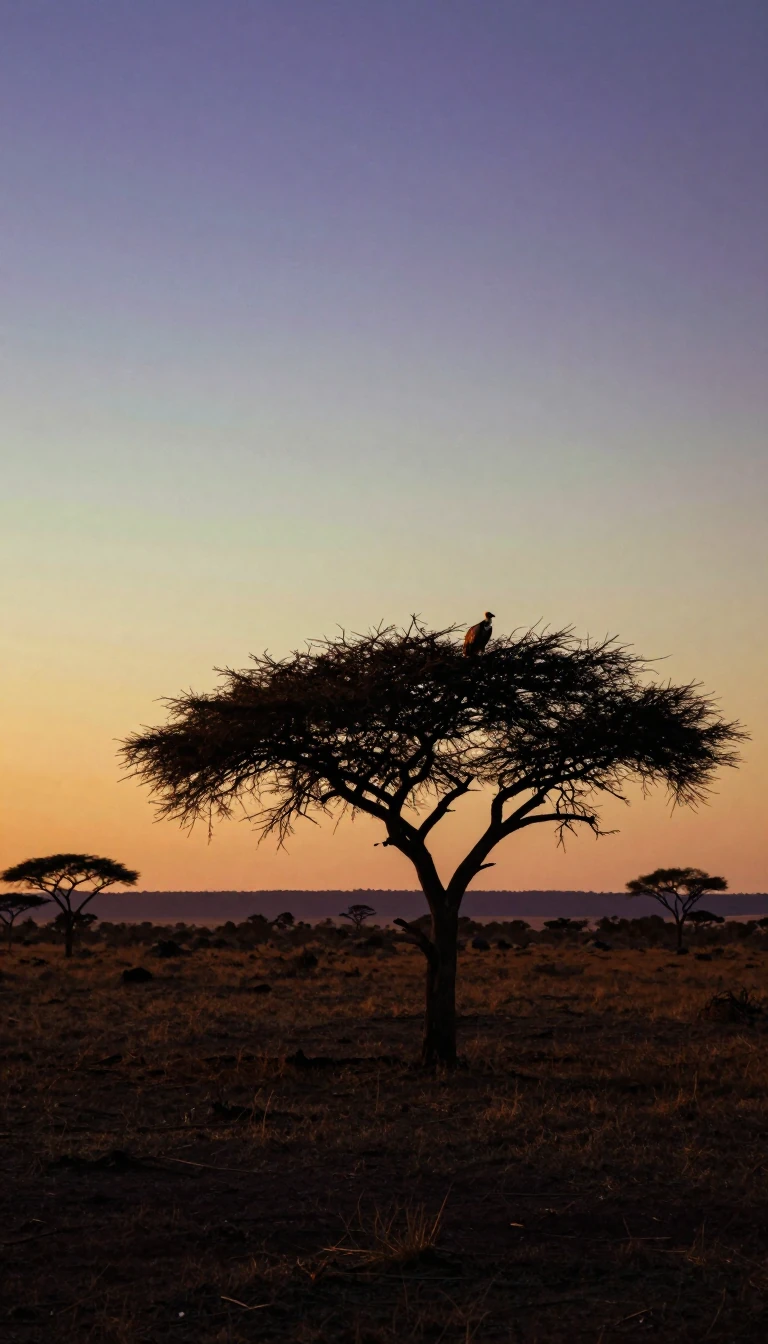 This Amazon bird digests leaves like a cowThe hoatzin of South America's Amazon and Orinoco swamps ferments foliage in an oversized crop, earning the nickname stinkbird. Chicks scramble on clawed wings, and Guyana claims …
- Africa's toughest mustelid wears armour of loose skinThe honey badger, or ratel, ranges from sub-Saharan Africa through Arabia to India as the only living Mellivorinae. Loose hide lets it twist inside its own skin, neck skin reaches…
- Australasia's nectar birds are not sunbirdsMeliphagidae packs about 195 species in 51 genera across Australia, New Guinea, Wallacea, and Pacific islands east to Samoa and Tonga. They look like Old World sunbirds yet evolve…
- Some honeyguides lead people to wild beehivesIndicatoridae holds sixteen Old World piciform species, most in Africa and two in Asia. One or two deliberately guide humans to bee colonies, then feast on larvae and wax left beh…
 Hoopoes raise a crown and weaponise nest stenchAcross Africa, Asia, and Europe, hoopoes flash a raisable feather crown and probe soil for insects. Two living species and one extinct Saint Helena form are recognised; Linnaeus n…
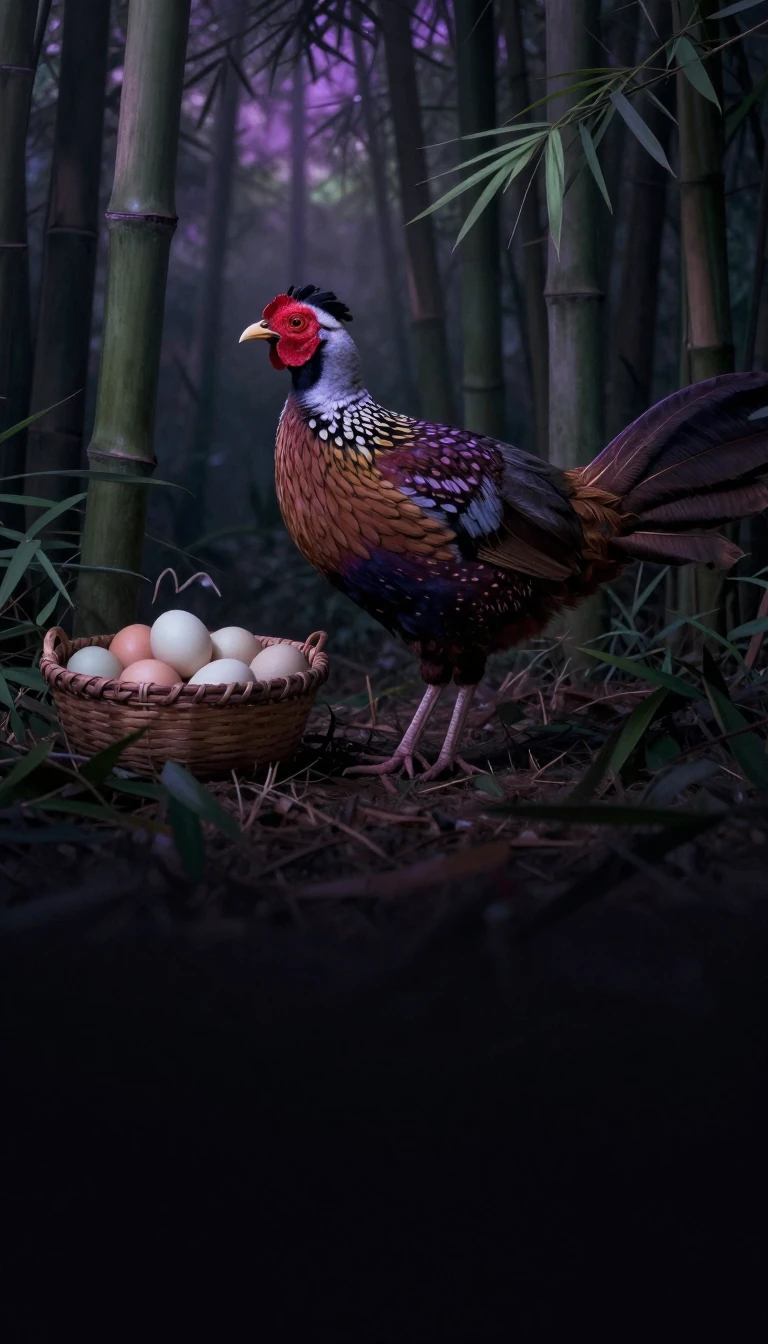 Hornbill mothers wall themselves into nest holesTropical Africa, Asia, and Melanesia host about sixty-two living Bucerotidae species defined by massive down-curved bills, often topped by a hollow casque. Breeding females of mos…
 Horned lizards can squirt blood from their eyesPhrynosoma—horned lizards, horny toads, or horntoads—are flat-bodied North American lizards whose 'toad' nickname reflects sluggish camouflage more than kinship. At least eight sp…
 Herons fly with necks coiled, then spear by refractionHerons—seventy-five species of long-legged Ardeidae, including egrets and bitterns—retract S-shaped necks in flight unlike storks or cranes. At the water's edge they sway their he…
 Schooling silver fish hunt copepods in jump-length gridsHerring—oily forage fish of temperate northern seas—move in vast schools that once underwrote European fisheries and early fisheries science. Juveniles even space themselves a cop…
- River horses sweat sunscreen and cousin whalesThe common hippopotamus of sub-Saharan rivers is Earth's third-largest land mammal after elephants and rhinos—yet its closest living relatives are whales and dolphins, split some …
 Guanaco blood packs four times the red cells of oursLama guanicoe, the wild cousin of the llama, thrives on Andean slopes to four thousand metres. A teaspoon of its blood holds about sixty-eight million red cells—four times a human…
- Guinea fowl branched early among chicken-like birdsNumididae are African endemics that split from core Galliformes after cracids and before New World quail—among the oldest living chicken kin. An Eocene Telecrex from Mongolia may …
 Seagull is a nickname—many gulls never need the seaLarinae range from a 120-gram little gull to a 1.75-kilogram great black-backed giant, yet the casual "seagull" misleads. Grey gulls nest in dry deserts, inland cities host coloni…
- Male guppies trade bright colour against predator riskPoecilia reticulata—millionfish or rainbow fish—bears live young and thrives from northeast South America to aquaria worldwide. Flashier males win mates yet draw hunters, so high-…
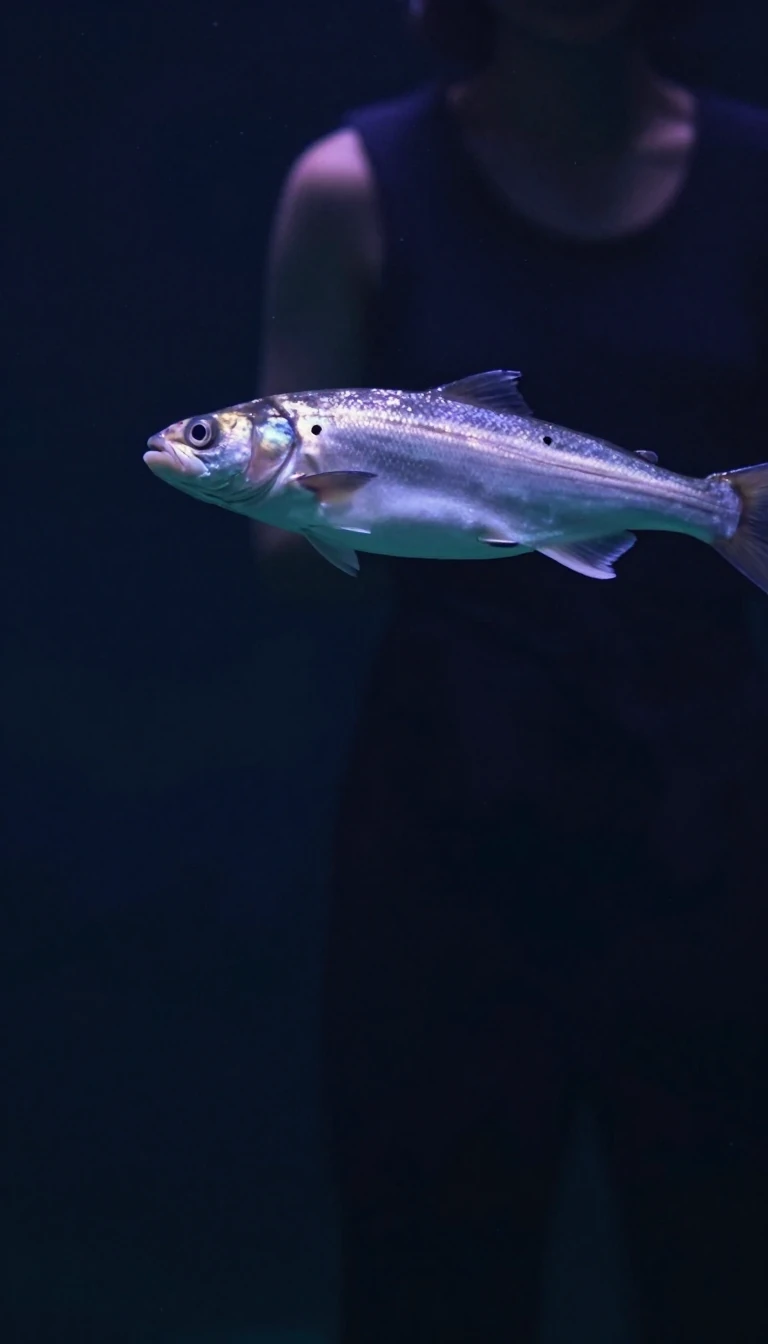 Haddock wear a black thumbprint called the Devil's markMelanogrammus aeglefinus, the lone species in its genus, carries a dark lateral line and an oval shoulder blotch that earned the Greek name for black letter. North Atlantic fisher…
 Hagfish slime expands ten thousandfold in under a secondJawless Myxini keep a skull yet almost no backbone—the only living animals built that way—and fight with mucus. Released in seawater, their fibrous slime swells about ten thousand…
 Hammerheads see three-sixty above and below at onceThe cephalofoil spreads eyes to the ends of a T-shaped head, granting continuous vertical coverage, deeper binocular vision, and a wider electroreceptor antenna of Lorenzini pores…
 Hares are born furred with open eyes—rabbits are notTrue hares of genus Lepus nest in shallow ground forms, not warren burrows, so leverets arrive precocial: coated, sighted, and soon independent. They can sprint eighty kilometres …
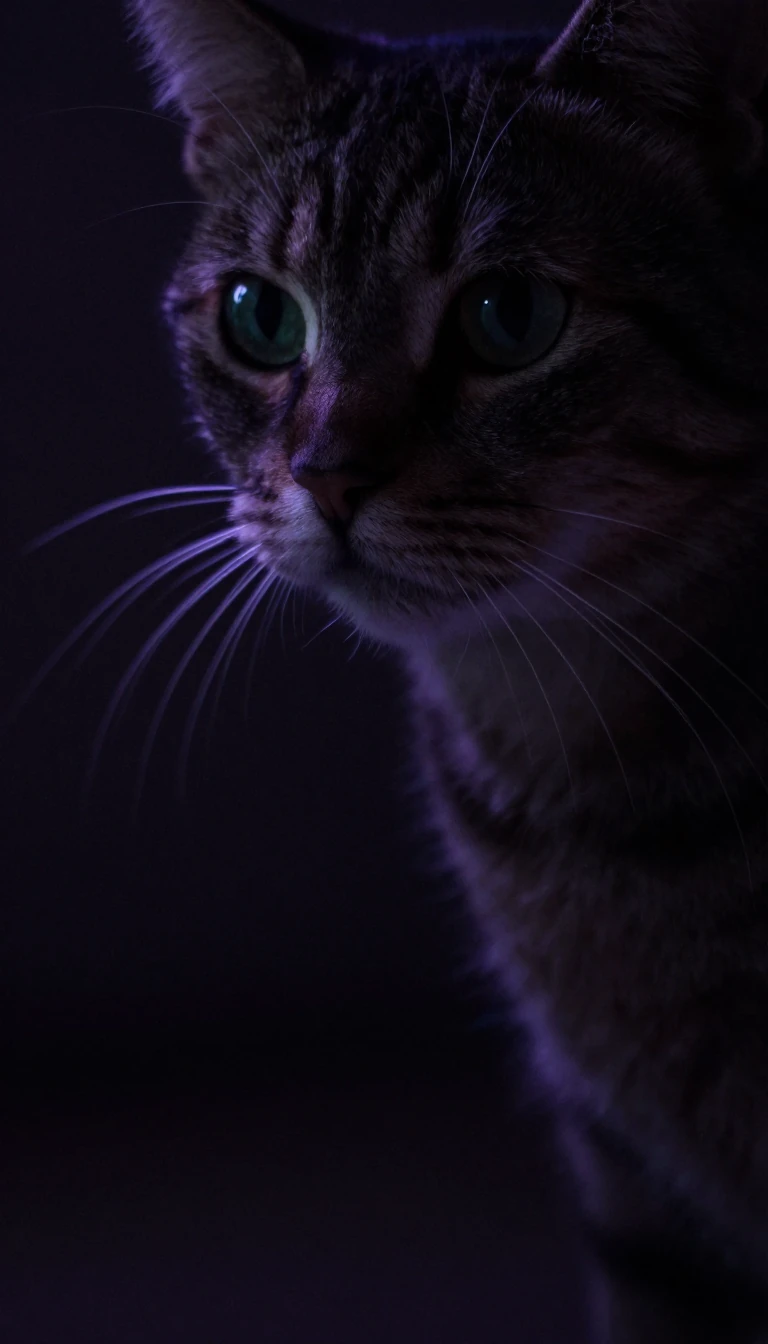 Hedgehog spines are keratin hairs, not detachable quillsSeventeen Erinaceinae species across five genera patrol Europe, Asia, and Africa—none native to Australia or living Americas—little changed for some fifteen million years. Hollow …
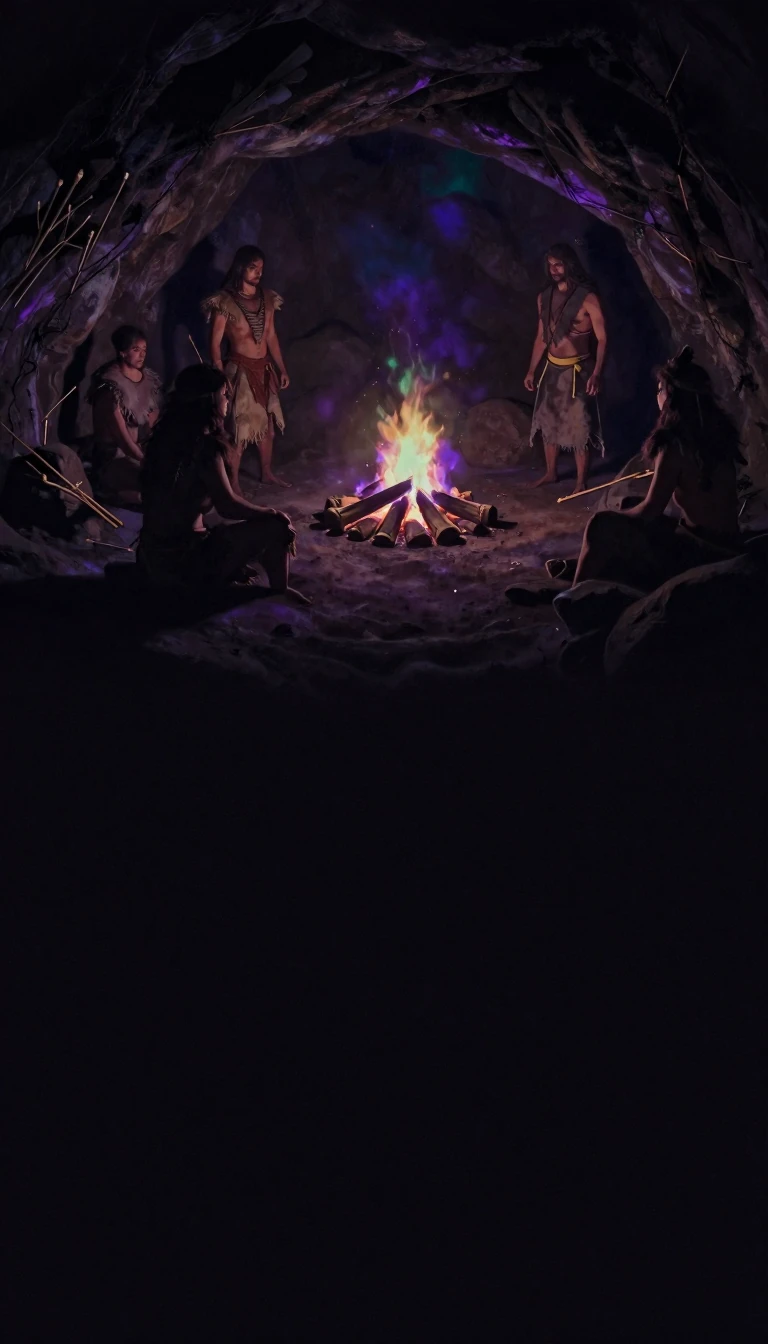 True bugs drink through a syringe built from jaw partsHemiptera—more than eighty thousand named species from cicadas to bed bugs—share piercing-sucking mouthparts, not the chewing jaws of beetles or flies. Entomologists reserve "bug"…
- Jaws remade vertebrates and now define nearly every living oneJawed vertebrates, or gnathostomes, hold roughly sixty thousand species—about ninety-nine percent of living vertebrates. Cartilaginous and bony fishes, plus every land tetrapod, s…
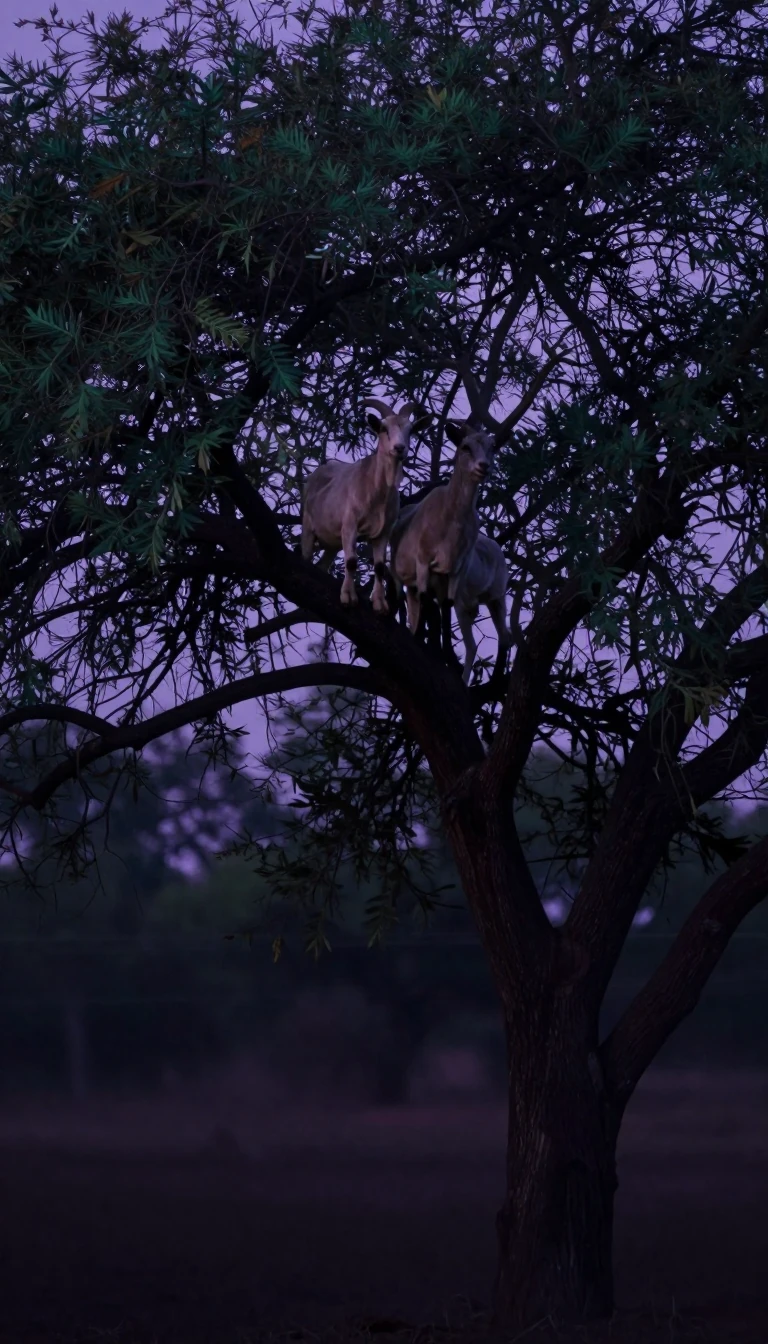 Goats were among the first livestock—and still climb trees to browseDomestic goats descend from wild Capra aegagrus of Southwest Asia and Eastern Europe, herded in Iran roughly ten thousand years ago. By twenty twenty-two more than one point one b…
- Gobies are tiny bottom fish that diversified through an extinctionGobioidei packs about two thousand two hundred eleven species across seven families—one of the richest ray-finned assemblages. Mostly small, big-headed bottom dwellers without a g…
- The golden eagle rules the widest eagle range on EarthAquila chrysaetos is the most widely distributed eagle, dark brown with a golden nape, hunting hares, rabbits, and ground squirrels across the Holarctic. Territories can span two …
- Goldfish remember for months and see four primary coloursCarassius auratus began as Chinese carp mutations more than a thousand years ago and became one of the world's favourite aquarium fish. Selective breeding under Song and Ming cour…
- True geese fly V-wedges that cut the cost of long migrationTrue geese belong to Anser and Branta within Anatidae—grey, white, and black lineages distinct from shelducks nicknamed geese. Most migrate, timing departure by temperature, food,…
- Grasshoppers hear with belly ears and jump at twenty gCaelifera are among the oldest living chewing herbivores, dating to the early Triassic about two hundred fifty million years ago. Powerful hind legs launch them from danger; a lar…
- Great whites are warm-blooded migrants with three ocean clansCarcharodon carcharias ranks among the largest living sharks, grey above and white below, with roughly three hundred replaceable serrated teeth. Partial warm-bloodedness keeps it …
 Green iguanas fall fifty feet unhurt and see ultraviolet lightIguana iguana is a big arboreal herbivore native from southern Mexico through Brazil and Paraguay, now invasive across Florida, Hawaii, and far beyond. Adults often stretch one po…
- Groupers vacuum prey and some switch sex to run a haremGroupers are stout epinephelid reef predators built to gulp, not sprint. A huge mouth and gills create suction that inhales fish, octopus, and crustaceans from afar. Most mature a…
- Grouse digest pine needles and dance on dawn leksNorthern Hemisphere tetraonins—from arctic rock ptarmigan at eighty-three degrees north to Texas prairie-chickens—live on buds, leaves, and twigs that make up over ninety-five per…
- Inchworms got their name by seeming to measure the groundGeometridae means earth-measurer: larvae with only two or three rear proleg pairs hitch forward in loops, so people call them loopers, spanworms, or inchworms. The family holds ab…
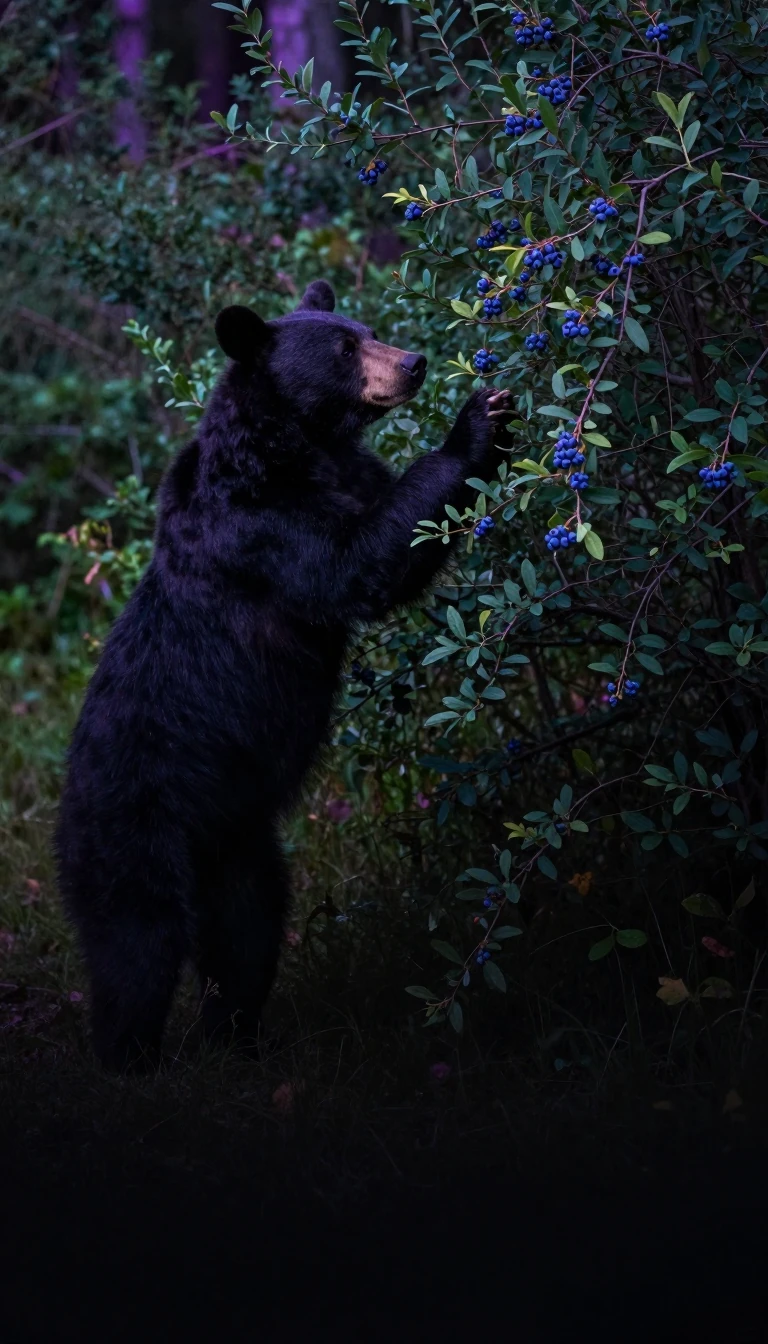 A carnivore's gut runs on bamboo that is ninety-nine percent dietGiant pandas still carry carnivore guts and genes, yet about ninety-nine percent of what they eat is bamboo. Adults usually weigh one hundred to one hundred fifteen kilograms. Sin…