 Intellect Plus
Organisms
1,988 cards. Each one is a 40-second story with a five-minute read behind it. Page 20 of 34.
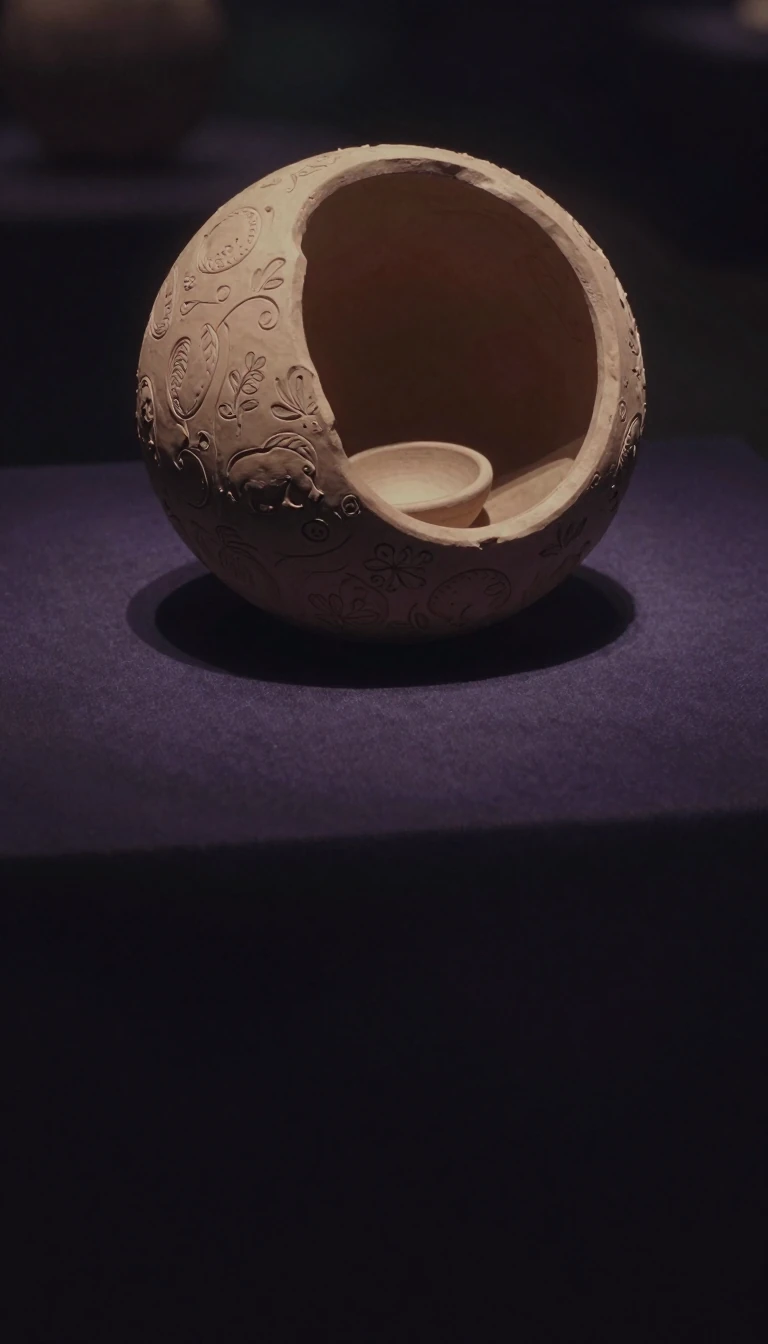 The British bird collector who helped found the Indian National CongressAllan Octavian Hume spent decades as a colonial official in India, amassed the largest collection of Indian bird skins anywhere, and then helped found the Indian National Congress…
 Three versions of one gene sort almost everyone into four blood typesYour blood type comes down to which versions of a single gene you inherited. Classical genetics recognises three, called IA, IB and i, which combine into six possible pairings and…
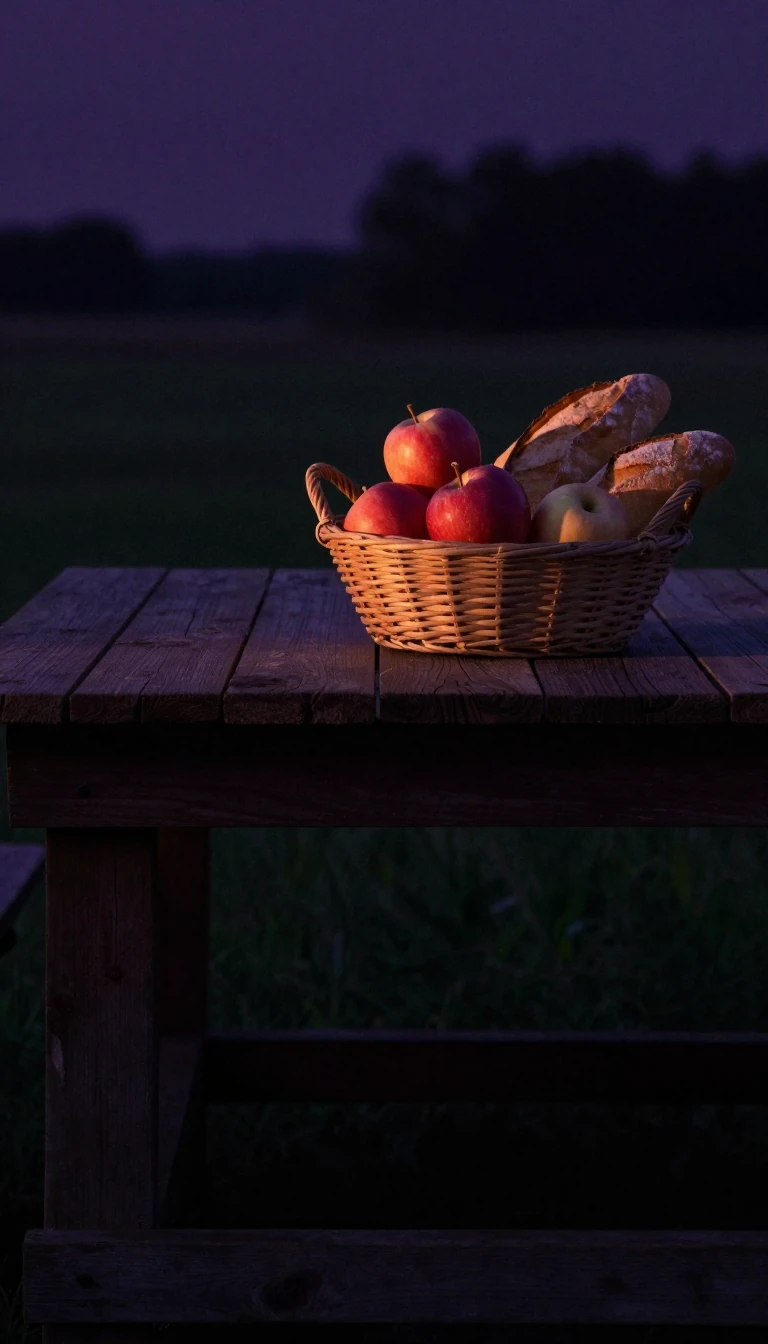 Alabama does not mean Here We Rest, and its capital moved five timesA popular story says Alabama means Here We Rest, a translation first floated in an 1842 newspaper article. Specialists in Muskogean languages have found no support for it. The nam…
 Albacore, the tuna that eats squid and never stops swimmingMost tuna hunt fish, but albacore mainly eat squid and their relatives, including a tiny deep-water species from the Atlantic and Mediterranean. They cannot rest, since they need …
 A single quarry of 26 Albertosaurus hints that these tyrannosaurs lived in groupsIn 1910 Barnum Brown stumbled onto a quarry beside Alberta's Red Deer River crammed with the bones of one predator species. Later counts reached 26 Albertosaurus individuals at th…
 White peacocks are not albinos, and neither is the ash-grey albino gaurPlenty of pale animals get called albino without deserving it. White peacocks, swans and geese carry a gene for white feathers rather than lacking melanin, and the so-called albin…
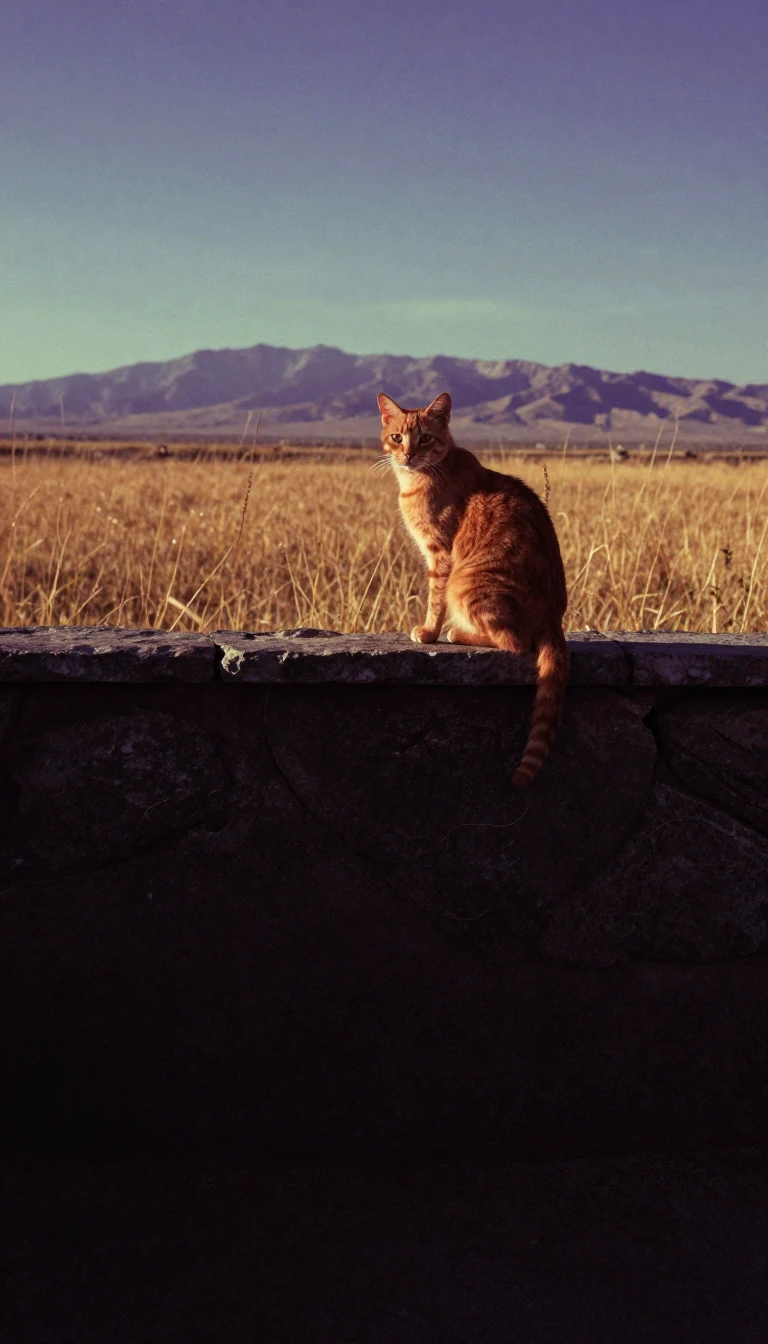 Every house cat descends from the African wildcat, first tamed around 10,000 years agoThe sandy, faintly striped African wildcat looks like a lean tabby, and that is no coincidence. Some of them were tamed in the Fertile Crescent about 10,000 years ago and became t…
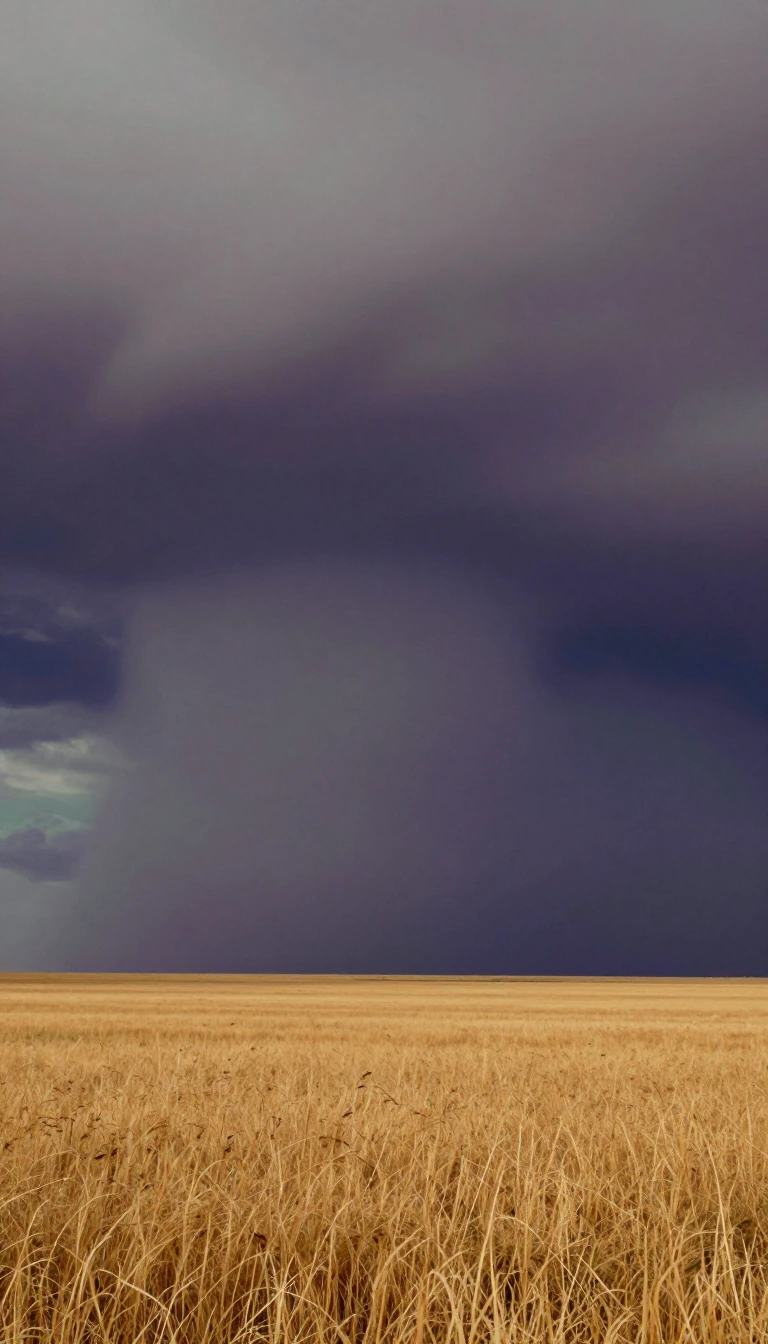 Funnel weavers catch prey on webs that are not sticky at allThat flat sheet of silk draped over a hedge, with a tunnel leading into shadow, belongs to a funnel weaver. The web has no glue. It works by tangling and by vibration, and its own…
 For decades writers claimed the Akan came from Egypt or the Sahara; archaeology says otherwiseColonial-era writers kept trying to trace Ghana's Akan people back to ancient Egypt, the Sahara or the Near East. When an anthropologist later rechecked one influential set of ora…
 The Asian tiger mosquito bites by day and can breed in a bottle cap of waterMost mosquitoes are creatures of dusk and wetlands. The Asian tiger mosquito breaks both rules: it lives close to people, hunts in broad daylight, and its larvae can grow in under…
 Aestivation is summer's version of hibernation, and snails, frogs and even lemurs do itHibernation gets all the attention, but plenty of living things sleep through summer instead. When heat and drought set in, snails glue themselves shut, frogs wrap up in mucus coc…
 The African diaspora spans three slave trades, not one, plus modern migrationWhen people picture the African diaspora, they usually think of the Atlantic slave trade. But between 1500 and 1900, millions more Africans were forced north across the Sahara or …
 More African spurred tortoises now live as pets than in the wildThe sulcata tortoise hatches at about the weight of a small egg and can grow past 100 kilograms. It is the biggest tortoise on any mainland, digging burrows up to 15 metres deep t…
 The donkey's wild ancestor is down to about 570 animalsDonkeys number in the millions, but their wild ancestor is one of the rarest large mammals in Africa. Only about 570 African wild asses remain, scattered across the deserts of Eri…
 No two African wild dogs share a coat, and conservationists want to rename themEvery African wild dog wears a unique patchwork of black, brown, yellow and white, often different on each side of its body, and pack mates can pick each other out at up to 100 me…
 Beijing doubled its subway and pulled cars off roads for its 2008 OlympicsTo stage its first Olympic Games, Beijing added seven subway lines and 80 stations, opened a vast new airport terminal and ordered drivers off the road on alternate days by licenc…
- The aardwolf is a hyena that licks up termites instead of huntingIt looks like a small, skinny striped hyena and belongs to the same family, yet the aardwolf has no interest in killing anything bigger than a beetle. Each night it can lap up 250…
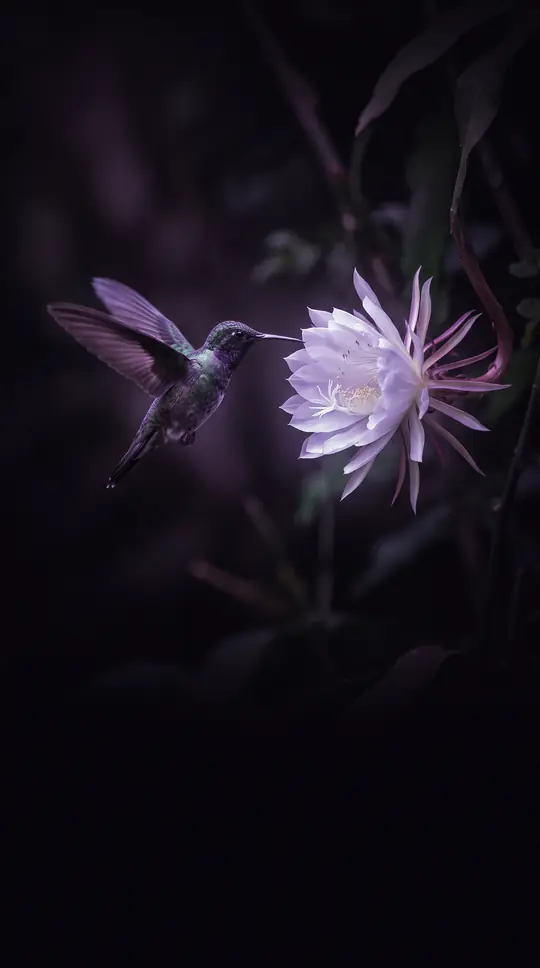 Botanists fought for years over who gets to keep the name AcaciaThe word acacia first described an African tree growing in Roman Egypt. Today it belongs mostly to Australian wattles, after a bitter botanical dispute that ended in 2005 and was …
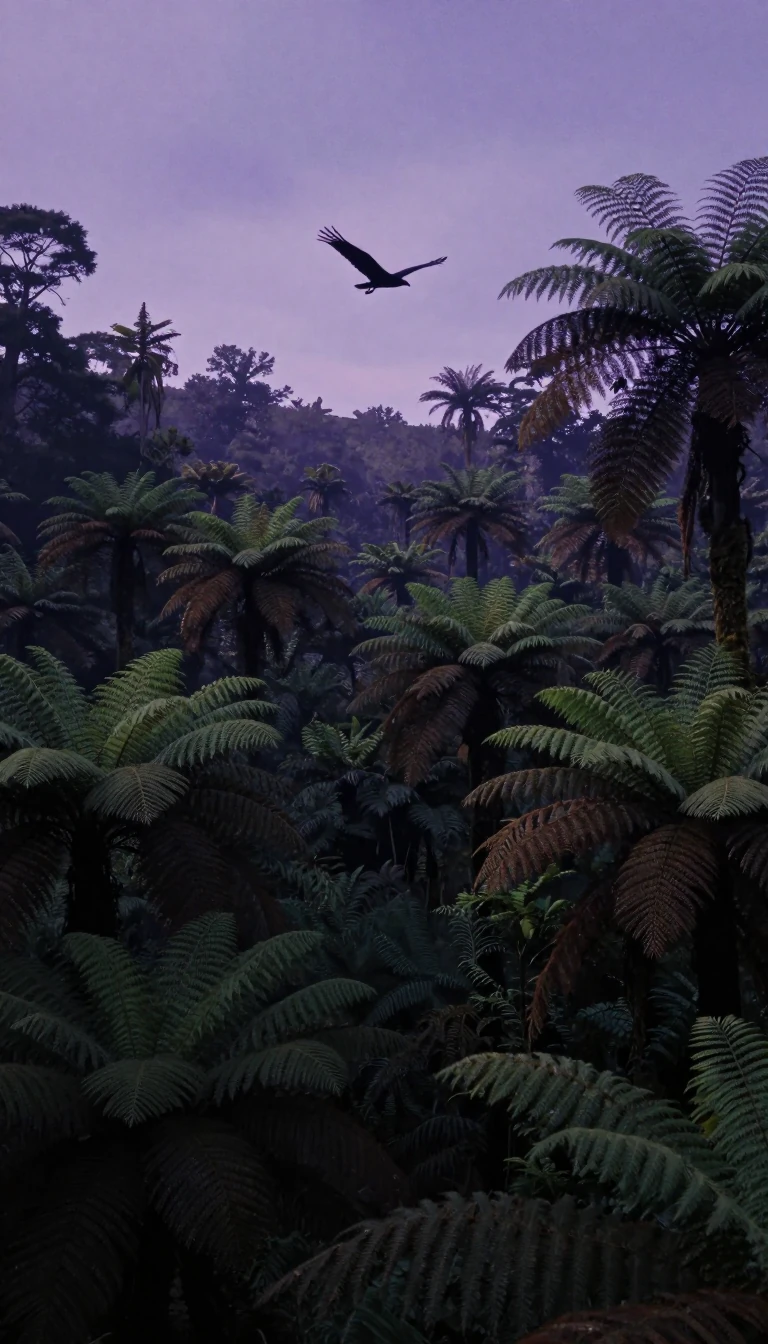 From an 85-gram kite to a 14-kilogram vulture, one family of raptorsThe tiny pearl kite weighs about 85 grams. The cinereous vulture can reach 14 kilograms, with wings spanning more than three metres. Both belong to the Accipitridae, a family of 2…
- Falcons look like hawks but are closer kin to parrotsFor generations, falcons and hawks were filed together as one order of daytime raptors. Then a 2008 DNA study showed falcons are more closely related to parrots and songbirds. The…
 Admiral began as an Arabic title, and it lost its tailWestern navies borrowed their top rank from Arabic. Admiral traces back to amir, a commander or prince, plus al, meaning the; the fuller phrase Amir al-Bahr means prince of the se…
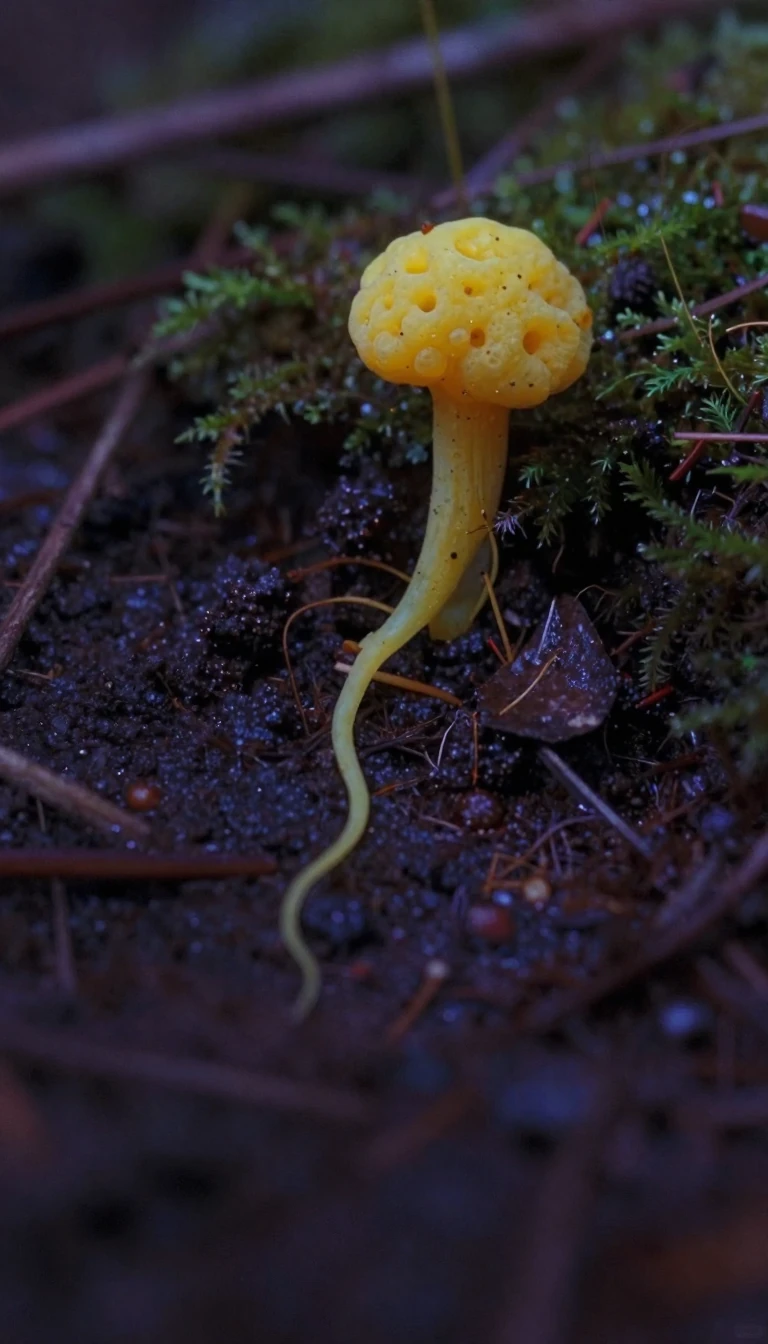 Bread moulds were the first fungi shown to use sex hormonesSome pin moulds cannot reproduce sexually alone. Two strains, labelled plus and minus, must find each other, and they do it by chemistry: each releases compounds the other finishe…
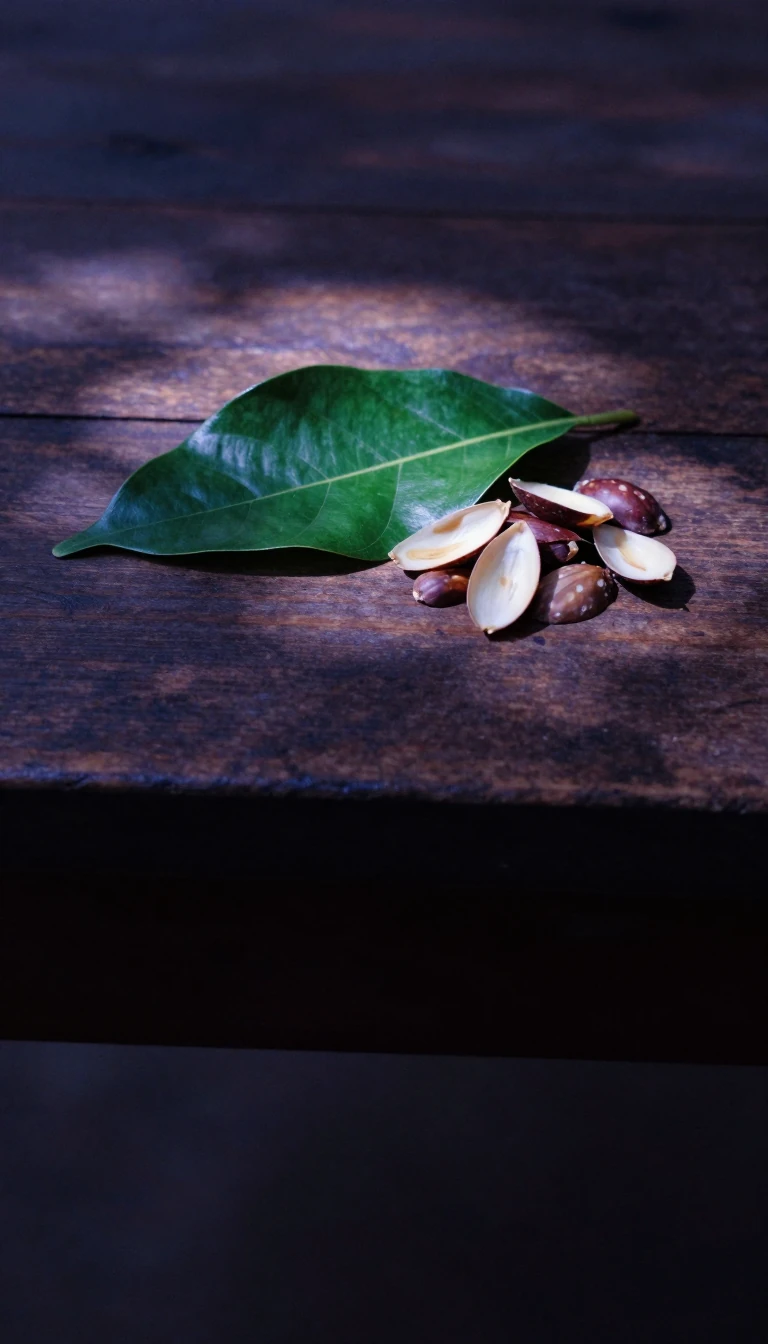 Walnut shells once cleaned Army aircraft parts, until one grounded a helicopterGround walnut shells made a cheap, gentle grit for blasting grime off United States Army aviation parts. Then investigators of a fatal Chinook crash in Mannheim on 11 September 19…
 Walruses use their tusks to haul out of the sea, not to digThe walrus's scientific name, Odobenus, joins Greek words for tooth and walk, because observers watched the animals heave themselves onto ice with their tusks. Those tusks, grown …
 Early watermelons were bitter, pale and grown mainly as portable waterThe first watermelons were not the sweet red slices of today. Their pale, bitter flesh was hard to open, and people valued them for storing water through the dry season. In the Ka…
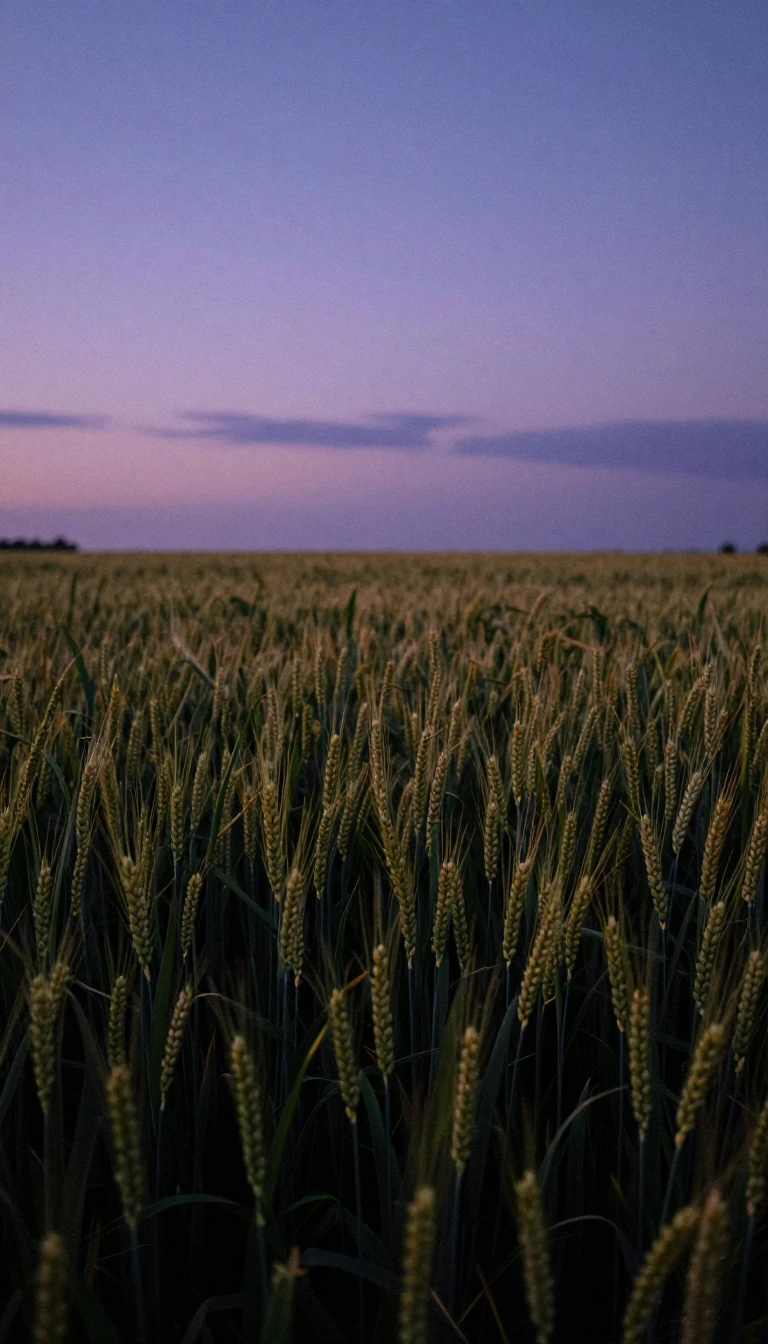 Farmers may have domesticated wheat without meaning toWild wheat ears shatter when ripe, scattering their grains. Stalks with tougher ears held on until harvest, so each season early farmers unknowingly resowed more of them. That acc…
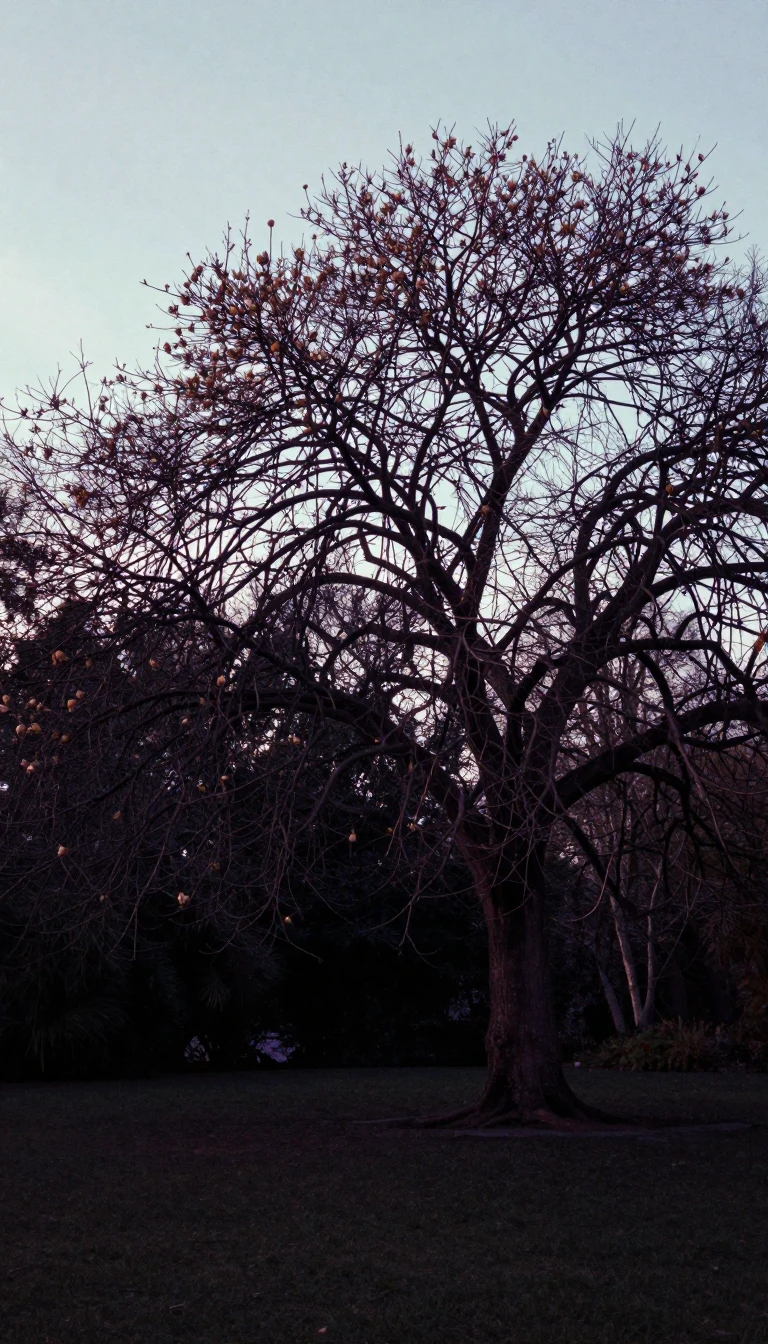 A single twig from a parcel may explain England's weeping willowsThe poet Alexander Pope, the story goes, begged a twig from the bundle binding a parcel sent from Spain to Lady Suffolk and planted it. It thrived, and legend says every weeping w…
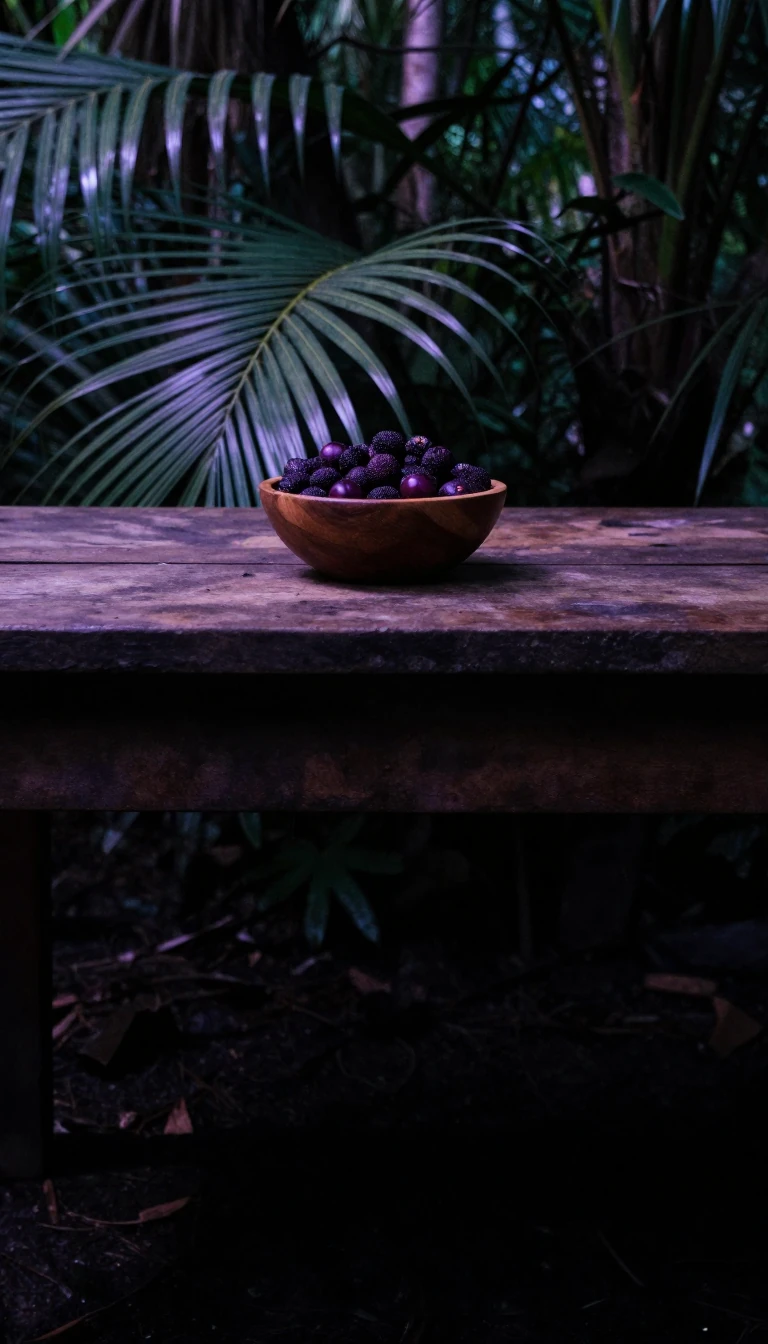 True yams were domesticated three separate times on three continentsPeople in Africa, Asia and South America each tamed their own yam, independently. Today about 95 percent of the world's crop grows in Africa, where tubers of up to 25 kilograms ar…
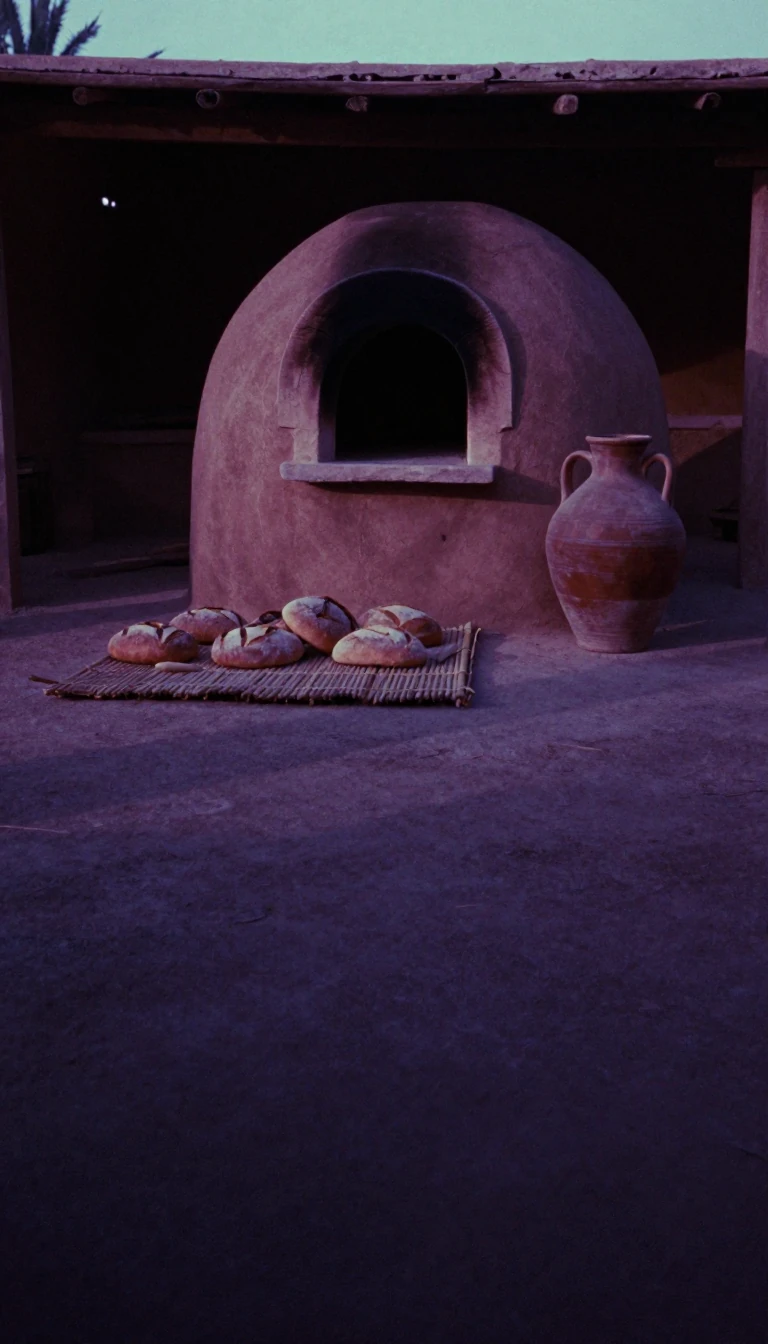 Yeast colonies survived for millennia inside ancient Israeli beer jarsResearchers examining drinking vessels from sites in Israel, some around 5,000 years old, found living yeast colonies still inside them. It was the first direct biological proof t…
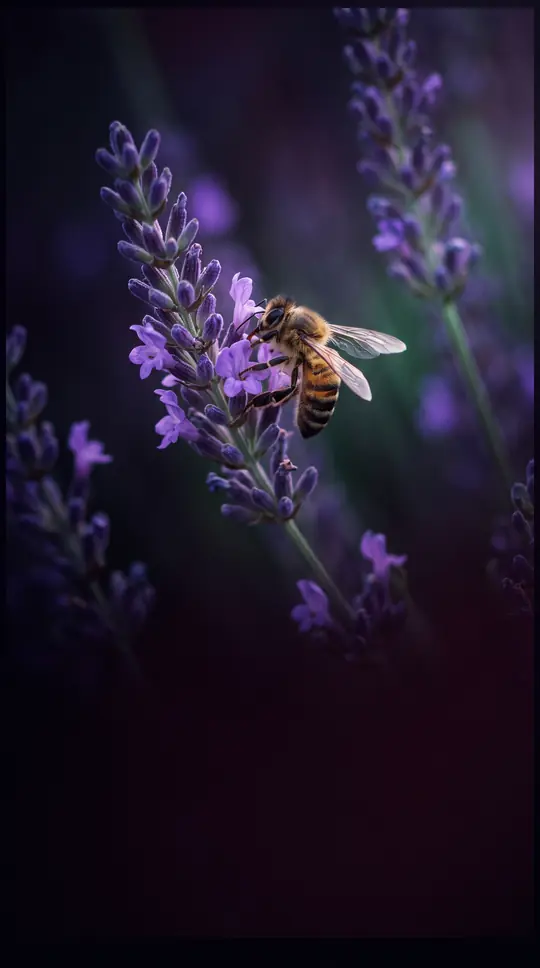 Darwin called the yucca and its moth the most wonderful pollination knownA female yucca moth does something few animals do: she pollinates on purpose. Using tentacle-like mouthparts, she gathers pollen, packs it onto a yucca flower's stigma and then la…
 The zucchini is an American squash reinvented in nineteenth-century MilanSquashes were first domesticated in Mexico and Central America more than 7,000 years ago, yet the slim green zucchini is a surprisingly recent invention. Northern Italian growers …
 Medieval knights carried thyme for courage and sleepers hid it under pillowsEgyptians used thyme in embalming, Greeks burned it in temples believing it gave courage, and medieval women handed sprigs to knights for the same reason. Today its main oil, thym…
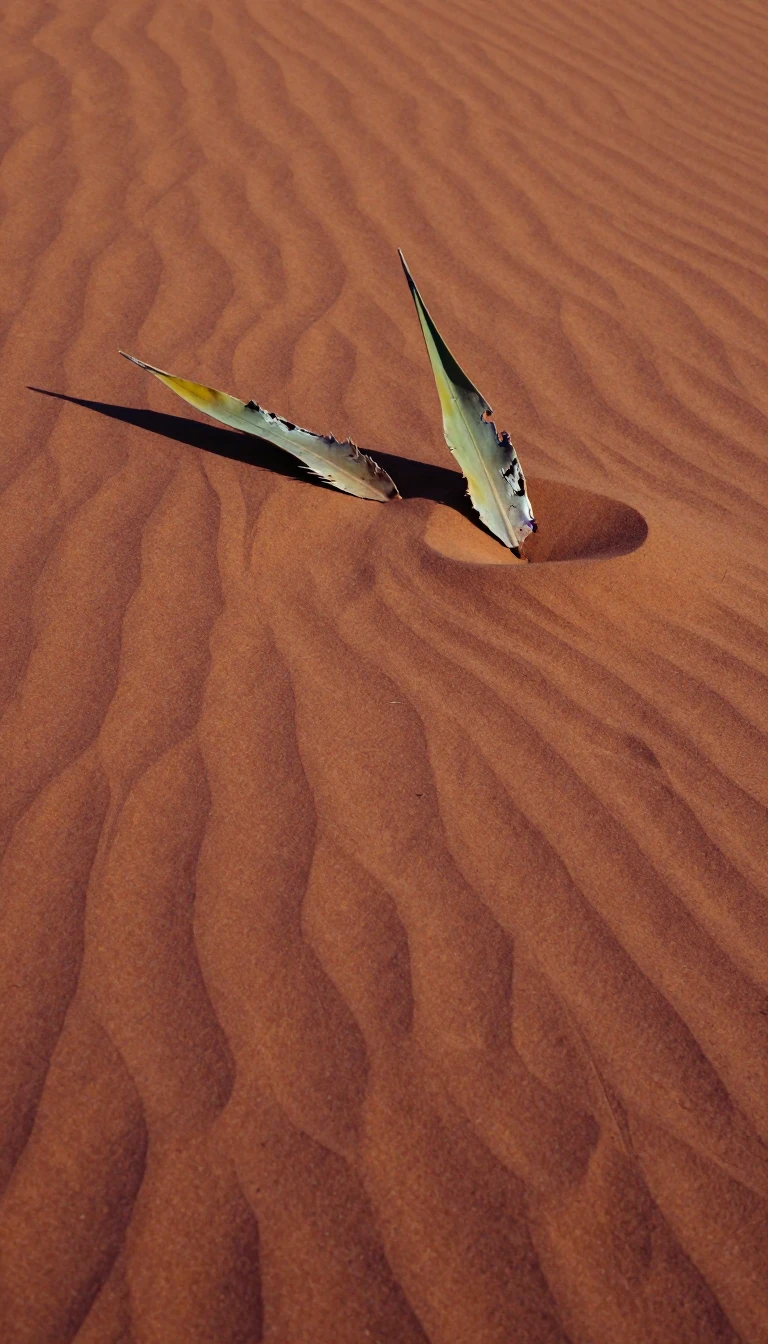 Linnaeus saw Roman battle trophies in the humble garden nasturtiumWhen Carl Linnaeus named the nasturtium genus Tropaeolum, its round leaves reminded him of shields and its red flowers of helmets, like the trophy poles Romans hung with captured …
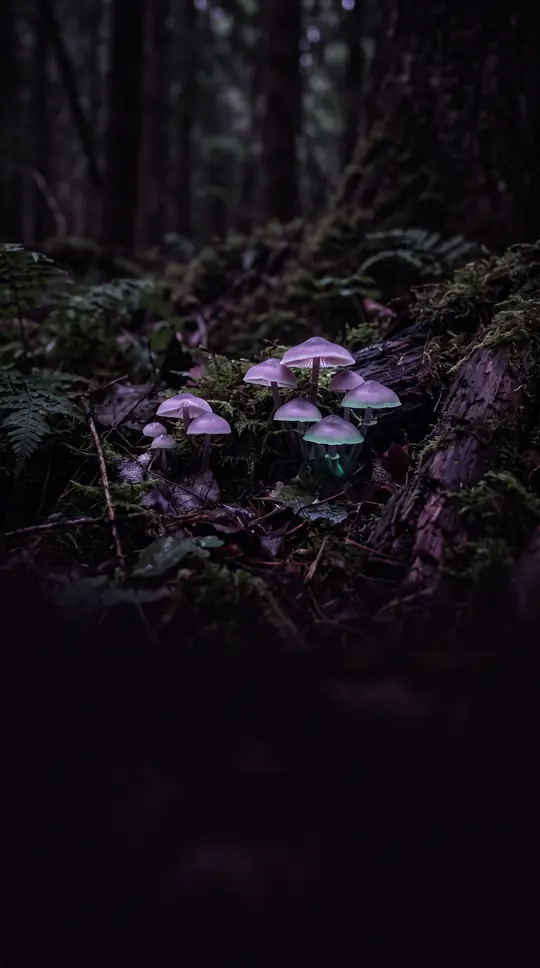 Truffles hide underground and rely on hungry animals to spread their sporesA truffle cannot use wind or rain to scatter its spores, because it fruits below the soil. Instead, when ripe, it releases a smell that draws squirrels, voles, deer and people. It…
 A virus painted the streaked tulips that drove Dutch buyers wildThe feathered, flame-streaked tulips that fetched fortunes during the Dutch tulip mania of 1634 to 1637 owed their beauty to disease. An aphid-borne mosaic virus suppressed one pi…
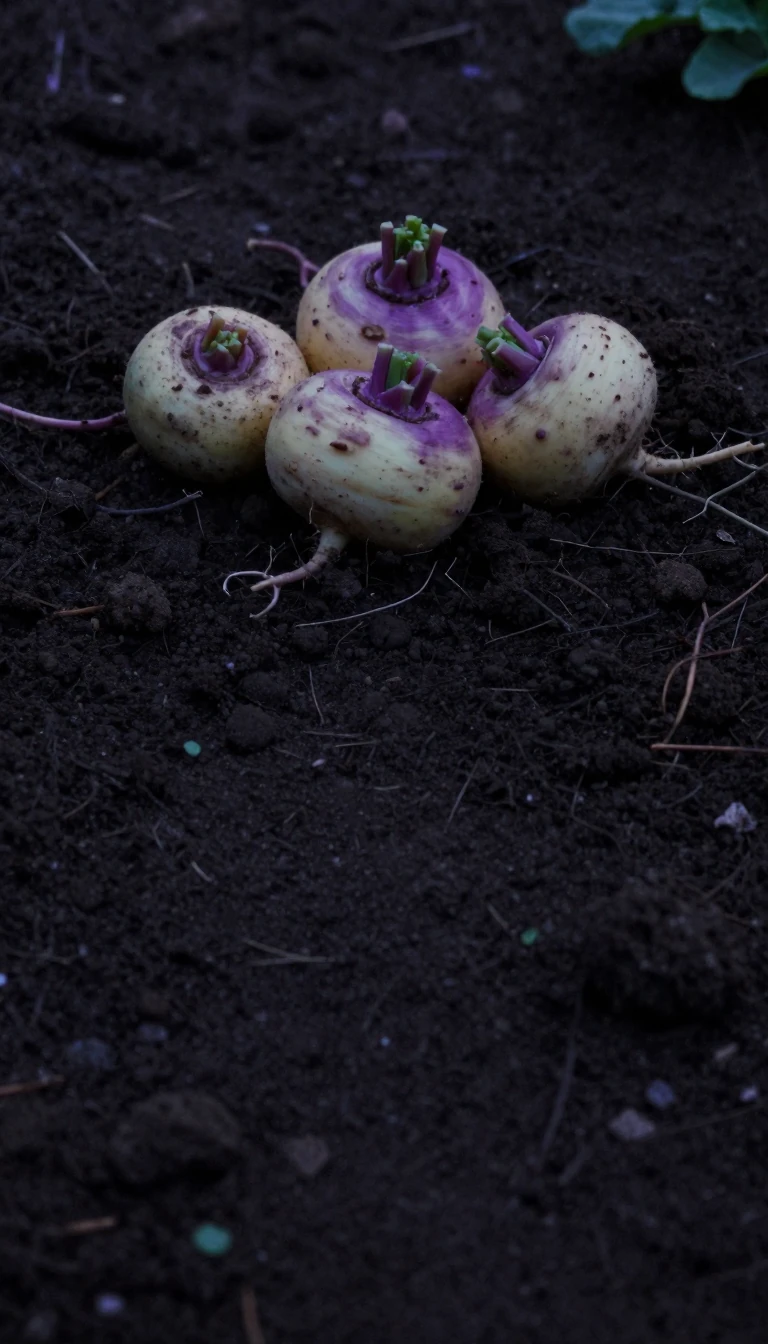
- The humble turnip began in Central Asia and ended up on coats of armsGenetic studies place the first edible turnips in Central Asia several thousand years ago, where varieties remain the most diverse. From there the root spread west and east, fed G…
 Cattails fed Ice Age Europeans and kept Second World War sailors afloatStarch grains left on grinding stones show Europeans eating cattail rhizomes 30,000 years ago. Much later the United States Navy stuffed life vests with cattail down in place of k…
 A twelve-year-old on Réunion cracked the secret that made vanilla globalVanilla vines taken from Mexico grew happily in European hothouses and French colonies but refused to bear pods. In 1841 Edmond Albius, a twelve-year-old enslaved boy on Réunion, …
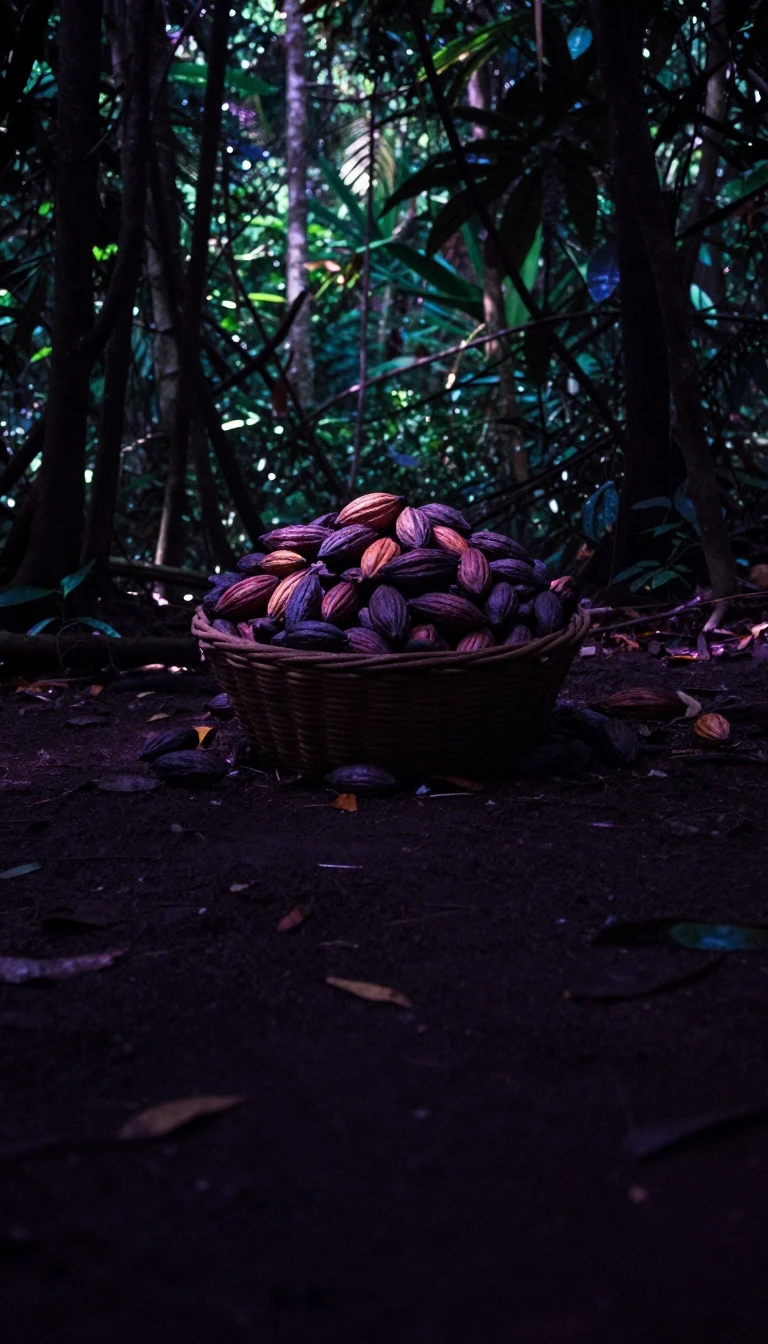 Broad beans have fed farmers for over ten thousand yearsCharred beans from three Neolithic villages in Lower Galilee, dated by radiocarbon, suggest farmers were growing broad beans as early as 8250 BCE. Nobody has found the plant's wil…
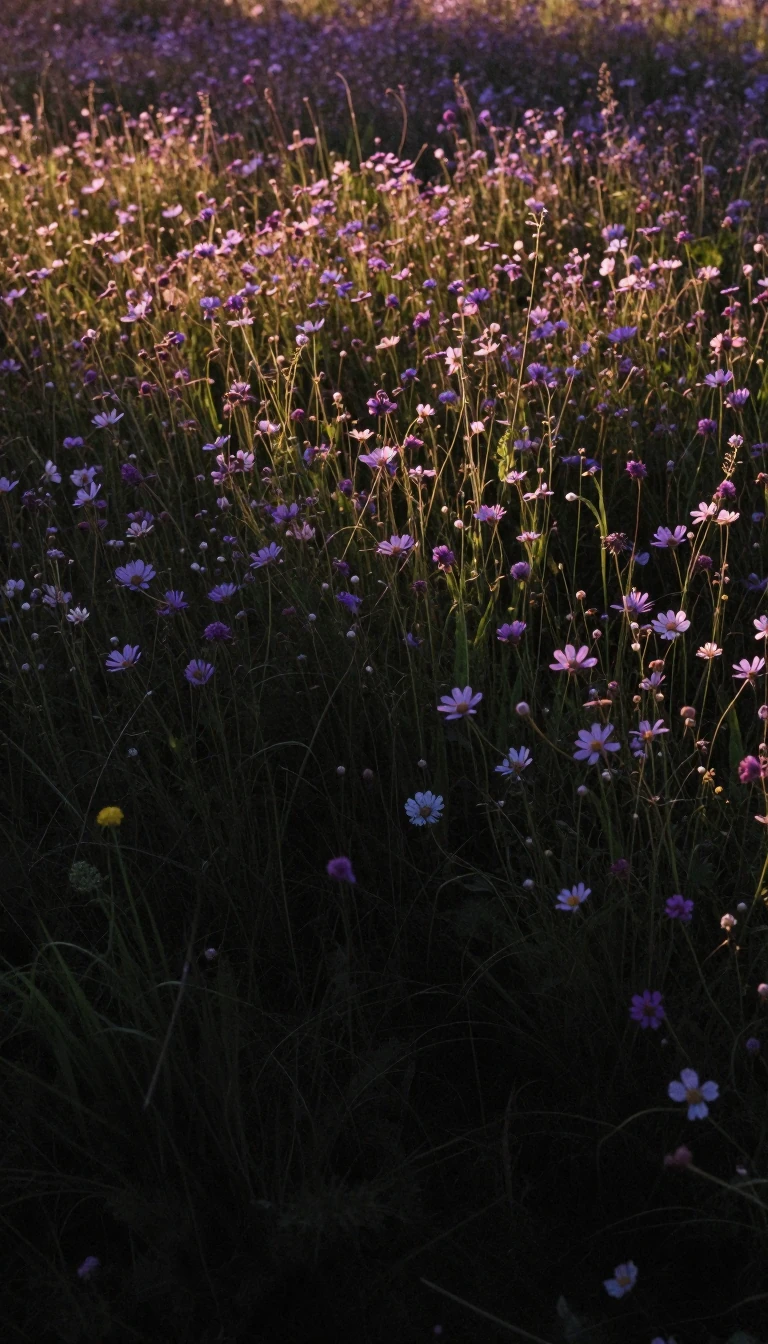 Violets hide a scent trick and a backup plan for making seedsSniff a sweet violet and the perfume seems to vanish almost at once. A scent compound called ionone briefly numbs the nose's receptors, so nothing more registers until they recove…
 Marigolds colour European pasta and mark Mexico's Day of the DeadThe flowers English speakers call marigolds, genus Tagetes, come from Mexico and Central America, where the Nahua knew them as cempōhualxōchitl. Today their petals supply a yellow…
 Tamarind, the 'Indian date', actually comes from the African savannaIts name comes from Arabic for Indian date, and it has grown in India so long that people assume it is native there. In fact the tamarind tree was domesticated in the dry savannas…
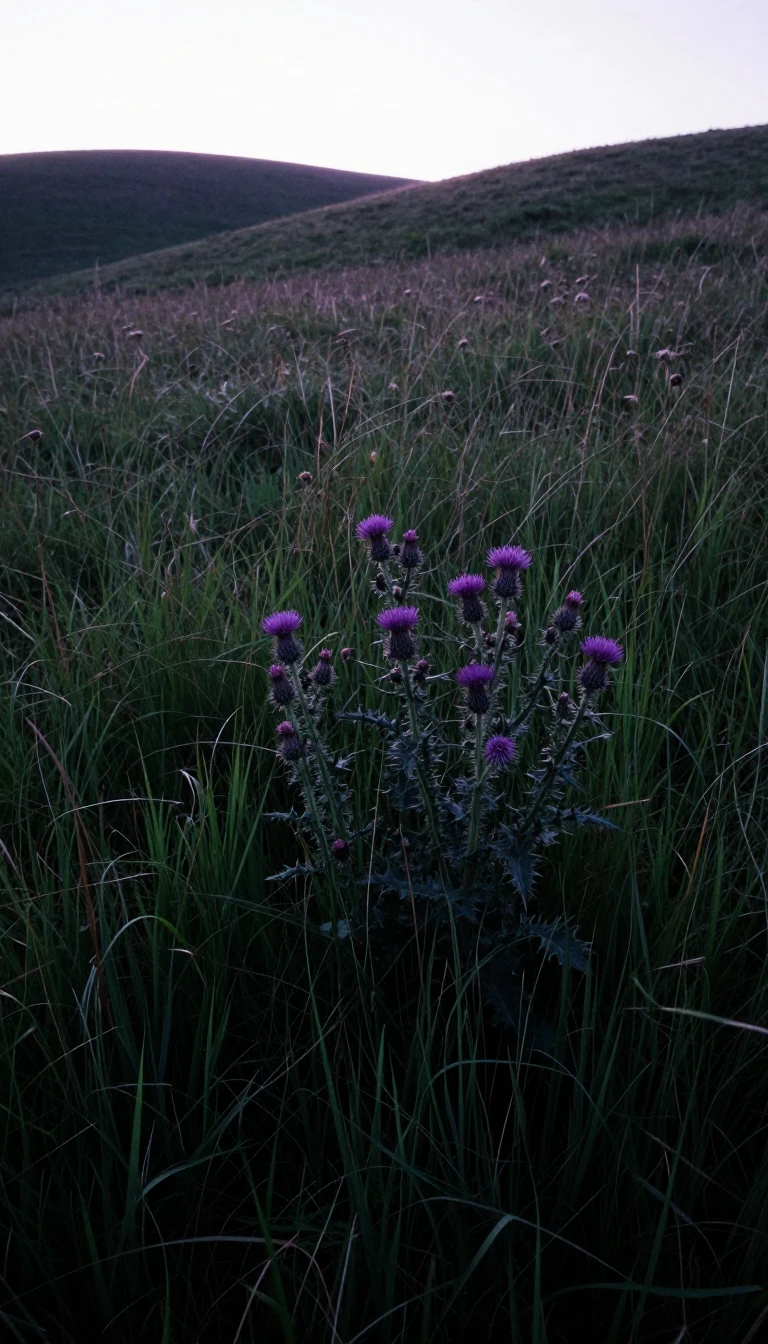 Most dandelions reproduce without sex, cloning themselves into thousands of microspeciesMany dandelions set seed with no pollination at all, producing offspring genetically identical to the parent. Every distinct clone can count as its own microspecies, which is why …
- Taro is one of the few crops that thrives standing in floodwaterAlong with rice and lotus, taro can grow in flooded fields, and paddy-grown plants yield roughly double the dry-land crop. Humans may have been exploiting this starchy corm for te…
- Each tarsier eyeball can be as big as its entire brainA tarsier's eyes are about 16 millimetres across, each as large as its brain or larger. Since the eyes cannot swivel, the tiny primate turns its head 180 degrees each way to see a…
 Terriers are literally earth dogs, bred to chase vermin undergroundThe word terrier comes through Old French from the Latin for earth, because these small, wiry, fearless dogs were bred to follow rats and foxes into burrows. Today most are family…
 Of all the tea family's plants, only a few actually contain caffeineThe tea family, Theaceae, includes showy camellias, American trees and the bush that gives us tea. Yet caffeine turns up only in one small section of Camellia, and the tea bush's …
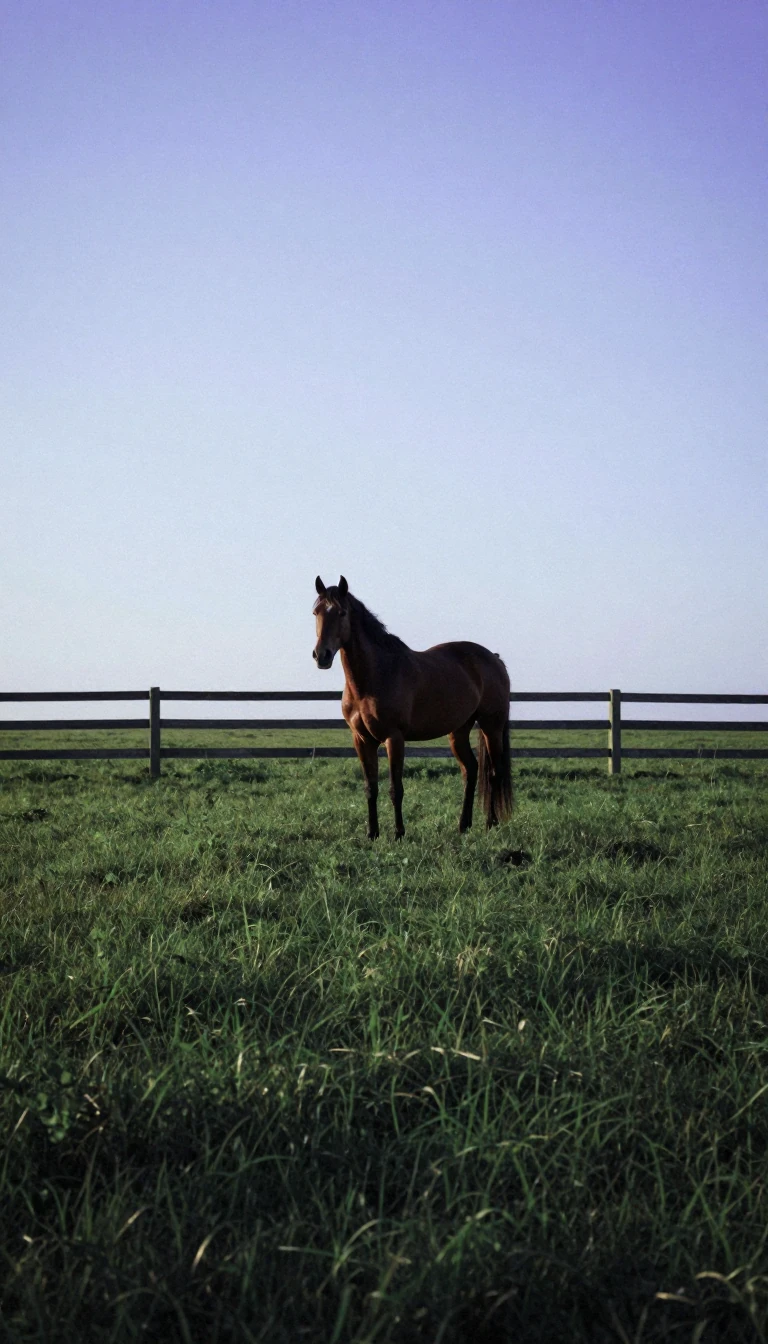 Nearly every male Thoroughbred descends from one Arabian stallion imported in 1704Every modern Thoroughbred traces back to three stallions shipped to England between the 1680s and 1729. One genetic study found that about 95 percent of male Thoroughbreds carry t…
- The sweet potato is a natural GMO that may have sailed with PolynesiansLong before any lab spliced genes, a soil bacterium slipped its DNA into the ancestors of the sweet potato, and those borrowed genes still work in cultivated plants. The crop also…
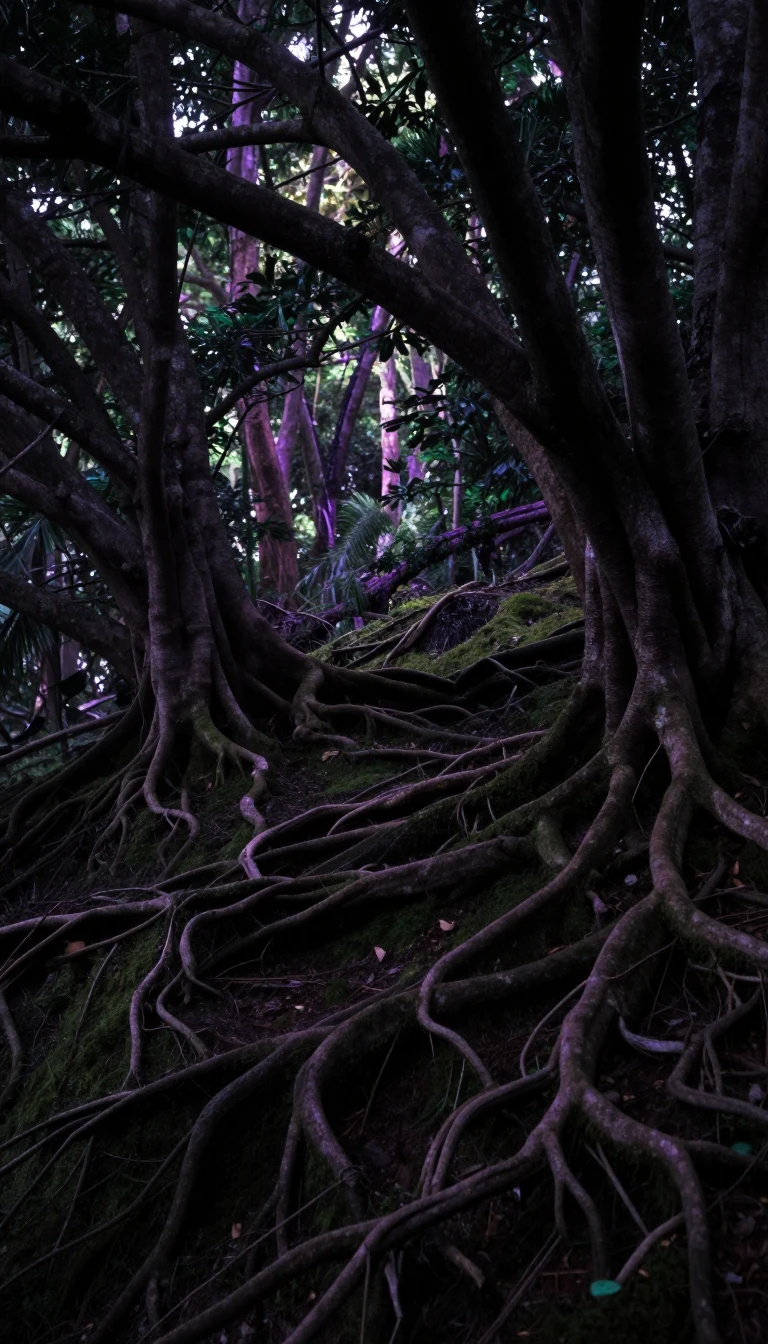 Peat moss builds its own bogs and fires spores at 36,000 gSphagnum does not just live in bogs; it makes them. By soaking up many times its weight in water and souring the ground around it, the moss creeps outward and turns land into peat…
 Spider monkeys have a tail with fingerprints and a brain built for fruit mapsA spider monkey's tail can reach 89 centimetres, and its bare tip carries skin ridges like fingerprints, letting it work as a fifth hand. Its brain, at 107 grams, is twice the siz…
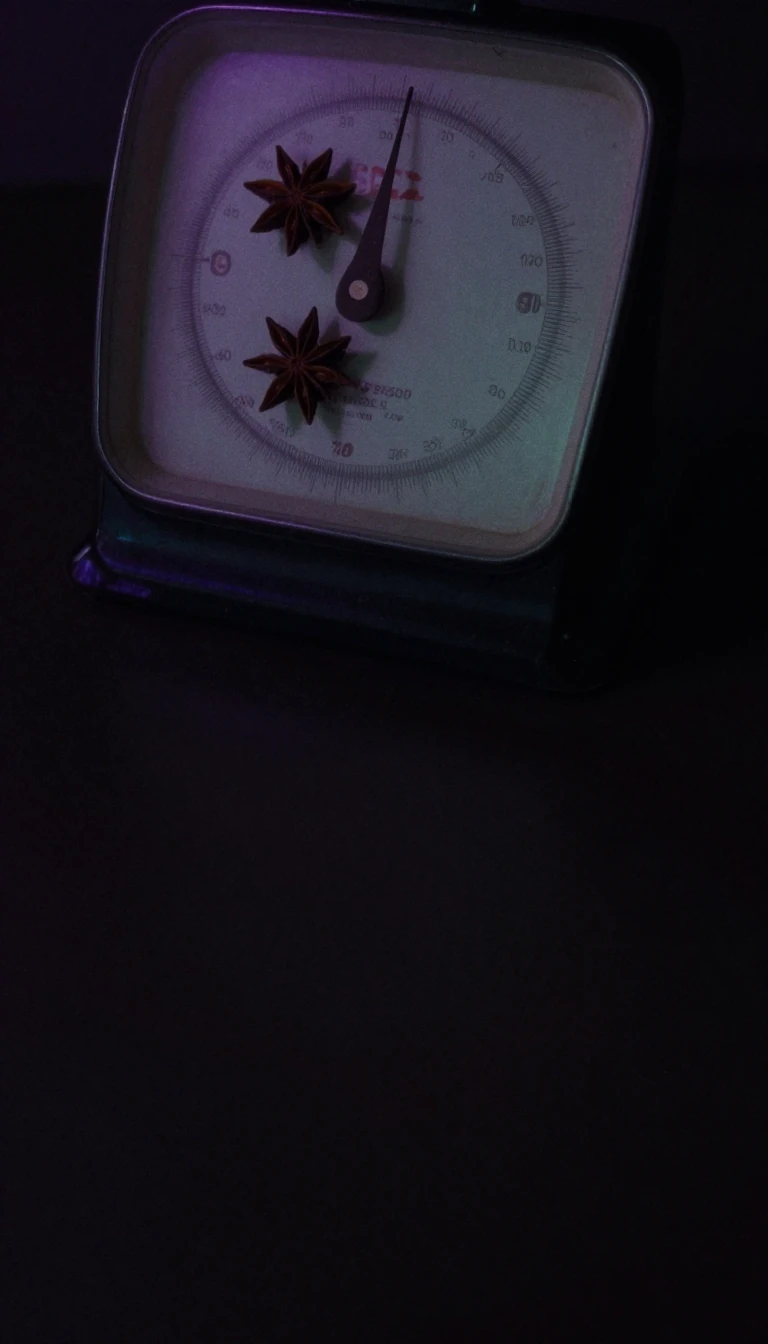 Popeye credited spinach with vitamin A, not the famous ironEveryone assumes Popeye's muscles came from iron in spinach. Yet in a 1932 strip the sailor himself says spinach is full of vitamin A, and spinach is no better an iron source than…
 The word spruce began as a label for goods shipped from PrussiaIn Middle English, spruce meant things imported from Prussia, wooden objects among them, and the name eventually settled on the tree. Spruces are now the tonewood for guitar sound…
 Squirrels climb down trees headfirst by turning their ankles backwardsWatch a tree squirrel race down a trunk face-first and you are seeing a rare trick among mammals. It rotates its ankles 180 degrees so the hind claws point backward and hook the b…
- Golden staph lives quietly in millions of noses until it finds an openingA large share of people carry Staphylococcus aureus in their nostrils or on their skin without ever noticing. The same golden-coloured bacterium is among the five most common caus…
 Kelp, diatoms and potato blight share one odd hairy family traitA giant kelp, a glassy diatom and the mould behind the potato blight look nothing alike, yet they belong to one lineage, the stramenopiles. What ties them together is a peculiar t…
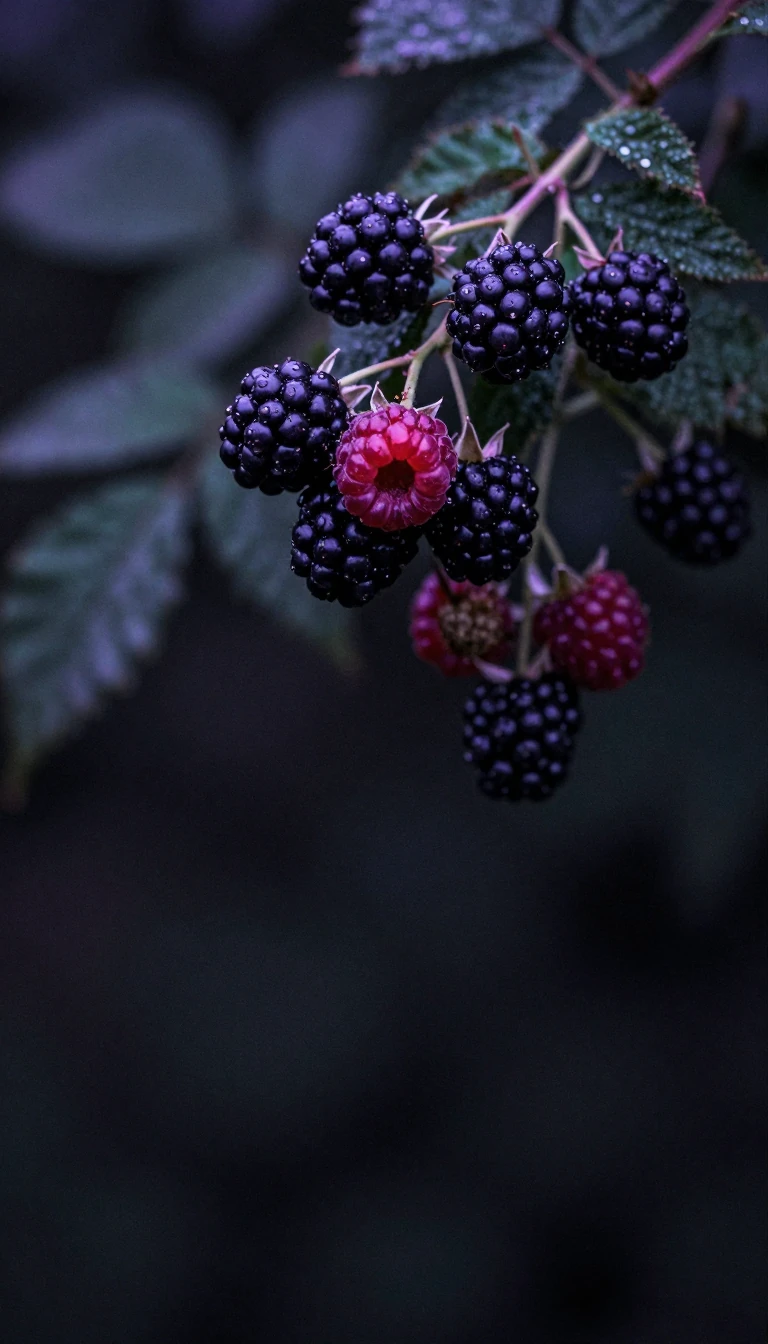 The garden strawberry was born by accident in an 18th-century Breton gardenWhen Amédée-François Frézier brought Chilean strawberry plants to France in 1714, they grew lush but gave no fruit. Gardeners in Brittany eventually noticed why: every plant was f…
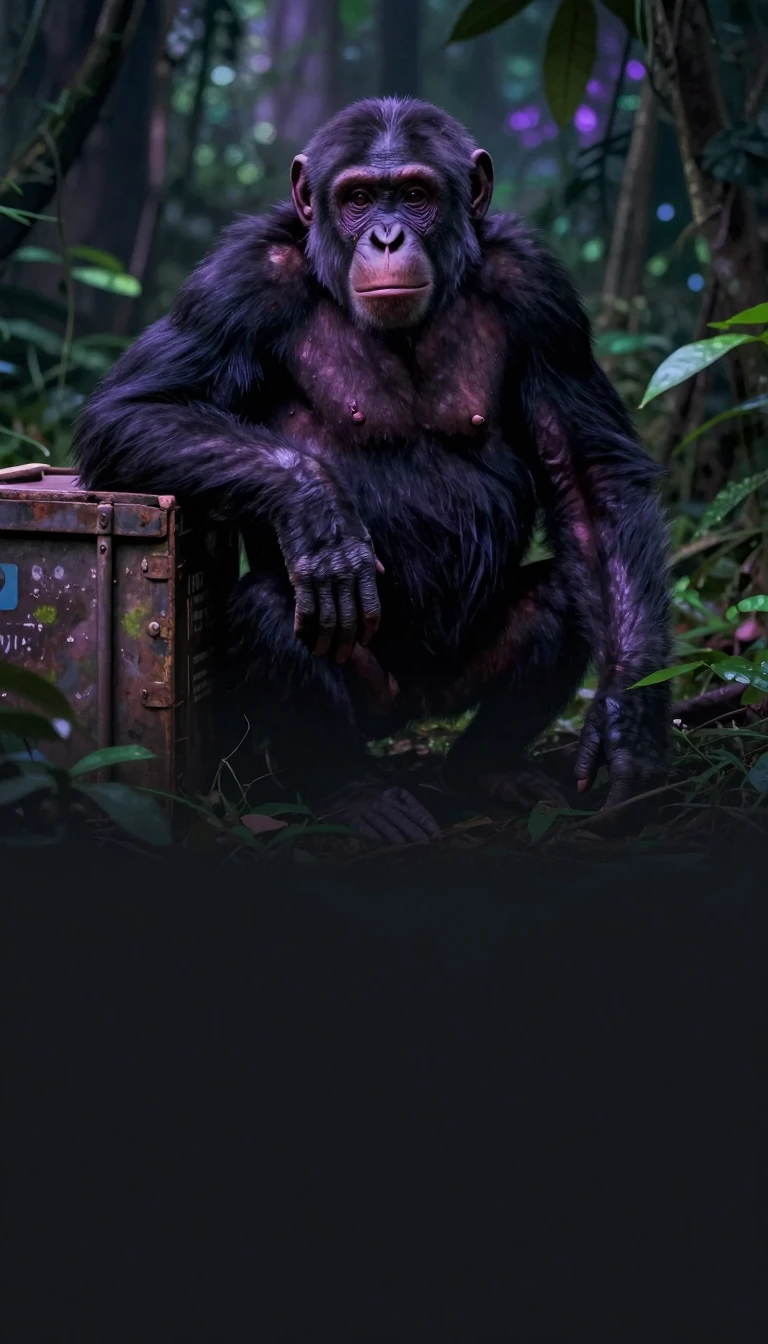 Wet-nosed primates make their own vitamin C, unlike monkeys and humansLemurs, lorises and bushbabies can manufacture vitamin C inside their bodies, a talent their monkey and ape cousins, humans included, lost long ago. These wet-nosed primates, the …
- A Napoleonic blockade turned a humble Prussian beet into a sugar giantIn 1747 a Berlin chemist showed that beets hold the same sugar as cane, just not much of it. Breeders pushed the content from about 5 percent to around 18 percent, and when Britai…
 Shrews shrink their own skulls to get through the winterRather than hibernate, many shrews cope with winter by getting smaller, losing 30 to 50 percent of their body weight as bones, skull and organs shrink. August Dehnel documented th…