 Intellect Plus
Organisms
1,988 cards. Each one is a 40-second story with a five-minute read behind it. Page 29 of 34.
 Grasshoppers and crickets sing with straight wingsOrthoptera, from the Greek for straight wings, is the insect order of grasshoppers, locusts, crickets, katydids and wētā, with more than 20,000 species worldwide. They grow by inc…
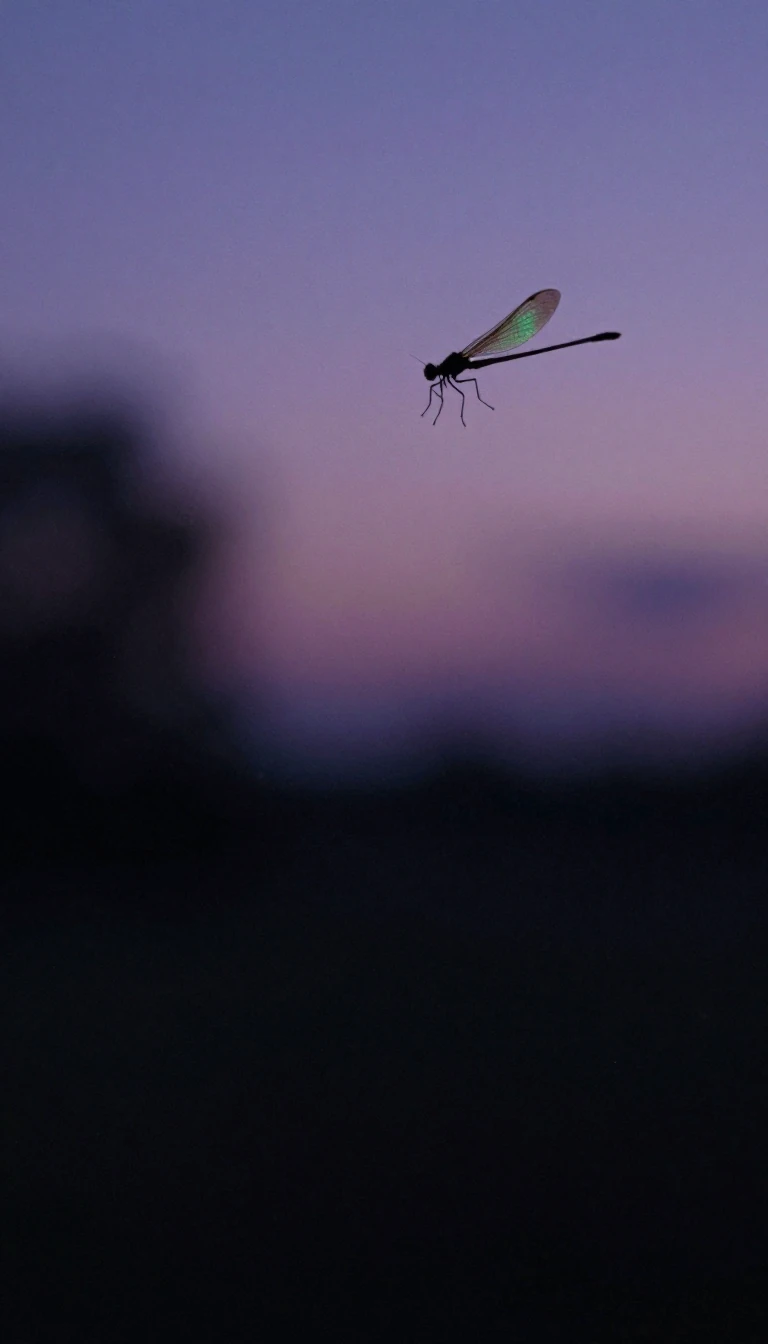 Fish hawks breed on all continents except AntarcticaOspreys (Pandion haliaetus)—once sea hawks or fish hawks—are daytime fish hunters with a near-global range. They miss Antarctica as breeders and visit South America only as nonbre…
 Bony fish split into ray-fins and our lobe-fin kinOsteichthyes, from the Greek words for bone and fish, is the clade of vertebrates whose inner skeletons are built mainly of bone. It splits into the ray-finned fishes, which make …
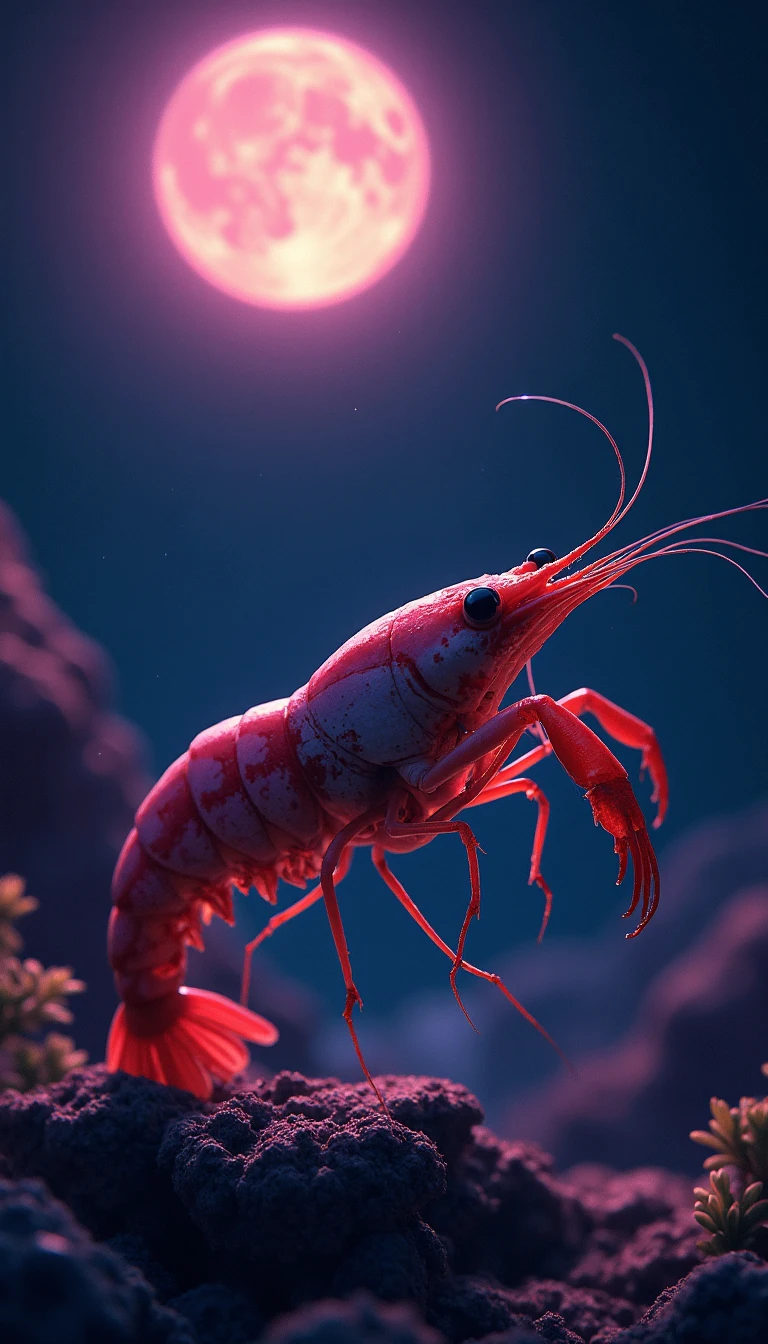 Seed shrimp rule the arthropod fossil shelvesOstracods, nicknamed seed shrimp, are crustaceans with roughly 33,000 described species—only about 13,000 still living. Greek ostrakon means shell or tile. They are by far the mos…
 Shell-skin fishes made gills for breathing aloneOstracoderms—“shell-skins”—informally gather Paleozoic armored jawless fishes. Their quiet revolution: gills devoted only to respiration, not dual-purpose filter feeding as in ear…
 American warblers unrelated to Old World namesakesParulidae—New World or wood-warblers—holds 120 small, often brilliant passerines confined to the Americas and unrelated to Old World or Australian warblers. Diversity peaks in nor…
 An eft grew an N and became newtNewts are salamanders of subfamily Pleurodelinae, semiaquatic unlike many cousins; their land-juvenile stage is an eft. Not every water-loving salamander earns the name. Old Engli…
- Ground-nesting night birds with tiny useless feetNightjars of family Caprimulgidae are medium nocturnal or dusk-flying birds with long wings, short legs, and stubby bills; some New World species are called nighthawks. They occur…
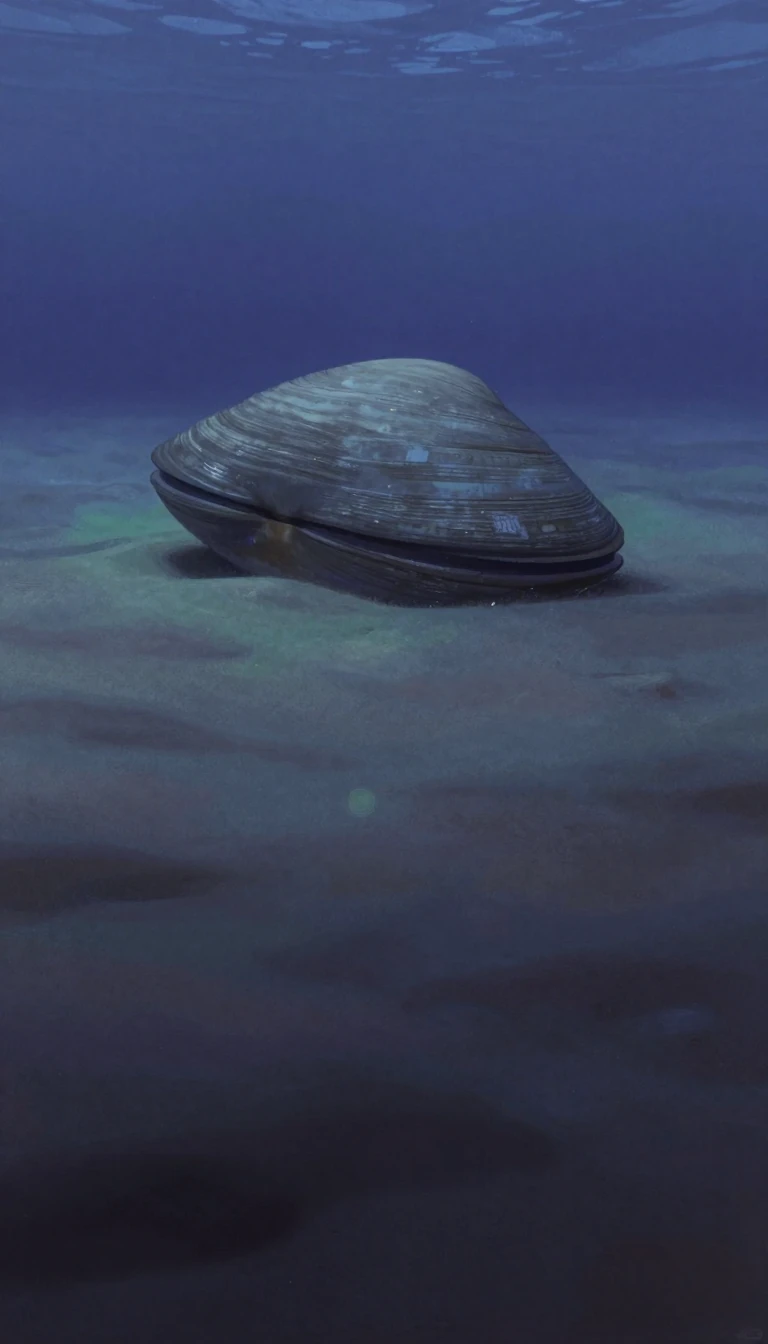 Second-largest animal phylum after the arthropodsMollusca holds about 86,600 living species—second only to arthropods—and maybe 60,000 to 100,000 more as fossils. Roughly 23% of named marine organisms are molluscs. Soft muscular…
 Not a goose: Herpestidae carnivores of three continentsMongooses are small ground carnivores in family Herpestidae—twenty-three Herpestinae species across southern Europe, Africa, and Asia, plus eleven Mungotinae species. English borr…
 Five living mammals that still lay eggsMonotremes are the only surviving egg-laying mammals: one platypus and four echidnas. All living species are native to Australia and New Guinea, though Late Cretaceous and Paleoce…
 Tallest deer, and North America’s second-heaviest landerAlces alces—the moose, or elk in Eurasian English—is the world’s tallest, largest, and heaviest living deer and the sole surviving Alces species. In North America only the America…
- Thirty-six hundred little flies that rewrite public healthCulicidae—mosquitoes—are some 3,600 small fly species whose Spanish/Portuguese name means “little fly.” Slender bodies, one wing pair, long legs, and piercing mouthparts define ad…
- Clothes don’t get eaten by adult mothsMoths are winged Lepidoptera beside butterflies, often with dark or dull patterned wings. Once dumped in the paraphyletic Heterocera, they share complete metamorphosis: eggs near …
 Grey mullets fed Rome—and confuse fish marketsMugilidae—mullets or grey mullets—patrol coastal temperate and tropical seas worldwide, with some freshwater members. Mediterranean tables have eaten them since Roman times; ancie…
 Sheep-ox of the Arctic, not an ox at allOvibos moschatus—the muskox—wears a dense Arctic coat and earns its name from the rutting male’s strong odor that draws females. Woods Cree calls translate as “ugly moose” or “ugl…
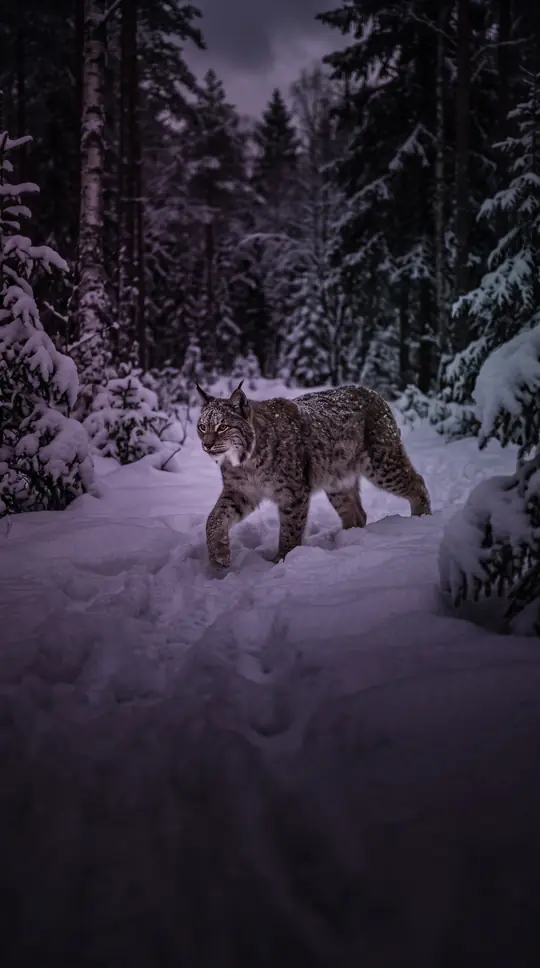 From least weasel to sea otter in one familyMustelidae—named from Latin mustela, weasel—packs weasels, badgers, otters, polecats, martens, grisons, and wolverines into Carnivora’s largest caniform family. Least weasels can …
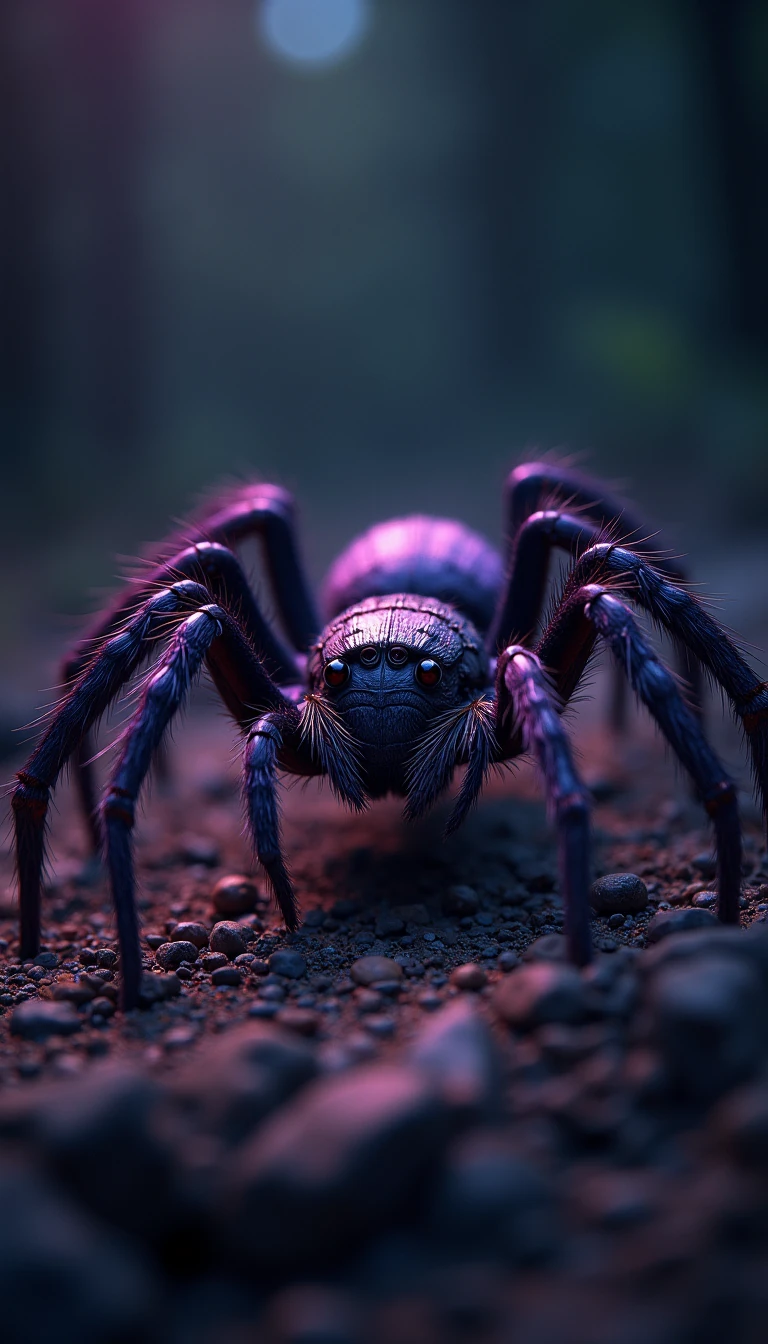 Countless feet that walked onto land earlyMyriapods—Greek for countless feet—unite millipedes, centipedes, and kin in a wholly terrestrial subphylum of about 13,000 species. Molecular clocks and fossils hint at Cambrian d…
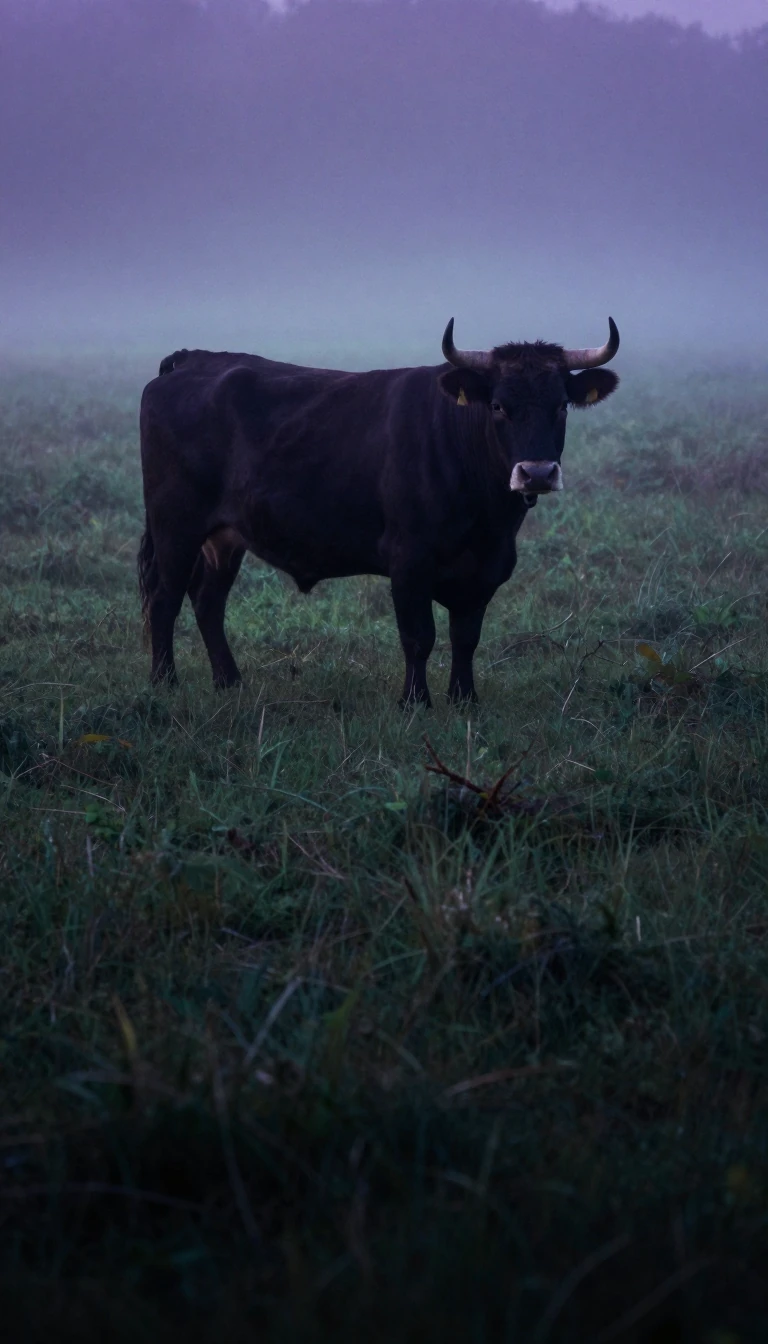 True cobras wear a Sanskrit generic nameNaja holds the venomous elapids called true cobras across Africa and Asia. King cobras and rinkhals share the nickname but sit outside the genus. Sanskrit naga, meaning snake, sup…
 Roundworms may outnumber almost every animalNematodes—roundworms or eelworms—form phylum Nematoda across nearly every ecosystem, from polar soils to ocean trenches. Most freeload on microbes; many parasitise plants and anim…
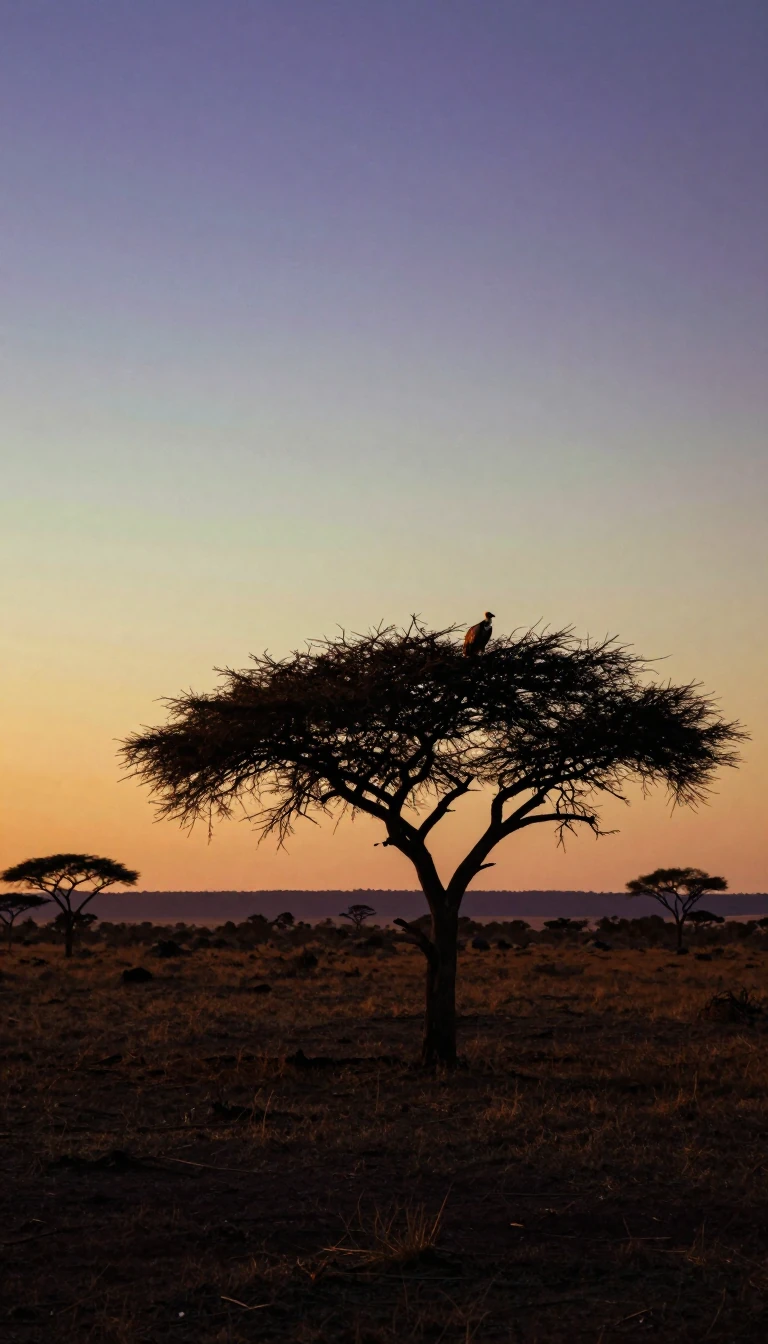 American scavengers that can smell the deadCathartidae—New World vultures and condors—counts seven living species in five genera across the Americas. Unlike Old World vultures that hunt carcasses by eye alone, some Cathart…
 Black mambas usually flee; humans are their main predatorsStories of black mambas chasing people circulate widely, yet these snakes generally avoid contact and use speed to escape. Apparent pursuits are often a snake racing toward its lo…
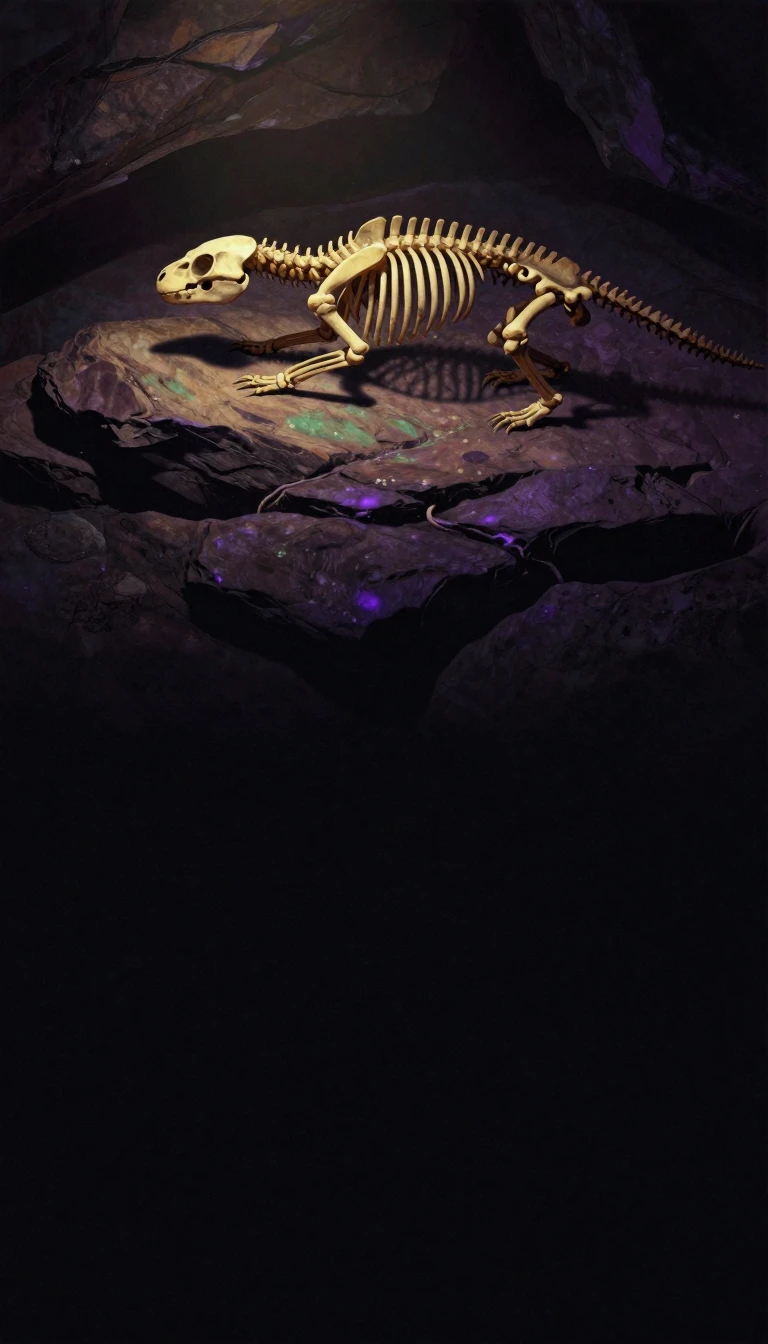 Milk, hair, and three ear bones define the mammal clubFrom Latin mamma for breast, mammals are vertebrates that nurse young with mammary glands, grow hair or fur, pack a broad neocortex, and hear through three middle-ear bones. Those…
 Giant filter-feeding rays may recognize themselves in mirrorsManta rays carry one of the highest brain-to-body ratios among fishes and show advanced cognition. In a 2016 modified mirror test, individuals performed contingency checks and unu…
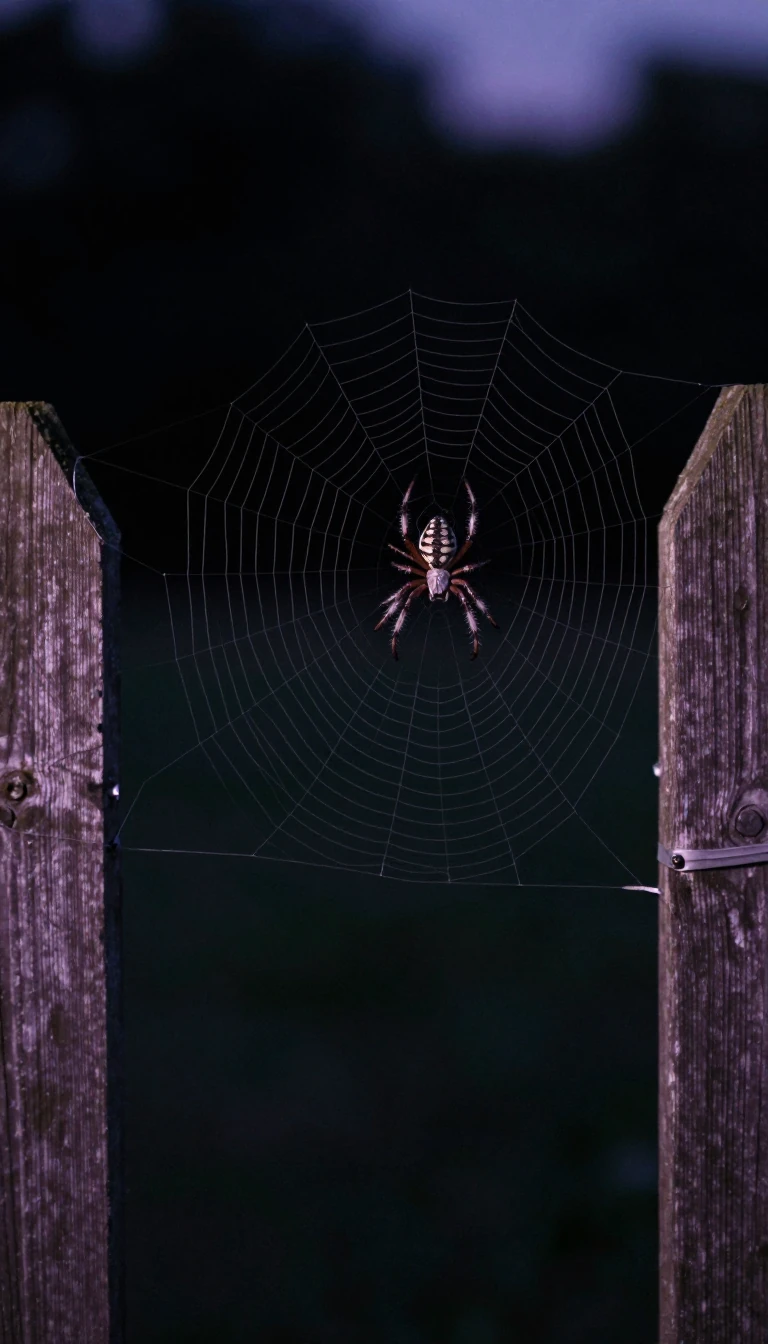 Praying posture hides a stereo hunter with ultrasound earsA mantis freezes with spiked forelegs folded, looking devout—hence praying mantis. The pose is an ambush cockpit. Compound eyes with up to ten thousand facets track prey in stereo…
 They light their stripes moments before striking preyMarlins can change colour, flashing their stripes just before an attack. Apex predators of open seas, they carry a spear-like bill and a tall dorsal crest that inspired both their…
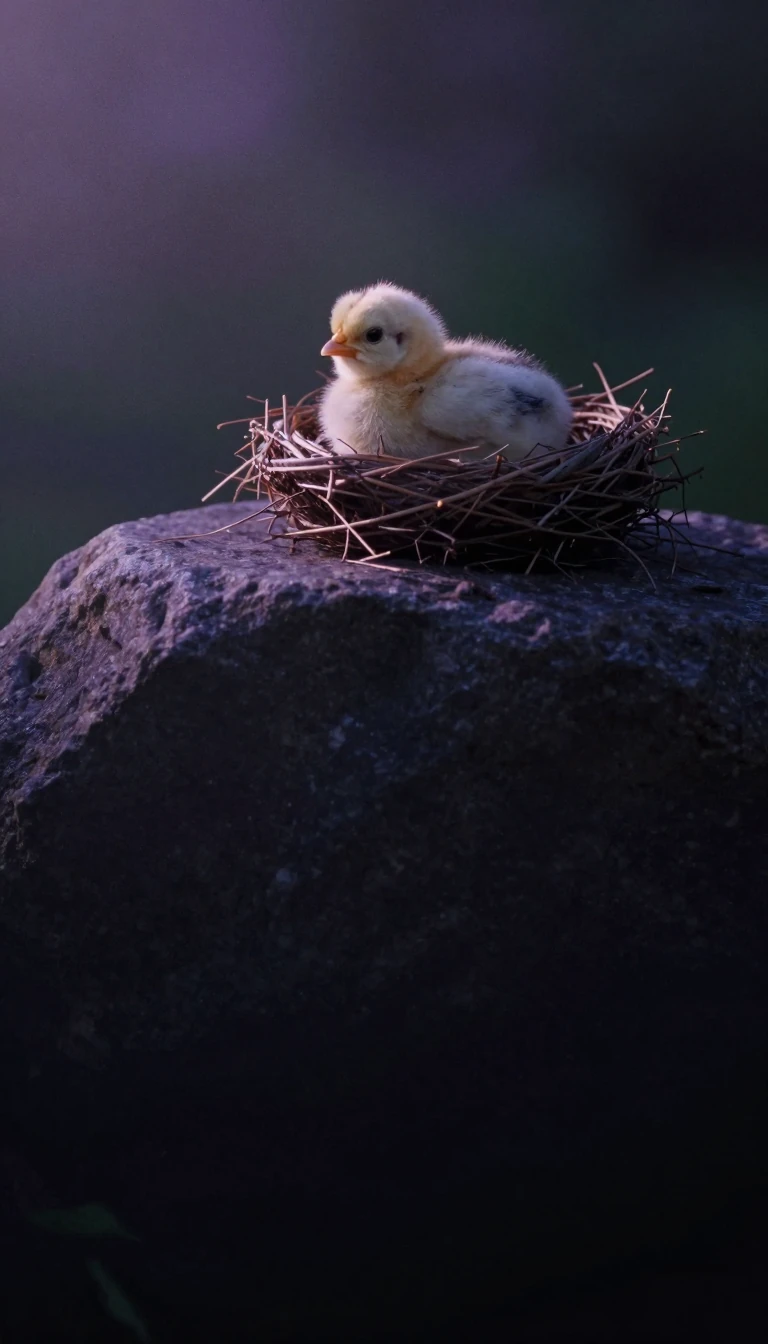 Born tiny, they finish growing latched to a teat in a pouchMarsupials deliver young after a short pregnancy—often twelve to thirty-three days—then the pink, blind newborn crawls to a teat in a pouch or fur fold. Gestation is brief; lactat…
 Croatia put a marten on its money for centuriesMedieval taxes in Slavonia and Dalmatia were once paid in marten pelts—the marturina. The banovac coin struck from 1235 to 1384 bore the animal, and the Croatian currency was late…
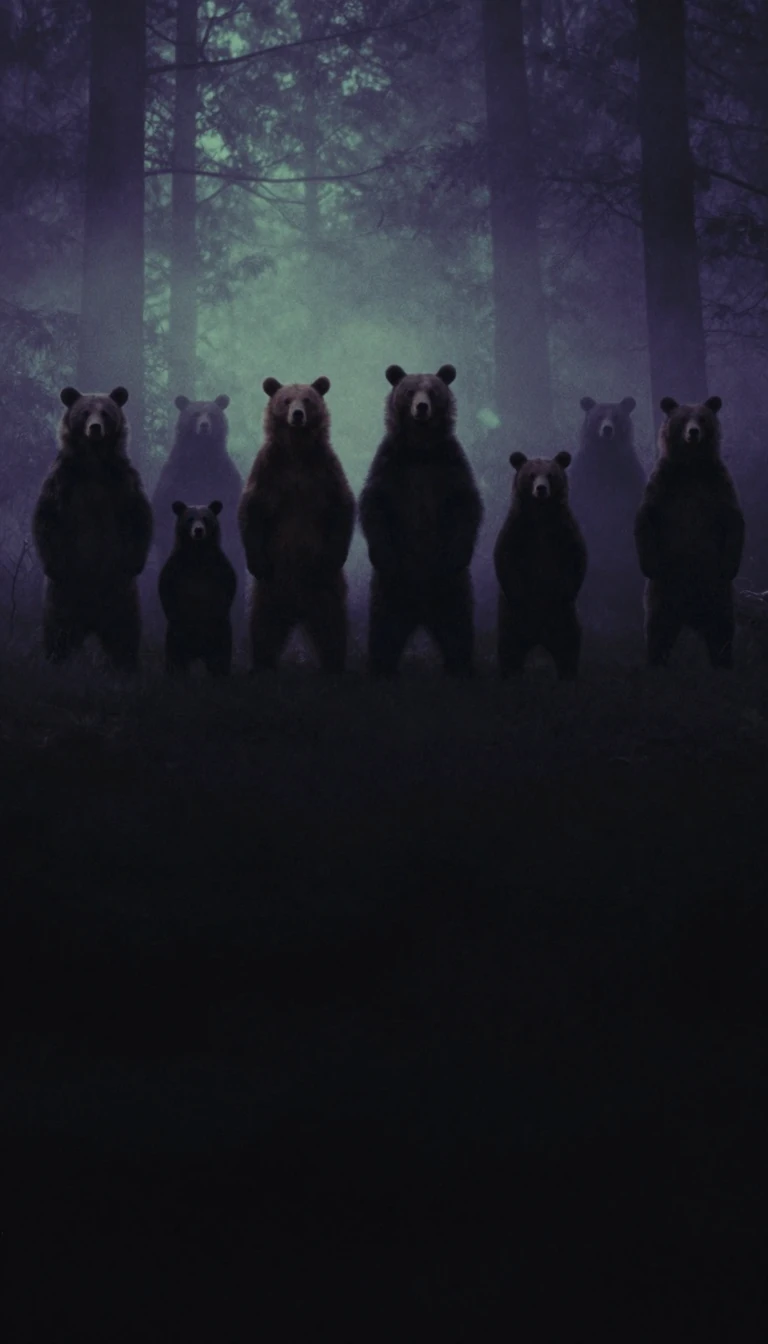 Most giant fruit bats navigate by sight and smell, not sonarMegabats—fruit bats and flying foxes of family Pteropodidae—are the giants of the bat world, yet nearly a third weigh under fifty grams. With few exceptions they lack echolocation…
 Microbats paint the night with larynx-made ultrasoundMost microbats fire calls from fourteen thousand to over one hundred thousand hertz—far above human hearing—and read the returning echoes. Laryngeal ultrasound, beamed through nos…
- The Indo-Pacific fish that farms built before true hatcheriesChanos chanos is the sole living member of its family and genus, a silvery Indo-Pacific ray-fin that can top nearly two metres yet is usually under one. Southeast Asian ponds rais…
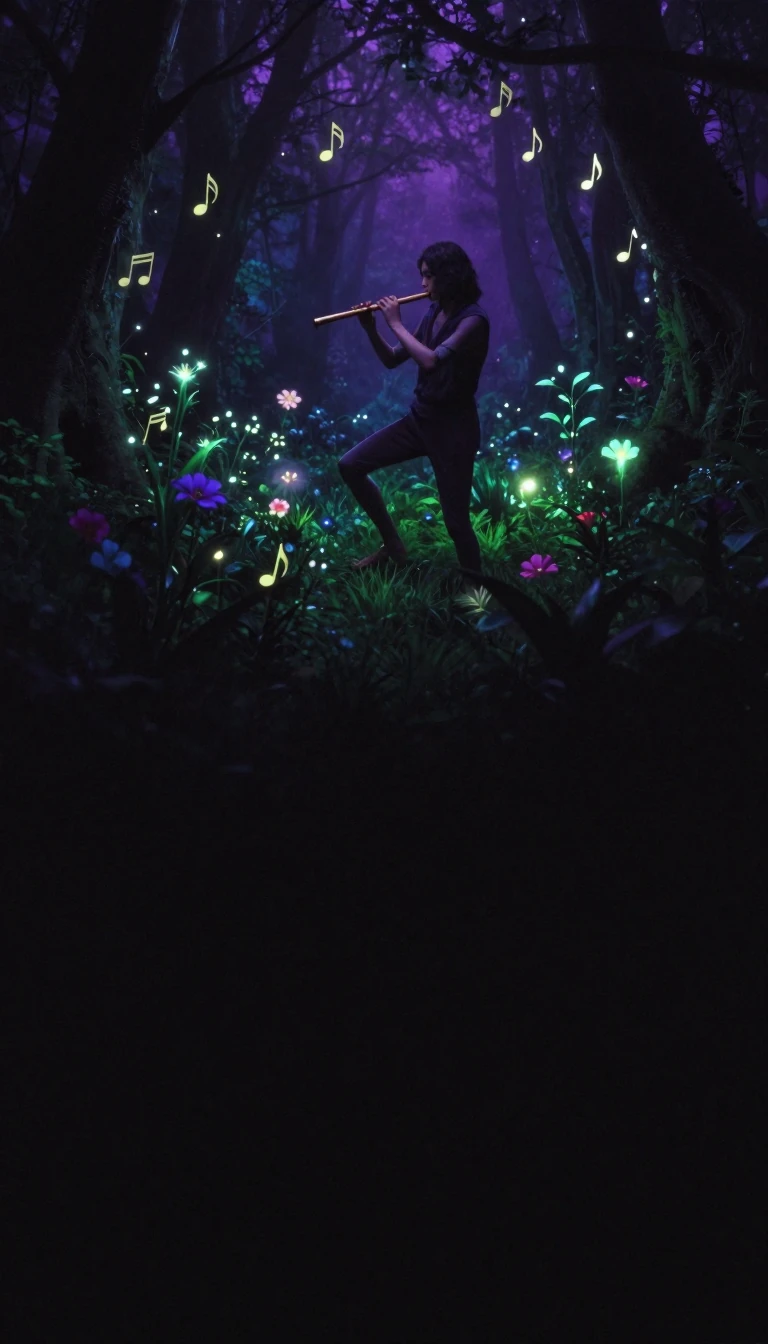 A thousand-legged name that waited until 2020 to come trueMillipedes belong to class Diplopoda: most body rings carry two pairs of legs because each ring is a fused pair of segments. Roughly twelve thousand named species fill sixteen ord…
- Eight-legged worlds smaller than a millimetre, not one cladeWhat we call mites spans two huge arachnid orders—Acariformes and Parasitiformes—that most recent genetics no longer treat as each other’s closest kin. Most adults are under a mil…
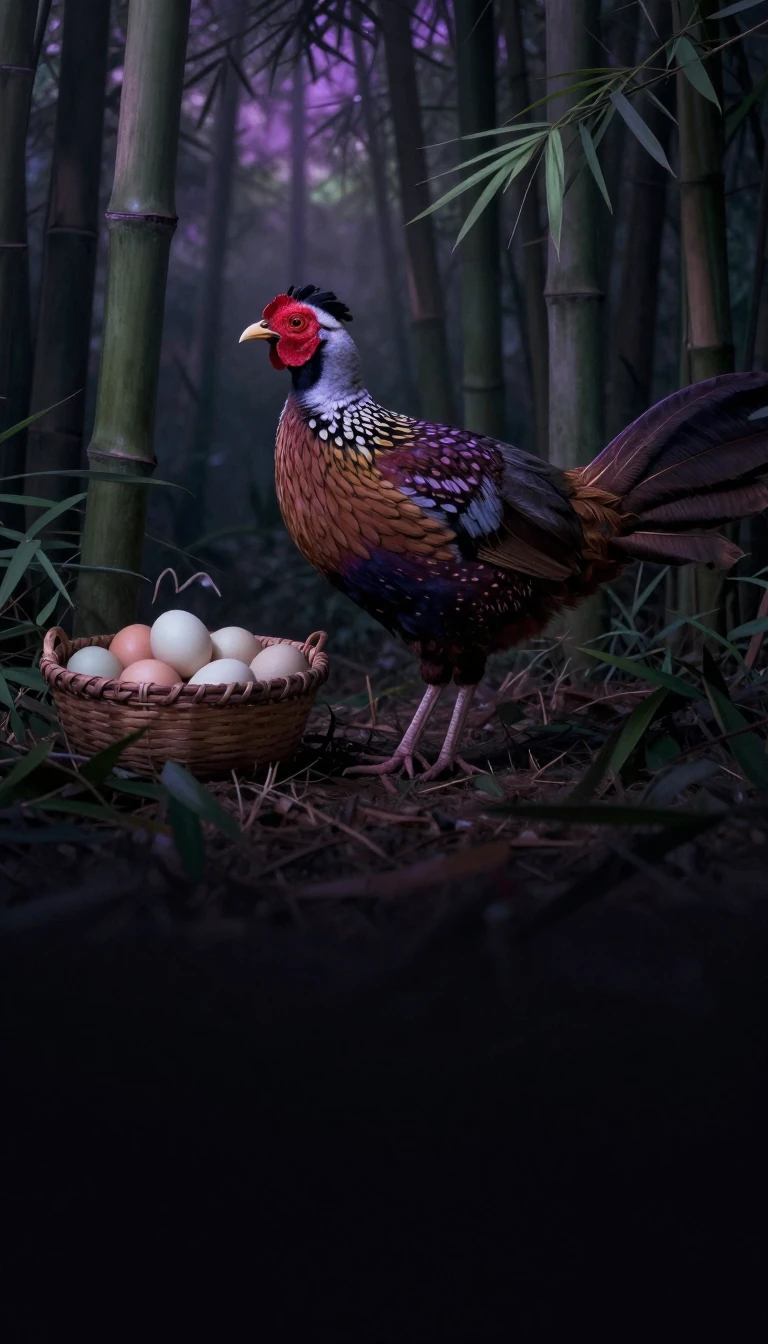 New Zealand's giant birds that had no wings at allMoa—order Dinornithiformes—were flightless birds endemic to New Zealand. Nine Late Pleistocene–Holocene species filled six genera; the biggest Dinornis stood about 3.6 metres with…
 The mimic that taught Darwin species might not stay fixedMockingbirds are New World Mimidae songbirds famed for copying other birds, insects, and frogs in loud rapid strings, and for fierce nest defence. Studies show some species even r…
 Crickets that dig exponential horns to broadcast pure songMole crickets—family Gryllotalpidae—are stout burrowers about three to five centimetres long with shovel forelegs and tiny eyes. Males sing from tunnels flared like exponential ho…
 Loons fly a thousand kilometres—yet stumble on landFeet set far aft make loons superb underwater hunters and clumsy walkers, so they visit shore mainly to mate and nest. Satellite tags have logged single-day flights up to 1,078 ki…
- Aquarium ‘plecos’ are Earth’s largest catfish familyLoricariidae holds more than ninety genera and just over 680 species—the biggest catfish family on the planet. Armoured in bony plates and fitted with suckermouths, they range fro…
 Lice are booklice that moved onto warm bloodNearly five thousand wingless parasites once ranked as their own insect order. A 2021 genetic study folded Phthiraptera into Psocodea—the booklice and barklice—as a highly modifie…
 Only six lungfish species guard a 410-million-year lineLungfish are the closest living relatives of tetrapods—the clade that includes amphibians, reptiles, birds, and mammals. Just six freshwater species survive in Africa, South Ameri…
- Four lynx species—one climbed back from the brinkLynx means four living medium wildcats: Canada lynx, Iberian lynx, Eurasian lynx, and bobcat. Tufted ears, short tails, and snowshoe paws define the look. The Iberian lynx was onc…
 Australia’s mimic that fans a false lyre over its backTwo ground-dwelling Australian species in genus Menura make up the lyrebirds, famed for copying forest and human sounds and for the male’s courtship plume. Early taxidermists fann…
 Striped schoolers whose marks help neighbors keep paceMackerel names many open-ocean fishes, mostly in the tuna family Scombridae, with forked tails and tiger-like back stripes. They lack swim bladders, retract fins into grooves, and…
 Golden surface racers that can outpace fifty knotsMahi-mahi—Hawaiian for “very strong”—are Coryphaena hippurus, surface hunters of warm seas worldwide, also called common dolphinfish or dorado. They are not related to marine mamm…
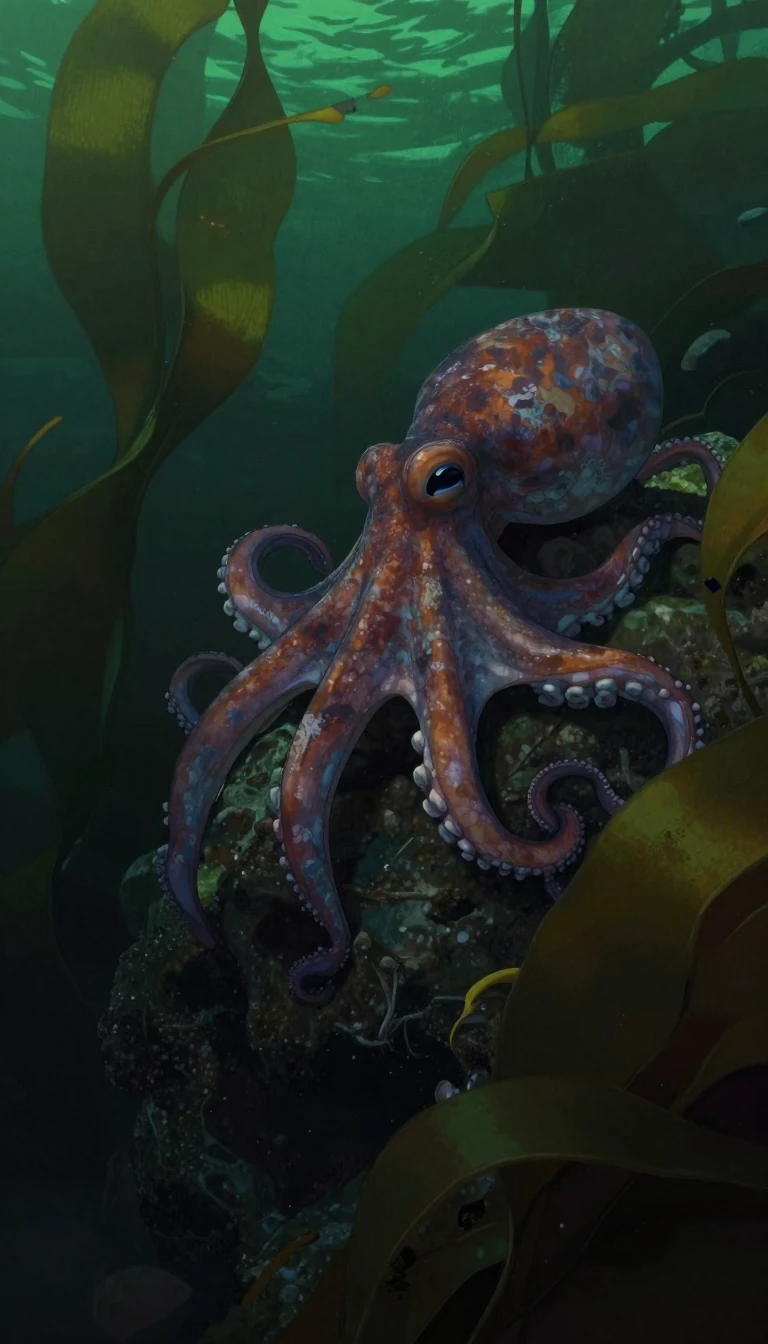 Forty thousand crustaceans share one twenty-segment body planMalacostraca is the second-largest pancrustacean class after insects, with about 40,000 living species across sixteen orders—crabs, lobsters, shrimp, krill, isopods, amphipods, ma…
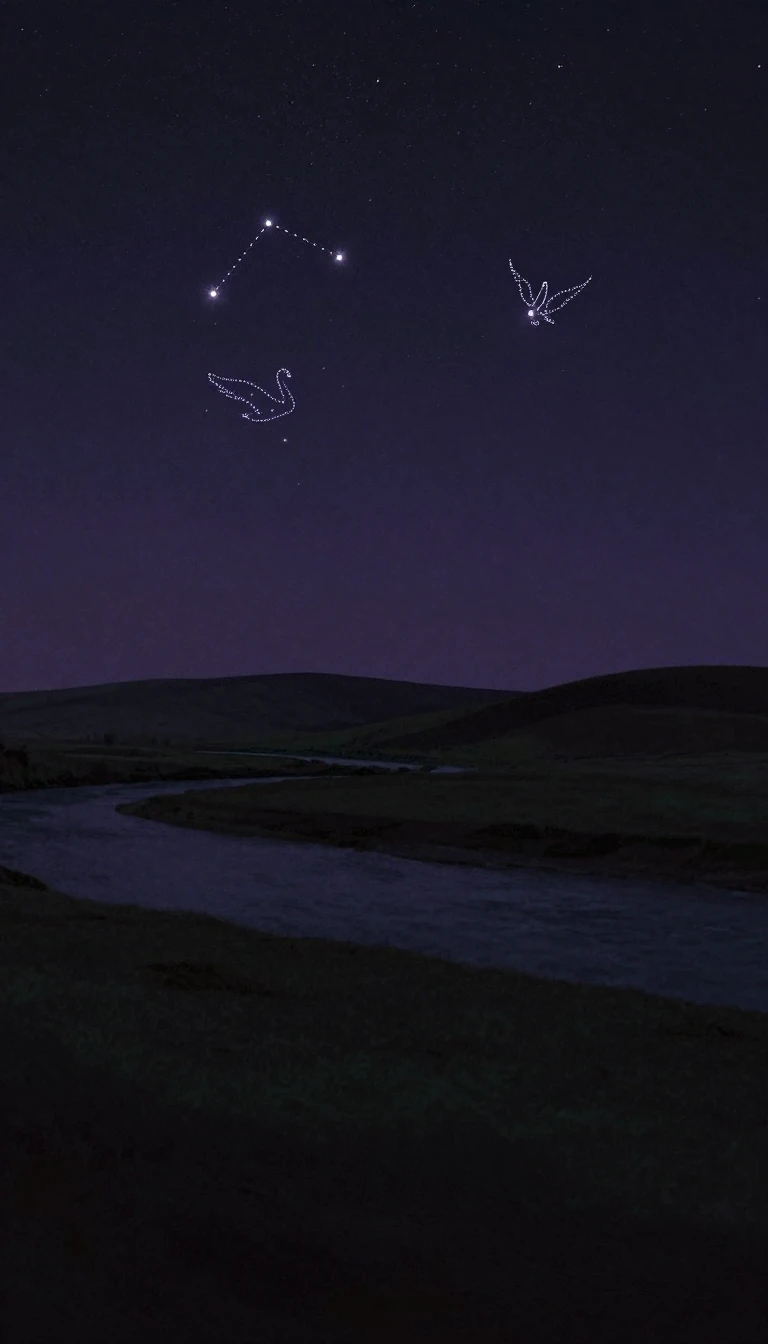 The dabbling duck that remixed forty wild relativesMallards (Anas platyrhynchos) breed across temperate Americas, Eurasia, and North Africa and thrived after human introductions farther south. Drakes flash green heads; both sexes …
- Drop a lizard’s tail and it buys you an escapeMore than seven thousand lizard species span every continent but Antarctica. Many answer predation with a radical trick: they self-amputate the tail, leaving a thrashing decoy whi…
- Llamas left North America—then only the Andes kept themCamelid ancestors arose on North America’s Great Plains about forty million years ago and walked into South America roughly three million years ago. By the close of the last ice a…
- Lobsters stay fertile as they age—then moulting killsWild lobsters may live an estimated forty-five to fifty years, and research suggests they need not weaken or lose fertility with age—older animals can be more fertile. Adult tissu…
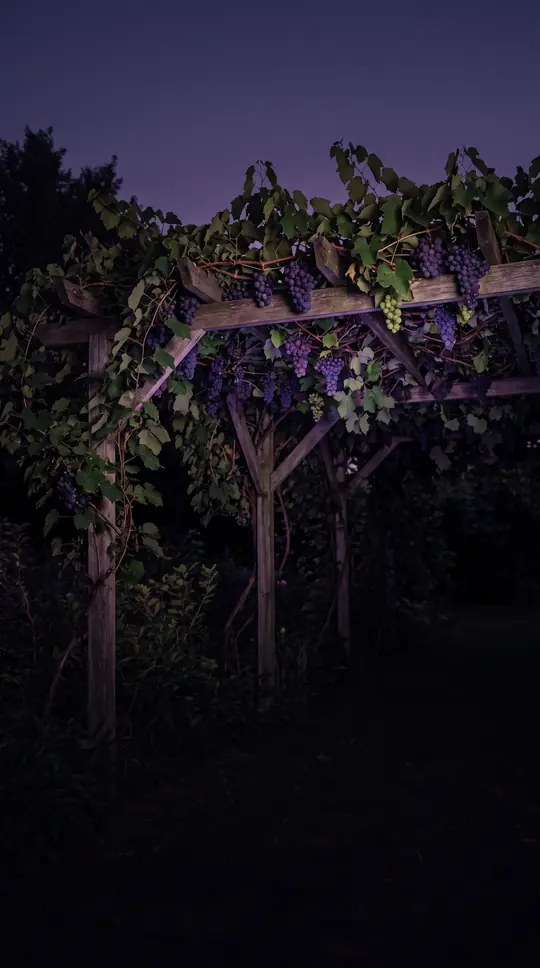 A few leg ticks turn a grasshopper into a plagueLocusts are not a separate taxonomic clan—they are ordinary short-horned grasshoppers that flip into a swarming lifestyle. Crowd the hind legs with several touches a minute for ab…
- New Zealand’s kiwi smells prey with nostrils on its beak tipKiwi are chicken-sized, flightless New Zealand ratites—five living Apteryx species in family Apterygidae. Invisible stub wings hide under hair-like feathers, eggs can weigh a fift…
- Koalas sleep twenty hours on a near-poison eucalyptus dietThe koala (Phascolarctos cinereus) is Australia’s arboreal marsupial icon—not a bear—sole survivor of Phascolarctidae and cousin to wombats. Stout, tailless, with fluffy ears and …
 Niigata farmers turned food carp into living brocadeKoi—nishikigoi, “brocaded carp”—are ornamental color forms of carp kept in ponds and water gardens. Systematic breeding began in Japan’s Niigata villages in the early nineteenth c…
- The world’s largest lizard wears bone chain-mail skinKomodo dragons (Varanus komodoensis) are endemic monitors of a few Indonesian islands, topping living lizards at up to about 3 m and 150 kg. Apex hunters of rusa deer and pigs, th…
- Antarctic krill’s swarming biomass feeds an entire oceanKrill are small marine crustaceans of order Euphausiacea, found in every ocean. The name is Norwegian for fish fry. Near the food web’s base, they graze phytoplankton and sustain …
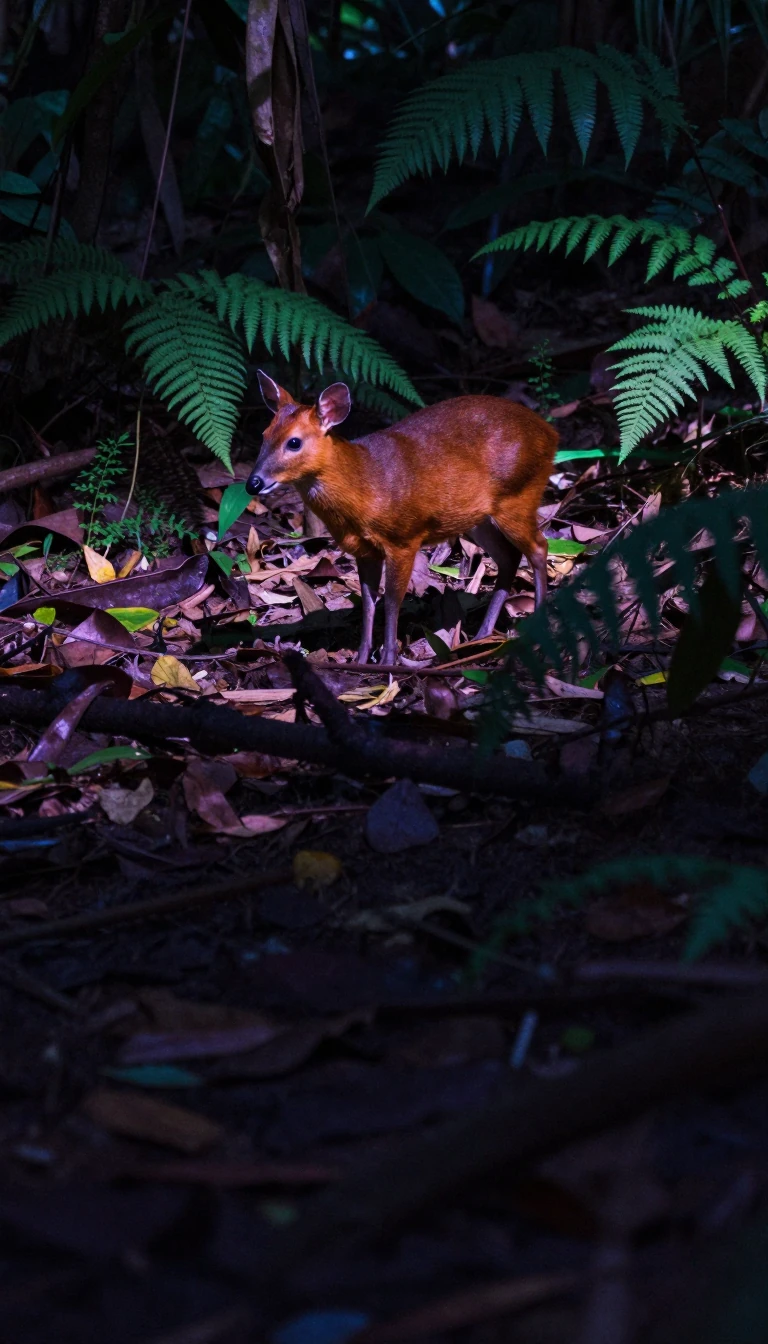 Rabbits aren’t rodents: four upper incisors give them awayLagomorphs—order Lagomorpha—are the rabbits, hares (Leporidae), and pikas (Ochotonidae). About 109 living species in twelve genera span every continent but Antarctica. Closely rel…
 Jawless lampreys still clamp on with a toothed suction discLampreys are jawless fishes of order Petromyzontiformes—roughly thirty-eight living species—famed for funnel mouths lined with keratin teeth. Genetic data link them to hagfish as …
 Skylarks sing on the wing—and moult every chick featherLarks are passerines of family Alaudidae: ninety-eight living species in twenty-four genera, richest in Africa, with only the horned lark in North America and Horsfield’s bush lar…
- Leafhoppers jump, sip sap, and spray armor called brochosomesLeafhoppers—family Cicadellidae—are tiny sap-sucking bugs whose bristly hind legs launch them skyward and spread water-repellent, pheromone-carrying secretions over their bodies. …
 Leeches pack thirty-two segments into a solid, suckered bodyAbout six hundred eighty leech species have been named, mostly freshwater worms with suckers at both ends. Unlike earthworms, their body cavity shrinks to slim channels, and many …