 Intellect Plus
Organisms
1,988 cards. Each one is a 40-second story with a five-minute read behind it. Page 32 of 34.
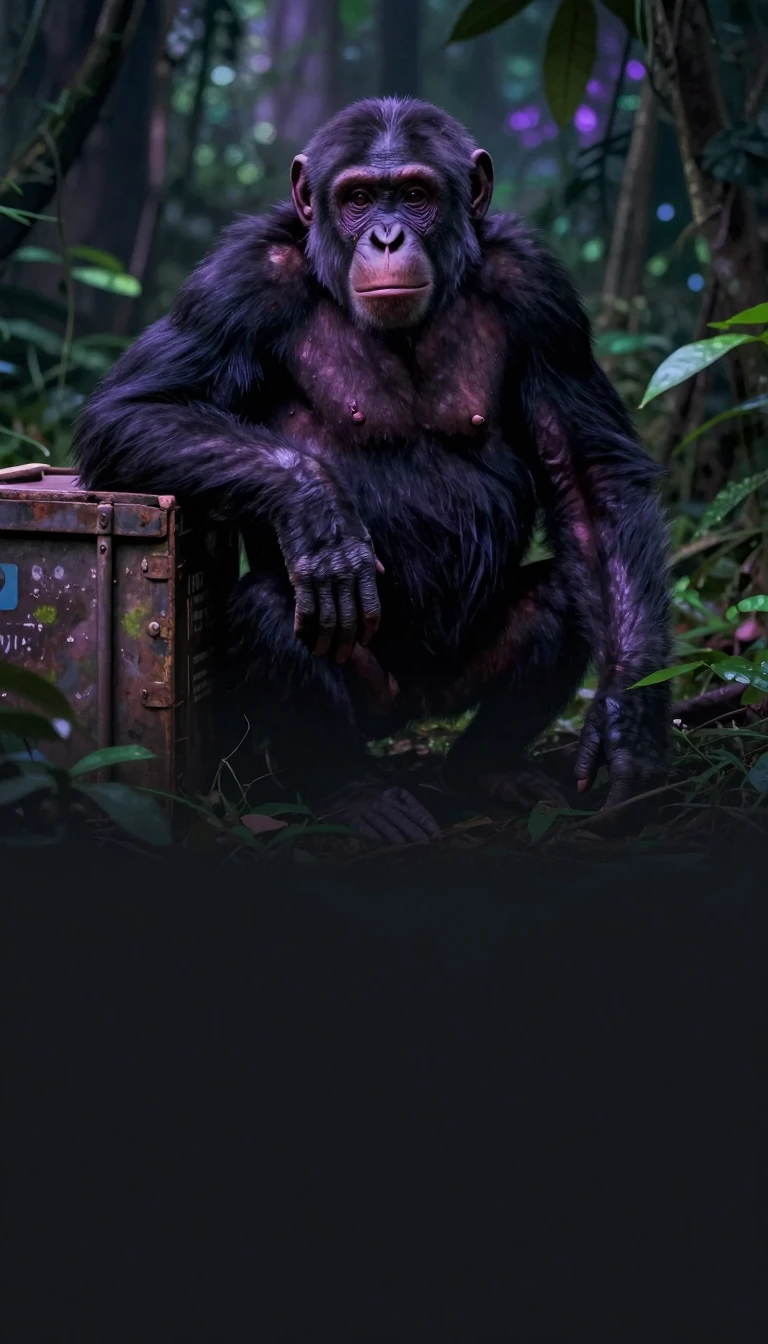 Crocodilians appeared 83.5 million years ago beside bird kinCrocodylia is the order of semiaquatic predatory reptiles we call crocodilians. Fossils place them from about 83.5 million years ago in the Late Cretaceous Campanian, and living m…
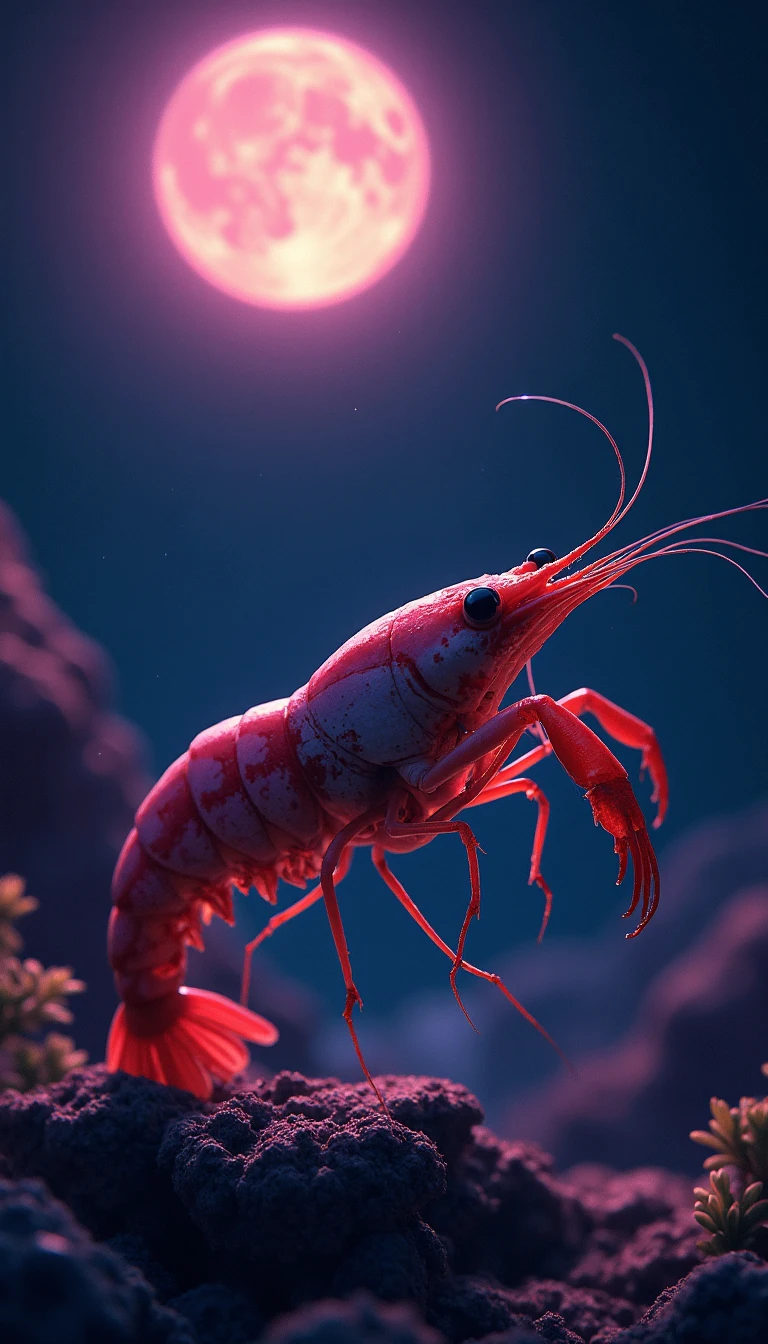 Crustaceans span a tenth of a millimetre to spider-crab giantsCrustaceans are mandibulate arthropods traditionally grouped in subphylum Crustacea—mostly aquatic forms from shrimp and crabs to barnacles and woodlice. About 67,000 described sp…
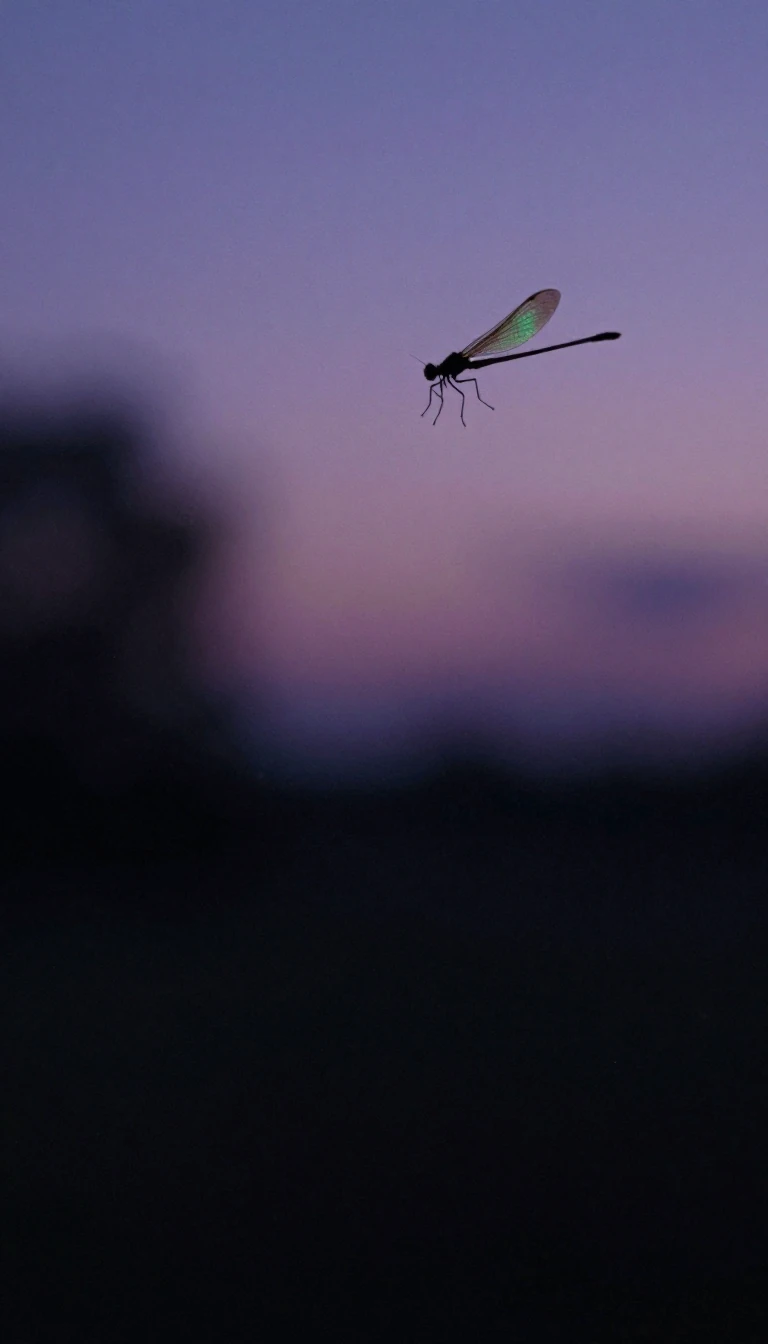 Channel-billed cuckoos are the heavyweights of nest parasitesCuckoos and roadrunners fill family Cuculidae, the only Cuculiformes. The clan includes common cuckoos, koels, malkohas, couas, coucals, and anis. The channel-billed cuckoo, about…
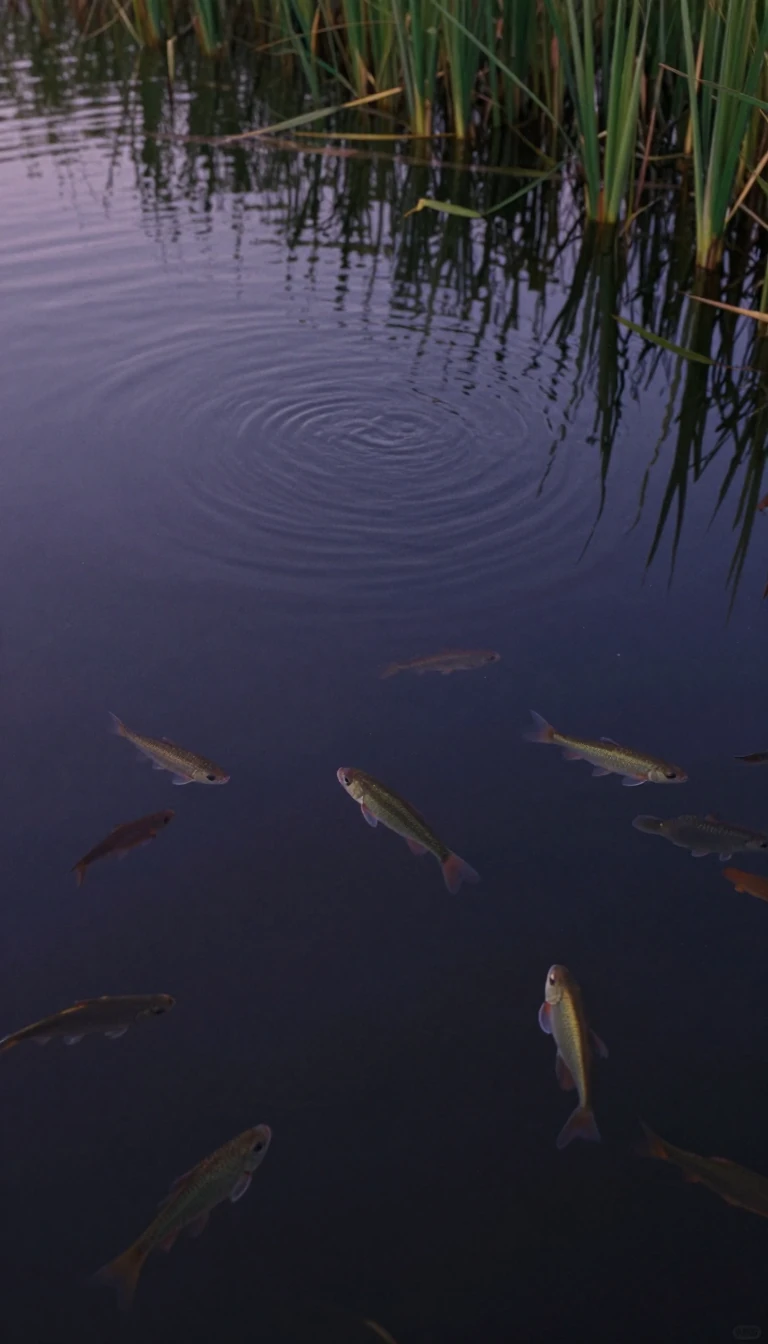 Cypriniformes pack carps, minnows, loaches into one giant orderCypriniformes is a vast order of ray-finned fishes splitting into barbs, loaches, botias, carps, danionins, minnows, and more. It is often called an “order of ostariophysans,” bin…
 Killifish and live-bearers share a small-fish freshwater orderCyprinodontiformes gathers mostly small freshwater ray-finned fishes, including popular aquarium killifish and live-bearers. They sit close to Atheriniformes and are sometimes dis…
 Damselflies fold slim wings while dragonflies usually don’tDamselflies are Zygoptera within order Odonata, cousins to dragonflies but typically smaller and slimmer. Most species rest with wings folded along the body, a silhouette field gu…
 Snakebirds spear fish with necks like living periscopesDarters, anhingas, or snakebirds are tropical waterbirds of family Anhingidae and single genus Anhinga. Four living species range across the Americas, Africa, Asia, and Australasi…
 Decapods may have branched off 455 million years agoDecapods—crabs, lobsters, crayfish, shrimp, and prawns—are ten-footed malacostracan crustaceans, mostly scavengers. Molecular-clock work published in 2019 pushes their origin near…
- Reefs cover under one percent of ocean, host a quarter of fishHard coral structures take up under one percent of the world ocean’s surface yet shelter roughly a quarter of all marine fish species. A small healthy patch can hold hundreds of k…
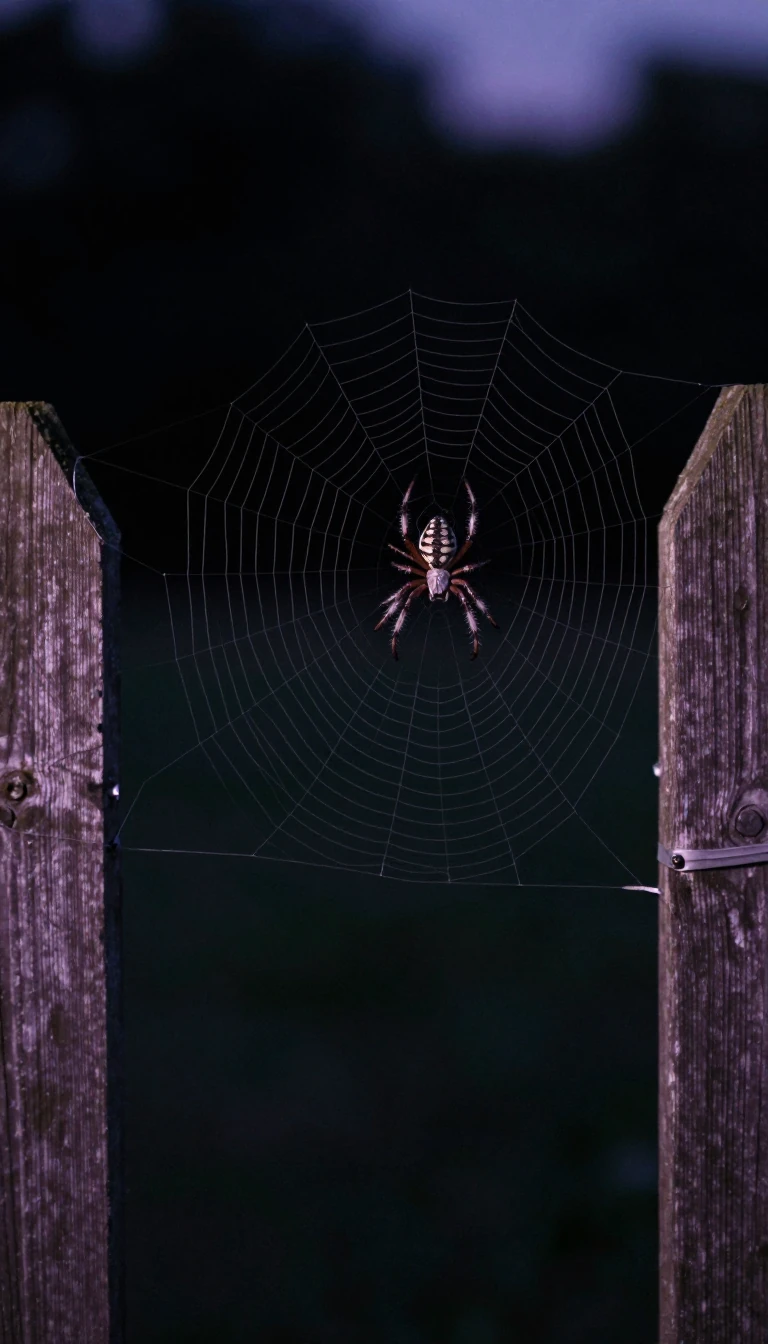 Coral snakes bite rarely yet carry fixed front fangsAbout twenty-seven Old World elapids and roughly eighty-three New World ones wear the coral-snake label. Most stay hidden underground or in leaf litter, surfacing mainly after rai…
 Sea ravens dive with all four toes webbed togetherRoughly forty species of cormorants and shags fill family Phalacrocoracidae, weighing from about a third of a kilogram up to five kilograms with wings often spanning sixty to one …
- Crows match many primates on a brain-to-body scoreThe crow-and-raven genus Corvus holds about forty-six species on every continent except South America and Antarctica. Lab work since 2002 shows some not only wield tools but fashi…
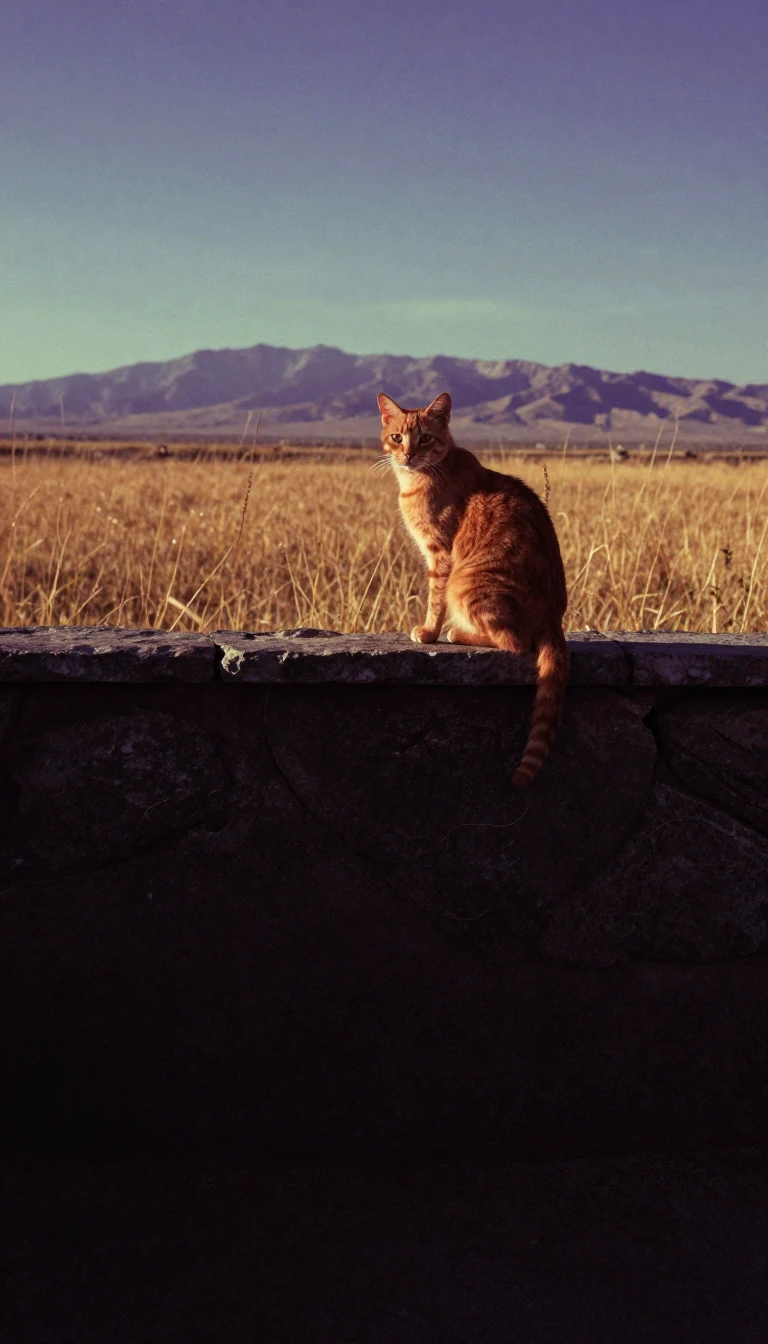 Forty-plus English names chase one wide-ranging American catPuma concolor—cougar, puma, mountain lion, catamount, panther—holds a Guinness record for most names, over forty in English alone. Its wild range is the widest of any terrestrial …
 Coyotes out-adapt wolves into cities and PanamaCanis latrans, the coyote or prairie wolf, stays smaller than the gray wolf yet colonizes human landscapes so well that IUCN rates it Least Concern. Sightings reach eastern Panama…
 Cranes are among Earth’s tallest birds that still flyFifteen crane species in four genera—Antigone, Balearica, Leucogeranus, and Grus—stalk wetlands on every continent but Antarctica and South America. Demoiselles stand about 90 cm;…
- Mosquito hawks neither hunt mosquitoes nor sting youCrane flies are called mosquito hawks and mosquito eaters, yet adults cannot kill or eat other insects, and many never feed at all in their brief ten-to-fifteen-day lives. Nor are…
 Crawdads are freshwater lobsters with a fishy folk nameCrayfish, crawfish, or crawdads are freshwater crustaceans closely related to lobsters, breathing through feathery gills. The name comes from Old French escrevisse, bent toward fi…
- Night singers with ovipositors star from Pinocchio to DickensCrickets, the superfamily Grylloidea, live everywhere except the cold lands beyond about 55 degrees of latitude. Males sing by rasping one leathery forewing against the other, and…
- Dove and pigeon names split by size, not by biologyColumbidae, the only family in Columbiformes, holds 52 genera and 353 species of stout seed-eating birds with short bills and fleshy ceres. English speakers often call small ones …
 The Indian myna's Latin name means sad or gloomyAcridotheres tristis, the common or Indian myna, is an Asian starling so invasive that in 2000 the IUCN Species Survival Commission listed it among the world's worst alien species…
 Nightingale means night singer in Old English rootsLuscinia megarhynchos, the common or rufous nightingale, is a small chat famous for powerful nocturnal song. Once classed with thrushes, it now sits among Old World flycatchers, a…
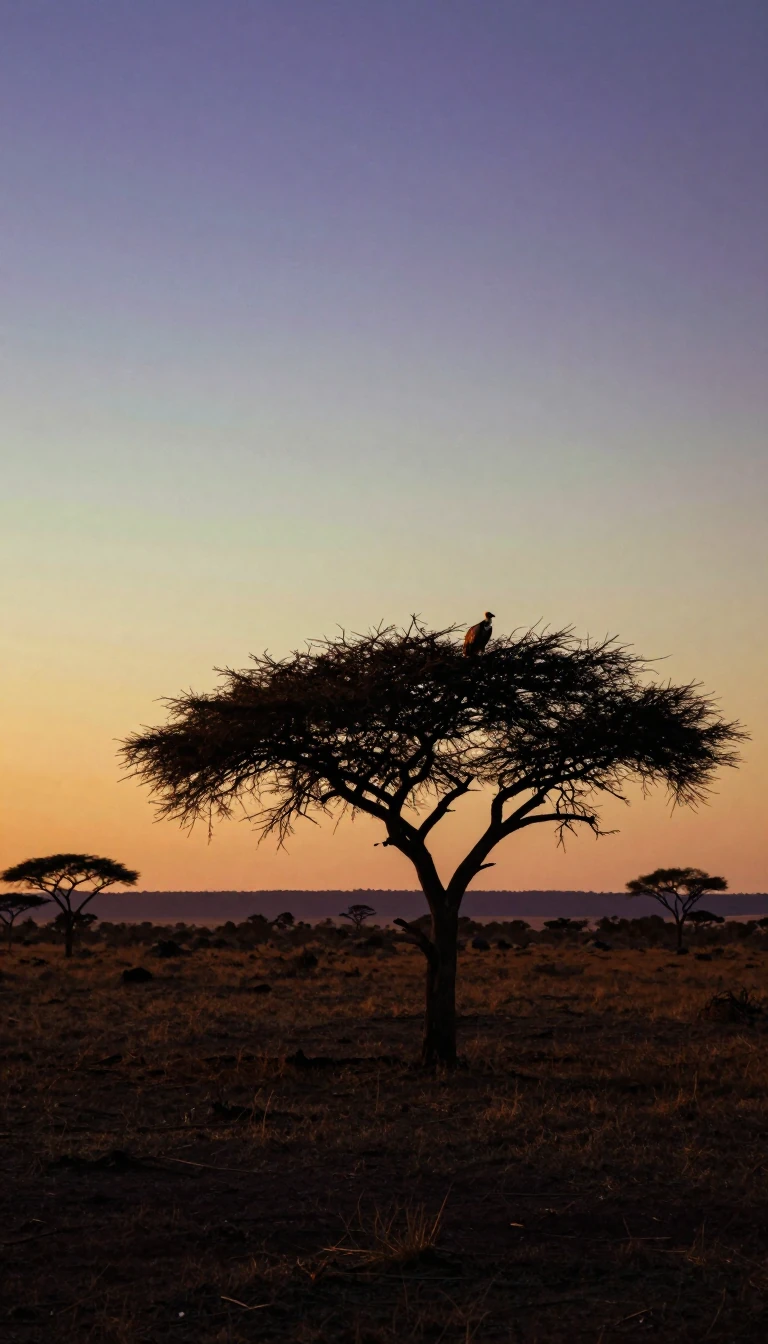 Ostriches are the tallest, heaviest birds alive todayStruthio camelus, the common ostrich of African open country, cannot fly yet outruns most predators. Males stand about 2.1 to 2.75 meters and may weigh 100 to 130 kilograms, while…
- The ring-necked pheasant is the world's classic gamebirdPhasianus colchicus, native across Asia and into Caucasus foothills of Europe, may be the most widespread ancient gamebird of global importance. Introductions for sport remapped i…
 European quail is heard as three chirps more than seenCoturnix coturnix, a small ground-nesting phasianid, migrates between Eurasian breeding grounds and African or south Asian winters. Linnaeus named it in 1758; its trademark triple…
- Corvus corax means raven twice—once Latin, once GreekThe common or northern raven is the most widely distributed corvid, an all-black passerine across the Northern Hemisphere. Genus Corvus is Latin for raven; corax Latinizes Greek k…
- Snapping turtles mature slower and larger in the northChelydra serpentina, a hefty freshwater chelydrid of eastern North America, is famously pugnacious on land with beaklike jaws and a long neck strike. Northern females may not matu…
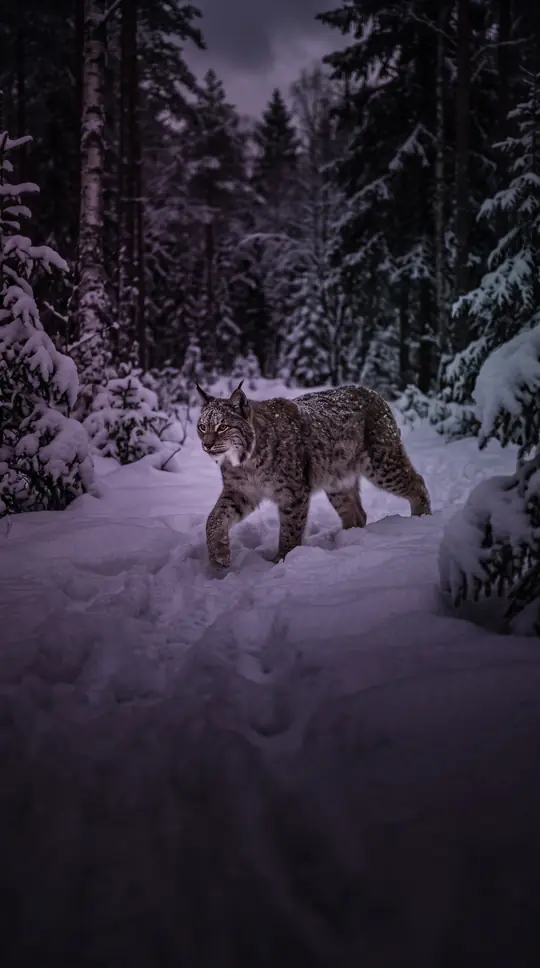 Starling flocks can help farms and wreck themSturnus vulgaris, the common or European starling, breeds across temperate Europe and the wider Palearctic with about twelve subspecies. Huge flocks eat insect pests yet also raid…
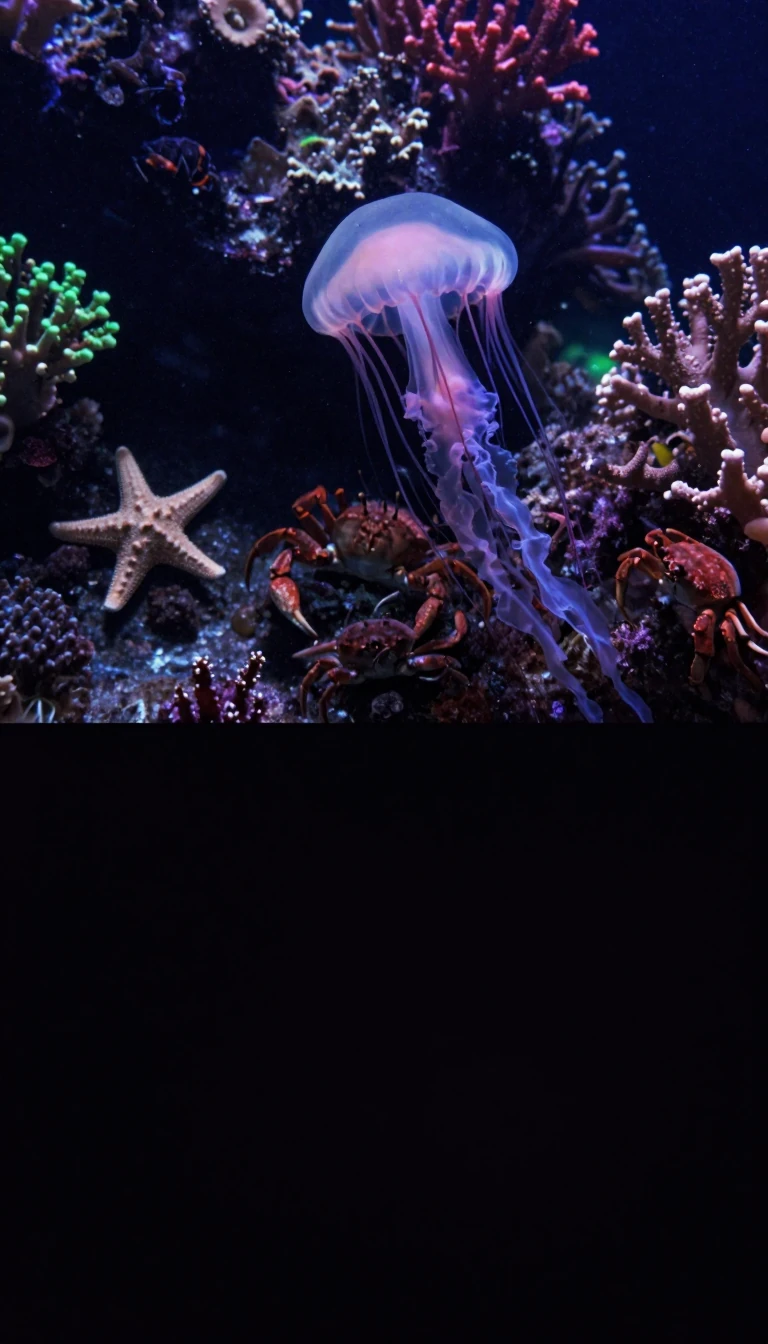 Most reef corals farm algae for food inside their cellsCorals are colonial anthozoan cnidarians whose polyps build shared limestone homes. Though tentacles can sting plankton and tiny fish, most shallow species draw the bulk of their …
- Pharyngeal jaws helped 1,760 cichlid species bloomCichlids form one of the largest vertebrate families, with at least 1,760 described species spanning thumb-length shell-dwellers to meter-long predators. All guard or mouthbrood y…
 Nettle cells built jellyfish, corals, and anemonesCnidaria holds more than eleven thousand aquatic species—mostly marine—including jellyfish, hydroids, anemones, and corals. Radial medusae and polyps share tentacles armed with cn…
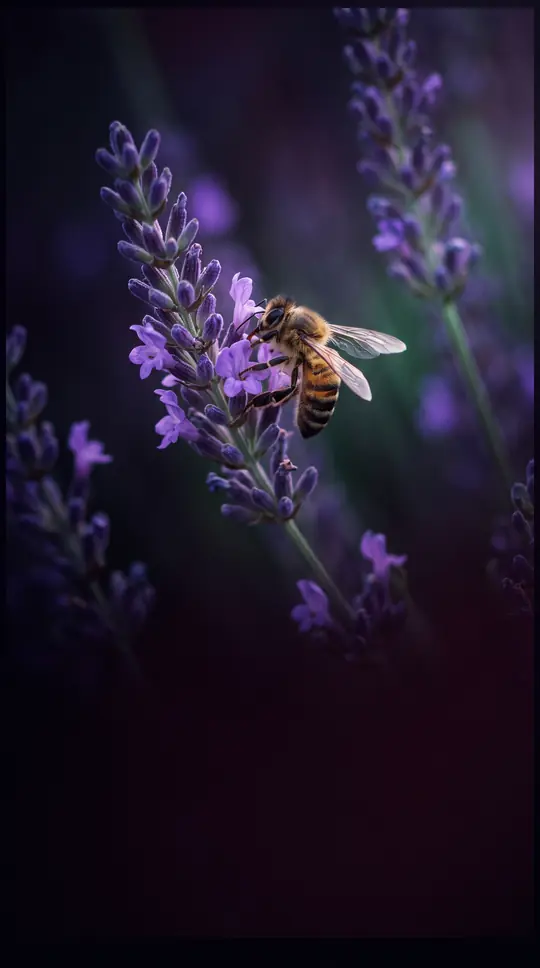 Scarlet beetles eat aphids—and sometimes cropsCoccinellidae, named in 1807 from Latin scarlet, covers ladybugs or ladybirds—oval, domed beetles from 0.8 to 18 millimeters. Most hunt aphids and scale insects; some chew plants …
- Twenty-two crested parrots define Australasian skiesCockatoos are twenty-two Cacatuidae species native to Australasia, crest-flashing cousins of true parrots. Plumage runs white, grey, or black with color accents. They flock over s…
 Termites nest inside the cockroach family treeAbout 4,600 cockroach species fill Blattodea, yet only some thirty haunt human buildings. Roachoids appear by the Carboniferous around 320 million years ago; modern forms date to …
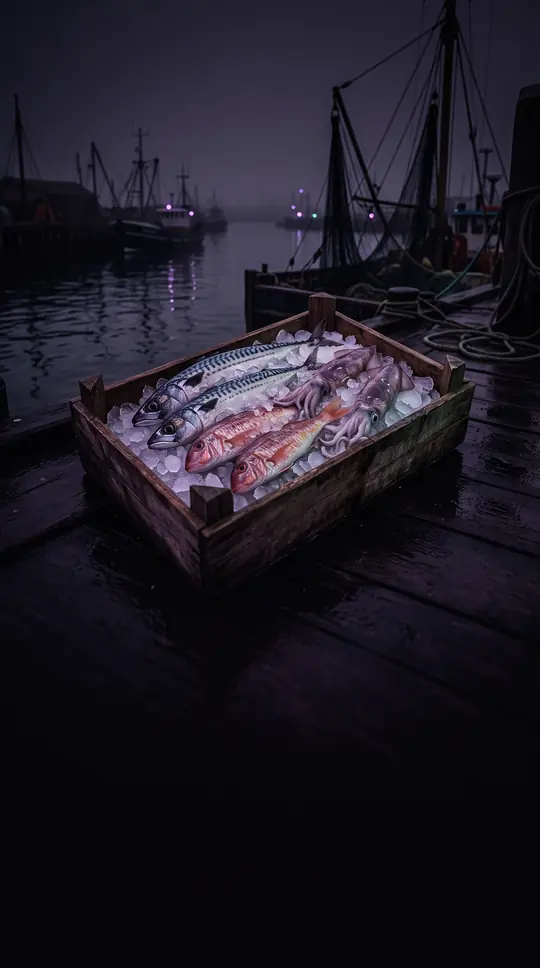 Atlantic cod collapse renamed lesser fish as codTrue cod are demersal Gadus fishes—chiefly Atlantic Gadus morhua and Pacific Gadus macrocephalus—prized for mild, flaky white flesh and liver oil rich in vitamins A, D, E, and ome…
- Presumed gone since the dinosaurs, then netted off South AfricaCoelacanths are lobe-finned actinistians closer to lungfish and tetrapods than to tuna. Fossils suggested Cretaceous extinction until Marjorie Courtenay-Latimer spotted Latimeria …
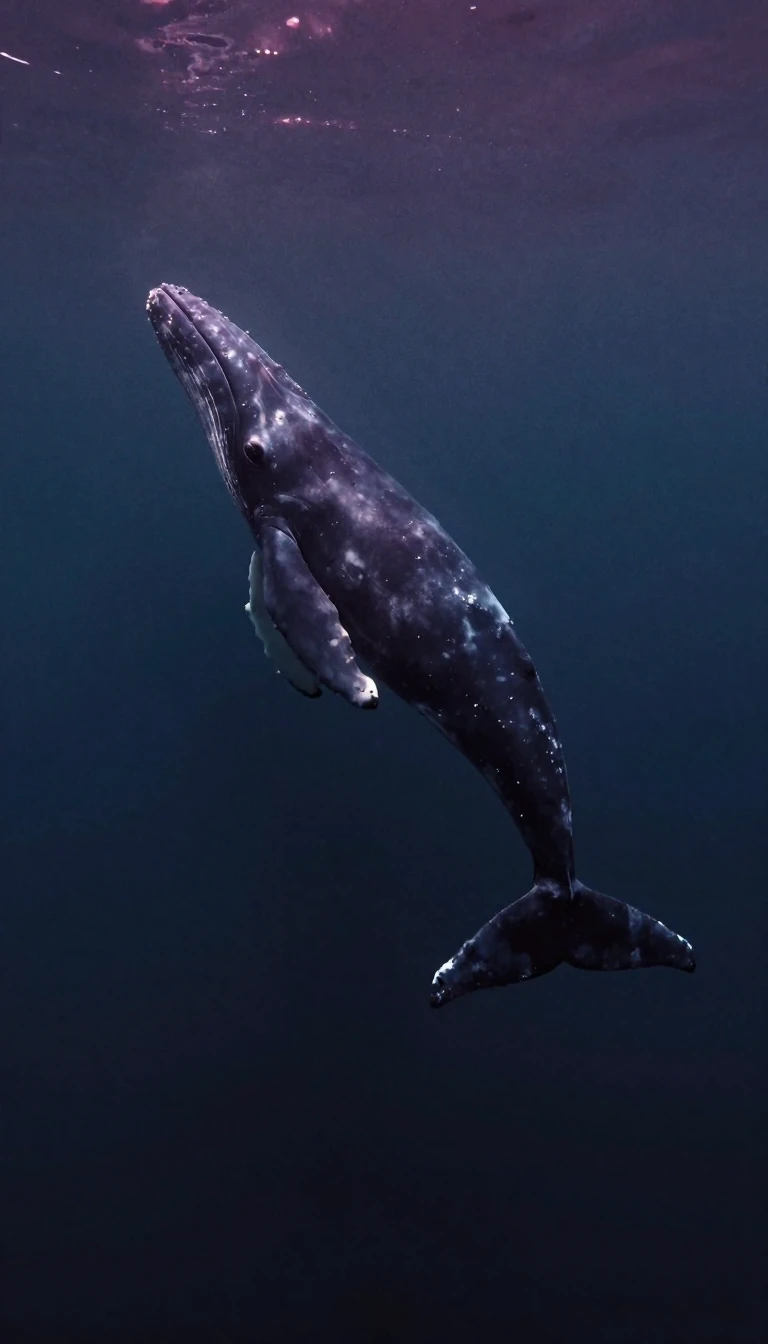 Cartilage fish make blood outside the boneChondrichthyes names jawed fishes whose skeletons stay mostly cartilage—sharks, rays, skates, sawfish, and chimaeras. Without bone marrow, they brew red cells in spleen, epigonal …
 Five traits at some life stage make a chordateChordates are bilaterians that, at least briefly, show a notochord, dorsal hollow nerve cord, pharyngeal slits, endostyle or thyroid, and post-anal tail. The phylum ranks third in…
 Magicicada waits thirteen or seventeen years to screamCicadas are hemipteran bugs whose males buckle tymbals into some of insect life's loudest songs. At least three thousand species favor trees worldwide, mostly in the tropics. Nort…
- Whiskered, scaleless fish rule mud bottoms and fish farmsCatfish—order Siluriformes—take their name from barbels that look like whiskers, though not every species flaunts them. All lack true scales, wearing naked skin, mucus for cutaneo…
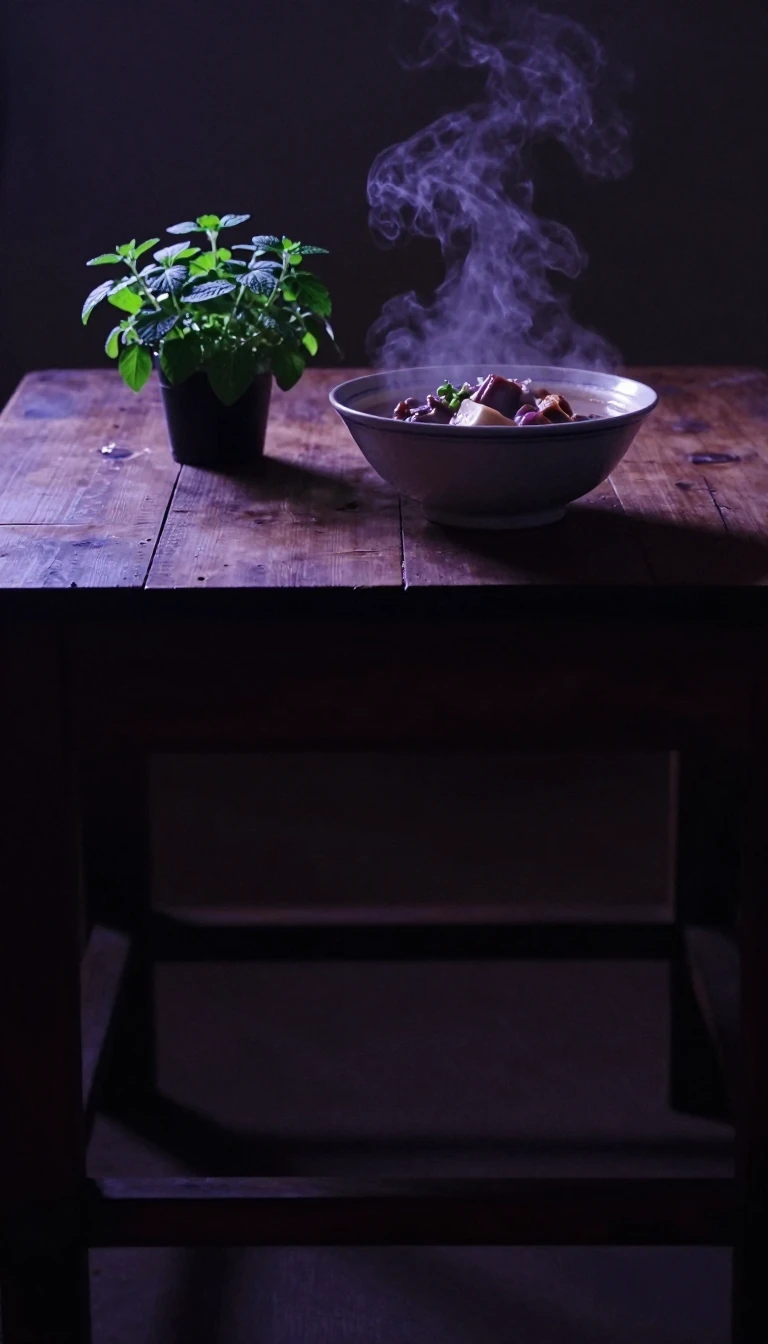 Aurochs domestication still feeds nearly a billion cattleCattle (Bos taurus) are the world's most widespread Bos livestock. Taurine stock spread through Europe and temperate zones; zebu dominate India and the tropics; Sanga types range …
- Hundred-footers never have exactly one hundred walking legsCentipedes (Chilopoda) are predatory myriapods with one pair of legs per body segment and a name that promises a hundred feet. Sizes run from a few millimetres to about 30 cm in g…
- Tapeworms absorb dinners through skin while lacking a mouthCestoda packs some 6,000 parasitic flatworm species; the familiar ribbon adults are eucestode tapeworms built from repeating proglottids. Adults usually lodge in vertebrate guts f…
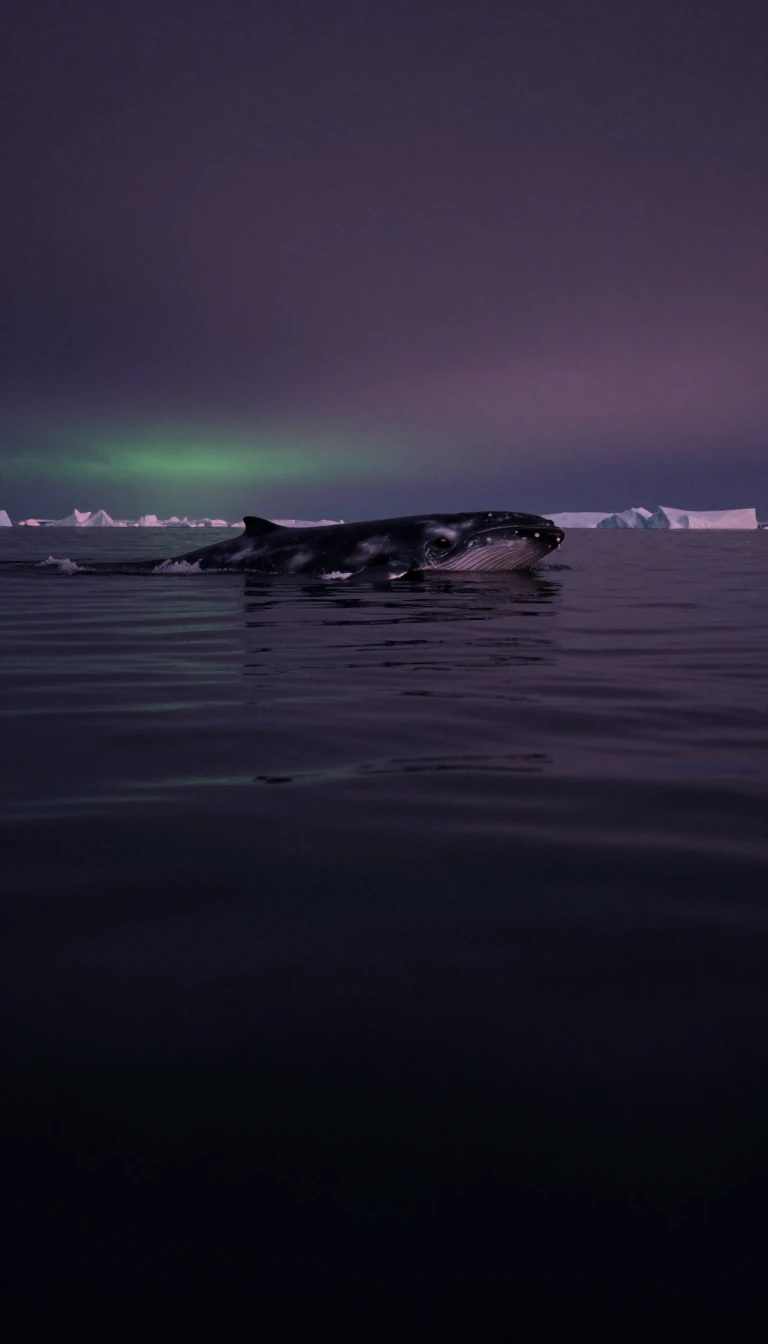 Whales are artiodactyls that traded legs for flukesCetaceans—whales, dolphins, porpoises—are secondarily aquatic mammals nested among even-toed ungulates. Roughly ninety living species split into about seventy-five toothed odontoc…
 Piranhas and tetras share a 2,000-species Neotropical orderCharaciformes gathers characins and allies across 28 families and more than 2,000 species, from aquarium tetras to infamous piranhas. Diversity peaks in Neotropical fresh waters. …
- The only Acinonyx still outsprints every other land mammalCheetahs (Acinonyx jubatus) are pursuit cats clocked at 93–104 km/h (58–65 mph), the fastest land animals. Four subspecies live in Africa and central Iran; an African line returne…
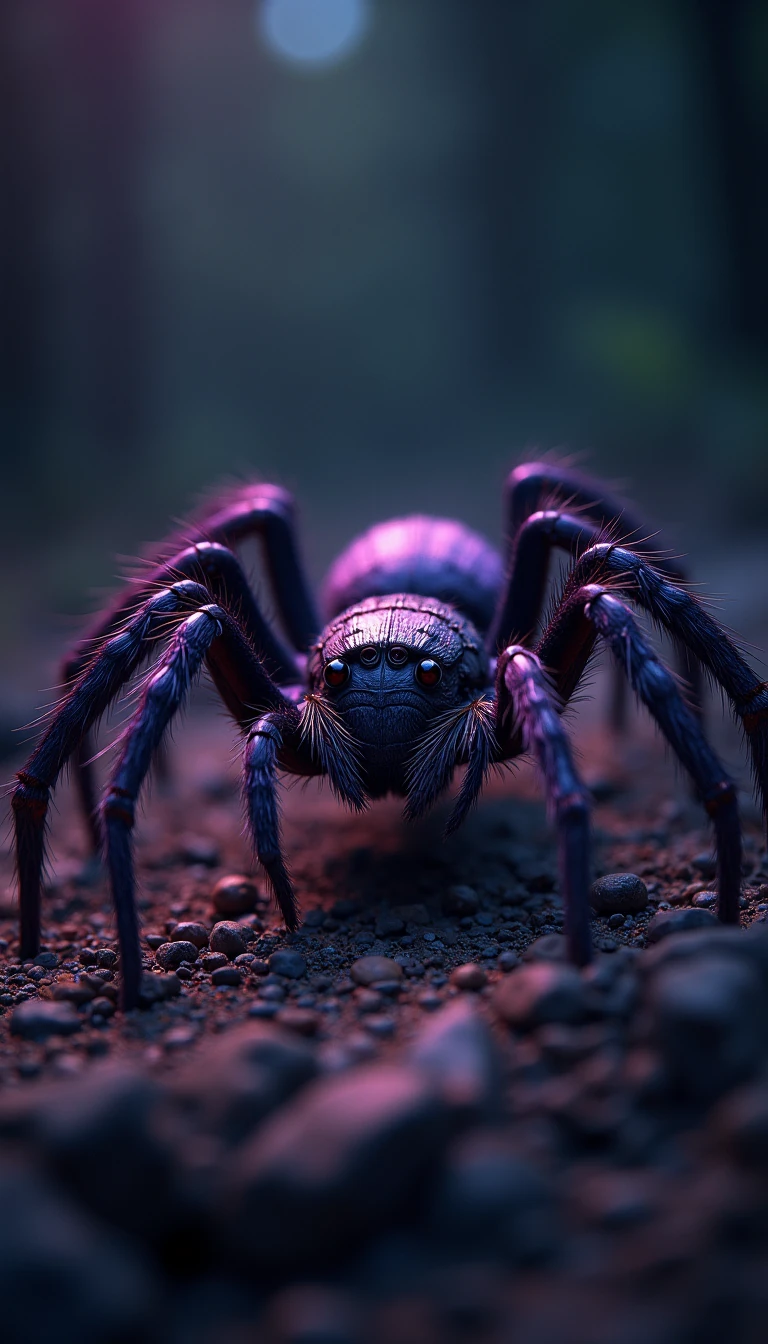 Claw-horns split from other arthropods by mid-Cambrian seasChelicerates—sea spiders, horseshoe crabs, and arachnids—form one of arthropods' two great living branches beside Mandibulata. Their name fuses Greek words for claw and horn. Foss…
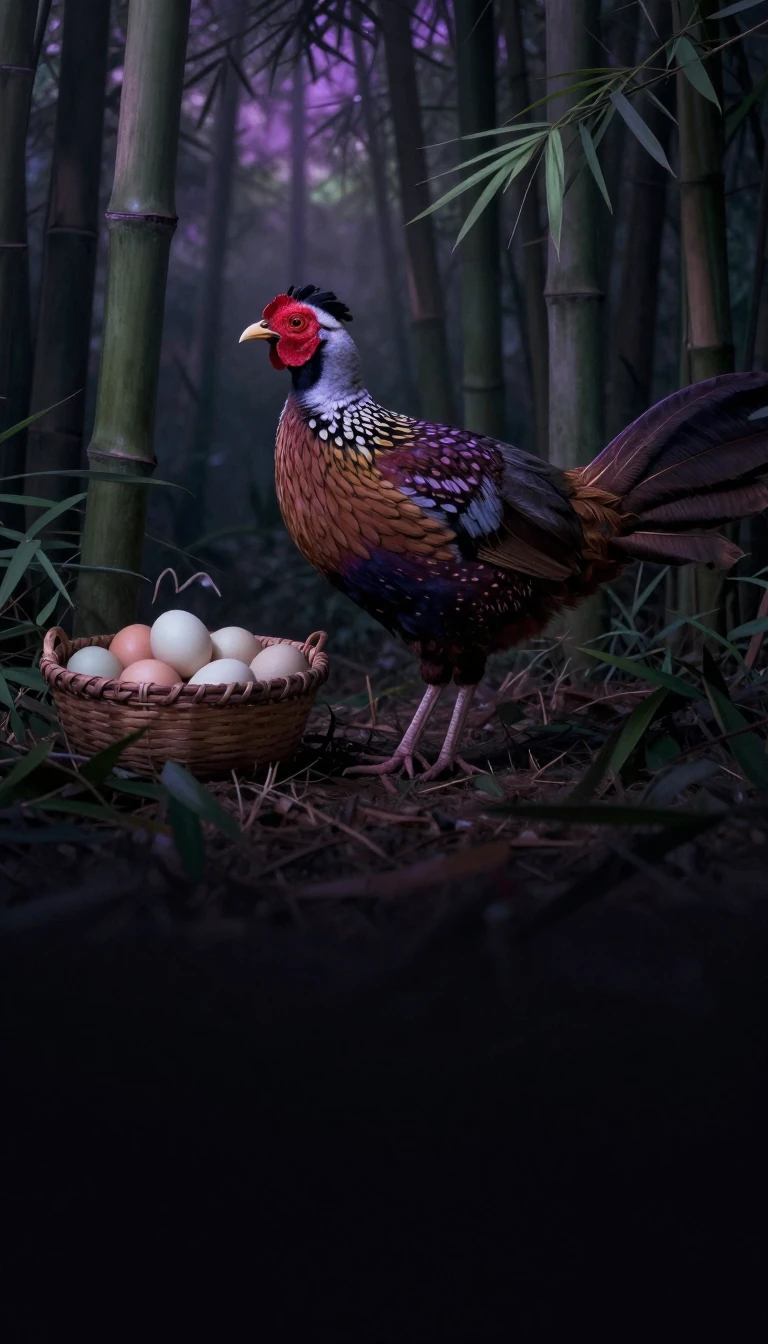 Junglefowl domestication now exceeds 26 billion living birdsChickens are domesticated red junglefowl (Gallus gallus) from Southeast Asia, tamed roughly 8,000 years ago. By 2023 the global flock topped 26.5 billion, with over 50 billion bir…
 Ghost sharks split from true sharks nearly 400 million years agoChimaeras—order Chimaeriformes—are cartilaginous cousins nicknamed ghost sharks, ratfish, or rabbitfish. Fossils show they were once diverse and abundant; living forms share a las…
- Blowflies wear metallic armor over a carrion careerBlowflies, bluebottles and greenbottles make up the Calliphoridae, almost 1,900 known species of often shiny metallic flies. A single female may lay around 2,000 rice-grain eggs i…
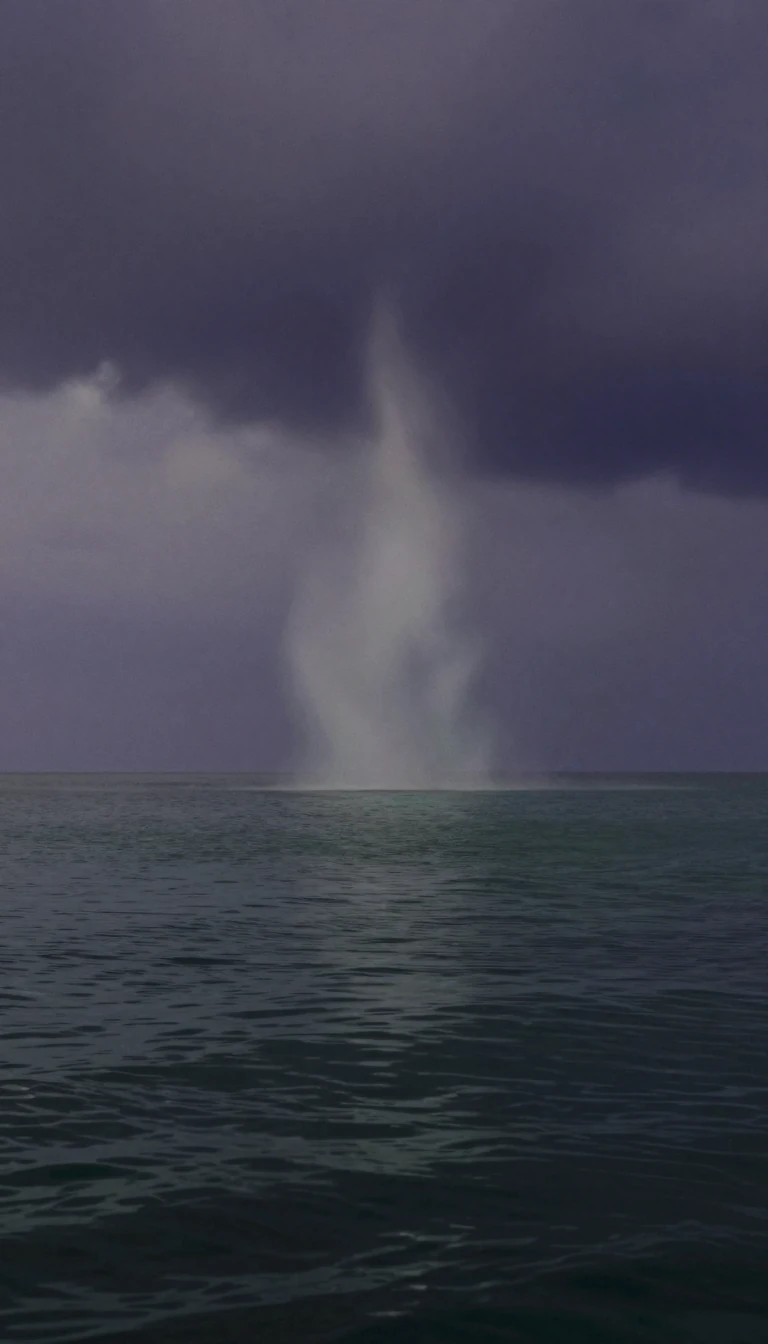 Camels store fat in humps—not water tanks on their backsCamels (genus Camelus) are even-toed ungulates famous for fatty humps, long domesticated across deserts. Adults may live forty to fifty years; a dromedary stands about 1.85 m at t…
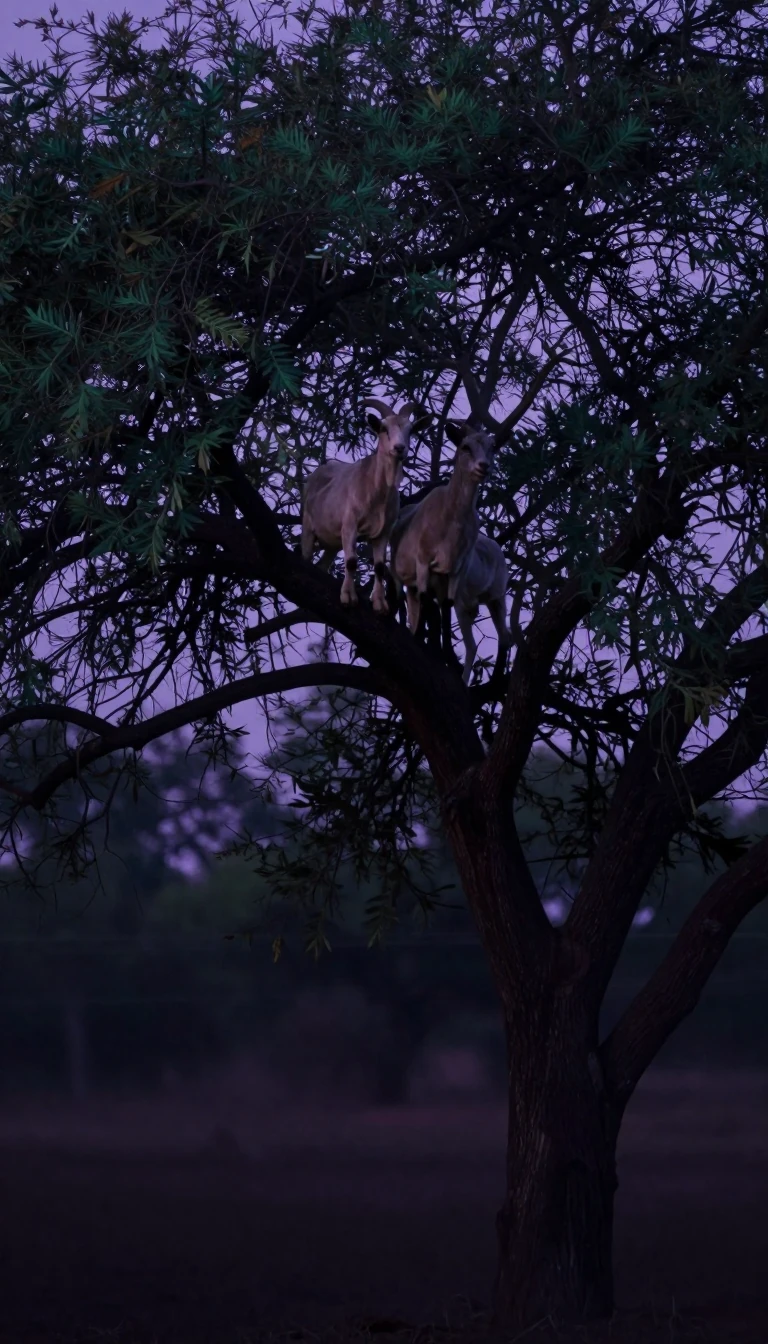 Dog family’s fossil story starts in Eocene North AmericaCanidae—the dog family—covers wolves to foxes across every continent but Antarctica. Living canids sit in subfamily Caninae beside extinct Hesperocyoninae and Borophaginae branche…
- Domestic goats descend from the bezoar ibex’s wild stockGenus Capra holds ten goat species, from markhor to several ibexes. Farm goats (Capra hircus) derive from the bezoar ibex. Mountain athletes, they climb bare rock on sparse forage…
 Cardinal-grosbeaks paint the New World red, yellow, and blueCardinalidae, the cardinal-grosbeaks, are New World passerines bundling cardinals, grosbeaks, buntings, and some tanager-like genera. Breeding males often blaze in red, yellow, or…
 Carnivora means flesh-devourers, and its members range from mongooses to sealsOrder Carnivora packs at least 293 living mammal species into the sixth-largest mammalian order, split between cat-like Feliformia and dog-like Caniformia. Latin carō plus vorāre …
- “Carp” names a crowd of cyprinids, not one fishCarp is a common label for many freshwater cyprinid fishes, a huge Eurasian-rooted ray-finned clade prized by anglers and aquaculturists alike. They sit among Ostariophysi with ca…
 Carpenter ants carve wood condos but refuse to eat the wallsCamponotus is the ant world's richest genus, with more than 1,500 described species on every continent but Antarctica. Despite the name, only a few of them actually nest in wood, …
- The cassowary is called the deadliest bird, yet ostriches kill more peopleCasuarius cassowaries are flightless ratites of New Guinea and nearby lands—three living species. The southern cassowary ranks as the world’s fourth-tallest and third-heaviest liv…
- House cats joined humans in the Near East about 7500 BCEFelis catus, the domestic cat, is a small obligate carnivore in family Felidae. Archaeology and genetics place early domestication in the Near East around 7500 BCE. Globally value…
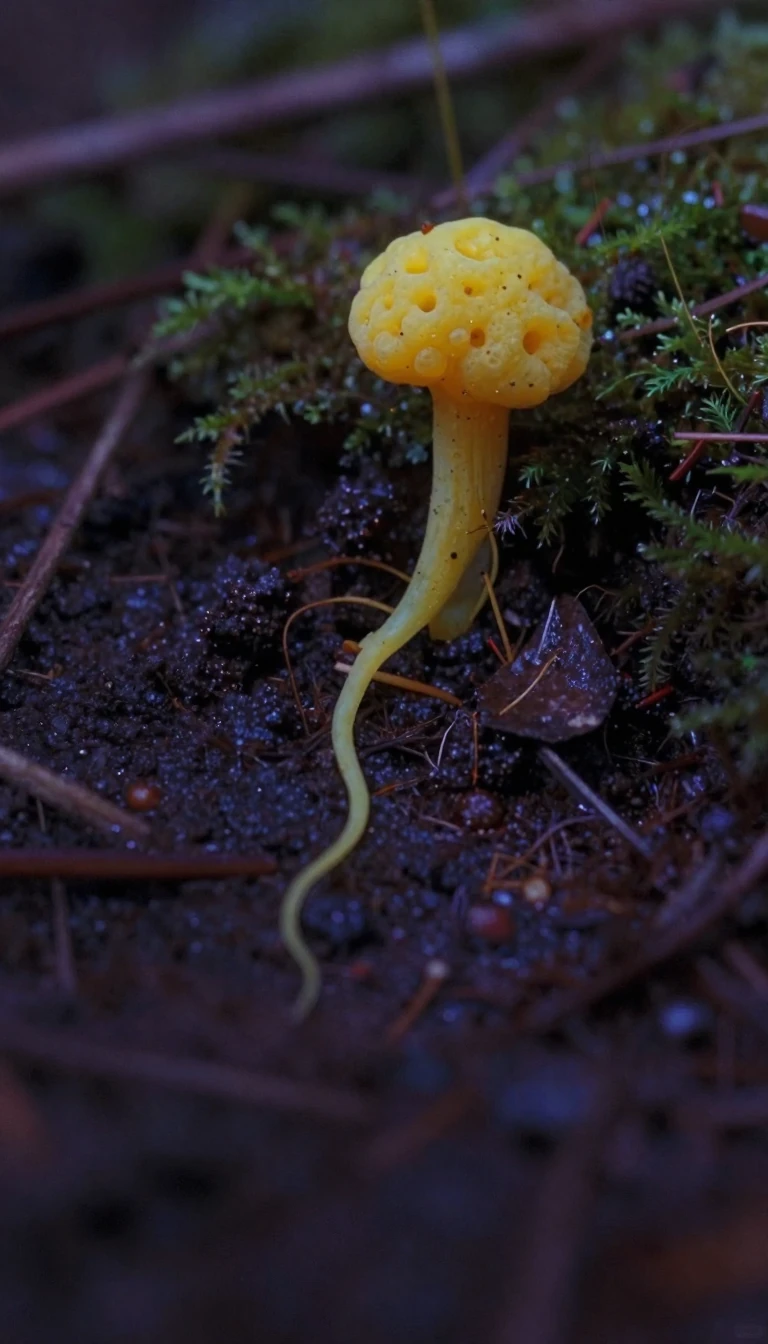 Moss animals are tiny architects of underwater coloniesBryozoans—also Polyzoa or Ectoprocta—are mostly sedentary colonial aquatic invertebrates nicknamed moss animals. Names coined around 1830–1831 nearly collided with look-alike filt…
- Budgies are a one-species genus of Australian parrotThe budgerigar (Melopsittacus undulatus)—budgie, common or shell parakeet—is a small long-tailed seed-eating parrot. It is monotypic: the only species in Melopsittacus, itself the…