 Intellect Plus
Vertebrates
970 cards. Each one is a 40-second story with a five-minute read behind it. Page 2 of 17.
 Were these bizarre, long-legged dinosaurs specialized termite eaters or expert egg thieves?Alvarezsaurids were strange, bird-like dinosaurs with tiny, powerful arms and massive claws. Once mistaken for flightless birds, these creatures remain a subject of intense debate…
 Why the midwife toad is a masterclass in evolutionary survival and ancient lineageKnown as painted frogs or midwife toads, the Alytidae family represents a primitive lineage of amphibians. While once widespread, these creatures now inhabit specific pockets of E…
 This Cretaceous dinosaur sported a double row of massive, mysterious neck spinesAmargasaurus was a small, long-necked sauropod from Argentina that defied expectations. While most sauropods are known for their immense size, this creature stood out for the stri…
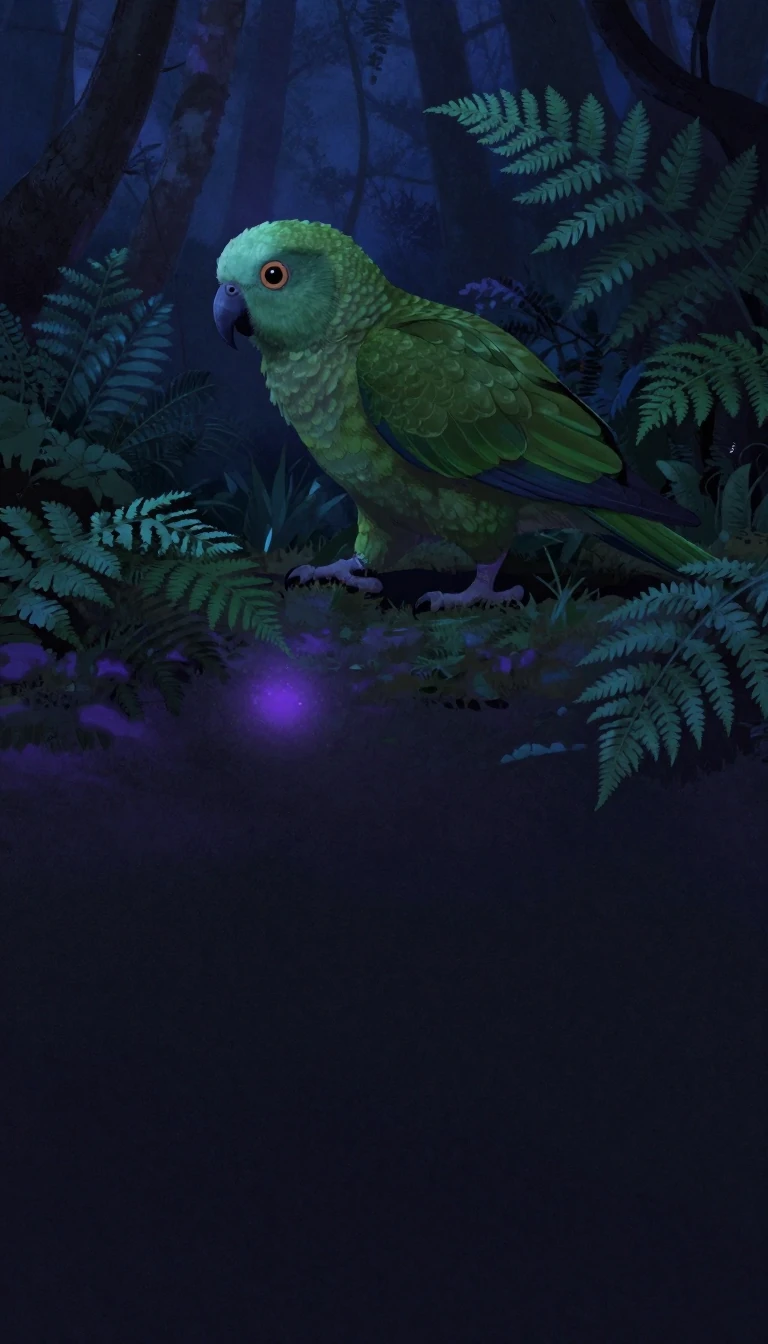 Amazon parrots possess complex vocal dialects that function much like human languages or regional accents.Beyond their famous ability to mimic human speech, wild Amazon parrots communicate through stable, geographically distinct vocal dialects. These birds are not just repeating sound…
 The walking whale that hunted like a crocodile in the Eocene tropicsAmbulocetus natans was a bizarre, amphibious predator that bridged the gap between land mammals and modern whales. Discovered in Pakistan, this creature possessed functional legs …
 The American Crow is a master of tool use, cooperation, and complex social lives.Beyond their reputation as scavengers, American Crows are highly intelligent birds with brain-to-body ratios comparable to humans. They live in intricate family units, solve probl…
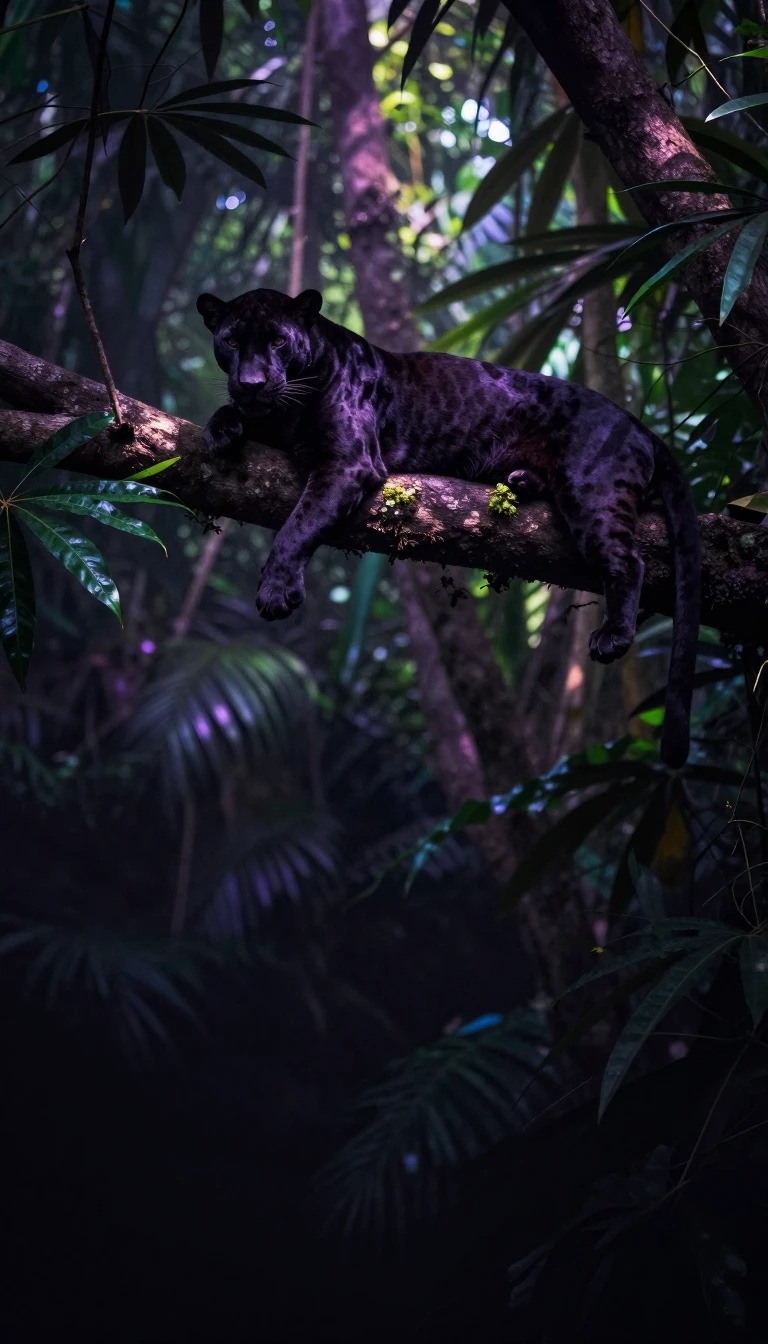 The American lion was a massive apex predator that once ruled North American landscapes.Long before modern lions roamed the African savanna, a significantly larger cousin dominated the Americas. Weighing up to 523 kilograms, this formidable cat thrived from Canada to…
 The American pickerel is a modest predator hiding in North America's quiet, vegetated waters.Often overshadowed by their larger, more aggressive cousins like the northern pike, American pickerels are small but voracious freshwater predators. Comprising two distinct subspe…
 The American red squirrel is a territorial, cone-hoarding mammal with a complex social life.Beyond their frantic energy, American red squirrels are master architects of survival. They maintain exclusive territories centered on massive food caches called middens, navigate…
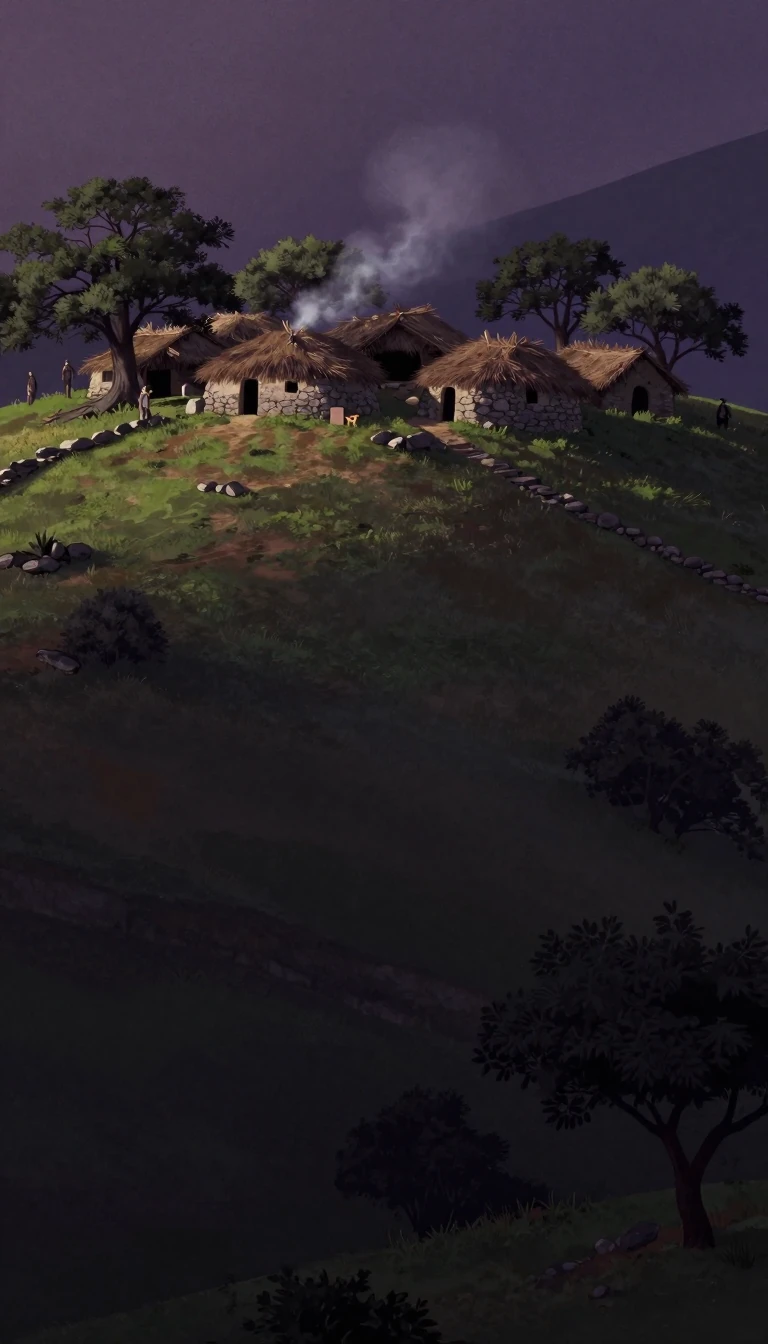 The bear-dog: A formidable Miocene predator that roamed across three continentsKnown as bear-dogs for their unique blend of ursine and canine features, the extinct genus Amphicyon dominated prehistoric landscapes from North America to Africa. These top preda…
- The bear-dogs were neither bears nor dogs, but an ancient, vanished evolutionary experiment.Colloquially known as bear-dogs, the extinct Amphicyonidae family represents a unique lineage that predates both modern bears and dogs. These versatile predators once dominated di…
 Worm lizards are not worms, but they might be the world's most successful stowaways.Amphisbaenians are subterranean reptiles that look like earthworms but possess powerful, interlocking teeth and a unique accordion-like movement. Despite their small size and stri…
 The shieldless wonders: why these ancient jawless fish defy simple classificationAnaspida, or shieldless ones, were small marine fish that thrived from the early Silurian to the late Devonian. Unlike their armored contemporaries, they lacked heavy plating, opt…
 This crow-sized dinosaur was a four-winged, shaggy-feathered creature that likely could not fly.Discovered in China's Tiaojishan Formation, Anchiornis huxleyi is a pivotal dinosaur that bridges the gap between ancient reptiles and modern birds. With four wings and a distinct…
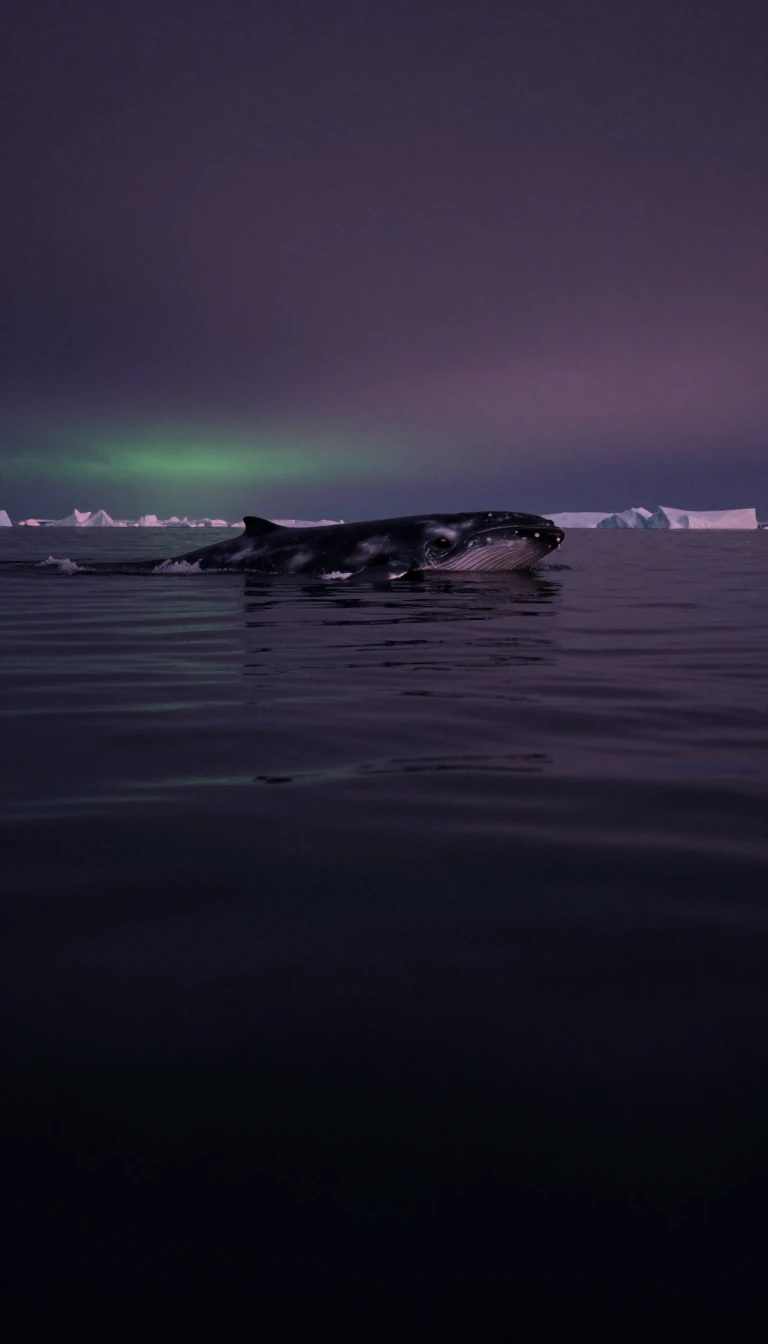 Was the massive predator Andrewsarchus a wolf, a pig, or a hidden whale relative?For a century, paleontologists have struggled to classify Andrewsarchus, a giant carnivore with a skull over two feet long. Once hailed as the world's largest land predator, its t…
 The angelshark is a master of disguise that has been hunted to near extinction.Resembling a ray more than a typical shark, the common angelshark is a sedentary ambush predator that spends its days buried in the seafloor. Once abundant across the Mediterranea…
- Why these legless lizards are named after glass and how they conquered the worldThe Anguinae subfamily, known as glass lizards, earned their brittle reputation from tails that snap off with alarming ease. Far from being simple snakes, these legless reptiles h…
- The armored tank of the dinosaur world was a slow, low-slung herbivoreAnkylosaurs were the living fortresses of the Jurassic and Cretaceous periods. Encased in a mosaic of bony plates and often armed with a massive tail club, these quadrupedal herbi…
 Why these tiny lizards are the ultimate masters of territorial display and survivalAnoles are a diverse family of lizards native to the Americas, famous for their vibrant throat flaps called dewlaps. Beyond their striking appearance, these creatures are masters …
 The flashlight fish uses living bacteria to light up the dark ocean depthsDeep in tropical waters, the Anomalopidae family navigates the night with bioluminescent organs beneath their eyes. These flashlight fish host colonies of luminous bacteria, creat…
 The bizarre, bipedal, three-toed beasts that once roamed the islands of ancient EuropeLong before modern mammals dominated, a unique family of artiodactyls called Anoplotheriidae thrived across the subtropical archipelago of Eocene Europe. These creatures, which in…
- The Unarmed Beast That Pioneered Our Understanding of Ancient LifeAnoplotherium was a massive, long-tailed herbivore that once roamed the isolated archipelago of Western Europe. Its discovery in 1804 by Georges Cuvier did more than just reveal a…
 Why the V-formation of migrating geese is a masterclass in energy conservationGeese are more than just familiar waterfowl; they are high-flying navigators that have shaped human history for millennia. From their unique aerodynamic flight patterns to their c…
 How Antarctic fish survive in freezing waters without turning into blocks of iceIn the Southern Ocean, where temperatures drop below freezing, fish have evolved extraordinary biological hacks to stay alive. From blood that functions like antifreeze to species…
 The Antarctic toothfish is a deep-sea predator that thrives in subzero ocean waters.Often marketed as Chilean sea bass, this massive fish is the Southern Ocean's top predator. It survives freezing temperatures using specialized antifreeze proteins and a unique, f…
- The antelope jackrabbit is a desert sprinter that thrives in surprisingly humid conditions.Often called the handsomest of all hares, the antelope jackrabbit is a large, nocturnal desert dweller. Despite its arid home, it prefers humidity and can reach speeds of 45 miles…
- This Mediterranean reef dweller can swap its gender in just two weeksThe swallowtail sea perch is a master of biological flexibility. While most individuals live their entire lives as females, the social structure of a school dictates a radical tra…
 The coal beasts that may have been the ancestors of the modern hippopotamusAnthracotheres were once thought to be simple, semi-aquatic creatures, but new research into their fossilized brains reveals a more complex evolutionary story. By reconstructing t…
- The coal-dwelling beast that may be the ancient ancestor of the modern hippopotamusNamed for the coal beds where its fossils were first unearthed, Anthracotherium was a widespread genus of artiodactyls that roamed Eurasia and beyond for millions of years. These …
 Why a Greek myth confusion gave this crane genus its unusual scientific nameThe genus Antigone contains some of the world's most impressive cranes, yet its name stems from a centuries-old taxonomic blunder. By conflating two distinct figures from Greek my…
 The pronghorn is a lonely survivor of a bizarre, multi-horned North American dynastyWhile the pronghorn is the only living member of the Antilocapridae family, it was once part of a diverse, flourishing group of North American ruminants. These ancient creatures e…
- Were these tiny Jurassic pterosaurs the ancient, winged equivalent of modern bats?Anurognathidae were small, short-tailed pterosaurs that thrived across Europe, Asia, and potentially North America. With large eye sockets and specialized insectivorous teeth, the…
 Was the legendary Brontosaurus actually just a misidentified Apatosaurus all along?For decades, the iconic Brontosaurus was relegated to the history books as a mere synonym for Apatosaurus. While scientists once believed they were the same animal, modern researc…
- Meet Arandaspis, the tiny, armored pioneer of the Ordovician seasLong before sharks or bony fish dominated the oceans, a small, jawless creature called Arandaspis swam through Australian waters. Discovered near Alice Springs, this ancient verte…
 Archelon was a prehistoric sea turtle that weighed as much as a small carThe largest turtle to ever exist, Archelon, once patrolled the shallow Cretaceous seas of North America. Measuring nearly five meters long and weighing up to 3.2 tonnes, this anci…
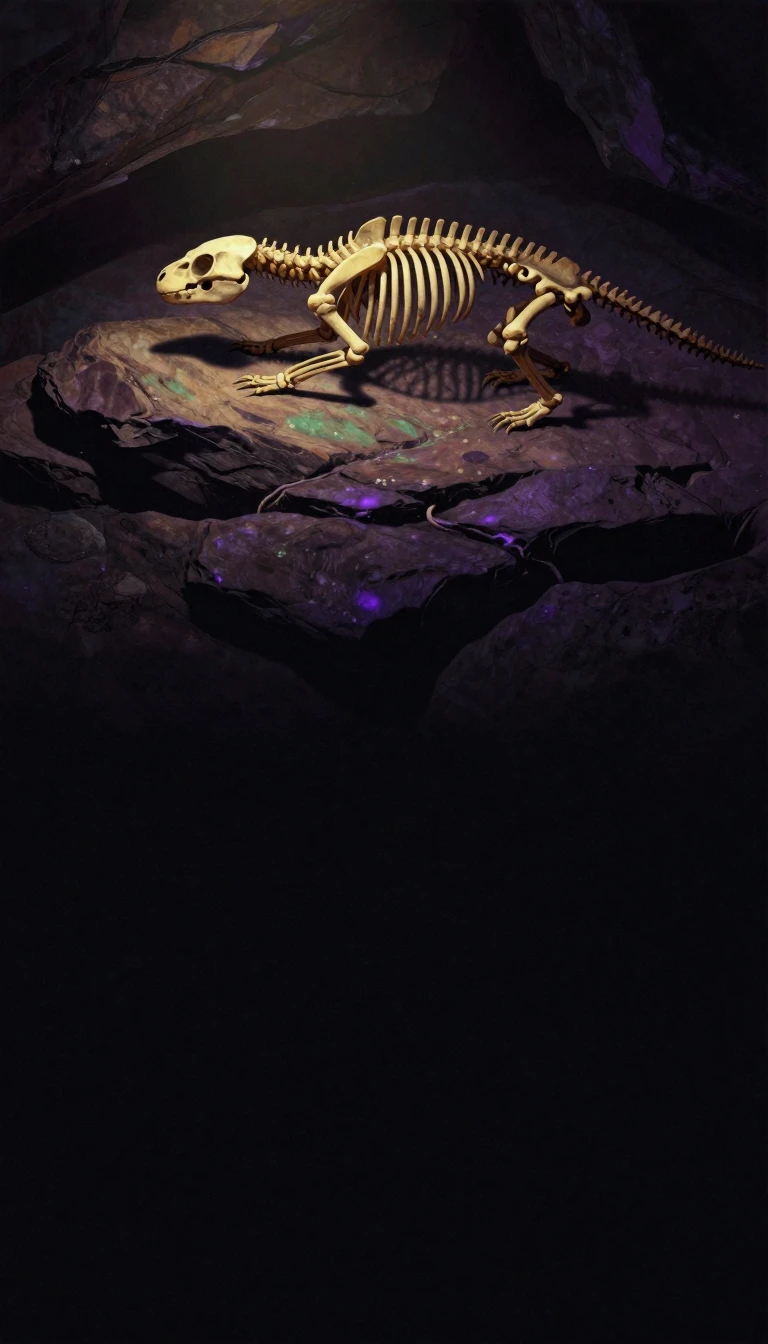 Are birds and crocodiles actually just the most successful members of a lizard clade?Archosauromorpha, meaning ruling lizard forms, is a massive group of reptiles that includes dinosaurs, birds, and crocodiles. While early members were small, lizard-like creatures…
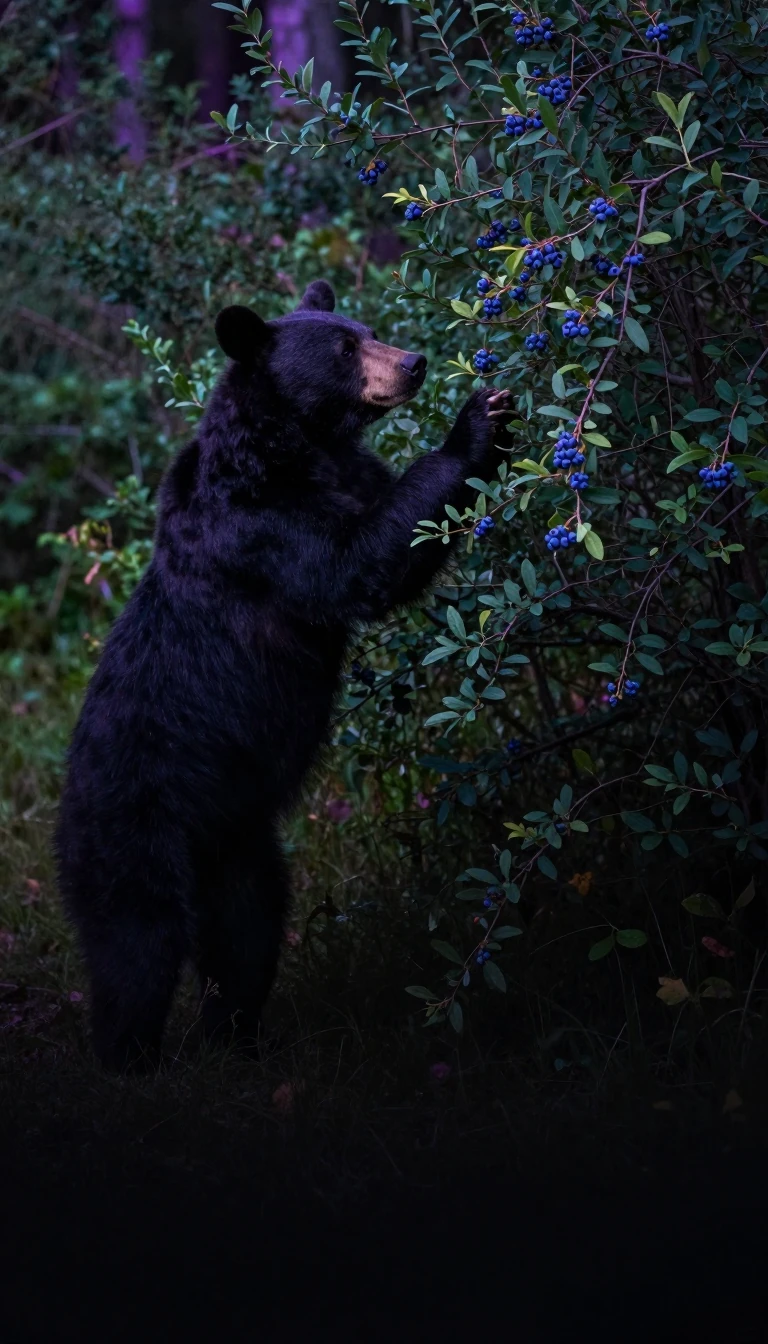 The giant short-faced bear was a massive, long-limbed omnivore that once roamed North America.Standing up to eleven feet tall, Arctodus simus was among the largest terrestrial carnivorans to ever exist. Despite its intimidating size and predatory reputation, this prehistor…
 Ardi: The 4.4 Million-Year-Old Fossil That Rewrote the Story of Human EvolutionDiscovered in Ethiopia’s arid badlands, Ardi is a 4.4-million-year-old skeleton that challenges our understanding of human origins. With a unique mix of ape-like climbing traits a…
 Did this ancient hominin ancestor walk upright over five million years ago?Ardipithecus kadabba, a hominin species living between 5.8 and 5.2 million years ago, occupies a critical place in our evolutionary history. While known primarily from teeth and j…
- Ardipithecus ramidus reveals our ancestors were not just primitive versions of modern chimpanzeesFor decades, scientists assumed our earliest ancestors resembled modern chimpanzees. The discovery of Ardipithecus ramidus, a 4.4-million-year-old hominin, shattered this view. By…
 How did the heaviest flying bird in history manage to stay in the air?With a wingspan of up to six meters and a mass exceeding seventy kilograms, Argentavis magnificens challenges our understanding of avian flight. This extinct giant, which once soa…
 Was the massive Argentinosaurus the largest land animal to ever walk the Earth?Argentinosaurus, a titan among dinosaurs, remains a subject of intense scientific debate. Known only from fragmentary remains discovered in Argentina, this herbivorous giant chall…
 The Asian water monitor is a surprisingly resilient urban scavenger thriving alongside human civilizationSecond only to the Komodo dragon in size, the Asian water monitor is a master of adaptation. While many large reptiles struggle near human development, this semiaquatic lizard thr…
 The Asiatic linsang is a cat-like predator with a mysterious evolutionary historySmall, spotted, and elusive, the Asiatic linsang has long baffled biologists. While it shares a name and some physical traits with civets, modern genetic analysis reveals it is ac…
 The primitive salamanders that defy standard amphibian reproductive norms across the Asian continentAsiatic salamanders, or Hynobiidae, are ancient amphibians that challenge typical reproductive patterns. Unlike most salamander families, these creatures utilize external fertiliz…
- The Atlantic canary is named after dogs, not the other way aroundThe vibrant yellow bird synonymous with the Canary Islands actually sports a dull, greenish coat in the wild. Its name, and the name of the archipelago it calls home, stems from t…
- Atlantic herring form massive, dense carpets of eggs on the ocean floor to survive.Atlantic herring are among the most abundant fish in the world, serving as a vital link in the marine food web. These schooling fish perform a remarkable reproductive feat, blanke…
- The smallest seabirds in the world are masters of walking on the ocean surface.Austral storm petrels are the smallest of all seabirds, yet they possess a remarkable ability to hover and patter their feet across the water to snatch prey. These elusive, noctur…
 Meet the earliest known Australopithecus, a creature that walked upright but climbed like an ape.Australopithecus anamensis lived over four million years ago, bridging the gap between ancient ancestors and later hominins. While its tibia proves it walked on two legs, its anat…
 A 3.4-million-year-old foot proves our ancestors walked in many different waysFor decades, we thought early human evolution was a straight line. But the discovery of the Burtele foot, now linked to the species Australopithecus deyiremeda, reveals a more com…
 Australopithecus garhi: The 2.5-Million-Year-Old Hominin That Defies Simple Evolutionary NarrativesNamed for the Afar word for surprise, this hominin species bridges a mysterious gap in the fossil record. With a mosaic of primitive and advanced traits, it challenges our underst…
- Did a nine-year-old boy discover the missing link in human evolution?In 2008, a young boy exploring a South African cave stumbled upon a fossilized collarbone that would ignite a fierce scientific debate. Australopithecus sediba, a species dating b…
 How a wartime defensive strategy brought the Avocet back from the brink of extinctionThe Avocet is more than just a striking black and white wader with a signature upturned beak. Once extinct as a breeding bird in the UK, its dramatic return in the 1940s transform…
 The aye-aye is a nocturnal primate that hunts by tapping on tree trunksWith its rodent-like teeth, skeletal middle finger, and giant ears, the aye-aye is often called the world's strangest primate. Native to Madagascar, this elusive nocturnal creatur…
- Azhdarchids were not ocean skimmers but terrestrial giants that stalked the Cretaceous landscapeLong thought to be ocean-skimming gliders, these massive pterosaurs were actually the storks of the Cretaceous. With wingspans reaching up to 20 metres, they roamed the earth on l…
 The babirusa's bizarre tusks can grow until they pierce the animal's own skull.Native to Indonesian islands like Sulawesi, the babirusa is a wild swine with a striking, evolutionary puzzle. Males possess upper canine tusks that curve backward toward their fo…
 Meet Balaur bondoc, the stocky, double-clawed dragon that redefined European dinosaur evolutionForget the lithe, sprinting raptors of cinema. Discovered in Romania, Balaur bondoc was a kickboxing predator built for raw strength rather than speed. With two sickle-shaped claw…
- Why the world's most popular pet snake is a master of the defensive curlThe ball python is a nonvenomous constrictor from sub-Saharan Africa, famous for its docile nature and tendency to tuck its head into a tight sphere when threatened. While this be…
 This burrowing frog survives dry seasons by hiding underground and inflating its own body.The banded bullfrog, often sold as the chubby frog, is a master of survival. Native to Southeast Asia, this stocky amphibian spends dry periods buried beneath the soil. When threa…
 The banded knifefish navigates the dark using a personal, built-in electric fieldIn the murky freshwater habitats of South America, the banded knifefish thrives by generating its own electricity. This nocturnal hunter uses weak charges to map its surroundings,…