 Intellect Plus
Vertebrates
970 cards. Each one is a 40-second story with a five-minute read behind it. Page 6 of 17.
 Why these ocean giants leap meters above the surface of the open seaEagle rays are masters of the open ocean, distinguished by their rhomboidal bodies and impressive wingspans reaching seven meters. Unlike their bottom-dwelling relatives, these ca…
 Why millions of eared doves in Argentina are thriving despite massive hunting pressureThe eared dove is a resilient South American bird that has adapted to human expansion with startling success. While hunting on a massive scale recalls the tragic fate of the extin…
 The largest primate on Earth is fighting a losing battle against human conflict.The eastern lowland gorilla, or Grauer's gorilla, is the largest living primate, yet its survival is threatened by civil war and illegal resource extraction in the Democratic Repu…
 The eastern mole is a master of the underground, living almost entirely hidden away.With broad, spade-shaped paws and fur-covered eyes, the eastern mole is perfectly engineered for a life beneath the surface. This solitary creature navigates moist, sandy soils ac…
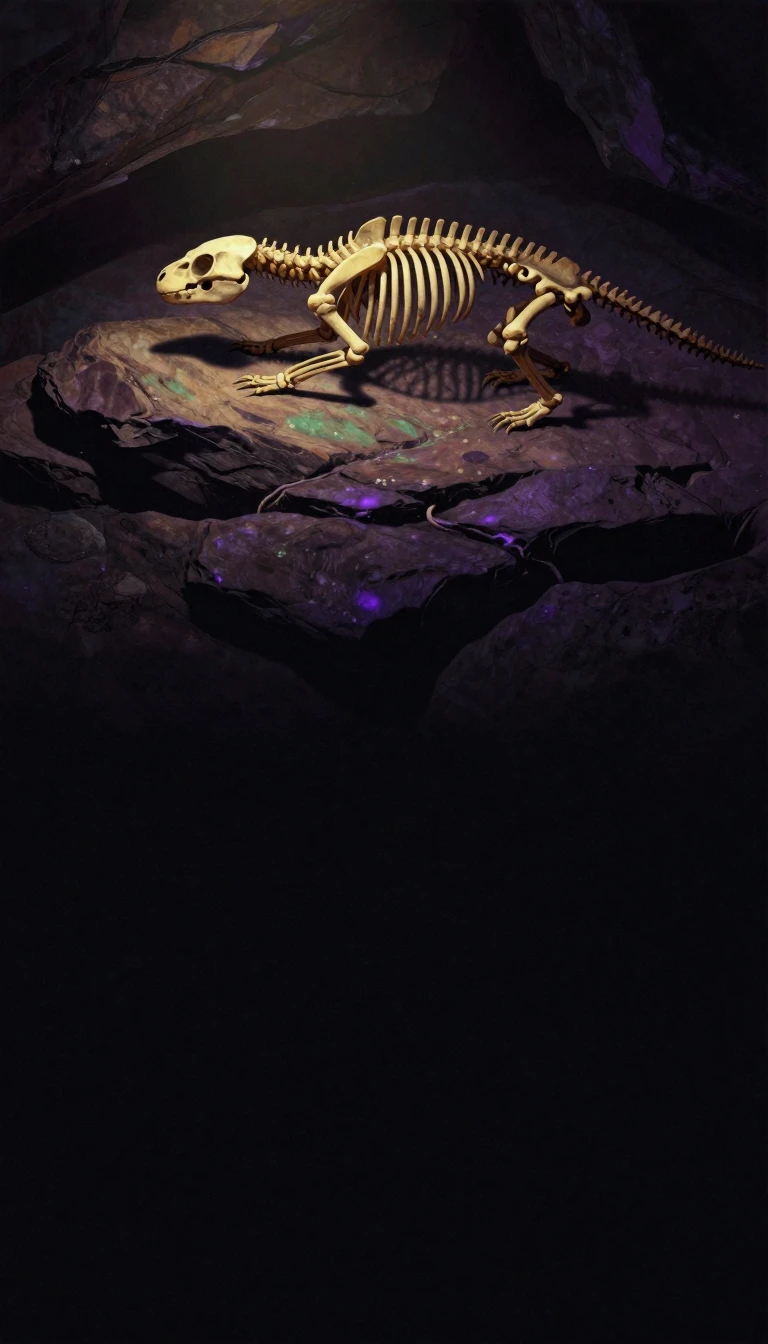 The pavement lizard with a sail: why this ancient herbivore was truly uniqueLong before dinosaurs, a strange, sail-backed creature roamed the Earth. Known as the pavement lizard, this early relative of mammals possessed a specialized dental battery for gr…
- The Egyptian mongoose is a master of survival, from African savannas to European forests.This adaptable predator is famous for its resistance to venomous snake bites and its clever method of cracking eggs against rocks. While native to Africa and the Middle East, its …
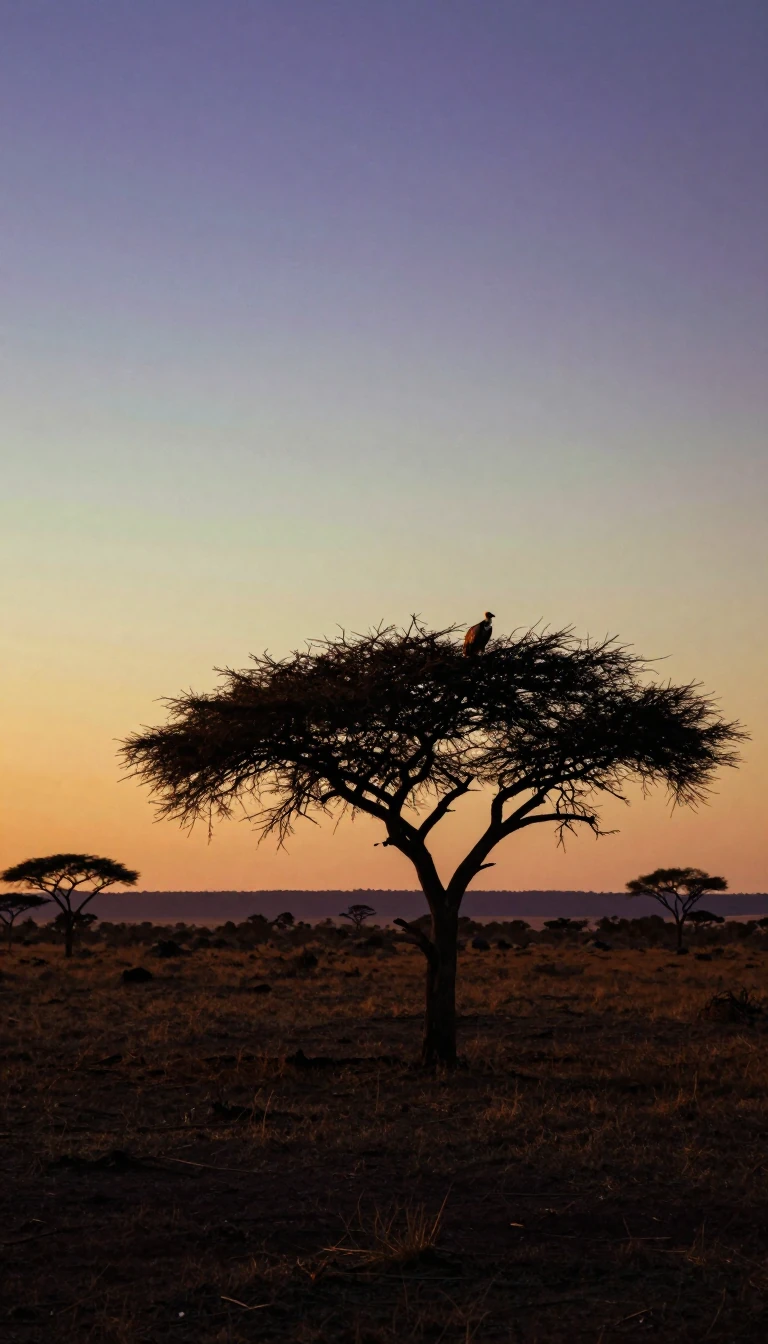 The Egyptian vulture is a rare bird that uses tools and eats feces.Known as the pharaoh's chicken, this small scavenger is one of the few birds to use tools, tossing pebbles to crack open eggs. It is also the only Old World vulture that regularly…
 Why these tiny fish treat their predators like VIP clients at the spaElacatinus gobies are small, torpedo-shaped fish that operate cleaning stations on coral reefs. While most animals flee from predators, these gobies proactively service them, ofte…
 The Elanine Kites: Are These Elegant Raptors Actually Owls in Disguise?Elanine kites are small, agile raptors known for their pointed wings and distinct bony eye shelves. While they share the skies with other birds of prey, genetic research and surpr…
 The prehistoric marine reptile that paleontologists once reconstructed with its head on its tail.When Elasmosaurus was first described in 1868, the scientist Edward Drinker Cope famously placed its skull at the end of its tail. This blunder, fueled by a fierce rivalry with Ot…
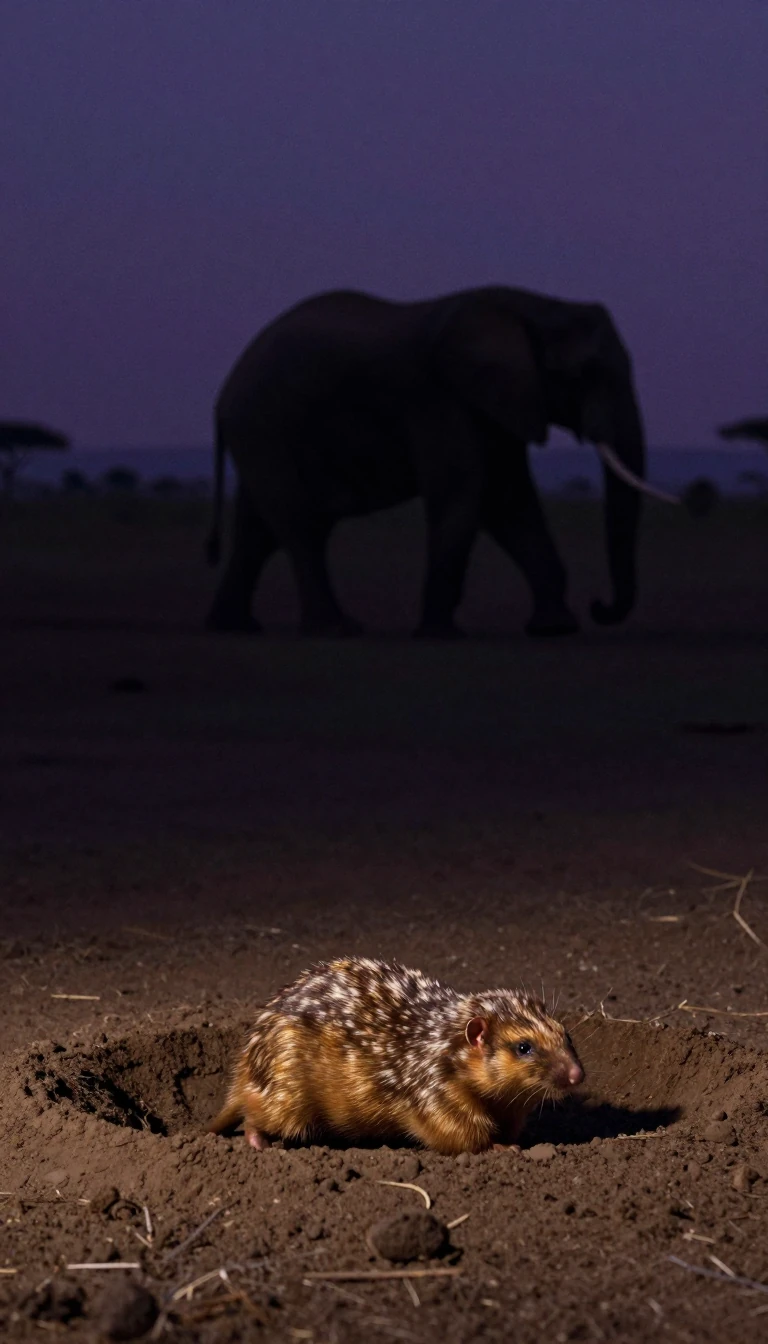 The colossal history of the elephant family, from ancient giants to modern survivorsThe Elephantidae family includes more than just the elephants we recognize today. From the massive, extinct mammoths to the mysterious Palaeoloxodon, these proboscideans have evol…
 Why the stout Corn Bunting is known as the fat bird of the barleyThe Corn Bunting is a nondescript, stout bird that has lived alongside humans for millennia. Once common, this farmland dweller has faced a dramatic population collapse in the UK.…
 Why does the emperor angelfish look like two entirely different species during its life?The emperor angelfish undergoes a startling transformation as it matures. Juveniles display a dark blue body with intricate, concentric white and pale blue rings. Adults, however,…
 Were these massive, tusked prehistoric beasts actually the ancestors of modern pigs?Entelodonts were once dismissed as primitive, pig-like monsters roaming the Northern Hemisphere. While their terrifying skulls and massive frames suggest a carnivorous nightmare, …
- The dawn horse was once mistaken for a monkey by top Victorian scientistsBefore it was recognized as the earliest ancestor of the modern horse, the dog-sized eohippus was famously misidentified as a primate. This small, forest-dwelling browser of the E…
 A 125-million-year-old fossil from China challenges our understanding of early mammal evolutionDiscovered in the Yixian Formation, Eomaia scansoria was once hailed as the earliest known ancestor of placental mammals. While its remarkably preserved skeleton offers a rare gli…
 Was the dawn plunderer a fearsome predator or a humble plant-eater?Discovered in Argentina's Valley of the Moon, Eoraptor is one of the earliest dinosaurs ever found. This small, swift biped lived 231 million years ago, but its true identity rema…
- Beyond the Spines: Meet the Gymnures, the Hedgehog's Secretive and Ancient CousinsWhile hedgehogs are famous for their protective quills, their family tree includes a lesser-known group: the gymnures. These small, shrew-like mammals of Southeast Asia lack spine…
 The world's rarest canid is a specialized rodent hunter living on Africa's highest peaks.The Ethiopian wolf is an evolutionary relic, genetically closer to gray wolves and coyotes than to other African canids. Restricted to isolated Afroalpine grasslands, this endange…
 Why these ground-dwelling geckos are the odd ones out in the lizard worldMost geckos are famous for their gravity-defying ability to scale smooth glass walls, but the genus Eublepharis is different. These sturdy, nocturnal lizards lack the specialized …
- New Jurassic fossils reveal that the roots of modern mammals run deeper than expectedThree newly discovered species of Jurassic euharamiyidans from China are rewriting the timeline of mammalian evolution. By cementing their connection to multituberculates, these f…
- Was this heavily armored dinosaur actually a collection of different species?Euoplocephalus was once considered the most common ankylosaurid in North America, with fossils spanning ten million years. Recent research has dismantled this view, revealing that…
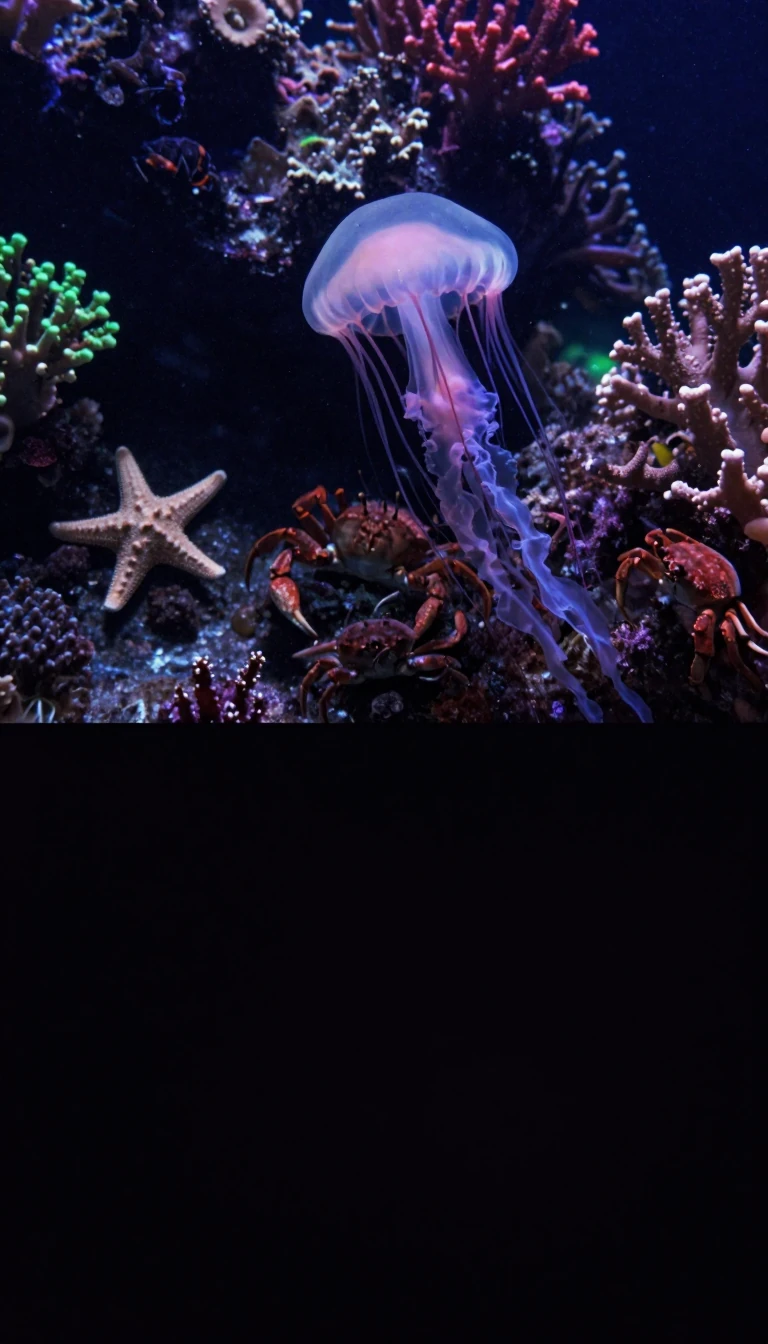 Was this small Triassic reptile the secret bipedal ancestor of all dinosaurs?Euparkeria, a small carnivorous reptile from South Africa, has long captivated paleontologists. With its slender limbs and unique anatomy, researchers once suspected it was a facu…
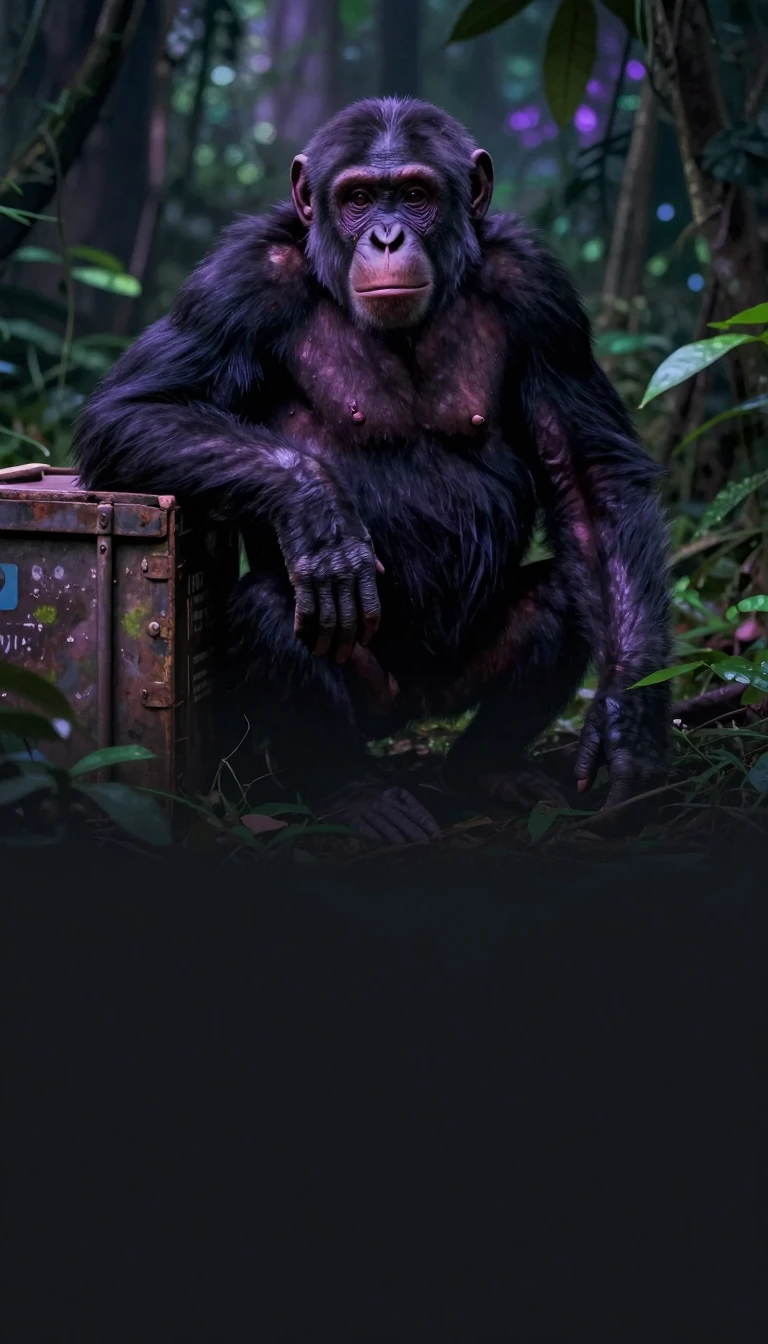 How a Single Rafting Ancestor Conquered Madagascar to Create a Unique Carnivore FamilyThe ten species of Malagasy carnivorans, or Eupleridae, are a biological puzzle. Once thought to be separate groups of mongooses and civets, modern genetics reveals they are a sin…
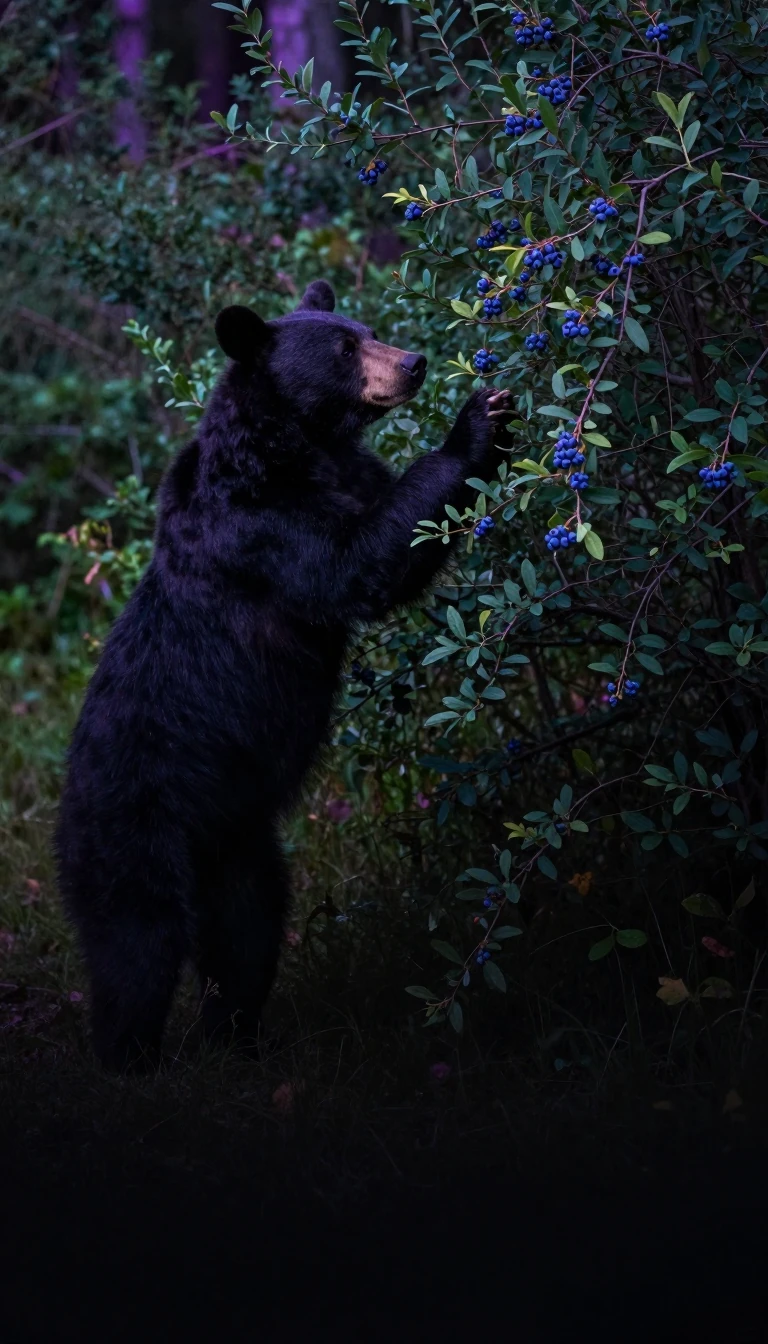 The Eurasian brown bear has evolved from a fierce carnivore into a dietary opportunist.Once a dominant predator in ancient arenas and vast wildernesses, the Eurasian brown bear has undergone a dramatic transformation. As its natural habitat shrank over centuries, th…
- The Eurasian Collared-Dove is a master of rapid, global colonization across human landscapes.With its signature black neck-collar and rhythmic three-parted coo, this bird has transformed from an Asian native into a ubiquitous urban dweller. Since escaping captivity in the…
 The Eurasian tree sparrow is a global traveler that thrives in surprising, isolated pockets.Smaller than its boisterous house sparrow cousin, the Eurasian tree sparrow is a shy, chestnut-capped bird that prefers rural landscapes over urban centers. While its population h…
 How a giant dinosaur lineage shrank to the size of a modern cowSauropods were the largest terrestrial animals to ever walk the Earth, yet Europasaurus was a striking exception. Discovered in a German quarry, this dinosaur reached only 6.2 met…
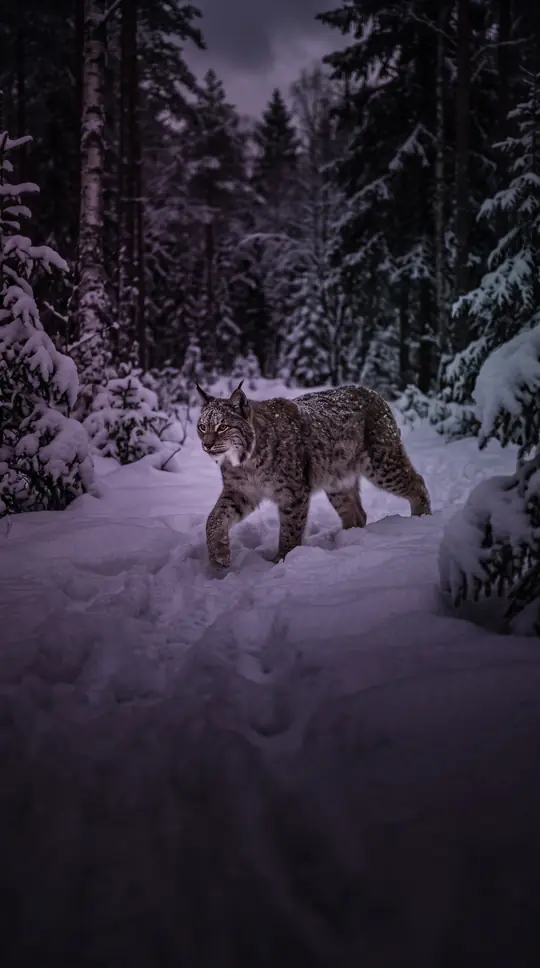 The European conger is the world's heaviest eel, reaching weights of up to 160 kilograms.Hidden in rocky crevices across the Atlantic and Mediterranean, the European conger is a nocturnal predator of surprising scale. While most eels are slender, this massive species …
 The mysterious life cycle of the European eel remains a puzzle for modern scienceFor centuries, the European eel's origins were a complete mystery. Despite being a staple of global sushi markets, mating in the wild has never been observed. Today, this critical…
 The European honey buzzard is a master of disguise and a wasp-nest specialistDespite its name, this bird does not eat honey. Instead, it is a specialized predator of wasp and hornet larvae, equipped with unique physical defenses against stings. Its surviva…
 The European mink is vanishing, and its American cousin is not the only culprit.Once widespread across Europe, the European mink is now critically endangered. While the introduced American mink is a major threat, the species' decline is a complex puzzle invol…
 The European shag is a deep-diving specialist with a taste for the sea floor.Often confused with the great cormorant, the European shag is a distinct, smaller seabird that hunts in the benthic zone. These birds are master divers, capable of plunging up to …
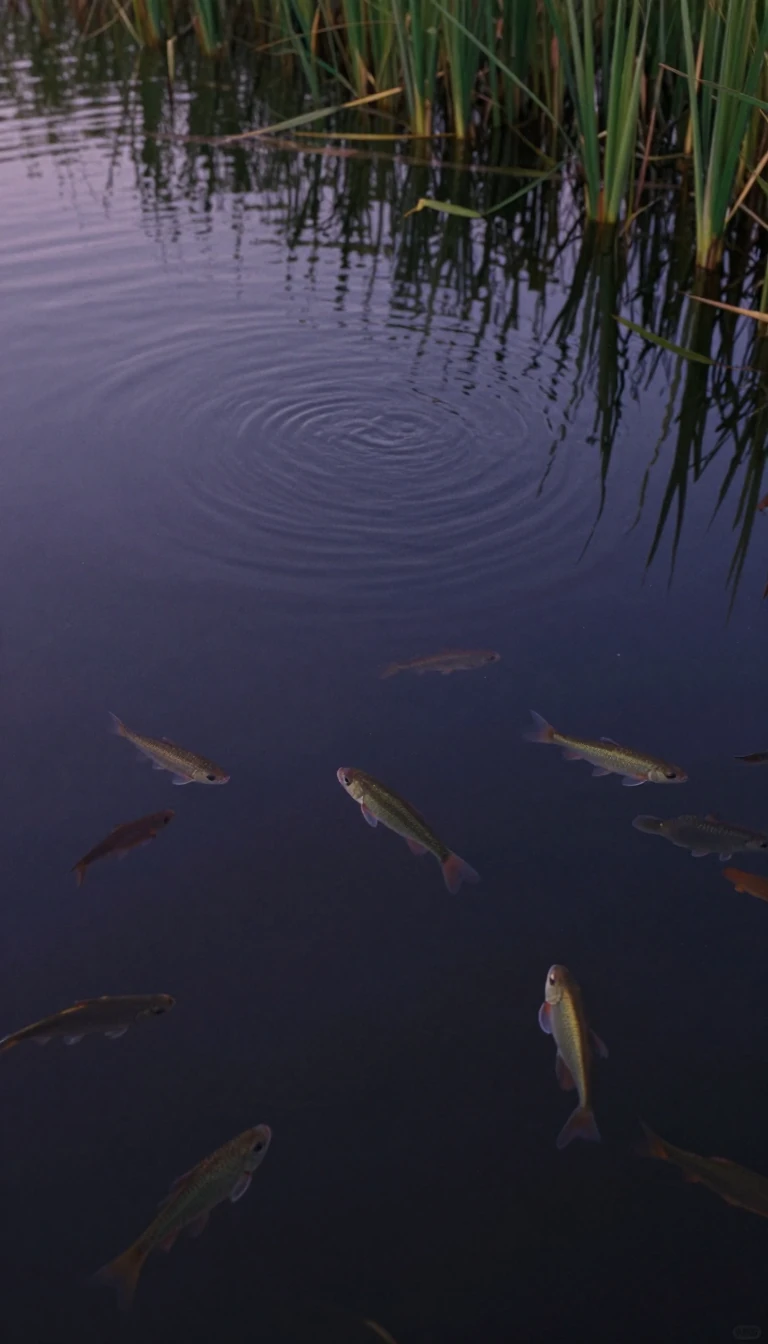 Was this ancient fish really a heroic pioneer crawling onto land to save us?For decades, Eusthenopteron was depicted as a brave fish dragging itself across drying mudflats to escape extinction. This image of a heroic evolutionary underdog helped explain o…
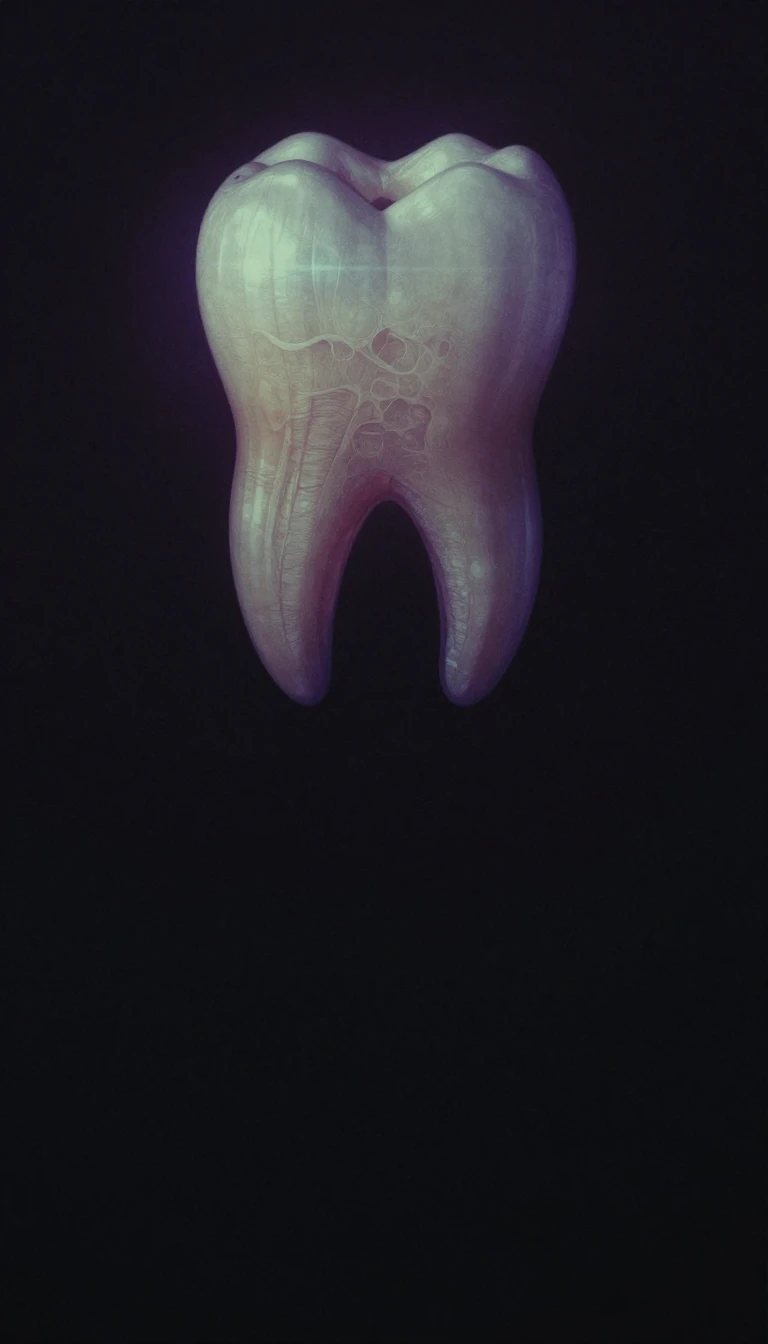 This ancient mammal challenges what we thought we knew about how teeth growMost modern mammals replace their teeth only once, a trait called diphyodonty. However, a newly discovered fossil from China reveals that some early mammals, known as eutriconodon…
 Modern birds are not just related to dinosaurs; they are living, breathing dinosaurs themselves.Forget the image of slow, scaly lizards. Science now confirms that birds are direct descendants of theropod dinosaurs. From the mighty Tyrannosaurus rex to the common pigeon, the …
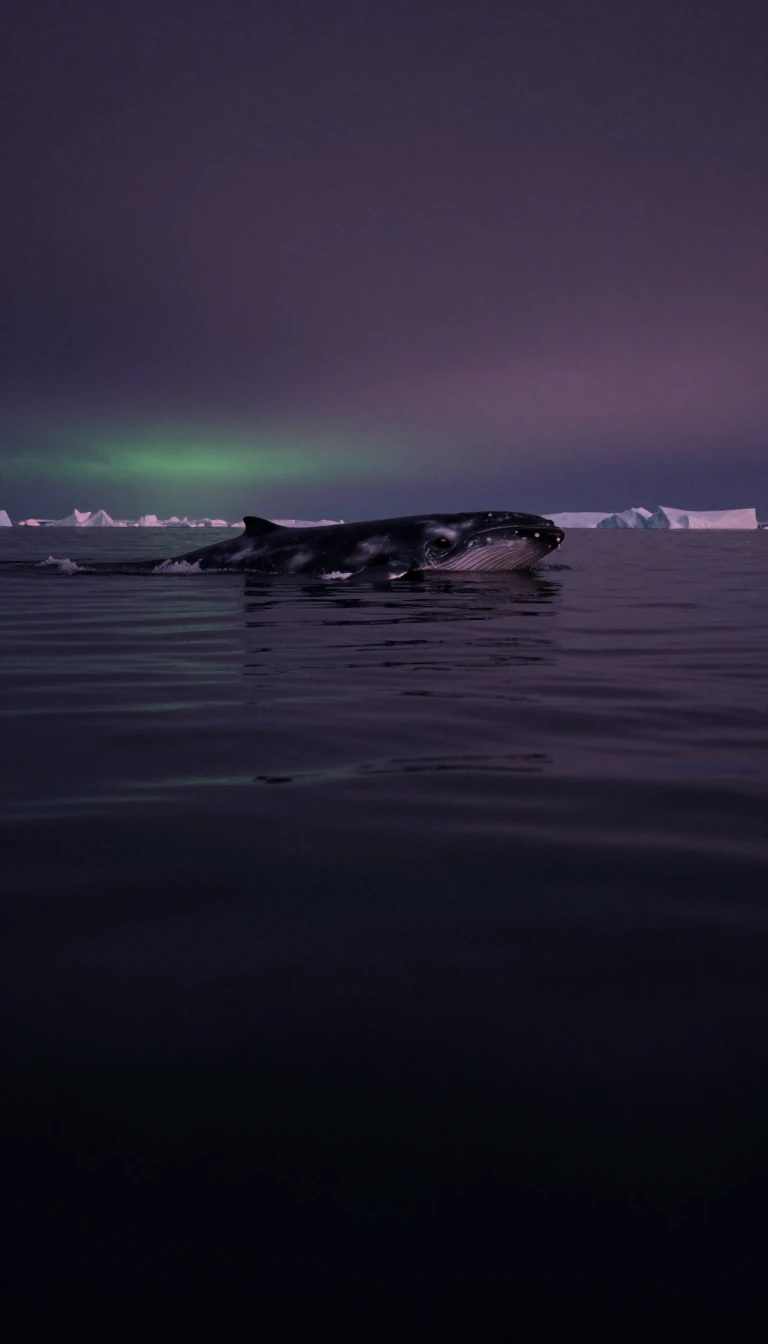 Whales are not fish, but land-dwelling mammals that returned to the seaWhales, dolphins, and porpoises are descendants of terrestrial mammals that transitioned to the ocean during the Eocene. While once thought to be related to extinct wolf-like carn…
- The earliest vertebrates were jawless, armored filter-feeders that thrived in ancient, mysterious waters.Long before modern fish dominated the oceans, the first vertebrates emerged as small, jawless creatures protected by heavy dermal armor. These early pioneers, known as agnathans, …
- Reptile evolution was not a series of sudden jumps, but a slow, steady climb.For 75 years, scientists believed reptile evolution occurred in rapid, dramatic bursts triggered by environmental shifts. A massive new study of 1,000 fossils reveals the truth is…
- New fossil evidence suggests tetrapods walked on land millions of years earlier than believedFor decades, scientists believed the first land-dwelling amniotes emerged in the mid-Carboniferous. However, new trackway discoveries in Australia reveal clawed footprints from th…
- Did Indigenous seafarers bring the mysterious Falkland Islands wolf to their remote home?When Charles Darwin visited the Falklands in 1833, he found a unique, fox-like creature roaming the shores. Long thought to have arrived by rafting on ice, new archaeological evid…
 Why the false gharial is a master of disguise in Southeast Asian waterwaysOften mistaken for its cousin the true gharial, the false gharial is a formidable, long-snouted predator lurking in the swamps of Southeast Asia. Despite its slender appearance, t…
- The deep-sea fanfin anglerfish uses independent, glowing filaments to hunt in total darknessLiving 2,600 feet below the North Atlantic, the fanfin sea devil is a master of the abyss. Unlike other fish, its bioluminescent fin-rays move independently, each controlled by it…
 Dinosaurs were not just scaly monsters; many were covered in complex, insulating feathersFor decades, we imagined dinosaurs as giant, cold-blooded lizards. But the discovery of feathered fossils in China and the re-examination of Archaeopteryx have rewritten history. …
 Are feral cats misunderstood survivors or the world's most dangerous invasive predators?With an estimated 480 million feral cats roaming the globe, these animals occupy a controversial space between apex predator and unwanted guest. While some view them as community …
- Are the wild horses roaming the American West actually wild at all?While we often call them wild, the horses galloping across the American West are technically feral. They are descendants of domesticated animals that escaped or were released by h…
 The city pigeon is not a wild bird but a runaway domestic success story.Feral pigeons are descendants of rock doves once kept for food and communication. While their wild ancestors are now restricted to remote Scottish and Irish coasts, these urban su…
- The ferret-badger is a biological puzzle that bridges the gap between two distinct families.Part weasel, part badger, the ferret-badger is a unique mammal that defies simple classification. Named for its hybrid appearance, this elusive creature has long fascinated natura…
- Meet the Australian guitarfish that wears a translucent snout and a unique nasal curtain.Fiddler rays, or banjo rays, are gentle, bottom-dwelling creatures found along the Australian coast. These cartilaginous fish are easily identified by their rounded pectoral discs…
 Why these masters of disguise use a retractable spine to survive in the reefFilefish are masters of deception, using rapid color shifts and a locking dorsal spine to evade predators. These sluggish swimmers rely on cryptic patterns and a unique pelvic dew…
- Why the finless porpoise is the most primitive member of its entire familyThe finless porpoise is a biological outlier, lacking the dorsal fin that defines its relatives. Found in the Indian and Pacific oceans and the Yangtze River, these small, slow-mo…
- Why this small toad performs a dramatic back-arching display when facing a predatorWhen threatened, the fire-bellied toad performs the unkenreflex, a striking defensive maneuver where it arches its back to expose a vivid, warning-colored belly. This display sign…
 The flathead grey mullet is a global traveler with a redundant scientific name.Found in coastal waters from the Atlantic to the Pacific, the flathead grey mullet is a master of adaptation. Known by many names, this fish thrives in fresh, brackish, and marine…
 The bizarre transformation of the flounder: a journey from symmetry to lopsided survivalBorn with eyes on either side of their heads, flounder undergo a radical metamorphosis as they mature. One eye migrates across the skull until both rest on the same side, allowing…
 Why the deep-sea footballfish is a master of extreme sexual dimorphismIn the dark, sparse depths of the world's oceans, the footballfish thrives through a bizarre strategy. While females grow to impressive sizes and hunt with bioluminescent lures, m…
- These tropical river fish see above and below the water simultaneously with two eyes.Despite their name, four-eyed fish only possess two eyes. These organs are uniquely split by a horizontal band of tissue, allowing the fish to scan the air for insects while simul…
- This ancient surface-gliding fish has remained unchanged for over 50 million yearsThe freshwater butterflyfish is a living fossil, the sole survivor of a diverse family that once thrived in Cretaceous seas. Despite its small size and delicate appearance, this s…
- The frilled shark: a prehistoric predator with a three-year pregnancy and 300 teethOften called a living fossil, the frilled shark is a mysterious deep-sea dweller that has survived since the Cretaceous period. With an eel-like body and 300 needle-like teeth, th…
- The frogfish is a master of disguise that hunts with a lightning-fast strike.These small, stocky masters of aggressive mimicry use a modified dorsal spine as a fishing rod to lure prey. When a meal wanders within range, the frogfish executes a strike so ra…
 Why the internet has crowned the frogmouth as the world's most aesthetic birdWith their massive, frog-like gapes and cryptic plumage, frogmouths are masters of nocturnal camouflage. While they resemble owls, these birds are actually distant relatives of hu…