 Intellect Plus
Vertebrates
970 cards. Each one is a 40-second story with a five-minute read behind it. Page 5 of 17.
 Why do these penguins lay two eggs only to discard the first one?The erect-crested penguin is a mysterious seabird that exhibits a strange reproductive habit: it lays two eggs, but the first is almost always lost or intentionally discarded. Des…
 The Ginsu shark was a Cretaceous apex predator that could slice through marine giants.Long before the great white shark dominated the oceans, the Cretoxyrhina ruled the Late Cretaceous seas. Reaching lengths of up to 8 meters, this formidable predator earned its ni…
- The world's rarest great ape is a master of survival in the shadowsThe Cross River gorilla is the most endangered of all African apes, with fewer than 250 mature individuals remaining in the wild. Isolated in the rugged hills of the Nigeria-Camer…
 The bird with a twisted beak that unlocks the secrets of the forestThe Red Crossbill possesses a uniquely crossed bill, a specialized tool evolved to pry open conifer cones that remain sealed to other birds. This finch is a nomadic specialist, of…
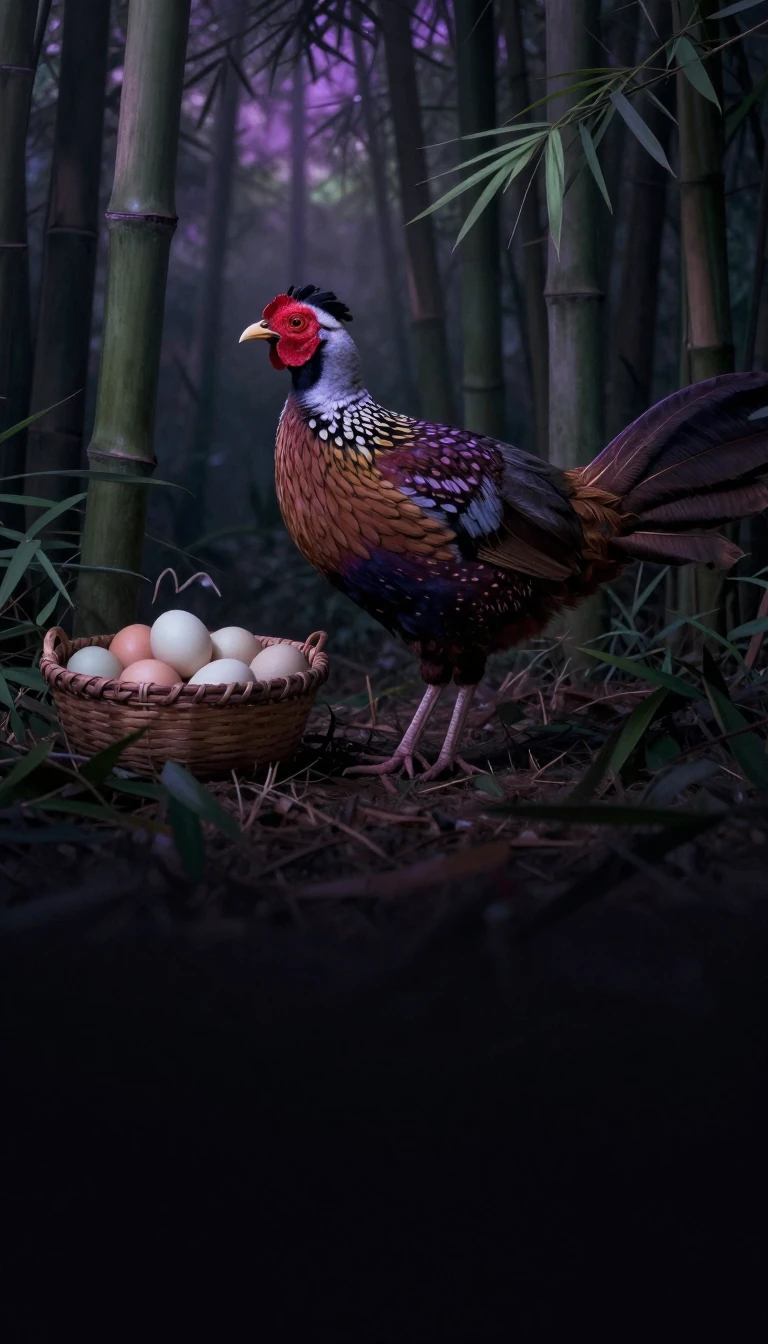 The world's largest pigeons are turkey-sized birds with elaborate, fan-shaped head crestsNative to New Guinea, the four species of the genus Goura are the giants of the pigeon family. These striking, blue-gray birds forage on the forest floor, displaying unique courts…
 The Jurassic marine reptile named for its hidden bones and delicate feeding styleCryptoclidus was a medium-sized plesiosaur from the Middle Jurassic that roamed the ancient seas of England, France, and beyond. Far from a fearsome predator, this creature posses…
 The cuckoo-roller is a solitary evolutionary line that defies its misleading common name.Despite its name, the cuckoo-roller is neither a cuckoo nor a roller. This medium-large bird, found in Madagascar and the Comoros, occupies its own unique biological order, Leptos…
 The Curassow is a giant of the cracid family with a mysterious evolutionary past.As the largest members of the cracid family, curassows are striking tropical birds known for their glossy black plumage and peculiar bill ornaments. While they dominate the South …
 Despite their serpentine appearance, cusk-eels are not true eels at all.With bodies that mimic the slithering form of an eel, these marine fish are actually distant relatives of tuna and seahorses. Thriving from shallow coastal waters to the crushing …
 The smallest crocodilian in the Americas is a heavily armored, sun-basking, nocturnal survivor.Cuvier’s dwarf caiman is the most diminutive member of the alligator family, yet it thrives across the vast Amazon and Orinoco river basins. Despite its small size, this resilient…
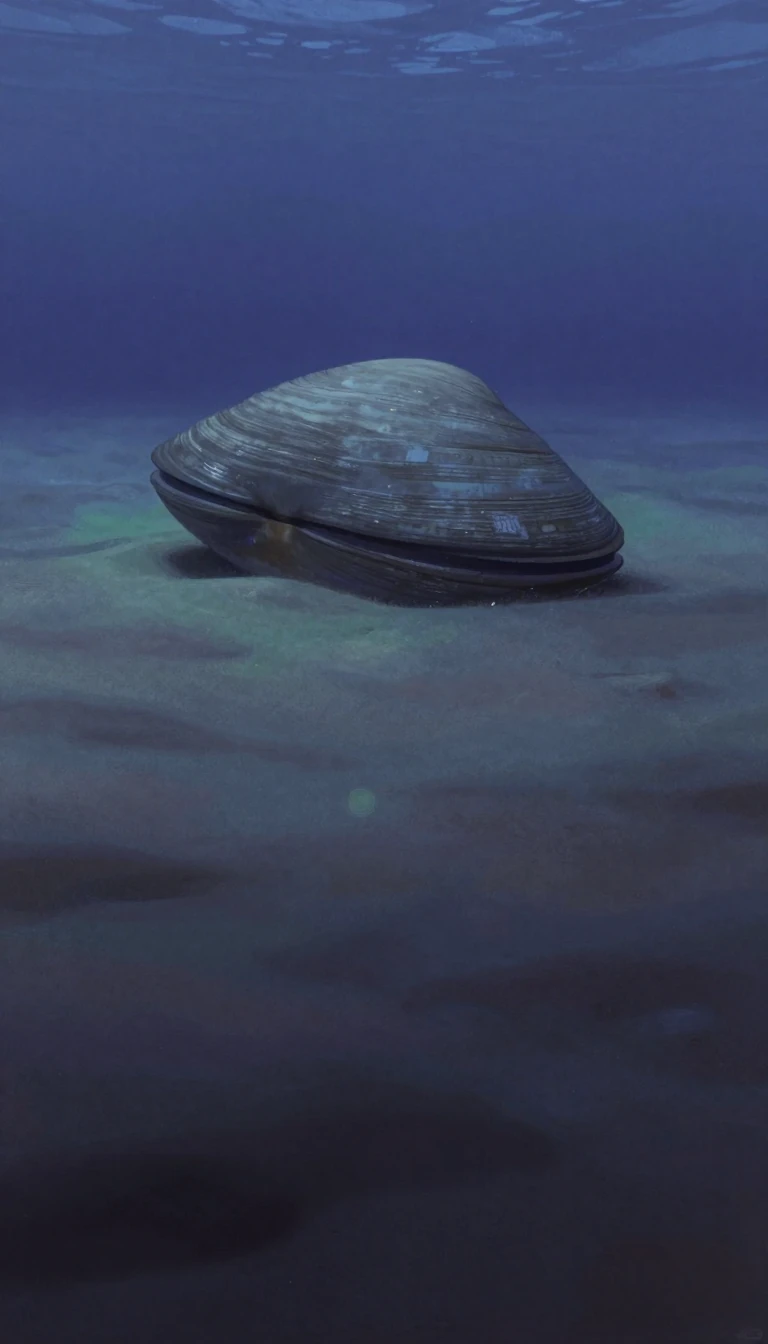 Are lampreys and hagfish the missing link to our own evolutionary history?Cyclostomi, a group of jawless vertebrates, challenges our understanding of evolution. While anatomy once suggested lampreys were closer to jawed fish, modern molecular data links…
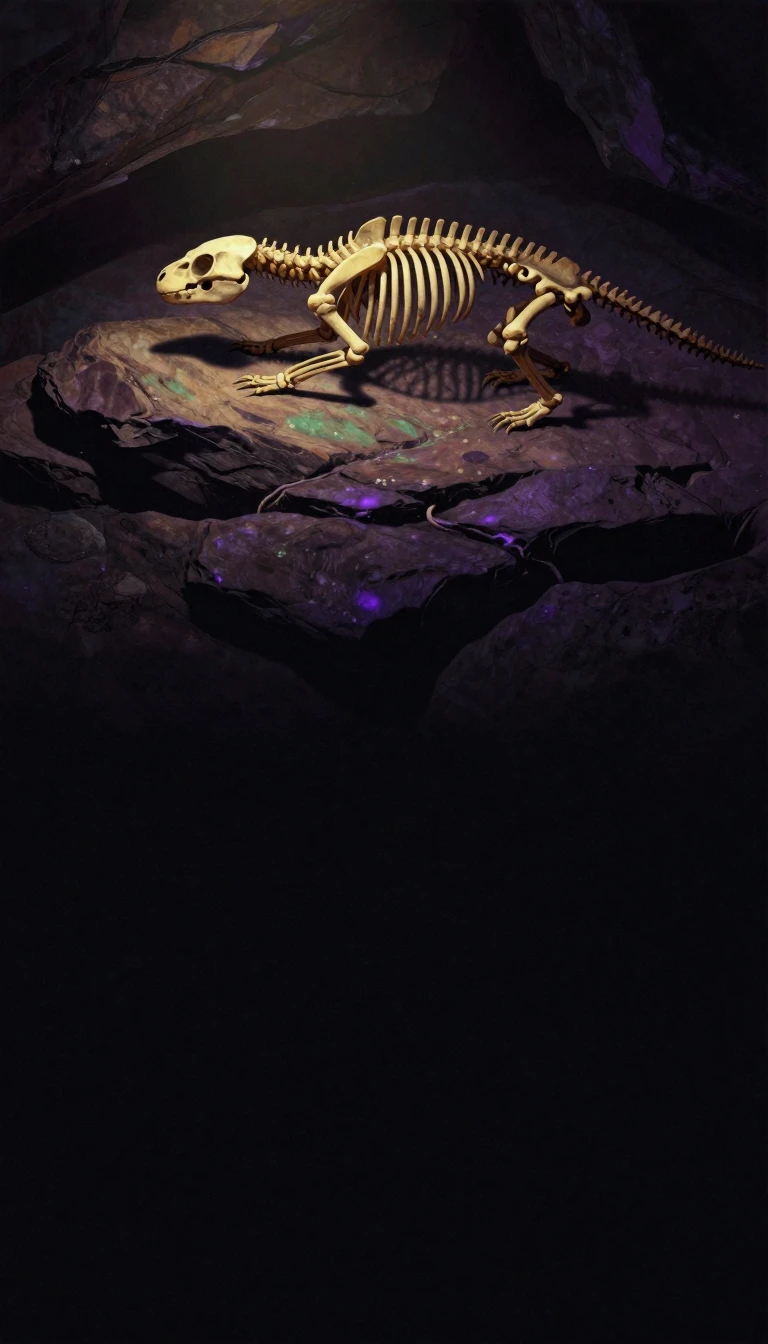 Cynodonts were the ancient bridge between cold-blooded reptiles and modern mammalsLong before mammals dominated the earth, a group of mammal-like reptiles called cynodonts pioneered the traits that define us today. From the secondary palate that allowed them to…
 The world's largest fish family has no teeth, no stomach, and a secret earCyprinidae is the most diverse family of vertebrates on Earth, encompassing everything from tiny glassfishes to massive carp. Despite their immense variety, these freshwater fish …
 Daeodon was a massive, bone-crushing omnivore that roamed North American grasslands millions of years ago.Known as the largest entelodont to ever exist, this formidable creature weighed at least 750 kilograms. With a skull nearly a meter long and a body built for running, it occupied …
 The fastest of all small whales, this North Pacific speedster loves to bowride ships.Often mistaken for baby killer whales, Dall's porpoises are actually the swiftest small cetaceans in the ocean. These robust, black-and-white mammals are famous for their energeti…
 Dall sheep are not just white mountain dwellers, they are masters of alpine survival.Dall sheep, or thinhorn sheep, thrive in the rugged, subarctic mountains of North America. While often recognized by their iconic white coats, these animals are defined by complex…
 A small Texas lizard reveals how prehistoric giants conquered the world's ancient oceansDiscovered by an amateur fossil hunter at a construction site, Dallasaurus turneri is a missing link in evolutionary history. This three-foot lizard lived 92 million years ago, po…
 Some damselfish are surprisingly sophisticated farmers that keep tiny shrimp as their personal petsDamselfish are far more than just colorful reef inhabitants. These small, territorial fish exhibit complex social structures, perform intricate courtship rituals, and even engage …
 Why the humble zebrafish is a secret powerhouse of modern evolutionary scienceDanionins, a group of small freshwater fish, are far more than aquarium staples. By revealing the molecular basis of phenotypic divergence, these tiny vertebrates have become esse…
- The Horrible Hand: How a Bizarre Dinosaur Remained a Mystery for Fifty YearsFor decades, Deinocheirus was known only by a pair of massive, clawed arms discovered in Mongolia. This enigmatic creature defied classification, leading scientists to wonder what…
 The terrible crocodile that ruled the waterways of the Late Cretaceous periodLong before modern apex predators dominated, Deinosuchus reigned as a massive, alligator-like giant. Stretching up to ten meters, this formidable creature hunted dinosaurs along t…
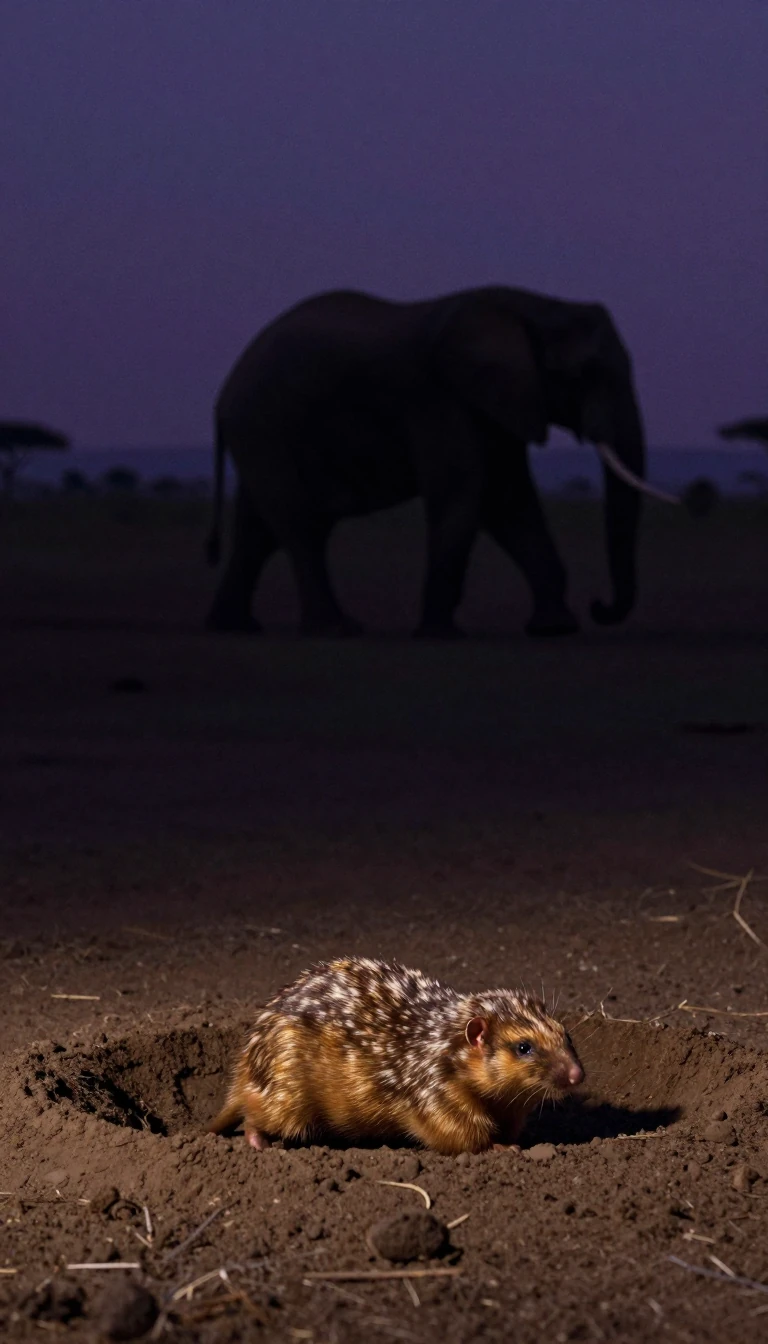 The terrible beast with downward tusks that once roamed the ancient worldDeinotheres were among the largest land mammals to ever walk the Earth, yet they remain overshadowed by their elephant cousins. Defined by a bizarre, downward-curving pair of tusk…
- The prehistoric giant with backward-curving tusks that once roamed across three continentsDeinotherium was a massive, elephant-like creature that dominated landscapes from Africa to Eurasia for millions of years. Unlike modern elephants, this beast sported downward-cur…
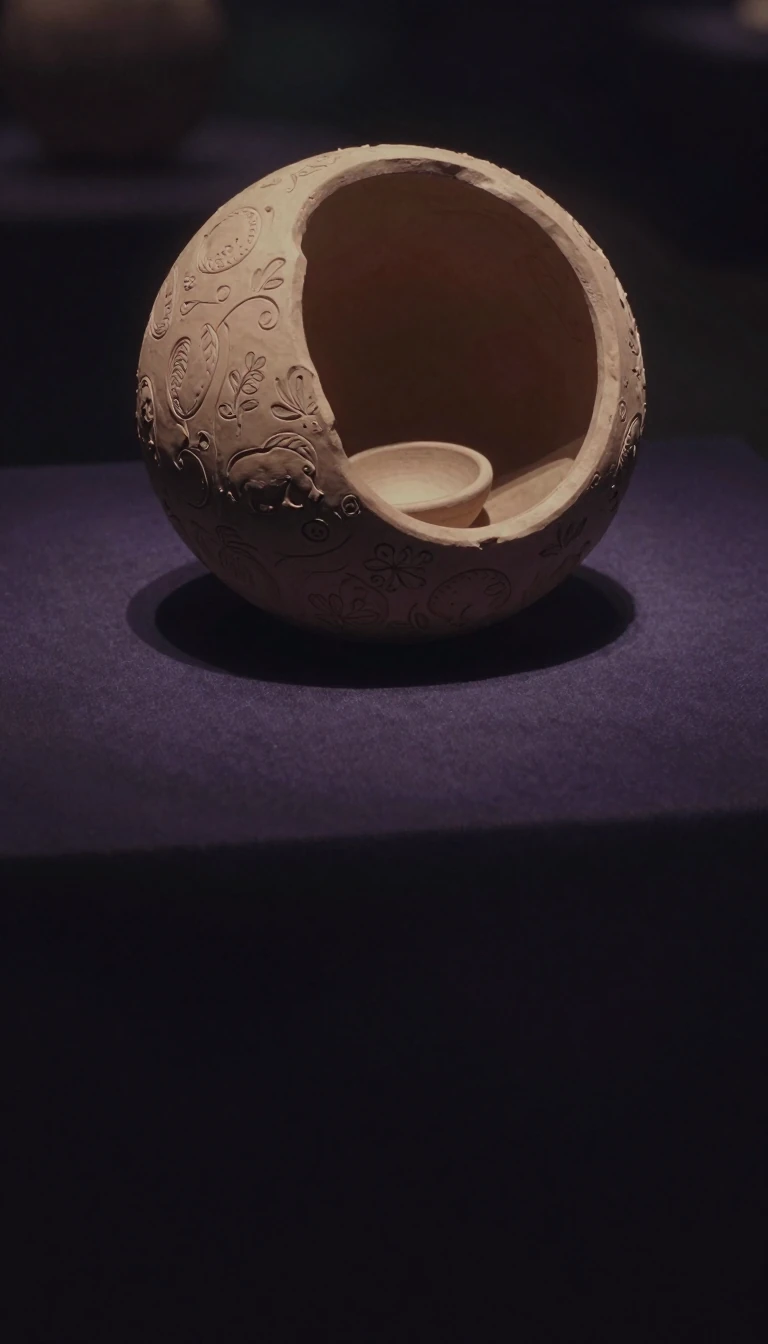 Why house martins build closed mud nests to secure their family lifeHouse martins are master architects of the avian world, constructing intricate, closed mud nests on cliffs and buildings. This specialized design is more than just shelter; it is …
 Why the smallest crane in the world inspired the first human-composed verseThe demoiselle crane is a bird of extremes: it is the smallest of all crane species, yet it undertakes some of the most arduous migrations on Earth. Beyond its physical grace, thi…
- Desmostylians were bizarre, tusked aquatic mammals that defy simple classification in the animal kingdom.Imagine a creature with the body of a hippo, the teeth of a pipe organ, and a lifestyle that remains a mystery. Desmostylians were the only known extinct order of marine mammals, …
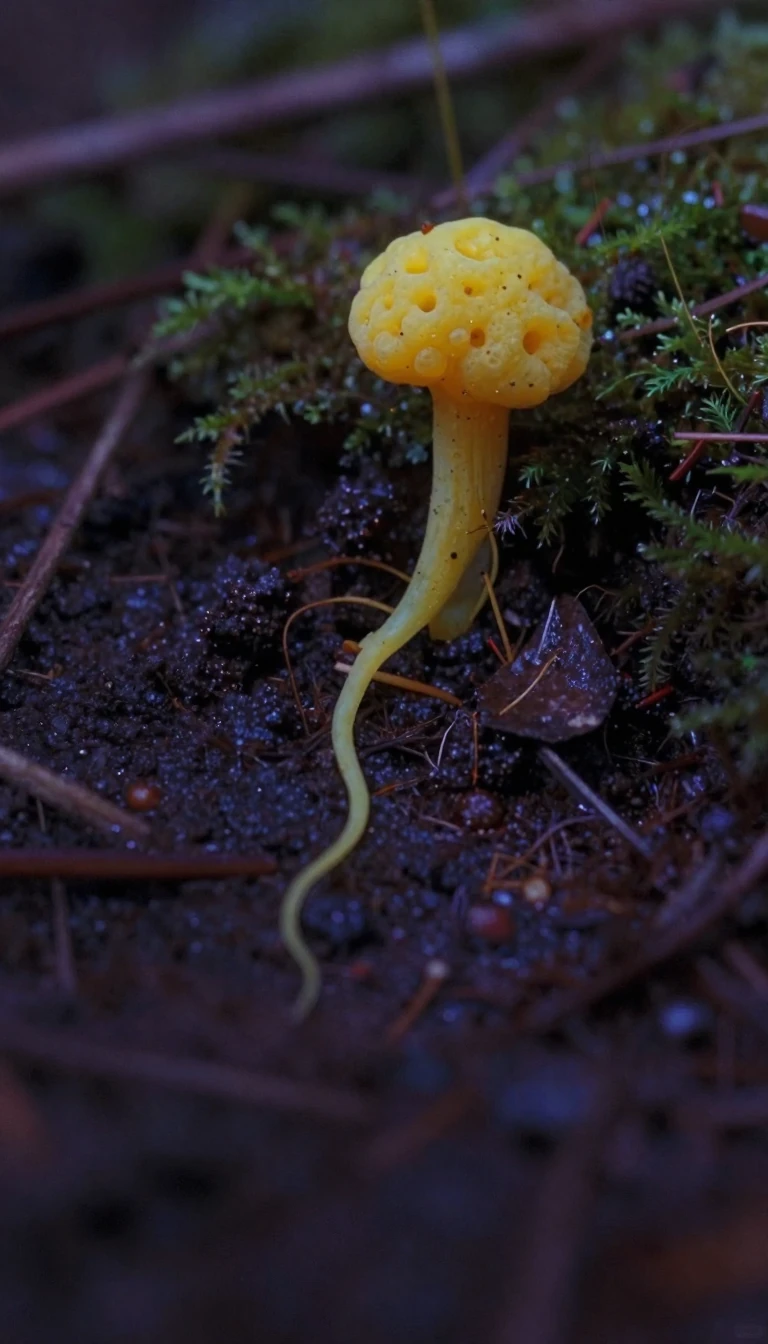 The mysterious blind lizards that defy classification and live hidden beneath our feetKnown as blind lizards, the family Dibamidae consists of small, snakelike reptiles that spend their lives underground. With two distinct genera found in distant parts of the world…
- How a tusked, beak-faced reptile became the ultimate survivor of Earth's greatest extinctionBefore mammals dominated the planet, the Dicynodontia thrived as the most successful herbivorous therapsids. These mammal-like reptiles, defined by their signature horny beaks and…
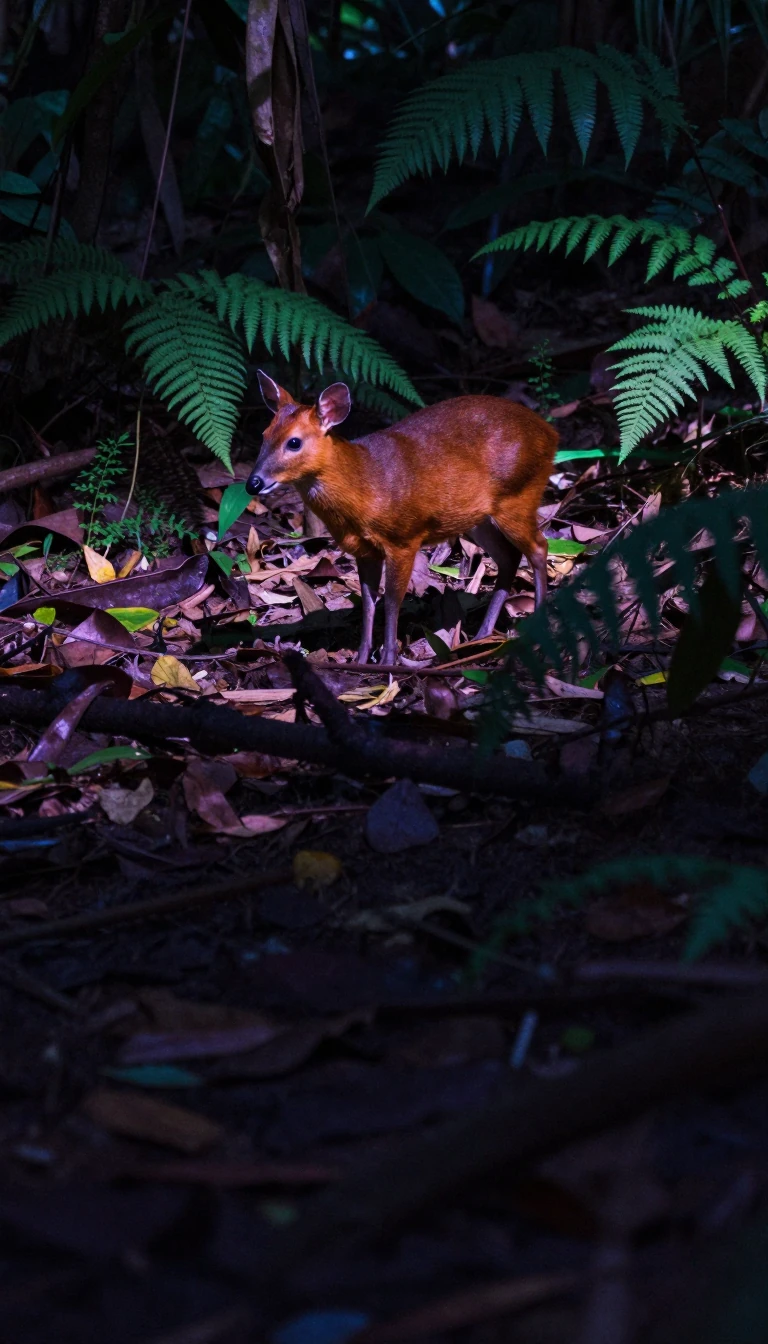 Didelphodon was the Late Cretaceous predator that crushed bones with its massive teethLong before marsupials dominated the Australian outback, their ancestors were North American heavyweights. Didelphodon vorax, the largest Mesozoic therian mammal, used specialized…
 These tiny antelopes survive the African heat by turning their noses into cooling systems.Standing barely taller than a house cat, the dik-dik is a master of desert survival. These dwarf antelopes thrive in waterless bush country by utilizing a specialized, blood-coole…
 Was the early pterosaur Dimorphodon a master of the skies or a clumsy ground-dweller?Long depicted as a graceful soarer, the Jurassic Dimorphodon was likely a poor flyer that preferred short, frantic bursts of movement. Despite its reptilian heritage, this creatur…
- Before the dinosaurs, these massive, thick-skulled creatures dominated the Permian landscape for millions of years.Long before the age of dinosaurs, the Dinocephalia clade thrived as the planet’s premier megaherbivores and apex predators. Flourishing during the Middle Permian, these synapsids …
 The 'terrible' cat that stalked early hominids across ancient landscapesDinofelis was a widespread genus of machairodontine, or saber-toothed cat, that roamed across Europe, Asia, Africa, and North America for millions of years. While often associated…
 Why did this ancient amphibian evolve a bizarre, boomerang-shaped head?Diplocaulus, a stocky amphibian from the late Paleozoic, is famous for its distinct, wide, horn-like skull protrusions. While early theories suggested these horns were for protect…
- The aquatic songbird that walks underwater to hunt for its next mealDippers are the only songbirds capable of diving and swimming, yet they lack webbed feet. Instead, these stout birds use their wings like flippers to navigate fast-flowing streams…
 The massive Diprotodon was Australia's largest marsupial, a gentle giant of the Pleistocene era.Imagine a wombat the size of a rhinoceros. Diprotodon optatum, the largest marsupial to ever roam the earth, dominated the Australian landscape for thousands of years alongside ea…
 The dire wolf was never a wolf, but a distant, isolated American cousinDespite their fame as fictional pets, dire wolves were not close relatives of modern gray wolves. Genetic analysis reveals they were an evolutionarily distinct group that diverged…
- Why diving ducks are not as closely related to dabbling ducks as they lookDiving ducks and dabbling ducks share a similar appearance, but this is a classic case of convergent evolution. Despite their outward resemblance, molecular data reveals they are …
 Are the Dmanisi fossils evidence of one species or a crowded ancient neighborhood?In a small Georgian site, five skulls dating back 1.8 million years have ignited a fierce debate. Some researchers argue these fossils represent a single, highly variable species …
- The domestic canary is the only pet bird selectively bred for its vocal performance.For over 500 years, humans have shaped the domestic canary, transforming a wild finch into a diverse array of singers and colorful companions. Beyond their aesthetic appeal, these…
- From ancient guardians to modern icons, the domestic goose has shaped human history.Domestic geese are not just farmyard staples; they are products of thousands of years of selective breeding. Derived from wild greylag and swan geese, these birds have been engine…
 Why the Roman Senate once regulated the trade of prickly hedgehog skinsLong before they became modern apartment pets, hedgehogs were utilitarian tools for ancient civilizations. From cleaning shawls to training livestock, these creatures have served …
- Thousands of years of selective breeding have transformed the humble quail into a diverse species.Quails are more than just small fowl; they are the result of millennia of human intervention. From the common Coturnix to the vibrant Button quail, these birds have been shaped fo…
- The ancient deer-like creatures that thrived across three continents during the Miocene epochDorcatherium was a genus of tragulid ruminants that roamed Europe, East Africa, and the Siwaliks millions of years ago. By analyzing dental enamel and microscopic wear patterns, r…
 How ancient whales transitioned from walking on land to ruling the open oceanFifty million years ago, whale ancestors were goat-sized land dwellers. Within a remarkably fast ten-million-year evolutionary sprint, these creatures transformed into fully aquat…
- The sewing machine of the tundra: why dowitchers probe mud with rhythmic precisionDowitchers are medium-sized shorebirds known for their unique, rapid-fire feeding style. By plunging their long bills into mud with a motion resembling a sewing machine needle, th…
 The flying dragon of Southeast Asia is a master of the arboreal glideIn the dense jungles of Southeast Asia, the Draco lizard has evolved a remarkable way to bypass the forest floor. By extending elongated ribs to unfurl skin membranes, these tiny …
- Why these tiny, colorful marine fish are locked in a high-stakes evolutionary arms race.Dragonets are small, vibrant fish that spend their lives on the ocean floor, but their mating rituals are surprisingly intense. Driven by fierce competition and complex sexual dim…
 These bizarre Triassic reptiles had bird-like beaks, chameleon limbs, and mysterious, shifting evolutionary histories.Drepanosauromorpha were strange, tree-dwelling reptiles that thrived 230 to 210 million years ago. With barrel-shaped bodies, prehensile tails, and specialized grasping hands, the…
 The lethal mechanics of the dromaeosaur: nature's most agile and specialized predatory dinosaurKnown popularly as raptors, dromaeosaurids were agile, bipedal carnivores that dominated the Cretaceous period. These predators utilized a unique, specialized killing claw on thei…
 The Demon Duck of Doom: Australia's massive, flightless, and mysterious prehistoric birdDromornis planei was a formidable, flightless giant that roamed ancient Australia. Once mistaken for a relative of emus, this massive bird is now linked to the lineage of ducks an…
- The drongo is a master of deception that steals food using fake alarm calls.These small, aggressive birds are not just skilled hunters; they are sophisticated con artists. By mimicking the alarm calls of other species, drongos trick animals into abandonin…
- Did Europe once host a thriving population of sugar-loving, forest-dwelling great apes?Long before humans dominated the continent, Europe was home to Dryopithecus, a genus of great apes that thrived in warm, paratropical forests. These creatures navigated a world of…
- The Cretaceous pterosaur that traded soaring skies for a life of crushing shellfishDsungaripterus was not your typical pterosaur. While its peers took to the skies, this robust creature spent its time in the inland environments of the Junggar Basin. With special…
 The African duiker is a master of the dive, vanishing into thickets instantly.Named for the Afrikaans word for diving, these elusive forest antelopes are built for sudden, headlong escapes into dense vegetation. While most antelopes are built for speed in o…
- Was this legendary armored predator actually a smaller, faster hunter than we once imagined?Dunkleosteus, the massive, plate-skinned fish of the Late Devonian, has long been depicted as a slow-moving, suction-feeding giant. Recent anatomical re-evaluations suggest this a…
 The dunnart is a tiny Australian marsupial with a surprisingly record-breaking genetic secret.Often mistaken for a common mouse, the dunnart is actually a specialized insectivorous marsupial native to Australia and New Guinea. While these small creatures appear unassuming,…
- The Asian common toad is a global traveler with a deadly, toxic secretThe Asian common toad is a master of human-dominated landscapes, thriving from urban street lamps to agricultural fields. While it is a common sight across South and Southeast Asi…
- The world's smallest crocodile thrives in caves and hunts bats in the darkAfrican dwarf crocodiles are not your typical apex predators. These timid, five-foot-long reptiles prefer scurrying after crabs and frogs to stalking large prey. In Gabon, some ha…
- The smallest elephant in history lived like a giant, not a miniaturePalaeoloxodon falconeri was a tiny elephant, standing just one metre tall—the size of a newborn African elephant. While scientists once assumed this dwarf species had a short, rap…