 Intellect Plus
Society
7,726 cards. Each one is a 40-second story with a five-minute read behind it. Page 69 of 129.
Subtopics: Ancient · Basics · Charity & volunteering · Childhood · Communication · Contemporary · DIY & home improvement · Early modern · Education · Education & schools · Everyday inventions · Everyday life: General · Family and kinship · Family life · Family, kinship and interpersonal relationships · Generations · Hobbies & collecting · Home & housekeeping · Home living · Household items · Housing · International organizations · Journalists · Law · Law & justice · Law enforcement, intelligence, and security officials · Leisure & holidays · Mass media · Modern · Pets · Post-classical · Postal services · Public transport · Railways · Roads & driving · Social media & the internet · Socialites and favorites · Society · Society and social sciences: General · Sociology · Stages of life · UK & Ireland: life
 Why the Napoleon of Crime was created to kill the world's greatest detectiveProfessor Moriarty was never intended to be a recurring villain. Arthur Conan Doyle created the brilliant mathematician solely as a narrative device to dispose of Sherlock Holmes,…
 How Nazi Germany weaponized mass psychology to manipulate the hearts of an entire nationPropaganda was not merely a tool for the Nazi Party; it was the central nervous system of the regime. By targeting the emotions of the masses rather than their intellect, the Nazi…
 The 18th-century preacher who claimed to have died and returned as a spiritAfter surviving a near-fatal fever in 1776, Jemima Wilkinson declared her former self dead. Reanimated by a divine spirit, she adopted the name Publick Universal Friend, rejecting…
 Why the Pulitzer Prize for Drama is often a battleground for artistic controlThe Pulitzer Prize for Drama is meant to honor the best of American theater, but its history is marked by internal friction. While a jury of experts selects nominees, the final de…
 Does Western academia systematically strip Indian traditions of their original cultural context?Rajiv Malhotra argues that Western scholars and institutions frequently appropriate Indic knowledge systems, repackaging them as universal or Western discoveries while erasing the…
 From a mud hut to the presidency: The trajectory of Ram Nath KovindBorn in a small village where he walked miles to attend school, Ram Nath Kovind rose from humble beginnings to become India's 14th president. A lawyer by trade and a long-time adv…
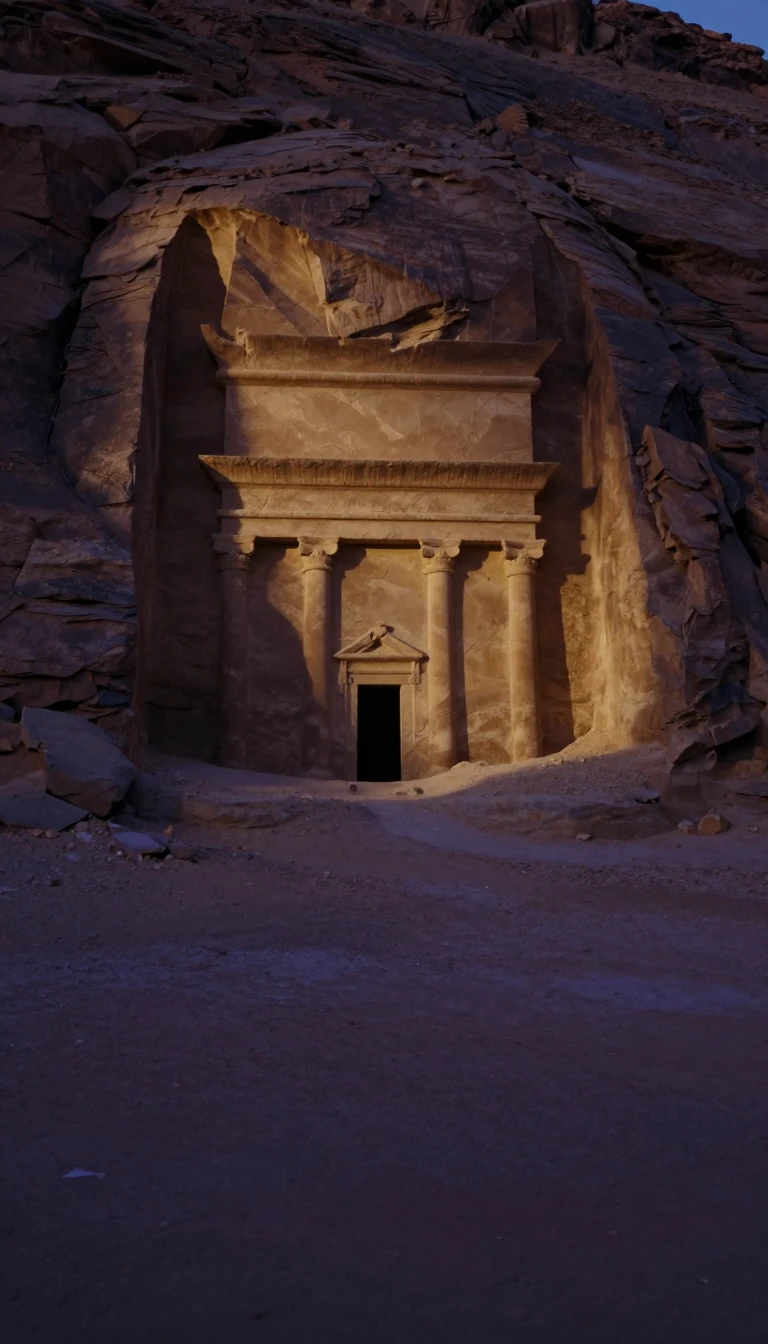 The accidental pharaoh who founded Egypt's greatest dynasty but left almost no trace.Ramesses I was an elderly military man who ascended to the throne to secure a succession, not to build a legacy. His reign lasted less than two years, leaving him buried in a hast…
 Is the iconic red velvet cake a culinary masterpiece or a marketing invention?Red velvet cake is a cultural phenomenon, yet its origins remain shrouded in mystery. Once a simple mahogany-colored treat, it evolved into a bright red commercial obsession. From…
 The world's largest trade bloc is shifting the economic center of gravity toward Asia.The Regional Comprehensive Economic Partnership unites 15 Asia-Pacific nations, representing 30% of the global population and GDP. By standardizing trade rules and slashing tariff…
 Is regionalism a path to local prosperity or a threat to national unity?Regionalism seeks to shift power from central governments to subnational entities, ranging from moderate calls for decentralization to radical demands for total independence. Whil…
 As AI evolves from simple tools to autonomous agents, global regulation struggles to keep pace.The race to govern artificial intelligence is accelerating, yet no global consensus exists. While some nations prioritize innovation, others push for strict rights-based framework…
 The German word Reich meant realm long before it became a symbol of empire.While often associated with Nazi Germany, the term Reich has deep roots in Germanic linguistics, evolving from a simple word for realm into a loaded political concept. It once des…
 How the Mongol Empire became the world's most religiously tolerant superpower in historyGenghis Khan built an empire that famously embraced religious diversity, exempting clergy from taxes and hosting grand theological debates. Yet, this tolerance was not merely idea…
 Why migrant workers are the world's most reliable source of international development fundingMigrants send more money home than all global foreign aid combined. This massive flow of capital, known as remittances, acts as a critical lifeline for developing economies. While…
 A brilliant statesman whose career was haunted by mysterious blackouts and family feudsRichard Wellesley, 1st Marquess Wellesley, was a titan of the British Empire who expanded colonial control in India and championed Catholic emancipation. Yet, his political ascent…
- Is Japan's Rising Sun flag a symbol of ancient tradition or imperialist aggression?The Rising Sun flag, featuring a red disc with sixteen rays, is a deeply contested emblem. While Japan views it as a traditional symbol of the sun and good fortune, many in Korea …
 How a legendary British actor overcame a decade of professional decline to reach greatness.Robert Stephens was a titan of the British stage, known for his early brilliance at the Royal National Theatre. Yet, his path was far from linear. After a period of personal and p…
- How one man’s diplomacy redrew the map of Europe and ended the Napoleonic eraRobert Stewart, Viscount Castlereagh, was a titan of British history who orchestrated the downfall of Napoleon. As foreign secretary, he pioneered the Concert of Europe and the pr…
 How a Norman bandit became the absolute ruler of a Mediterranean island kingdomRoger I of Sicily arrived in Italy as a landless younger son, initially living as a bandit in a mountain castle. Through strategic warfare and political maneuvering, he transforme…
 The English nobleman who became the secret lover and de facto king of EnglandRoger Mortimer, 1st Earl of March, was a powerful marcher lord who transformed from a rebellious exile into the virtual ruler of England. Alongside his mistress, Queen Isabella, h…
- The Romanian leu has survived four revaluations and a transition from paper to plastic.The Romanian leu, whose name translates to lion, has a volatile history marked by hyperinflation, communist-era price controls, and multiple currency resets. From the gold standar…
- A professional footballer navigates the weight of a historically infamous family surnameRomano Floriani Mussolini is a professional footballer playing in Italy's top leagues. While his lineage links him directly to the fascist dictator Benito Mussolini, he has consis…
 The self-appointed judge who ruled the Texas frontier with whiskey and a revolverRoy Bean, the self-styled Law West of the Pecos, operated a saloon-courtroom where he dispensed justice based on whim rather than statute. From fining corpses to staging world-cha…
 What defines a royal family in an age of constitutional governance?While we often imagine royalty as a singular, monolithic institution, the reality is a complex web of legal definitions and hereditary traditions. From absolute monarchies where r…
- Can a jury be bought? The high-stakes moral abyss of a legal thrillerIn the 2003 film Runaway Jury, a shadowy consultant and a righteous lawyer battle for control over a trial verdict. But the real power lies with two mysterious individuals who cla…
 How Russian settlers shaped the modern borders and demographics of Kazakhstan over four centuriesFrom 16th-century Cossack forts to a Soviet-era industrial powerhouse, ethnic Russians have been central to Kazakhstan’s history. Once nearly half the population, this community h…
 How a Sultan’s architectural ambition turned a 16th-century mosque into a political statementCommissioned by Suleiman the Magnificent, the Süleymaniye Mosque was more than a place of worship. Designed by the legendary architect Sinan, this sprawling complex served as a de…
- Saṃsāra is the beginningless cycle of rebirth, but what exactly is being reborn?Buddhism describes saṃsāra as an endless, painful cycle of birth and death fueled by ignorance and craving. Yet, the tradition famously rejects the existence of a permanent soul. …
 How a philosophy of extreme altruism fueled one of history's largest financial fraudsSam Bankman-Fried leveraged a mathematical approach to effective altruism to build a crypto empire. By promising to maximize wealth for the greater good, he gained immense influen…
- Can a principled human rights advocate successfully navigate the machinery of global power politics?Samantha Power rose from war correspondent to U.S. Ambassador to the United Nations, championing the doctrine of responsibility to protect. Yet, her career reveals the friction be…
 What defines a country as a satellite state in the shadow of a superpower?A satellite state is formally independent yet remains under the heavy political, economic, or military control of another nation. Like a moon orbiting a planet, these states often…
 Satyagraha is not passive resistance; it is a powerful, active force born of truth.Coined by Mahatma Gandhi in 1906, satyagraha is often misunderstood as mere civil disobedience. In reality, it is a rigorous, nonviolent philosophy of truth-force. By refusing to …
- Why societies repeatedly sacrifice innocent individuals to restore their own sense of orderScapegoating is more than just shifting blame; it is a primal social mechanism used to purge collective guilt and frustration. By projecting internal conflicts onto a single targe…
- When leaders turn against their own systems to seize absolute, unchecked political controlA self-coup, or autogolpe, occurs when a sitting leader dismantles the very democratic or legal structures that keep them in power. By dissolving legislatures, suspending courts, …
 Can a false belief actually create reality, or is that just a popular myth?A self-fulfilling prophecy occurs when an inaccurate expectation triggers actions that make the belief come true. While often cited to explain social inequality and bank runs, the…
 The Seneca were the Keepers of the Western Door of the Iroquois League.Known as the Great Hill People, the Seneca were the most populous nation of the Haudenosaunee Confederacy. From their ancestral homelands near Lake Ontario, they built a vast netw…
 Why the Chinese sexagenary cycle is the ultimate clock for East Asian historyFor millennia, East Asian cultures have tracked time using a sixty-year cycle of stems and branches. This ancient system, which originated in the Shang dynasty, does more than cou…
- How a philosopher became the primary architect of Japan's wartime ultranationalist propaganda machineShūmei Ōkawa was not a military officer, yet he became the ideological engine behind Japan's 1930s expansionism. A polyglot scholar who transitioned from philosophy to radical act…
- How Sharad Pawar became the ultimate survivor of Indian state and national politics.Sharad Pawar has navigated six decades of Indian political volatility, serving as Maharashtra's youngest chief minister and a long-term Union minister. From founding the Nationali…
 Why the British Army once treated psychological trauma as a lack of characterDuring the First World War, soldiers suffering from the intense psychological strain of combat were often dismissed as cowards. Labeled with the term shell shock, these men faced …
- Why India's political elite flock to a 1,000-year-old monolithic statue every twelve yearsIn the town of Shravanabelagola, a 58-foot monolithic statue of Gommateshwara Bahubali stands as a silent witness to centuries of history. Every twelve years, this sacred site dra…
 Why this Filipino sour stew was voted the world's best soup two years runningSinigang is a Filipino staple defined by its signature sour, savory profile. While modern versions rely on tamarind, the dish is a versatile canvas for diverse acidic agents. From…
 Slave rebellions were not just desperate acts, but catalysts for global political changeFor centuries, enslaved people across the Americas and beyond fought back against their bondage. While often dismissed as spontaneous or minor, these uprisings frequently reshaped…
 In the Ottoman Empire, slavery was a foundational institution that shaped the state's elite.Far from a peripheral practice, slavery was central to Ottoman society and governance. From the sultan's inner circle to the labor force, enslaved individuals filled critical role…
- Was the mysterious Pharaoh Smenkhkare actually Nefertiti ruling in a kingly disguise?Smenkhkare remains one of ancient Egypt's most elusive figures. Reigning briefly during the 18th Dynasty, this pharaoh left behind almost no trace. Scholars debate whether he was …
 Why ancient Athenians believed that random selection was more democratic than votingIn ancient Athens, elections were often viewed as oligarchic, favoring the wealthy and the ambitious. To ensure true equality, citizens turned to sortition—the selection of offici…
 The Southern Ming were a series of desperate, fragmented regimes fighting for imperial survival.After Beijing fell in 1644, Ming loyalists fled south, establishing a succession of short-lived courts. From Nanjing to the jungles of Burma, these pretenders struggled against Qi…
 Is the next major battlefield already orbiting silently above our heads?Space is no longer just a frontier for exploration; it is becoming a contested military domain. Nations are rapidly developing anti-satellite technologies, from cyber-jamming to k…
 Where does the Spanish royal family actually live versus their official state residence?While the Royal Palace of Madrid serves as the official residence of the Spanish monarchy, the royal family maintains a different primary home. Understanding the distinction betwe…
 Why some people see the world in absolute black and whiteSplitting is a psychological defense mechanism where the mind fails to integrate positive and negative qualities into a cohesive whole. Instead of seeing shades of gray, individua…
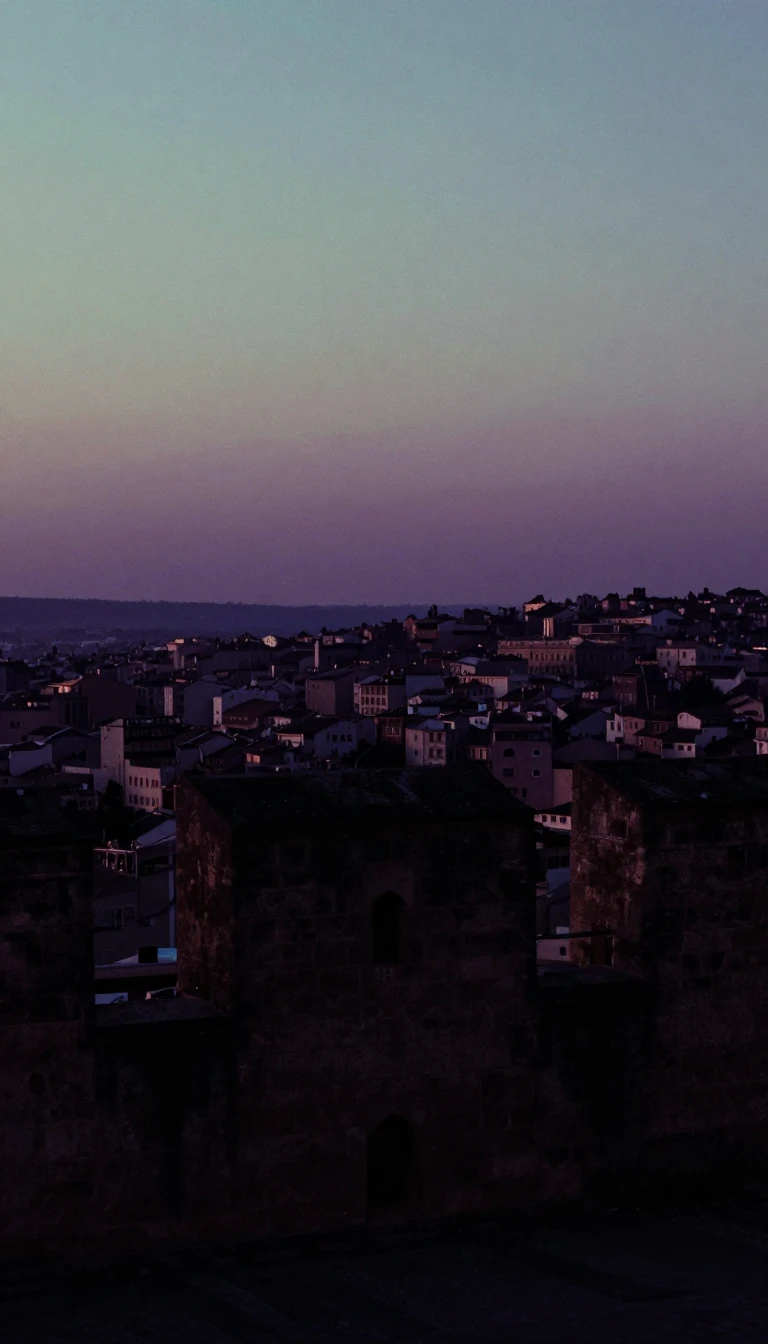 This river island town was once the ultimate prize of South Indian power strugglesSrirangapatna, a fortress town cradled by the river Kaveri, served as the vital heartbeat of the Kingdom of Mysore. For centuries, control over this island was the definitive mark…
- St George's Chapel is a royal peculiar holding centuries of British history and heraldryBeyond its role as a royal burial ground, this Perpendicular Gothic masterpiece at Windsor Castle serves as the spiritual home of the Order of the Garter. From the medieval metalw…
 How a stranded starship crew turned a seven-decade journey into a seven-year odysseyStranded 70,000 light-years from Earth, the USS Voyager crew faced a 75-year trek home. By merging Starfleet officers with Maquis rebels and embracing unexpected allies, they navi…
 How a failed lawyer became the architect of an independent Texas republicStephen F. Austin transformed from a struggling frontier businessman into the most influential figure in colonial Texas. By realizing his father’s dream of settling American famil…
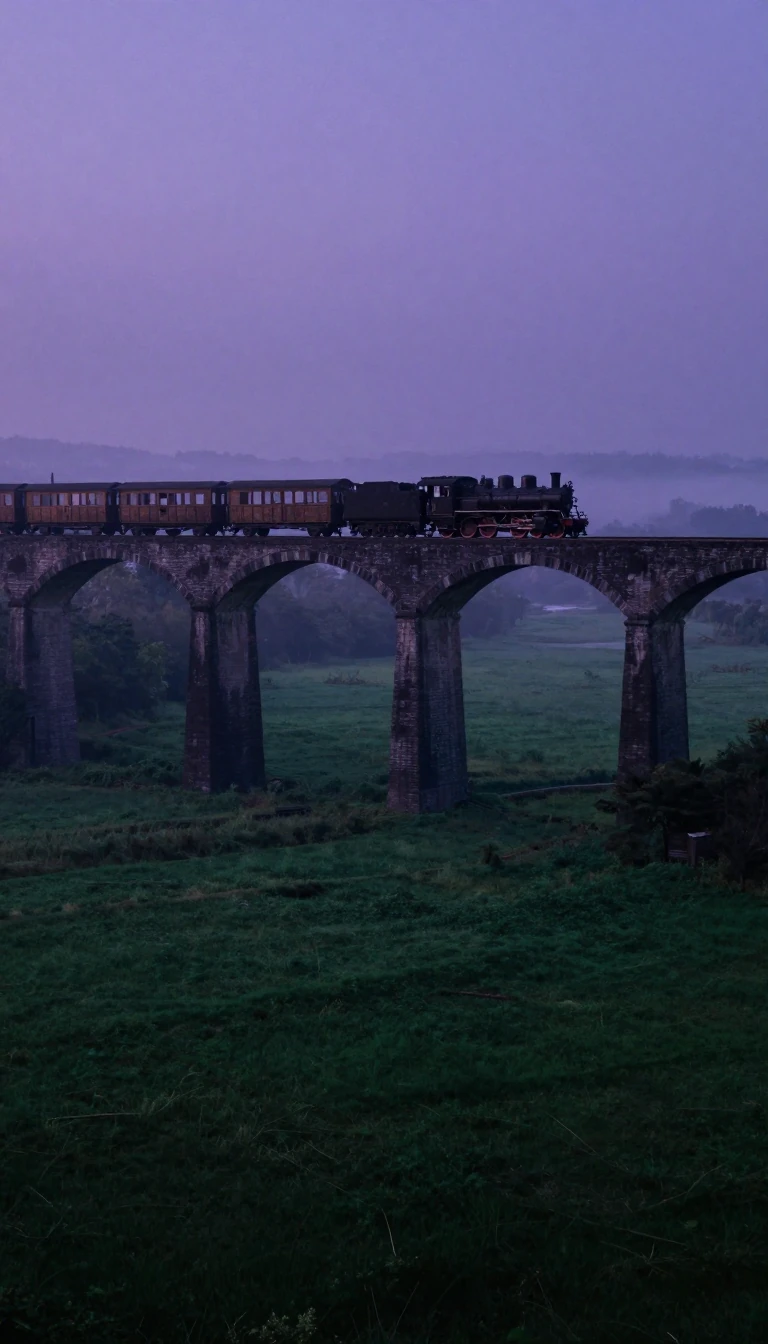 How a self-taught mechanic ignited the global revolution of steam-powered rail travelIn 1825, the Stockton and Darlington Railway became the world's first public line to use steam traction for both freight and passengers. Driven by the vision of engineer George St…
 When the army is the state: understanding the rare and complex system of stratocracyA stratocracy is not merely a military dictatorship. It is a form of government where military forces hold legal, administrative, and legislative power, often with the full sancti…
 How Ottoman concubines and mothers seized the reins of a vast global empireBetween 1534 and 1715, the Ottoman Empire saw an unprecedented shift in power. As military expansion stalled, the imperial harem moved into the palace, allowing concubines and mot…
 How the largest American food assistance program evolved from a depression-era surplus bridgeThe Supplemental Nutrition Assistance Program is the primary pillar of American food security, supporting millions of low-income households. While today it operates through modern…
- How a British namesake became a diverse, secondary economic powerhouse in British ColumbiaSurrey, British Columbia, began as a collection of farms and forests named after an English county. Today, it is a sprawling, ethnically diverse city that serves as a secondary ec…
 Stalin's daughter defected to the West, only to find it wasn't the paradise she imagined.Svetlana Alliluyeva, the only daughter of Soviet leader Joseph Stalin, became a global sensation when she defected to the United States in 1967. Yet, her journey from the Kremlin …