 Intellect Plus
Astronomy
1,544 cards. Each one is a 40-second story with a five-minute read behind it. Page 23 of 26.
 Why the darkest night skies are never truly blackEven in the pristine, light-pollution-free environment of the Atacama Desert, the night sky retains a faint glow. This video explores the natural phenomenon of zodiacal light, a s…
 Three Earth-sized planets discovered orbiting a dim dwarf star nearbyAstronomers have identified three planets circling an ultracool dwarf star located 40 light-years from Earth. These worlds share physical characteristics with Earth and Venus, pos…
 Why astronomers flock to the driest desert on Earth for their researchThe Atacama Desert in Chile serves as a premier location for professional astronomers. This video explores why this arid landscape hosts some of the most powerful instruments curr…
 How the latest astronomical discoveries reach planetarium domes in real timeThe European Southern Observatory has launched an initiative called Data2Dome to bridge the gap between space research and public planetariums. This project establishes a new stan…
 How astronomers use lasers to sharpen their view of the deep universeThe European Southern Observatory uses a powerful laser system at the Very Large Telescope to create artificial stars. This technology helps researchers map atmospheric turbulence…
 How have astronomers captured the faint light of distant stars throughout history?Astronomy relies on our ability to record light from the cosmos. This video explores the evolution of the sensors used to study the Universe over the centuries, tracing the techni…
 How astronomers compete for precious time on the world's most powerful telescopesSecuring time on an ESO telescope is a rigorous process. This video examines how astronomers submit proposals and how the Observing Programmes Committee evaluates them to ensure s…
 The Adaptive Optics Facility brings unprecedented clarity to ground-based space observationThe European Southern Observatory has activated its new Adaptive Optics Facility, a sophisticated technological system designed to enhance ground-based astronomy. By pairing this …
 Capturing the cosmos for the world's most immersive planetarium experiencesThe European Southern Observatory's Fulldome Expedition sends professional photographers to Chile to capture high-resolution imagery. This behind-the-scenes look reveals the rigor…
 Experience the world's most productive astronomical observatories from a breathtaking new aerial perspective.This video offers a rare, bird's-eye view of the European Southern Observatory's facilities in Chile. By soaring over these remote sites, you gain a unique vantage point on the en…
 A nearby star system hosts seven Earth-sized worlds, three potentially holding liquid water.Astronomers have discovered seven Earth-sized planets orbiting the ultracool dwarf star TRAPPIST-1, located 40 light-years from Earth. This video explores the significance of this…
 Maintaining the massive 8.2-metre mirrors of the Very Large TelescopeThis video offers a calm, behind-the-scenes look at the high-stakes process of cleaning and recoating the primary mirrors of the European Southern Observatory's Very Large Telesco…
 The Moon is not perfectly still, but it is wobblingWhile we often say the Moon shows us only one face, a subtle, rhythmic dance called libration allows us to glimpse more than just the near side. Through high-fidelity 4K visualiza…
- A massive cosmic eye is being assembled from millions of tiny partsNASA's Nancy Grace Roman Space Telescope has reached a major milestone. While it shares the same resolution as Hubble, its field of view is 100 times larger, promising to reveal h…
- How to launch an astronomical career at the world's most productive observatoryDiscover how the European Southern Observatory's studentship programme prepares the next generation of astronomers. This episode features current students sharing their firsthand …
 How a 4.1-metre mirror is rewriting the map of the southern skyDeep within the Atacama Desert, a new eye is opening. The VISTA telescope uses infrared light to peer through cosmic dust, revealing objects hidden from the human eye. This massiv…
 How a planet-sized telescope captured the first image of a black holeCapturing a black hole requires more than a single lens; it requires a global net. By syncing eight radio telescopes across the Earth, the Event Horizon Telescope successfully rev…
- Celebrating 35 years of the telescope that rewrote our cosmic textbooksTo mark its 35th anniversary in orbit, NASA and ESA have released stunning new images. This video showcases Hubble's latest discoveries, from the surface of Mars to spectacular st…
- A cosmic ice cream cone is drifting through our solar systemOn April 20, 2025, NASA’s Lucy spacecraft will perform a high-stakes flyby of asteroid 52246 Donaldjohanson. This carbon-rich fragment, shaped like two nested ice cream cones, off…
- How one observatory propelled Europe to the forefront of astronomyDiscover the legacy of the La Silla Observatory. As it marks its 40th anniversary, we explore how this facility transformed ground-based astronomy and established Europe as a lead…
- Bridging the gap between the naked eye and professional telescopesExplore the night sky through GigaGalaxy Zoom, a project connecting what we see with the stars through ultra-high-resolution imagery. This video introduces a way to zoom into the …
 How astronomers use interferometry to bypass the physical limits of telescope mirrorsIncreasing the size of a telescope's mirror is a massive engineering challenge. This video explores how the Very Large Telescope Interferometer uses a clever technological workaro…
 A rare aerial glimpse of the ESO Supernova Planetarium and Visitor CentreExperience an immersive aerial tour of the ESO Supernova Planetarium & Visitor Centre. This footage captures the facility in Garching, Germany, just before its official opening to…
- A glimpse into the inauguration of the ESO Supernova PlanetariumStep inside the ESO Supernova Planetarium & Visitor Centre through this archival footage. This compilation captures the opening festivities of a premier astronomical showcase loca…
 Is ‘Oumuamua a mysterious asteroid or a peculiar comet?The first interstellar object ever detected in our Solar System is behaving unexpectedly. This video explores new observations that suggest this cosmic nomad is actually experienc…
- Searching for Earth-sized worlds in the Atacama DesertWitness a sunset at the SPECULOOS Southern Observatory, where four specialized telescopes work alongside the Very Large Telescope to hunt for planets orbiting the universe's small…
- Searching for Earth-sized worlds in the Atacama DesertExplore the breathtaking landscape of Cerro Paranal, Chile, where the SPECULOOS Southern Observatory operates. This video captures a sunset over the telescopes dedicated to huntin…
- Why the Moon is humanity's next great frontierThe Moon is more than a celestial neighbor; it is a vital theoretical tool for understanding the cosmos and a practical gateway for deep space exploration. This video explores why…
- Are we approaching the final limits of the periodic table?As scientists use particle accelerators to push the boundaries of atomic mass, they face a growing problem: instability. This video explores whether we have reached the end of dis…
 How to navigate the upcoming celestial shadow paths across the United StatesTwo significant solar eclipses are set to cross much of the U.S. in late 2023 and early 2024. This NASA JPL presentation explains the mechanics of these events, the difference bet…
- How NASA plans to photograph a hidden metallic worldDeep within our solar system lies an asteroid unlike any other. NASA’s Psyche mission is traveling to a metal-rich target that has never been imaged closely, using specialized tec…
 How NASA uses radio waves to weigh a metal-rich asteroidNASA's Psyche mission is traveling to a unique asteroid to uncover its interior secrets. This video explains how scientists will use gravity and subtle radio wave fluctuations to …
- A cosmic one-two punch shaped the ancient landscape of MarsDeep within Jezero Crater, NASA’s Perseverance rover has uncovered a 245-foot-thick stack of rock that survived billions of years. This geological archive reveals a violent histor…
 Don't miss the real planet parade arriving late JuneWhile some reports promised a massive planetary lineup for early June, the true spectacle is still on its way. After a period of limited visibility, a much more impressive alignme…
- The Moon does not always show us the same faceWitness the lunar cycle in 4K through this NASA Goddard visualization. This hourly animation of 2025 reveals the subtle 'wobble' known as libration, showing how the Moon's orbit a…
- How a single telescope can see billions of years into the pastThe Hubble Space Telescope is more than a camera; it is a high-precision instrument capable of extraordinary feats. From orbiting Earth every 95 minutes to detecting light from 13…
- A cosmic tour through four breathtaking new Hubble imagesTo celebrate the Hubble Space Telescope's 35th birthday, NASA has released a new collection of stunning visuals. Join Senior Project Scientist Dr. Jennifer Wiseman as she explores…
 Can machine intelligence find what human eyes miss in the deep cosmos?As modern telescopes begin generating petabytes of information, the sheer volume of space data is becoming too vast for human astronomers to process alone. Now, a new era of disco…
- To find life, NASA must build a telescope that moves no more than an atomSearching for Earth-like planets requires more than just a powerful lens. NASA's upcoming Habitable Worlds Observatory must achieve unprecedented stability, blocking starlight wit…
- The origami-style telescope rewriting the history of our universeLaunched on Christmas Day 2021, the James Webb Space Telescope is more than just a camera. It is a massive, folding marvel designed to unfold like a Transformer in the deep void, …
- How tracking 30 stars proved a supermassive black hole existsFor sixteen years, astronomers have watched stars dance around the Milky Way's center. By mapping these orbits with unprecedented precision, researchers have finally unraveled the…
- A cosmic dance of binary stars fuels a spectacular nebulaDeep within the Carina constellation, a violent celestial ballet is unfolding. A complex nebula, shaped by powerful ejections of matter, surrounds a mysterious star. New observati…
 A new window into the infrared: MATISSE achieves first light at ParanalAstronomers have just unlocked a powerful new way to peer through cosmic dust. The MATIS and MATISSE instrument is now operational on the Very Large Telescope Interferometer, prom…
- The cosmic echoes of the Big Bang are still audible todayLong before stars or galaxies existed, the infant universe was a place of immense vibration. Massive sound waves pulsed through primordial gas, creating a rhythmic pattern that le…
- How a global network of telescopes created a virtual Earth-sized lensCapturing a black hole requires more than just a powerful lens; it requires turning our entire planet into a single, massive eye. By linking telescopes from Greenland to the South…
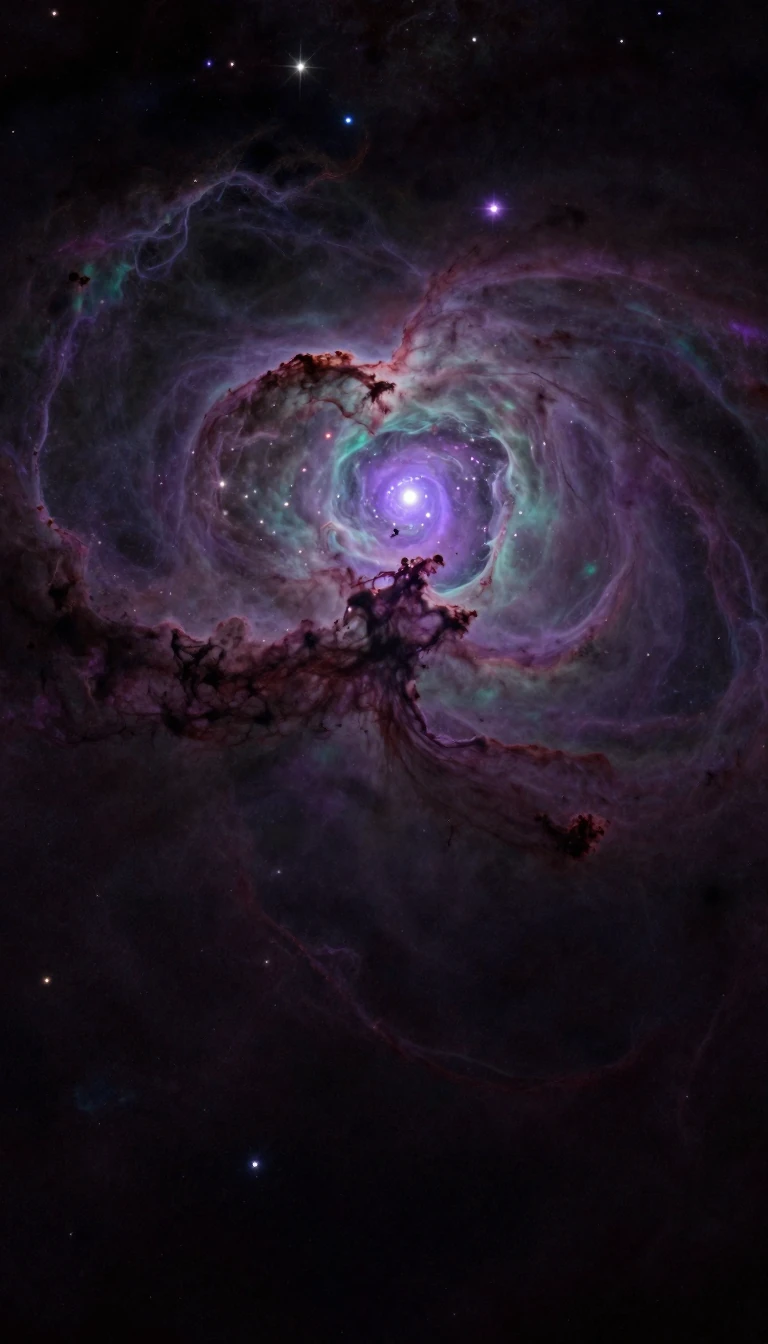 It took thousands of years to learn that stars are distant sunsOn a dark night you can see about 4,000 stars, every one of them inside our own galaxy, out of somewhere between ten sextillion and a septillion in the observable universe. For mo…
- The Sun was born in a star cluster that fell apart long agoAlmost every lone star in our galaxy, the Sun included, began life packed alongside siblings in a cluster that later dissolved. Some clusters never break up: globular clusters hol…
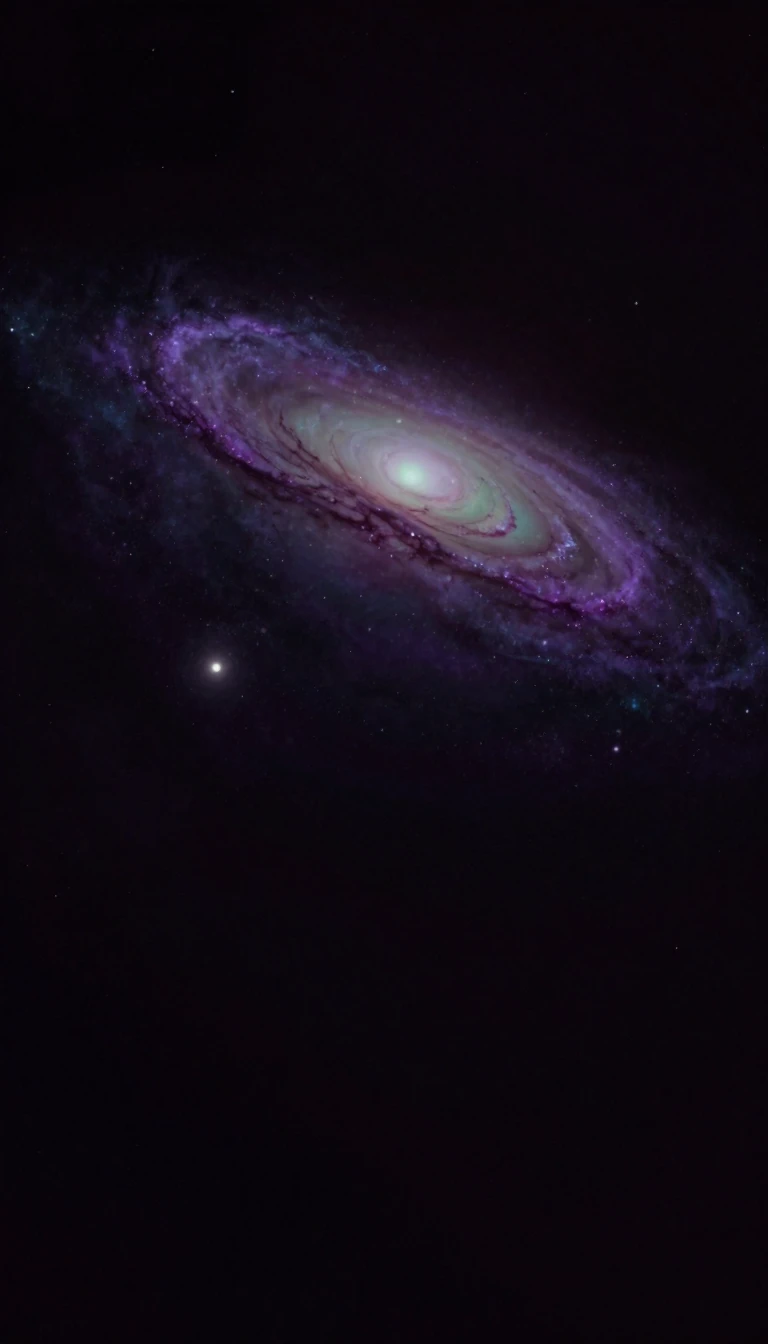 Starburst galaxies make stars so fast they burn through their fuel in a cosmic blinkThe Milky Way turns roughly three Suns' worth of gas into new stars each year. A starburst galaxy can manage a hundred or more. At that pace its whole gas supply is gone in around…
- The solar wind was dismissed as nonsense until Soviet probes flew through itIn 1958 a reviewer told Eugene Parker to go to the library before writing about a subject he clearly misunderstood. Parker's claim was that the Sun's corona is so hot it streams o…
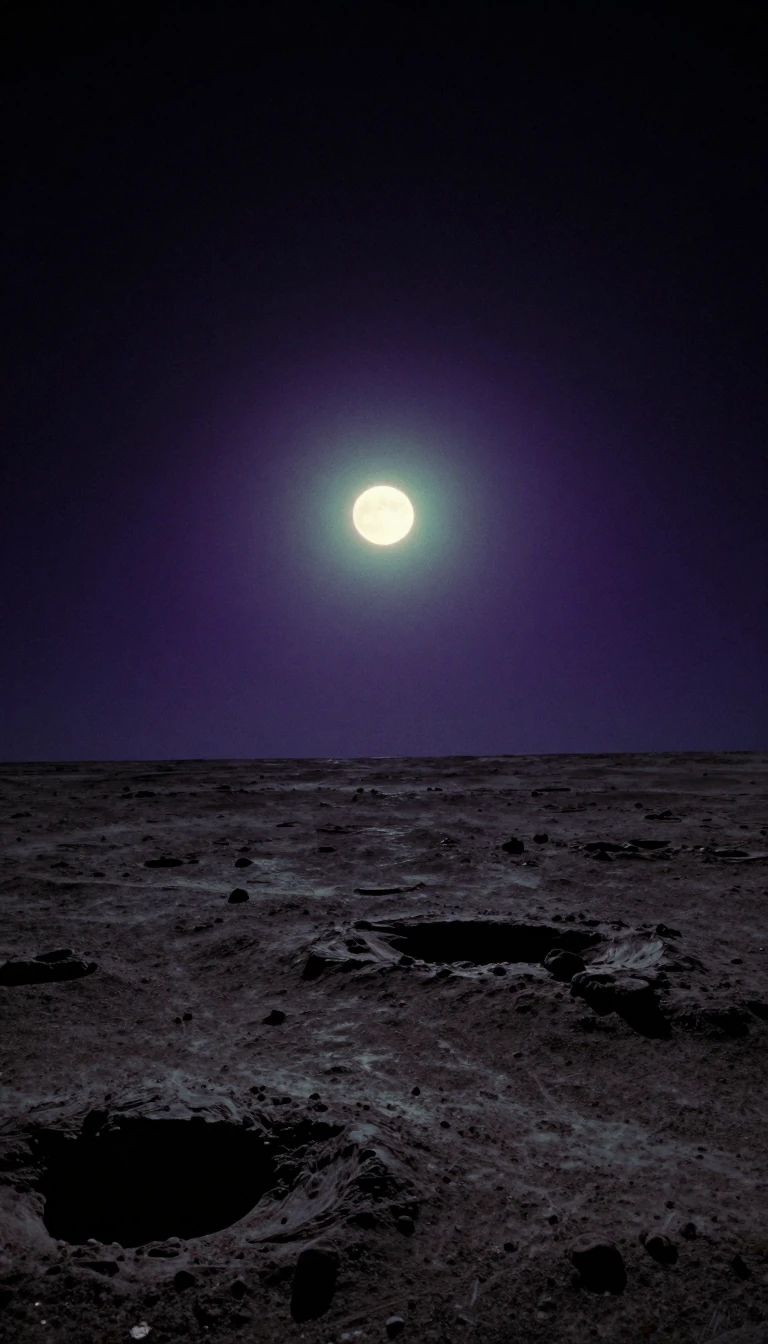 At each solstice the Sun seems to pause in the sky before turning backTwice a year the Sun's noon height stops climbing or sinking and reverses. The Romans called that moment solstitium, a sun-stoppage. On the equator, though, the longest day of the…
- A spiral galaxy's arms are traffic jams that stars drive throughIf the arms of a spiral galaxy were fixed chains of stars, the galaxy's uneven rotation would wind them into a tight coil within a few turns. They survive because an arm is really…
 The biggest black holes can be less dense than waterA black hole of billions of solar masses sounds like the densest thing imaginable. Yet divide its mass by the volume inside its event horizon and the average can fall below the de…
 Our galaxy is overdue a supernova we can see with the naked eyeOn average a star in the Milky Way should explode every 61 years or so, yet the last one anyone actually saw here was Kepler's in 1604. Dust in the galactic disc may hide some; on…
 Rocky worlds much bigger than Earth may be surprisingly rarePlanet hunters once spoke of super-Earths as if giant rocky worlds were everywhere. Then modelling of how mass relates to size suggested that beyond about 1.6 Earth radii, planets…
 The most distant thing some people can see without a telescopeOn a truly dark night, a few sharp-eyed observers can make out a faint smudge in the constellation Triangulum. It is a spiral galaxy almost 2.9 million light-years away, about hal…
 Neptune's largest moon orbits backwards and was probably stolen from the Kuiper beltTriton circles Neptune the wrong way, against the planet's spin, which no other large moon in the Solar System does. Moons on backward orbits cannot form alongside their planets, …
 Why the star alphabet runs O, B, A, F, G, K, MAstronomy students memorise the star types with a cheeky line: Oh, Be A Fine Girl, Kiss Me. The jumbled letters run from the hottest stars to the coolest, but nobody who first ass…
- The smallest stars will outlive the current age of the universe many times overA massive, hot O-type star leaves its prime after only a few million years. A tiny red dwarf of a tenth the Sun's mass may keep fusing hydrogen for six to twelve trillion years. S…
 Measuring how stars move revealed hidden black holes and dark matterStars do not drift at random. Their speeds and paths are set by all the mass around them, seen and unseen. By clocking stellar motions, astronomers have detected giant black holes…
 Stars run internal dynamos that flip their magnetic poles on a scheduleEvery 11 years the Sun's main magnetic field turns upside down, so a full cycle takes about 22 years. The flip is the work of a dynamo inside the star, where churning, electricall…