 Intellect Plus
Military technology
315 cards. Each one is a 40-second story with a five-minute read behind it. Page 2 of 6.
 The last battleship of the United States Navy, USS Iowa, defined an era.Commissioned in 1943, USS Iowa served as a floating fortress across three decades of global conflict. From transporting President Roosevelt to Tehran to shelling North Korean supp…
 How a blacksmith's apprentice became the immortal captain of a legendary ghost shipWill Turner began as a humble blacksmith in Port Royal, but his lineage as the son of a pirate pulled him into a supernatural conflict. Bound by blood and duty, he eventually trad…
 The US Navy's most expensive destroyer was designed for guns that now have no ammunition.The Zumwalt-class destroyer was envisioned as a stealthy, high-tech successor to the battleship, capable of precision land bombardment. But after soaring costs and the cancellatio…
 The action is the mechanical heart that defines how a firearm functions and fires.In firearms technology, the action is the essential mechanism that handles the loading, locking, firing, and ejection of ammunition. While muzzleloaders rely on locks for ignition…
 Aerial refueling turns fuel-limited aircraft into long-range assets, extending missions indefinitely.Aerial refueling allows aircraft to stay airborne for days, limited only by crew fatigue and mechanical oil consumption. By topping off mid-flight, planes can take off with heavie…
 Why modern fighter jets have traded raw supersonic speed for stealth and intelligenceThe era of the fighter jet defined by sheer velocity is fading. While mid-20th-century aircraft pushed the boundaries of Mach numbers, 21st-century designs prioritize stealth, adv…
- From simple rockets to hypersonic hunters: the evolution of air-to-air combat technologyAir-to-air missiles have transformed from crude, unguided World War I rockets into sophisticated, autonomous systems capable of tracking targets through clouds or electronic inter…
 How NATO’s flying radar domes act as the ultimate eyes in the skyHigh above the clouds, modified Boeing 707s equipped with distinctive rotating radar domes provide NATO with an immediate, mobile command center. These AWACS aircraft can monitor …
 The Soviet submarine that shocked Western intelligence and redefined underwater stealth technology.When the first Akula-class submarine launched in 1985, it caught Western analysts completely off guard, arriving a decade earlier than intelligence had predicted. This nuclear-pow…
- How anti-tank missiles evolved from manual steering to autonomous fire-and-forget precisionFor decades, destroying a tank required a soldier to stand exposed while manually guiding a missile to its target. Today, advanced systems have transformed the battlefield, allowi…
 How do bullets punch through steel armor without shattering on impact?Armor-piercing rounds rely on high-density cores of hardened steel or tungsten carbide to defeat protective shields. By utilizing specialized designs that shed weight or concentra…
- Armoured personnel carriers evolved to bridge the gap between tanks and vulnerable infantry squadsDuring the First World War, tanks could breach enemy lines, but the infantry following them remained dangerously exposed to small arms fire. To solve this, militaries developed ar…
 The arrow is a masterpiece of ancient engineering that still defines modern precision archery.From 64,000-year-old bone points in South Africa to the carbon-fibre shafts of today, the arrow remains a marvel of physics. It is not merely a stick with a point, but a carefully…
- Why the autocannon remains the ultimate insurance policy for modern fighter jetsWhile guided missiles dominate modern aerial combat, the autocannon persists as an essential backup. From the trenches of the First World War to high-G dogfights over Vietnam, the…
 How automatic firearms harvest the energy of their own explosions to keep firingAn automatic firearm is a self-loading machine that captures the excess energy from each shot to chamber the next round. While semi-automatic weapons require a fresh trigger pull …
 Why the invention of gunpowder forced architects to abandon the medieval round towerWhen cannons rendered towering stone walls obsolete, military engineers pivoted to the bastion. This angular, low-profile structure transformed fortification design from the 16th …
 From Victorian truncheons to modern steel, the police baton is a tool of evolution.The police baton has transformed from a simple wooden club into a sophisticated piece of tactical gear. While early versions served as symbols of authority, modern designs priorit…
- Why less-lethal baton rounds often cause lethal or permanent damage to human bodiesBaton rounds, or kinetic impact projectiles, are designed to incapacitate rioters without penetrating flesh. Yet, these tools frequently cause severe injuries, including blindness…
 Lewisite is a chemical weapon designed to stay liquid in the coldest climatesFirst synthesized in 1918, Lewisite is a potent arsenical blister agent known for its geranium-like odor. Unlike other chemical weapons that freeze in harsh conditions, this oily …
 Blood agents kill by turning the body against its own need for oxygenBlood agents are volatile, fast-acting poisons that disrupt the body at a cellular level. By preventing the essential exchange of oxygen and carbon dioxide, these chemical weapons…
 The blowgun is a global survival tool, from ancient hunting to modern sportFar from a child's toy, the blowgun is a sophisticated pneumatic weapon used by indigenous cultures across the globe for centuries. While traditionally a stealthy tool for hunting…
 Why body armor evolved alongside weaponry rather than disappearing in the face of itFor centuries, the invention of deadlier firearms did not render armor obsolete; it forced it to evolve. From the iron plates of ancient Korea to the high-tech ceramic composites …
 The Apache helicopter was designed as a flying tank, but reality proved more complex.Born from the U.S. Army's need to replace the AH-1 Cobra, the AH-64 Apache became a cornerstone of modern air warfare. While celebrated for its firepower and night-fighting capabi…
 The B-29 Superfortress was the most expensive military program of the Second World War.Costing $3 billion, the B-29 Superfortress exceeded the Manhattan Project's budget. This pressurized, high-altitude bomber revolutionized strategic warfare, yet its early developm…
- From Prussian battlefields to modern sport, the bolt-action rifle remains a precision powerhouse.The bolt-action rifle defined infantry warfare for over a century, relying on a manual turn-bolt mechanism to chamber rounds. While semi-automatic weapons largely replaced them in…
- Why the most effective military traps exploit human instinct rather than raw explosive powerA booby trap is not merely a bomb; it is a psychological weapon designed to turn human nature against itself. By manipulating instincts like curiosity and self-preservation, these…
 For centuries, the ultimate naval blockade was a simple chain stretched across the water.Before modern radar and missiles, controlling a waterway required physical force. A boom—a floating barrier of logs, rafts, or heavy iron chains—could stop an enemy fleet in its t…
 Russia's Borei-class submarines are massive engineering feats built to replace aging Soviet-era vessels.Spanning 170 meters and requiring 1.3 million individual components, the Borei-class submarine represents a significant leap in Russian naval stealth. These nuclear-powered giants…
- The physics of a bowstring: why weight in the middle matters most for speedA bowstring is more than just a cord; it is a precision-engineered component that dictates arrow velocity. Every gram of mass added to the center of the string slows an arrow as m…
 Why brass knuckles are designed to protect the attacker more than the targetBrass knuckles are often misunderstood as simple blunt objects, but their engineering serves a dual purpose. By concentrating impact force into a smaller, harder contact area, the…
- Why the shift to loading guns from the rear changed warfare foreverFor centuries, soldiers loaded firearms from the front, a slow and dangerous process that left them exposed. The shift to breech-loading, where ammunition enters from the rear, tr…
- A bullet is not a cartridge, but a kinetic projectile designed for energy transfer.Often confused with the entire round of ammunition, a bullet is merely the projectile component. From early stone spheres to modern CNC-machined fluted designs, these objects have…
 The ancient area denial weapon that evolved from iron spikes to modern tire killersA simple, four-pointed device designed to ensure one spike always faces upward, the caltrop has been a staple of battlefield defense for millennia. From ancient Roman anti-chariot…
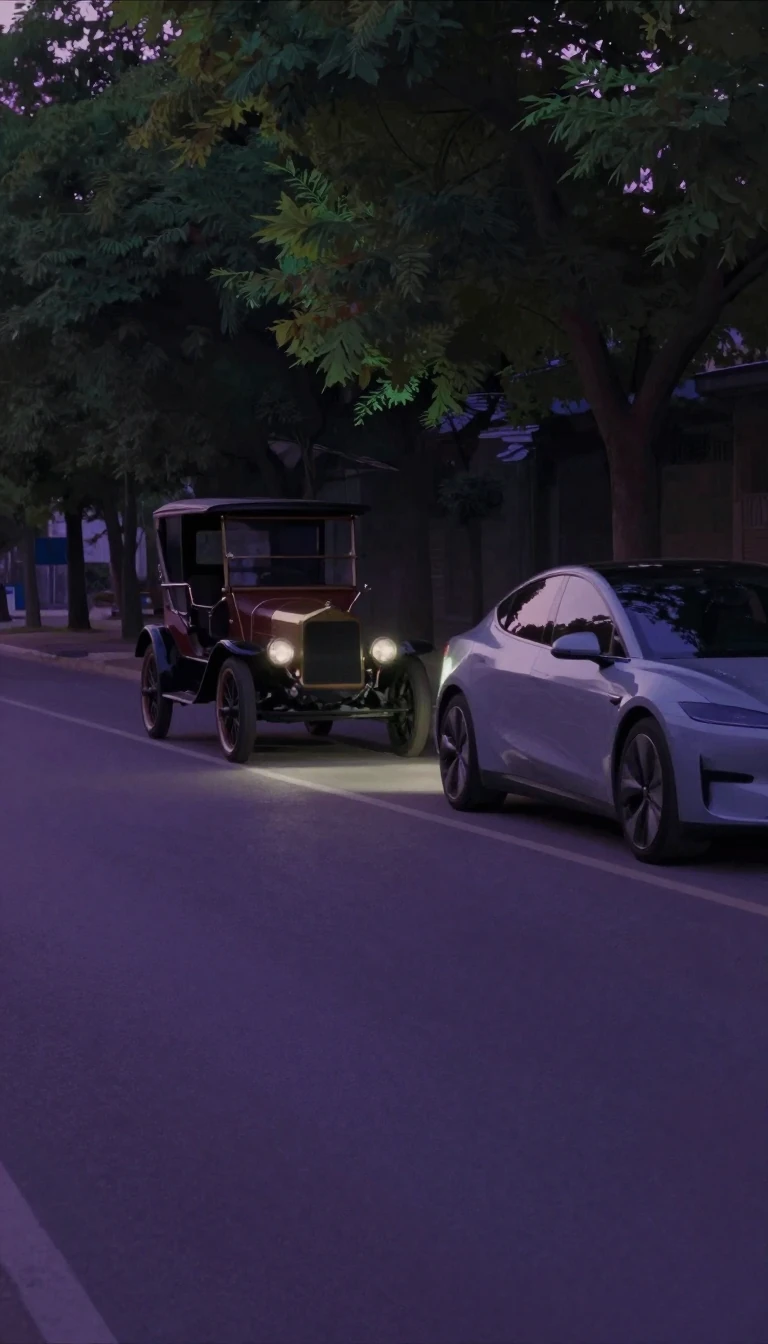 The car bomb evolved from 16th-century explosive ships into a modern urban warfare weapon.A vehicle-borne improvised explosive device is more than a bomb; it is a delivery system. By disguising massive payloads within ordinary transport, these weapons bypass security t…
- The cartridge transformed firearms from clumsy, slow-loading tools into rapid-fire, reliable machines.Before the cartridge, shooters faced the arduous task of loading projectiles and propellant separately, leaving them vulnerable during combat. The invention of the pre-assembled, …
- The 1866 Chassepot rifle changed modern warfare with a simple rubber ringBefore the era of metallic cartridges, the French Chassepot rifle dominated the battlefield. By using a clever rubber seal to prevent gas leakage, it outperformed its Prussian riv…
 Is the iconic Scottish claymore a massive two-handed sword or a basket-hilted blade?The term claymore is shrouded in linguistic debate. While history books define it as a formidable two-handed weapon from the medieval era, the name was later co-opted for the bask…
 From Bronze Age armor to modern accessory platforms, the combat helmet has evolved remarkably.For millennia, the combat helmet was a simple steel shell designed to deflect blades and arrows. Today, it has transformed into a sophisticated, lightweight system. Beyond basic b…
 How a clever pulley system transformed the ancient art of archery into modern precision.The compound bow, invented in 1966, uses a sophisticated system of cables and cams to store more energy than traditional bows. By manipulating mechanical advantage, it allows arch…
 Why military shells use contact fuzes to turn impact into instant destructionA contact fuze is the trigger at the nose of a bomb or shell designed to detonate upon hitting a hard surface. While simple in concept, these devices have evolved from basic strik…
 The cruiser is not a ship type, but a mission that evolved into a weapon.For centuries, the cruiser was defined by its purpose: independent scouting, commerce raiding, and long-range patrol. It began as a flexible mission for frigates and sloops, event…
- The Confederate ironclad that changed naval warfare forever, only to be destroyed by its crew.Born from the charred remains of a scuttled frigate, the CSS Virginia became a symbol of naval power during the American Civil War. As the first steam-powered ironclad to engage i…
 The curtain wall was the backbone of ancient and medieval defensive architectureBefore gunpowder changed the rules of war, the curtain wall served as the primary barrier between a fortress and its attackers. By linking towers and bastions into a single, formi…
 The cutlass was more than a pirate weapon; it was a versatile naval tool.Famous for its role in pirate lore, the cutlass was actually a practical, robust blade designed for the harsh realities of life at sea. Beyond combat, it served as an essential ut…
- The dao was China's military workhorse, but its most famous version is a movie myth.The dao, a single-edged Chinese sword, dominated battlefields for centuries, favored for its durability and ease of use compared to the complex jian. Yet, the iconic oxtail saber …
- How a simple canister of explosives changed the nature of underwater warfare foreverBefore sonar, hunting submarines was a game of blind luck. The depth charge transformed the sea into a lethal environment for submerged vessels. By relying on hydrostatic pressure…
 The tiny device that turns a spark into a massive, controlled explosionA detonator is the essential bridge between a simple trigger and a high-explosive charge. By utilizing a multi-stage sequence of energy, these small devices transform minor electr…
 Why a dirty bomb is a weapon of mass disruption, not mass destructionA dirty bomb combines conventional explosives with radioactive material to contaminate an area, yet it is not a nuclear weapon. Its primary power lies not in the blast, but in the…
 How a needle-firing rifle helped Prussia forge the modern German EmpireIn 1841, Prussia adopted a revolutionary firearm that changed warfare forever. By allowing soldiers to reload while kneeling and firing from the rear, the Dreyse needle gun offere…
- How military aircraft use invisible waves to blind enemy radar and radio systemsModern aerial combat is fought as much in the electromagnetic spectrum as in the physical sky. Electronic-warfare aircraft serve as invisible shields, deploying sophisticated jamm…
- The English longbow was a medieval weapon of immense power and extreme physical demand.Far from a simple piece of wood, the English longbow was a high-tension machine that required years of specialized training to master. It defined the outcome of major battles for …
- The B-29 bomber that changed history was named for a pilot's supportive motherOn August 6, 1945, a modified Boeing B-29 Superfortress named Enola Gay executed the first atomic strike in history. Selected by Colonel Paul Tibbets while still on the assembly l…
 From ancient bee hives to CRISPR mosquitoes, insects have long served as biological weapons.Entomological warfare uses insects to spread disease or destroy food supplies. While often dismissed as fringe, major powers from the United States to the Soviet Union spent decad…
 An explosively formed penetrator turns a simple metal plate into a hypervelocity projectile.Unlike traditional shaped charges that create a jet of particles, an explosively formed penetrator (EFP) shapes a metal disk into a solid, high-velocity slug. This design allows i…
- How Napoleon’s tactical innovation transformed the battlefield by putting artillery on wheelsThe field gun was once defined by its ability to move alongside an army, breaking enemy formations with mobility. From Napoleon’s large-wheeled cannons to the high-velocity weapon…
 Born as fighters, these versatile aircraft redefined aerial warfare by carrying heavy bomb loads.Originally designed for air-to-air combat, fighter-bombers emerged when engineers realized that massive engine power increases allowed nimble fighters to carry significant ordnanc…
 The fire lance was a primitive pyrotechnic spear that evolved into the modern firearm.Originating in 10th-century China, the fire lance began as a simple bamboo tube of gunpowder strapped to a polearm. It was designed to shock enemies in close combat with a burst o…
- The firing pin is the unsung mechanical heart of modern ballistics and explosive ordnance.From the humble rifle to complex landmines, the firing pin serves as the critical bridge between human intent and kinetic release. Whether driven by a hammer or a spring-loaded st…
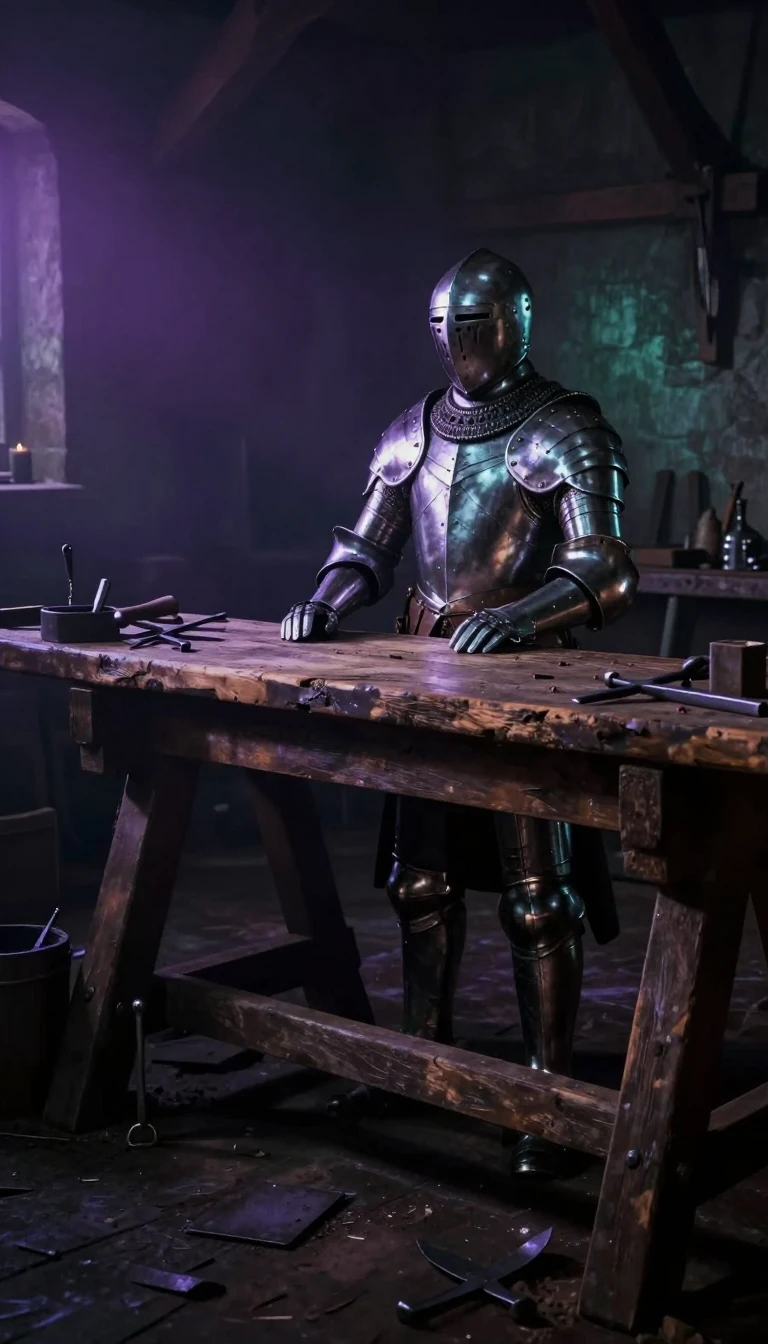 The medieval flail: a weapon more common in fiction than on the battlefieldWhile pop culture depicts the ball-and-chain flail as a quintessential medieval weapon, historical evidence suggests it was far less common than imagined. Often hazardous to the w…
- These fin-stabilized steel darts have been used as lethal ballistic projectiles for over a century.Originating as simple air-dropped darts during the First World War, flechettes are pointed, fin-stabilized projectiles designed for high-velocity penetration. While they lack expl…