 Intellect Plus
Cards starting with W
29,907 cards. Page 264 of 499.
 Why have werewolf legends haunted human imagination for thousands of years?Werewolf stories have persisted across millennia, evolving alongside human society. This video examines how these myths originated and transformed within folklore and literature, …
 Why haven't we electrified the skies like we electrified our cars?As renewable energy transforms our buildings and vehicles, aviation remains tethered to petroleum-based fuels. This video explores the persistent challenges of replacing tradition…
 Why haven't we found proof of extraterrestrial life yet?Astrophysicist Avi Loeb argues that our failure to detect alien life is not due to a lack of presence, but a lack of dedicated resources and scientific focus.
 Why having a bass player gives you more musical freedomWhen a dedicated bassist takes over the heavy lifting of holding down the root notes and tempo, your left hand is liberated. Instead of being anchored to the foundation, you can e…
 Why having a disease-causing gene variant does not guarantee you will get sickIn genetics, the presence of a specific mutation does not always dictate your health outcome. This concept, known as penetrance, measures the proportion of people with a particula…
 Why having a tiny, simple brain can be smarter than a complex oneWe often equate intelligence with size, but the animal kingdom tells a different story. Brains are not universal tools; they are specialized adaptations that evolved to meet speci…
 Why having an extra finger is rare despite being a dominant traitIn genetics, dominance doesn't always equal commonality. This video explores the biological paradox of polydactyly, explaining why a dominant gene doesn't automatically result in …
 Why having extra DNA might have helped some plants survive the K-Pg extinction event.This video explores how certain plant species managed to endure the massive ecological upheaval of the K-Pg extinction. It examines the theory that possessing a larger amount of D…
 Why having extra sets of chromosomes is a biological superpower for some speciesMost organisms are diploid, carrying two sets of chromosomes. Yet, polyploidy—possessing three or more sets—is a common, successful strategy in nature. While often fatal in humans…
 Why having less than your neighbor hurts more than having nothing at allRelative deprivation explains why our sense of well-being is tied to social comparison rather than absolute wealth. It is the gap between what we expect and what we attain, a psyc…
 Why having older brothers may nudge a boy's sexual orientationSince the 1990s researchers have found that the more sons a woman has, the likelier each later son is to be attracted to men. One proposed explanation involves the mother's immune…
 Why having the right to modify a digital resource is not enoughOpen source is more than just a license; it is the practice of sharing the editable source files behind digital creations. While many projects grant the legal right to modify thei…
 Why having too many choices can actually make us less happyThis video explores a counterintuitive reality of human nature: that excessive choice can lead to doubt. Baba Shiv examines how ceding control, particularly during life-or-death m…
 Why Hawaii's islands get older toward the northwestIn 1963 J. Tuzo Wilson proposed that Hawaii formed as a tectonic plate slid slowly over a hot patch beneath it, leaving a trail of volcanoes behind. The idea explains why Hawaiian…
 Why Hawaii's macadamia nut harvest is struggling with a severe labor shortageLabor shortages in Hawaii are impacting macadamia nut production, a phenomenon recently highlighted in the Federal Reserve Bank of San Francisco's Beige Book. This episode explore…
 Why Hayao Miyazaki rejected the pessimistic source material for his only solo-directed TV series.Future Boy Conan, a 1978 post-apocalyptic anime, remains a landmark in Hayao Miyazaki's career. While adapting Alexander Key's novel The Incredible Tide, Miyazaki famously demande…
 Why Hayden Christensen stepped away from Hollywood to build ponds on a farmAfter achieving global fame as Anakin Skywalker, Hayden Christensen felt his career was handed to him too easily. Seeking to avoid entitlement, he retreated to an Ontario farm to …
 Why head injuries so often change personality rather than movementWhen the brain slams against the skull, the areas most often hurt sit just above the eyes and at the front of the temples, where bony ridges line the inside of the skull. Those re…
 Why head lice are master acrobats that turn your hair into a jungle gymHead lice are remarkably adapted to human hair, using specialized, scythe-shaped claws to navigate strands with the speed of an acrobat. These tiny parasites rely on our blood for…
 Why healing our relationship with the land is essential for human survivalIndigenous leader Valérie Courtois explores how Indigenous guardians are actively monitoring water quality and restoring species to combat the devastating effects of climate chang…
 Why health experts are abandoning the old distinction between aerosols and respiratory dropletsFor decades, public health policy relied on a rigid size cutoff to classify how respiratory pathogens travel. New consensus among global health agencies reveals this binary is sci…
 Why health misinformation is a serious outbreak requiring a new breed of communicatorEpidemiologist Jessica Malaty Rivera examines the erosion of public trust in science. This conversation explores the challenges of maintaining credibility in an era where expertis…
 Why healthcare is a primary target for devastating cyberattacksA single ransomware strike can freeze a nation's pathology services for over a month. As medical systems become more digitized, the risks of cyberattacks have shifted from simple …
 Why healthcare systems are turning to industrial logic to save livesIn a high-stakes environment where every second counts, hospitals are adopting manufacturing principles to eliminate waste. By treating patient flow like an assembly line—not in a…
 Why healthy volunteers intentionally expose themselves to dangerous pathogens for scienceHuman challenge trials involve volunteers who get paid to be deliberately infected with diseases. This video examines the logistics of these medical studies, including the special…
 Why heart disease remains a hidden danger for womenWhile heart disease is now a leading cause of death for women, medical research has historically prioritised men. This talk explores the critical gaps in our understanding of fema…
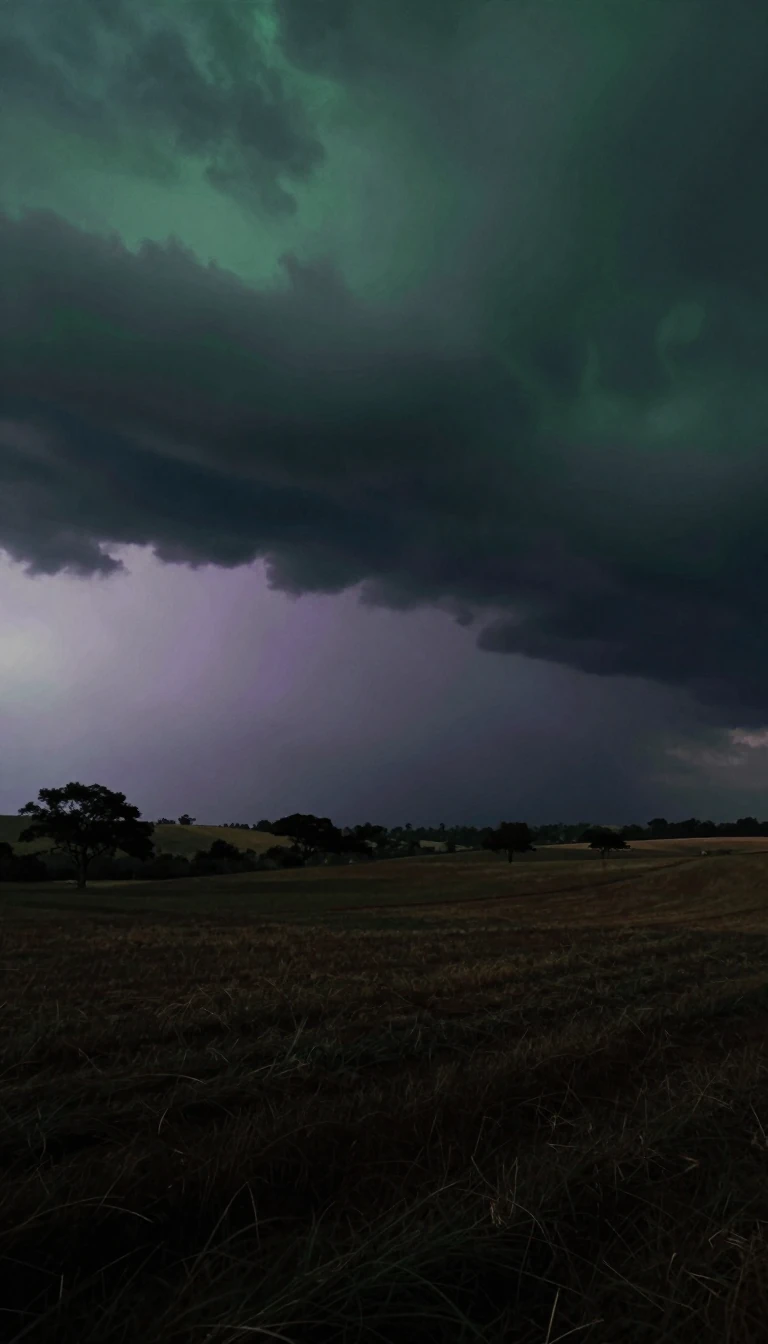 Why heat domes are turning routine summer weather into record-shattering atmospheric trapsA heat dome is not just a heatwave; it is a persistent, high-pressure system that acts like a lid on the atmosphere. By trapping hot air and suppressing clouds, these systems crea…
 Why heat flows through materials and how we measure its stubborn resistanceThermal conductivity defines how efficiently a material moves heat, dictated by microscopic movements like electron flow or lattice vibrations. While often treated as a simple con…
 Why heat is the ultimate switch for controlling delicate biological machineryThe term thermolabile describes substances that break down or lose their function when exposed to heat. From bacterial toxins to the enzymes powering your cells, this sensitivity …
 Why heat pumps are a vital technology for modern climate and energy efficiency goals.This video examines the mechanics and significance of heat pumps, including ground-source systems. It serves as a follow-up to previous explanations, clarifying how these devices …
 Why heat pumps defy the standard limits of energy efficiencyMost technology follows the first law of thermodynamics, yielding one unit of output for every unit of energy input. Heat pumps break this rule by delivering three to five times m…
 Why heavy and light objects actually fall at the same rateWhen you drop two objects of different weights, many assume the heavier one wins the race. This video explores the physics of gravity to reveal why that intuition is wrong.
 Why heavy cavalry were the shock troops of the pre-industrial battlefieldFor centuries, heavy cavalry dominated warfare by combining raw physical power with specialized armor. Mounted on massive horses and wielding heavy blades, these soldiers were des…
 Why heavy clay soil is a gardener's secret weapon rather than a burdenClay soil is often unfairly maligned, but it possesses unique strengths that sandy soils lack. By understanding its chemical structure and moisture-holding capacity, you can trans…
 Why heavy metal fans enforce a strict code of authenticity to avoid selling outBeyond the long hair and leather jackets, heavy metal is a subculture defined by a rigid code of conduct. Fans and performers alike prioritize total devotion to the music, often v…
 Why heavy steel ships float while small stones sinkIt seems like a contradiction: how can a massive cargo ship stay afloat while a tiny pebble drops to the bottom? The answer lies in a balance of weight and volume. By mastering th…
- Why Hedge Funds Are Pouring Billions Into Blank-Cheque CompaniesPatrick Boyle examines the rise of SPAC arbitrage, a strategy hedge funds use to capture low-risk returns. This video explains how these investment vehicles function and why major…
 Why helicopters cannot fly infinitely fastExplore the physical constraints that impose a definitive speed limit on helicopter flight, as part of the Smarter Every Day physics series.
 Why helicopters must flap their blades to stay level in flightUnlike fixed-wing aircraft, a helicopter's flight is a chaotic battle of physics. As the rotor spins, the advancing blade moves faster through the air than the retreating one, cre…
 Why Hellenistic navies abandoned the trireme for massive, multi-rowed warshipsDuring the 4th century BC, Mediterranean naval warfare shifted from the agile, ramming-focused trireme to massive polyremes. These vessels, featuring complex oar arrangements and …
 Why Helmholtz free energy is the ultimate metric for work in constant-temperature systemsIn thermodynamics, predicting whether a reaction will occur spontaneously or how much useful work a system can yield is a fundamental challenge. Helmholtz free energy provides the…
 Why Henri Wallon’s dialectical view of child development challenges the standard psychological narrativeHenri Wallon was a French polymath who balanced a career in Marxist politics with pioneering research into child psychology. Unlike his contemporary Jean Piaget, Wallon argued tha…
 Why Henry Fielding's 1749 masterpiece remains the gold standard for the perfect novel plotPublished in 1749, Henry Fielding’s Tom Jones is a foundational pillar of English literature. Celebrated by Samuel Taylor Coleridge for having one of the three most perfect plots …
 Why Henry Fuseli’s 1781 painting of a sleeping woman became a cultural sensationWhen Henry Fuseli unveiled The Nightmare in 1782, the London public was shocked by its overt sexuality and haunting imagery. This breakthrough work, featuring a demonic incubus an…
 Why Henry VIII's fourth marriage was doomed before the couple even metAnne of Cleves arrived in England in 1539 as a strategic political pawn, but her union with Henry VIII collapsed within six months. While history often focuses on the King's disap…
 Why Henry Wadsworth Longfellow’s famous poem about Paul Revere is mostly historical fictionThe popular image of Paul Revere’s midnight ride is largely shaped by an 1860 poem. This video examines the reality behind the legend, revealing how the poet distorted the primary…
 Why Herbert Sutcliffe remains the most statistically successful English Test batsman in historyHerbert Sutcliffe defined the art of batting on treacherous, rain-affected pitches. Partnering with the legendary Jack Hobbs, he formed what is widely considered the greatest open…
 Why heritage is more than just stone monuments and museum collectionsCultural heritage is not limited to physical objects or historic sites. It encompasses the living traditions, skills, and social practices passed down through generations. From or…
 Why Herman Melville’s Moby Dick is more than a seafaring adventureBeyond the high-speed chases and giant squid lies a complex masterpiece. Sascha Morrell explores why this classic novel defies the conventions of a typical maritime tale.
 Why Hermann Hesse believed his most famous novel was fundamentally misunderstood by his readersHermann Hesse’s Steppenwolf, a 1927 exploration of a man torn between his spiritual aspirations and animalistic nature, became a cultural touchstone. Yet, Hesse insisted the publi…
 Why Hermit Crabs Are Obsessed With Stealing Snail Shells for Their Soft BodiesHermit crabs are iconic tide pool scavengers, but their survival depends on a constant search for real estate. Because their abdomens are soft and vulnerable, these crustaceans re…
 Why Hermitian matrices are the bedrock of quantum mechanics and modern signal processingA Hermitian matrix is a complex square matrix that equals its own conjugate transpose. Named after Charles Hermite, these structures are the complex-valued cousins of symmetric re…
 Why Hernando County is known as the Adventure Coast of FloridaHernando County offers a unique blend of natural wonders and historical intrigue. From the famous mermaid performances at Weeki Wachee Springs to the expansive, protected habitats…
 Why Heston Blumenthal serves bacon-and-egg ice cream and edible seaside soundscapes to dinersHeston Blumenthal transformed fine dining by treating the kitchen as a laboratory. By blending molecular science, historical research, and sensory psychology, he creates dishes th…
 Why hiding your true self to achieve success might be a costly mistakeAuthor Casey Gerald argues that conventional paths to success often demand we suppress our authentic selves to gain approval. This talk examines the personal sacrifices required t…
- Why Hieronymus Bosch’s surreal nightmares were actually grounded in medieval moral realityHieronymus Bosch is famous for his bizarre, terrifying imagery, but his work was deeply rooted in the religious and moral landscape of his time. This lecture explores how his pain…
 Why high blood pressure in your lungs is a silent, life-altering medical challengePulmonary hypertension is not just high blood pressure; it is a serious condition where the vessels supplying your lungs thicken and stiffen. This forces the right side of your he…
 Why high blood sugar is more than just a number on a monitorHyperglycemia occurs when glucose builds up in the bloodstream instead of fueling your cells. While minor spikes are common, sustained high levels can trigger a cascade of systemi…
 Why high fidelity is a collection of technologies rather than a single inventionHigh fidelity is not a single invention, but a suite of technologies that transformed artificial sound into natural-sounding recordings. This video explores the evolution of audio…
 Why High German is named for mountains rather than social status or prestigeThe term High German is often misunderstood as a mark of social rank. In reality, it is a geographical label describing dialects from the central and southern highlands. These var…