 Intellect Plus
Cards starting with W
29,907 cards. Page 384 of 499.
 Why the Kit Kat Klub was a mirror for a crumbling Weimar RepublicThe musical Cabaret is more than a story of doomed romance in 1929 Berlin. By breaking the fourth wall and forcing the audience to watch their own reflections, the show transforms…
 Why the knot remains the gold standard for navigating the world's oceans and skies.A knot is one nautical mile per hour, a measurement tied to the Earth's geometry rather than arbitrary land-based units. While the rest of the world adopted the International Syst…
 Why the Korean sujeo set is more than just a pair of utensilsIn Korea, the dining table is governed by specific etiquette surrounding the sujeo, a combination of spoon and chopsticks. While these metal tools are essential for enjoying Korea…
 Why the label 'Five Good Emperors' is a modern invention, not an ancient one.This video examines the Roman rulers traditionally grouped as the Five Good Emperors. It explores their individual legacies and the transition that ultimately ended this era, offe…
 Why the label 'Monophysite' is a historical misnomer for ancient Christian traditionsFor centuries, the term Monophysite has been used to describe churches that supposedly denied the humanity of Jesus. Yet, these groups have long rejected the label, arguing their …
 Why the label anti-establishment has shifted from counter-culture rebellion to populist political strategyOnce a 1960s rallying cry for counter-culture youth, the term anti-establishment has undergone a radical transformation. Originally defined by socialist and anarchist resistance t…
 Why the label Negrito is a scientific misnomer for diverse Southeast Asian peoplesCoined by 16th-century Spanish missionaries, the term Negrito was long used to group disparate ethnic populations based on shared physical traits like dark skin and short stature.…
 Why the label of 'disabled' often fails to capture realityWe often view disability through a lens of limitation, but for those living it, the reality is far more nuanced. Susan Robinson uses humor to dismantle our hidden biases, showing …
 Why the label of a developed country often misses the full pictureWe frequently define development through economic success and material wealth, but this narrow view ignores sustainability, happiness, and colonial history. This video examines ho…
 Why the label Semitic evolved from a linguistic classification into a tool for prejudiceThe term Semitic was once a neutral linguistic category, yet it was weaponized by 18th-century scholars to construct a racial hierarchy. By tracing its origins to biblical mytholo…
 Why the labels Hispanic and Latino are often rejected by those they describeIn the United States, the terms Hispanic and Latino are used to group millions of people with roots in Spanish-speaking or Latin American countries. Yet, these labels are frequent…
 Why the labor share of GDP is shrinking as superstar firms dominate the economySince 2000, the portion of GDP flowing to wages and benefits has steadily declined. While some fear automation is the culprit, research suggests a different mechanism: the rise of…
 Why the lack of a theory of value destabilizes our economyProfessor Charles Goodhart explores why modern economics struggles with the concept of value. This lecture examines how our inability to define value creates ripple effects that i…
 Why the lack of a theory of value hinders sustainabilityIf economics cannot agree on what something is actually worth, how can it solve the climate crisis? This panel explores why our current financial systems struggle to prioritize lo…
 Why the lack of a theory of value threatens our futureDr. Matthew Kiernan explores why modern economics struggles to define what things are actually worth. By examining the roots of value, he reveals how these foundational gaps impac…
 Why the Lakota call this rugged South Dakota landscape the bad landsSpanning over 240,000 acres, this national park is defined by sharp pinnacles and vast, untouched grasslands. While its name reflects the harsh terrain that challenged early trave…
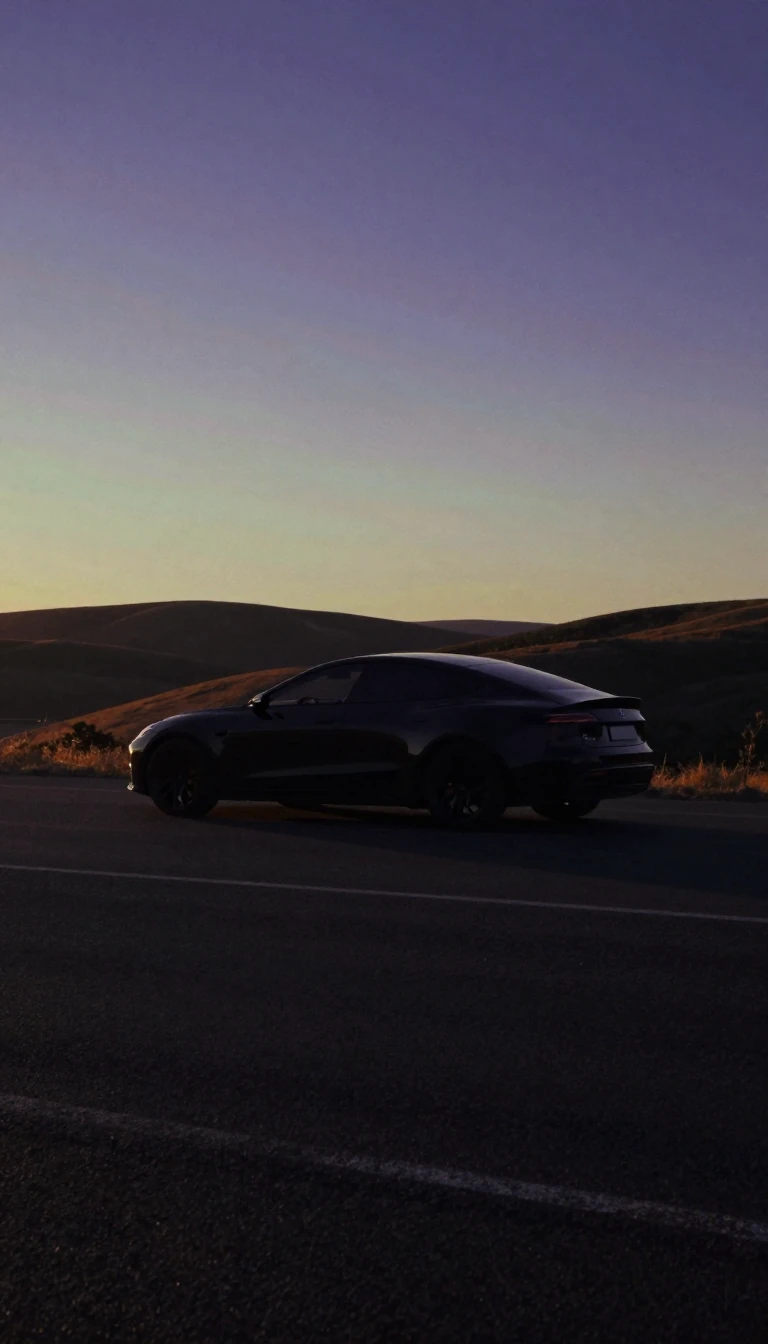 Why the Lamborghini Murciélago was the perfect ride for a billionaire vigilanteNamed after a legendary Spanish fighting bull that survived an 1879 match, the Lamborghini Murciélago is a masterclass in aggressive design. Its name also translates to bat, a fit…
 Why the Land of Five Rivers Now Only Claims Two of Its NamesakesThe name Punjab translates to the land of five waters, yet today’s Indian state of Punjab holds only two of those rivers. This linguistic irony is a remnant of the 1947 partition,…
 Why the language of cybersecurity is designed to confuse and intimidate the average personCybersecurity is often shrouded in science fiction tropes and macho military jargon that obscures its true nature. By stripping away the myth of intergalactic warriors and faceles…
- Why the language you speak at home is a vital tool for human liberationProfessor Michel DeGraff grew up in Haiti, where he was punished for speaking his native Kreyòl. Teachers and parents insisted it was not a real language. Today, DeGraff challenge…
 Why the languages we speak at home are often dismissed as 'incorrect'We often label certain dialects as 'nonstandard' or 'low-status,' yet linguists argue they are far from broken. From the streets of the American South to the halls of the Renaissa…
 Why the Lantern Festival marks the final, glowing chapter of the Chinese New YearThe Lantern Festival is more than a display of light; it is the grand finale of the Chinese New Year. Celebrated on the first full moon of the lunar year, this tradition honors an…
 Why the Laplace Transform is the ultimate shortcut for solving complex differential equations.This video explores the Laplace Transform, a powerful mathematical tool used to simplify differential equations. By visualizing the process, it explains how this technique functio…
 Why the lapwing’s erratic, zigzagging flight earned it a name for waveringKnown as the peewit for its distinct call, the lapwing is a master of aerial acrobatics. Its name describes its signature zigzagging flight, a display that becomes particularly dr…
 Why the largest animal on Earth is a vital gardener for the oceanBlue whales are not just massive marine mammals; they act as essential ecosystem engineers. This video explores how their waste products play a critical role in sustaining ocean l…
 Why the largest clash of the Napoleonic Wars ended in a crushing imperial defeatFought over four days in October 1813, the Battle of Leipzig saw a massive coalition of European powers converge on Napoleon Bonaparte. With over half a million soldiers involved,…
 Why the largest ethnic minority in Iran is also its most integrated political forceIranian Azerbaijanis are the country's largest ethnic minority, yet they are deeply woven into the fabric of the state. From the highest levels of the religious hierarchy to the b…
 Why the largest German war cemetery in France remains hidden from the landscapeNear Arras, France, lies the Neuville-St Vaast German War Cemetery, the largest of its kind in the country. Unlike the prominent, open-air Allied memorials nearby, this site is in…
 Why the largest nuts always rise to the top of the mixed containerEver wonder why Brazil nuts migrate to the surface of a shaken can? This phenomenon, known as granular convection, defies intuition by moving larger, heavier particles against gra…
 Why the Laserdisc remains one of the most fascinating failures in home media history.This video examines the technical evolution and unique features of the Laserdisc format. Despite its lack of commercial success, the format offers a compelling look at the history…
 Why the last Axis offensive in North Africa ended in a strategic stalemateIn August 1942, Erwin Rommel launched his final major offensive in the Western Desert. Despite his tactical experience, he faced a new British commander, Bernard Montgomery, who u…
 Why the last of the great historical violin makers constantly reinvented his craftGiovanni Battista Guadagnini is regarded as one of history's finest luthiers, yet his career was defined by perpetual migration. Moving between four Italian cities, he adapted his…
 Why the last oligarch of Bolivia lost his presidency to a can of alcoholJosé Gutiérrez Guerra was an Oxford-educated economist who never sought political power, yet he became the 28th president of Bolivia. His tenure marked the end of two decades of L…
 Why the latest Batman reimagining strips away the hero's usual flamboyant gadgetsBatman: Caped Crusader returns the Dark Knight to his noir roots, trading high-tech spectacle for gritty detective work in a 1940s-inspired Gotham. By shifting the focus toward sy…
 Why the latest celebrity-endorsed weight loss hack is likely a dangerous, temporary illusionFad diets promise rapid results through restrictive rules, but they often lack scientific backing and ignore the necessity of sustainable lifestyle changes. By banning entire food…
 Why the latest IPCC report offers a window of opportunityThe Intergovernmental Panel on Climate Change (IPCC) provides the definitive word on our changing planet. While the data is sobering, this video explores the specific conditions u…
 Why the latest Jurassic World film turned to heart disease for its survival plotIn Jurassic World Rebirth, dinosaurs are not just monsters—they are the key to a medical breakthrough. Faced with a world where most prehistoric species can no longer survive, a c…
 Why the Latin Mass still opens with a prayer in GreekIn the middle of the Latin Mass sits a scrap of Greek: Kyrie eleison, meaning Lord, have mercy. It survives because Rome first worshipped in Greek, and the plea was kept when Lati…
 Why the Latin phrase for a fair trade actually means a total misunderstandingThe Latin term quid pro quo is widely used today to describe a reciprocal exchange, like a favor for a favor. Yet, in its original context and in many modern Romance languages, th…
 Why the Latin phrase for a horrible year defines our most catastrophic momentsThe term annus horribilis, meaning horrible year, has evolved from a niche ecclesiastical description into a global shorthand for disaster. Whether applied to personal tragedy, po…
 Why the laughing dove is the most musical bird in the pigeon familyUnlike the standard cooing of its relatives, the laughing dove produces a unique, effervescent chuckling call. This slim, long-tailed bird, common across Africa and parts of Asia,…
- Why the laughing philosopher Karl Julius Weber remains a master of sharp, witty satireKarl Julius Weber was a German writer whose keen observations and cosmopolitan spirit defined his literary legacy. Best known for his satirical masterpiece Demokritos, he navigate…
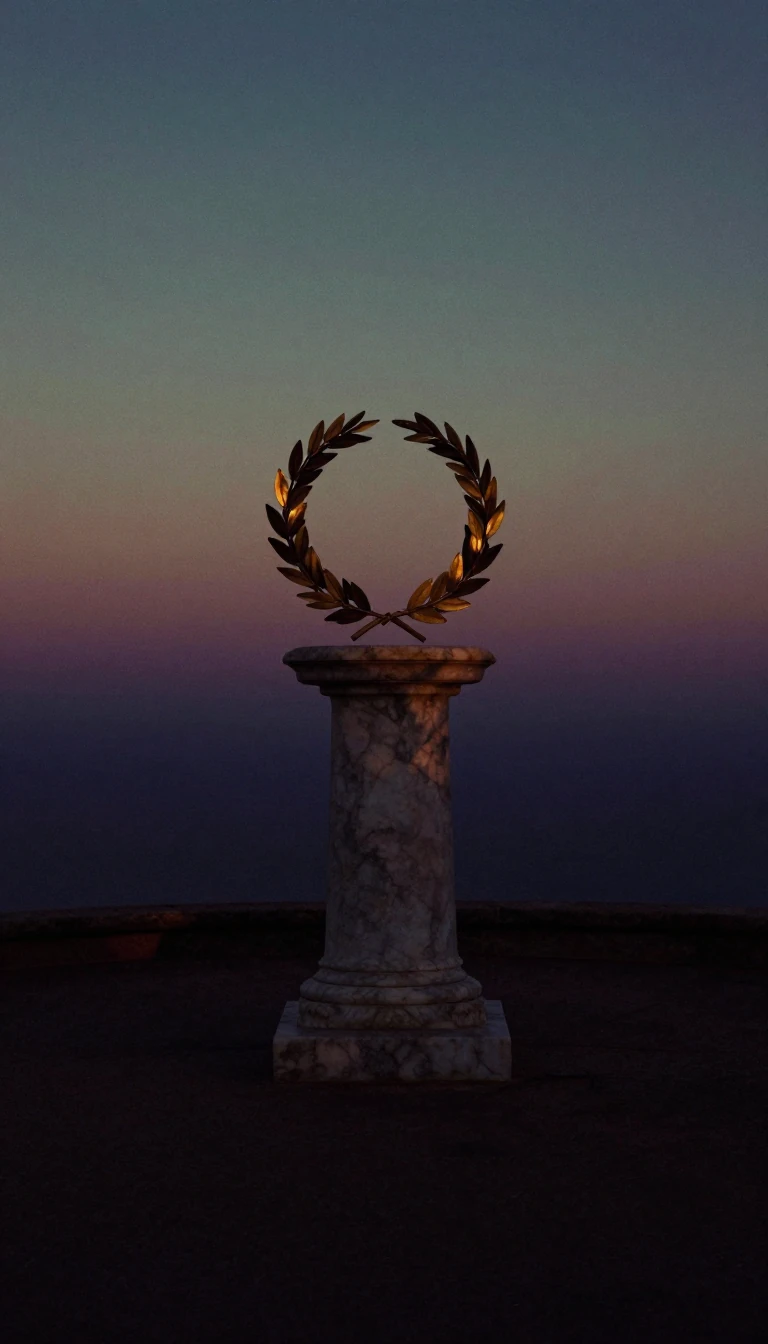 Why the laurel wreath remains the ultimate, enduring symbol of human achievement and victoryFrom the tragic myth of Apollo and Daphne to the modern film festival circuit, the laurel wreath has evolved from a divine crown into a global shorthand for excellence. Whether wo…
 Why the law demands you be heard and judges remain neutral in every case.Natural justice is the foundational legal requirement that decisions affecting your rights must be impartial and fair. It mandates that no one can judge their own dispute and that…
 Why the law distinguishes between a calculated murder and a tragic, unintended deathManslaughter is homicide deemed less culpable than murder, but the line between them is rarely simple. Depending on your jurisdiction, it can hinge on your state of mind, the pres…
 Why the law distinguishes between a simple mistake and a moral failingThe concept of a wrong, rooted in the Old English word for crooked, is far from straightforward. While we often conflate illegal acts with immoral ones, the law frequently separat…
 Why the law of demand is the most reliable tool in economicsEconomist Tyler Cowen argues that while wisdom may start with knowing nothing, economic literacy begins with one fundamental truth: demand curves slope downward. This video explor…
 Why the law of obligations binds us to one another through legal necessityThe law of obligations governs the invisible threads connecting parties in private life. Whether through contracts or the consequences of our wrongs, this framework defines how we…
 Why the law protects your body from even the lightest, most non-violent touchBattery is not just about punches or weapons; it is a fundamental legal shield protecting your personal autonomy. From unwanted medical procedures to a simple, unconsented touch, …
 Why the law punishes you for failing to commit a crime you intendedAttempt is an inchoate crime, meaning it is not fully developed. It requires both a specific intent to commit an offense and a substantial step toward its completion. Even if the …
 Why the law sometimes pretends the impossible is true to keep society runningLegal fictions are deliberate constructs where courts treat a falsehood as fact to facilitate specific outcomes. While critics like Jeremy Bentham likened them to fraud, proponent…
 Why the law sometimes stops you from telling the truth in courtEstoppel is a judicial device that prevents a person from asserting a position or claim if doing so would be inequitable. Rooted in the idea of sealing up a mouth, it stops indivi…
 Why the laws of physics change depending on the scale of the objectIn his 1968 Christmas Lectures, physicist Philip Morrison used the imaginative lens of Gulliver's Travels to reveal a profound truth: size is not just a physical dimension, but a …
 Why the laws of physics do not always look the same in reverseWhile we often associate the arrow of time with increasing entropy, this video explores a more fundamental asymmetry. Discover how specific subatomic particles violate time symmet…
- Why the laws of physics forbid a perfectly efficient engineThe quest for the perfect engine is a battle against the fundamental laws of the universe. This video explores why thermodynamics dictates that some energy will always be lost, mo…
 Why the laws of physics make giant cannons and tiny engineers impracticalPhysicist Philip Morrison uses Jonathan Swift's Gulliver's Travels to explore how scale dictates the limits of our technology. Recorded in 1968, this lecture reveals why engineeri…
 Why the laws of physics might change in a mirror universeWe intuitively expect mirror images to follow the same rules as our own, but physics suggests otherwise. This video explores why the universe is not entirely symmetric under mirro…
 Why the laws of physics might not work the way you expect in a mirrorQuantum theory relies on the idea that our universe should be indistinguishable from its mirror image. This video explores why that intuition fails and how broken symmetries chall…
 Why the laws of physics remain constant no matter how you move through spaceThe Poincaré group is the mathematical bedrock of special relativity. It describes every possible way you can shift, rotate, or accelerate through Minkowski spacetime without alte…
 Why the laws of physics remain constant: the hidden power of symmetryEmmy Noether’s 1918 theorem is a cornerstone of modern physics, revealing that every continuous symmetry in nature corresponds to a conservation law. It explains why energy and mo…