 Intellect Plus
Cards starting with W
29,907 cards. Page 410 of 499.
 Why the secret to a perfect Mojito is actually about what you leave outThe Mojito has surged in popularity over the last 15 years, largely because bars began prioritizing fresh ingredients. While often treated as a complex craft, the drink is essenti…
 Why the secret to a perfect omelette is actually a cooler panMaster the art of the paper-thin, no-stir omelette. This technique prioritizes a smooth, even surface over traditional scrambling, using low heat and simple gravity to create a de…
 Why the secret to a perfect pavlova is patience and a low ovenA pavlova is a study in textures, pairing a crisp, marshmallowy meringue with a rich, velvety pastry cream. Achieving the ideal balance requires more than just mixing ingredients;…
 Why the secret to a perfect Thanksgiving turkey is starting on the stovetopMost home cooks struggle with unevenly cooked turkey, but the solution is surprisingly simple. By searing the underside of the bird on the stovetop before roasting, you ensure bet…
 Why the secret to a perfect thin burger is actually a tighter, pasty textureMost home cooks treat burger meat with a light touch, but thin patties require a different approach. To prevent your burger from falling apart on the grill, you need to knead the …
 Why the secret to a perfect watermelon is treating it like a desert plantWatermelons are not the thirsty crops many assume. In the rural town of Chinchilla, farmers rely on dryland growing to produce thousands of fruits. By forcing the plants to work h…
 Why the secret to bakery-quality bread is actually doing almost nothing at allMastering homemade bread does not require professional equipment or labor-intensive kneading. By leveraging time and a simple household tool, you can achieve a superior crust and …
 Why the secret to better artificial enzymes lies in their invisible second layerEngineers have long struggled to make artificial enzymes as precise as natural ones. The breakthrough lies in the second coordination sphere—a surrounding layer of molecules that …
 Why the secret to effective leadership lies in cognition, not behaviorMost leadership training focuses on observable behaviors, but Dr. Liz Mellon argues that the true driver of action is the underlying mental framework. This talk explores how maste…
 Why the secret to great leek and potato soup starts in a cold potMost recipes tell you to sauté ingredients in hot oil, but a different approach can transform your flavor. By starting with cold meat and gradual heat, you can render fat and brow…
 Why the secret to human language might be hidden in our left and right handsWe are predominantly right-handed, a trait that sets us apart from most animals. Scientists now speculate that this physical asymmetry is genetically linked to our capacity for la…
 Why the secret to human progress is not intelligence, but the rules we followModern humans have existed for hundreds of thousands of years, yet our most explosive progress occurred only after we abandoned small hunter-gatherer groups for complex societies.…
 Why the secret to Hyderabad chicken lies in the boneTrue Mughlai flavors aren't just about spice; they are about the chemistry of the cook. By eschewing water and using yogurt as a primary cooking medium, this technique transforms …
 Why the secret to incredible pizza dough is a 72-hour waitMaking professional-grade Neapolitan pizza at home doesn't require complex ingredients, just patience. While you can rush the process in a few hours, the real magic happens during…
 Why the secret to measuring time is not flow, but vibrationNeil Johnson explains how we moved from measuring time with flowing substances like sand to counting oscillations. This 1999 lecture explores why waves provide the precision our c…
 Why the secret to perfect biscuits is folding them exactly seven timesAchieving the ideal biscuit requires a precise mechanical approach to lamination. By folding your dough seven times, you create 128 distinct layers of butter and flour. This speci…
 Why the secret to perfect brioche lies in a simple egg wash techniqueBrioche is defined by its rich, buttery crumb and signature mahogany sheen. Achieving that professional finish requires more than just high-quality ingredients; it demands a preci…
 Why the secret to perfect chewy caramel brownies is a slightly under-baked centerAchieving the ideal texture in a caramel brownie requires more than just a standard recipe. By layering dough with a molten caramel sauce and carefully timing the oven, you create…
 Why the secret to perfect choux pastry is steam, not a raising agentChoux pastry relies on a clever physical reaction rather than chemical leavening. By boiling water and butter before incorporating flour, bakers gelatinize starches to trap moistu…
 Why the secret to perfect frozen food is actually about speed, not temperature.Freezing food is an ancient practice, but modern science reveals that the quality of your dinner depends on how fast ice crystals form. By minimizing crystal size through rapid fr…
 Why the secret to perfect keema matar is creating a loose meat sludgeKeema matar is a classic Mughal dish that serves as an ideal entry point into the vibrant world of South Asian spices. While traditionally prepared with ground lamb or goat, the d…
 Why the secret to safer, slower landings is a small gap in the wing.Leading-edge slats are aerodynamic surfaces that transform how wings behave at low speeds. By opening a slot to re-energize airflow, they allow aircraft to maintain lift at steepe…
- Why the secret to superior chicken wings is actually a French confit technique.Achieving the ideal balance of a crunchy exterior and succulent meat requires a specific two-stage frying process. By adapting a traditional French preservation method, you can pr…
 Why the secret to sustained business success might be playIn a competitive economy, constant reinvention is necessary for survival. Strategist Martin Reeves argues that play is the primary engine for innovation, offering specific imagina…
 Why the secret to the perfect Caesar salad is roasting bread under chickenMost Caesar salads rely on store-bought croutons, but the superior method involves using the rendered fat from roasting chicken. By placing bread directly beneath skin-on chicken …
 Why the secret to the perfect fried coating is often found in a bottleBatter is more than just a simple mixture of flour and liquid. It is a precise culinary tool defined by its pourable consistency and the need for vigorous beating. From the light,…
 Why the secret to the perfect roast chicken is a pair of kitchen shearsAchieving the ultimate roasted chicken requires more than just heat. By combining spatchcocking, wet brining, air drying, and cast iron browning, you can transform a standard bird…
- Why the secret to the world's best ragù is actually a slow-roasting oven techniqueRagù Bolognese is the undisputed heavyweight of meat sauces, but achieving the perfect balance of deep, browned flavor and silky texture requires more than a stovetop simmer. By i…
 Why the secret to the world's most tender stews is never actually boilingSimmering is the art of cooking food in liquid just below the boiling point. By maintaining a temperature between 71 and 100 degrees Celsius, you avoid the harshness of a rolling …
 Why the secret to understanding complex physics might be found in life drawingAllan McRobie explores the hidden language of curves, linking the stability of oil rigs and gravitational lensing to the artistic study of the human form. This lecture reveals how…
 Why the secret to walking a high-wire is actually about lowering your center of gravityWalking a tightrope is less about raw courage and more about mastering the physics of the human body. By manipulating your center of gravity and rotational inertia, you can turn a…
 Why the secret to West African culinary tradition lies in a humble, ground seed.Egusi is more than a staple ingredient; it is a culinary cornerstone across West and Central Africa. Derived from the protein-rich seeds of specific cucurbitaceous plants, these g…
 Why the secrets of insect brains could revolutionize artificial intelligenceNeuroscientist Frances S. Chance explores how the complex neural architectures of tiny insects might hold the blueprint for the next generation of computing. By studying how these…
 Why the secrets of the universe can solve problems on EarthAstrophysicists are masters of finding simple patterns within massive, complex datasets. Federica Bianco explains how this specific expertise is being repurposed to tackle urban a…
 Why the Secure Shell protocol remains the internet's most trusted digital tunnelBorn from a 1995 password-sniffing attack, Secure Shell (SSH) replaced insecure legacy tools like Telnet. By using public-key cryptography to create encrypted tunnels, it allows u…
 Why the security of the modern digital world relies on simple semiprime numbersA semiprime is a natural number formed by multiplying exactly two prime numbers. While they sound simple, these numbers are the bedrock of modern cryptography. Because multiplying…
 Why the security of the modern digital world rests on a simple math problemBreaking a large number into its prime components is deceptively simple to state but notoriously difficult to execute. This mathematical bottleneck is the silent guardian of globa…
 Why the seed bug family is far smaller than it used to beKnown as seed bugs, the Lygaeidae family is a diverse group of true bugs found globally. While once considered a massive taxonomic umbrella, modern classification has stripped awa…
 Why the self-balancing scooter became the most controversial gadget of the mid-2010sThe self-balancing scooter, popularly dubbed the hoverboard, promised a futuristic mode of personal transit. Instead, it delivered a chaotic saga of patent wars, celebrity endorse…
 Why the self-regulating market is a dangerous myth that threatens modern democracyKarl Polanyi argued that market-based societies are not inevitable, but historically contingent. He warned that when economies are detached from social and cultural foundations, t…
 Why the semiconductor industry shifted its focus from design productivity to verification challengesIn 1997, the industry feared a looming productivity crisis as manufacturing capabilities outpaced chip design. While that specific bottleneck was avoided, a new, more complex chal…
 Why the sensation of dizziness mimics the experience of temporary brain impairmentDizziness is more than just feeling unsteady. It involves complex multisensory systems that govern our balance. This video examines the mechanics of vertigo and balance disorders,…
 Why the separation of church and state took two radically different pathsThe separation of church and state emerged from 18th-century revolutions, yet it evolved into two conflicting models. One approach, seen in the United States, seeks to protect the…
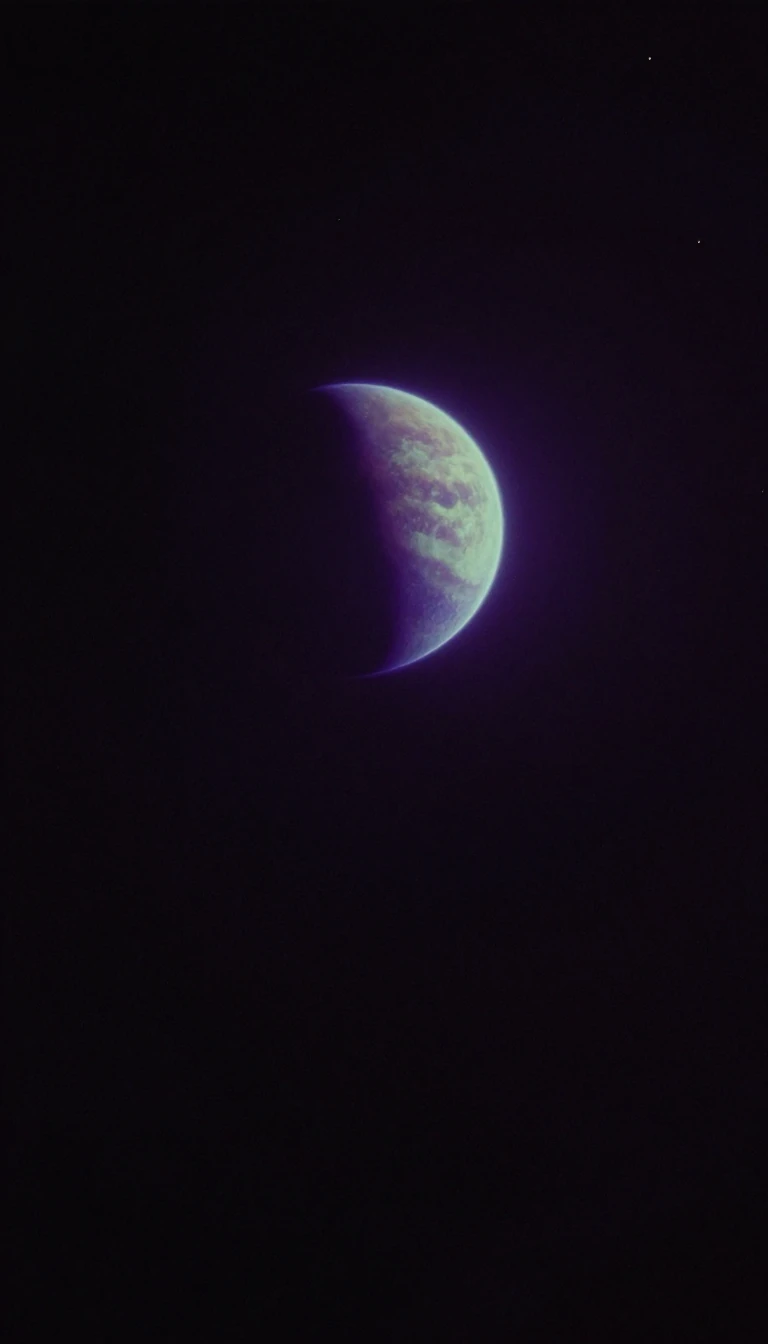 Why the September equinox is not actually aligned with the constellation LibraThe September equinox marks the moment the Sun crosses the celestial equator heading south, signaling a seasonal shift across the globe. While often associated with the sign of Li…
 Why the sequel to a blockbuster disaster film became a total cinematic shipwreckBeyond the Poseidon Adventure arrived in 1979 as a high-stakes follow-up to a massive hit, yet it cratered instantly. Despite a star-studded cast and a premise involving stolen pl…
- Why the sequel to a Christmas classic introduced a tyrannical, animatronic Santa ClausEight years after becoming Santa, Scott Calvin faces a dual crisis: his son is on the naughty list and he must marry to keep his job. To manage his absence, he creates a robotic d…
 Why the sequel to a hit superhero film became a box-office bombShazam! Fury of the Gods arrived in 2023 as the twelfth installment of the DC Extended Universe. Despite the success of its 2019 predecessor, this sequel struggled to find its foo…
 Why the sequel to a horror classic became a battleground for its own directorsThe production of the 1978 horror sequel Damien: Omen II was as chaotic as the film's supernatural plot. After original director Mike Hodges was replaced four weeks into filming, …
 Why the sequel to a horror hit struggled to replicate its predecessor's critical successReleased in 2005, The Ring Two brought the director of the original Japanese horror classic to the American franchise. Despite a massive $164 million global box office haul, the f…
 Why the sequel to Clash of the Titans failed to conquer the box officeReleased in 2012, Wrath of the Titans aimed to improve upon its predecessor with better 3D technology and a grander scale. Despite these technical ambitions, the film struggled to…
 Why the sequel to RoboCop struggled to capture the soul of the originalRoboCop 2 arrived in 1990 with a bigger budget and ambitious visual effects, yet it faced a fractured production. Despite the return of Peter Weller, the film was plagued by a mis…
 Why the sequel to The Fast and the Furious almost lost its lead starsWhen the 2003 action sequel 2 Fast 2 Furious began production, it faced a massive casting crisis. With Vin Diesel refusing to return and other original stars dropping out, directo…
 Why the sequel to The French Connection forced its hero into heroin addictionFour years after the original film, Detective Jimmy Popeye Doyle travels to Marseille to hunt a drug kingpin. Instead, he is captured, forcibly addicted to heroin, and left to fac…
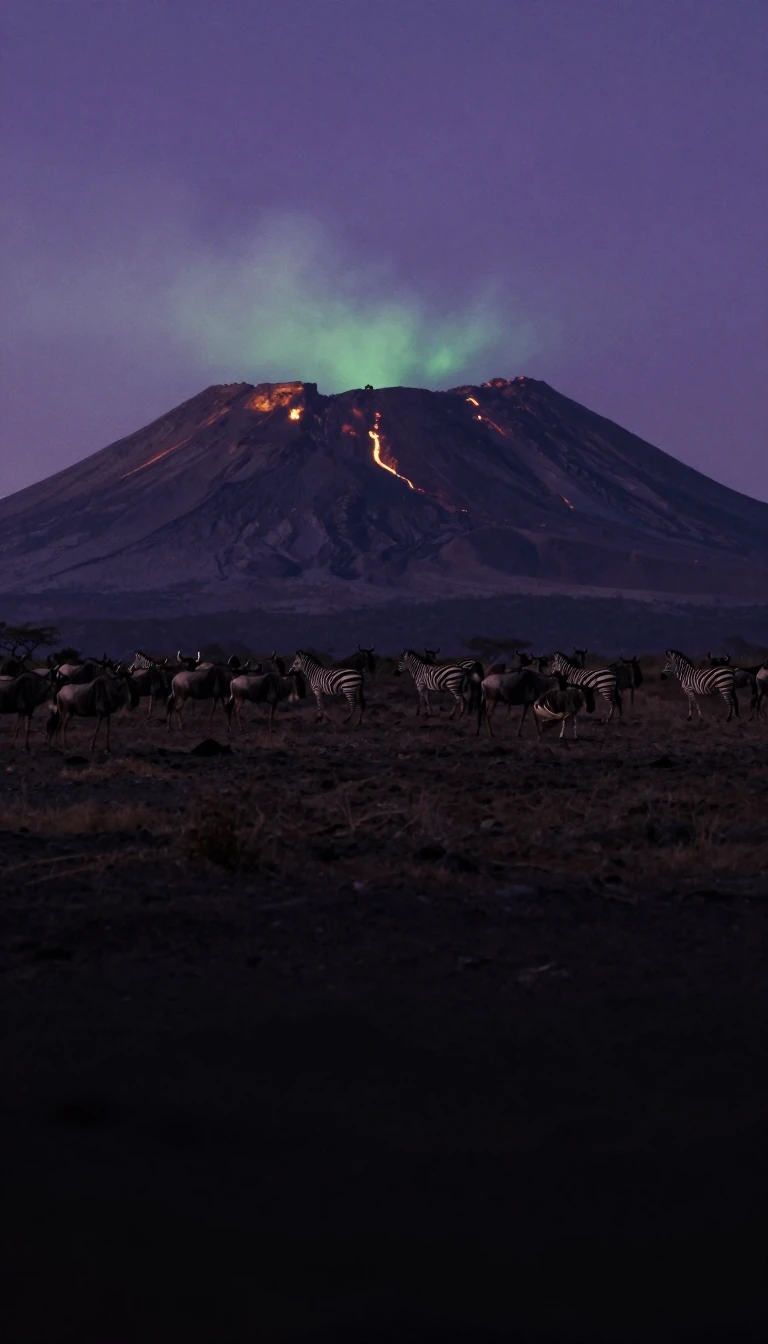 Why the Serengeti is more than just a backdrop for the Great MigrationSpanning millions of acres of acacia-dotted grasslands, the Serengeti is an intricate, ecologically sensitive landscape. While famous for the cyclical movement of nearly two milli…
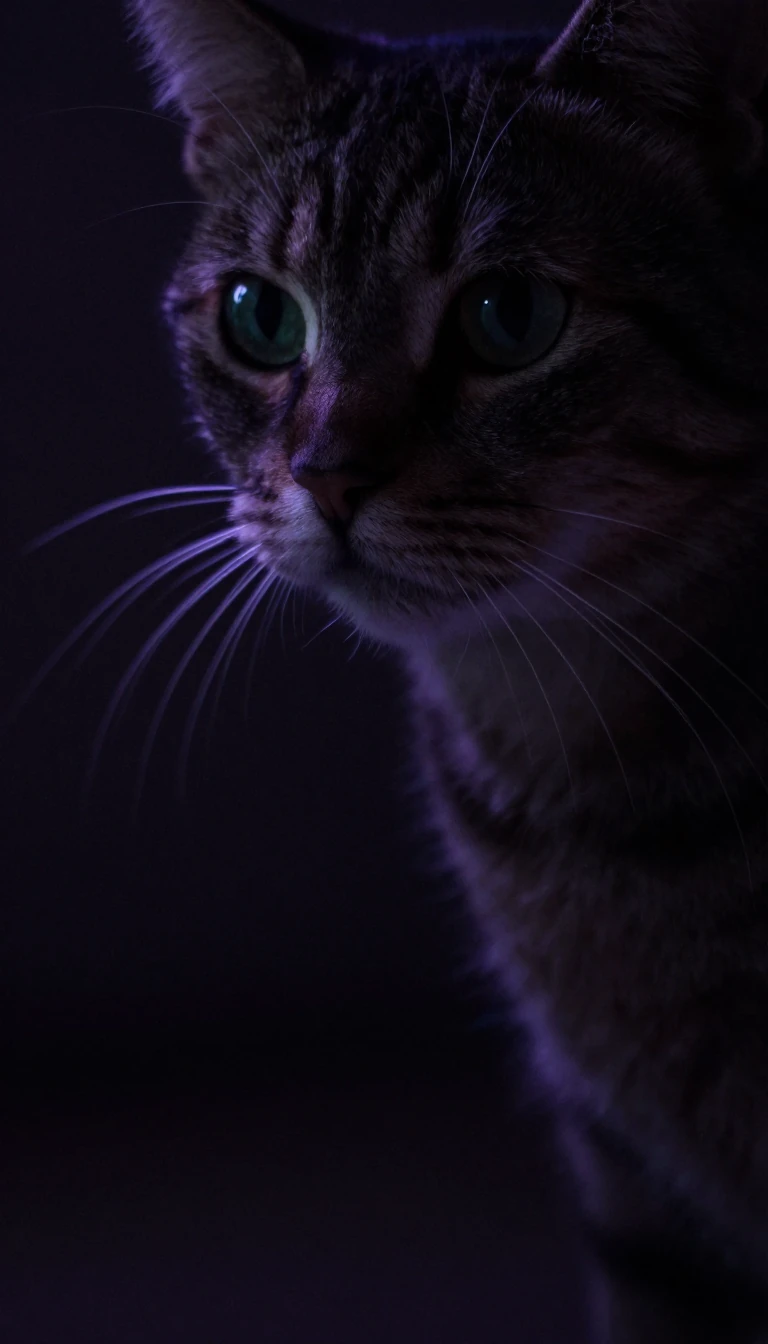 Why the serval is the most successful hunter in the wild cat kingdomWith ears like dinner plates and the longest legs of any cat relative to body size, the serval is a master of the African savanna. This slender predator rarely misses, catching it…
 Why the setting sun defines the western horizon across almost every human languageWest is more than a compass point; it is a linguistic echo of the evening. From the Indo-European root for night to the Latin term for a setting star, humans have long defined the…
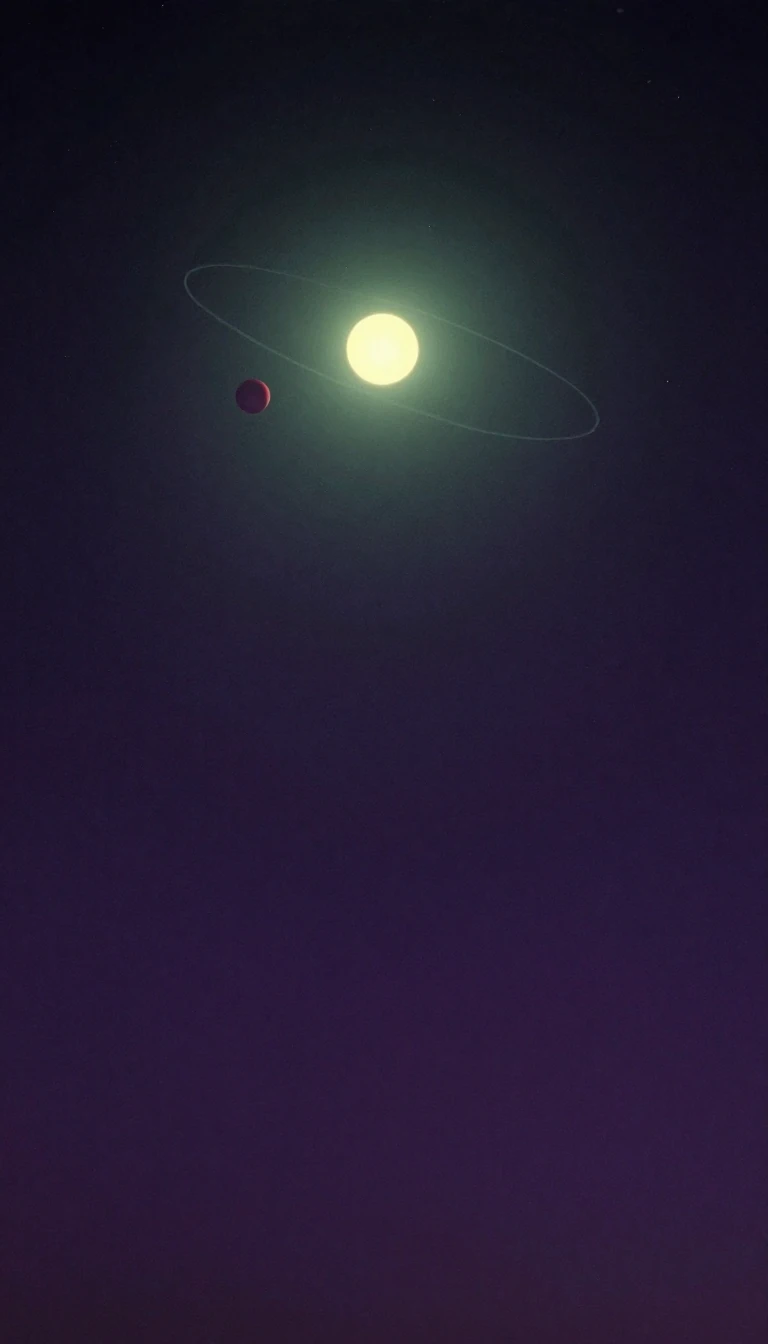 Why the seven classical planets shaped our week, our metals, and our ancient mythsBefore telescopes, humans tracked seven wandering stars across the night sky. These luminaries—the Sun, Moon, Mercury, Venus, Mars, Jupiter, and Saturn—became the foundation for o…
 Why the seven kingdoms of Anglo-Saxon England were never actually sevenThe term Heptarchy suggests a neat, stable division of early England into seven distinct kingdoms. In reality, this label is a historical convenience that obscures a chaotic lands…
 Why the Seven Last Words of Jesus are a masterful feat of biblical harmonyThe seven final expressions attributed to Jesus on the cross do not appear in any single gospel account. Instead, they are a liturgical synthesis, woven together from four separat…
 Why the Seven Sisters so often show only six starsAcross the world, people pictured the Pleiades as seven sisters, and their stories often explain why one went missing. Some scientists suspect the tales reach back to around 100,0…