 Intellect Plus
Cards starting with W
29,907 cards. Page 90 of 499.
 Water striders row across ponds by pushing against waves they makeA water strider does not swim; it stands on the surface film of a pond, held up by water-repelling hairs and long splayed legs. To move, it presses its middle legs down and back, …
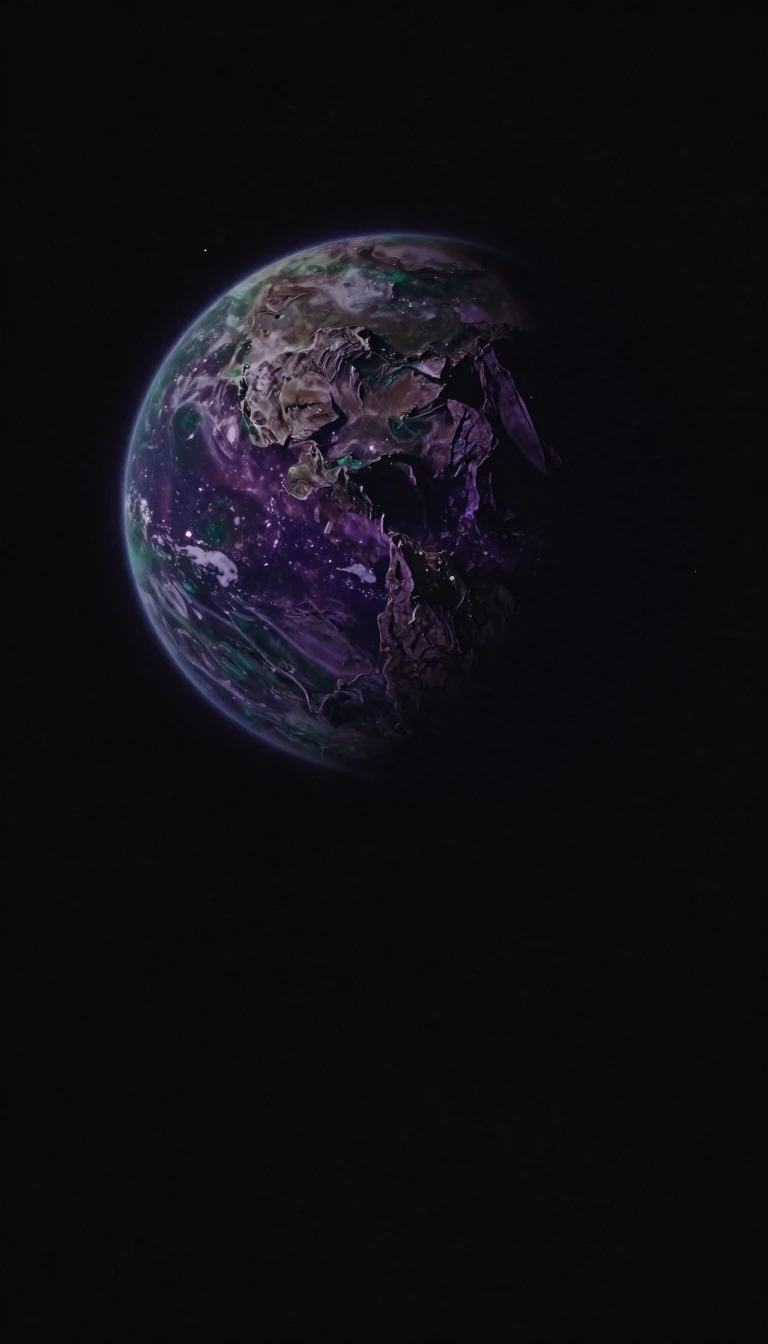 Water-rich Hycean worlds may offer a much wider habitable zoneResearchers investigating a new class of planets called Hycean worlds found they could be significantly larger than previously considered habitable planets. These worlds, characte…
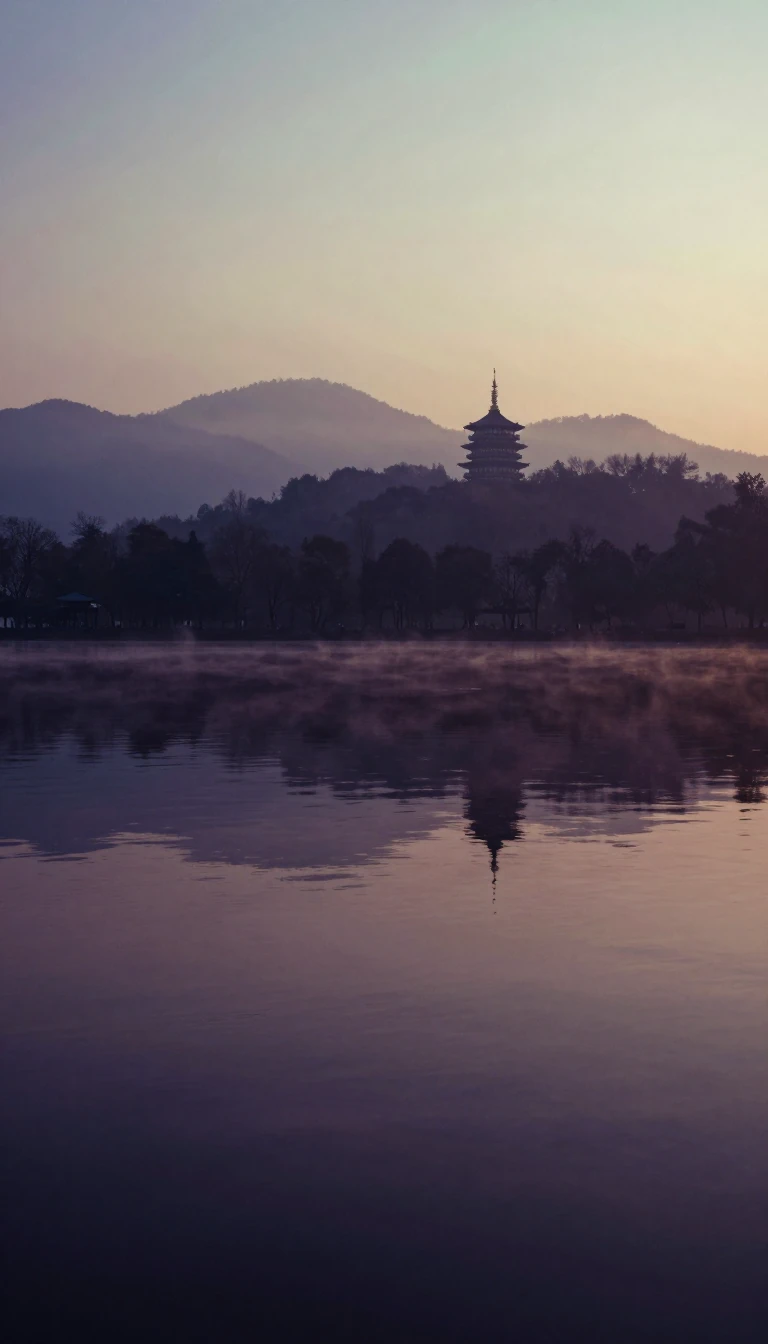 Water, air or fire: the first monists each bet on a single stuffThales said everything is ultimately water, Anaximenes said air, Heraclitus fire. Each was guessing at one underlying principle, and that instinct, that reality is at root a singl…
 Water, dense and dim, shaped every part of a fish's bodyWater is far denser than air, carries little dissolved oxygen and swallows light quickly. Those three facts explain much of how a fish is built, from its two-chambered heart and s…
 Waterfalls walk backwards, carving gorges as they retreat upstreamA waterfall is not a fixed feature but a slow-motion retreat. Spinning stones drill potholes, splashback hollows out soft rock beneath the lip, and eventually the overhanging cap …
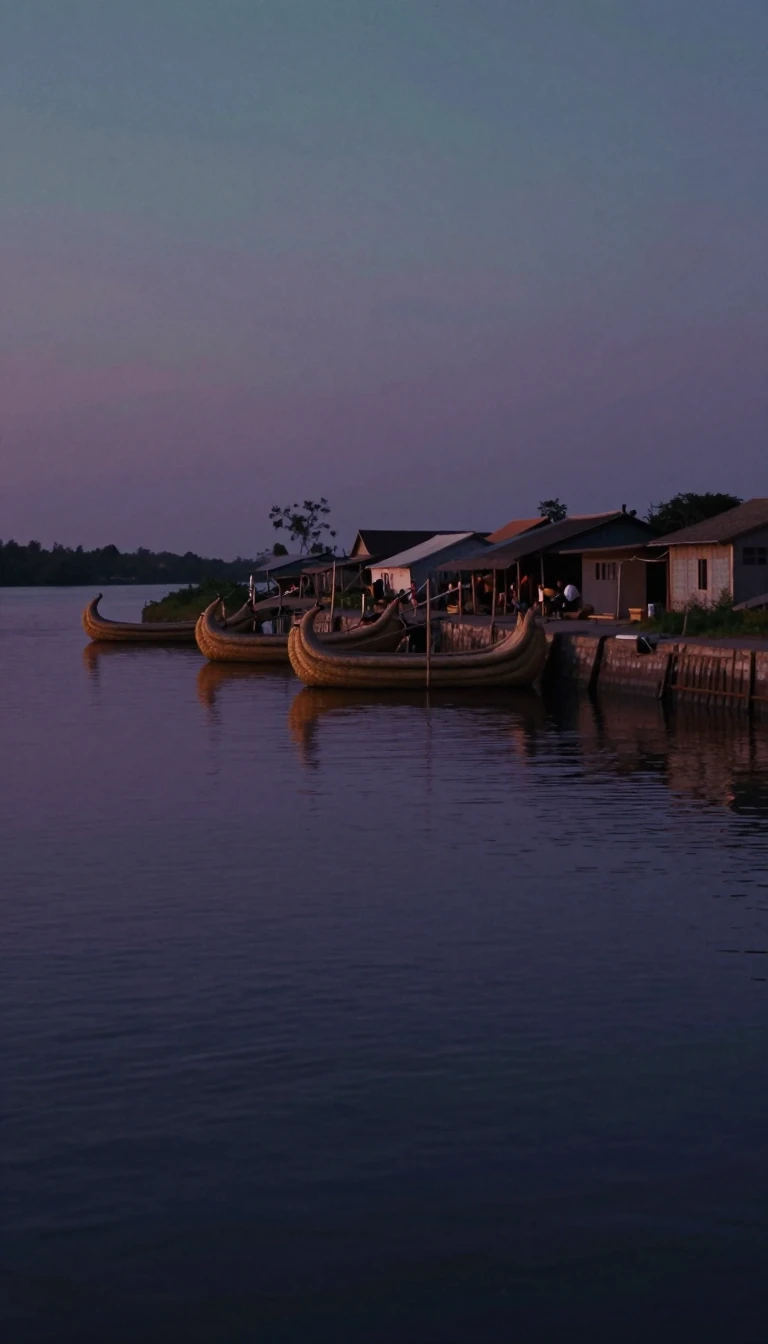 Waterford: How a Viking Trading Post Became Ireland’s Oldest and Most Resilient CityFounded by Norse raiders in 914, Waterford holds the title of Ireland’s oldest city. From surviving medieval sieges to becoming a global hub for fine glass, this southeastern port…
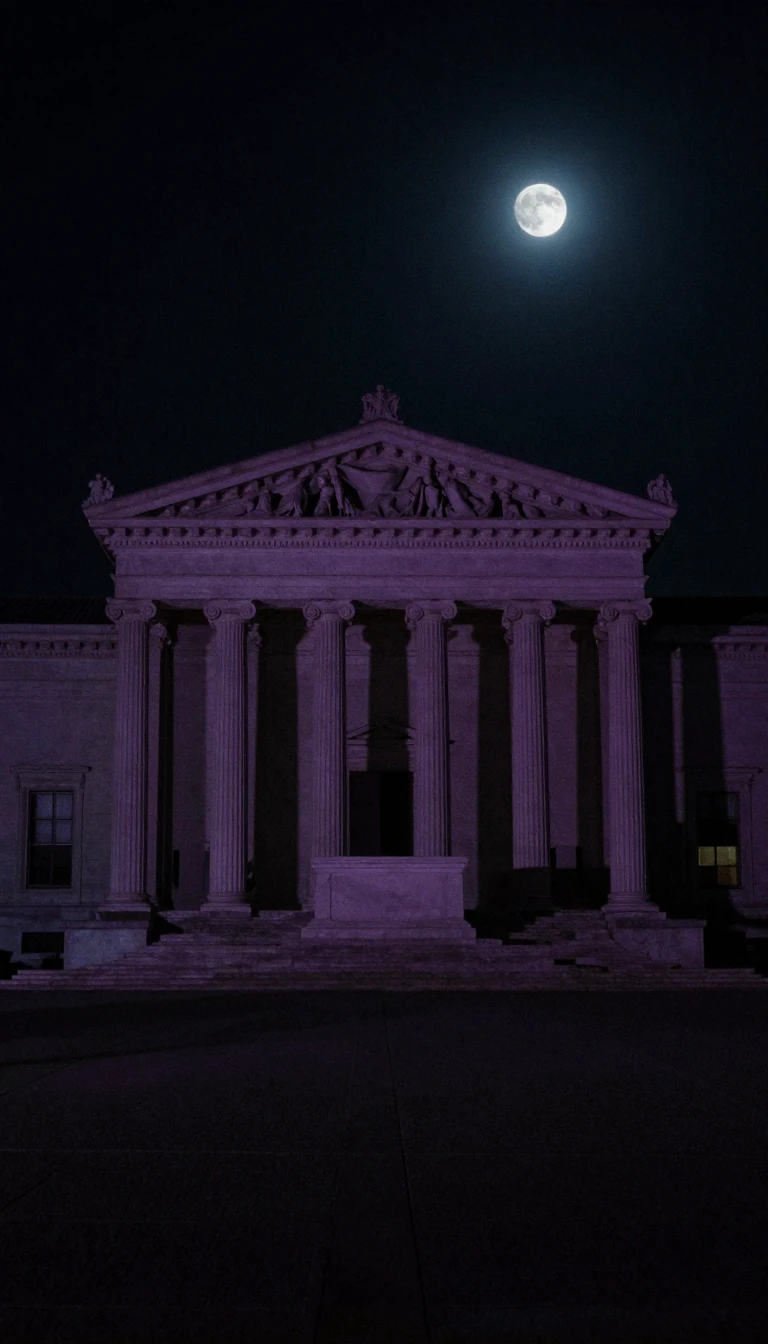 Watergate began with a leak-plugging squad and ended with a president resigningThe burglars caught inside Democratic headquarters on June 17, 1972 were not a one-off. They came from a White House effort to stop leaks that had already broken into a psychiatri…
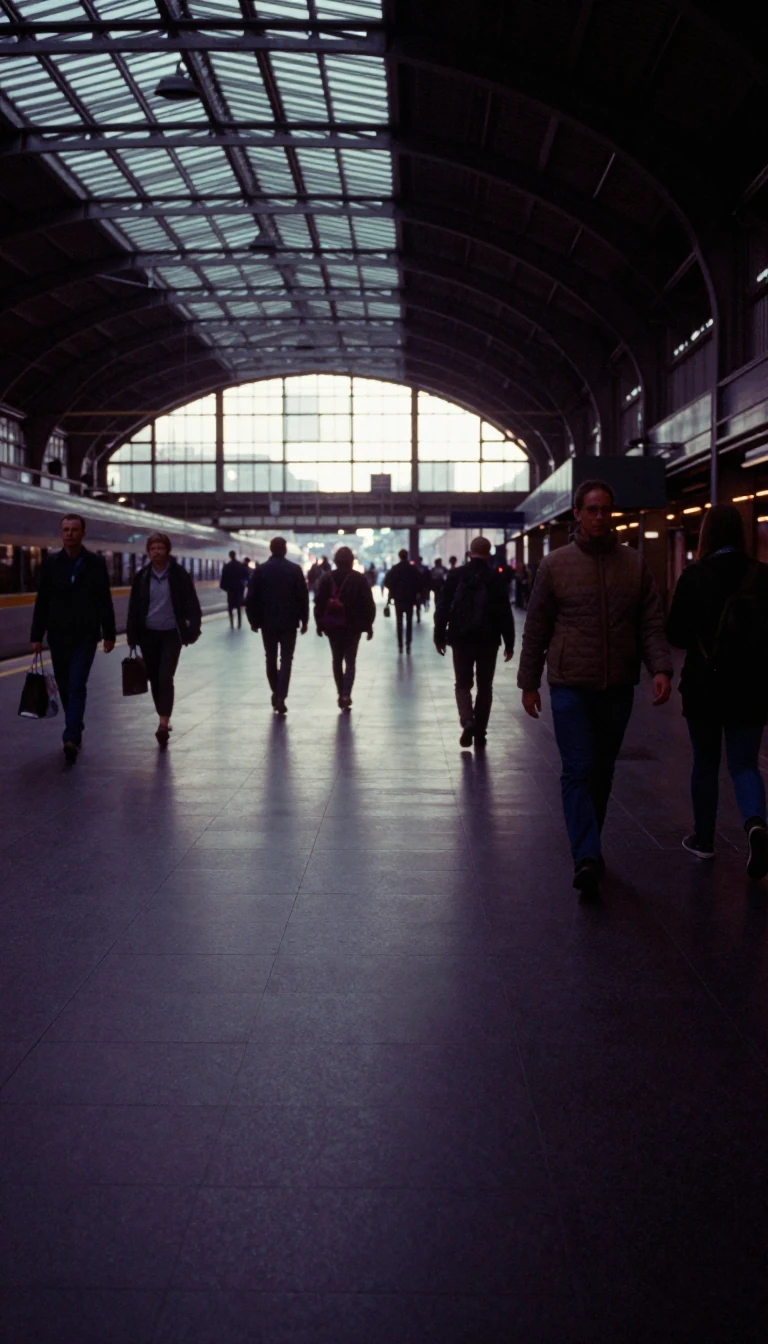 Waterloo was never meant to be a terminus, which explains its confusing platformsBritain's largest station by floor space, with more platforms than any other, began life in 1848 as a stopping point on a line meant to push on to the City of London. That extensi…
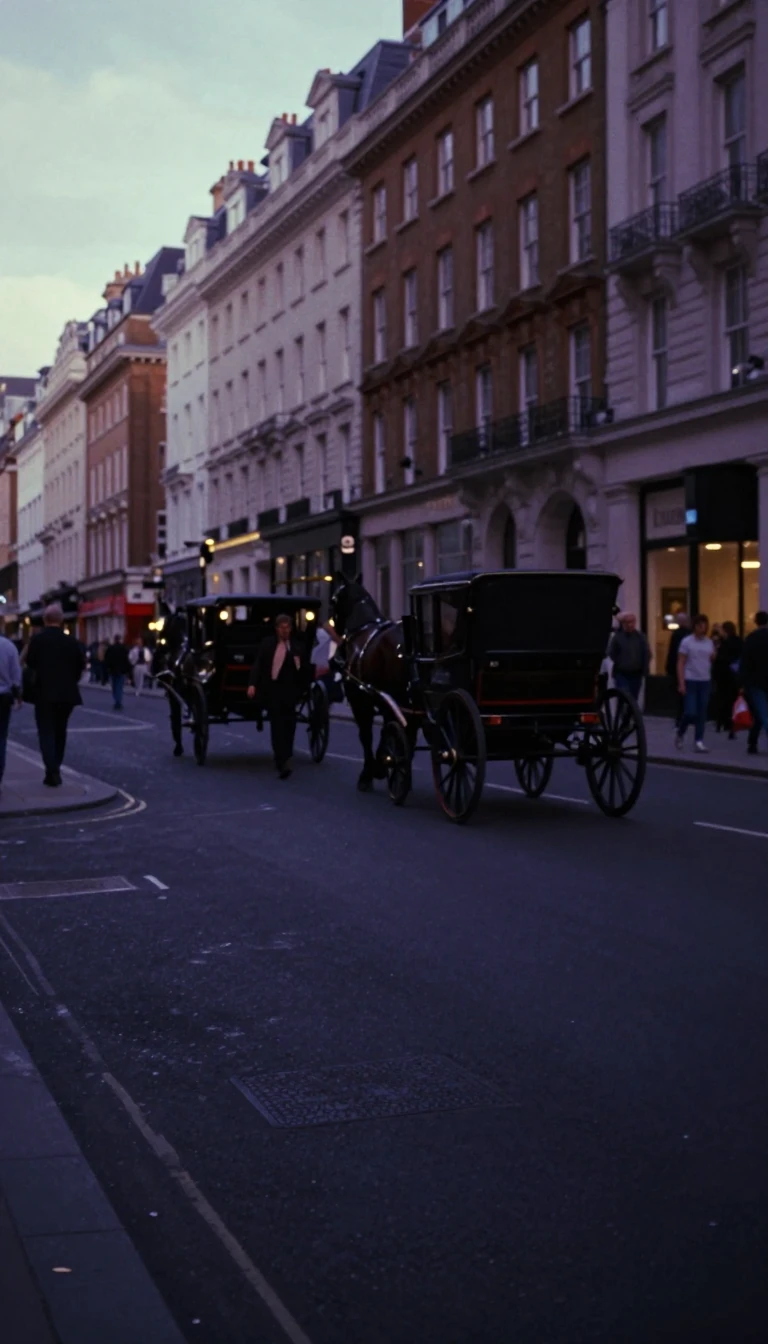 Watling Street: The Ancient Roman Highway That Still Shapes Modern British GeographyLong before the Romans arrived, ancient Britons carved a path across England. This route, later paved by Roman engineers, became a foundational artery of the nation. From the Dane…
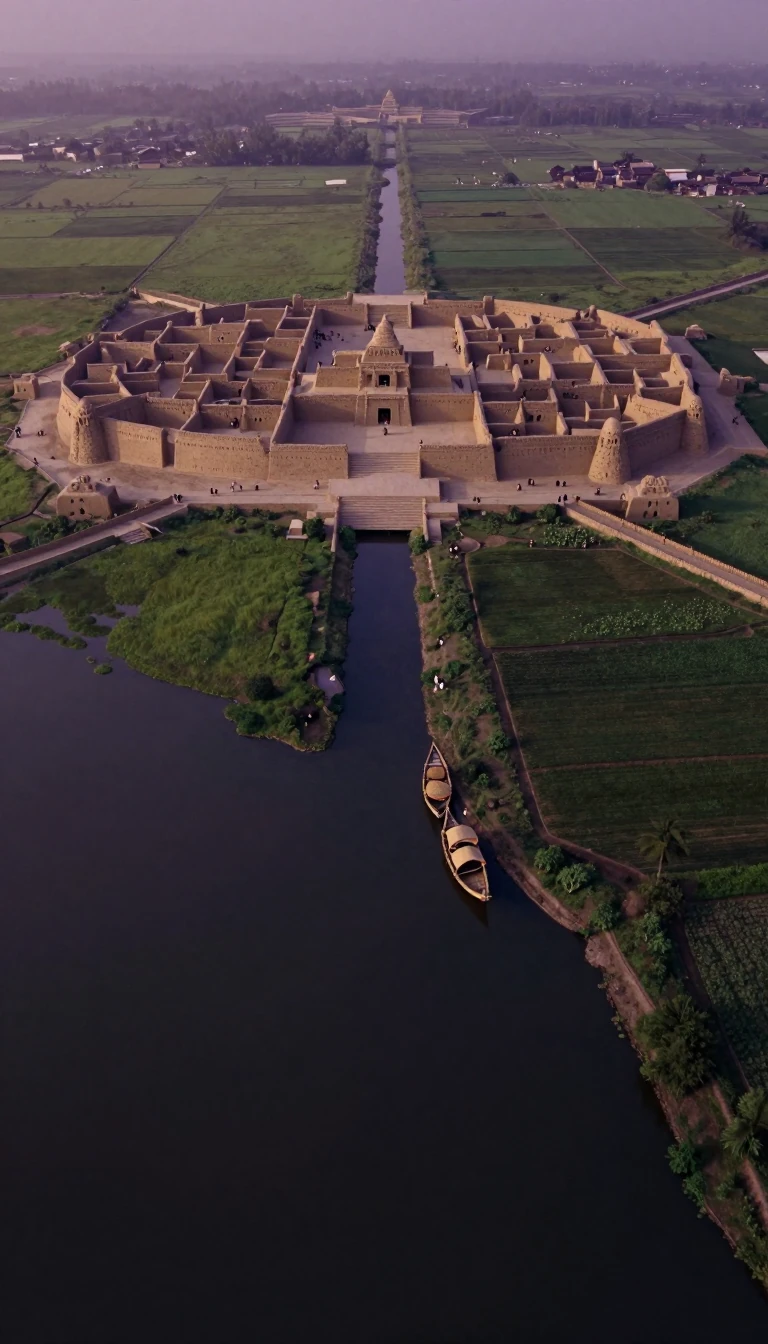 Wattle and daub is an ancient, enduring method for creating weatherproof, durable human shelters.Long before synthetic materials, humans mastered the art of weaving wooden stakes with mud to build homes. This ancient technique, known as wattle and daub, provided a reliable wa…
 Wayang: The ancient Javanese shadow theatre that mirrors the cosmos through light and leatherFor ten centuries, the Indonesian art of wayang has captivated audiences with intricate puppets and complex musical scores. Whether performed as shadow plays or three-dimensional …
 Wayne Gretzky's assists alone outnumber anyone else's total pointsWayne Gretzky set up so many goals that his assists by themselves exceed the career points of any other NHL player. Small and not especially strong, he won by reading the game, sk…
 Wayne Rooney: The Premier League icon who redefined the role of a modern forwardWayne Rooney remains the only player in Premier League history to record both 200 goals and 100 assists. From his explosive debut as a teenager at Everton to becoming Manchester U…
 Wayne Shorter was the rare jazz visionary who broke musical rules with perfect intent.A titan of jazz for over six decades, Wayne Shorter redefined the saxophone and composition. From Miles Davis's Second Great Quintet to the fusion revolution of Weather Report, Sh…
 We are a planet of ocean, not just a planet of landWhile we often view Earth as a terrestrial world, rotating our perspective reveals a different reality. The deep sea represents the vast majority of our planet's surface, yet it r…
 We are building a 3D map of every galaxy by 2060For millennia, humans have looked at the stars and seen only dots in a flat tapestry. Now, we are constructing the most detailed 3D map ever made, capturing millions of galaxies a…
 We are decoding whale songs, but should we attempt to talk back?Artificial intelligence is revolutionizing marine research by decoding the sonic landscapes of the ocean. This video explores how technology identifies patterns in whale soundwave…
 We are losing the ability to notice how much nature has changedImagine a forest so depleted of wildlife that you consider its current state 'natural.' This is the shifting baseline syndrome: a cognitive trap where each generation accepts the …
 We are still searching for the true number of species on EarthEstimates for Earth's biodiversity range wildly from 2 million to 3 trillion. This video explores why defining a species is so difficult and why we still lack a definitive answer …
 We call it the Renaissance partly because of Giorgio Vasari's word rinascitaGiorgio Vasari described Giotto's new way of painting as a rinascita, a rebirth. Three centuries later the historian Jules Michelet borrowed the idea, in French, to name an entire…
 We call them Minoans; they never used that nameBronze Age Crete built palatial mazes, exported crafts and crops for scarce metals, and invented scripts we still cannot fully read. Arthur Evans popularized “Minoan” from mythica…
 We can finally measure the 'now' of relaxationFor decades, psychology could measure how relaxation changed your life over months, but it struggled to capture how you felt in the moment. New research has finally developed a to…
 We can now observe our planet from 100 million miles awayWhile space exploration often focuses on distant galaxies, a parallel revolution is happening closer to home. We are opening Earth's secrets like never before, using orbital platf…
 We can now program life, but what should we actually build?Juan Enriquez explores the transformative potential of gene-editing technologies like CRISPR. This talk examines the profound ethical and practical questions that arise when human…
- We can stop global warming without banning fossil fuels by using carbon takeback obligations.Global warming is often framed as a choice between energy security and climate action. But what if we could decouple fossil fuel use from planetary heating? By mandating that prod…
 We do not move on from grief; we simply learn to move forward with itGrief is often treated as a temporary state that we must eventually overcome, but writer Nora McInerny argues that this perspective is fundamentally flawed. Instead of a wound tha…
 We have finally learned to listen to the universe instead of just watching itFor a century, we relied on light to map the cosmos, leaving vast regions of space hidden from view. Now, by detecting ripples in the fabric of spacetime itself, we are capturing …
 We have found 6,000 planets, but we still cannot read their atmospheresAstronomers have confirmed over 6,000 worlds outside our solar system, yet much of this data remains a mystery. This lecture explores how scientists use spectroscopy and quantum m…
 We have known this heavy metal was deadly for over two millenniaHumans have been mining lead since roughly 6500 BCE, yet its toxic nature is not a modern discovery. Even ancient physicians recognized its devastating power to cripple the human …
 We have mapped more of the surface of Mars than our own ocean floors.Bathymetry is the science of measuring underwater topography, a field that has evolved from ancient Egyptian pole-probing to sophisticated satellite altimetry. Despite this progre…
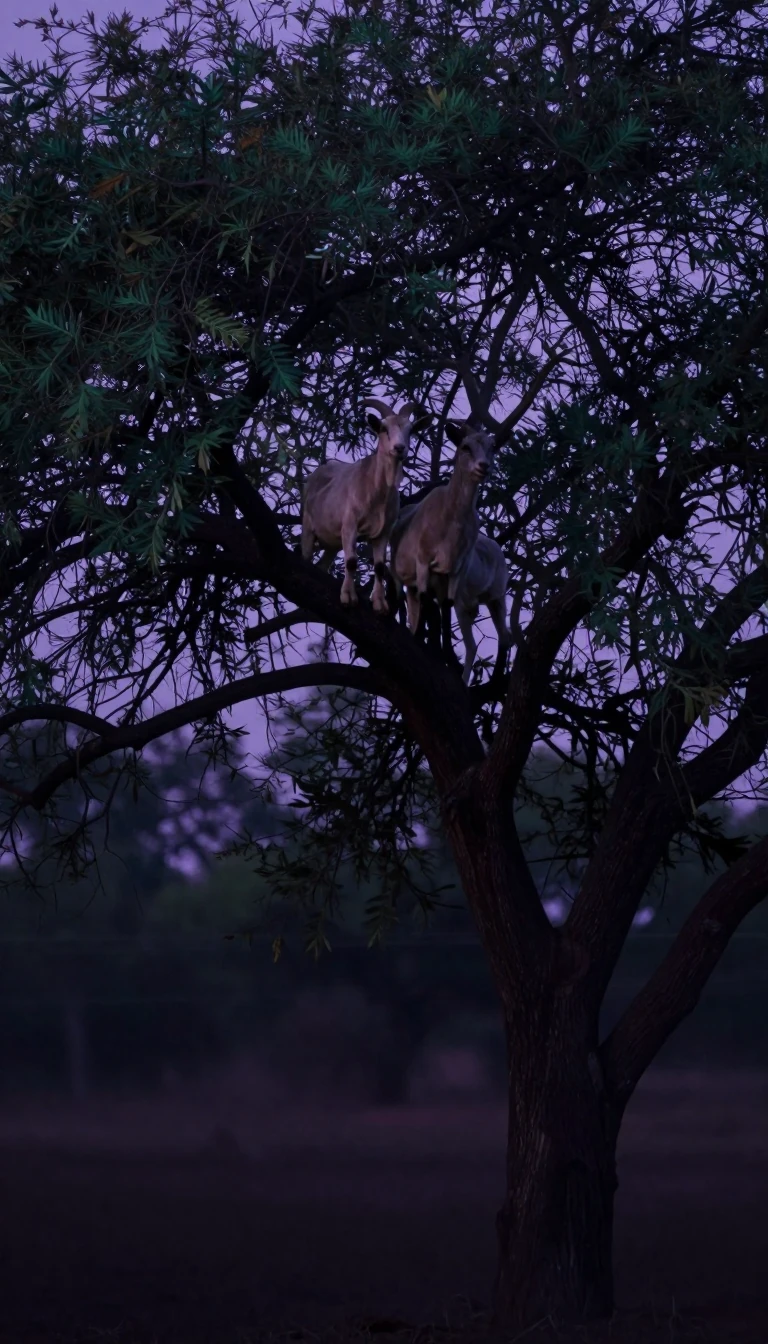 We have named 1.5 million animal species, and millions more may be waitingZoologists have formally described roughly 1.5 million kinds of animal, yet estimates suggest the true total could reach 8 million. The science of animals began with cave artists …
 We have officially run out of space for tracking all our orbiting satellites.The rapid increase in satellite launches has overwhelmed legacy tracking systems. Scott Manley explains how the industry hit a critical technical limit, forcing a rethink of how w…
 We have reached the present day in our journey through the universe's history.This episode marks a pause in the chronological exploration of the universe. John and Katie take a moment to reflect and address lingering questions before continuing their journe…
 We have yet to comprehend 95% of our entire universeIn an era of rapid discovery, we are only beginning to scratch the surface of reality. While some once claimed there was nothing left to find in physics, modern astronomy reveals …
 We have yet to confirm a single exomoon, but the hunt is intensifying.An exomoon is a natural satellite orbiting an exoplanet or other non-stellar body. While none have been officially confirmed to date, astronomers are using innovative methods—from…
 We know surprisingly little about what the Father of Medicine actually didHippocrates of Kos is credited with freeing medicine from the gods and giving it an oath doctors still recite. Yet historians agree on little beyond his birth on Kos around 460 BC…
 We know the causes of 4,000 diseases, yet we can only treat 250.Geneticist and physician Francis Collins examines the massive gap between our understanding of disease and our ability to treat it. He argues for a more systematic approach to dru…
 We live at the bottom of an ocean of air, discovered Evangelista Torricelli.In 1643, Evangelista Torricelli solved a centuries-old engineering puzzle by proving that air has weight. By filling a tube with mercury, he created the first permanent vacuum and…
 We live in a microbial world, not a planet of animalsWhile we often focus on charismatic megafauna like polar bears, the true engine of Earth is much smaller. From the deep-sea vents to our own bodies, the real story of our planet l…
 We live on a choppy sea of space, roiled by distant, violent cosmic collisions.Space is not a static void but a flexible fabric that ripples when massive objects move. While we remain oblivious to these distortions, gravitational waves—the echoes of cataclys…
 We might be early to the cosmic party, but neighbors could soon arriveThe universe is vast, yet we see only emptiness. While this silence is puzzling, we may simply be early arrivals in a cosmic timeline. However, new research suggests we are alread…
 We owe the word electricity to a lump of fossilised tree resinRub a piece of amber and it picks up chaff and scraps of fabric. The ancient Greeks called the stone elektron, and that static trick eventually gave English the words electric and…
 We possess a unique power to save our planetDavid Attenborough concludes the landmark series Blue Planet II with a call to action. This video captures a pivotal moment of reflection on our unprecedented awareness and respon…
 We travel into space because we first believed in the storyBefore the first rocket ever left the ground, spaceflight existed as a cultural product. For over three centuries, literature and storytelling provided the conceptual blueprints, …
 We were not alone: the lost world of seven other human speciesPaleoanthropologist Ella Al-Shamahi joins host Hakeem Oluseyi to discuss a time when Homo sapiens shared Earth with at least seven other human species. This conversation examines …
 Weak coordination allows for precise chemical transformations on complex moleculesResearchers have identified a strategy to perform specific chemical reactions on carbon-hydrogen bonds by using existing functional groups as guides. By leveraging weak coordinati…
 Weak hypercharge is the hidden bridge between electric charge and weak isospin forces.In the Standard Model, particles are defined by quantum numbers. Weak hypercharge is a fundamental property that links electric charge to weak isospin. Introduced by Sheldon Glash…
- Weapon-based combat meets 18th-century Japan in this classic fighting seriesReleased in 1993 by SNK, Samurai Shodown broke the mold for fighting games. Instead of punches and kicks, it focuses on the art of the blade. Set during Japan's seclusion period, …
 Wearable activity trackers can increase daily steps and improve body compositionAn umbrella review of 39 meta-analyses involving 163,992 participants found that wearable activity trackers can effectively increase physical activity. The analysis suggested that…
 Wearable sensors and connected platforms aim to reshape workplace safetyA review of commercial workplace technologies found that wearable devices and connected-worker platforms are increasingly used to track occupational hazards, injuries, and illness…
 Wearable sensors and machine learning offer new paths for detecting mental stressA comprehensive review of existing research found that wearable sensors, such as those measuring ECG and EEG, combined with machine learning, can be used for the continuous, real-…
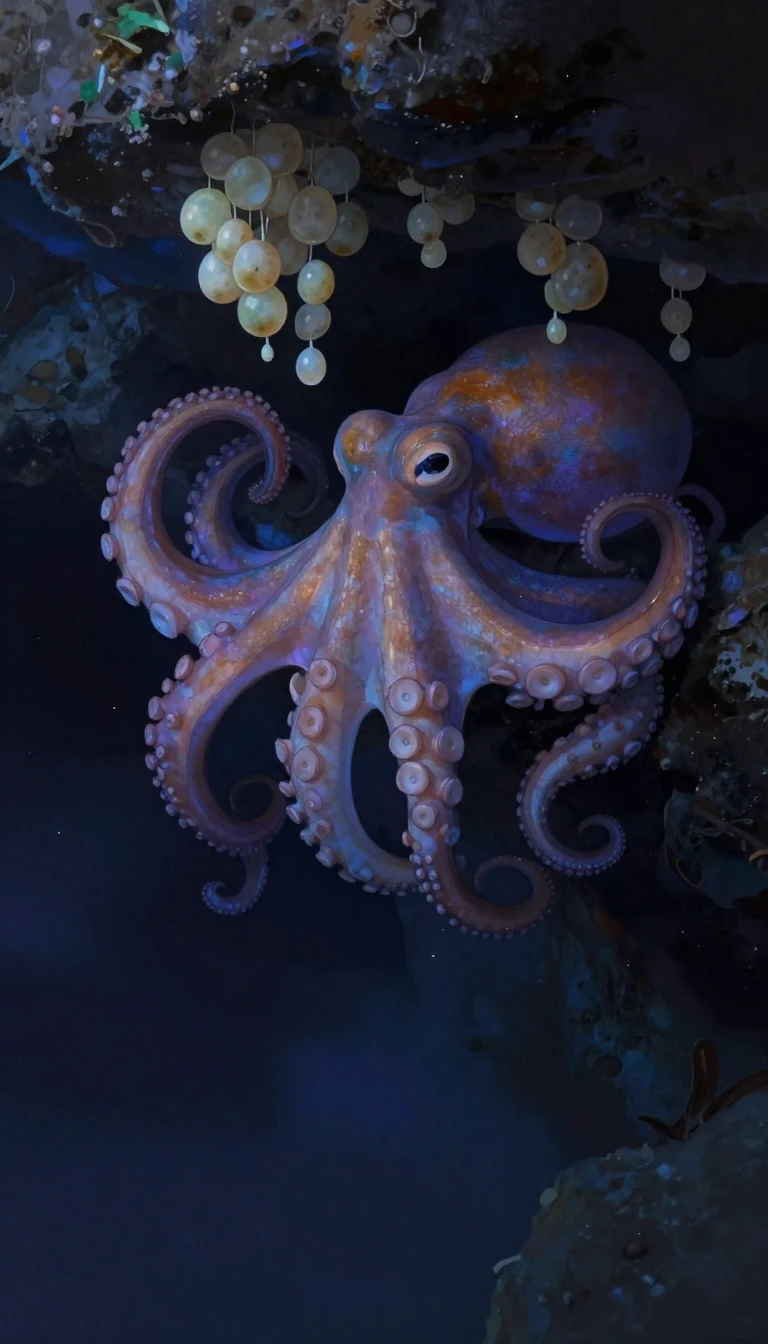 Wearing your skeleton outside means you have to crawl out of itA crab or insect cannot simply grow bigger. Its skeleton is a rigid outer case, so to grow it must build a soft new one underneath, split the old one and climb out, then pump itse…
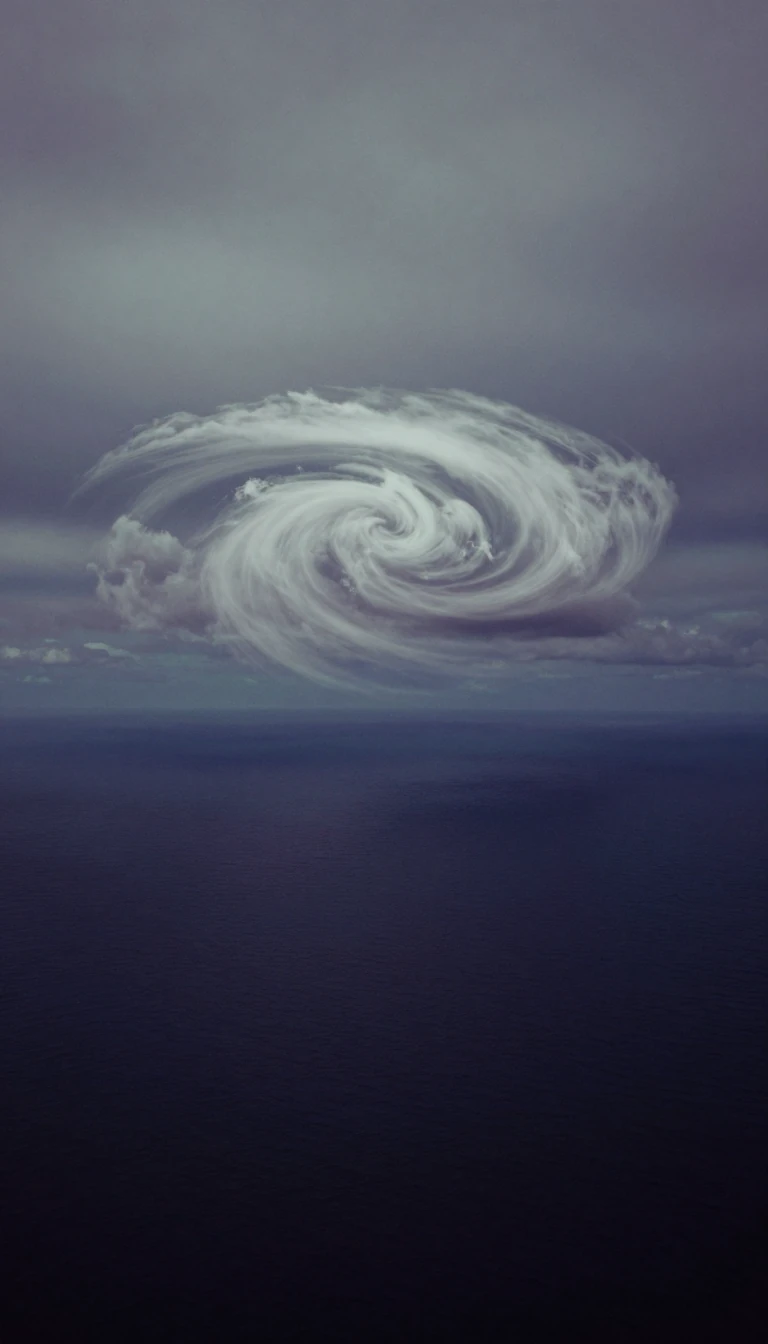 Weather forecasters label giant blobs of air with a three-letter codeA blast of summer heat from the American desert is cT; a frigid slab from northern Siberia in winter is cA. Meteorologists sort air masses, bodies of air spanning hundreds or thou…
 Weather Report redefined jazz fusion by abandoning traditional soloist roles for collective, textured improvisation.Active from 1970 to 1986, Weather Report evolved from an avant-garde collective into a groove-oriented powerhouse. By rejecting the standard soloist-accompaniment model, the band …
- Weaver ants use their own larvae as living shuttles to sew waterproof tree nests.These arboreal architects do not just build homes; they manufacture them using a sophisticated biological assembly line. By holding larvae like sewing needles, weaver ants extrude…
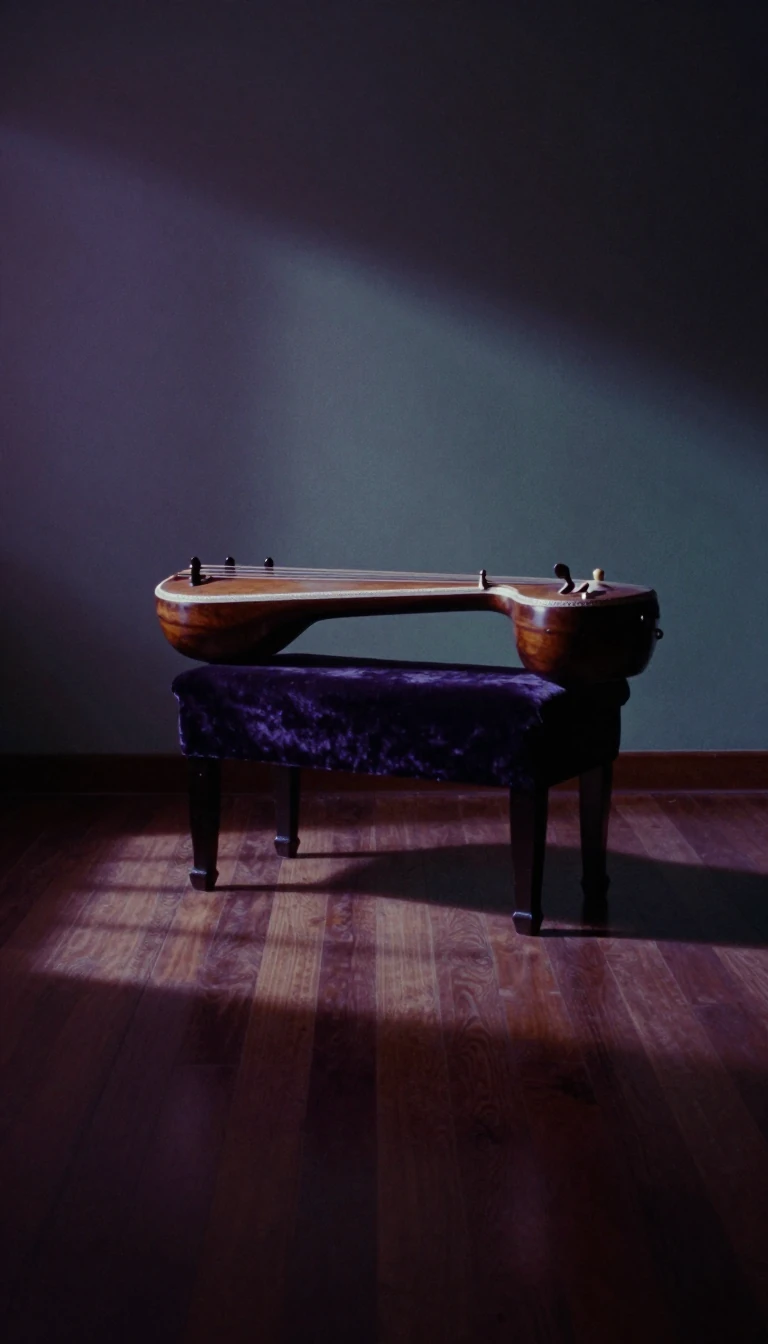 Weaver-saint whose verses entered the Guru Granth SahibKabir, a fifteenth-century Indian mystic poet, needled hollow ritual in Hinduism and Islam alike, yet Hindus and Muslims both claimed him at death. His lines live in Sikh scriptur…
 Weaverbirds sew grass into nests and flash seasonal reds and yellowsPloceidae are small passerines—weavers, bishops, and kin—named for intricately woven vegetation nests. Carl Jakob Sundevall coined the family (as Ploceïdes) in 1836. Phylogenetics…
 Weaving Country: How Artist Cassie Leatham Fisher-Patterson Designs Sustainable Clothing From Native PlantsMeet Cassie Leatham Fisher-Patterson, a multidisciplinary artist from the Taungurung and Dja Dja Wurrung people, who transforms native materials into wearable art. Discover how he…
 Web mapping has democratized cartography, moving it from elite institutions to your browser.For decades, mapmaking was a gatekept industry requiring expensive hardware and specialized engineers. Today, web mapping has shattered those barriers, allowing anyone to serve, c…
 Web syndication is the quiet engine powering the internet's vast, interconnected content ecosystem.Web syndication allows content to travel from one site to many, acting as a free or low-cost marketing tool. By distributing headlines, feeds, and full articles across the web, pu…