 Intellect Plus
Cards starting with W
29,907 cards. Page 94 of 499.
 Wessex novelist who insisted he was mainly a poetThomas Hardy (1840–1928), Victorian realist after George Eliot and touched by Wordsworthian Romanticism, scorned much Victorian social hypocrisy. Famous for novels such as Far fro…
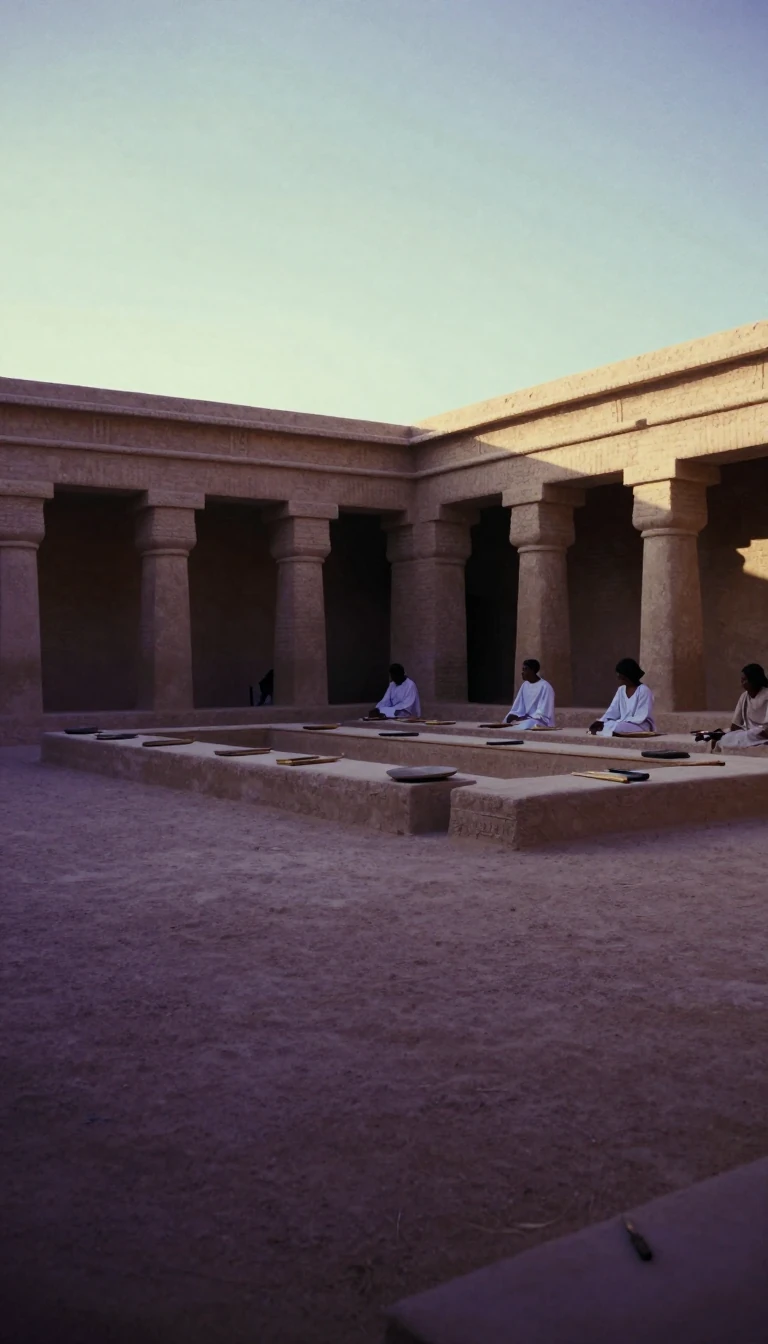 West Africa's griots carry centuries of history in memory and songIn much of West Africa, history was not shelved in libraries but carried in people. Griots, hereditary singers, poets and storytellers, memorise family lines, battles and the deed…
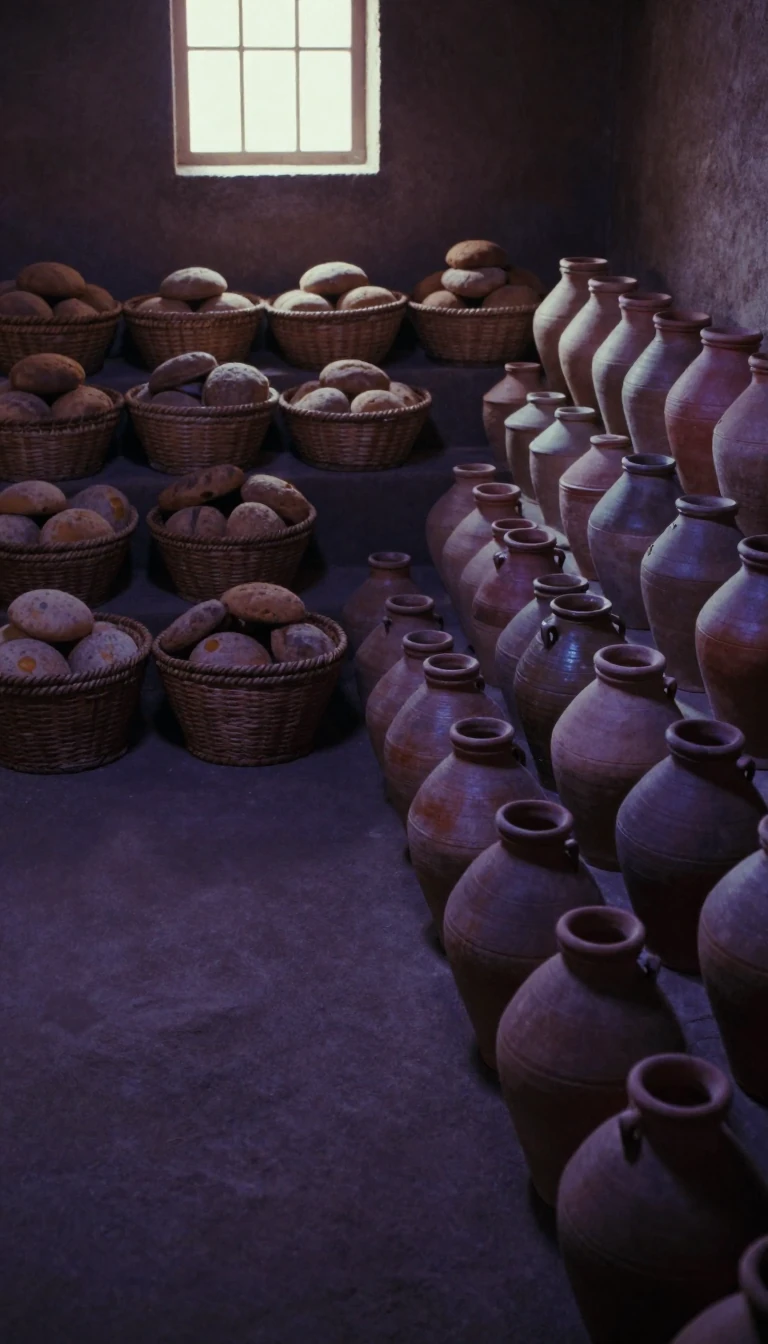 West Africa’s ancient history reveals a sophisticated cradle of independent urban and technological innovationLong before colonial borders were drawn, West Africa was a hub of complex societies. From the early iron-smelting furnaces of Nigeria to the sprawling, egalitarian urban centers o…
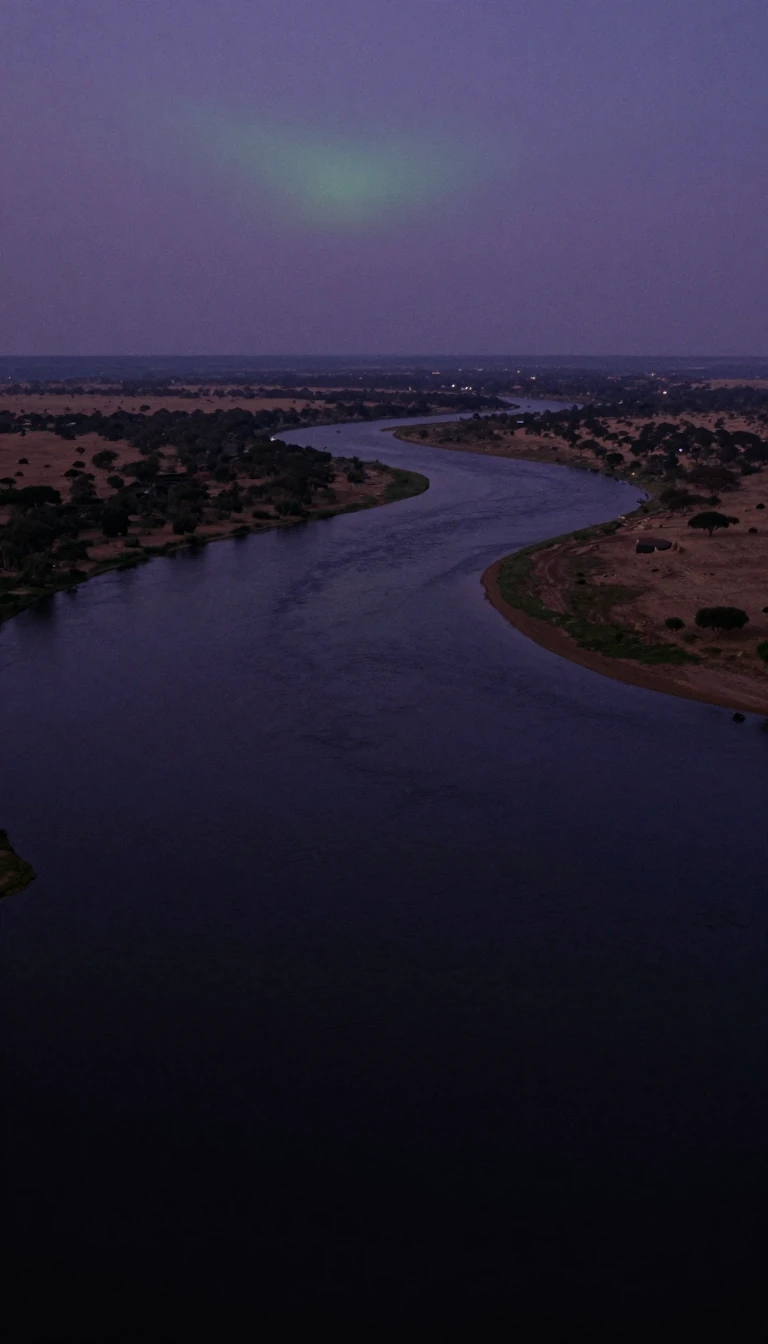 West Africa’s great crescent was a puzzle for centuriesThe Niger River sweeps about 4,180 kilometres through West Africa, draining some 2,117,700 square kilometres from the Guinea Highlands near Sierra Leone through Mali and Niger to …
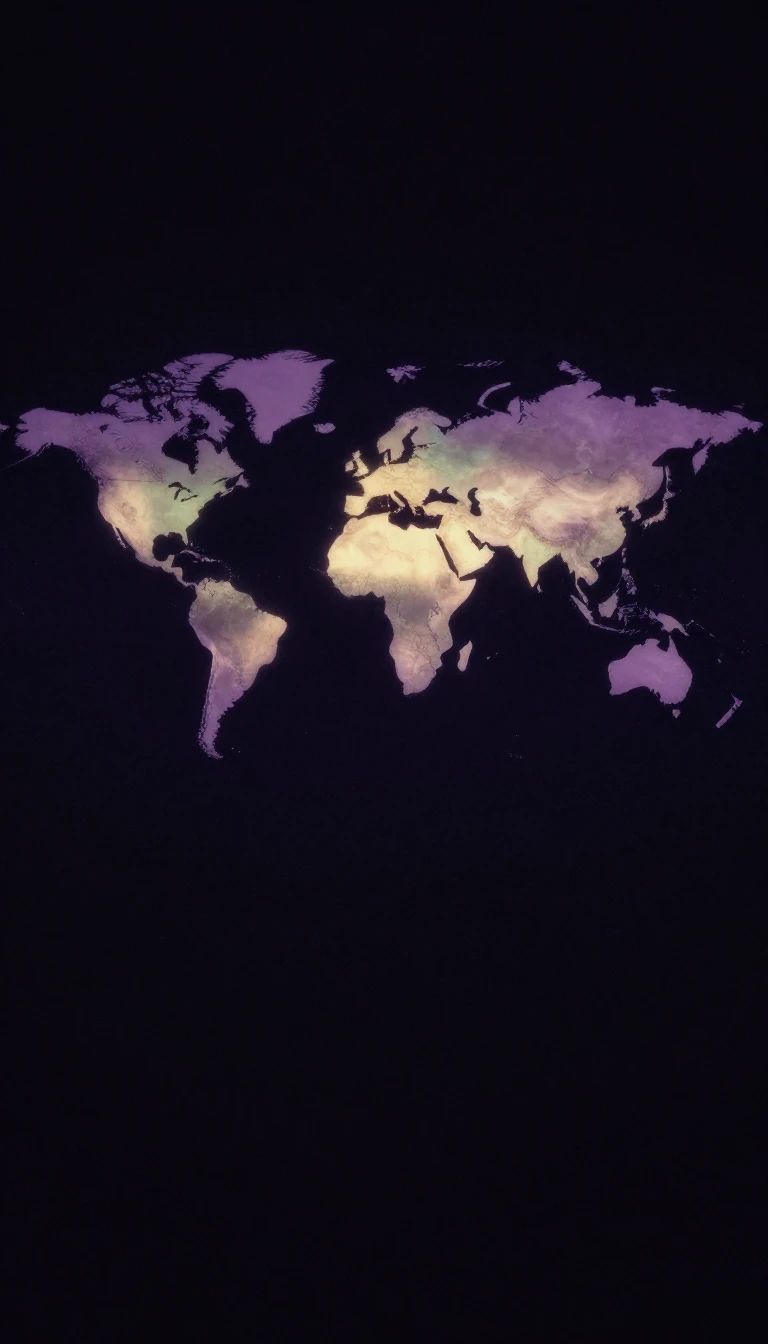 West Asia’s borders shift with every agency’s map keyWest Asia—also Western or Southwest Asia—typically covers Anatolia, Arabia, Iran, Mesopotamia, the Armenian highlands, the Levant, and Sinai, about 5.99 million square kilometres …
 West Asia’s longest river still feeds Mesopotamia’s nameAt about 2,780 kilometres the Euphrates is West Asia’s longest river and Asia’s fifteenth longest, draining some 440,000 square kilometres across six countries. Paired with the Ti…
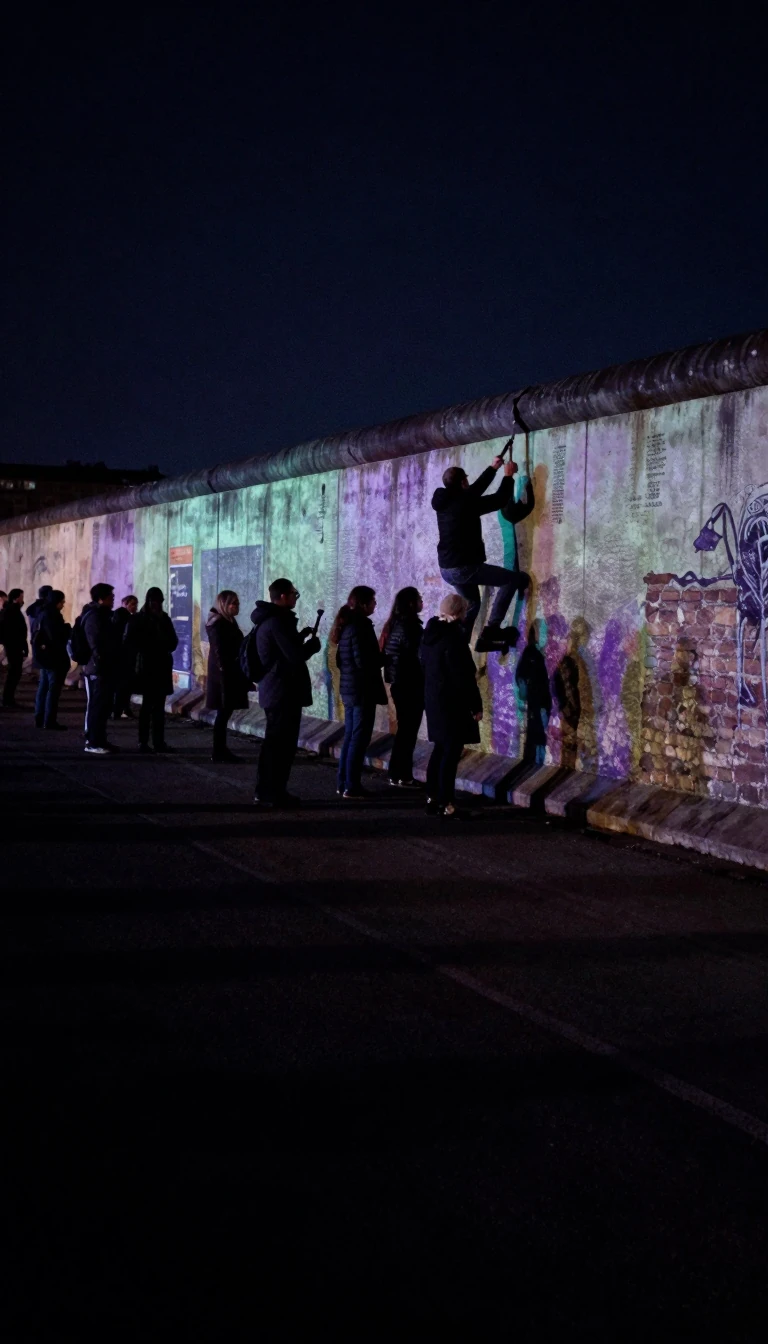 West Berlin was a Cold War island of freedom, legally trapped in limbo.For over four decades, West Berlin existed as a political anomaly: a wealthy, cosmopolitan showcase of the West, physically isolated deep within East German territory. Though it f…
 West Flanders: The Belgian province that bridges the North Sea and the battlefieldAs the only Belgian province with a coastline, West Flanders is a study in contrasts. It balances the historic charm of Bruges and bustling North Sea ports against the somber lega…
 West Hollywood: A dense urban enclave forged from defiance and unique cultural historyIncorporated in 1984 to protect rent control, West Hollywood stands as a distinct city surrounded by Los Angeles. From its origins as a railroad hub and a haven for those avoiding…
 West Point was America's only engineering school until 1824Founded to train army officers, West Point was for two decades the only place in the United States to study engineering. Its graduates laid out much of the young nation's first ra…
 West Side Story began as a Jewish-Catholic Romeo rewriteBefore Puerto Rican Sharks faced Polish-Irish Jets on Manhattan's Upper West Side, Jerome Robbins imagined East Side Story: Catholic Jets versus Jewish Emeralds around Easter and …
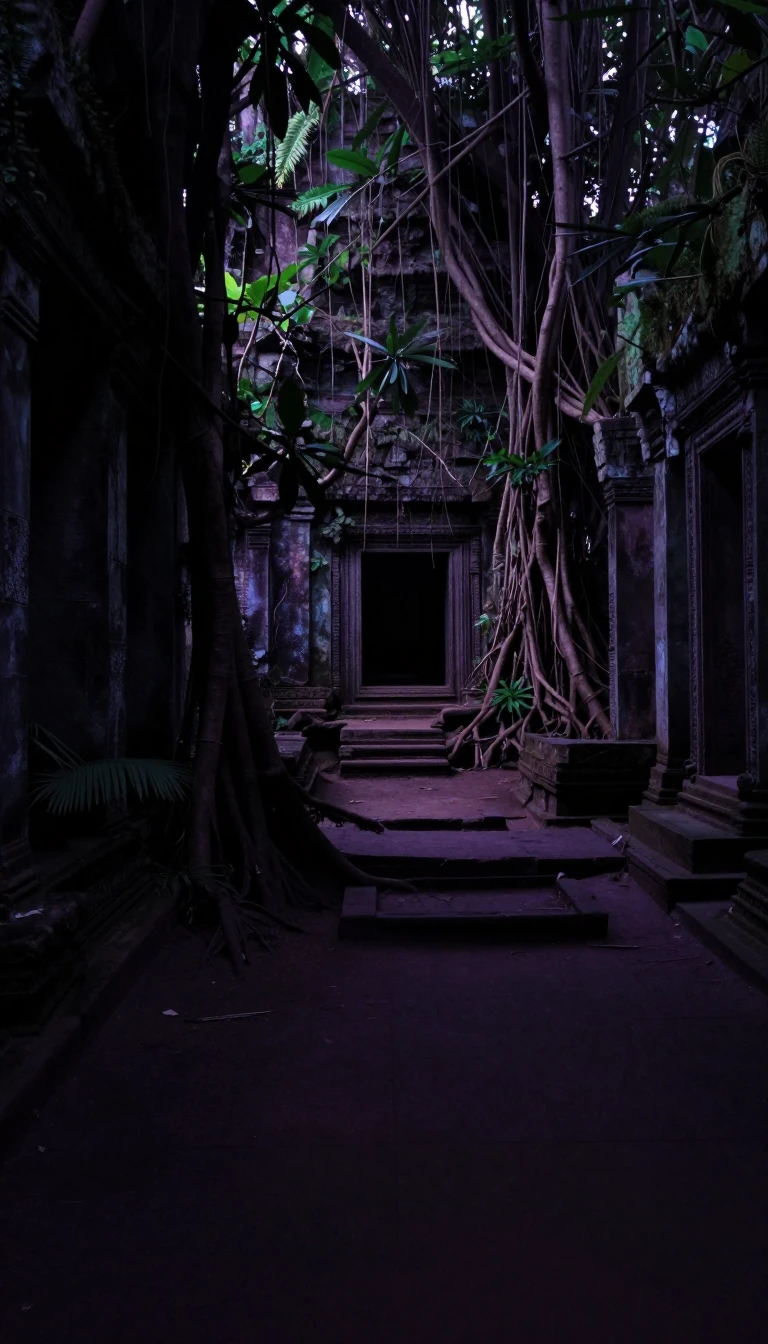 West Sulawesi is a biological crossroads where ancient mountains meet the Makassar StraitLocated on the western coast of Celebes, West Sulawesi is a rugged province defined by its mountainous interior and unique biodiversity. As part of the Wallacea transition zone, i…
 Westchester County grew from 24,000 people to a million as a pioneer suburbWhen the first federal census counted Westchester County in 1790, about 24,000 people lived there. Railroads, an aqueduct and North America's first modern multi-lane parkway turne…
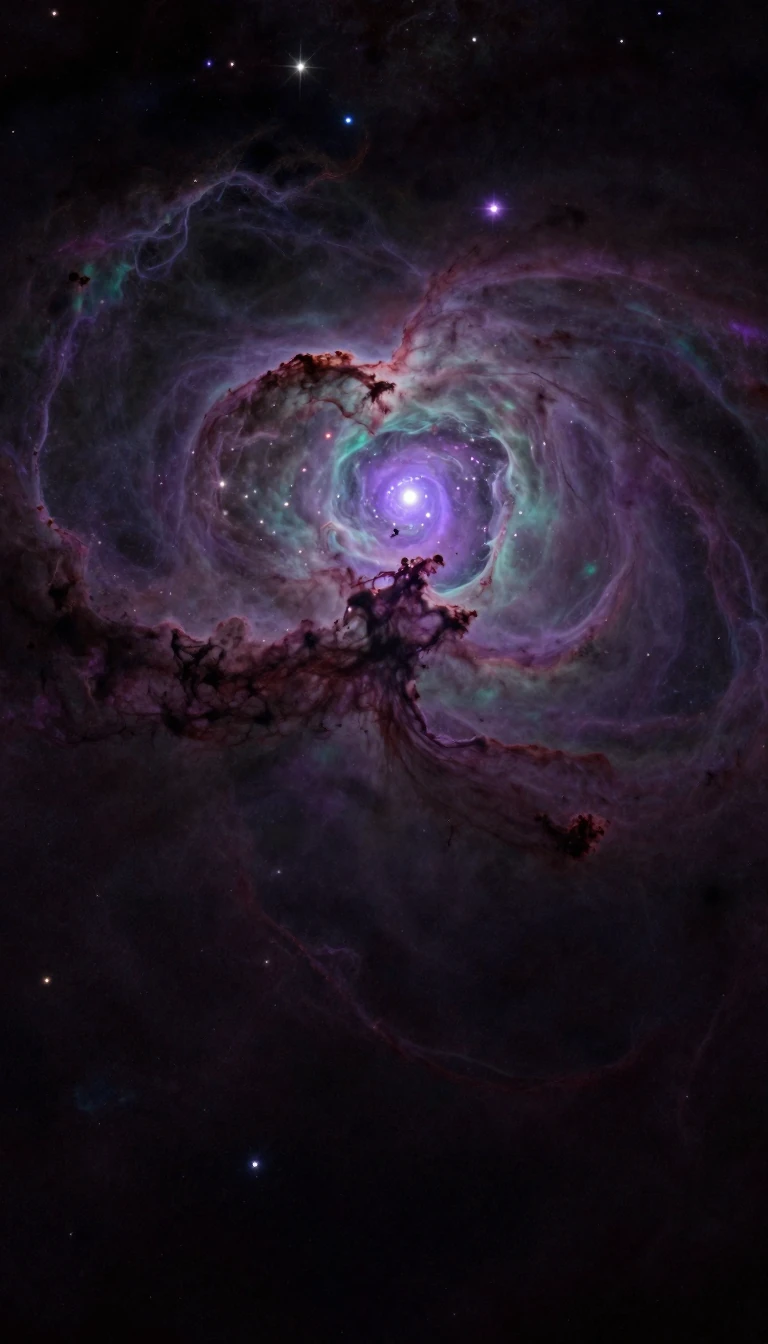 Westerlund 1 is a galactic factory, offering a window into our galaxy's ancient past.Most stars in the Milky Way formed billions of years ago in massive, dense environments known as super star clusters. Today, these structures are rare, but Westerlund 1—the larges…
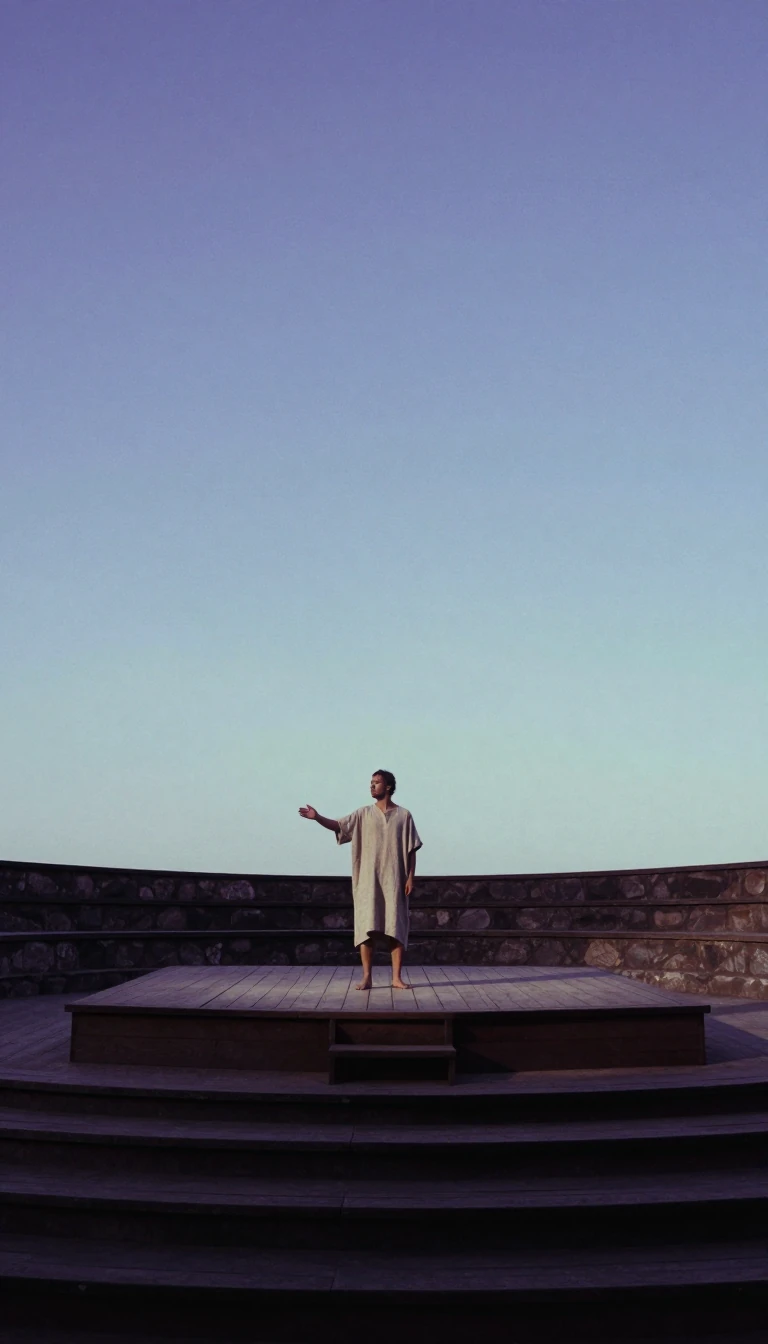 Western acting lore starts when Thespis left the chorusAristotle later claimed a sixth-century Athenian named Thespis stepped out of the dithyrambic chorus and spoke as a character—turning narration into enactment. From his name comes…
 Western Australia holds a quarter of the world's carnivorous plant speciesIn one of the most nutrient-poor environments on Earth, plants evolved a predatory edge to survive. Western Australia’s ancient soils have fostered an incredible diversity of carn…
 Western concepts of sex and gender are historical constructs rather than biological certaintiesHistorians Thomas Laqueur and Amussen explore how Western views on human anatomy and gender have shifted dramatically over two millennia. They trace the evolution of sexual unders…
 Western Europe began as Rome’s Latin half versus the EastWestern Europe’s borders change with every context, but the idea of “the West” first opposed “the East” inside the ancient Mediterranean—the Latin West of Rome and later Western C…
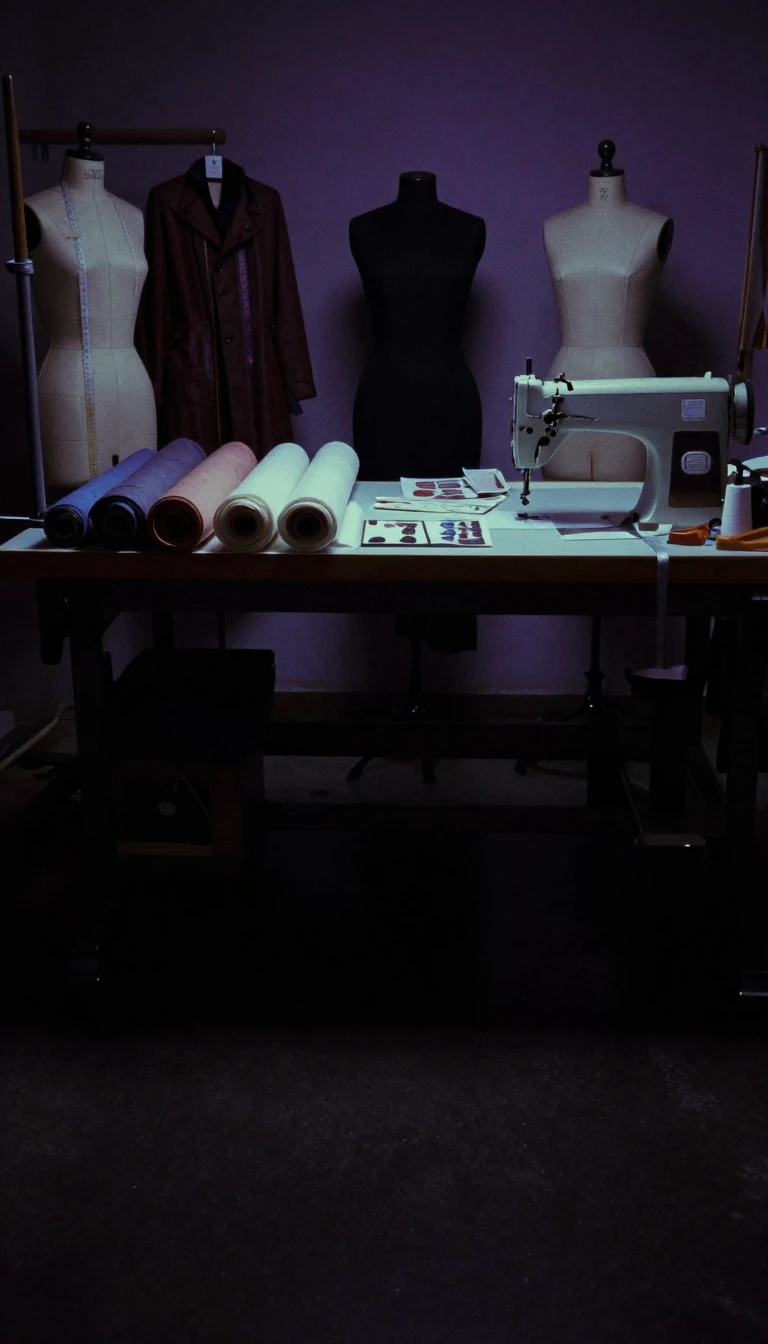 Western fashion’s accelerating style clock began mid-14th centuryJames Laver and Fernand Braudel are among historians who place the birth of Western clothing fashion around the mid-1300s. Men’s outer layers suddenly shrank from mid-calf coverag…
 Western gorillas snack on caffeine-laced nuts and throw sticks at intrudersWestern gorillas eat kola fruits and seeds that offer little protein but plenty of caffeine, and in Gabon some chew a shrub containing a hallucinogen. They usually flee from peopl…
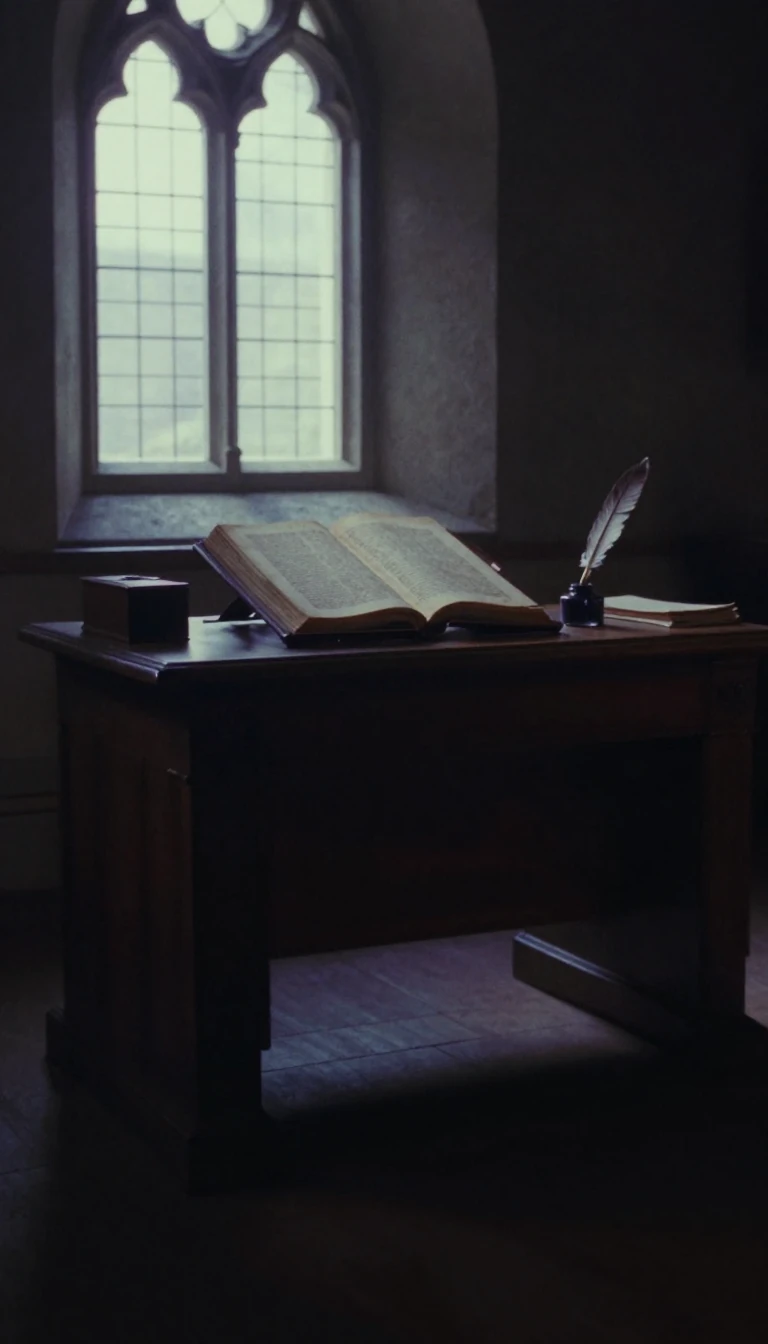 Western literature is a shared heritage rooted in ancient Greece and Rome's enduring influence.Western literature is not just a collection of books; it is a unified tradition spanning Indo-European languages from antiquity to today. While diverse, these works share a common…
 Western New York was once a battleground for empires and the heart of industrial America.Beyond its famous lake-effect snows and Niagara Falls, Western New York is a region defined by shifting borders, boomtown growth, and the remnants of a massive industrial past. Fr…
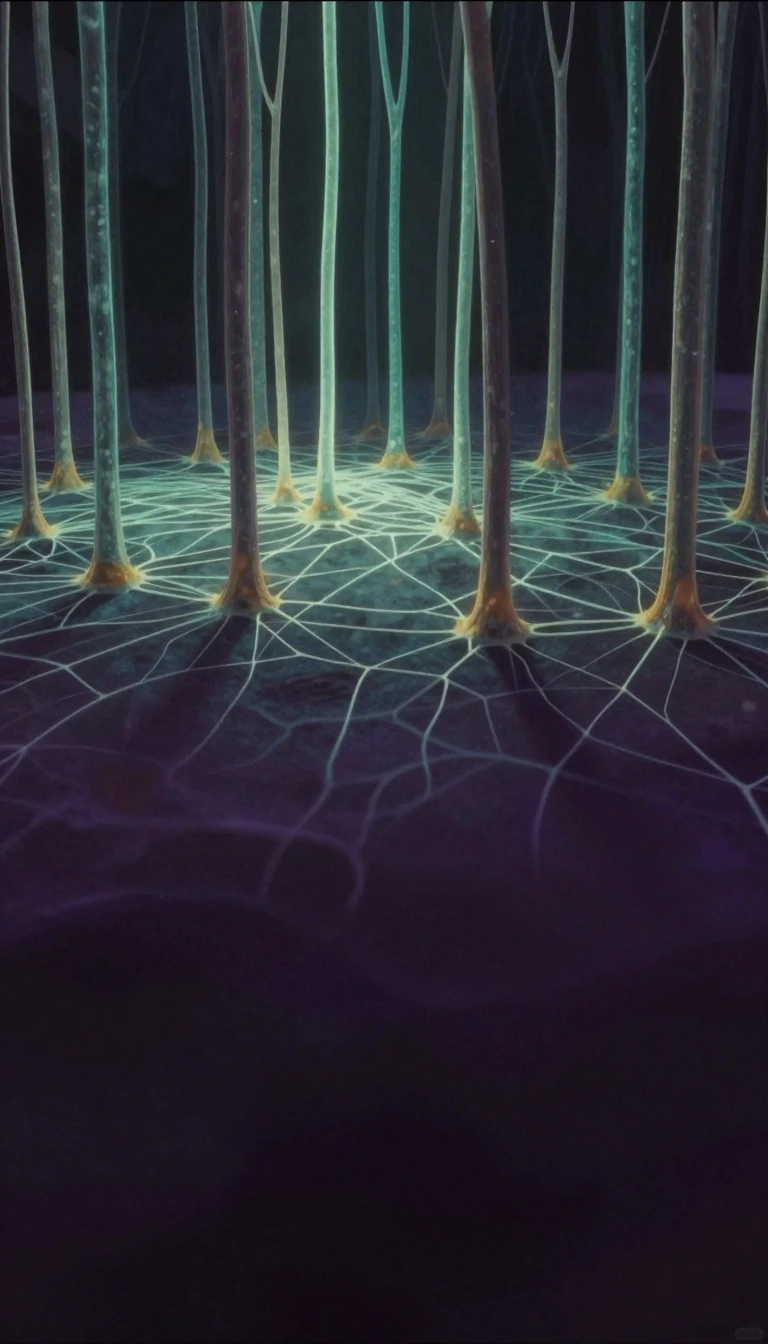 Western philosophy began when one man declared that everything is waterThales of Miletus was wrong about water, but he reached his answer by observing and reasoning rather than repeating myths. That shift from story to argument launched Western philo…
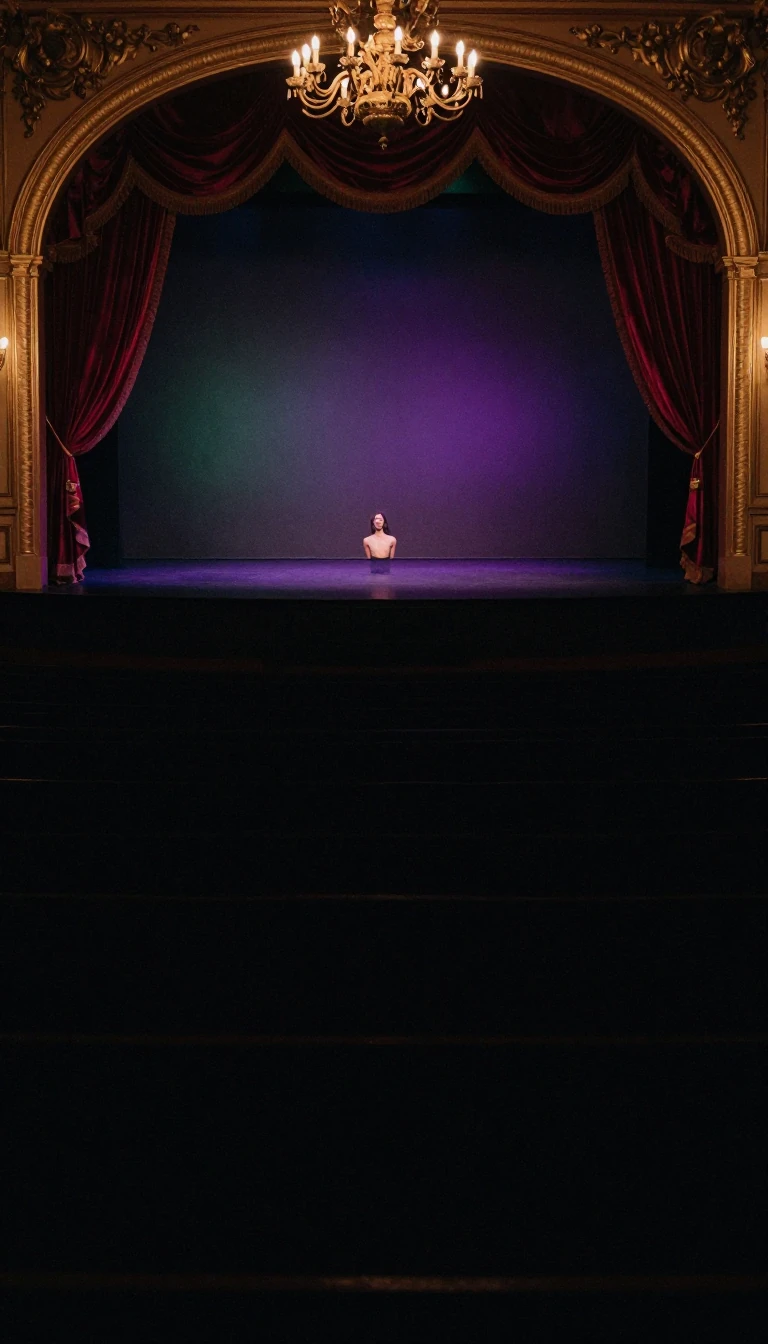 Western stages still frame plays like Renaissance picturesMost Western theatres hide three sides of the playing space behind a proscenium arch—the “picture frame” inherited from Italian Renaissance courts. Wings, teasers, fly lofts, apro…
- Western theatre still speaks a Greek invented wordTheatre history is usually traced about 2,500 years, with Athenian drama as the root of the Western tradition—the word itself is Greek. Ritual shares costumes, masks, and pleasure…
 Western Visayas is a region defined by shifting borders and a rich linguistic tapestry.Comprising the islands of Panay and Guimaras, Western Visayas is a vibrant Philippine region known for its world-famous beaches, colonial heritage, and diverse local languages. Ye…
 Westfield, New Jersey: A Colonial Settlement Transformed into a Wealthy Metropolitan Bedroom CommunitySettled in 1699, this Union County town evolved from the western fields of Elizabeth into a high-income hub. Today, it serves as a bustling, affluent suburb of New York City, blen…
- Westinghouse won the war of currents Edison startedA Civil War veteran patented 360 inventions and founded 61 companies across Pittsburgh industry. His compressed-air train brakes saved thousands of lives, then he bet on alternati…
 Westphalia did not invent sovereignty the way textbooks claimIn October 1648, two treaties signed in Münster and Osnabrück closed the Thirty Years' War, a catastrophe that had killed an estimated 4.5 to 8 million people. Later theorists cro…
 Westphalia: The region that gave its name to modern nation-state sovereigntyBeyond its identity as a German cultural region, Westphalia is synonymous with the 1648 peace treaties that ended the Thirty Years' War. These agreements established the concept o…
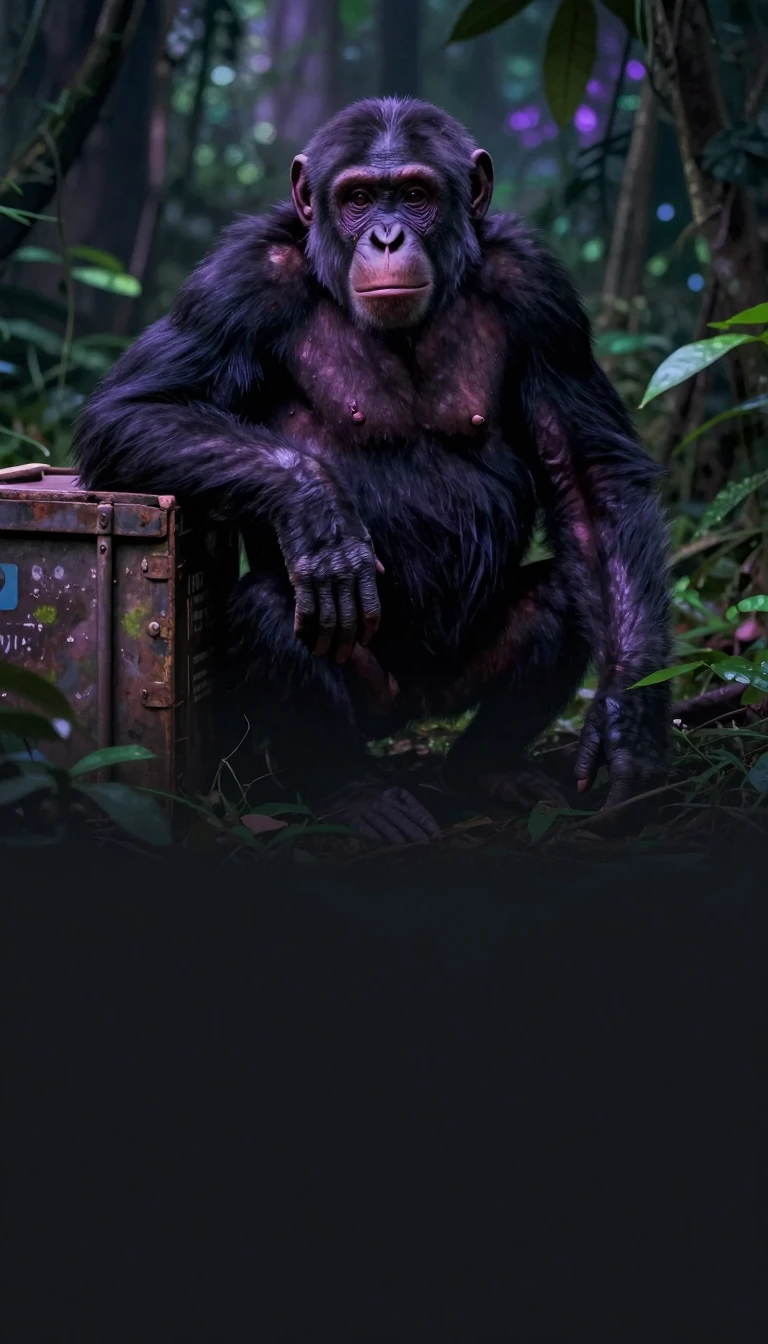 Wet-nosed primates make their own vitamin C, unlike monkeys and humansLemurs, lorises and bushbabies can manufacture vitamin C inside their bodies, a talent their monkey and ape cousins, humans included, lost long ago. These wet-nosed primates, the …
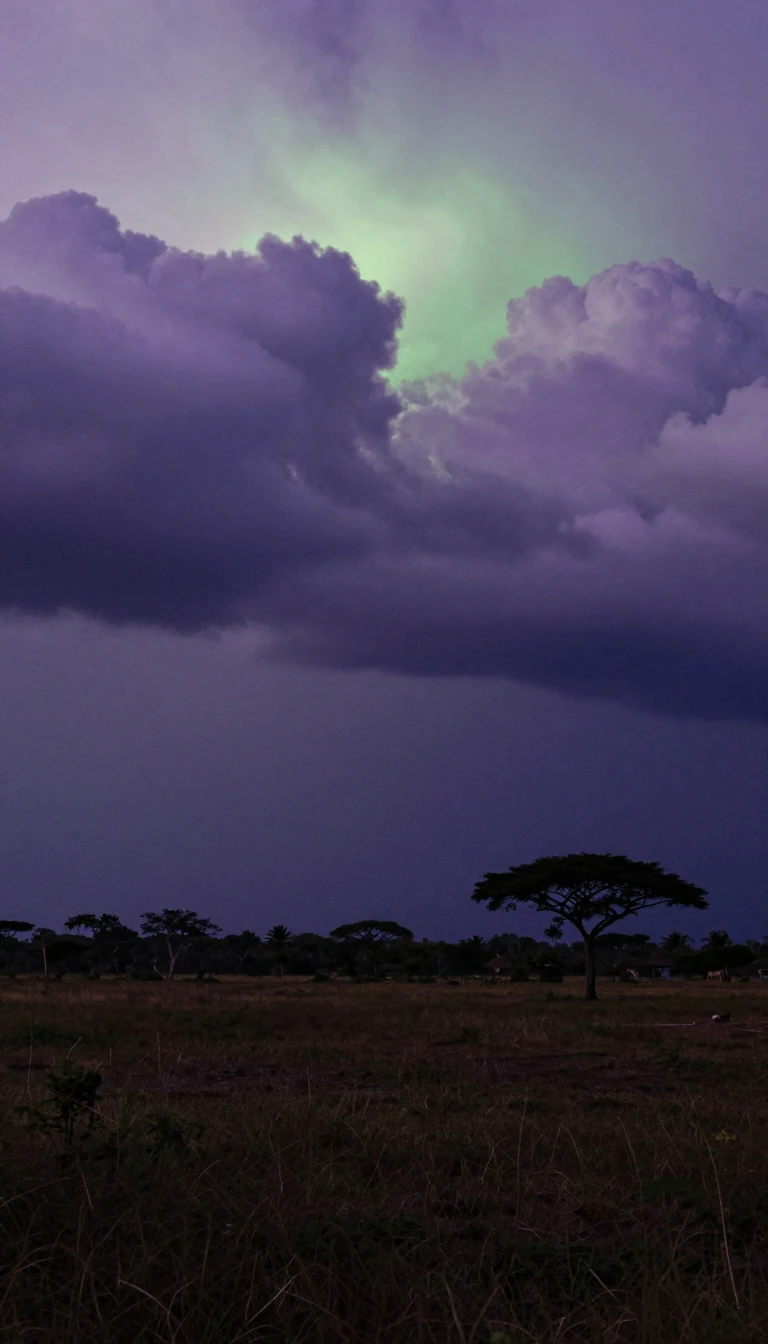 Wetlands are the most threatened ecosystems on Earth, and among the richestSwamps and marshes were long seen as wasteland to drain. In fact they filter water, soften storms, store carbon and teem with life. A 2005 global assessment found wetlands under m…
 Wetumpka, Alabama, once a booming cotton port, owes its name to rumbling river rapids.Derived from the Muscogee Creek phrase for rumbling waters, Wetumpka sits at the Coosa River's fall line. Once a thriving 19th-century agricultural hub that nearly became Alabama'…
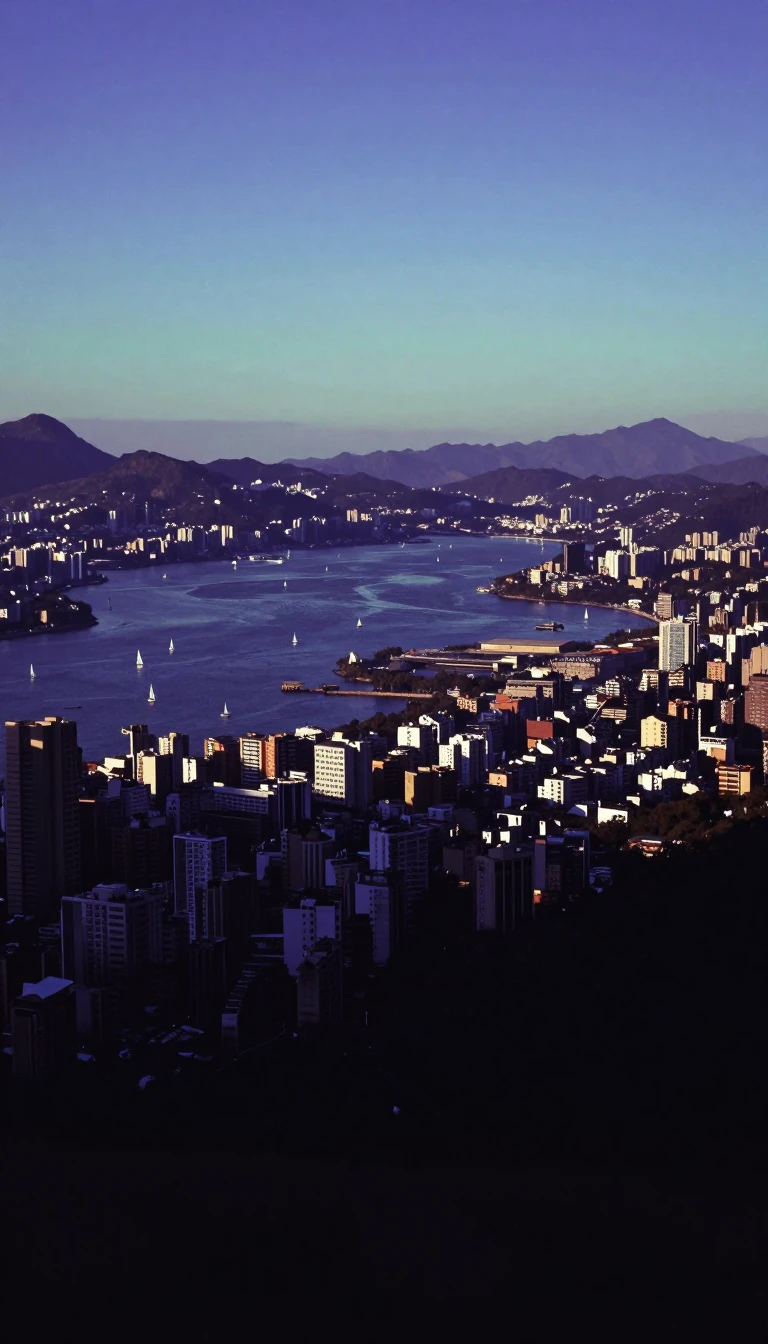 Whakaari is a massive submarine volcano with only its peak visible above the sea.While tourists once visited this rugged island, Whakaari is actually the emergent summit of a colossal 16 by 18 kilometer submarine volcano. Most of its structure remains hidden b…
 Whakairo: How Māori Carving Evolved from Tribal Identity to a Global RenaissanceWhakairo is the traditional Māori art of carving wood, stone, and bone. More than mere decoration, these intricate designs serve as vital vessels for tribal history and ancestral …
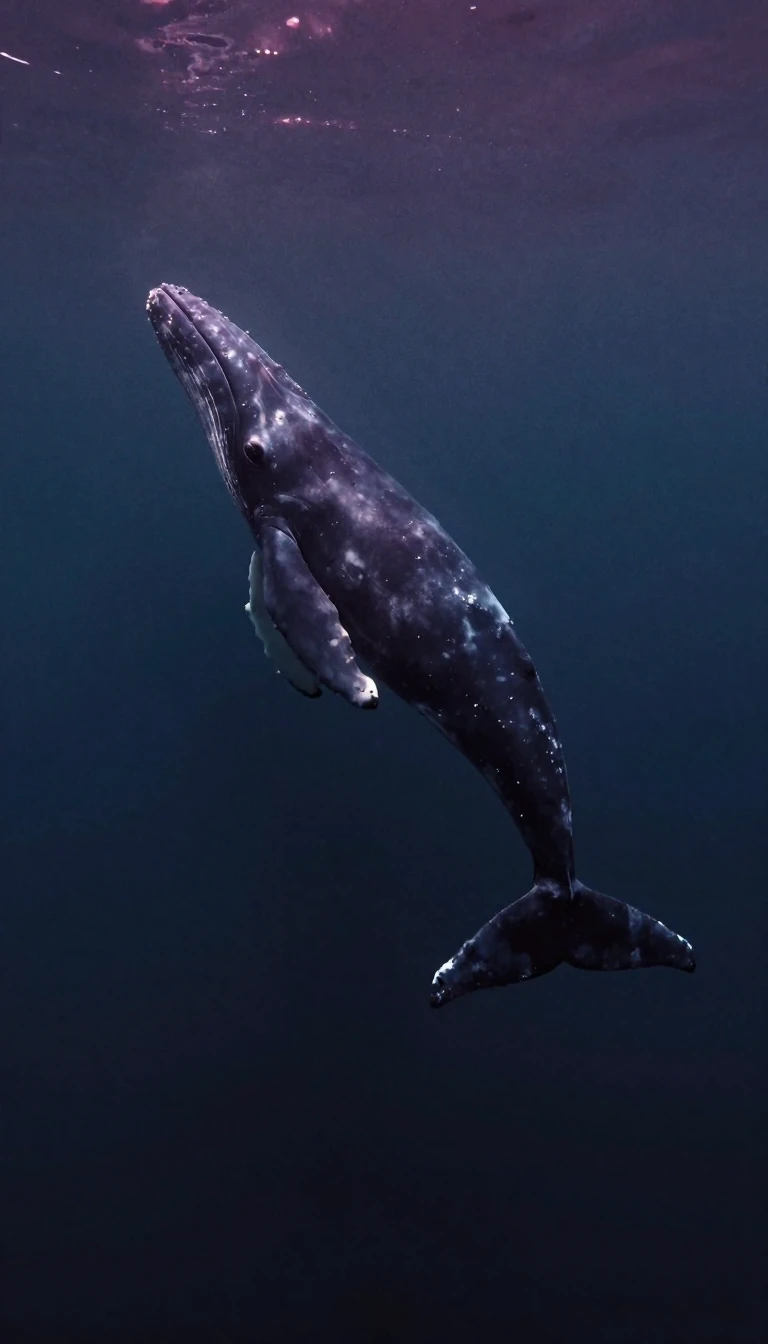 Whale calves arrive tail first so they don't drown during birthWhales, dolphins and porpoises usually give birth tail first, which lowers the risk of the calf drowning before it is fully out; the mother then nudges it up to breathe. Across th…
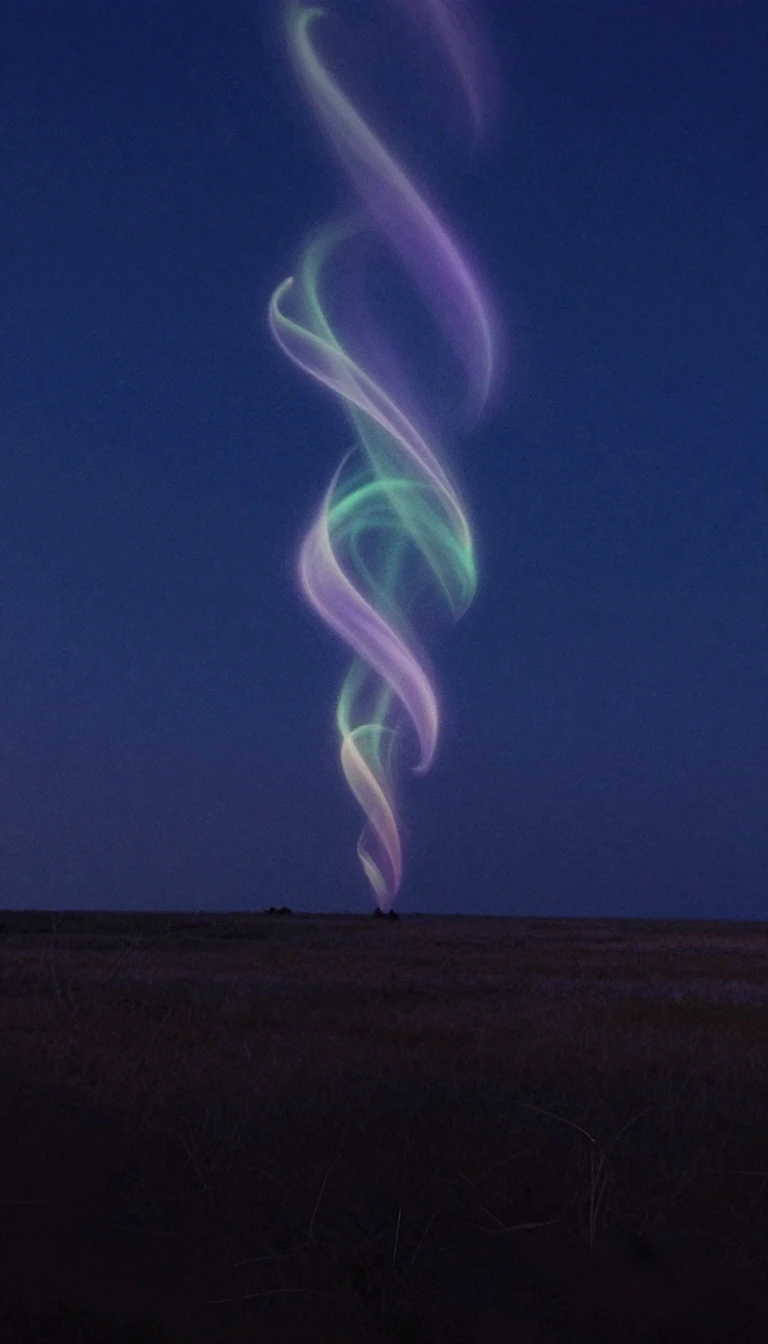 Whale song and microwave ovens both rely on waveguidesA layer of ocean called the SOFAR channel traps sound so well that whale calls can travel enormous distances through it. Engineers build the same kind of trap on purpose. A wavegu…
 Whalebone is not bone at all, but the stuff of fingernailsSome whales feed through a curtain of plates hanging from the upper jaw, each up to 3.5 metres long and fringed with bristles. People called it whalebone, but it is keratin, the s…
 Whales abandoned essential biological tools when they returned to the ocean millions of years ago.When cetacean ancestors transitioned back to marine life, they shed specific genetic functions that seem vital for survival. This video explores the evolutionary trade-offs whales…
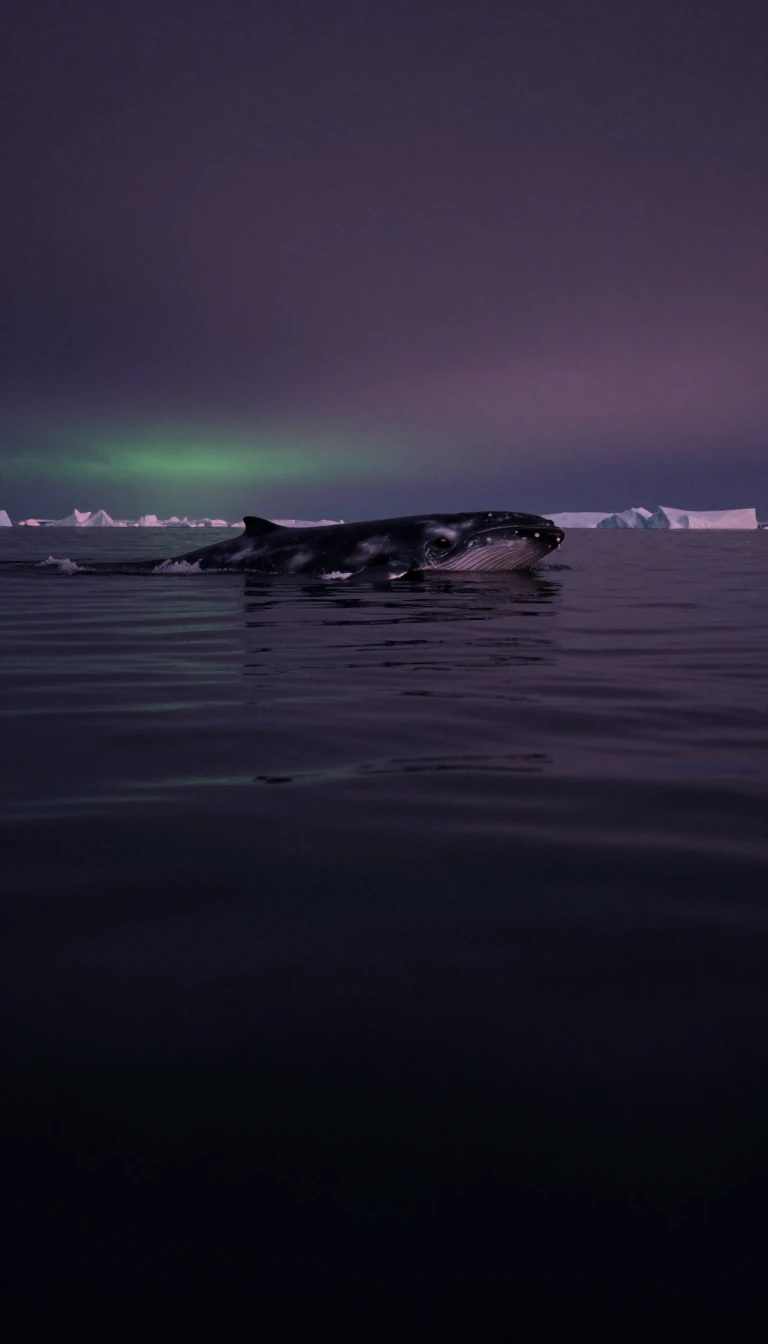 Whales are artiodactyls that traded legs for flukesCetaceans—whales, dolphins, porpoises—are secondarily aquatic mammals nested among even-toed ungulates. Roughly ninety living species split into about seventy-five toothed odontoc…
- Whales are not fish, but land-dwelling mammals that returned to the seaWhales, dolphins, and porpoises are descendants of terrestrial mammals that transitioned to the ocean during the Eocene. While once thought to be related to extinct wolf-like carn…
- Whales live entire lives at sea—from birth to sucklingAs a colloquial label, whales cover the larger fully aquatic placental mammals of Cetacea. They feed, mate, calve, and nurse offshore. Size spans roughly 2.6 m and 135 kg dwarfs u…
 Whales were once land-dwelling creatures that could walk on solid groundWhales are iconic marine giants, yet their evolutionary history includes a surprising terrestrial phase. This video explores the transition of these massive mammals from land to s…
- Whaling fuelled industry for centuries, and the oceans still carry its carbon debtCarvings on the Bangudae rocks in Korea, possibly from 6000 BC, appear to show people hunting small whales. The first records of a true commercial trade come much later, from the …
- Whangārei: A New Zealand city named for ancient legends and strategic ambushAs the northernmost city in New Zealand, Whangārei is a hub of maritime history and volcanic geography. Its name remains a subject of debate, with traditions linking it to migrato…
 What 13 million lives can reveal about our shared human historyGenealogist Yaniv Erlich explores how a massive, crowdsourced family tree provides a window into the past and a roadmap for the future.
 What 16,000 global regrets reveal about the human experienceRegret is a profound but frequently misunderstood emotion. This talk explores the patterns found in a massive global study to help you decode your own past choices and reshape you…
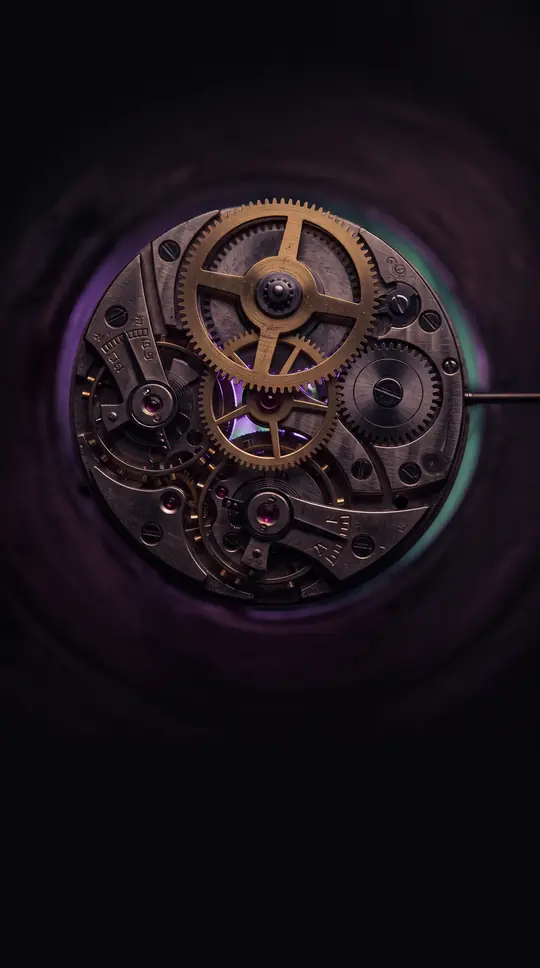 What 1940s engineering can teach us about modern appliance designExplore the hidden mechanics of vintage technology. This video examines the engineering principles behind a classic Sunbeam toaster, using its unique electromagnetic components to…
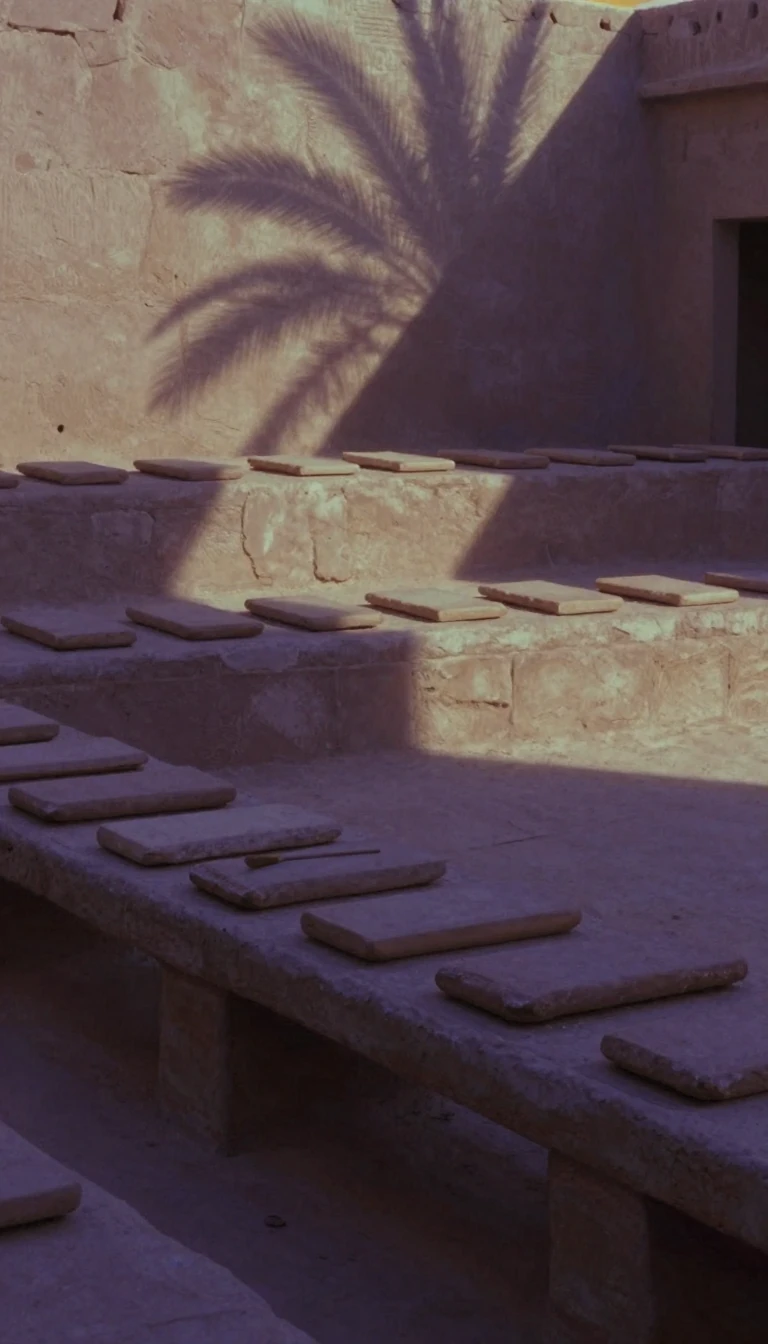 What 40,000 years of human history looks like carved into Azerbaijani stoneIn the semi-arid highlands of Azerbaijan, over 6,000 petroglyphs reveal the evolution of human life from the Upper Paleolithic to the Middle Ages. From ancient ritual dances and h…
 What 70 years of tracking thousands of lives reveals about happinessScientists in Britain have spent seven decades tracking thousands of children to understand the trajectory of human development. This video explores how this massive longitudinal …
 What a 14th-century explorer can teach us about modern globe-trottingIn 1325, Ibn Battuta began a journey that spanned three decades and 73,000 miles. This video explores his historic trek across the eastern hemisphere and examines what his medieva…
 What a 14th-century fresco reveals about modern American democracyLawyer and ACLU executive Anthony D. Romero explores the enduring visual metaphors of governance. By analyzing a 700-year-old Italian Renaissance fresco, he offers a profound pers…
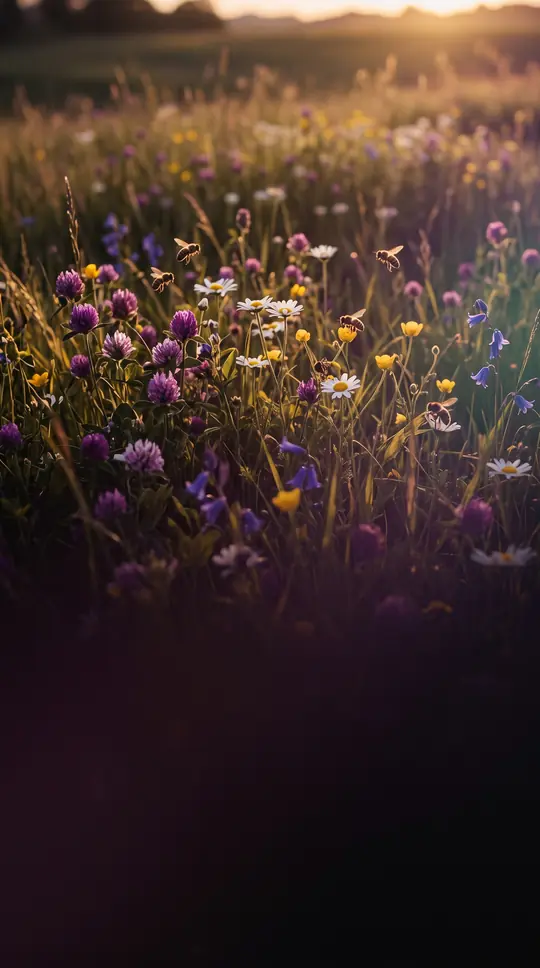 What a 1915 mail-order cookbook reveals about American home cookingExplore a century-old recipe for Michigan Hash, sourced from a community cookbook published by the Larkin Company of Buffalo, New York.
 What a 4,500-year-old Mesopotamian sculpture reveals about ancient innovationA copper-alloy vessel holder, dating back to the Sumerian era, has undergone high-powered CT scanning. This collaborative investigation between The Met and the Republic of Iraq is…
 What a country music icon can teach us about ending a storyIn this TED talk, Radiolab host Jad Abumrad shares a personal journey from a creative struggle to an unexpected moment of clarity inspired by Dolly Parton.
 What a cross-country trek through the wilderness reveals about joyAfter achieving global pop stardom, singer-songwriter Mike Posner traded the stage for a long walk across the United States. This video explores the five distinct lessons he learn…
- What a gender transition reveals about the essence of womanhoodAfter living as a pastor, father, and husband, Paula Stone Williams underwent a gender transition. This video explores her personal reflections on the everyday experiences gained …
 What a global standstill revealed about our bond with natureThe COVID-19 pandemic served as a profound experiment in human behavior and environmental impact. This lecture explores what happens when global economies pause and how indigenous…
- What a global standstill revealed about our link to natureThe COVID-19 pandemic served as a sudden, global experiment in human behavior. This lecture examines how a near-stoppage of the world's economies revealed our profound interconnec…
 What a Nobel Laureate learned while driving for UberNobel Laureate and MIT professor Josh Angrist stepped behind the wheel of an Uber to gain firsthand insight for his research. This Q&A explores the real-world economic questions h…