Was the last Plantagenet king a misunderstood ruler or a ruthless usurper of power?
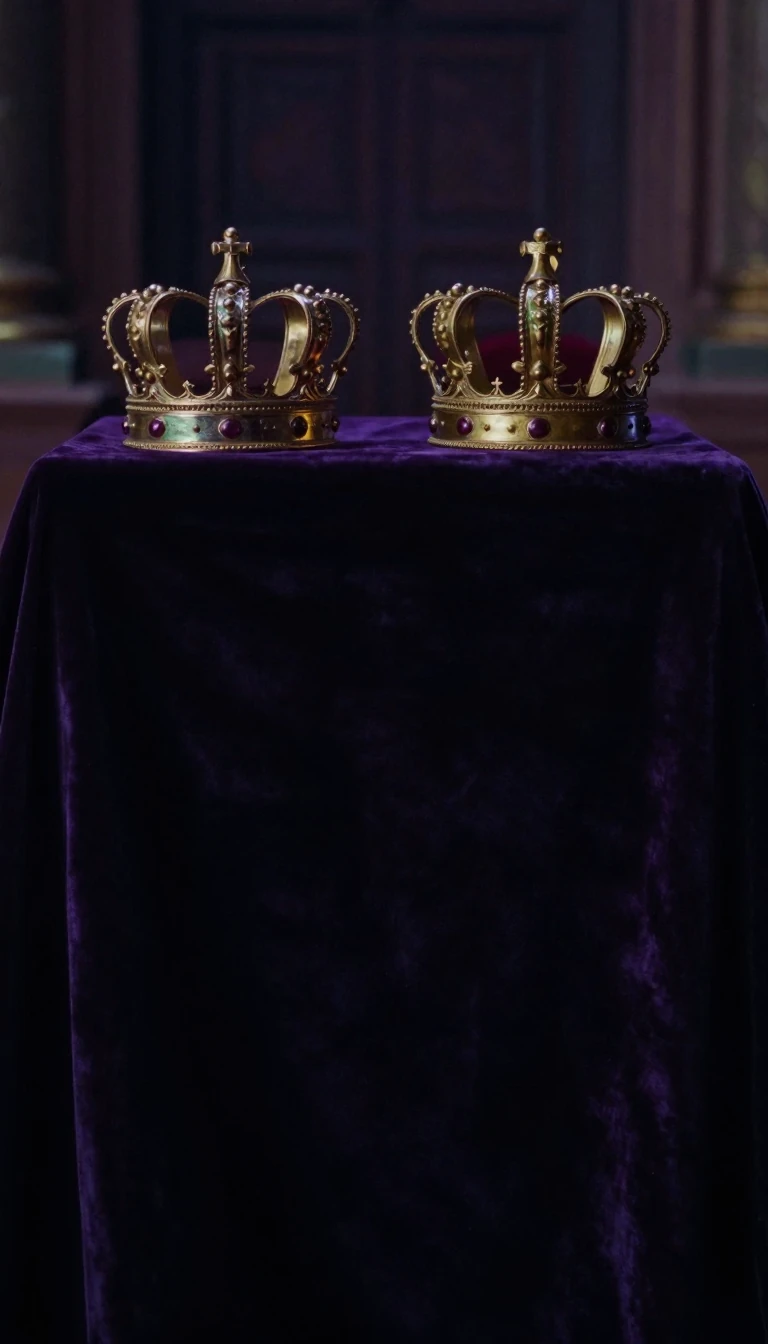
In short: Richard III, the final English monarch to die in battle, remains one of history's most polarizing figures. Long vilified as a wicked usurper, modern archaeology and archival research have begun to peel back centuries of bias, revealing a complex man whose rise to the throne was as calculated as it was controversial.
Born in 1452, Richard was the youngest surviving son of Richard, 3rd Duke of York. His early life was defined by the Wars of the Roses, a brutal struggle for the English crown between the Yorkist and Lancastrian factions. Following his father's death in 1460, Richard’s brother Edward IV eventually secured the throne, elevating Richard to the rank of Duke of Gloucester. During Edward’s reign, Richard established himself as a formidable military commander and the dominant political force in northern England, managing vast estates and governing with significant autonomy.
The trajectory of Richard’s life shifted abruptly upon the death of Edward IV in April 1483. Named Lord Protector for his 12-year-old nephew, Edward V, Richard moved quickly to consolidate power. He arrested key members of the Queen’s family and, by June 1483, orchestrated a declaration that Edward V and his siblings were illegitimate, effectively clearing his own path to the throne. His coronation followed in July, but his reign was short-lived. The disappearance of the 'Princes in the Tower' and mounting political unrest culminated in the 1485 Battle of Bosworth Field, where Richard was slain by the forces of Henry Tudor.
For five centuries, Richard was remembered as a villain, a reputation cemented by his enemies. However, the 2012 discovery of his remains beneath a Leicester parking lot—formerly the site of Grey Friars Priory—sparked a modern re-evaluation. Scientific analysis, including radiocarbon dating and DNA testing, confirmed the identity of the skeleton, which exhibited signs of scoliosis. While this spinal condition was once used to justify his 'wicked' reputation, modern osteoarchaeological evidence suggests it caused no major physical deformity. Today, scholars strive for a balanced view, acknowledging that while Richard was a product of a violent era, the extreme caricatures of his character were largely the work of those who sought to legitimize the Tudor dynasty that followed him.
Opens the Intellect+ feed with this card first. Swipe up for the next one.
Sources
- Summary by Intellect · source: Richard III of England
- Also: Richard III | Biography & Facts | Britannica
- Also: Richard III: Discovery and identification | University of Leicester
- Also: www.nationalarchives.gov.uk — Richard III
To cite this card, link to https://intellectplus.co.uk/app/culture-richard-iii-of-england.
How we source, check and correct cards: Editorial standards.
General information, not professional advice. Spotted an error? Flag the card or see corrections and complaints.
Intellect Plus is a visual educational discovery platform for exploring fascinating facts and ideas. Brain Food, Not Brain Rot. What is Intellect Plus?
Related
More in UK & Irish culture · More in Cultures · Latest · A–Z · All topics
