The brown crab is a master of the sea, wearing a pie crust shell.
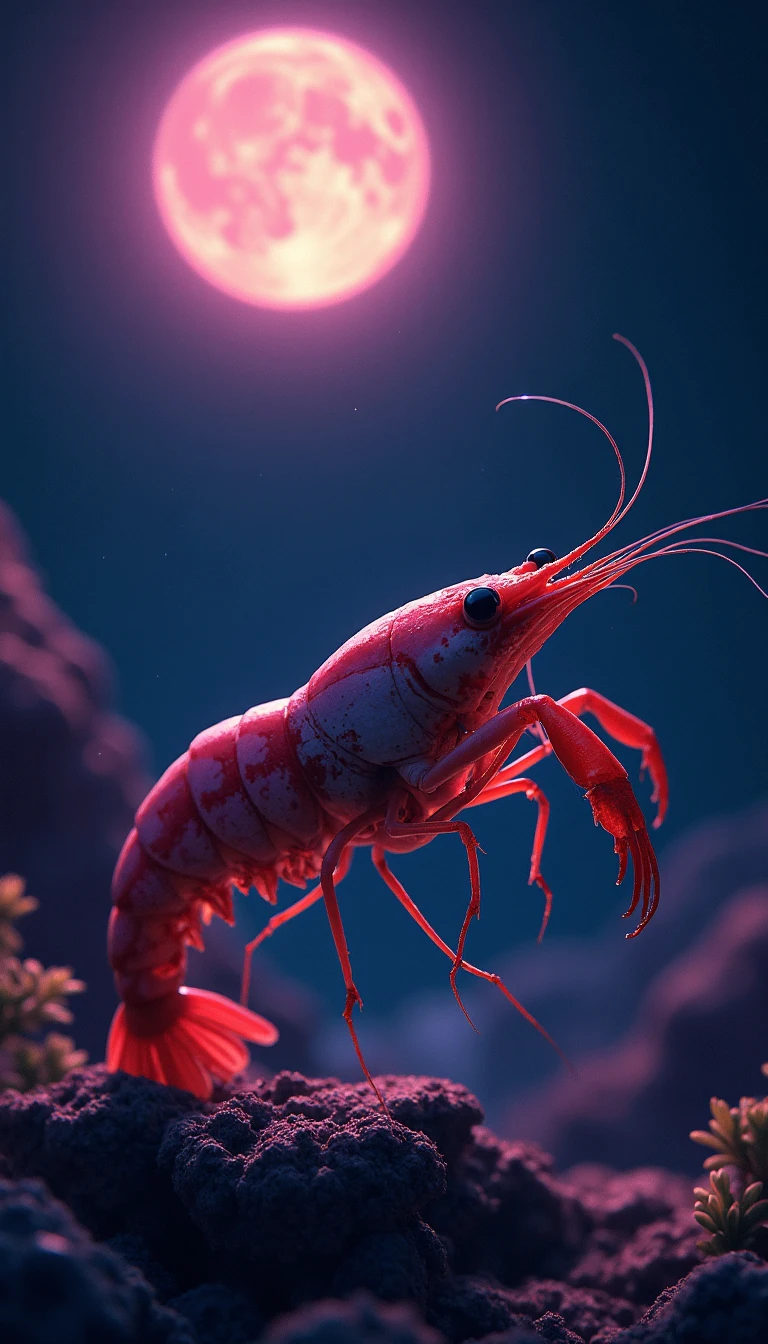
In short: Known for its distinct pie-crust-edged carapace and black-tipped claws, the brown crab is a formidable predator of the North Atlantic. These nocturnal scavengers grow by shedding their rigid skeletons, a vulnerable process that defines their life cycle and makes them one of the most commercially significant species in Western Europe.
Cancer pagurus, commonly called the brown or edible crab, is a robust crustacean found from the North Sea to the coast of Portugal. Easily identified by its oval, reddish-brown body and characteristic scalloped edges, this species thrives on rocky, coarse, or sandy seabeds at depths reaching 100 meters. While they typically grow to 15 centimeters in width, exceptional individuals can reach 25 centimeters and weigh up to 3 kilograms.
Growth in these crabs is non-linear, dictated by the shedding of their hard exoskeleton. Because the shell does not expand, the crab must absorb seawater to swell and crack its old armor, leaving it soft and vulnerable for several weeks until a new shell hardens. This cycle makes individual aging difficult, though experts estimate their typical lifespan at 25 to 40 years, with some reports suggesting they may live significantly longer.
The brown crab is a voracious predator, feeding on molluscs, echinoderms, and other crustaceans, including smaller members of its own species. Their reproductive strategy is equally complex: females can carry between 250,000 and 3 million eggs under their abdomen for up to eight months. During this period, they remain sheltered and do not feed, which protects the larval supply from fishing pressure. Once hatched, larvae drift in the plankton before settling in the intertidal zone as juveniles.
Commercially, the brown crab supports the largest crab fishery in Western Europe, with annual catches exceeding 60,000 tonnes. Most of this harvest occurs around the British Isles, where they are caught using baited pots. While the construction of offshore windfarms has inadvertently created new rocky habitats for the species, concerns regarding overfishing remain, as the industry continues to export the majority of the catch live to markets in France and Spain.
Opens the Intellect+ feed with this card first. Swipe up for the next one.
Sources
- Summary by Intellect · source: Brown / Edible Crab - IFCA North West
- Also: Cancer pagurus
To cite this card, link to https://intellectplus.co.uk/app/nature-cancer-pagurus.
How we source, check and correct cards: Editorial standards.
General information, not professional advice. Spotted an error? Flag the card or see corrections and complaints.
Intellect Plus is a visual educational discovery platform for exploring fascinating facts and ideas. Brain Food, Not Brain Rot. What is Intellect Plus?
Related
More in Arthropods · More in Nature · Latest · A–Z · All topics
