Why the world's most lush rainforests are not always found at the equator
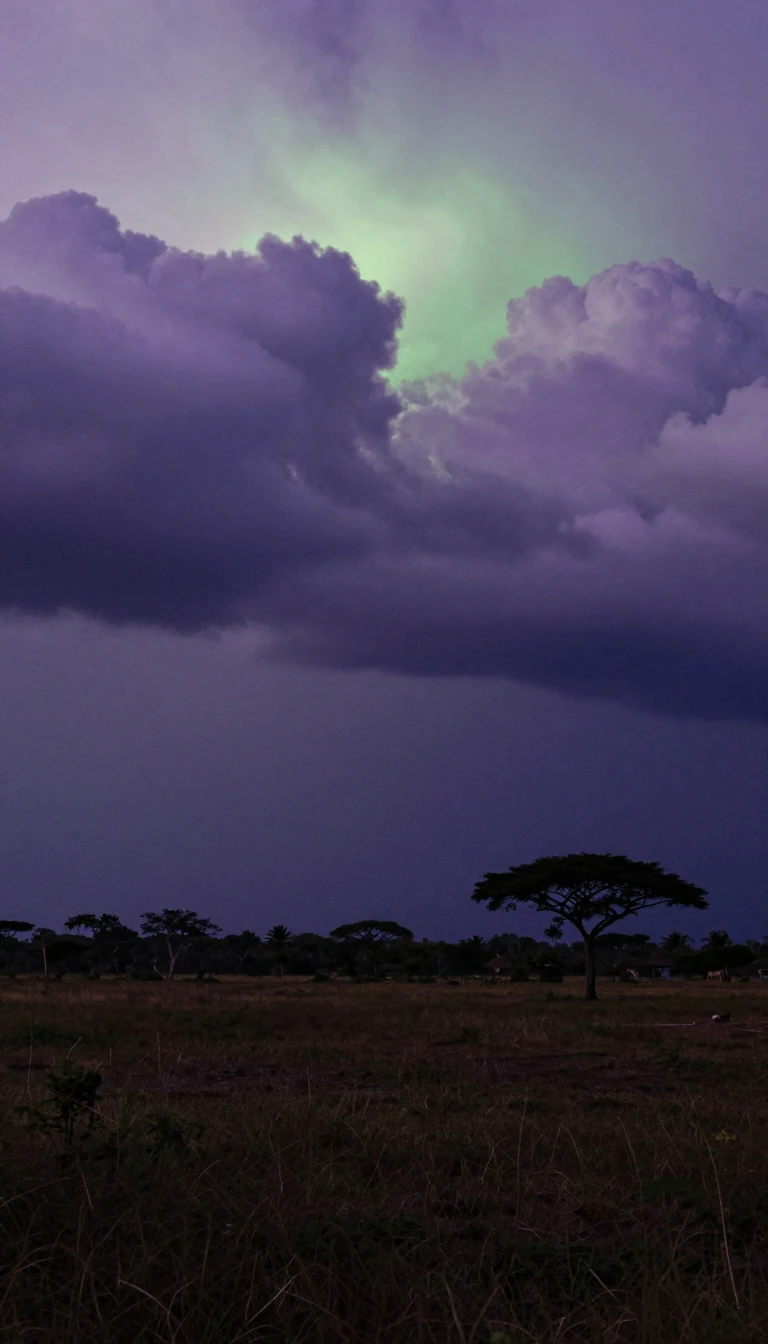
In short: Tropical rainforest climates are defined by constant heat, high humidity, and a lack of a dry season. While often associated with the equator, this climate type appears in surprising locations like Florida and Japan. Understanding the subtle atmospheric forces at play reveals why some of these forests thrive while others struggle.
Classified as Af under the Köppen system, tropical rainforest climates typically exist within 10 to 15 degrees of the equator. However, geography is not destiny; coastal regions in southeast Florida and Okinawa also fall into this category. These areas share common traits: high mean annual temperatures, minimal seasonal temperature variation, and consistent rainfall throughout the year. Interestingly, the temperature fluctuation between day and night in these zones often exceeds the average temperature change observed across an entire year.
The character of these regions is dictated by the interplay between the Intertropical Convergence Zone and prevailing trade winds. When the Intertropical Convergence Zone dominates, the climate is described as equatorial. These zones feature consistently low atmospheric pressure and weak winds, providing a stable environment for dense, flourishing vegetation. In contrast, tropical trade-wind climates—often situated at slightly higher latitudes—are defined by near-constant wind. This persistent airflow forces the local flora to adapt to frequent tropical disturbances, resulting in forests that are notably more impoverished than their equatorial counterparts.
While the term implies a singular biome, the reality is more complex. Although tropical rainforests are the most common feature, this climate also supports flooded grasslands and savannas. Furthermore, much of what we identify as tropical rainforest actually exists within other A-type climate zones. This distinction highlights that the climate classification is a tool for understanding atmospheric patterns rather than a rigid map of vegetation, proving that even within a single climatic category, the biological outcomes can vary significantly based on wind patterns and pressure gradients.
Opens the Intellect+ feed with this card first. Swipe up for the next one.
Sources
- Summary by Intellect · source: Tropical rainforest climate
To cite this card, link to https://intellectplus.co.uk/app/nature-tropical-rainforest-climate.
How we source, check and correct cards: Editorial standards.
General information, not professional advice. Spotted an error? Flag the card or see corrections and complaints.
Intellect Plus is a visual educational discovery platform for exploring fascinating facts and ideas. Brain Food, Not Brain Rot. What is Intellect Plus?
Related
More in Air · More in Nature · Latest · A–Z · All topics
