Are the world's vast tropical savannas actually just transition zones between forests and deserts?
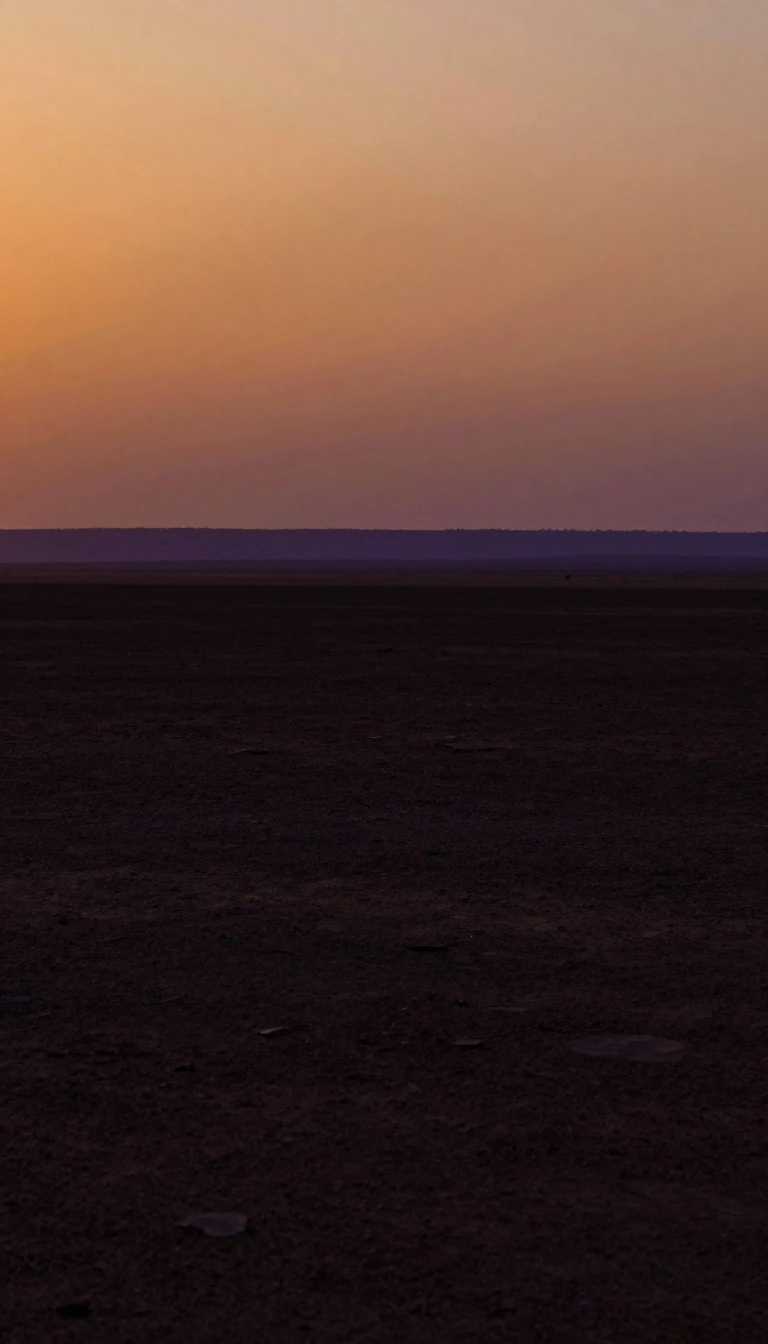
In short: Savannas are dynamic landscapes defined by alternating wet and dry seasons, typically found between 8 and 20 degrees from the Equator. While often viewed as simple grasslands, they are complex environmental transition zones where fire, grazing, and soil conditions dictate whether trees or grasses dominate the horizon.
Savannas occupy a unique ecological space, acting as a bridge between the lush rainforests of the equatorial regions and the arid deserts of higher latitudes. They are characterized by a continuous grass cover punctuated by varying densities of trees and shrubs. While climate sets the stage, the specific structure of a savanna is rarely static. It is shaped by a delicate interplay of topography, soil fertility, and human activity. For thousands of years, humans have influenced these regions through fire and grazing, which directly impact the survival of saplings and the overall distribution of vegetation.
The climate itself is defined by a stark contrast between seasons. Mean annual precipitation generally ranges from 80 to 150 cm, though some continental areas receive as little as 50 cm. Temperatures are consistently warm, typically ranging from 10 to 20 °C during the dry season and rising to 20 to 30 °C during the wet months. Because soil fertility is often low, trees play a vital role in nutrient cycling, drawing minerals from deep underground and depositing them via leaf litter. This creates small-scale fertility hotspots that contrast with the nutrient-poor soil found in open grassland areas.
Termites also play a surprisingly large role in these ecosystems. They decompose approximately 30 percent of dead organic matter, effectively locking away mineral nutrients in their mounds. In some regions, such as Kenya, these mounds provide flood-proof elevated sites that allow trees to thrive where they otherwise could not. Conversely, in parts of South America and Africa, poor soil drainage or hardpans can prevent the development of closed forests, resulting in open savanna even when rainfall levels might otherwise support denser growth. Ultimately, the savanna is not a single, uniform biome but a fluid, shifting mosaic of life.
Opens the Intellect+ feed with this card first. Swipe up for the next one.
Sources
- Summary by Intellect · source: Savanna - Grassland, Climate, Animals | Britannica
- Also: Tropical savanna climate
To cite this card, link to https://intellectplus.co.uk/app/nature-tropical-savanna-climate.
How we source, check and correct cards: Editorial standards.
General information, not professional advice. Spotted an error? Flag the card or see corrections and complaints.
Intellect Plus is a visual educational discovery platform for exploring fascinating facts and ideas. Brain Food, Not Brain Rot. What is Intellect Plus?
Related
More in Air · More in Nature · Latest · A–Z · All topics
