Typhoon Goni stands as the strongest tropical cyclone to ever make landfall on Earth
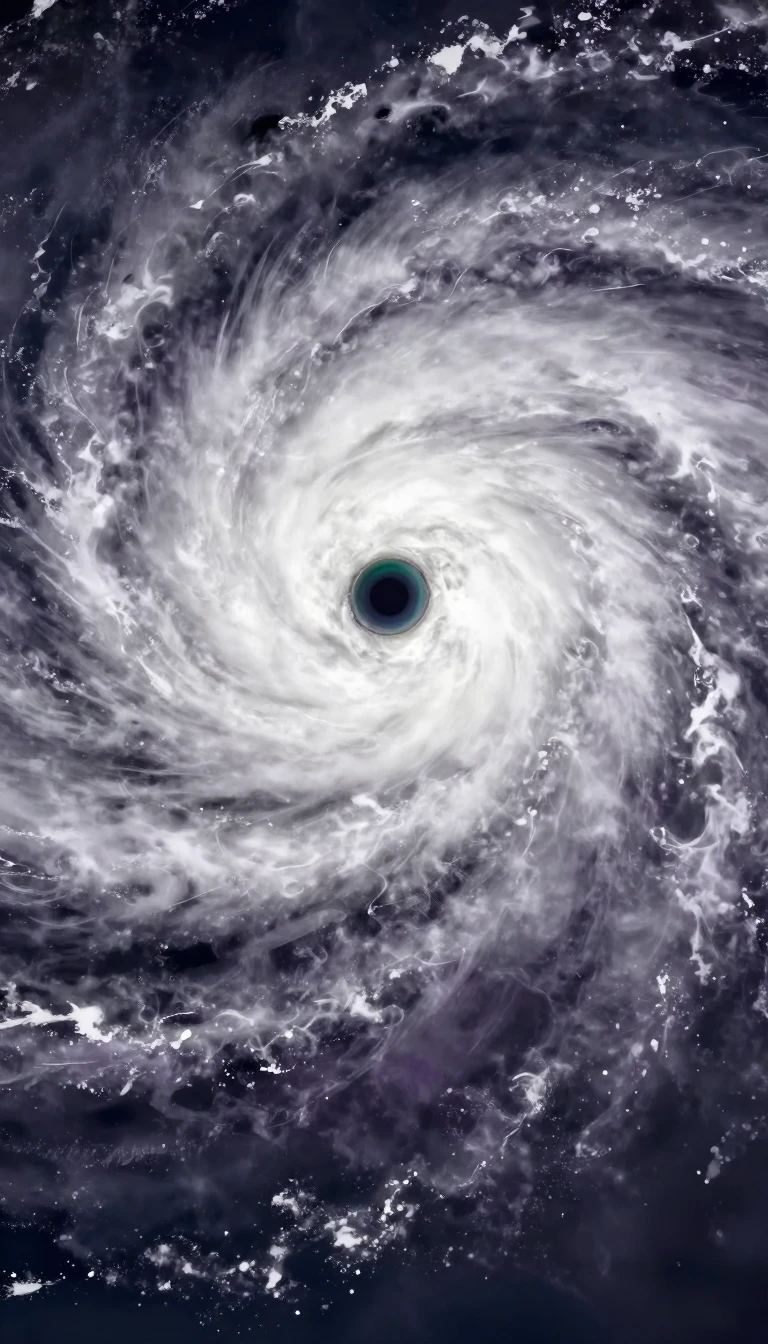
In short: In late October 2020, Typhoon Goni rapidly intensified into a Category 5-equivalent super typhoon. Striking the Philippines with record-breaking one-minute sustained winds of 315 km/h, the storm devastated infrastructure and displaced hundreds of thousands, all while complicating the nation's ongoing struggle to manage the COVID-19 pandemic in crowded evacuation centers.
Originating as a tropical depression near Guam on October 26, 2020, Goni underwent explosive intensification over the Philippine Sea. By October 30, it reached peak intensity, maintaining Category 5 strength for over 24 hours. When it made its first landfall in Catanduanes on November 1, it set a global record for the most powerful tropical cyclone to ever hit land, based on one-minute sustained wind speeds. The storm's impact was exacerbated by its path over the Sierra Madre mountains, which triggered severe flash flooding and dangerous lahar flows from the Mayon Volcano, burying homes and rendering critical infrastructure like the Basud Bridge impassable.
The disaster response was uniquely strained by the COVID-19 pandemic. With many traditional shelters already occupied by pandemic victims, authorities struggled to maintain social distancing, leading to the rapid revival of legislative discussions regarding the construction of dedicated, permanent evacuation facilities. The situation was further complicated by the recent shutdown of the ABS-CBN broadcast network, which historically served as a vital information lifeline for remote provinces. This communication gap left many residents in vulnerable areas without timely updates, fueling public frustration as the storm approached.
Beyond the immediate destruction in the Philippines, where infrastructure and agricultural losses reached an estimated ₱17.9 billion, Goni continued westward as a tropical storm. It eventually struck Vietnam on November 6 as a tropical depression, worsening the impact of previous storms that had already battered the region. The international community, including the United Nations, the United States, and the United Kingdom, launched relief efforts to provide emergency shelter and medical supplies. In recognition of the catastrophic damage caused, the Philippine weather agency, PAGASA, officially retired the local name 'Rolly' in early 2021, ensuring it will never be used again for a storm within the Philippine Area of Responsibility.
Opens the Intellect+ feed with this card first. Swipe up for the next one.
Sources
- Summary by Intellect · source: Typhoon Goni
To cite this card, link to https://intellectplus.co.uk/app/nature-typhoon-goni.
How we source, check and correct cards: Editorial standards.
General information, not professional advice. Spotted an error? Flag the card or see corrections and complaints.
Intellect Plus is a visual educational discovery platform for exploring fascinating facts and ideas. Brain Food, Not Brain Rot. What is Intellect Plus?
Related
More in Air · More in Nature · Latest · A–Z · All topics
