The chemical metamorphosis that turns a small pellet into a sprawling ash snake
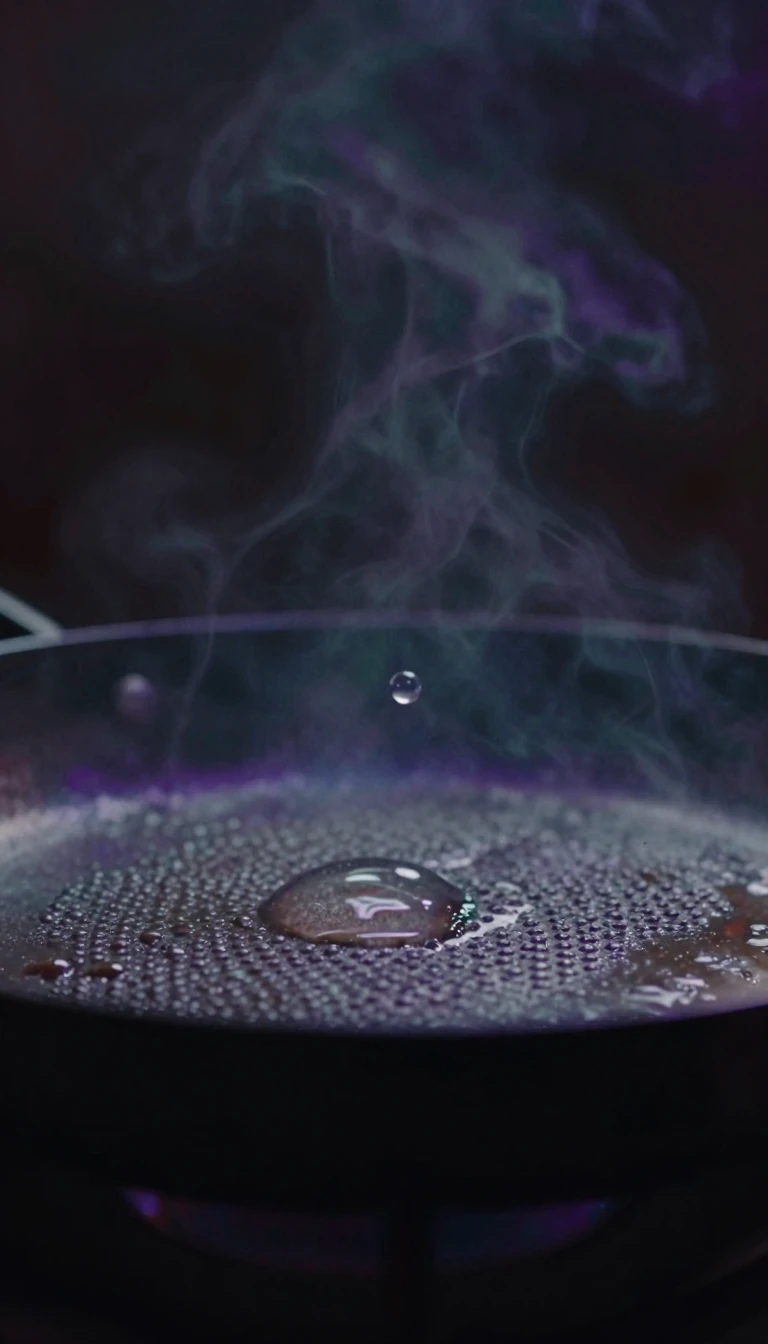
In short: Watch a tiny pellet of chemicals ignite to produce a twisting, worm-like string of ash that expands many times its original size. This isn't magic; it is a deliberate intumescent reaction where solid fuel and reagents transform into a porous, lightweight structure through a series of rapid chemical breakdowns.
The 'black snake' is a classic example of an intumescent reaction, where a substance expands to create a thick, porous layer. In the traditional 'sugar snake' variety, a mixture of sucrose (sugar) and sodium bicarbonate (baking soda) is ignited. When heated, the sodium bicarbonate decomposes into sodium carbonate, water vapor, and carbon dioxide. Simultaneously, the sucrose reacts with oxygen to produce more carbon dioxide and water vapor. This release of gases, combined with the decomposition of some sucrose into elemental carbon, creates a lightweight, airy structure. The carbon provides the characteristic black color, while the steam and carbon dioxide allow the snake to grow to lengths of about 15–50 centimetres from a small amount of starting material.
Historically, the chemistry was far more hazardous. In 1821, Friedrich Wöhler discovered a more dramatic reaction using mercury(II) thiocyanate. When ignited, this compound breaks down into mercury(II) sulfide, carbon disulfide, and carbon nitride. The carbon nitride forms the primary component of the ash, while the carbon disulfide ignites into carbon dioxide and sulfur(IV) oxide. This 'Pharaoh's serpent' was eventually banned in retail because the reaction releases toxic mercury vapor and mercury compounds. Tragically, the product was pulled from the market after several children died from mistakenly consuming the resulting solid residue.
Modern retail fireworks have moved toward safer, proprietary formulas. In the 1800s, researchers found that treating petroleum and tar with sulfuric acid and then reacting it with fuming nitric acid produced a black resin. When burned, this resin leaves a highly porous ash that expands even more than the mercury-based versions. Other variations include nitrated beta naphthol pitch (patented in 1931) and pitch combined with ammonium perchlorate (developed in 1981). While these modern versions are less toxic, studies in India have noted that black snake fireworks can emit high levels of particulate matter, which can penetrate the lungs and cause significant damage.
Opens the Intellect+ feed with this card first. Swipe up for the next one.
Sources
- Summary by Intellect · source: Black snake (firework)
To cite this card, link to https://intellectplus.co.uk/app/science-black-snake-firework.
How we source, check and correct cards: Editorial standards.
General information, not professional advice. Spotted an error? Flag the card or see corrections and complaints.
Intellect Plus is a visual educational discovery platform for exploring fascinating facts and ideas. Brain Food, Not Brain Rot. What is Intellect Plus?
Related
More in Famous experiments · More in Science · Latest · A–Z · All topics
