Why daylight persists even after the sun dips below the local horizon
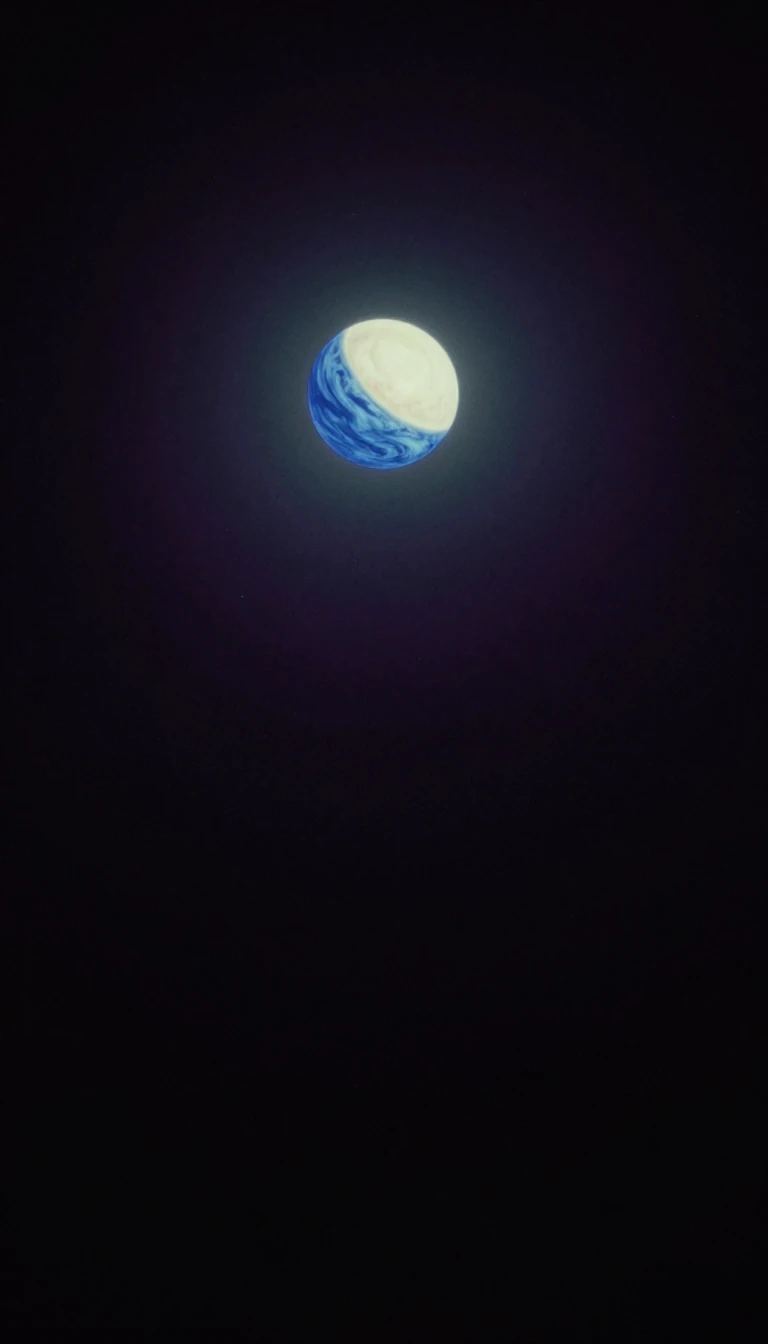
In short: Daylight is more than just direct sunshine; it is a complex blend of scattered radiation and reflected light. Surprisingly, the Earth experiences daylight for slightly more than half of its surface at any given moment, thanks to the way our atmosphere bends light even when the sun is technically hidden from view.
Daylight is defined as the total sum of direct and indirect solar radiation present during the daytime. This phenomenon encompasses direct sunlight, diffuse sky radiation, and light reflected off terrestrial features like buildings or landforms. Notably, the definition excludes light reflected by other astronomical bodies, meaning moonlight is not considered daylight, even though it is technically indirect sunlight.
The presence of daylight at any specific location is tied to the sun's position relative to the local horizon. However, the transition is not binary. Because the Earth's atmosphere refracts sunlight, light continues to reach the surface even when the sun is below the horizon line. This atmospheric effect ensures that slightly more than 50% of the planet is illuminated by daylight at any single point in time.
The intensity of this light, measured in lux, fluctuates wildly depending on atmospheric conditions. Under clear skies at noon, direct sunlight can reach 120,000 lux, a level intense enough to cause physical eye pain. Conversely, during heavy storm clouds or when the sun is near the horizon, illuminance can drop below 5 lux, occasionally falling under 1 lux in extreme cases where artificial light sources like street lamps become visible.
These levels can be further disrupted by unusual environmental factors. High concentrations of atmospheric particulates—such as volcanic ash, dust, or smoke—can significantly dim the sky, as seen during historical events like New England's Dark Day. Solar eclipses also create temporary, dramatic shifts in ambient light, demonstrating that daylight is a fragile balance between solar positioning and the composition of the atmosphere through which that light must travel.
Opens the Intellect+ feed with this card first. Swipe up for the next one.
Sources
- Summary by Intellect · source: Daylight
To cite this card, link to https://intellectplus.co.uk/app/space-daylight.
How we source, check and correct cards: Editorial standards.
General information, not professional advice. Spotted an error? Flag the card or see corrections and complaints.
Intellect Plus is a visual educational discovery platform for exploring fascinating facts and ideas. Brain Food, Not Brain Rot. What is Intellect Plus?
Related
More in Celestial mechanics · More in Space · Latest · A–Z · All topics
