Why the Equator stays warm while the poles freeze despite six months of sunlight.
In short: Daytime is not just the presence of the Sun, but a complex dance of geometry and atmosphere. While we often think of daylight as a simple binary, the Earth's tilt creates a dramatic spectrum of light duration that dictates everything from local climate to the visibility of the stars.
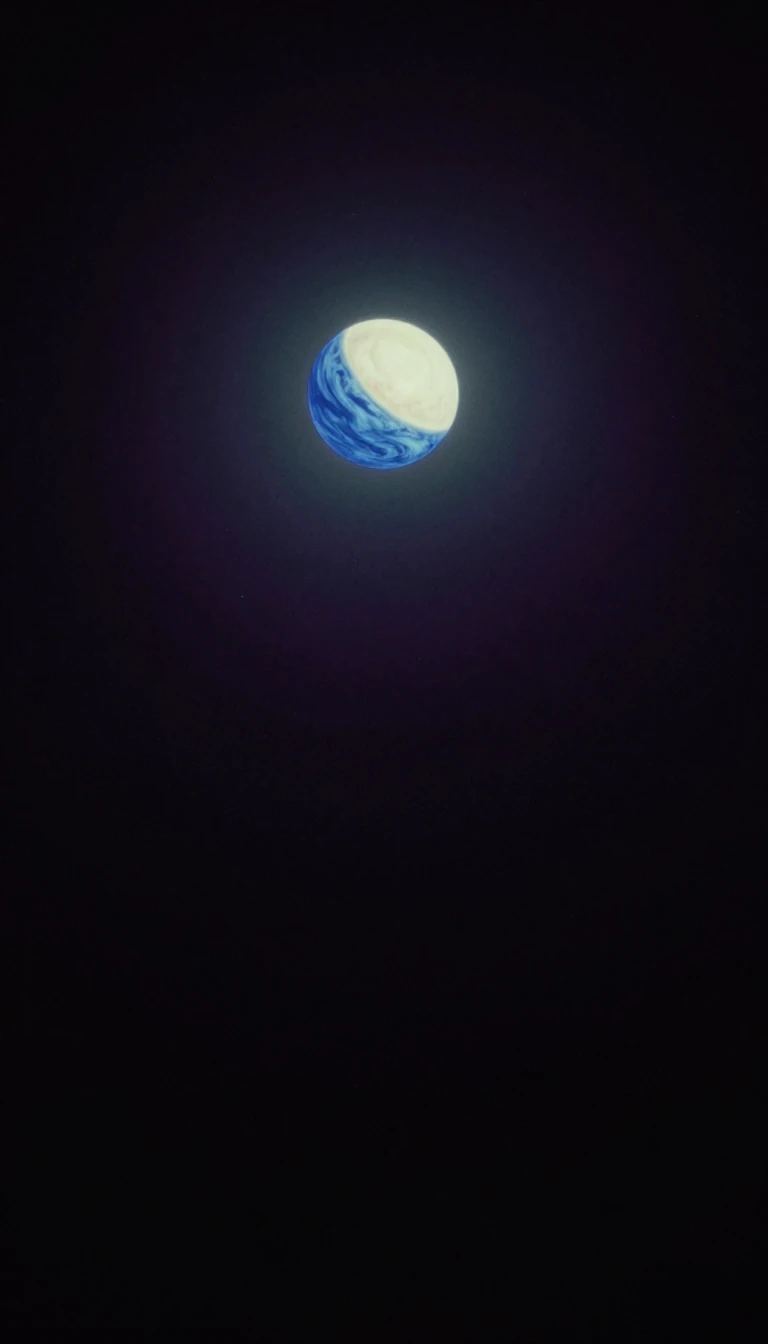
At any given moment, slightly more than half of the Earth is illuminated by the Sun. This occurs because the Sun is a disc rather than a point source, and atmospheric effects bend and diffuse light, extending the reach of indirect illumination beyond a perfect hemisphere. The duration of this daytime period is defined by the interval between sunrise and sunset, both of which are gradual processes rather than instantaneous events.
The primary driver of seasonal variation is the Earth's axial tilt of 23.44° relative to the ecliptic. This tilt ensures that the length of daylight is not uniform across the globe. At the Equator, the day remains a consistent 12 hours throughout the year, with the Sun following a path nearly perpendicular to the horizon. This proximity to the zenith at solar noon is the main reason the tropics remain the warmest regions on the planet. In contrast, the poles experience extreme shifts, ranging from 24-hour summer daylight—the midnight sun—to periods where the Sun never rises above the horizon at all.
Crucially, increased daylight hours are not the primary cause of summer heat. While longer days contribute, the temperature rise is driven mostly by the directness of solar rays. This explains why the poles remain frigid even during their six-month summer; the Sun never climbs high enough above the horizon to provide significant warmth, and the high albedo of snow and ice reflects much of the incoming radiation. As one moves from the Equator toward the poles, the Sun's path through the sky diverges from the vertical, making the transition between day and night increasingly prolonged.
The nuances of daytime are further complicated by the equation of time, which accounts for a 30-minute variation in the timing of solar noon over the year. Even the definition of night is subject to latitude: true 24-hour darkness, where stars are visible throughout the period, only occurs beyond 72°34' latitude, where the Sun remains at least 6 degrees below the horizon.
Opens the Intellect+ feed with this card first. Swipe up for the next one.
Sources
- Summary by Intellect · source: Daytime
To cite this card, link to https://intellectplus.co.uk/app/space-daytime.
How we source, check and correct cards: Editorial standards.
General information, not professional advice. Spotted an error? Flag the card or see corrections and complaints.
Intellect Plus is a visual educational discovery platform for exploring fascinating facts and ideas. Brain Food, Not Brain Rot. What is Intellect Plus?
Related
More in Celestial mechanics · More in Space · Latest · A–Z · All topics
