Why the sunless winter at the poles is rarely a total blackout
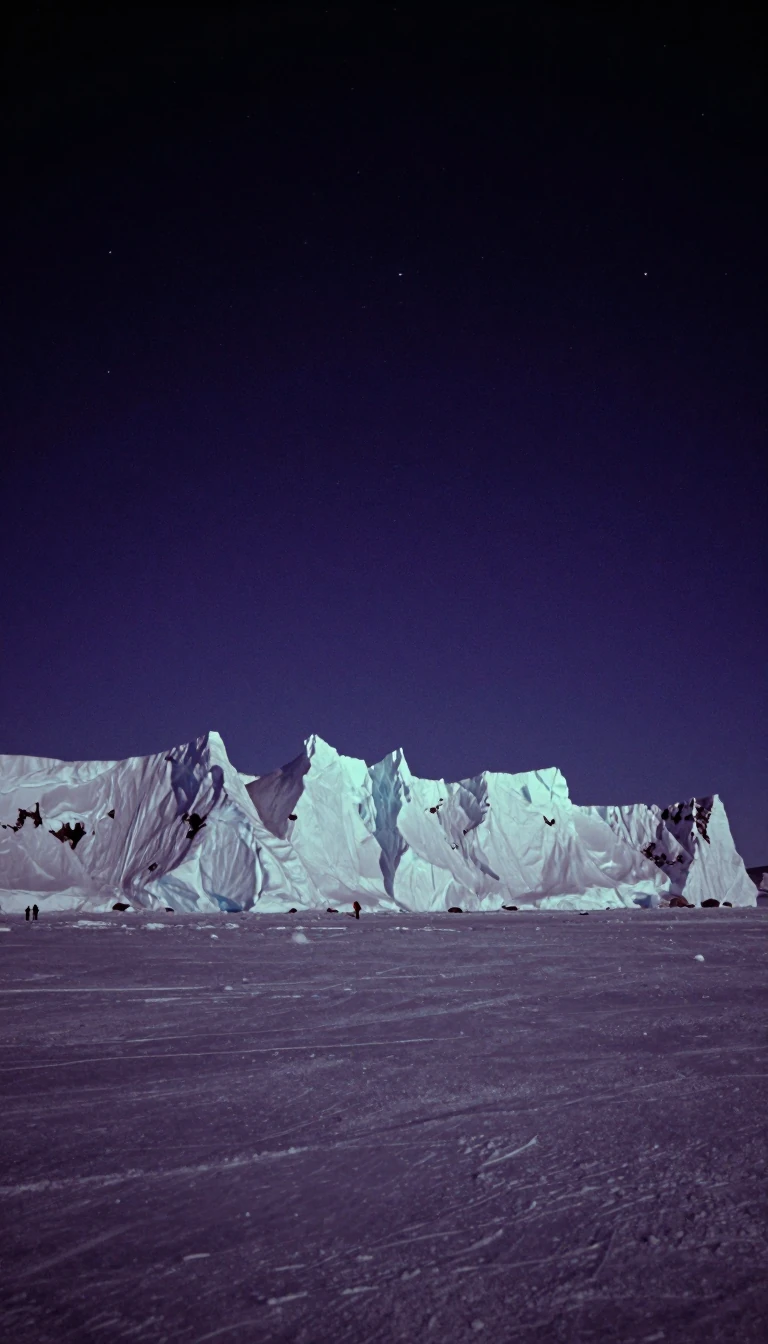
In short: Polar night is defined as a period exceeding 24 hours where the sun fails to crest the horizon. Yet, this phenomenon is rarely a state of absolute darkness. Thanks to atmospheric refraction, the sky often glows with various phases of twilight, offering enough illumination for daily life to continue.
The polar night occurs exclusively within the Arctic and Antarctic Circles, regions situated at latitudes of approximately 66.6 degrees. The duration of this sunless period is dictated by proximity to the poles; while a location just inside the circle might experience only a single day of polar night, the North Pole endures a continuous stretch of 179 days, spanning from the autumnal equinox in mid-September until mid-March.
Despite the absence of direct sunlight, these regions are not plunged into perpetual, uniform pitch-blackness. The atmosphere bends sunlight over the horizon, creating a spectrum of twilight. During 'civil twilight,' midday light levels are often sufficient for outdoor tasks. As one moves closer to the poles, the intensity of this midday glow fades through nautical and astronomical phases, eventually reaching a state where only stars, the Moon, or the aurora borealis provide natural illumination.
Living through these months presents significant physiological and psychological hurdles. The disruption of standard day-night cycles can impair sleep and drain energy, sometimes leading to seasonal affective disorder. Residents often combat these effects using light therapy lamps, maintaining strict social routines, and staying physically active. However, many who live in these extreme latitudes, such as those in the Norwegian archipelago of Svalbard, find a unique, immersive beauty in the darkness, choosing to embrace the quiet intensity of the long winter.
The experience is highly variable. In Utqiagvik, Alaska, the sun remains hidden for about 65 days annually, from mid-November to late January. Because the atmosphere refracts light, the area experiencing polar night is slightly smaller than the area experiencing polar day. Ultimately, the perceived darkness is a matter of both celestial mechanics and local conditions, as dense cloud cover can significantly dim the subtle, refracted glow that would otherwise define the midday hours.
Opens the Intellect+ feed with this card first. Swipe up for the next one.
Sources
- Summary by Intellect · source: What is polar night?
- Also: Polar night
To cite this card, link to https://intellectplus.co.uk/app/space-polar-night.
How we source, check and correct cards: Editorial standards.
General information, not professional advice. Spotted an error? Flag the card or see corrections and complaints.
Intellect Plus is a visual educational discovery platform for exploring fascinating facts and ideas. Brain Food, Not Brain Rot. What is Intellect Plus?
Related
More in Celestial mechanics · More in Space · Latest · A–Z · All topics
