 Intellect Plus
Art
5,849 cards. Each one is a 40-second story with a five-minute read behind it. Page 96 of 98.
Subtopics: Art crime · Art history · Art museums · Arts: General · Baroque · Calligraphy · Ceramics · Children's literature · Classic literature · Colour · Concepts of fiction and narrative · Conceptual art · Conservation · Craft · Cultural venues · Dada · Detective fiction · Directors, producers and screenwriters · Dye · Entertainers · Expressionism · Fantasy literature · Fictional and legendary characters · Film and television · Filmmakers and theatre directors · Forgery · Fresco · History painting · Illustration · Impressionism · Literature · Medieval art · Michelangelo · Modern art · Mosaics & stained glass · Oil painting · Optics · Painting · Paris salon · Performing arts · Photography · Pigments · Poetry · Poets · Portraiture · Post impressionism · Printmaking · Renaissance · Romanticism · Science fiction literature · Sculpture · Shakespeare · Spanish golden age · Street art · Symbolism · Textiles · Theatre · UK & Ireland: arts · Van gogh · Vermeer · Victorian · Visual artists · Visual arts
 Live theatre is drama’s oldest form, still borrowing Greek toolsTheatre gathers live performers and a live audience in one place to show real or imagined events. Film and recordings arrived later; Western stages still inherit Greek genres, ter…
- Athens turned Dionysus worship into tragedy, comedy, and satyr playsFrom about 700 BCE, Greek theatrical culture centred on Athens and its Dionysia festival. Tragedy took shape in the late 500s BCE, comedy around 490 BCE, and the satyr play comple…
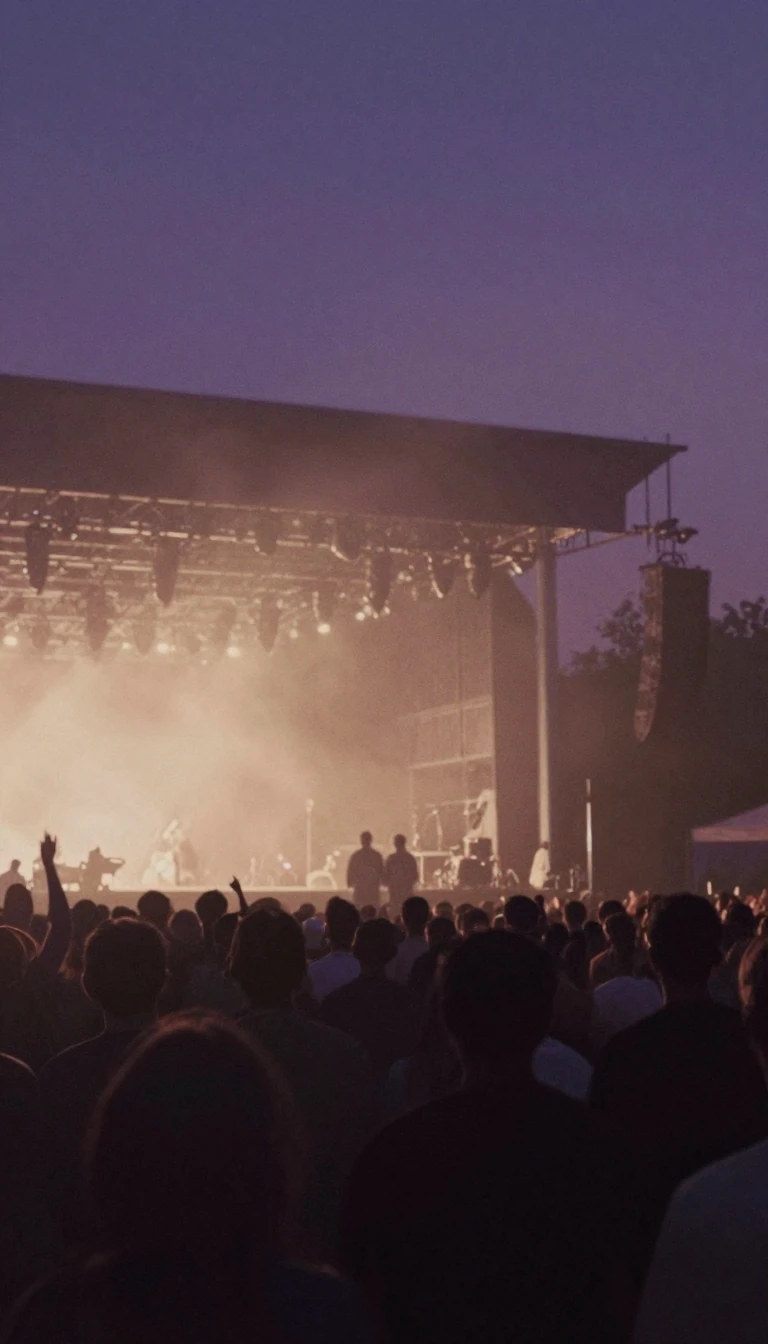 Tragedy began as goat-song and still means structured human sufferingA tragedy stages sorrowful catastrophe for a central character to stir an accompanying response in spectators. The form crystallized in ancient Greece some twenty-five hundred yea…
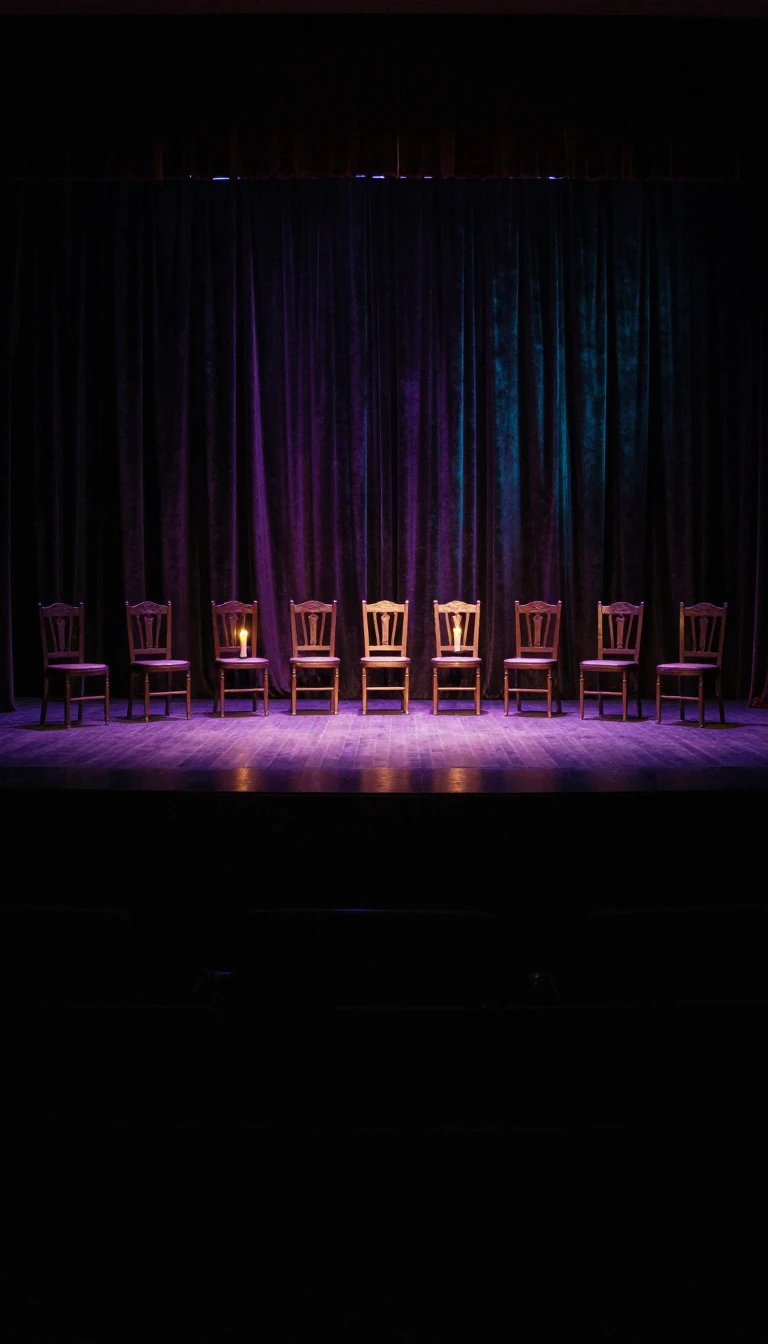 London’s West End packs about forty commercial theatresLondon’s West End is the city’s commercial theatre district, with roughly forty houses. Theatre Royal, Drury Lane, opened in 1663 and is the oldest still standing. In 2023 audienc…
 Bare feet and silk light rebelled against ballet's corsetLate nineteenth-century concert dance in Europe and the United States tossed out pointe shoes and ballet's limited step vocabulary. Isadora Duncan, Loie Fuller, and Maud Allan cha…
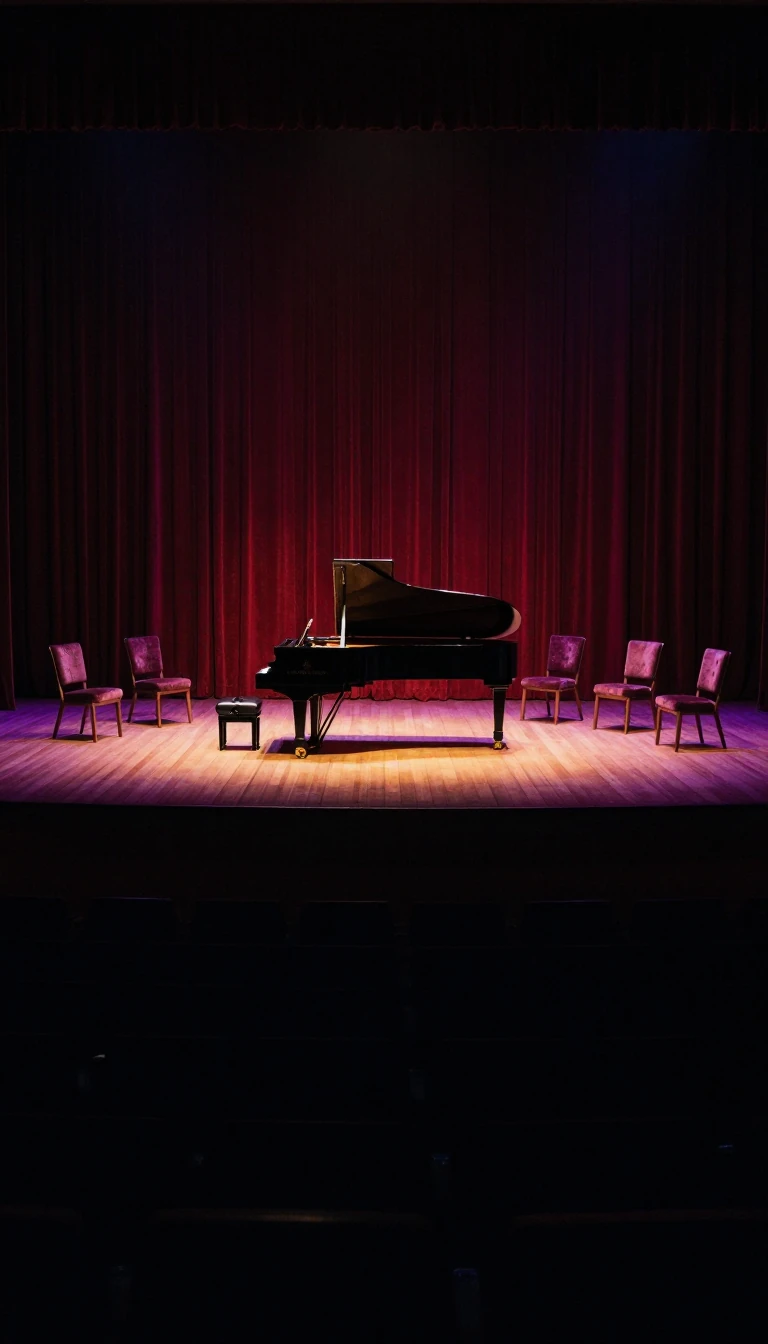 When speech fails, musicals sing—then dance the restMusical theatre braids song, spoken lines, acting, and dance into one story engine. Nineteenth-century light opera—Offenbach in France, Gilbert and Sullivan in Britain, Harrigan a…
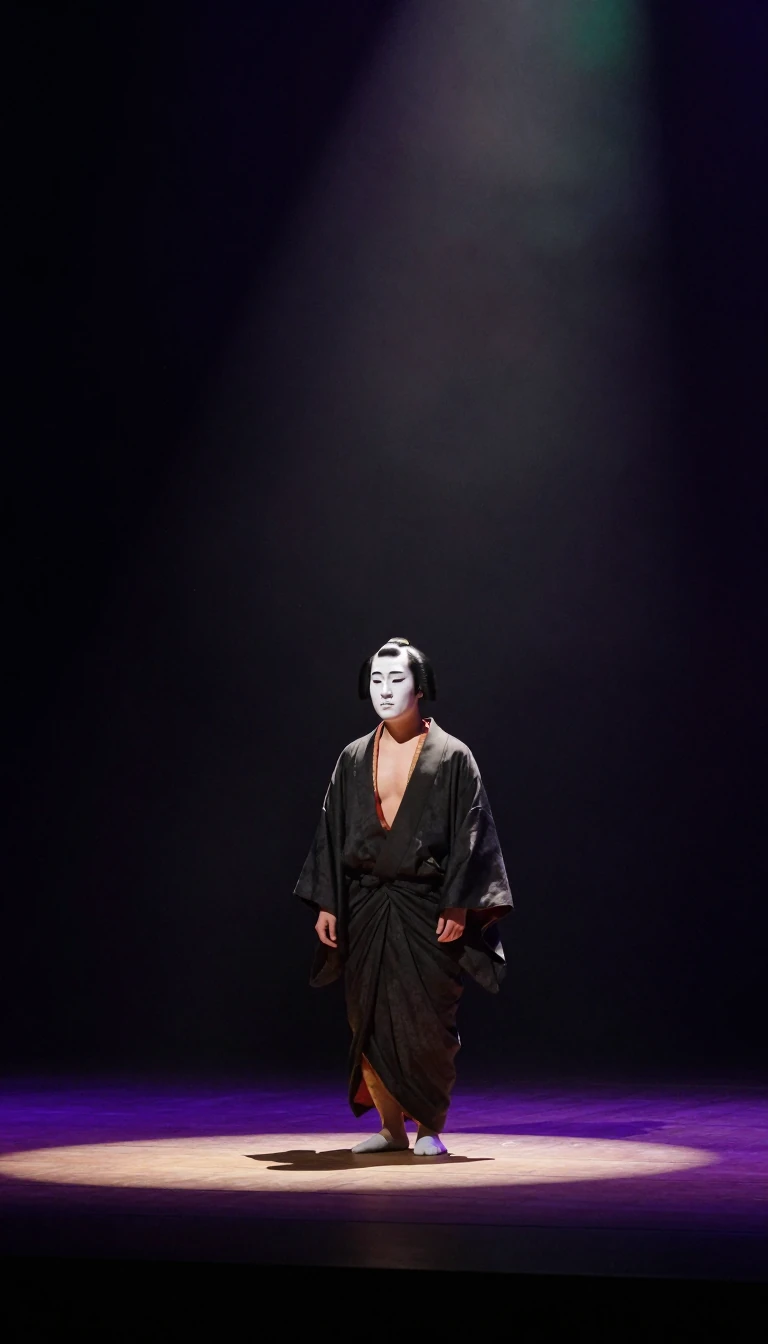 Japan's oldest living major theatre still moves in masksNoh has been staged since the fourteenth century as Japan's oldest major theatre still regularly performed. Supernatural beings often appear as human narrators; masks, costumes, a…
 Greek song-beside-song still powers every modern spoofParody imitates a work, person, or style to comment or mock. Aristotle credited Hegemon of Thasos with twisting famous poems from sublime to silly; the Greek roots mean song set b…
- Four role types and sparse stages define Beijing's operaPeking opera fused Anhui and Hubei troupes in Qing Beijing into music, mime, martial arts, dance, and acrobatics. Four role families—shēng, dàn, jìng, chǒu—carry the spectacle on …
 Live bodies became art when Dada mocked the theater upstairsPerformance art puts the artist inside the work—time, space, body, presence, and public reaction. The label spread in the 1970s, though futurist cabarets and 1916 Dada at Cabaret …
 Music, dance, and drama exist only while someone watchesPerforming arts—music, dance, theatre—vanish without an audience, unlike paintings that sit still. Every society keeps traditions; UNESCO lists Noh, Kabuki, and Indian classical d…
 A play is speech built to be spoken, not merely readTheatre plays live by scripted dialogue and monologue delivered aloud. From Broadway and the West End to school stages, playwrights write for bodies in rooms. Greek tradition spli…
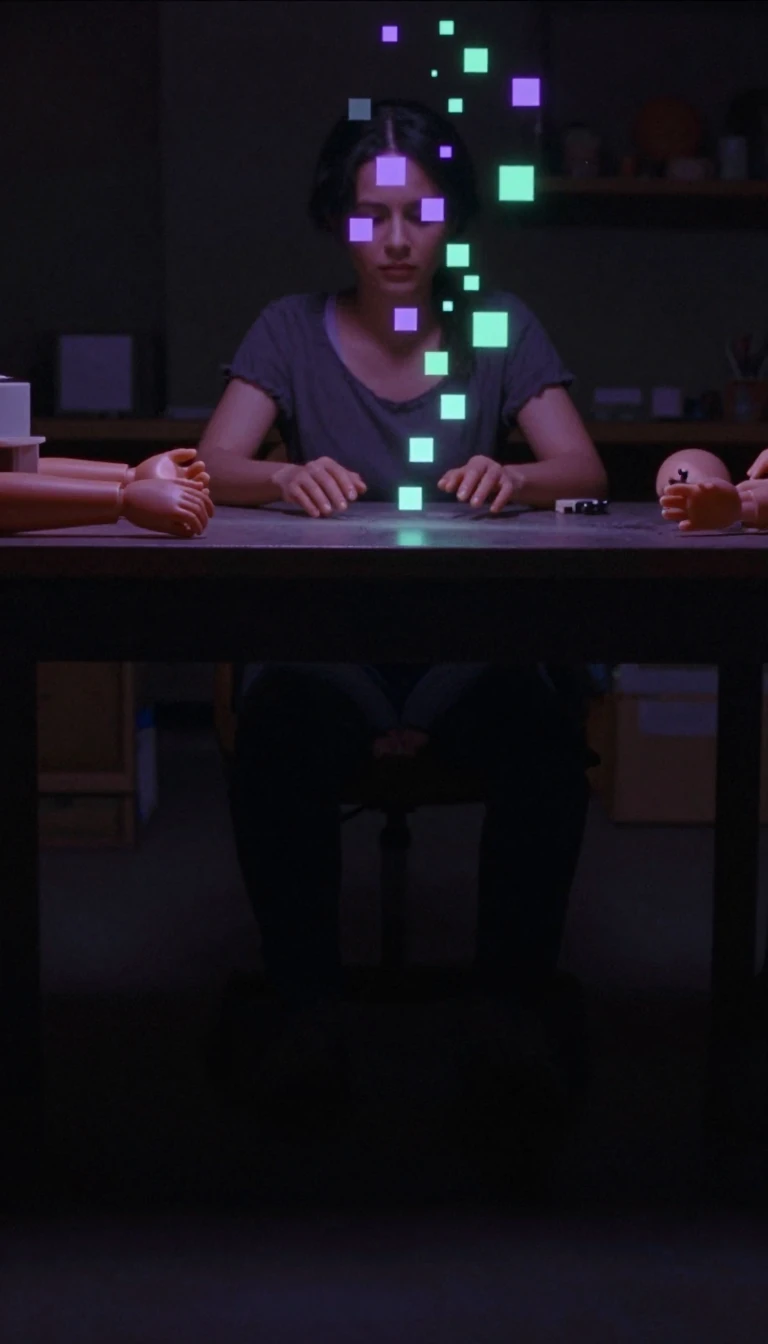 String-and-shadow figures may be older than actorsPuppetry animates wood, cloth, or leather stand-ins with rods, strings, or hands. Records reach fifth-century BCE Greece; some historians push origins near four thousand years bac…
- Deus ex machina began as a real crane over the skeneStagecraft is the technical craft that builds a designer's vision: scenery, lights, costumes, makeup, props, sound, and management. Greek theatres already used the skene, rolling …
- Aristotle sorted drama from epic and lyric by 335 BCDrama is fiction meant to be enacted—on stage, radio, or screen—not merely read. Aristotle’s Poetics, around 335 BC, already set that dramatic mode against epic and lyric. The Gre…
 UNESCO listed flamenco as living heritage in 2010Flamenco grew from southern Spanish folk currents, especially Andalusian gitano life, with older footprints in Extremadura and Murcia. Song, guitar, dance, claps, footwork, and im…
 Folk dance is social tradition, not every ethnic ritualFolk dance mirrors everyday life in a place, yet ritual sacred dances usually sit outside the label. People with little formal training dance at gatherings to inherited music; beg…
 Breaking began in the Bronx before studios sold new styleHip-hop dance covers street styles born with 1970s U.S. crews and later studio versions. Soul Train and films such as Breakin’, Beat Street, and Wild Style broadcast early crews. …
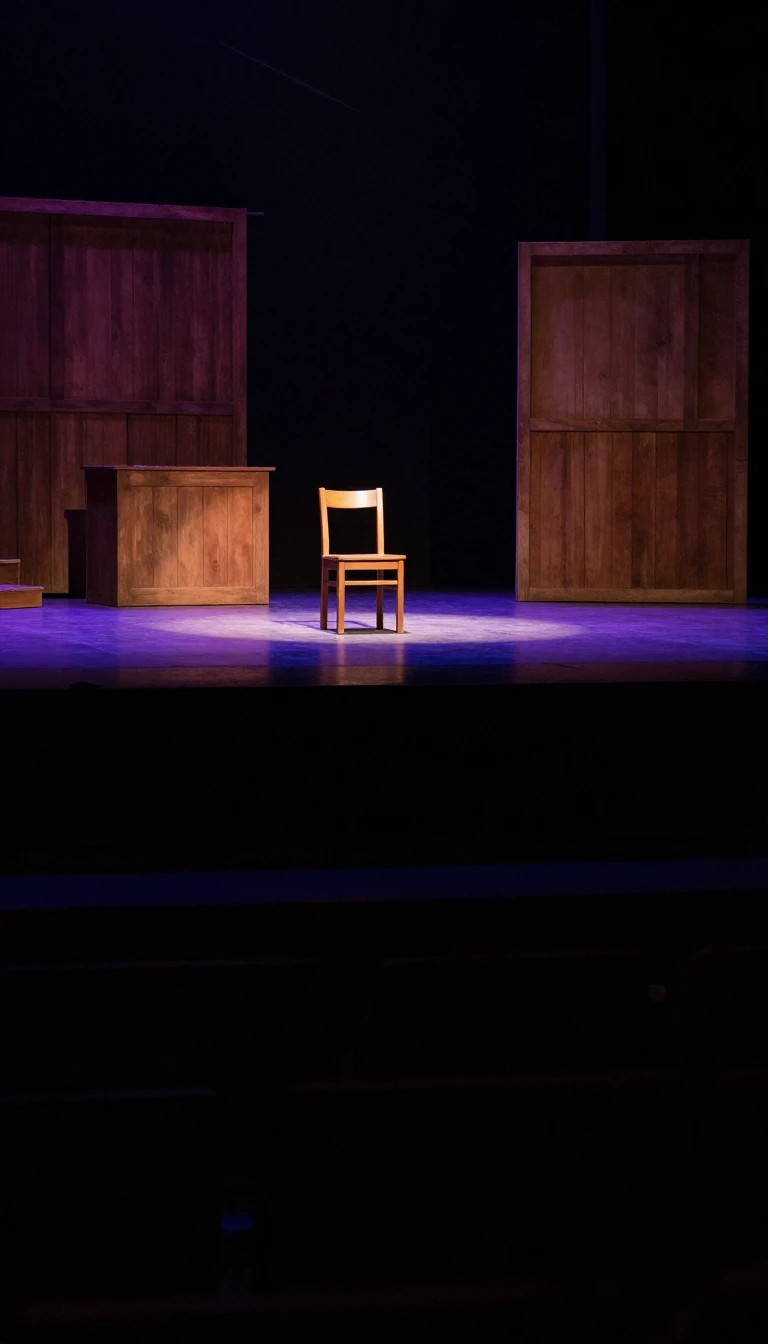 Chicago Compass Players wrote the modern improv rulebookImprov theatre invents dialogue, action, story, and character live, often for comedy, without a fixed script. Western documentation reaches Atellan Farce in 391 BC and Italian str…
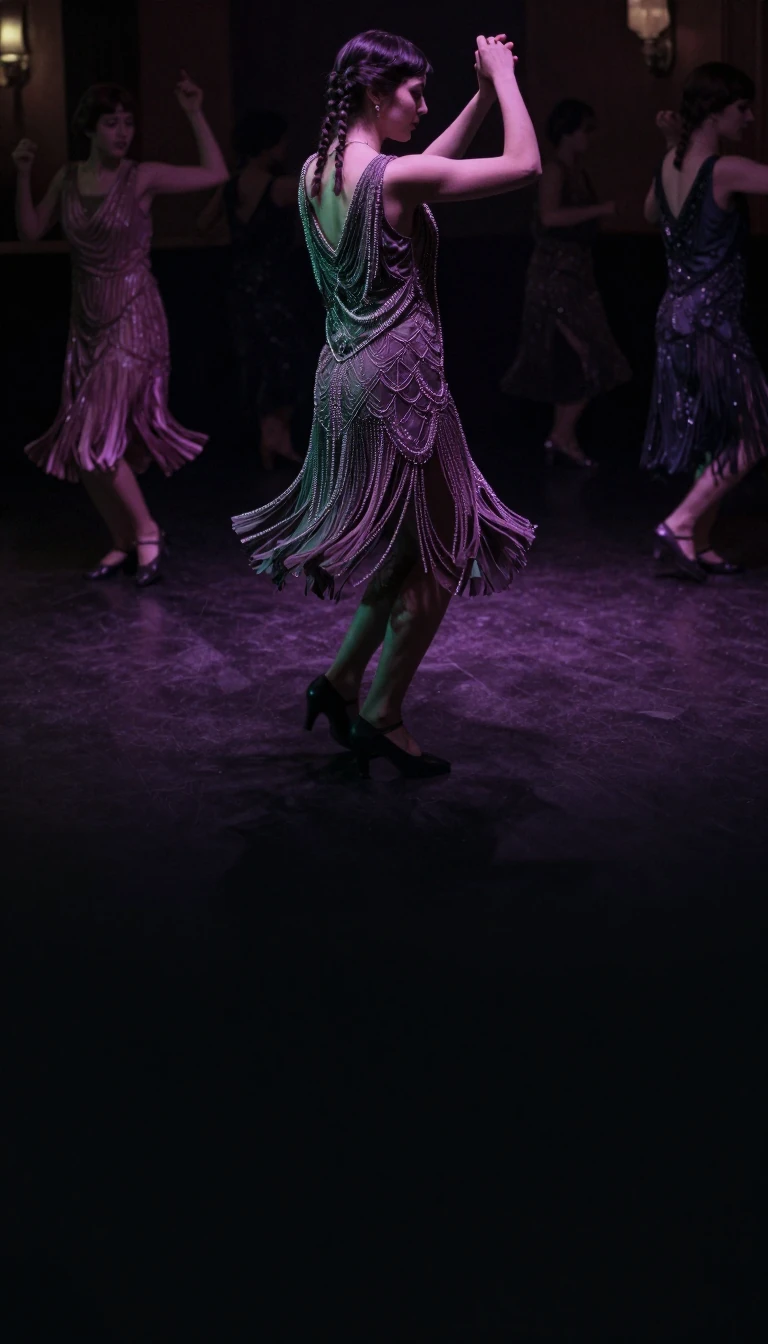 Jazz dance grew from Black vernacular before Broadway renamed itEarly-twentieth-century U.S. jazz dance spans social vernacular forms and staged dramatic jazz, both expanding African American styles tied to jazz music. Charleston, Lindy hop, a…
 The oldest dated joke is a Sumerian fart proverbA joke builds a short narrative toward a punchline that should not be read literally—pun, irony, or broken logic. André Jolles classed jokes among simple oral forms. One Sumerian …
 Robert-Houdin moved magic from fairgrounds into theatresStage magic entertains with apparently impossible feats done by natural means—sleight, misdirection, props—not supernatural claims. Clockmaker Jean-Eugène Robert-Houdin opened a P…
- Silent whiteface mime crystallised in nineteenth-century ParisA mime tells story through body motion without speech; older English called such players mummers. Greek mimos means imitator, yet ancient mime was not always silent. Jean-Gaspard …
- Choreographer entered Broadway credits only in 1936Designing motion in space, shape, time, and energy is ancient practice, yet American English dictionaries listed choreography in the 1950s. George Balanchine took the credit chore…
 Modern circus rings began with Astley’s horses in 1768Philip Astley, a cavalry-trained rider from Newcastle-under-Lyme, opened trick-riding shows at Ha'penny Hatch by the Thames in 1768. By 1770 he filled the gaps with acrobats, rope…
 Egyptian tombs held clowns millennia before circus greasepaintThe oldest known clown figures appear in Egypt’s Fifth Dynasty, around 2400 BC, in socio-religious roles that could overlap with priesthood. Western circus clowns—wigs, red noses,…
 Comedy once meant happy endings, not only punch linesGreeks and Romans reserved comedy for stage plays that ended well. Aristotle called it imitation of people worse than average—specifically ridiculous, a species of the ugly—while …
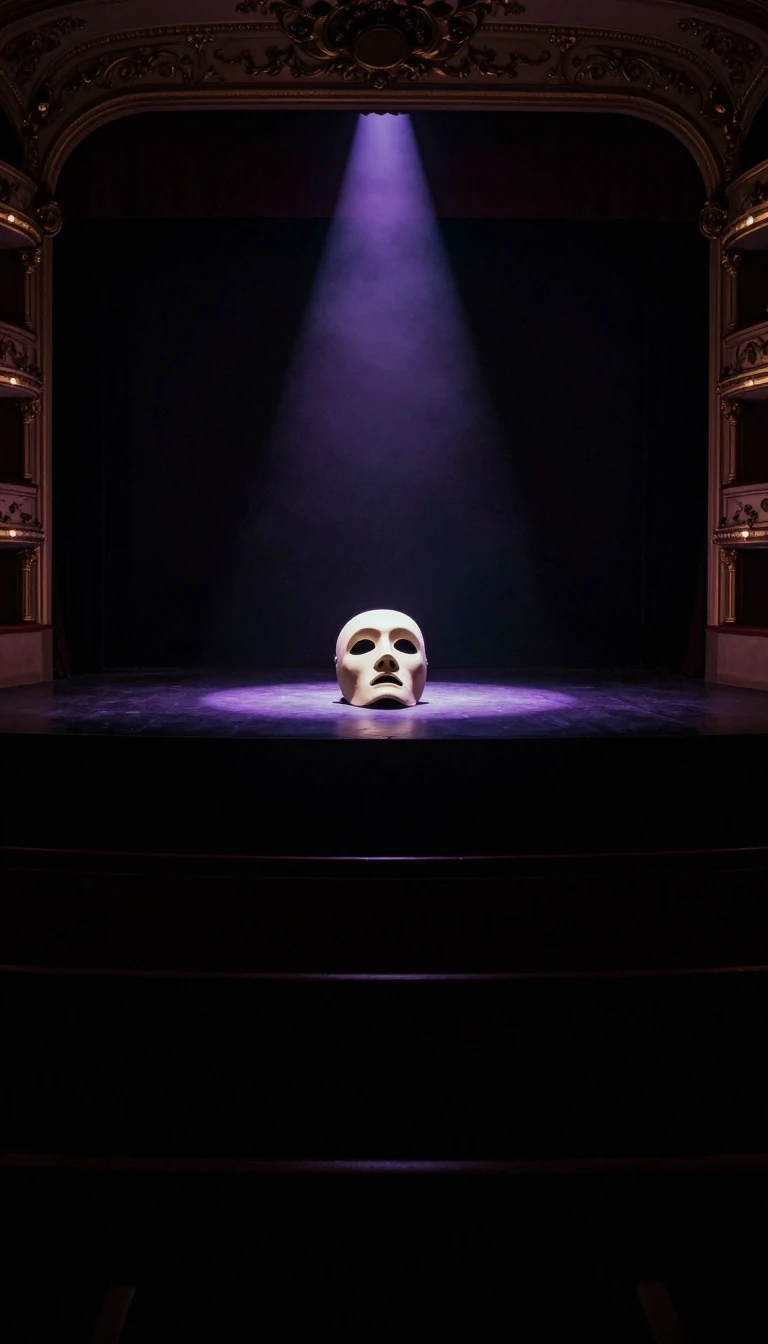 Masked Italian improvisers put Europe’s first actresses onstageCommedia dell'arte, professional Italian theatre popular from the sixteenth to eighteenth centuries, ran on masked stock types, lazzi gags, and half-scripted scenarios. Women play…
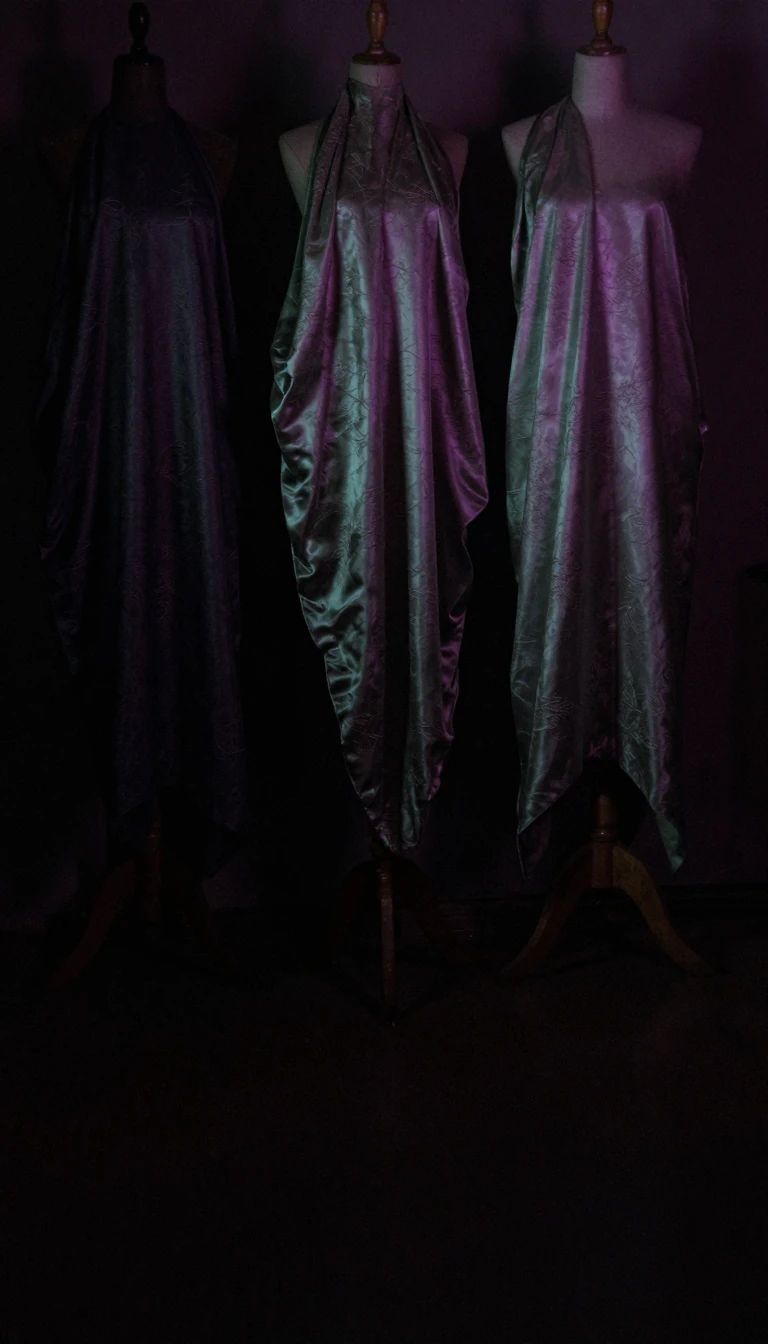 Costume once meant everyday dress, not only disguisesCostume once named the distinctive clothes of a class, job, nation, or occasion—riding kit, evening wear, even swimwear counted. Fashion drift narrowed English usage toward theatr…
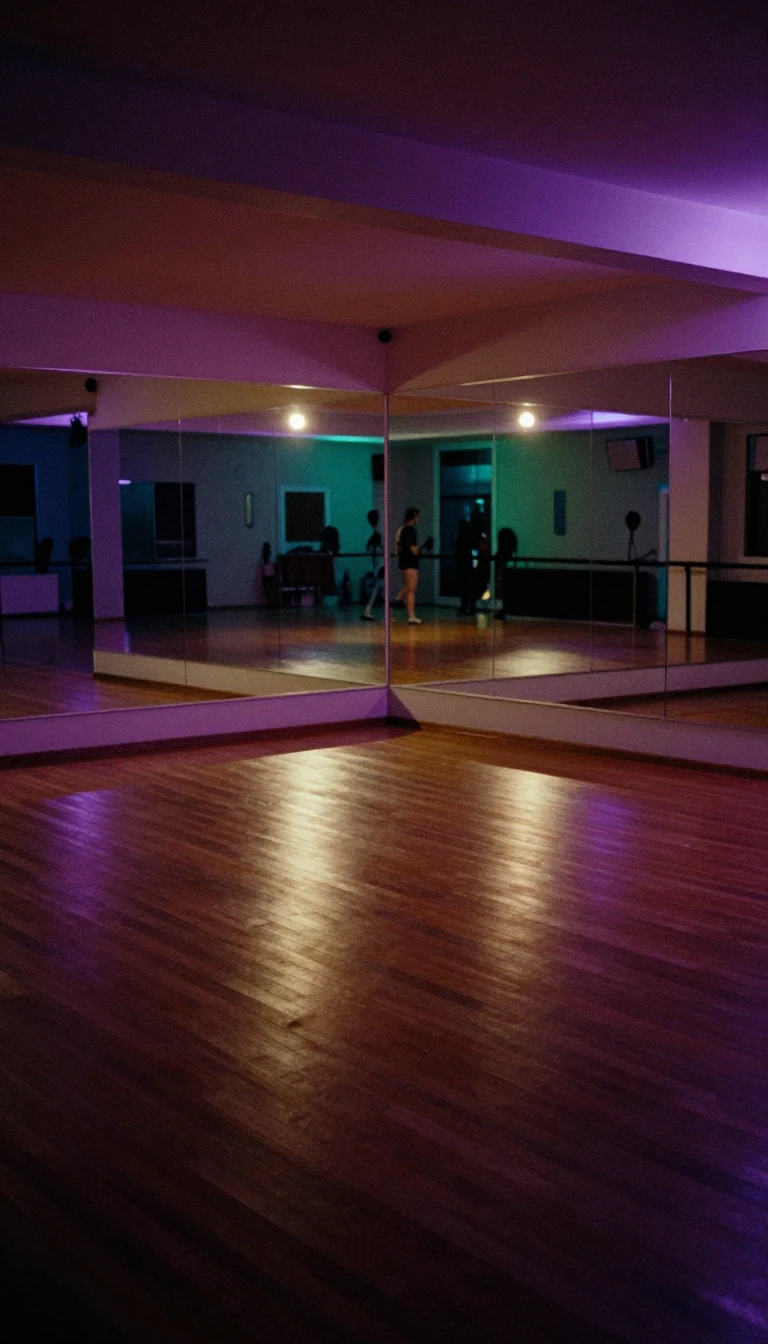 Ten-thousand-year rock art already shows people dancingRock art at Bhimbetka in central India, roughly ten millennia old, and Egyptian burial paintings from about 3300 BC already depict dancers. Long before writing, patterned movement…
- A temple dance renamed in 1932 still shapes classical IndiaBritish officials banned Sadiraattam in 1910. Protest and stage work carried it beyond Tamil temples, and in 1932 reformers renamed it Bharatanatyam. The form still rests on bent …
- Forty-one big Manhattan houses still define commercial theatreBroadway means 41 professional theatres of 500-plus seats in Midtown’s Theater District and Lincoln Center—not every show on the avenue. With London’s West End it tops English-lan…
- Acrobatics began as tiptoe strutting, not circus flips aloneThe Greek root meant walking on tiptoe, yet cultures worldwide turned balance and agility into harvest shows, court spectacle, and sport. Minoan art around 2000 BC already shows b…
- Western acting lore starts when Thespis left the chorusAristotle later claimed a sixth-century Athenian named Thespis stepped out of the dithyrambic chorus and spoke as a character—turning narration into enactment. From his name comes…
- English stages barred women until the Restoration of 1660From Athens to Shakespeare's London, speaking roles were men's work; boys played many female parts. Rome allowed some women on stage but rarely with lines. After 1660, England fin…
 Audiences are not one crowd but many rhetorical inventionsListeners in a room differ from viewers separated by screens, and both differ from the imaginary public a speaker invents while drafting. Rhetoric scholars map immediate, mediated…
 Ballet left Italian courts for Louis XIV's academy rulesFifteenth-century Renaissance festivals dressed nobles in motion-limiting costumes; France then professionalized the art. Louis XIV founded a dance academy in 1661 and later place…
 Competitive ballroom split into International and American schoolsWhat began as privileged social dancing now has two codified contest systems. Outside the United States the International School's ten Standard and Latin dances dominate; American…
 Belly dance is a French label for torso-led Middle Eastern danceEnglish speakers borrowed danse du ventre from a nineteenth-century painting review, yet Arabic names such as raqs sharqi and raqs baladi describe professional and social forms ce…
 Pixar's first feature began after Disney rejected edgier draftsTin Toy's Oscar made Disney court Pixar, yet early Toy Story reels stalled until the team rewrote around a quieter idea: toys crave being played with. That rewrite yielded the fir…
 Cel animation built films one hand-drawn frame at a timeBefore computers dominated studios, classical animation meant drawing every frame by hand, then transferring art to transparent cels painted on the reverse and photographed over b…
 Hitchcock's Vertigo invented the dolly zoom for acrophobiaA retired San Francisco detective with a crippling fear of heights is hired to watch a friend's wife—and the camera itself seems to fall with him. Vertigo mixed cool reviews in 19…
 Paramount bought Puzo's novel cheap, then remade cinemaBefore Mario Puzo's 1969 bestseller exploded, Paramount paid eighty thousand dollars for the rights. Studio bosses struggled to hire a director until Francis Ford Coppola agreed, …
 An Italian Civil War western filmed mostly in SpainSergio Leone's 1966 epic pairs Clint Eastwood's taciturn bounty hunter with Lee Van Cleef's killer-for-hire and Eli Wallach's chaotic bandit. Though financed in Italy, cameras mos…
- Isolated talkie scenes ended Hollywood's silent reignAlan Crosland's 1927 Warner Bros. musical drama was the first feature with synchronized score plus lip-synced singing and speech in scattered sequences. Vitaphone sound made Jack …
 A crusader plays chess with Death to buy one deedIngmar Bergman's 1957 Swedish film sends knight Antonius Block home through plague-struck Sweden after the Crusades. Facing Death, he stakes a chess match to postpone the end and …
 A Jersey boss in therapy redefined prestige TVDavid Chase's HBO drama followed Tony Soprano—James Gandolfini—through panic attacks and sessions with Dr. Jennifer Melfi. Greenlit in 1997, it ran from January 10, 1999 to June 1…
 Julie Andrews fled Nazis on screen and swept OscarsRobert Wise's 1965 musical, scripted by Ernest Lehman from the Rodgers and Hammerstein stage hit, follows Maria and the von Trapp children in 1938 Salzburg. Shot in Los Angeles an…
- MGM's Technicolor Oz became the most-seen filmMetro-Goldwyn-Mayer's 1939 musical fantasy, chiefly directed by Victor Fleming from L. Frank Baum's 1900 novel, sent Judy Garland's Dorothy down a yellow brick road. Three-strip T…
 Ozu's quiet family visit was voted cinema's greatestYasujirō Ozu's 1953 drama follows aging Shūkichi and Tomi Hirayama from Onomichi to Tokyo to see grown children too busy to host them. Exporters once called it too Japanese to sel…
 Hollywood's Big Five ruled until antitrust broke theater chainsFrom talkies around 1927 until a 1948 Supreme Court case, a handful of studios owned production, distribution, and theatres. MGM, Paramount, Warner Bros., Fox, and RKO formed the …
 The Tonight Show still holds the longest talk-show recordConversation-as-format grew on U.S. television in the early 1950s. Joe Franklin began in 1951; NBC's Tonight Show, launched in 1954 with Steve Allen, remains the world's longest-r…
 TV shifted from live experiments to color, arcs, and streaming1930s broadcasts of the Berlin Olympics, George VI's coronation, and Sarnoff's 1939 World's Fair teased a new medium before war froze progress. Afterward, the 1947 World Series so…
 Ray filmed Apu's life on a shoestring and rewrote world cinemaSatyajit Ray's Bengali trilogy—Pather Panchali (1955), Aparajito (1956), The World of Apu (1959)—follows one boy's path from village poverty to adult grief. Shot with amateurs on …
- Disney's first feature cartoon briefly topped all sound filmsHollywood scoffed that an hour-plus cartoon would empty theatres. Walt Disney spent about $1.5 million on Snow White anyway. After a December 1937 Los Angeles premiere and a Febru…
 Soap manufacturers named a genre built for endless weekday storiesDaytime serials earned their nickname from detergent sponsors, not sudsy plots alone. Scholars usually start the form with Irna Phillips's Painted Dreams on Chicago radio in 1930.…
 Miyazaki's bathhouse epic was Japan's top film for nineteen yearsChihiro wanders into a spirit spa, loses her name to the witch Yubaba, and works to free parents turned into pigs. Hayao Miyazaki's 2001 Studio Ghibli film cost about US$19 millio…
 NBC nearly killed Trek before Trekkies saved it with lettersGene Roddenberry pitched a Wagon Train to the stars in 1964; Lucille Ball's Desilu backed him. After NBC rejected the first pilot starring Jeffrey Hunter, fans later flooded the n…
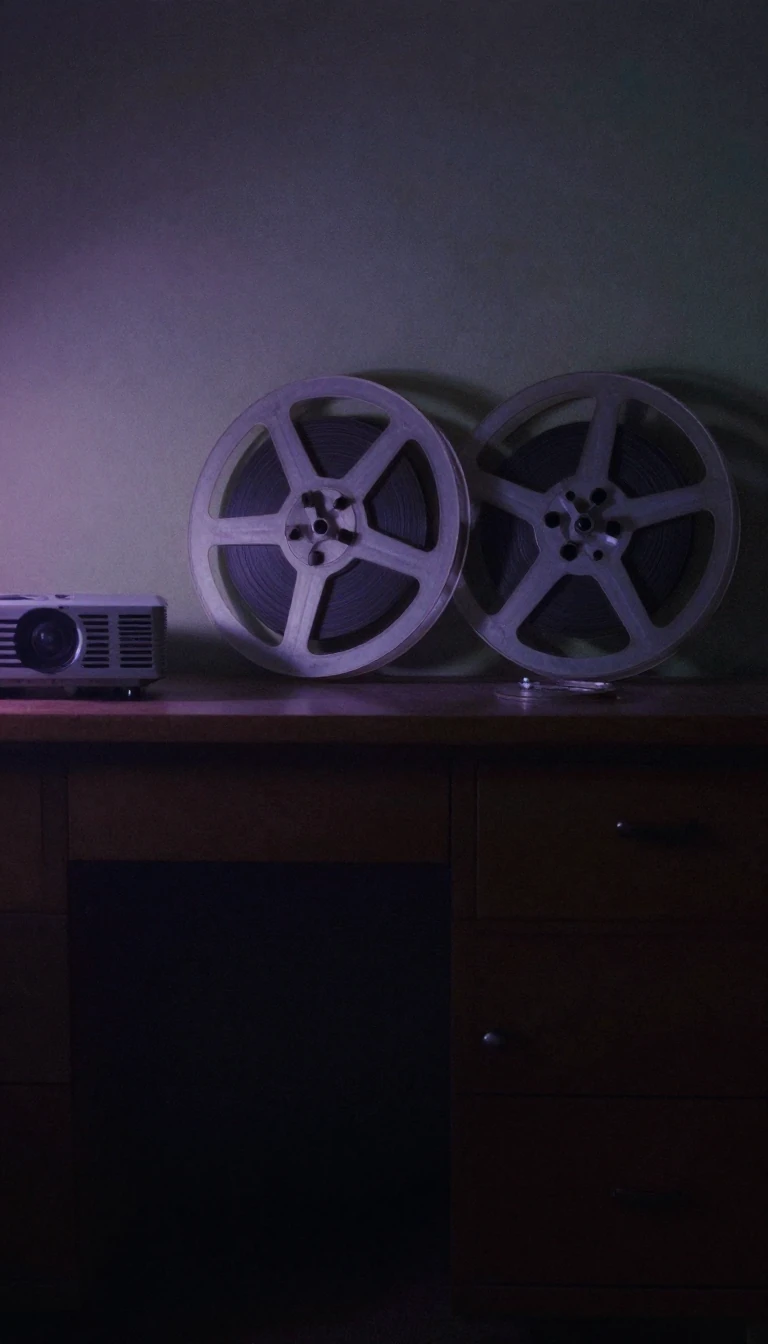 Most American silent features likely no longer existSilent cinema matured between the mid-1890s and 1929, inventing Classical Hollywood grammar alongside German Expressionism and Soviet montage. Unstable nitrate stock and studios’ …
- MGM treated Singin’ in the Rain as a routine musicalGene Kelly and Stanley Donen’s 1952 comedy about Hollywood’s scramble into talkies used Arthur Freed and Nacio Herb Brown’s old song catalog. It opened only modestly. Later it top…