 Intellect Plus
Art
5,849 cards. Each one is a 40-second story with a five-minute read behind it. Page 70 of 98.
Subtopics: Art crime · Art history · Art museums · Arts: General · Baroque · Calligraphy · Ceramics · Children's literature · Classic literature · Colour · Concepts of fiction and narrative · Conceptual art · Conservation · Craft · Cultural venues · Dada · Detective fiction · Directors, producers and screenwriters · Dye · Entertainers · Expressionism · Fantasy literature · Fictional and legendary characters · Film and television · Filmmakers and theatre directors · Forgery · Fresco · History painting · Illustration · Impressionism · Literature · Medieval art · Michelangelo · Modern art · Mosaics & stained glass · Oil painting · Optics · Painting · Paris salon · Performing arts · Photography · Pigments · Poetry · Poets · Portraiture · Post impressionism · Printmaking · Renaissance · Romanticism · Science fiction literature · Sculpture · Shakespeare · Spanish golden age · Street art · Symbolism · Textiles · Theatre · UK & Ireland: arts · Van gogh · Vermeer · Victorian · Visual artists · Visual arts
 The million-line epic that shaped North African identity and survived for centuriesThe Sirat Bani Hilal is a massive Arabic oral epic recounting the 11th-century migration of a Bedouin tribe. Once widespread, this living tradition is now performed only in Egypt.…
 From Vaudeville Stages to Viral Satire: The Enduring Power of Sketch ComedySketch comedy is more than just a collection of short, funny scenes. It is a dynamic art form that evolved from 19th-century music halls into a global television staple. By blendi…
 The noisy, wooden secret behind centuries of stage-bound physical comedySlapstick is more than just a pratfall; it is a centuries-old theatrical device designed to create maximum auditory chaos with minimal physical impact. By using a clever wooden pr…
 How a prisoner of war used science fiction to process the firebombing of DresdenKurt Vonnegut’s 1969 novel Slaughterhouse-Five blends autobiography with absurdist science fiction to confront the trauma of World War II. By introducing a protagonist who is unst…
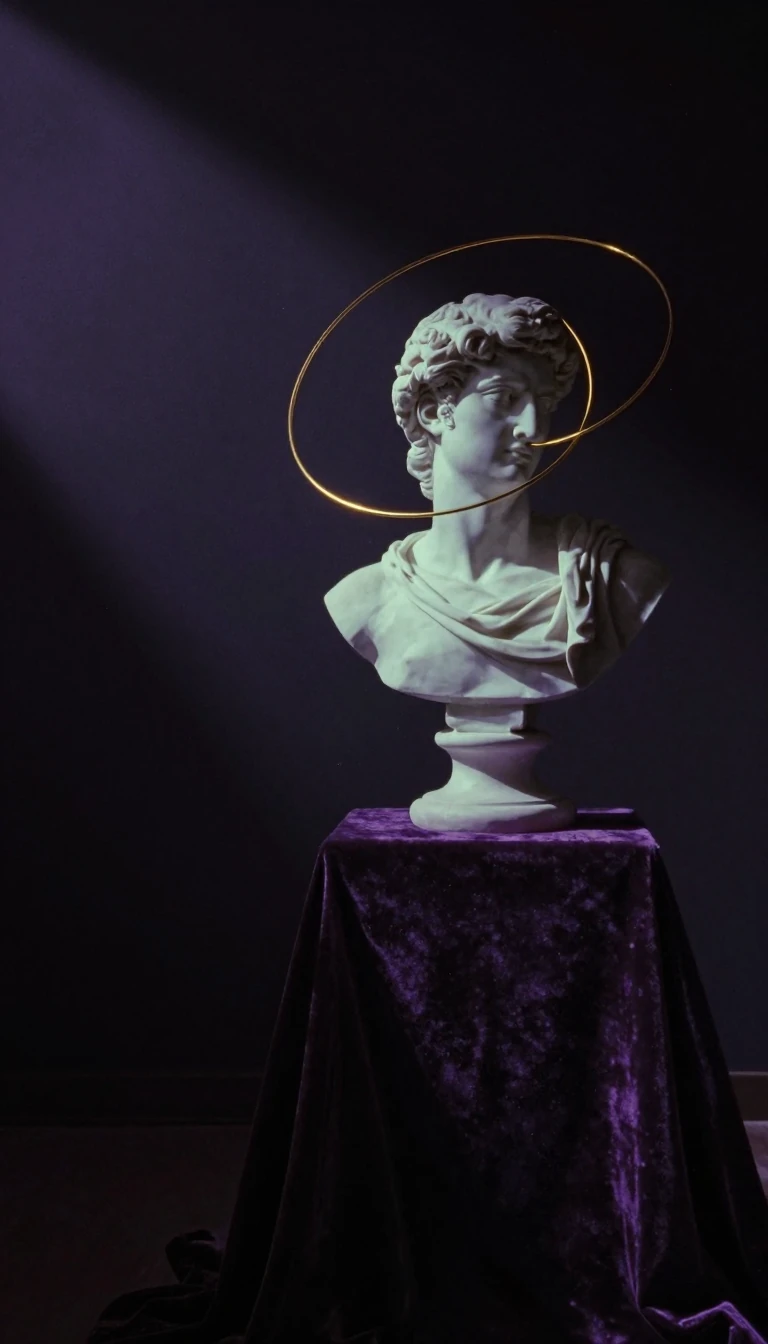 Why a Roman marble sculpture of a sleeping figure captivated centuries of artistsThe Sleeping Hermaphroditus is an ancient Roman masterpiece that has fascinated viewers since its 1618 discovery in Rome. From Bernini’s addition of a marble mattress to its influ…
 Is sleight of hand a branch of magic or an independent art form?Often mistaken for a subset of magic, sleight of hand is a distinct discipline rooted in dexterity and cunning. While magicians rely on these skills, many artists practice them in…
 Snoopy was a marketing powerhouse who fundamentally changed the trajectory of comic strip history.Debuting in 1950, Snoopy evolved from a simple beagle into an imaginative icon. While he could not speak, his rich inner life and diverse personas—from World War I flying ace to J…
 Social dance is not a performance but a mirror of shifting human valuesSocial dance is designed for participation, not the stage. Throughout history, these movements have evolved from rigid displays of courtly hierarchy to rebellious expressions of i…
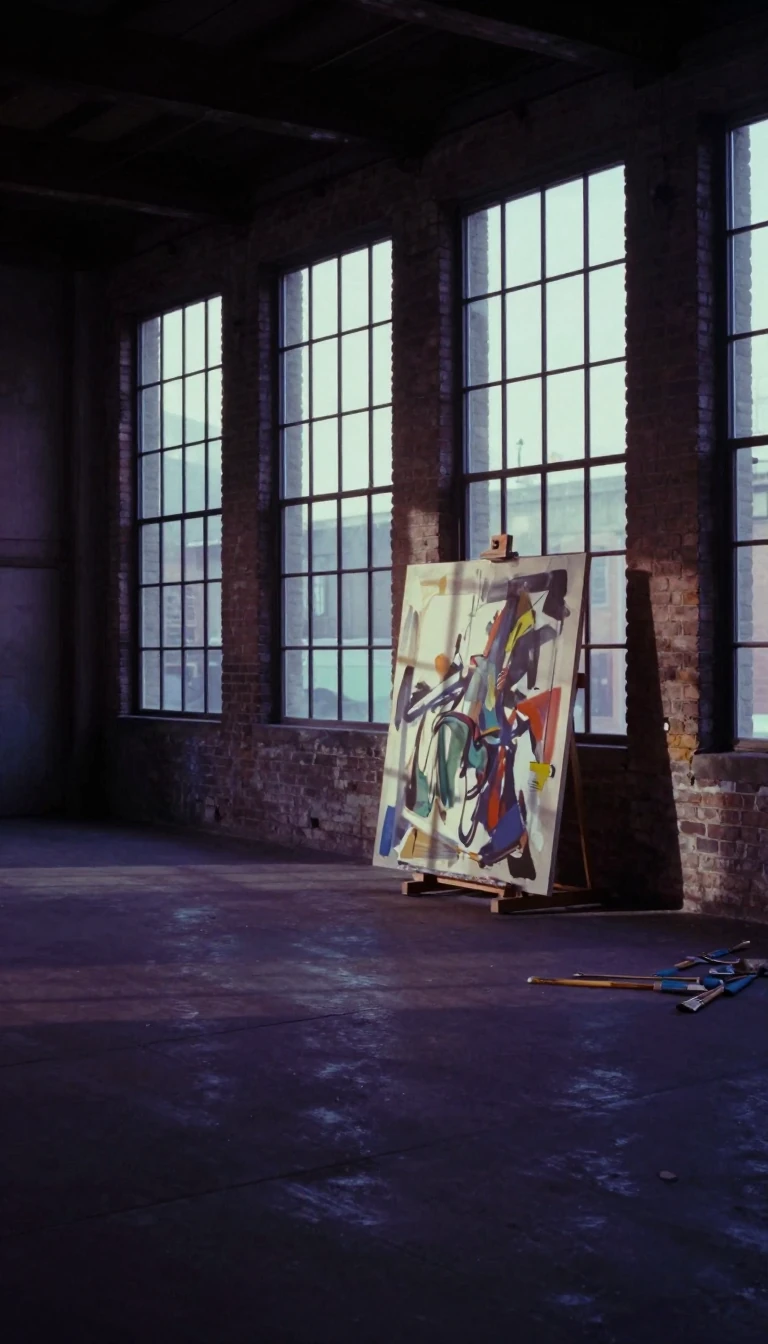 Why American artists used paint to protest the harsh realities of the Great DepressionIn the 1930s, American art shifted from romanticized landscapes to biting social commentary. Fueled by economic collapse and federal patronage, artists used their canvases to expo…
 Why Andrei Tarkovsky’s Solaris is a masterpiece of inner space, not outer spaceAndrei Tarkovsky’s 1972 science fiction film Solaris was a deliberate rejection of the technological focus seen in Western genre hits like 2001: A Space Odyssey. Instead of space …
 How a spiky blue hedgehog became the world's fastest pop culture iconCreated by Sega to challenge Nintendo's Mario, Sonic the Hedgehog evolved from a simple prototype into a global phenomenon. With his signature cobalt blue fur and supersonic speed…
 Can the sound of a single gunshot become a soothing lullaby for the restless?Sound design is more than just background noise; it is a sculptural force that shapes our perception of reality. By manipulating audio, artists can transform the jarring violence …
- How a WWII battleship became the most influential vessel in Japanese science fiction historySpace Battleship Yamato transformed Japanese anime by introducing complex, serialized storytelling and mature themes. Originally conceived as a dark, asteroid-based survival story…
 How a hotel bellhop became the star of a legendary Franco-Belgian comic seriesCreated in 1938, the Spirou comic has evolved through decades of artistic reinvention. Originally a simple elevator operator, the titular character transformed into an investigati…
 The Vulcan science officer who became a cultural icon despite early studio skepticismSpock was almost written out of Star Trek, with executives fearing his pointed ears looked satanic. Yet, the character became so popular that the studio demanded more of him, even…
 Why the oldest human art form is still the most powerful way to speakSpoken word is not just poetry; it is an ancient oral tradition that prioritizes the aesthetics of sound over the printed page. From prehistoric hunting chants to modern slam comp…
 How a marine biologist’s sketch of a sea sponge became a global cultural icon.Created by marine science educator Stephen Hillenburg, SpongeBob SquarePants was designed to be the weirdest creature imaginable. What began as a comic book precursor called The I…
 Why the most successful spies in literature are often the ones who remain unnoticedSpy fiction transforms the murky, often bureaucratic world of intelligence into a literary stage. While popular icons like James Bond emphasize the glamorous assassin, the most re…
- Square dancing is a global language of movement governed by a standardized English vocabulary.While often associated with the romanticized American cowboy, square dancing is a complex, evolving tradition. From its roots in 17th-century English country dance to the standard…
 Is the stage hypnotist actually controlling minds, or just masterfully manipulating social compliance?Stage hypnosis is a theatrical spectacle, not a medical procedure. While performers often claim to induce deep trances, skeptics and former practitioners argue the show relies on …
 From candles to LEDs: How stage lighting shapes the drama of performanceStage lighting is far more than mere visibility. It is a precise craft that manipulates color, intensity, and direction to define the mood, time, and focus of a performance. From …
 The invisible architect of every performance is the stage manager, not the director.While directors craft the artistic vision, the stage manager is the absolute ruler of the production. From ancient Greek technicians to modern Broadway professionals, these expert…
 How a rejected Western became a textbook for the greatest filmmakers in historyJohn Ford’s 1939 masterpiece Stagecoach was nearly never made. Studios rejected it for its budget and its lead actor, John Wayne. Yet, it became a genre-defining classic, lauded b…
 Staging is the invisible architecture that shapes how we perceive every dramatic performanceStaging is far more than just scenery. It is the deliberate design of the performance space, encompassing everything from actor movement to lighting and props. Whether in a play o…
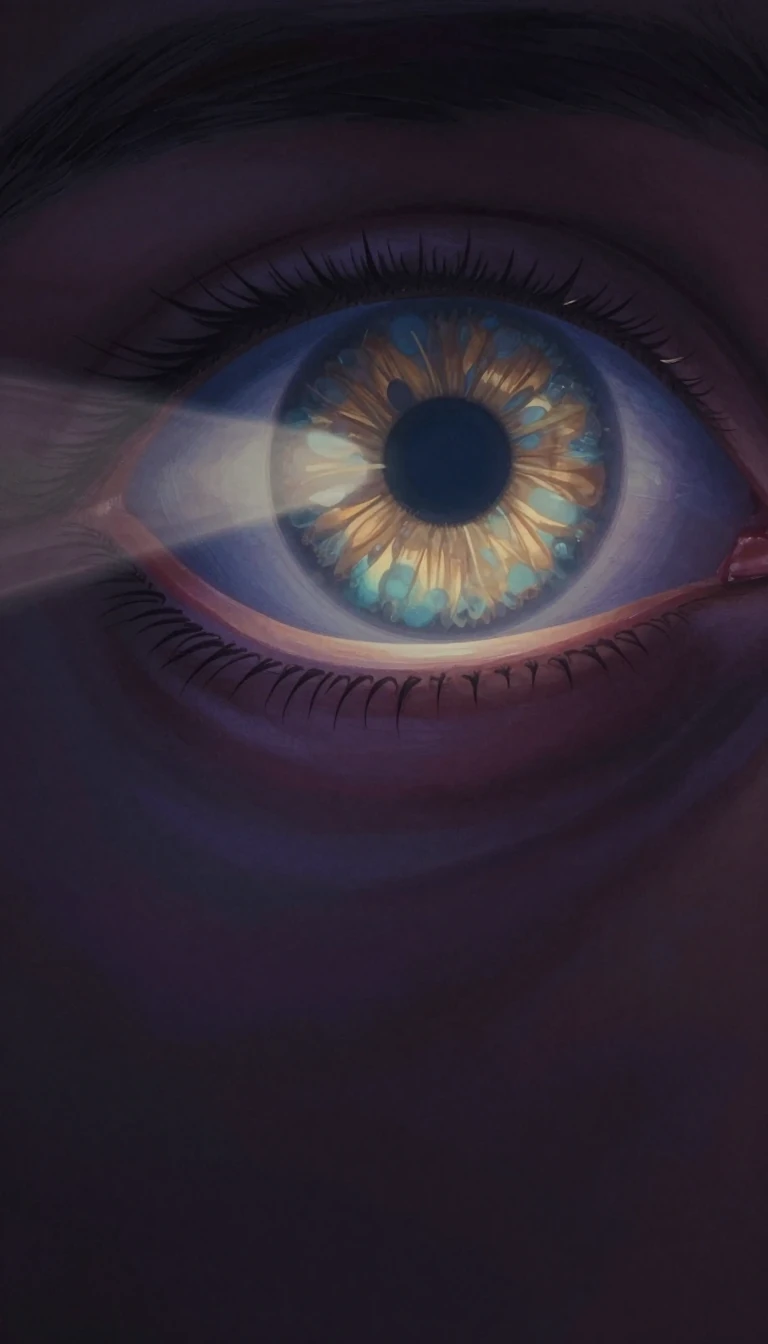 A Soviet masterpiece of science fiction that nearly destroyed its own production crewAndrei Tarkovsky’s 1979 film Stalker is a haunting, philosophical journey into a mysterious wasteland where physics fails and desires manifest. Beyond its cinematic legacy, the pr…
 How Singapore's Star Awards evolved from a small studio show to a national spectacleSince its 1994 debut with 500 attendees, the Star Awards have transformed into a major cultural event. What began as a modest recognition of local television talent has grown thro…
 Why a 1959 science fiction novel remains the most controversial book in the genre.Robert Heinlein’s Starship Troopers is a landmark of military science fiction that triggered decades of debate. By linking voting rights to military service and advocating for cor…
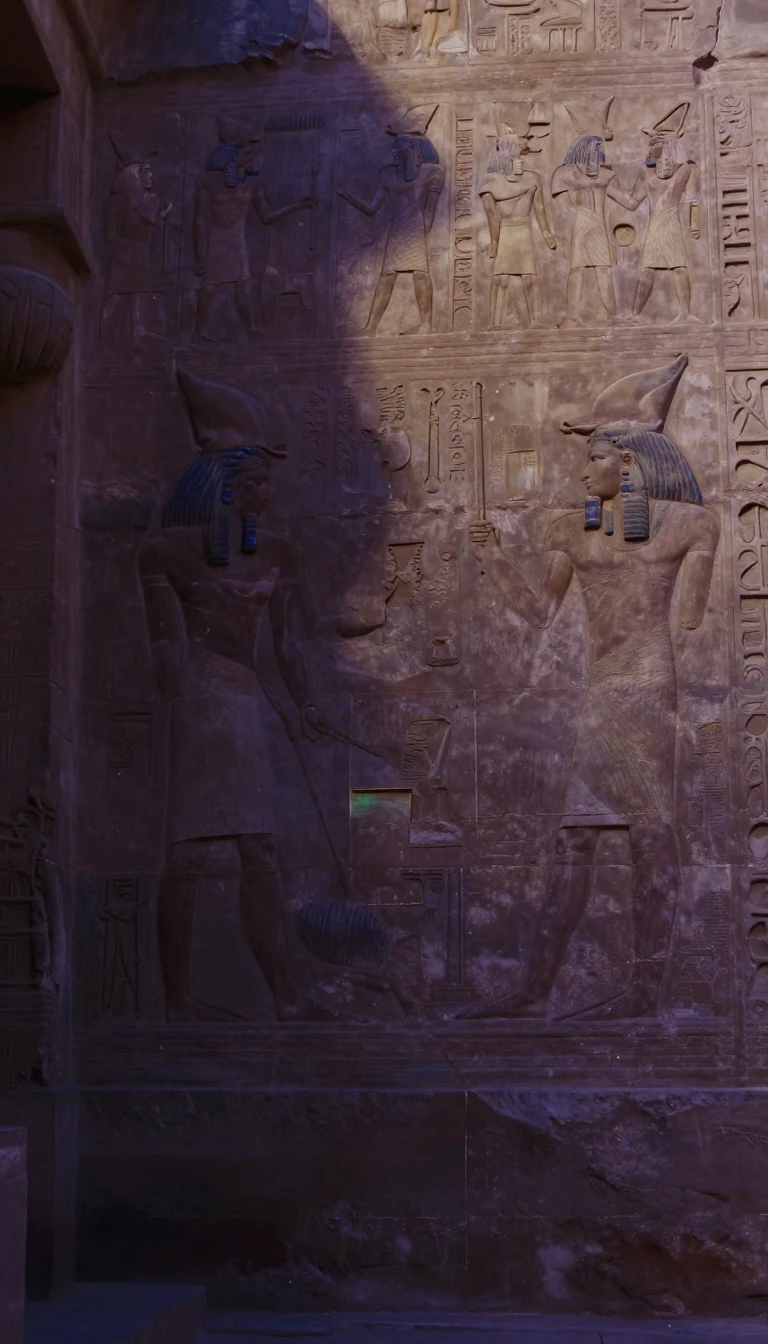 The vibrant, painted history of statues is hidden beneath layers of weathered stone.We often imagine ancient statues as stark, white marble, but this is a modern misconception. For millennia, sculptors coated their work in vivid pigments. The transition to unpain…
 The Statue of Freedom was cast by a slave during the American Civil WarPerched atop the United States Capitol dome, the colossal Statue of Freedom is an icon of American history. While designed by Thomas Crawford in Rome, its final bronze casting was…
 How a failed rabbit and a jazz singer birthed a global animation empireBefore Mickey Mouse became a cultural icon, Walt Disney was a struggling producer with a failed rabbit character. After witnessing the revolutionary sound in The Jazz Singer, Disn…
- Stone carving is an ancient art of freeing forms from raw, natural blocks.Stone carving is a practice older than civilization, where artists shape natural stone through controlled removal. From prehistoric Venus figurines to modern industrial monuments,…
 Stop motion animation began as a secret magic trick to baffle early cinema audiences.Before digital effects, filmmakers manipulated physical objects frame by frame to create the illusion of life. From dead beetles to clay sculptures, this painstaking technique evo…
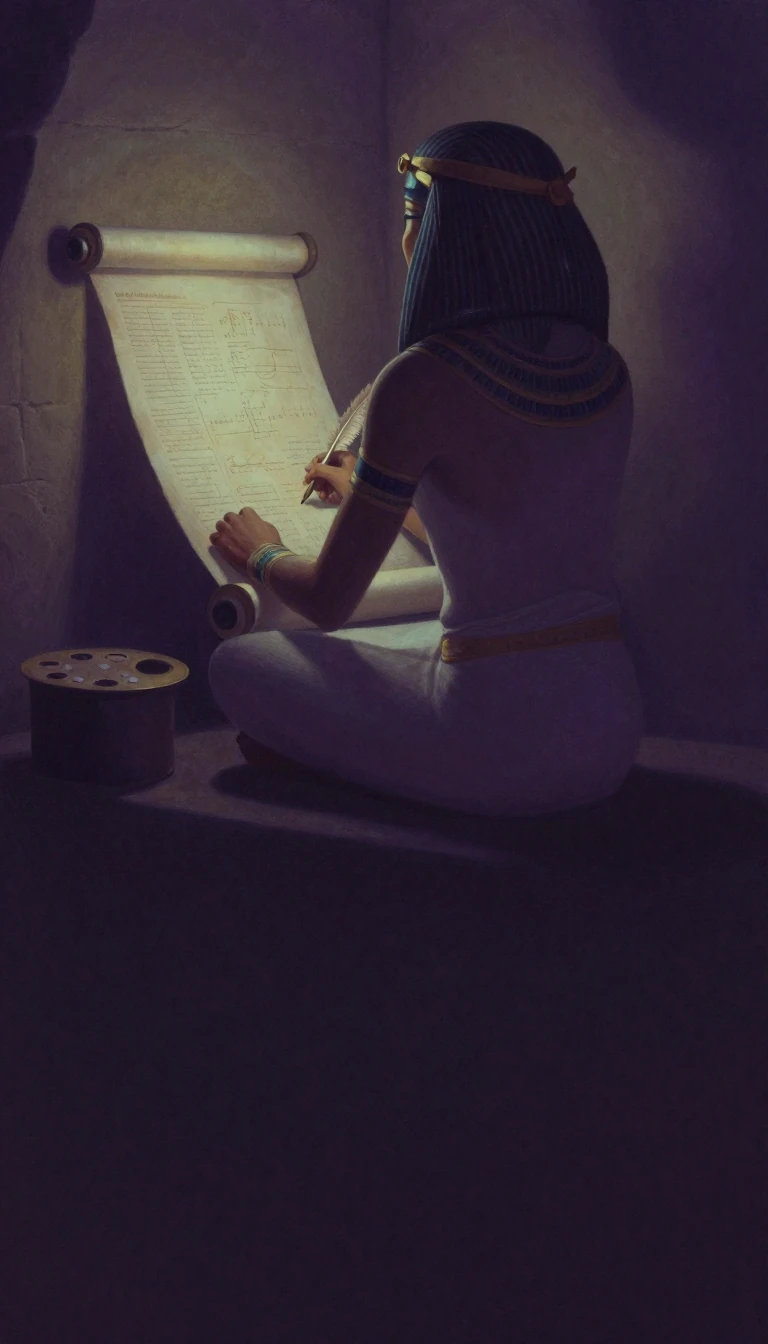 Why did a loyal Egyptian official abandon his life to live in exile?The Story of Sinuhe is ancient Egypt’s most enduring literary mystery. After hearing of his king’s assassination, a high-ranking official flees his homeland in a blind panic. He f…
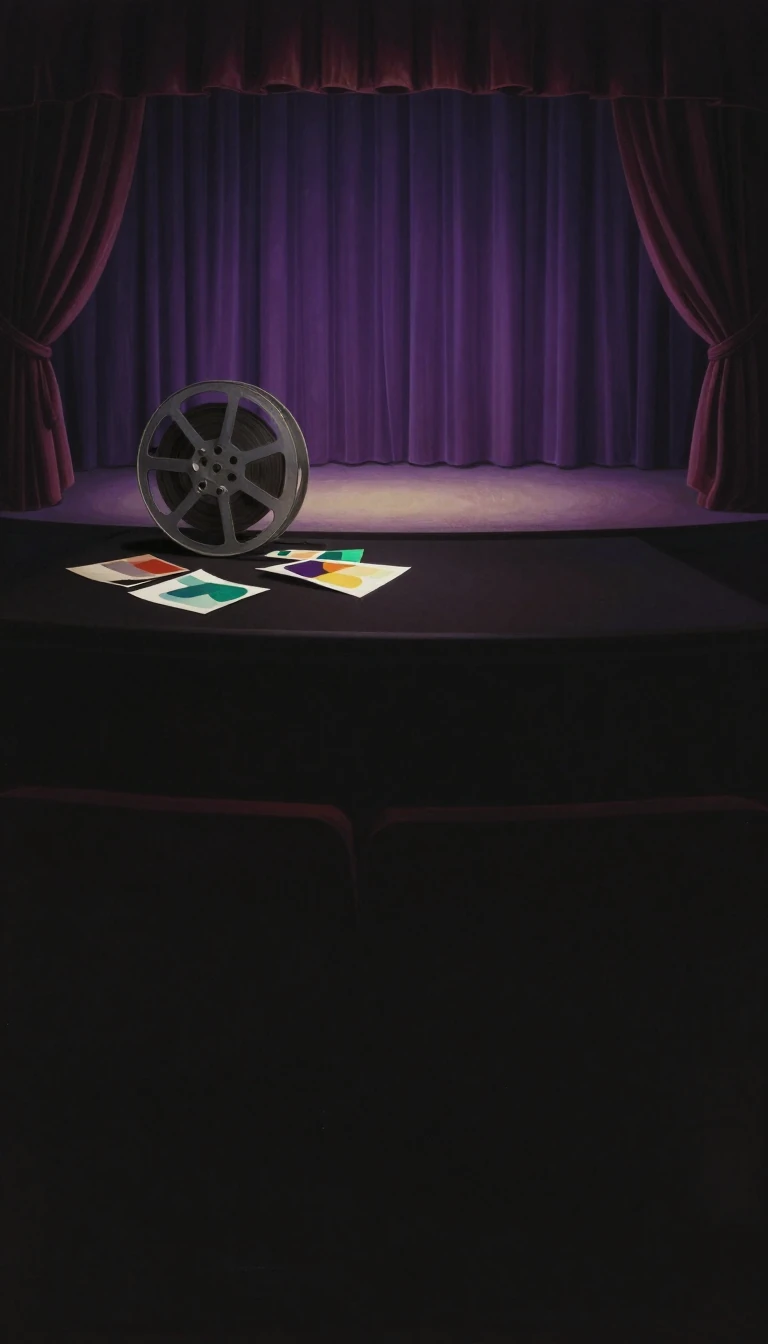 Why the most important tool in modern filmmaking began as a simple bulletin board.Before the storyboard became an industry standard, animators worked in isolation, crafting gags without narrative cohesion. Walt Disney changed this in the early 1930s by pinning …
 Is street art a crime, a career, or a vital tool for urban safety?Street art has evolved from defiant, illicit graffiti into a sophisticated global phenomenon. While it remains rooted in the unauthorized use of public space, it now encompasses e…
 Why the most vibrant dance movements are born in the streets, not studiosStreet dance is not just a collection of moves; it is a vernacular language born from social interaction in public spaces. From the Bronx to California, these styles emerged as a …
 Why the most dangerous movie stunts are still performed by real peopleCinema has evolved from primitive in-camera tricks to sophisticated computer-generated imagery, yet the stunt performer remains essential. Despite the rise of digital effects, the…
 Is style an objective truth of history or just a useful, human-made fiction?Art historians have long used style to categorize the human story, grouping works by era, movement, or individual hand. Yet, this framework is increasingly contested. Is style a g…
 Why the way we speak reveals more than just the words we chooseStylistics is the bridge between linguistics and literary criticism, analyzing how our language choices—from casual vernacular to formal register—shape meaning. By examining every…
 Beyond translation: how subtitles shape our understanding of film and televisionSubtitles are more than just translated dialogue. They are complex technical artifacts that can provide cultural context, reveal inner thoughts, or offer essential accessibility f…
 Vincent van Gogh painted his famous sunflowers to decorate a room for Paul Gauguin.Van Gogh’s iconic sunflower series was not just an artistic study of nature, but a calculated gesture of friendship. He created these vibrant works to adorn the guestroom of his Y…
 How a Japanese superhero franchise defined the tokusatsu genre for half a centuryThe Super Sentai series, a Japanese cultural juggernaut, has shaped the tokusatsu genre since 1975. Featuring color-coded teams, elaborate transformations, and giant mecha battles…
 Supergirl is not just one character, but a shifting mantle across decades of comics.While the original Kara Zor-El is the most famous Supergirl, the title has been held by artificial life-forms, human-angel hybrids, and even a queen from a fictional nation. DC Co…
 How a $55 Million Gamble Created the Modern Superhero Movie FranchiseBefore it became a cultural touchstone, the 1978 Superman film was a production nightmare. With an unprecedented budget, a director at war with his producers, and a desperate sear…
 How a reality television experiment became a global masterclass in human social dynamicsSurvivor is more than a game of endurance; it is a complex social laboratory where strangers are marooned to build societies from scratch. By balancing physical survival with the …
 Dario Argento’s Suspiria is a nightmare captured on film through vivid, Technicolor-soaked visual excess.Released in 1977, this Italian horror masterpiece abandoned conventional realism for a dreamlike, sensory assault. By prioritizing aesthetic experience over traditional narrative,…
 From runestones to global thrillers: the evolution of the Swedish literary traditionSwedish literature began not with novels, but with legal codes and runic inscriptions. Over centuries, it transformed from a tool of religious reformation and national myth-making…
 Is the Demon Barber of Fleet Street a historical figure or a literary invention?Sweeney Todd first emerged in 1846 as a fictional villain in a penny dreadful serial. While some have argued he was a real murderer from the early 19th century, scholars have foun…
- Swing dancing is not one single style but a vast, evolving family of movement.While the term swing often evokes images of 1930s Harlem, it actually describes a massive, diverse category of social dances. From the high-energy Lindy Hop to the slotted, smooth…
 Can a virtual world become as real as the one we inhabit?Sword Art Online began as a web novel about players trapped in a lethal virtual reality game. It evolved into a massive franchise exploring the dangers of brain-computer interface…
 Sword swallowing is not actually swallowing, but a precise, dangerous feat of anatomical control.Sword swallowing is a high-stakes performance that defies basic biology. By suppressing the natural gag reflex and manually relaxing the esophageal sphincter, performers create a …
 Is there a Syrian literature, or is it a collection of silences and shadows?Syrian literature is a complex tapestry woven from centuries of classical Arabic tradition, colonial-era reform, and the harsh realities of modern authoritarianism. While some sch…
 Systems design is the hidden architecture connecting everything from digital infrastructure to political movementsSystems design is more than just coding; it is the art of understanding how individual components interact to form a cohesive whole. Whether building massive distributed networks …
 Takeshi's Castle turned physical failure into a global cult phenomenon of painful entertainmentBetween 1986 and 1990, Japanese comedian Takeshi Kitano challenged armies of contestants to storm his fortress. The show featured elaborate, often humiliating physical obstacles t…
 Why the Tang Dynasty remains the undisputed golden age of Chinese creative expressionSpanning from 618 to 907, the Tang dynasty transformed Chinese civilization. From the rise of landscape painting and the first true porcelain to the founding of the first opera tr…
 Why China's Tang Dynasty remains the undisputed golden age of world poetrySpanning nearly three centuries, the Tang dynasty transformed poetry into a social necessity, embedding it into civil service exams and daily life. While war destroyed countless w…
 How a fusion of global rhythms became the heartbeat of American stage entertainmentTap dance is not just a performance; it is a percussive language. Born from the collision of diverse cultural traditions in urban America, it transformed from competitive street-l…
 Why Germany's longest-running crime drama is actually a collection of local moviesTatort is not a typical police series but a cultural phenomenon. Since 1970, Germany's public broadcasters have pooled resources to produce feature-length, 90-minute crime stories…
 How a gritty New York magazine profile birthed one of television's most acclaimed sitcoms.Taxi remains a masterclass in ensemble comedy, balancing cynical humor with profound explorations of human struggle. Inspired by a 1975 New York magazine article about night-shift…
- Four Renaissance-named turtles began as a joke between two struggling comic book artists.In 1983, Kevin Eastman sketched a masked, nunchuck-wielding turtle to amuse Peter Laird. What started as a parody of popular superhero tropes—the X-Men, Daredevil, and New Teen Ti…