 Intellect Plus
Art
5,849 cards. Each one is a 40-second story with a five-minute read behind it. Page 80 of 98.
Subtopics: Art crime · Art history · Art museums · Arts: General · Baroque · Calligraphy · Ceramics · Children's literature · Classic literature · Colour · Concepts of fiction and narrative · Conceptual art · Conservation · Craft · Cultural venues · Dada · Detective fiction · Directors, producers and screenwriters · Dye · Entertainers · Expressionism · Fantasy literature · Fictional and legendary characters · Film and television · Filmmakers and theatre directors · Forgery · Fresco · History painting · Illustration · Impressionism · Literature · Medieval art · Michelangelo · Modern art · Mosaics & stained glass · Oil painting · Optics · Painting · Paris salon · Performing arts · Photography · Pigments · Poetry · Poets · Portraiture · Post impressionism · Printmaking · Renaissance · Romanticism · Science fiction literature · Sculpture · Shakespeare · Spanish golden age · Street art · Symbolism · Textiles · Theatre · UK & Ireland: arts · Van gogh · Vermeer · Victorian · Visual artists · Visual arts
 E. M. Forster: The Novelist Who Found Meaning Between the Earth and ImaginationEdward Morgan Forster, a titan of 20th-century literature, spent his life navigating the friction between rigid social structures and the human spirit. Best known for Howards End …
 How Rachel Eliza Griffiths uses photography and poetry to map the landscape of memoryRachel Eliza Griffiths is a multidisciplinary artist who refuses to separate the heart from the mind. By weaving photography and poetry into singular, arresting works, she explore…
 Why the Dutch Golden Age produced over a million paintings in just twenty yearsDuring the 17th century, the Dutch Republic became a powerhouse of art production, driven by a massive, secular market. Unlike the rest of Europe, Dutch artists abandoned religiou…
 How a visit to a British art museum transformed the animation of Studio GhibliHayao Miyazaki hit a creative wall while developing Ponyo, until a chance encounter with a 19th-century painting changed his perspective on animation. He abandoned complex digital…
 Why the Flemish masters were the original pioneers of hyper-realistic oil paintingLong before the Italian Renaissance reached its peak, artists in the Burgundian Netherlands were revolutionizing visual culture. By mastering the oil medium, they captured the wor…
 De Stijl: The Dutch movement that turned reality into a grid of primary colorsFounded in 1917, De Stijl sought an immutable core of reality through radical abstraction. By limiting their vocabulary to straight lines, rectangular forms, and primary colors, t…
 Can a set of strict, ascetic rules actually liberate the creative spirit of cinema?In 1995, Danish filmmakers Lars von Trier and Thomas Vinterberg launched Dogme 95, a movement demanding filmmakers abandon special effects and artificial sets. By swearing a Vow o…
 The painter who dreamed of being an engineerJohn Martin was the most popular painter of his day, creating apocalyptic visions so large they were adapted into early cinema. Yet, despite his fame for depicting the destruction…
 The 1960s counterculture was a global, anti-establishment movement that reshaped art, fashion, and politics.From the streets of Prague to the festivals of Mexico, the 1960s counterculture was more than just a hippie trend. It was a widespread, international reaction against traditional …
 Why 19th-century artists rejected nature to worship the artificial and the perverseThe Decadent movement was a late 19th-century rebellion against the banal progress of industrial society. By prioritizing human fantasy, material excess, and aesthetic hedonism ov…
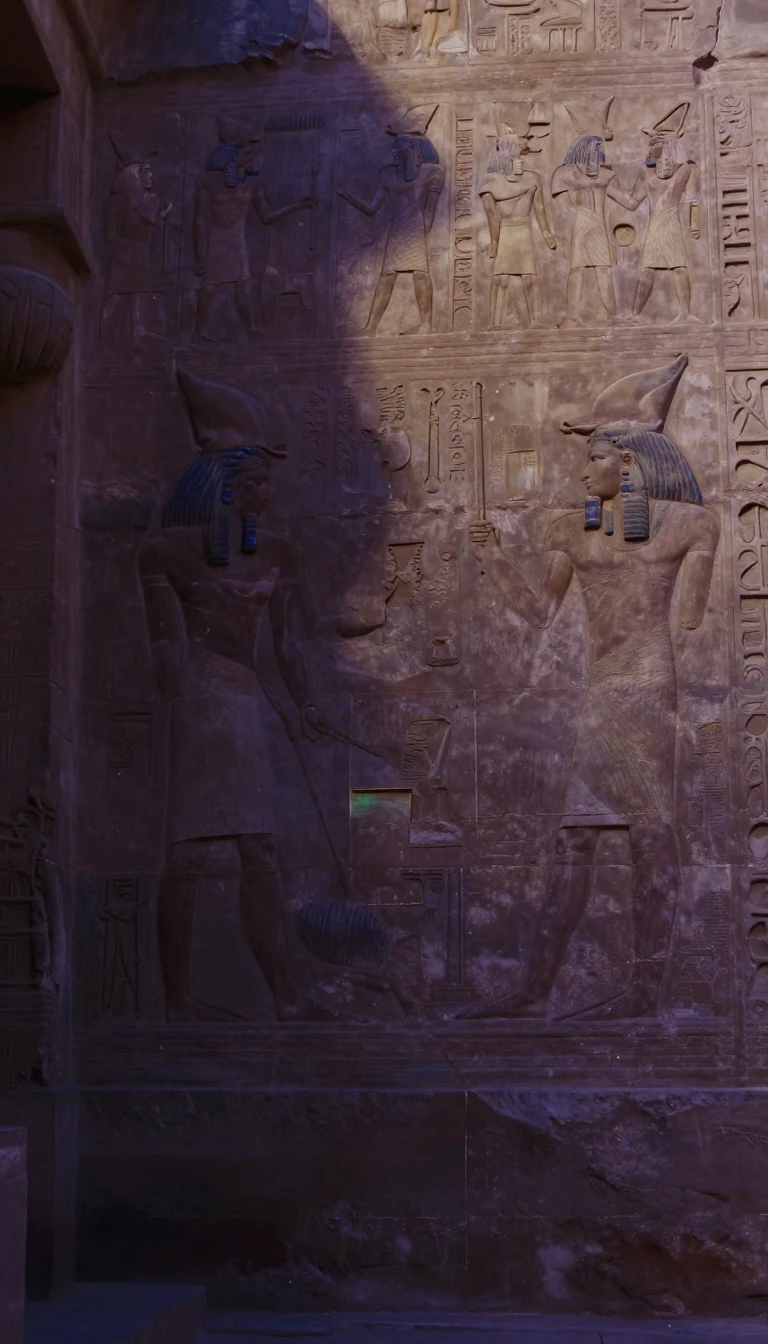 The most ornate classical order was inspired by a basket on a graveThe Corinthian order is the most elaborate of the three principal classical architectural styles. While its name links it to the Greek city of Corinth, legend suggests it was born…
 Why the figure on the cross evolved from a triumphant king to a suffering man.For centuries, the crucifix was not a symbol of agony, but of divine victory. Early depictions showed a living, regal Christ, eyes open and standing tall. It was only later that W…
 Why medieval art depicted the pope and the peasant dancing toward the graveThe Danse Macabre, or Dance of Death, emerged in the late Middle Ages as a haunting allegory of mortality. By pairing skeletons with figures from every social rank—from emperors t…
 How a self-imposed censorship seal shaped decades of American comic book storytellingIn 1954, the comic book industry faced a moral panic, leading to the creation of the Comics Code Authority. This voluntary regulatory body acted as a de facto censor, forcing publ…
 Why has Israel faced sustained international criticism since its establishment in 1948?Since its founding, Israel has been the subject of global scrutiny regarding its treatment of Palestinians, the occupation of territories, and its military conduct. From debates o…
- Why Byzantine art prioritized symbolic meaning over the pursuit of realistic representationByzantine art is often misunderstood as a decline in skill, but it was actually a deliberate shift. While classical artists aimed to mimic reality, Byzantine creators favored a sy…
 Chinoiserie: How Europe’s Imaginary China Shaped Centuries of Western Art and DesignChinoiserie was not a direct reflection of Chinese culture, but a European fantasy. From the 17th century through the 1920s, this aesthetic blended real imports with invented moti…
 How Christian Dior transformed post-war fashion with his revolutionary and controversial New LookAfter the austerity of World War II, Christian Dior shocked the world by trading military-inspired silhouettes for ultra-feminine, sculptural designs. His debut collection in 1947…
 How the Bronze Age of comics traded capes for grit and social relevanceBetween 1970 and 1985, American comic books underwent a seismic shift. Moving away from the fanciful escapism of the previous decade, the industry embraced darker themes, social c…
- Why your brain recognizes a distorted caricature faster than a realistic portraitCaricature is more than just a funny drawing; it is a sophisticated visual language that exaggerates features to reveal the essence of a subject. Surprisingly, research shows that…
 A teenage detective trapped in a child's body solves crimes through elaborate rusesWhen high school investigator Shinichi Kudo is force-fed an experimental drug by a mysterious crime syndicate, he shrinks into a child. Now operating as Conan Edogawa, he secretly…
 How a Bronx-raised designer redefined American fashion with a clean, minimalist aestheticCalvin Klein transformed from a local apprentice into a global fashion icon by prioritizing simplicity. His journey from a hotel room office to the pinnacle of the industry reveal…
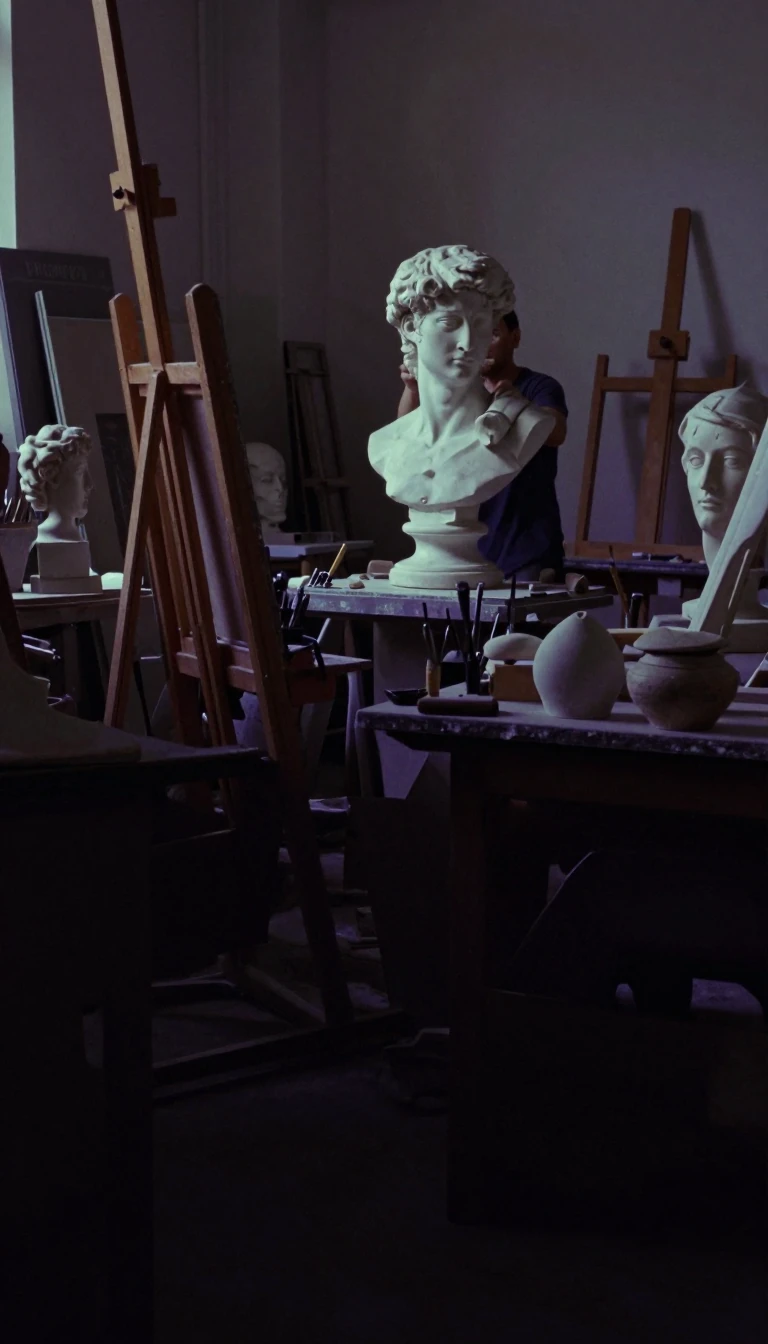 Why artists have spent millennia obsessing over the perfect human body proportionFrom ancient Egyptian fists to the golden ratio, artists have long sought a universal mathematical key to the human form. While modern figure drawing relies on the head as a stand…
 How a massive power failure defined the launch of Britain's most ambitious television channelWhen BBC Two launched on April 20, 1964, it was intended to be a sophisticated alternative to mainstream television. Instead, a catastrophic power failure at Battersea Power Stati…
 Why Barbara Hepworth painted the hollows of her sculptures with vivid blues and yellowsBarbara Hepworth is celebrated for abstract forms inspired by the rugged Cornish coast. Yet, a lesser-known aspect of her genius was a lifelong, innovative obsession with colour. …
 When Valerie Solanas shot Andy Warhol, she sought fame through a violent act of erasure.On June 3, 1968, radical writer Valerie Solanas entered Andy Warhol’s studio and shot him, critically wounding the artist. Driven by paranoia and a desire for recognition, Solanas…
 Why the Annunciation shaped the Western calendar and centuries of artistic masterworksThe Annunciation, the archangel Gabriel’s announcement to Mary of her divine conception, is more than a biblical narrative. It served as the foundation for the Western New Year fo…
- Why late Victorian rebels insisted that art should be useless and beautifulIn the late 19th century, a radical movement rejected the Victorian obsession with moral instruction and social utility. Aesthetes championed the slogan art for art's sake, arguin…
 How a Senator's daughter became the driving force behind the Museum of Modern ArtAbby Aldrich Rockefeller was more than a socialite in the Gilded Age. She was a visionary collector who transformed the American art landscape. By championing contemporary artists…
 John Updike transformed the quiet lives of ordinary Americans into a vast literary legacy.A prolific writer who averaged a book a year, John Updike captured the spiritual and domestic struggles of the Protestant middle class. Beyond his famous Rabbit Angstrom series, h…
 A physician who revolutionized American poetry by treating words like paint on a canvas.William Carlos Williams spent his days as a pediatrician and his nights crafting a uniquely American style of poetry. By rejecting European traditions for the raw, local idiom of …
 How a Renaissance Masterpiece Became the Face of Modern Digital Vector DesignAdobe Illustrator began in 1985 as a tool to automate manual graphic design tasks. Its iconic branding—the face of Venus from Botticelli’s The Birth of Venus—was chosen to symboli…
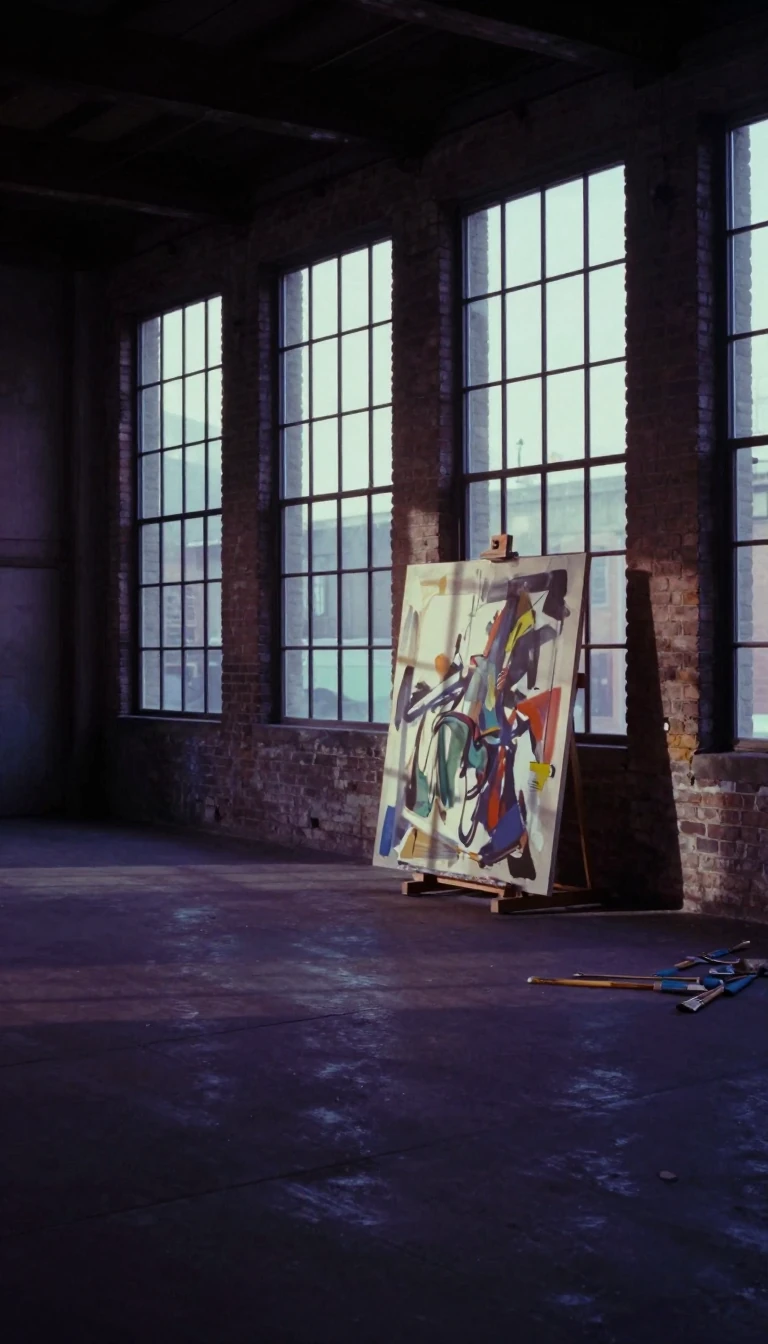 Willem de Kooning: The Dutch stowaway who redefined the boundaries of modern artWillem de Kooning arrived in America as a stowaway, working as a house painter before becoming a titan of Abstract Expressionism. By dissolving the lines between abstraction and f…
 How JFK Airport transformed from a golf course into a global architectural landmarkOriginally built on the site of the Idlewild Golf Course to relieve overcrowding at LaGuardia, JFK Airport evolved into a sprawling hub of mid-century design. While famous for its…
 Is the famous American actor John Goodman also a celebrated fine art photographer?The name John Goodman is synonymous with iconic television roles and Coen brothers films, but a different artist of the same name produced gelatin silver prints held in the Art In…
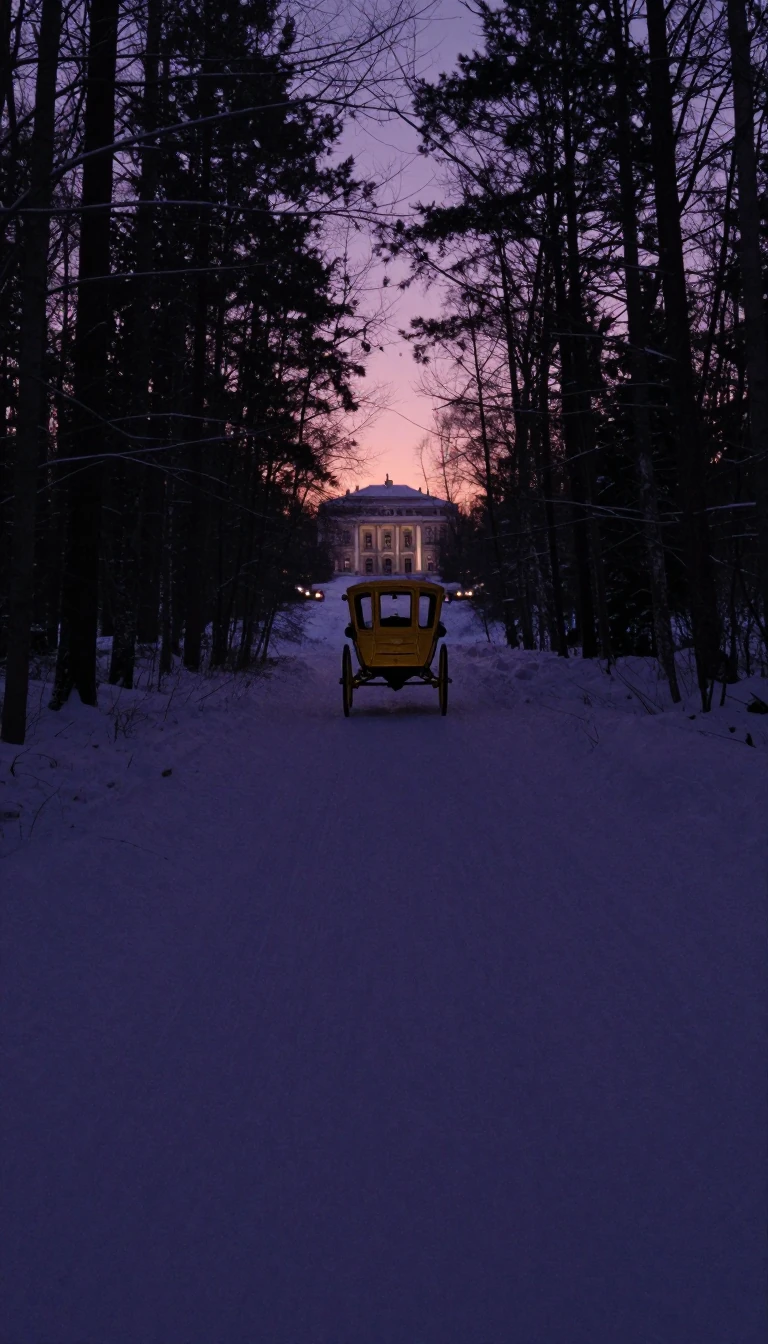 Why Russia’s most beloved landscape painter was known as the tsar of the woods.Ivan Shishkin transformed the Russian forest into a national icon. By rejecting impressionistic trends in favor of obsessive, near-microscopic detail, he captured the steadfastnes…
 The fashion icon who escaped a con man to create SurrealismElsa Schiaparelli didn't just design clothes; she engineered dreams from the wreckage of a fraudulent life. After fleeing an arranged marriage and falling for a psychic charlatan,…
 How a wave of Japanese art fundamentally reshaped the trajectory of Western creative expression.In the nineteenth century, the forced reopening of Japanese trade triggered a cultural phenomenon known as Japonisme. Western artists, weary of rigid academic traditions, found a …
 The man who designed the visual language of our greatest literary classicsHe didn't just illustrate books; he built their worlds. From Dante's Inferno to Don Quixote, Gustave Doré’s prolific wood-engravings shaped how generations physically imagined lit…
 Can technology turn the ancient dream of human immortality into a modern reality?For centuries, immortality was the domain of gods and alchemists. Today, transhumanists and Silicon Valley titans are attempting to engineer it. By merging biotechnology, artifici…
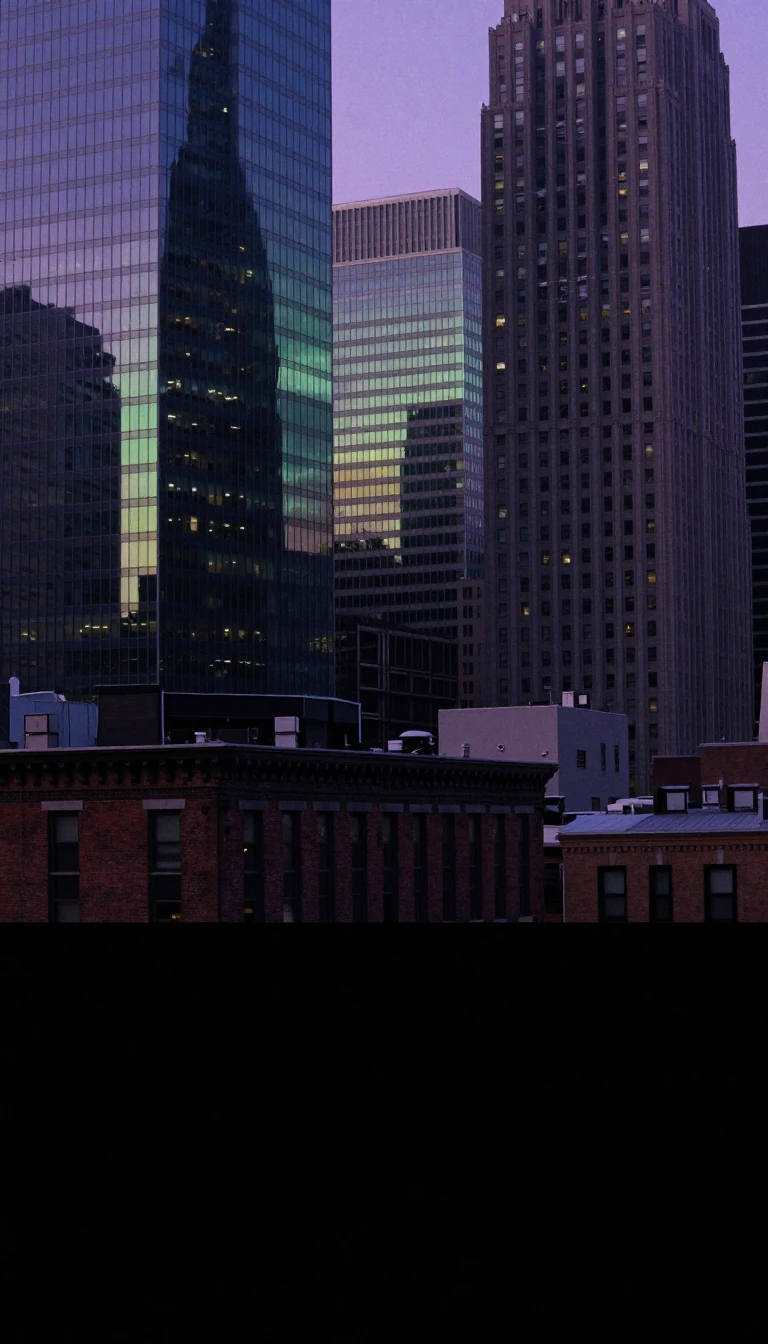 The Greater Toronto Area is a sprawling economic engine, not just a city.Spanning 7,125 square kilometres, the Greater Toronto Area is Canada’s most populous economic region. While often confused with the smaller Toronto Census Metropolitan Area, this …
- Was the High Renaissance a brief, golden explosion or an academic oversimplification?Spanning roughly 1490 to 1527, the High Renaissance represents a pinnacle of Western art, defined by the mastery of Leonardo, Michelangelo, and Raphael. Yet, modern historians inc…
 Is Grant Wood’s American Gothic a sincere tribute or a biting satire of rural life?Grant Wood’s 1930 masterpiece is one of the most recognizable icons in American art, yet its true meaning remains a mystery. While some see a celebration of sturdy Midwestern valu…
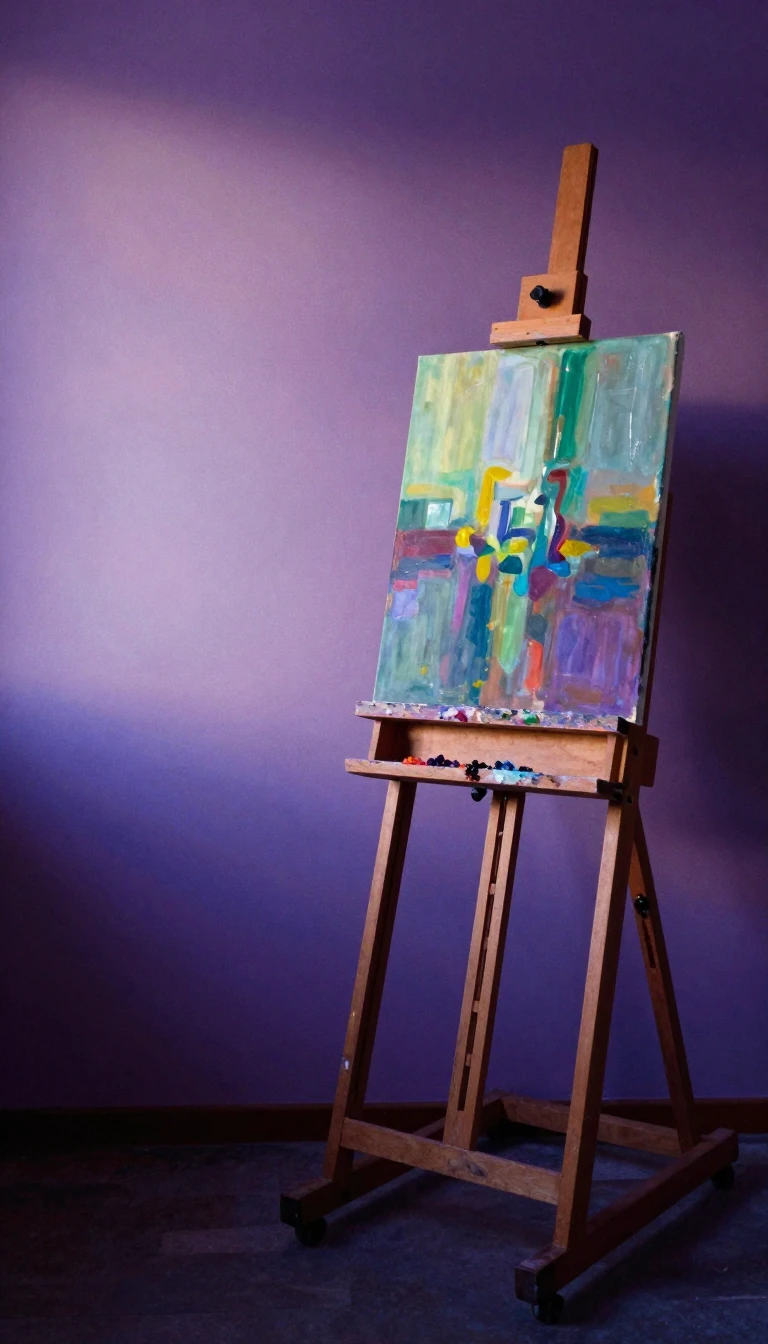 How Helen Frankenthaler’s accidental stain technique redefined the boundaries of modern abstract artHelen Frankenthaler transformed painting by pouring thinned-down oil onto raw, unprimed canvas. This soak-stain method created translucent, liquid-like color fields that seemed to…
 Why your given name is a ritualistic gift that eventually becomes a mere tagA given name is more than an identifier; it is a deliberate, often solemn, gift bestowed by parents to shape a child's future. While these names are chosen for auspicious meanings…
 The silent Marx Brother finally broke his vow of silence for a final performance.For decades, Harpo Marx captivated millions as the mute, childlike imp of the Marx Brothers. He famously never spoke on screen or stage, relying on whistles and horns. Yet, in 196…
- How a Bohemian Enclave Became the Unlikely Engine of American Alternative JournalismGreenwich Village was more than an artists' haven; it was the birthplace of the Village Voice. Founded in 1955 by three men with zero newspaper experience, the publication shatter…
 How a wartime tragedy and a puppet obsession defined a television visionaryGerry Anderson is best known for his futuristic puppet series, yet he spent his career trying to escape them. Driven by a desire for live-action drama, he used marionettes as a st…
 How F. W. Murnau used a roller-skating cameraman to revolutionize the language of cinemaBefore modern blockbusters, F. W. Murnau transformed film from a static stage recording into a fluid, subjective experience. By strapping cameras to bicycles, overhead wires, and …
 Beyond the Hollywood shadow, Glendale evolved from a sundown town into a cultural hub.Glendale, California, is often overshadowed by its neighbors, yet it has served as a powerhouse for animation and a complex site of social transformation. From its origins as a Sp…
 Why a 1905 art critic accidentally named the most vibrant movement in modern historyWhen a critic saw bold, strident colors displayed alongside a classical sculpture, he dubbed the artists wild beasts. This insult became the name for Fauvism, a short-lived but re…
- How a Staten Island vocal group pioneered the fusion of doo-wop and hip-hopBefore new jack swing dominated the airwaves, the Force MDs were blending street-corner harmonies with raw hip-hop beats. Emerging from Staten Island in 1981, they transformed fro…
 The man who defined American prose was a reluctant office worker who hated writing.E. B. White is remembered for his classic children's books and for perfecting the English language style guide. Yet, the man who shaped the intellectual tone of The New Yorker for…
 How a truck mechanic turned personal trauma into a generation-defining cult classic novelChuck Palahniuk was a diesel mechanic who spent his nights with a band of anarchic pranksters. His debut novel, Fight Club, emerged from these experiences and a workshop focused o…
 Why the Erechtheion remains the most enigmatic and debated temple on the Athenian Acropolis.The Erechtheion defies the classical canon with its bizarre, asymmetrical layout. Far from a simple temple, it functioned as a complex reliquary for diverse cults, from Athena to …
 Eero Saarinen rejected architectural uniformity to create buildings that felt like soaring, sculptural art.While many mid-century architects clung to the rigid, austere lines of the International Style, Eero Saarinen sought something more expressive. By blending structural logic with e…
 Was Ed Wood truly the worst filmmaker in history, or just a misunderstood visionary?Long dismissed as the worst director of all time, Ed Wood created cult classics like Plan 9 from Outer Space with shoestring budgets and boundless ingenuity. While critics once mo…
 How a silk jersey wrap dress captured the spirit of a liberated eraIn 1974, a Belgian-born designer transformed the fashion landscape. By merging femininity with the practical needs of women entering the workforce, she created a global retail phe…
 Beyond the golden stone: the ancient, complex landscape of the CotswoldsThe Cotswolds are famous for their honey-coloured limestone villages and rolling hills, but this region is far more than a picturesque postcard. From its origins as a medieval woo…
 How the Nazis weaponized art history to brand modernism as a biological sicknessIn 1937, the Nazi Party staged a defamatory exhibition in Munich designed to convince the public that modern art was not just bad, but a sign of mental illness and genetic inferio…