 Intellect Plus
Art
5,849 cards. Each one is a 40-second story with a five-minute read behind it. Page 95 of 98.
Subtopics: Art crime · Art history · Art museums · Arts: General · Baroque · Calligraphy · Ceramics · Children's literature · Classic literature · Colour · Concepts of fiction and narrative · Conceptual art · Conservation · Craft · Cultural venues · Dada · Detective fiction · Directors, producers and screenwriters · Dye · Entertainers · Expressionism · Fantasy literature · Fictional and legendary characters · Film and television · Filmmakers and theatre directors · Forgery · Fresco · History painting · Illustration · Impressionism · Literature · Medieval art · Michelangelo · Modern art · Mosaics & stained glass · Oil painting · Optics · Painting · Paris salon · Performing arts · Photography · Pigments · Poetry · Poets · Portraiture · Post impressionism · Printmaking · Renaissance · Romanticism · Science fiction literature · Sculpture · Shakespeare · Spanish golden age · Street art · Symbolism · Textiles · Theatre · UK & Ireland: arts · Van gogh · Vermeer · Victorian · Visual artists · Visual arts
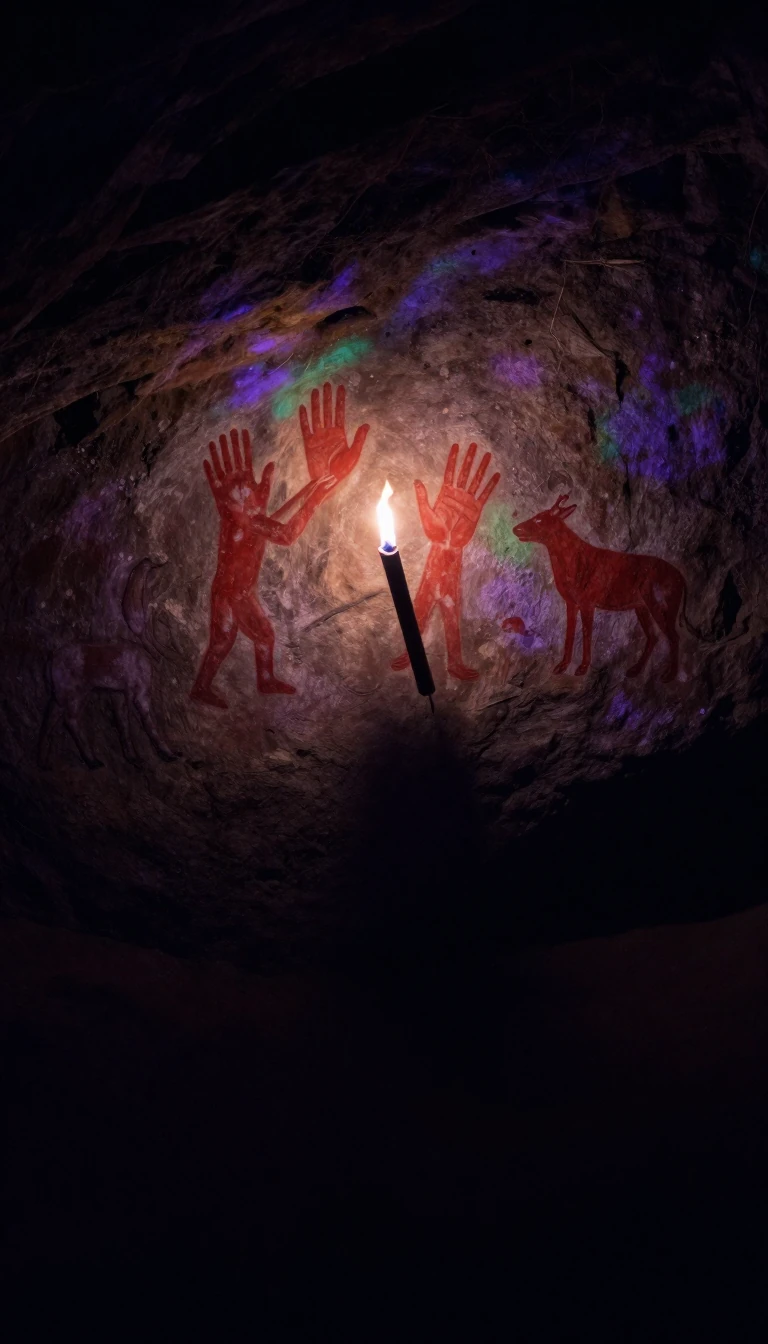 Mexico named mural painting a public art crusade in 1906Dr. Atl’s 1906 manifesto demanded pintura mural—monumental wall painting—for Mexico. The Spanish adjective for “of the wall” became an art noun in the early twentieth century, the…
 Neoclassicism was born in Rome, not in ancient AthensJohann Joachim Winckelmann’s books and the digs at Pompeii and Herculaneum lit a classical craze in Rome. Grand Tour students carried Greco-Roman ideals home. Visual Neoclassicism…
 Oil paint’s oldest survivors are seventh-century Afghan muralsBuddhist artists at Bamiyan, Afghanistan, painted oil murals around 650 AD—centuries before Europe’s fame. Europeans used drying oils on woodwork by the twelfth century, but panel…
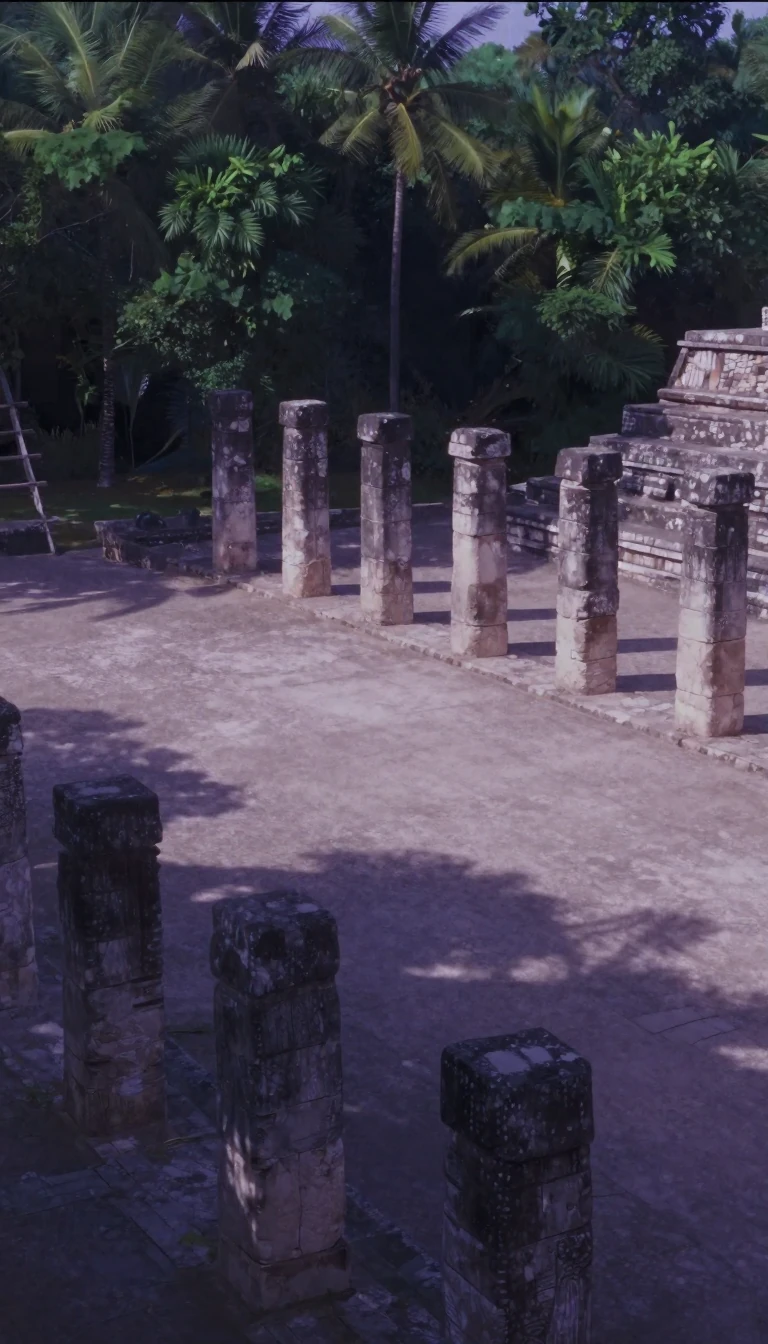 Seventeen stone faces still stare from Mexico’s Gulf coastOlmec colossal heads—basalt portraits from about 1.17 to 3.4 metres tall—define Mesoamerica’s first civilization. Seventeen confirmed examples sit at four Gulf Coast sites. The ea…
 Your eyes invent triangles that were never drawnRichard Gregory sorts visual illusions into physical, physiological, and cognitive classes—each with ambiguities, distortions, paradoxes, and fictions. A stick bends in water; aft…
 Japan’s word stuck—but paper folding is older and widerOrigami means fold-paper, yet historians trace separate Chinese, European, and Japanese traditions that mostly met only in the twentieth century. Ceremonial wrapping (origata) is …
 Japan’s oldest Far East wooden temples still stand near NaraJapanese art runs from Jōmon pottery in the tenth millennium BCE to manga and anime. Painting and brush calligraphy dominate; sculpture waned as Buddhism’s public role shrank. At …
 English borrowed “landscape” from Dutch painters firstThe word entered English as landskip around 1600—from Dutch landschap—and meant a painting before it meant a view; its first recorded use for a picture is 1598. Pure landscapes wi…
 Delacroix painted 1830, not the Bastille year everyone assumesLiberty Leading the People commemorates France’s July Revolution of 1830 that toppled Charles X—not 1789, despite common mix-ups. Eugène Delacroix worked through autumn 1830; a 21…
 Japan’s comics market hit a record seven hundred billion yenManga—Japanese comics—now outsell American comics and dominate U.S. graphic-novel registers. Domestic sales reached a record ¥704.3 billion in 2024, with digital near ¥500 billion…
 When Renaissance perfection peaked, artists chose elegant strainMannerism rose in Italy around 1520, spread by about 1530, and lasted until Baroque tastes took over near 1600—while Northern variants ran into the early seventeenth century. Wher…
 Minimal art stripped painting down to the object itselfMinimalism rose in postwar Western art as a retort to Abstract Expressionism’s gestural drama. New York painters and sculptors in the early 1960s—Donald Judd, Dan Flavin, Carl And…
 Norman Rockwell’s illustration sold for fifteen million dollarsOnce dismissed beneath fine art, illustration now commands auction fortunes and a global market. Norman Rockwell’s “Breaking Home Ties” fetched US$15.4 million at Sotheby’s in 200…
 India’s rock shelters hold paintings ten thousand years oldIndian art stretches across South Asia—painting, sculpture, pottery, silk—yet stone and metal outlast the climate better than wood. Roughly 1,300 rock-art sites hold over a quarte…
 Industrial design was named in print decades before BauhausCrafting form while making an object differs from fixing form before mass runs begin. The phrase “industrial design” appeared in The Art-Union on 15 September 1840—long before Jos…
 Owen Jones wrote thirty-seven rules for decorating interiorsInterior design grew from instinctive building into a managed profession once industrial cities and complex architecture demanded planned space. Architect Owen Jones, decorating J…
 Calligraphy carries revelation across Islamic visual cultureWestern historians coined “Islamic art” in the late nineteenth century for work made since the seventh century CE across Muslim lands. Public religious schemes usually avoid livin…
 Western fashion’s accelerating style clock began mid-14th centuryJames Laver and Fernand Braudel are among historians who place the birth of Western clothing fashion around the mid-1300s. Men’s outer layers suddenly shrank from mid-calf coverag…
 Folk art stays useful, taught by tradition, made one piece at a timeFolk art spans visual work made inside folk culture: usually practical, learned in a popular tradition rather than fine-art schooling, and often overlapping contested ground with …
 Gothic began as French work at Saint-Denis, then meant “barbaric”Gothic art grew in Northern France out of Romanesque styles in the twelfth century, paced by Gothic architecture. It emerged in Île-de-France at Abbot Suger’s Abbey Church of St D…
- Modern graffiti rode New York subways before going globalWriting on walls is ancient—from Egyptian and Greek scratches to Rome—but modern graffiti style bloomed in New York City’s subways and Philadelphia in the early 1970s before sprea…
- “Graphic design” named a craft printers already practicedThe phrase “graphic design” surfaced in a 4 July 1908 Organized Labor article urging printers toward design specialty. A decade later, California School of Arts & Crafts listed Gr…
- Picasso painted Guernica in 35 days after a Basque town burnedOn 26 April 1937, German Condor Legion planes under Colonel Wolfram von Richthofen—and Italian fascist support—bombed the Basque town of Guernica. Pablo Picasso, already commissio…
- Handicraft prizes the handmade object over the machine runHandicraft names skilled making by hand—textiles, clay, plant fibres, wood, metal—aimed at things both useful and beautiful for local needs without factory machines. India’s Dhokr…
 After Alexander, Greek art went baroque across vast kingdomsHellenistic art is usually dated from Alexander the Great’s death in 323 BC to Rome’s conquest of the Greek world—mainland taken by 146 BC, Ptolemaic Egypt falling after Actium in…
 Die Brücke in Dresden launched German Expressionism in 1905Expressionism began as a Northern European modernist turn around 1900, twisting the visible world so feeling, not likeness, ruled the canvas. In Dresden in 1905, Ernst Ludwig Kirc…
- Worth sewed his name into clothes and invented the couturierModern Western fashion design is often dated to the nineteenth century and Charles Frederick Worth, who first sewed his own label into the garments he made. Before his Paris maiso…
 Duchamp’s 1917 Fountain taught ideas to outrank finishConceptual art elevates the governing idea at least as high as craft, beauty, or materials. Marcel Duchamp’s readymades—especially Fountain (1917), a urinal signed R. Mutt—showed …
- Contemporary usually means art made since the 1970sSpecialists generally treat contemporary art as work from the 1970s onward in a global, culturally mixed, tech-saturated field. English speakers confuse it with modern because the…
 Cabaret Voltaire’s 1916 Zürich nights launched DadaDada arose amid World War I, its aftermath, and Futurist energy, first in neutral Zürich before leaping to Berlin, Paris, New York, and beyond. Hugo Ball and Emmy Hennings opened …
- Michelangelo freed David from a ruined block by 1504Michelangelo’s marble David, carved 1501–1504, stands 5.17 metres and was the High Renaissance’s first colossal marble statue of its kind. Florence already loved the biblical yout…
- Arts and Crafts forced Britain to copyright decorationDecorative arts design and make objects meant to be both beautiful and useful—furniture, interiors, crafts—usually apart from architecture. They overlap applied arts and modern de…
- Herbert Simon said everyone who improves a situation designsDesign is a concept or proposal for an object, process, or system—anything intentionally shaped by a thinking agent. Professionals add labels like fashion or product designer, yet…
 Whitney’s 1960s math films and Sketchpad opened digital artDigital art uses computational tech in making or showing work—also called computer or electronic art since the 1960s. John Whitney pioneered computer-generated imagery with mathem…
- Drawing predates writing as a human mark-making habitDrawing marks paper, another flat surface, or a digital stand-in with pencils, pens, pastels, crayons, and more. It is among the oldest visual expressions, generally about lines a…
 Percier and Fontaine dressed Napoleon’s empire in RomeEmpire style is early-nineteenth-century Neoclassicism’s second phase across architecture, furniture, and decoration, named for Napoleon I’s First French Empire. It traded Directo…
 Banknotes still trust the burin’s unforgeable lineEngraving cuts designs into hard flat surfaces with a hardened steel burin or graver, decorating metal and glass or printing from inked plates. Copper-plate line engraving once do…
 Vikings looted Kells Abbey; the Gospel book somehow survivedThe Book of Kells packs four Latin Gospels into calf-vellum pages so dense with knots, beasts, and color that Insular art never went further. Made in a Columban house in Ireland o…
 Qin Shi Huang ordered 3,300 seal characters into one scriptCalligraphy means beautiful writing—letters shaped with pen, brush, or reed so form carries meaning. In East Asia and the Islamic world it sits at the center of visual culture. We…
- Thirty-two soup cans on grocery ledges remade Pop artBetween 1961 and 1962 Andy Warhol painted thirty-two Campbell’s soup varieties on identical twenty-by-sixteen-inch canvases. Shown in July 1962 at Los Angeles’s Ferus Gallery like…
- Some European cave marks may predate modern humans entirelyParietal art—paint and engraving on cave walls—usually means deep prehistory. Nearly 350 painted caves are known in France and Spain alone. Dates keep shifting: Sulawesi pigs, Spa…
 Bone china needs thirty percent bone phosphate to earn the nameCeramic art shapes clay—and kindred inorganic mixes—into pottery, tiles, figurines, and tableware that can read as fine art or factory ware. From Nok Africa to Chinese porcelain, …
- Yangshao pots already spoke in frogs, fish, and facesChinese art stretches from Neolithic pottery near 10,000 BCE through dynastic bronzes, jade, ink landscape, and imperial kilns. Continuity of tradition is unusually strong—no West…
- Braque bought oak wallpaper; Picasso glued chair caning nextCollage, from French coller, builds a new whole from pasted fragments—paper on paper, or assemblage in three dimensions. Japan’s tenth-century poem papers and Mary Delany’s flower…
 Japan’s manga market hit ¥612.5 billion while Superman launched an ageA comic book sequences panels of drawn scenes, usually with balloons of talk. Britain’s Ally Sloper and Comic Cuts came early; America’s Famous Funnies landed in 1933. Japan now l…
 Töpffer’s 1827 strips still anchor Europe’s comics origin storyComics braid sequenced images with balloons, captions, and sound words—though theorists still argue over the exact definition. By mid-century the form thrived in the United States…
 Two Boeing researchers named computer graphics in 1960Computer graphics is the craft of making and handling images with computers, and it now drives nearly every screen you own. The name dates from 1960, coined at Boeing by Verne Hud…
 Critics once mocked styles that later became badges of honorArt criticism weighs visual work against beauty, meaning, or history, yet time routinely overturns the verdict. Impressionism and Cubism began as critical insults; artists still n…
- Art Deco named a style decades after its Paris heydayShort for Arts décoratifs, the look bloomed from 1910s Paris through the 1920s and early 1930s on skyscrapers, liners, jewelry, and radios. The label itself only stuck after a 196…
- Art Nouveau grew from plant curves and iron glassAn international decorative wave of the 1890s chased sinuous stems, whiplash lines, and open spaces built from iron, glass, ceramics, and later concrete. Brussels houses by Victor…
- Arts and Crafts began as a revolt against factory glitterBritish reformers in the 1880s blamed machines and showy factory goods for ugly design and degraded labor. T. J. Cobden-Sanderson named the Arts and Crafts Exhibition Society in 1…
- Avant-garde began as a military word for scoutsBorrowed from French for an army's advance guard, avant-garde names artists whose new forms first look unacceptable to the establishment. Saint-Simon in 1824 already cast creators…
 Baroque once meant a flawed pearl or tangled logicFrom the early 1600s to the 1750s, Western arts chased contrast, motion, deep color, and theatrical surprise. Rome launched the style; Catholic patrons used its grandeur against a…
- Seurat built a park from millions of painted dotsBetween 1884 and 1886 Georges Seurat finished his nearly ten-foot canvas of Parisians idling on an island in the Seine. Tiny complementary strokes fuse in the eye into solid hues—…
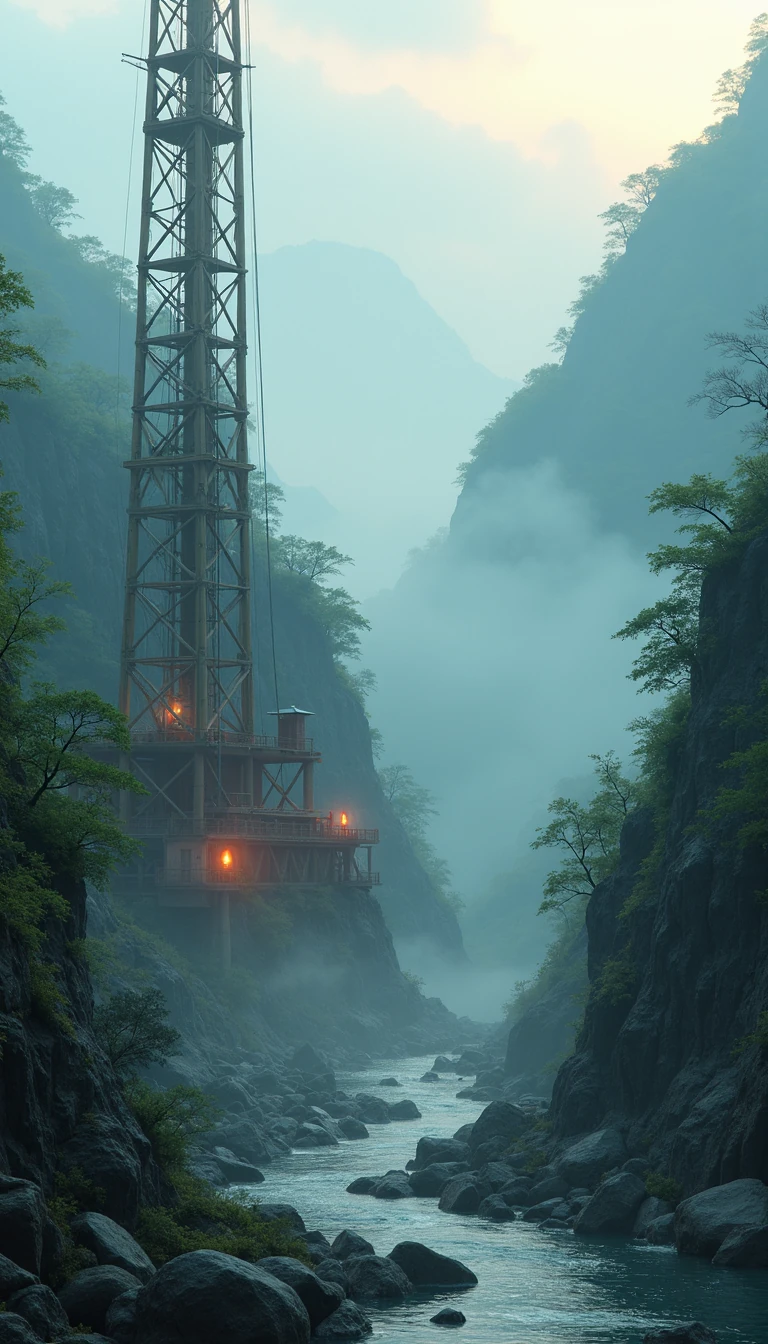 One Song scroll packs 814 people into five metersZhang Zeduan's Qingming handscroll walks from farm fields into Bianjing's crowded markets along a winding river. Only about 25.5 centimetres tall yet 5.25 meters long, the Norther…
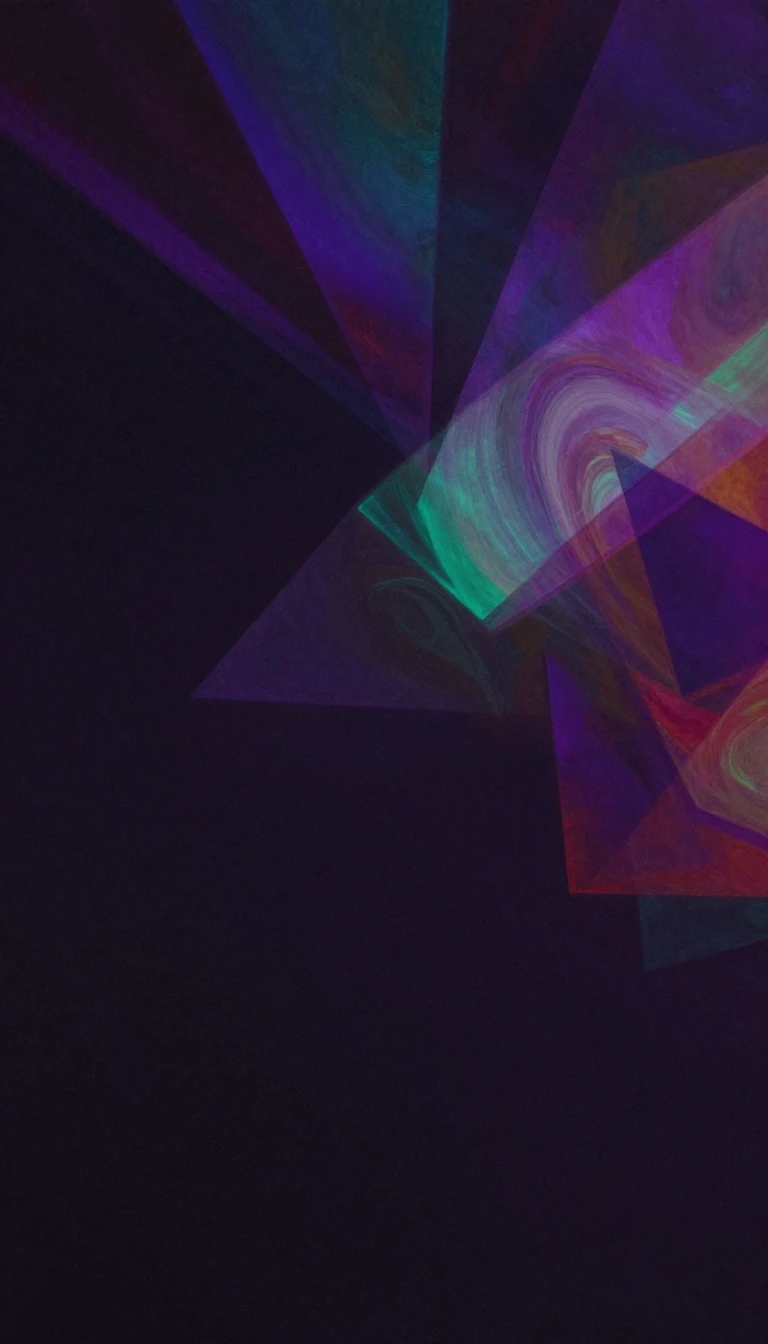 Abstraction frees shape and color from copying the visible worldAbstract art builds compositions from shape, form, color, and line that need not depict recognizable things. From Renaissance perspective to mid-nineteenth-century illusionism, We…
- Postwar New York painting dethroned Paris as art’s capitalAbstract expressionism rose in the United States after World War II and went mainstream in the 1950s, breaking with 1930s social realism. Critic Robert Coates applied the label to…
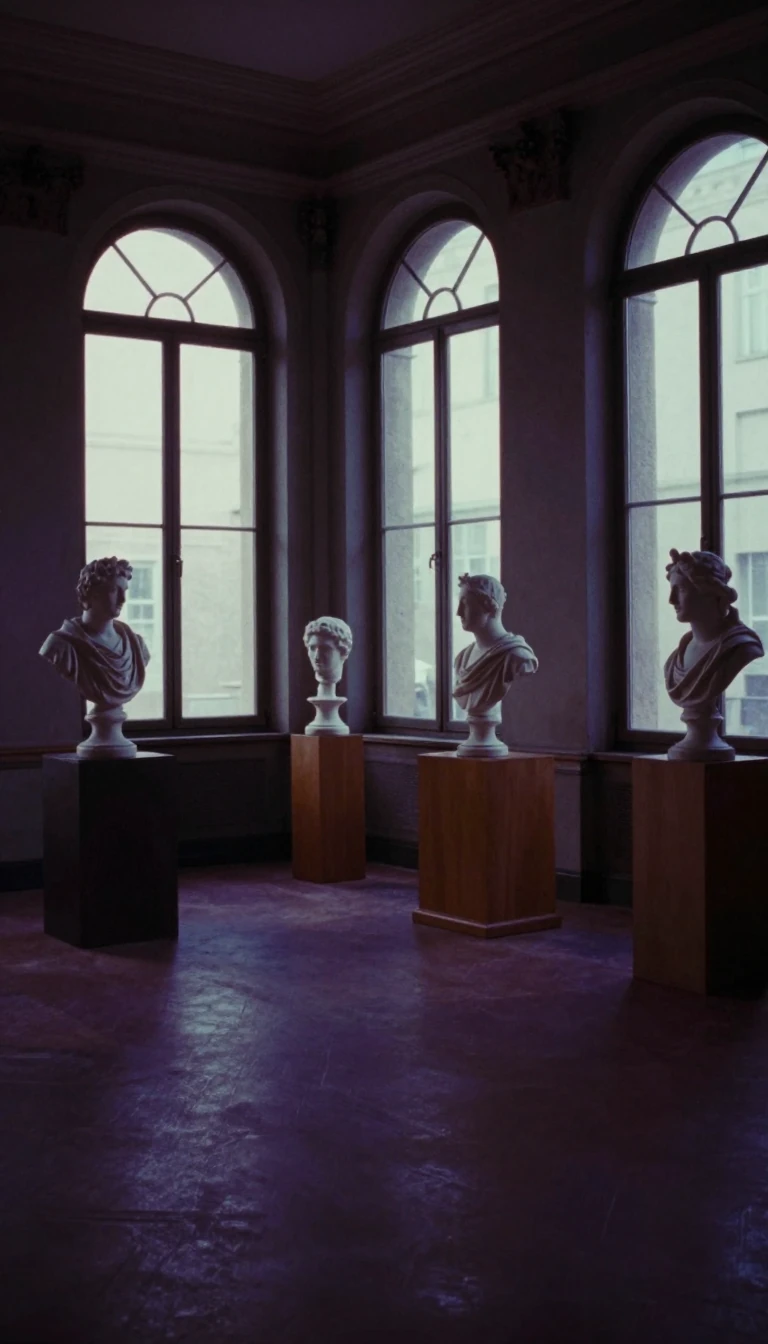 Art academies replaced guilds and ruled taste for centuriesAcademic art means painting and sculpture shaped by Europe's art academies, from their birth in mid-sixteenth-century Italy to their fade in the early twentieth century. The style…
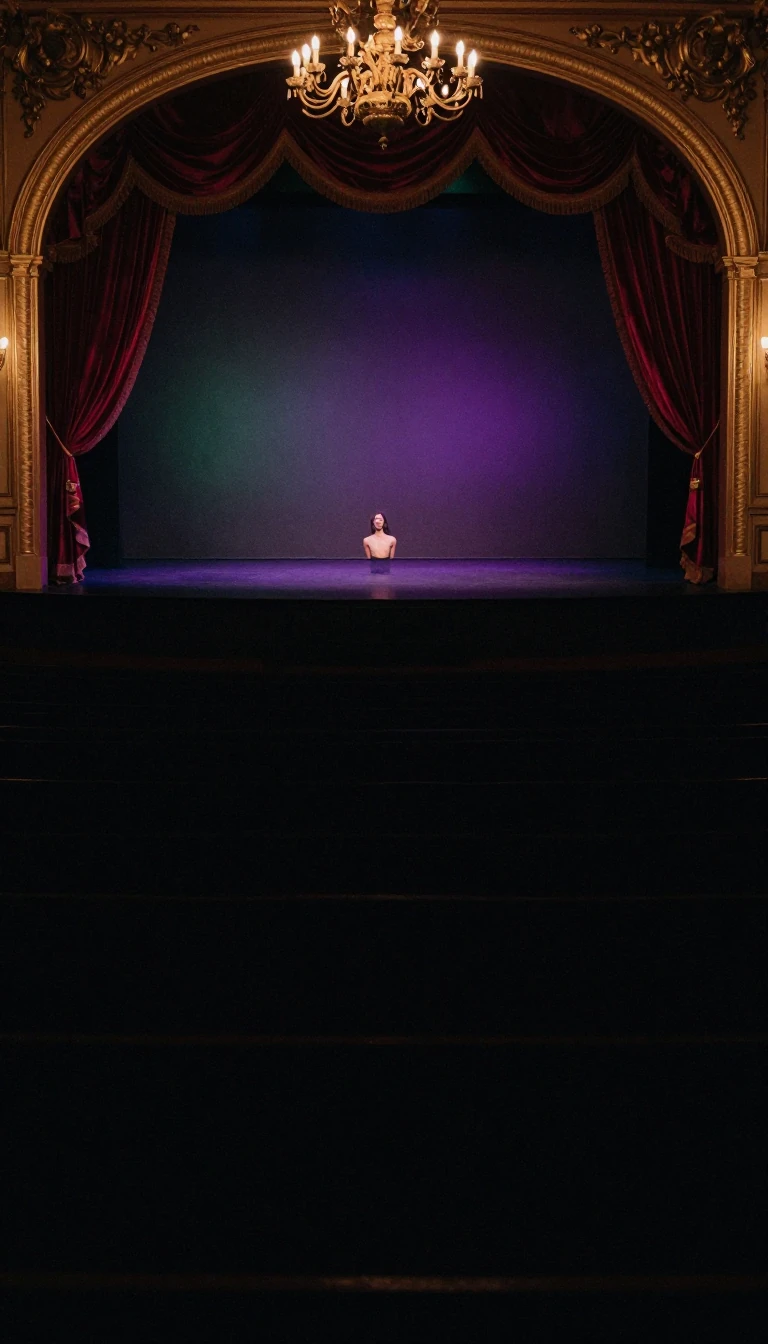 Western stages still frame plays like Renaissance picturesMost Western theatres hide three sides of the playing space behind a proscenium arch—the “picture frame” inherited from Italian Renaissance courts. Wings, teasers, fly lofts, apro…
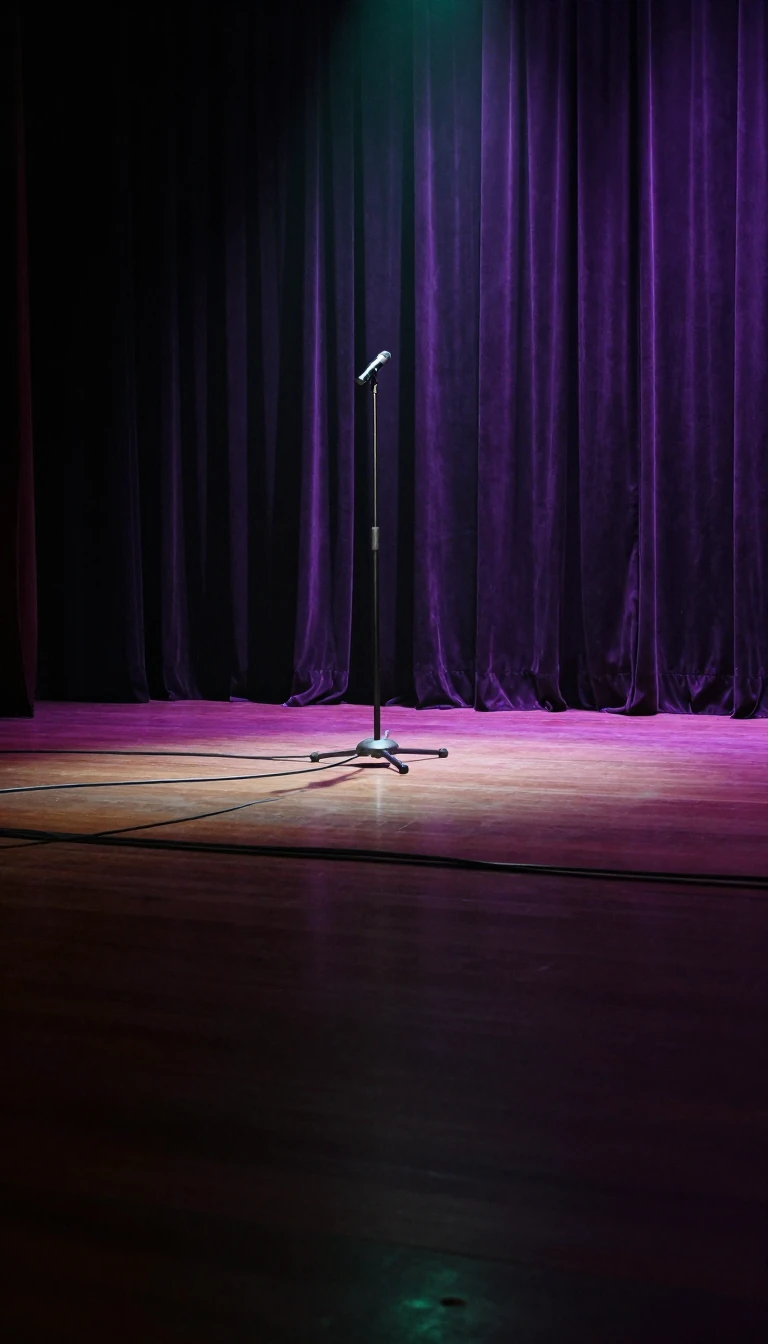 Stand-up grew from vaudeville, music halls, and stump speechesA comic alone on a stage aiming jokes, stories, and crowdwork at a live room feels modern, yet historians root the form in late-nineteenth-century popular entertainments—from vaud…