 Intellect Plus
Art
5,849 cards. Each one is a 40-second story with a five-minute read behind it. Page 94 of 98.
Subtopics: Art crime · Art history · Art museums · Arts: General · Baroque · Calligraphy · Ceramics · Children's literature · Classic literature · Colour · Concepts of fiction and narrative · Conceptual art · Conservation · Craft · Cultural venues · Dada · Detective fiction · Directors, producers and screenwriters · Dye · Entertainers · Expressionism · Fantasy literature · Fictional and legendary characters · Film and television · Filmmakers and theatre directors · Forgery · Fresco · History painting · Illustration · Impressionism · Literature · Medieval art · Michelangelo · Modern art · Mosaics & stained glass · Oil painting · Optics · Painting · Paris salon · Performing arts · Photography · Pigments · Poetry · Poets · Portraiture · Post impressionism · Printmaking · Renaissance · Romanticism · Science fiction literature · Sculpture · Shakespeare · Spanish golden age · Street art · Symbolism · Textiles · Theatre · UK & Ireland: arts · Van gogh · Vermeer · Victorian · Visual artists · Visual arts
 Frances Gumm became Judy Garland after a Chicago laugh at GummVaudeville’s Gumm Sisters drew giggles for their surname until George Jessel pushed a change. Frances Ethel Gumm reinvented herself as Judy Garland, signed with MGM at thirteen, a…
 Twelve-year-old Julie Andrews stopped a London revue coldOn October 22, 1947, Julie Andrews—still Julia Wells—rushed onstage at the London Hippodrome during Starlight Roof, claimed a balloon animal, and unleashed an aria that halted the…
 Kelly wanted ballet tough enough for the common manGene Kelly chased "dance for the common man"—athletic, American, and camera-smart. With Stanley Donen he co-directed Singin' in the Rain (1952); An American in Paris (1951) took B…
 Balanchine stripped ballet plots to music aloneGeorge Balanchine co-founded New York City Ballet and led it more than thirty-five years, earning the tag father of American ballet. His neoclassical works often dropped story, he…
 Carlin's seven dirty words reached the CourtGeorge Carlin's seven dirty words routine sat at the center of the 1978 Supreme Court case FCC v. Pacifica Foundation. Fourteen HBO specials, five comedy Grammys, and decades of l…
- Rogers won her Oscar for drama, not dancingGinger Rogers's Academy Award was for Kitty Foyle in 1940—a dramatic lead—not for the RKO musicals with Fred Astaire. Those nine 1930s partnerships still remade the genre and bank…
 Peck freelanced past Hollywood's studio contractsAfter Days of Glory in 1944, Gregory Peck refused the studio system and freelanced so he could pick roles. The Keys of the Kingdom brought his first Oscar nomination; Atticus Finc…
 Garbo quit after 28 films and refused comebacksGreta Lovisa Gustafsson—Greta Garbo—lived from 18 September 1905 to 15 April 1990 and turned melancholic understatement into Hollywood myth across twenty-eight features. MGM marke…
 Fosse's tilted hats remade jazz dance foreverRobert Louis Fosse lived from 23 June 1927 to 23 September 1987 and turned turned-in knees, bowlers, and jazz hands into a modern dance language. Hardware spanned an Oscar, a BAFT…
 Bardot quit cinema at peak and stayed iconicBrigitte Anne-Marie Bardot, known as B.B., lived from 28 September 1934 to 28 December 2025. She made forty-seven films and more than sixty songs before leaving entertainment in 1…
 Archie Leach invented Cary Grant mid-AtlanticBorn Archibald Alec Leach in Bristol on 18 January 1904, Cary Grant polished a blended British-American accent and comic timing that made him classic Hollywood's suave template. T…
 Gable became Hollywood's most bankable "King"William Clark Gable, born 1 February 1901 and dead of a heart attack on 16 November 1960, anchored more than sixty films across thirty-seven years and topped Quigley's money-makin…
 Eastwood's biggest hits starred an orangutanClint Eastwood's top box-office wins were Every Which Way but Loose in 1978 and its sequel Any Which Way You Can—not Leone's Westerns or Dirty Harry. Those icon roles still minted…
 Taylor's violet eyes hid a double-lash mutationElizabeth Taylor's famous violet-looking eyes sat inside dark double lashes from a genetic mutation—one reason casting agents stared. From National Velvet at twelve to Cleopatra's…
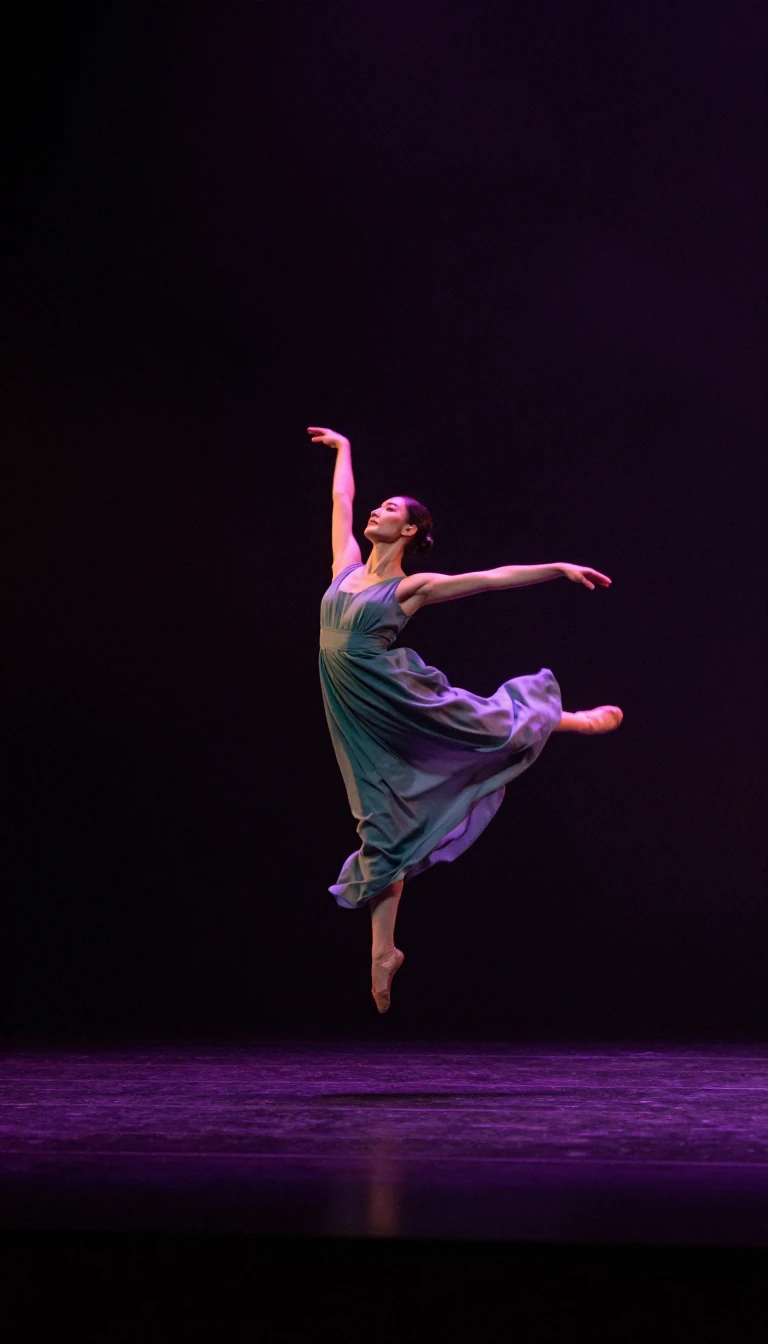 Astaire named his blend an outlaw dance styleFred Astaire labeled his mix of tap, classical steps, and Castle-era lift outlaw style—following an unpredictable muse. Across a seventy-six-year stage-to-TV career, AFI still ran…
 Mister Rogers built kindness into a daily ritualFred McFeely Rogers (20 March 1928 – 27 February 2003) hosted Mister Rogers' Neighborhood from 1968 to 2001—895 episodes of slow talk about feelings, death, and divorce. A Presbyt…
- Pacino cleaned dance halls to earn free acting classesLong before Michael Corleone made him famous, Alfredo Pacino slept in theaters and cleaned hallways at HB Studio for free lessons. Rejected once by the Actors Studio, he later stu…
 Alain Delon reached cinema via butcher shop and navy jailBefore Le Samouraï made him Europe's coolest leading man, Alain Delon earned a charcuterie certificate, joined the French Navy at seventeen, and spent his twentieth birthday in a …
 Failed radio auditions preceded Bollywood's angry young manAmitabh Bachchan almost kept the revolutionary name Inquilaab, failed an All India Radio newsreader audition, and was still counted a failed newcomer at thirty. Then Salim–Javed i…
 The Dying Swan was built for a ballerina told to skip tricksClassmates nicknamed Anna Pavlova the broom for her long limbs and arched feet. When she chased Pierina Legnani's fouettés, teacher Pavel Gerdt ordered her to leave acrobatics alo…
 Tulip-bulb cakes and ballet concerts shaped Audrey HepburnBefore Roman Holiday made Audrey Hepburn an Oscar winner, she danced silent concerts for the Dutch resistance, ate tulip-bulb flour during the Hunger Winter, and nearly died of wa…
 Hollywood first failed to recognize Bette Davis at the stationWhen twenty-two-year-old Bette Davis arrived in Hollywood in 1930, a studio greeter left because nobody looked like an actress. Universal nearly fired her until Karl Freund praise…
 Floating-world prints were merchant-class home décorUkiyo-e means pictures of the floating world—not courtly myth, but kabuki stars, courtesans, and travel views bought by Edo merchants legally ranked at society's bottom. Full-colo…
 The Louvre left Venus armless on purposeFound by a farmer on Melos on April 8, 1820, the Venus de Milo arrived at the Louvre with missing arms—and stayed that way. Quatremère de Quincy argued against the era's usual ful…
 Willendorf's limestone Venus may have crossed the AlpsOnly 11.1 centimetres tall and tinted with red ochre, the Venus of Willendorf sat in Austrian soil for about thirty thousand years. The oolite she is carved from is not local—2022…
 Visual arts once excluded crafts from the word artistToday visual arts stretch from painting and sculpture to design, crafts, and architecture. For centuries in the West, artist often meant only fine-art painters and sculptors. The …
 Americas' oldest known art may be a carved mammoth boneNear Vero Beach, Florida, a mineralized bone—possibly mammoth—bears a walking megafauna profile cut before the bone fossilized, more than ten thousand years ago. From that Paleo-I…
 England turned tinted drawings into a national watercolor artFor generations Western painters treated watercolor as a sketching tool, even calling finished sheets drawings into the twentieth century. In late-Georgian and Victorian England, …
 Early websites were built with tables and spacer GIFsTim Berners-Lee proposed a global hypertext project at CERN in 1989; by November 1992 the lab's site was live. Designers then bent HTML tables and blank GIF spacers into multi-col…
- The oldest wood sculpture is about twelve thousand years oldStone and bronze outlast fire, insects, and rot, so woodcarving's role in art history is often invisible even where it dominated—as in much African, Oceanic, Chinese, and Japanese…
 Symbolists painted the Ideal, not the muddy streetLate nineteenth-century French and Belgian poets refused to catalogue ordinary life. They wanted absolute truths dressed as metaphors. Jean Moréas named the movement in an 1886 ma…
 Taxidermy means arranging skin, not stuffing ragsThe Greek roots taxis and derma translate simply as arrangement of skin. Mounts can record extinct species for museums or memorialize household pets. Victorian England turned the …
 Farmers digging a well found China's buried clay armyIn March 1974, near Xi'an, local farmers struck clay fragments while digging for water. Archaeologists then uncovered thousands of life-size terracotta warriors buried with Qin Sh…
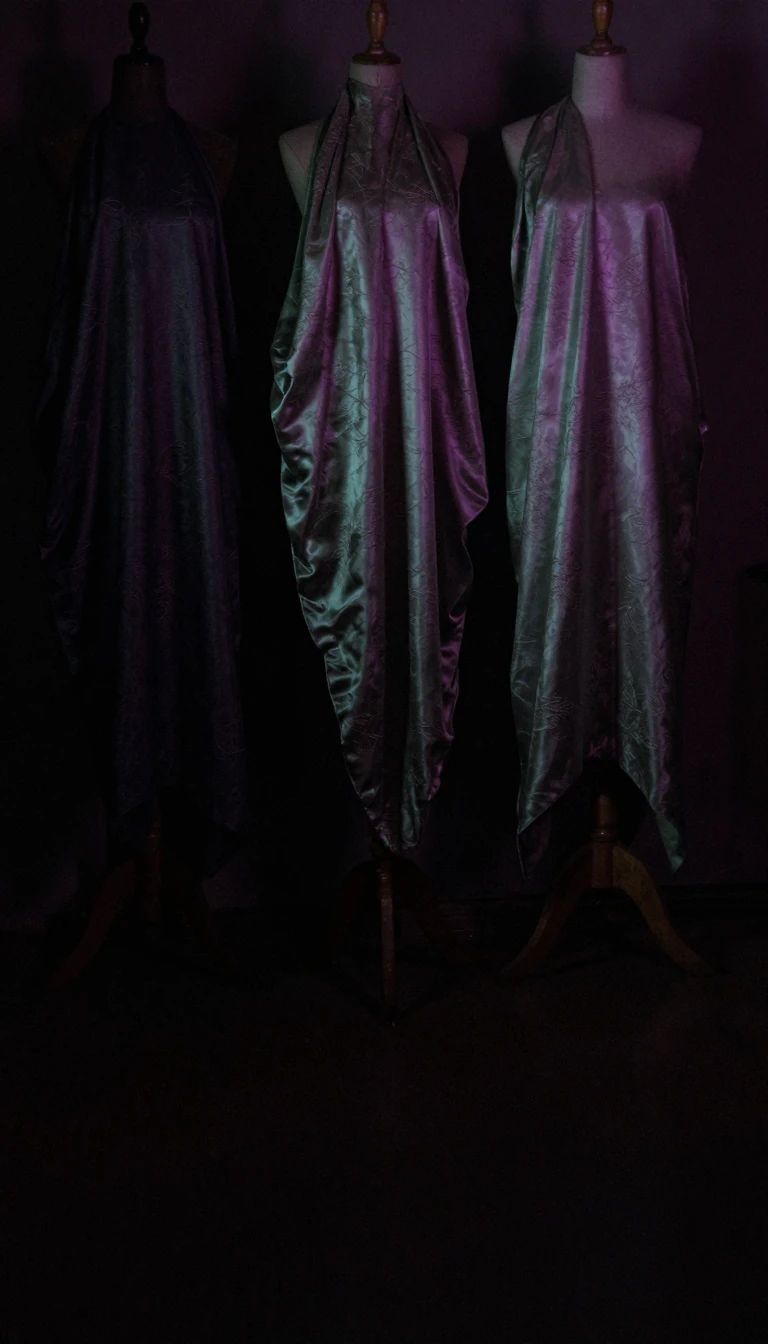 Cloth built empires long before it hung on gallery wallsFrom Tyrian purple to Silk Road cargos, textiles were trade itself. Flax wrapped mummies by 6500 BCE; cotton spread from India after 327 BCE. The Industrial Revolution's cotton gi…
 Apollo 17 caught Earth looking like a glass marbleOn 7 December 1972, roughly 29,400 kilometers from Earth, an Apollo 17 Hasselblad froze Africa from the Mediterranean to Antarctica. The cropped, rotated frame became one of histo…
 Leonardo's wall dinner began dying within decadesPainted about 1495–1498 in Milan's Santa Maria delle Grazie, The Last Supper freezes the instant after Jesus says a betrayer sits among the Twelve. Leonardo chose tempera on seale…
 Raphael's philosophers point heavenward and earthwardBetween 1509 and 1511, for Pope Julius II's Vatican Stanze, Raphael frescoed philosophy itself. At the vanishing point, Plato lifts Timaeus toward the vault; Aristotle levels Ethi…
 Movable type began in Song China, not only MainzTypography arranges type so written language stays legible—choosing typefaces, sizes, leading, tracking, and kerning. Bi Sheng cast ceramic movable type in eleventh-century Song C…
- Rococo began as an insult for swirly, out-of-date decorationThe name comes from French rocaille—shell-and-pebble grotto work—and was coined as satire by Neoclassical painter Pierre-Maurice Quays. Print critics only adopted "rococo" around …
 Romanesque was Europe’s first art style to cross all of Catholic EuropeFrom about 1000 AD until Gothic rose in the twelfth century—later in some regions—Romanesque fused round Roman arches and vaults with new habits. Nineteenth-century historians coi…
 Romantics made feeling the law—and mistrusted the industrial cityRomanticism rose in Europe near the end of the eighteenth century against Enlightenment rationalism and Industrial Revolution materialism. Advocates put subjectivity, imagination,…
 Realism was never mainly about painting things more accuratelyIn art talk, realism sounds like a camera. Yet nineteenth-century Realism, after France’s 1848 upheaval, chased ordinary and even sordid subjects. Gustave Courbet and peers reject…
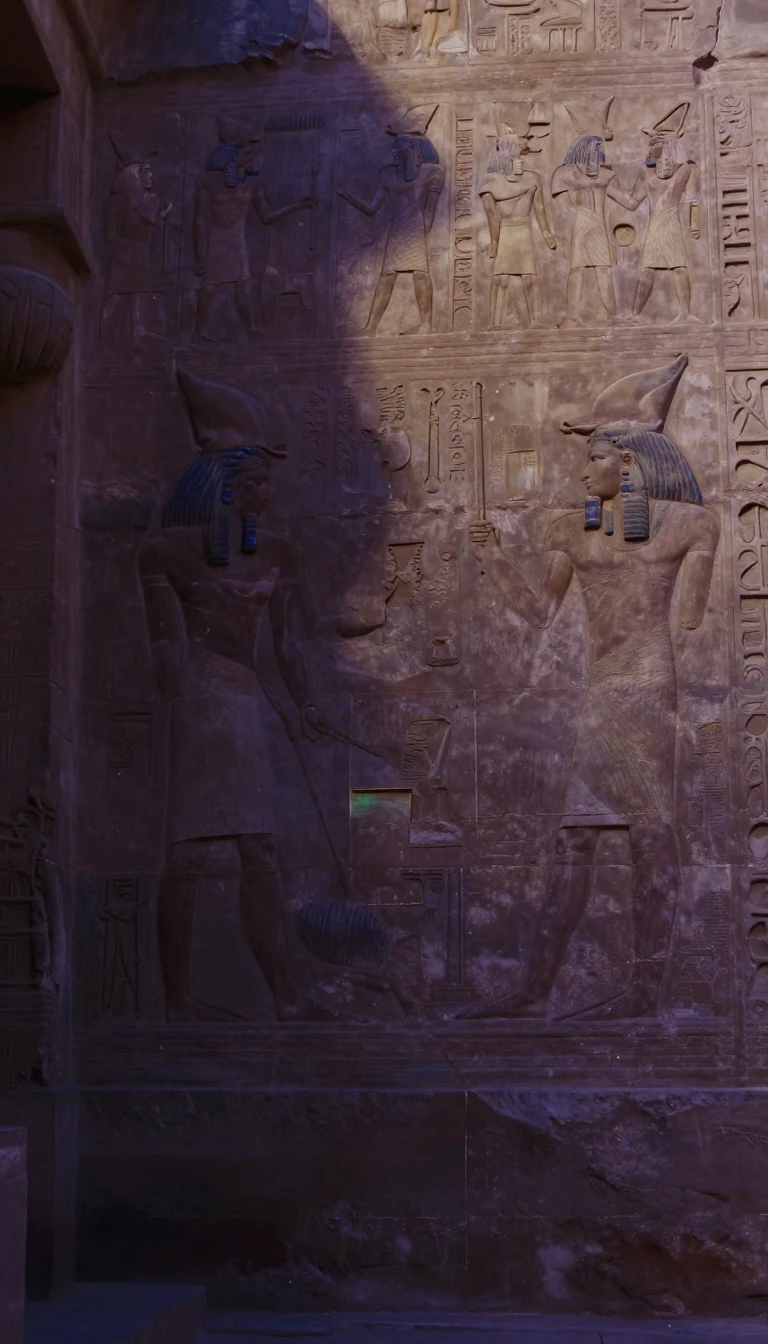 Sacred images inspire devotion—and sometimes deliberate destructionReligious art pictures belief and how humans relate to it. Sacred art is made for worship; works only inspired by faith may stay "religious" without counting as sacred. Across tra…
- Renaissance art was a long remix of antiquity, not overnight rebirthArt historians still date Renaissance art roughly 1350–1620, with a distinct Italian style by about 1400. The French word promises rebirth, yet scholars no longer treat it as a cl…
- Most ancient rock paintings we see survived only because caves sheltered themRock art means human marks on natural stone—cliffs, boulder faces, cave walls, even ground figures—not built walls or free-standing statues. Anthropologists studying the oldest Up…
 Outsider art began as a French label for work beyond cultureRoger Cardinal coined "outsider art" in 1972 for Jean Dubuffet's art brut—raw work by psychiatric patients, hermits, and spiritualists outside official culture. Adolf Wölfli's ill…
- The oldest known paintings may be fifty-one thousand years oldCave images once meant Europe's Ice Age walls. Research now points to Sulawesi and Borneo: pig-hunting scenes at least 43,900 years old, a pig dated over 45,500 years, and 2024 Na…
- Persian rock reliefs taught kings how to claim the mountainFrom Susa's painted pots near 5000 BCE to Achaemenid cliff tombs, Persian art staged power in stone and metal. Darius the Great's Behistun relief around 500 BC repeats its boast i…
- Brunelleschi’s lost panel still defines how we draw depthLinear perspective shrinks distant things and foreshortens forms along the line of sight. Around 1415–1420 Filippo Brunelleschi reportedly proved it with a peephole view of Floren…
 Pop art started in London collages before Warhol’s soup cansBritish artists studied American ads from afar in the 1950s; Eduardo Paolozzi's 1947 collage I was a Rich Man's Plaything tucked the word "pop" in revolver smoke. By August 1962 N…
- Portraiture began with plastered skulls nine thousand years agoBefore Mona Lisa, Levantine communities rebuilt faces on ancestral skulls between 9000 and 6000 BC—among the oldest sculptural portraits. Faiyum funeral panels later preserved Gre…
 Post-Impressionism was a vague label Roger Fry needed in 1910The name is almost an apology. Roger Fry said he chose "Post-Impressionism" as the vaguest tag for French painting after Manet when he staged Manet and the Post-Impressionists in …
 Postmodernism is a Swiss Army knife of contested meaningsLouis Menand called postmodernism definitionally overloaded—a tool for almost any critical job. Dick Hebdige mocked it as a buzzword spanning room décor to nuclear dread. Beneath …
 Seven young rebels named themselves after art before RaphaelIn 1848, Millais, Rossetti, Hunt and four friends founded a secret Brotherhood in London, scorning Raphael's "corrupting" elegance and Joshua Reynolds as "Sir Sloshua." Their wet-…
- Art may be older than Homo sapiens alone can claimUndisputed figurative sculpture from Hohle Fels is about 40,000 years old—but Neanderthal cave marks in Spain date to 64,800 years, and a 2018 South African find pushed the earlie…
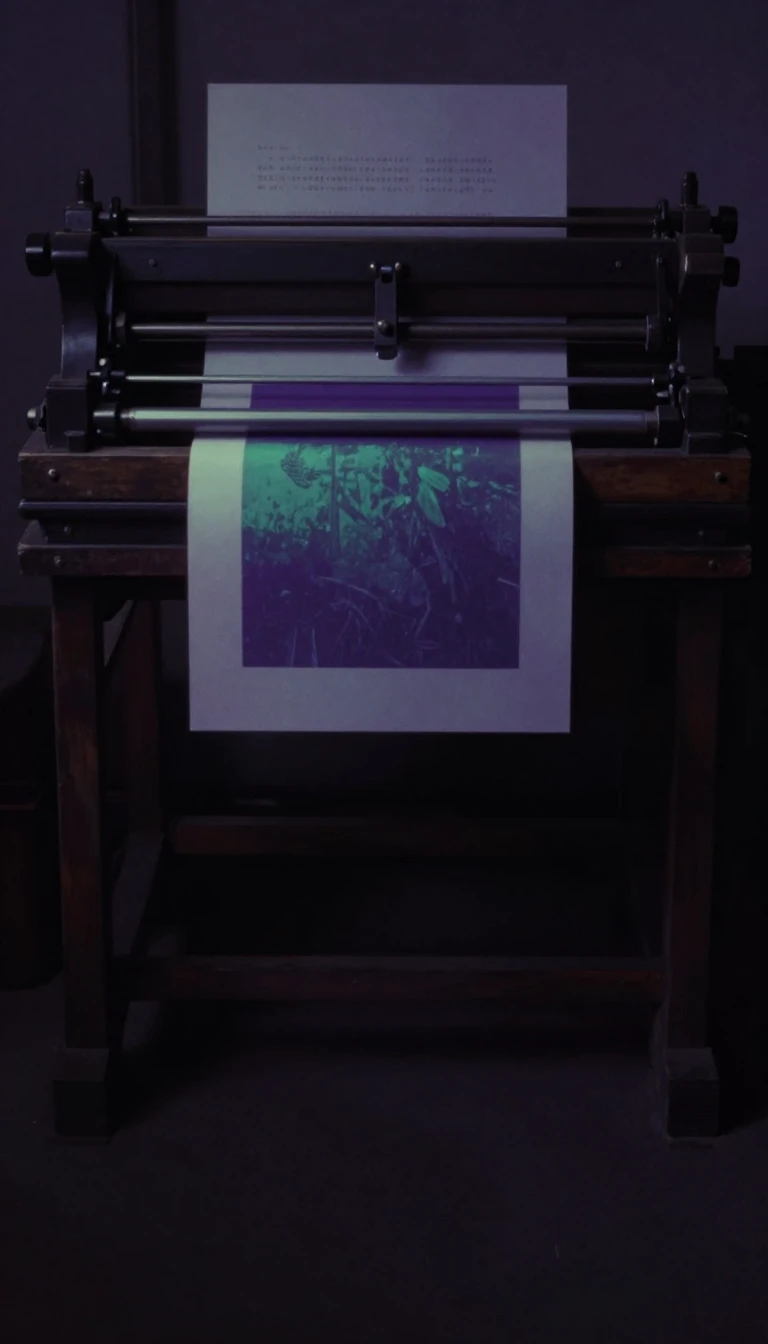 Every fine print is an original impression, not a copyPrintmaking transfers ink from a matrix—wood, metal, stone, or screen—to paper or cloth, usually yielding multiples. Each pull is an "impression," an original artwork; a "copy" me…
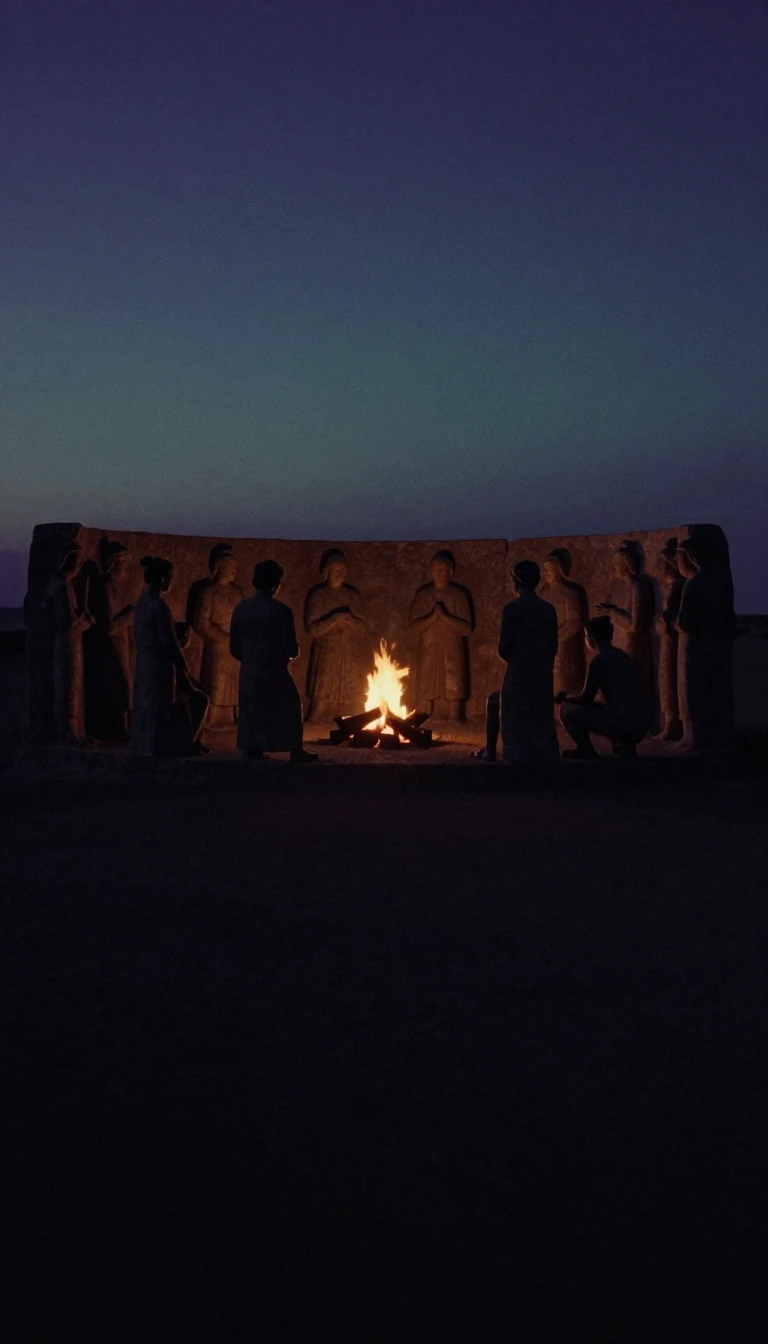 Easter Island’s stone giants were never just floating headsRapa Nui carvers shaped more than nine hundred moai between about 1250 and 1500. Heads take roughly three-eighths of each figure’s height, so buried quarry statues look head-only.…
 The first house model was a couturier’s wife in 1853Charles Frederick Worth asked Marie Vernet Worth to wear his designs for clients, inventing the house model. Before that, fourteenth-century Europe showed fashion on dolls. By the…
 Modernism wanted a sacred center—then watched it crackEarly twentieth-century modernism prized experiment, abstraction, and subjective experience across literature, art, music, and architecture. It answered secularization, science, i…
 Rome’s finest floors were portable painting in tiny stone cubesMosaic covers floors and walls with colored stone, glass, or ceramic set in mortar—a craft ancient enough that Mesopotamian temples used mixed materials in the third millennium BC…