 Intellect Plus
Anatomy and morphology
570 cards. Each one is a 40-second story with a five-minute read behind it. Page 2 of 10.
 Was the Lincoln County War a cattle feud or a struggle for economic monopoly?The Lincoln County War is often remembered as a wild shootout involving Billy the Kid, but historians debate its true nature. Was it a minor range war over cattle, or a calculated…
 Why your phone struggles to connect when you travel across the globeYour smartphone is a miracle of engineering, packed with antennas designed to capture specific radio frequencies. Yet, global connectivity remains a complex puzzle. Because differ…
 Why the original 4G was not actually 4G, and how it changed everythingLong Term Evolution, or LTE, redefined mobile connectivity by shifting to an IP-based architecture. Though marketed as 4G, the initial version failed to meet strict technical crit…
 Mercury(II) chloride: A volatile, toxic molecule that shaped the history of chemistryKnown historically as corrosive sublimate, mercury(II) chloride is a crystalline compound that defies simple categorization. While it is highly toxic to humans, its unique chemica…
 The sacred bamboo that is neither bamboo nor safe for your local birdsNandina domestica, often called sacred bamboo, is a deceptive ornamental shrub. While prized for its vibrant, color-shifting foliage and historical significance in Asian gardens, …
 Why your snoring might be a silent signal that your brain is struggling for airObstructive sleep apnea is more than just loud snoring. It is a serious disorder where throat muscles relax, repeatedly collapsing your airway during the night. These brief, frequ…
 Are opiates truly the gold standard for pain relief, or just a dangerous myth?Opiates are natural alkaloids from the opium poppy, yet their medical reputation is increasingly contested. While they effectively dampen pain signals in the brain, they carry sev…
 Why a sudden, painful loss of vision might be your immune system misfiringOptic neuritis occurs when the optic nerve, the vital cable connecting your eye to your brain, becomes inflamed. Often causing pain during eye movement and blurred vision, this co…
 Does being born early permanently affect a child's academic performance in school?New research tracking over one million Australian students reveals how gestational age at birth influences long-term educational outcomes. While early preterm birth shows clear li…
 Why standing up too quickly can leave you dizzy, lightheaded, or even unconsciousWhen you rise from a chair, gravity pulls blood into your lower body, momentarily starving your brain of oxygen. Usually, your body compensates instantly to stabilize pressure. Wh…
 A single missing enzyme can turn a common amino acid into a toxic threat.Phenylketonuria is a rare genetic disorder that prevents the body from breaking down phenylalanine, an essential amino acid found in protein-rich foods. Without treatment, this su…
 The ancient felt cap that became a universal symbol of human libertyLong before it was a simple piece of headwear, the pileus was a potent political icon. From the battlefields of ancient Greece to the manumission rituals of Rome, this brimless fe…
 Why having extra sets of chromosomes is a biological superpower for some speciesMost organisms are diploid, carrying two sets of chromosomes. Yet, polyploidy—possessing three or more sets—is a common, successful strategy in nature. While often fatal in humans…
- Why standing up can feel like a marathon for millions of peoplePostural orthostatic tachycardia syndrome, or POTS, is a complex disorder of the autonomic nervous system. It turns the simple act of standing into a physiological struggle, causi…
 Rectal prolapse is more than just a physical protrusion; it is a complex anatomical failure.When the rectum slips through the anus, it is rarely a simple accident. While often linked to aging or chronic straining, this condition involves a fundamental weakening of pelvic…
- Retinitis pigmentosa turns the eye's light-sensing layer into a slowly fading, narrowing window.Retinitis pigmentosa is not a single disease but a group of inherited conditions that cause the retina to break down. By disrupting the function of light-sensitive cells, it typic…
 Royal jelly is the biological switch that turns ordinary bee larvae into fertile queens.In the hive, royal jelly is more than just food; it is a powerful epigenetic tool. By feeding larvae this secretion, nurse bees trigger a developmental cascade that transforms a g…
 Can your smartphone screen help diagnose disease or reveal your cognitive health?Modern smartphones are more than just communication tools; they are sophisticated sensors capable of complex diagnostic tasks. From measuring digital dexterity to identifying path…
 Spinocerebellar ataxia is not one disease, but a diverse family of progressive genetic disorders.Spinocerebellar ataxias are a group of hereditary conditions that primarily attack balance and coordination. While they share a common clinical profile of slurred speech and unste…
 The Steller sea lion is a massive marine predator with surprising cognitive imitation skills.As the largest of the eared seals, these giants can weigh over a ton and roar like lions. Beyond their physical scale, research reveals they possess a sophisticated ability to mim…
 A silent, deadly shadow: why measles can return years later to destroy the brainSubacute sclerosing panencephalitis is a rare but devastating neurological condition that emerges years after an initial measles infection. Caused by a mutated version of the viru…
 Why did a single photograph of a dress divide the entire planet in 2015?In 2015, a simple image of a garment triggered a global debate over its true colors. While the dress was objectively blue and black, millions saw white and gold. This viral phenom…
 Was Tom Horn a cold-blooded assassin or a victim of a flawed legal system?Tom Horn was a legendary hired gun whose career spanned from army scouting to private enforcement for wealthy cattlemen. While he became a symbol of frontier justice, his final co…
 How a booming silver town became a ghost town when its mines hit waterTombstone, Arizona, was once a lawless silver boomtown where miners pulled out fortunes and saloons stayed open 24 hours. But when the mines struck the water table in the 1880s, t…
- Can magnetic pulses reshape the brain to treat depression and other mental health conditions?Transcranial magnetic stimulation is a noninvasive, drug-free therapy that uses magnetic pulses to modulate brain activity. By targeting specific neural circuits through the skull…
- Tretinoin is a versatile molecule that treats both severe leukemia and common acnePatented in 1957, this vitamin A derivative serves two vastly different medical purposes. It acts as a potent treatment for a specific form of leukemia by targeting genetic mutati…
 How a historic Australian university transformed into a massive new institution by 2026The University of Adelaide, a prestigious research hub founded in 1874, has officially merged with the University of South Australia. This strategic consolidation aims to boost gl…
 How Virtual Training Helped Medical Students Transition Into Their First Clinical Roles During LockdownWhen the COVID-19 pandemic halted traditional medical training, final-year students at the University of Bristol faced a sudden, anxiety-inducing gap in their preparation for clin…
 Beyond the myth: How Viking warriors actually armed themselves for battle and statusViking military technology was far more than the stereotypical axes and horned helmets. From the high-status, pattern-welded swords of the elite to the humble, ubiquitous spear of…
 The trailing stems of Vinca are more than just a garden ground coverKnown for its ability to carpet landscapes, the Vinca genus hides a complex biological machinery. While gardeners prize these plants for their evergreen resilience, their chemical…
 Vitamin K2 is the overlooked nutrient that may protect your bones and heartWhile vitamin K1 is famous for blood clotting, its sibling K2 is gaining attention for its potential to improve bone density and cardiovascular health. Because K2 has a longer mol…
 Can wearable technology predict when a rugby player needs a head injury assessment?Elite rugby players face significant impact forces during matches, necessitating rapid decisions on player safety. Recent research using instrumented mouthguards provides a new, d…
 Xylene is the invisible backbone of modern plastics, clothing, and industrial cleaning processes.Derived from wood tar and crude oil, xylene is a versatile trio of organic compounds essential to global manufacturing. From the polyester in your clothes to the clearing agents u…
 Why the extra Y chromosome in 47,XYY syndrome is rarely a super-male traitOften called Superman syndrome, 47,XYY is a genetic condition where a male has an extra Y chromosome. Despite historical myths linking it to aggression and hyper-masculinity, the …
 How your eyes physically reshape themselves to bring the world into sharp focusAccommodation is the remarkable process by which vertebrate eyes adjust their optical power to maintain clear vision across varying distances. While humans subtly reshape their el…
 Your fat cells are not just storage units; they are active, complex biological organs.Adipocytes do more than hold energy. These cells, categorized as white or brown, influence everything from systemic metabolism to hair follicle health. While often viewed as passi…
 Aerial roots are nature's versatile solution for support, breathing, and even nitrogen harvestingWhile most roots anchor plants in the dark earth, aerial roots emerge from stems or leaves to navigate the open air. These specialized structures allow plants to climb rocks, brea…
- Your body is not a textbook: why anatomical variation matters more than you thinkStandard anatomy textbooks describe a typical human body, but your internal structure is likely unique. From muscle attachments to blood vessel branching, these variations are nor…
 Beyond feelers: how arthropod antennae serve as sophisticated chemical and thermal navigation systemsAntennae are far more than simple feelers. These complex sensory appendages allow arthropods to detect chemical compounds, navigate via carbon dioxide, and even sense temperature.…
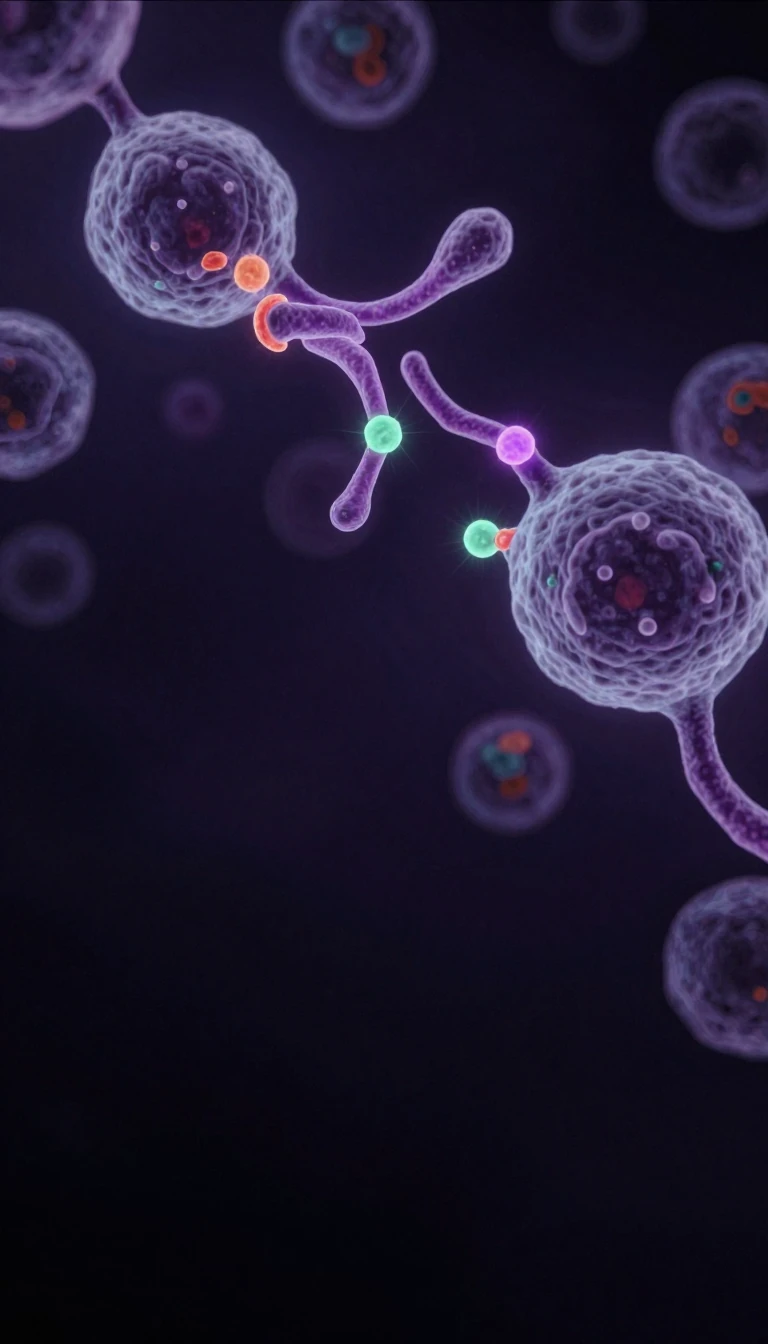 Your immune system reads your body like a library of nametags called antigens.Every cell in your body carries a unique molecular signature that tells your immune system whether you are a friend or a foe. These markers, known as antigens, act as biological n…
 Why arthropod legs are marvels of engineering that require constant, rigid shedding to function.Arthropods dominate the planet thanks to their unique, jointed exoskeletons, but this armor creates a fundamental paradox: how do you grow or move inside a rigid suit? The answer …
 The microscopic wineskin that launches fungal life into the worldThe ascus is a specialized cell in ascomycete fungi that acts as a biological pressure vessel. By orchestrating complex genetic divisions, these tiny structures produce spores and…
 The heart's upper chambers are more than just simple entry halls for bloodWhile often viewed as mere holding tanks, the atria are sophisticated biological components. These upper heart chambers do not just receive blood; they act as critical pacemakers,…
 Your brain's auditory cortex is a complex, tonotopic map that decodes sound and language.The auditory cortex is the brain's primary processing unit for sound, organizing information through a sophisticated frequency map. It does more than just hear; it segregates audi…
- Your B cells are highly specialized biological machines that recognize one specific foreign threat.B cells are the immune system's precision engineers. Each one is programmed to detect only a single type of antigen, using surface receptors that act like custom-fit puzzle pieces…
 Fungi launch their spores with an acceleration of 10,000 times the force of gravityThe basidium is a microscopic pedestal that acts as a launchpad for fungal reproduction. By orchestrating a precise dance of water condensation and surface tension, these structur…
- The rarest white blood cell in your body is a master of allergic chaosBasophils make up less than one percent of your white blood cells, yet they act as powerful orchestrators of your immune system. These elusive cells store inflammatory chemicals l…
 The bird wing is a masterclass in evolutionary engineering and structural adaptationBird wings are more than simple flight appendages; they are highly specialized forelimbs that have undergone dramatic transformations. From the high-speed maneuvers of falcons to …
 Why your tongue is a high-stakes chemical sensor evolved to keep you aliveBitter taste is not just a flavor preference; it is a critical survival mechanism. By detecting toxins in food, bitter taste receptors allow animals to avoid poisoning. These rece…
 Your body is a high-output factory producing billions of blood cells every single day.Blood cells are not just floating in your veins; they are manufactured in a continuous, high-speed process within your bones. From oxygen-carrying red cells to immune-defending wh…
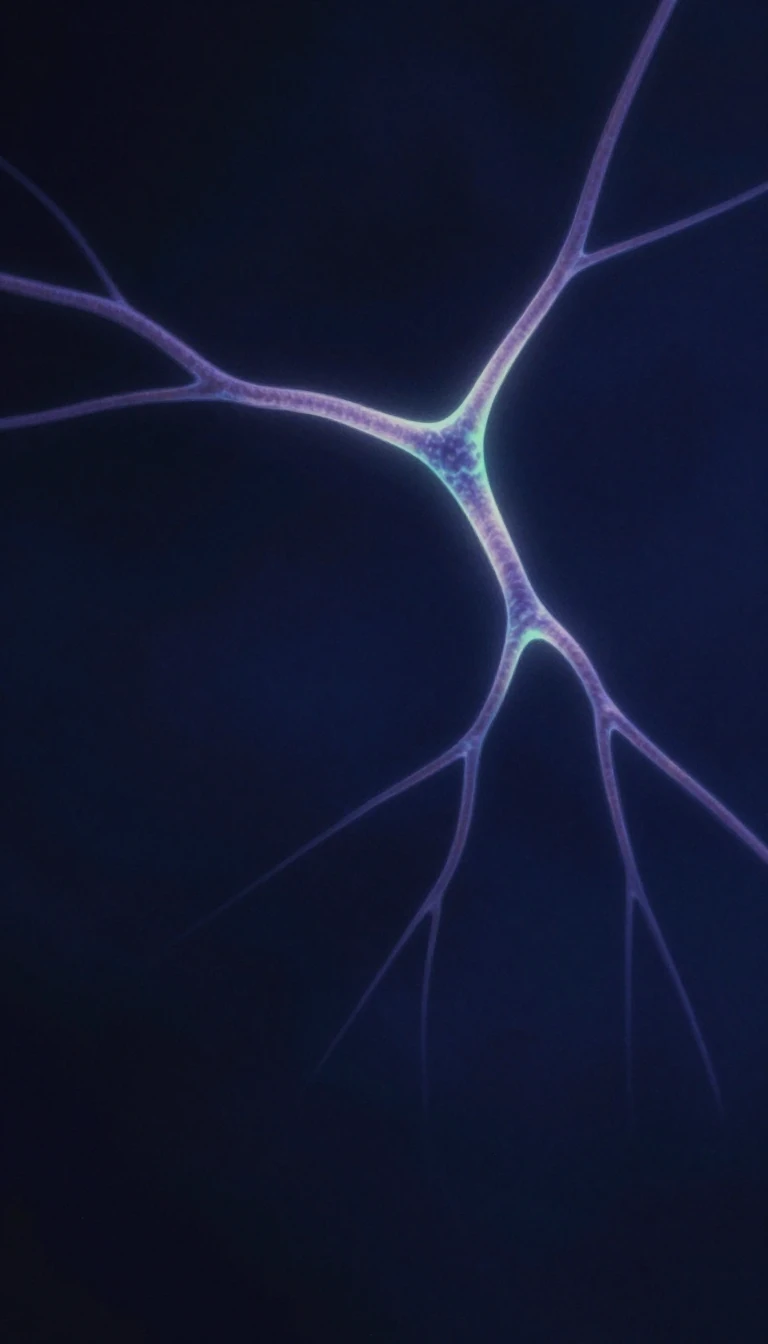 The human body is a complex biological machine built from trillions of specialized cells.Beyond our familiar anatomy lies a sophisticated architecture of water, proteins, and minerals. While we share a vertebrate blueprint with other animals, our unique bipedal postur…
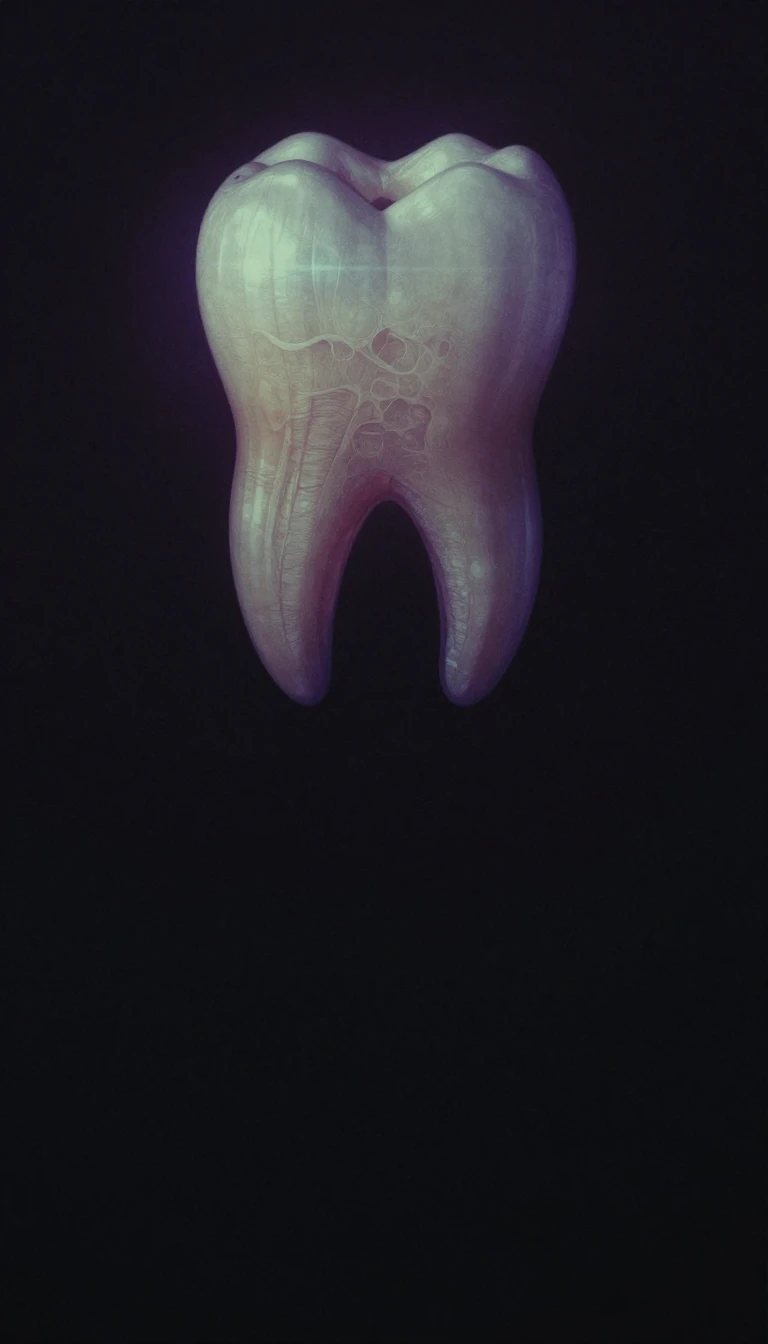 Your body is a collection of fluid-filled compartments designed to protect your internal organs.Human anatomy is organized into distinct, fluid-filled spaces called body cavities. These compartments do more than just house your organs; they provide the necessary room for you…
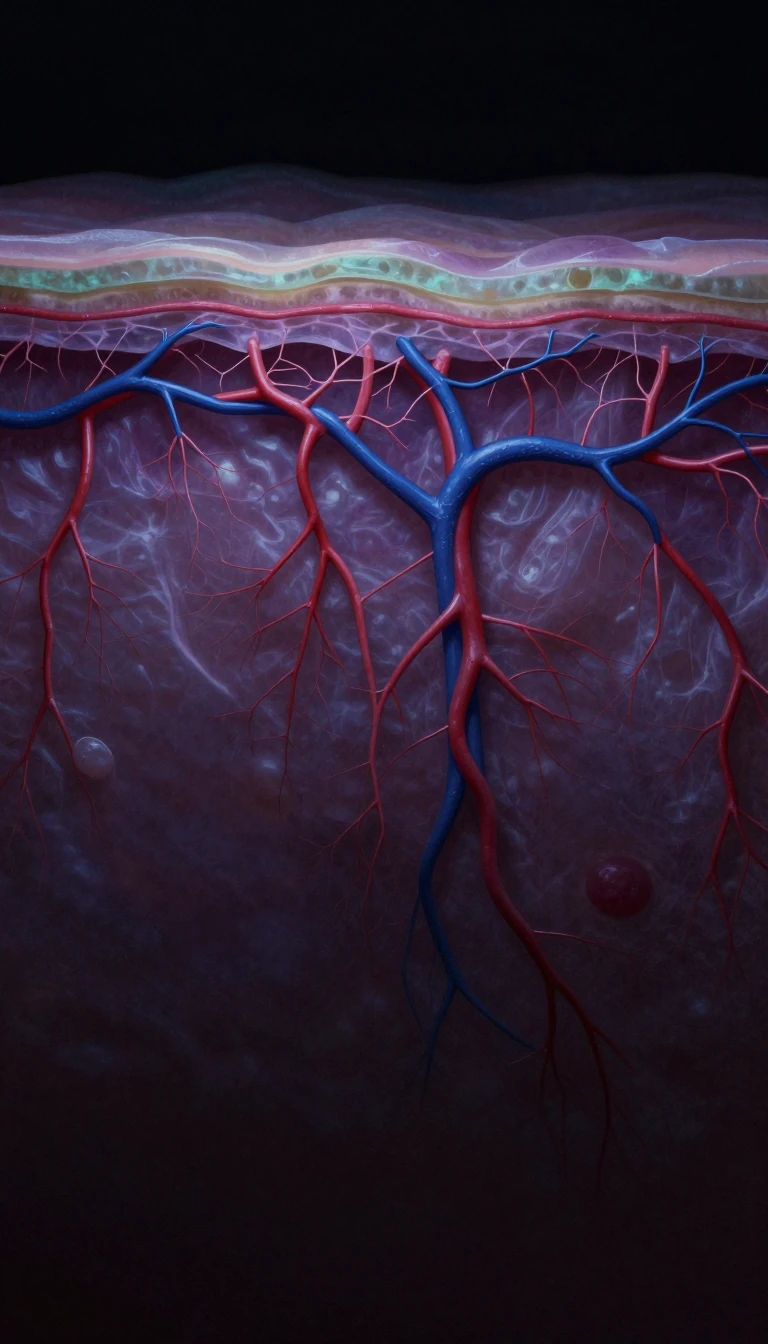 You are mostly water, but where exactly is all that fluid hiding inside you?The human body is a complex landscape of liquid compartments, with water accounting for over half of your total weight. While we often think of blood as our primary fluid, it repr…
- Your body is a forest of five million follicles, most of them invisible.Beyond the hair on your head, your skin is covered in millions of tiny, often unseen follicles. While we obsess over scalp growth, these hidden structures follow precise biologica…
- Why the architecture of a branch dictates the survival strategy of a shrubBranches are more than just woody appendages; they are complex hierarchical systems that dictate how a plant allocates resources. By analyzing the branching order of mountain shru…
 Beyond the Garden: How Buds Shape Both Botanical Growth and Cellular ArchitectureA bud is more than a dormant flower waiting for spring. In botany, these embryonic shoots serve as the blueprint for a plant's entire structure. Simultaneously, in the microscopic…
 Beyond the garden, the term bulb describes everything from plant organs to brain structures.In botany, a bulb is a specialized underground stem designed for survival. Yet, the term also appears in neuroscience and medicine, describing distinct anatomical structures in th…
 Why your glutes are the secret to sitting comfortably without needing specialized callositiesHumans lack the specialized ischial callosities found in primates, which allow them to sleep on thin branches. Instead, we rely on our massive gluteal muscles and subcutaneous fat…
 The cecum is a blind-ended pouch that marks the start of your large intestine.Often overshadowed by its famous attachment, the appendix, the cecum is a vital anatomical junction. This pouch receives undigested material from the small intestine, acting as a …
- The Indestructible Beak: How Cephalopods Use Chitin to Dominate the Ocean's Food ChainCephalopods possess a unique, scissor-like beak made of chitin and cross-linked proteins. These structures are so durable that they often remain as the only identifiable trace of …