 Intellect Plus
Medieval wars
681 cards. Each one is a 40-second story with a five-minute read behind it. Page 5 of 12.
 How a medieval abbey survived civil strife and royal turmoil to become a landmarkGloucester Cathedral stands as a resilient survivor of English history. From its origins as a seventh-century minster to its role as a royal coronation site and a sanctuary during…
 How the English Civil War permanently dismantled a centuries-old system of legal educationFor centuries, the Inns of Court were the heartbeat of English law, training barristers through rigorous lectures and moots. But in 1642, the First English Civil War shattered thi…
 How a medieval woodland border became a resilient Baltic intellectual and industrial powerhouseGreifswald began as a contested borderland between Danish and Pomeranian forces. Today, this Hanseatic city balances its deep medieval roots with a modern identity as a vibrant un…
 How a Berber governor turned a regional post into a three-century Mediterranean powerThe Hafsid dynasty transformed Ifriqiya from an Almohad province into a sophisticated, independent state. By balancing Andalusi refugees, Maliki scholars, and European trade, they…
 The hauberk: How a simple neck guard evolved into a knight's essential iron shirtBefore it became the iconic knee-length mail shirt of medieval knights, the hauberk began as a humble neck protector. From its Celtic origins to its depiction in the Bayeux Tapest…
 Was the 2nd Duke of Buckingham the true architect of the Princes' disappearance?Henry Stafford, 2nd Duke of Buckingham, was a kingmaker who helped Richard III seize the throne before leading a failed rebellion against him. Executed in 1483, he remains a prima…
 Why did Akechi Mitsuhide betray his master, Oda Nobunaga, in 1582?In 1582, Japan’s most powerful warlord, Oda Nobunaga, was on the verge of unifying the country. Then, his own vassal, Akechi Mitsuhide, launched a surprise attack on the temple wh…
 How a disputed illegitimate son built a global empire from a battlefield victoryWhen the Portuguese throne faced a succession crisis in 1385, John of Aviz seized power against the wishes of the nobility. His victory at the Battle of Aljubarrota secured his cr…
 How a religious sect of peasants and priests became Japan’s most feared military forceIn 15th-century Japan, the Ikkō-ikki transformed from a loose religious movement into a formidable, decentralized military power. By blending faith with the rapid adoption of matc…
 How a Medieval Queen Navigated Four Marriages to Secure the Throne of JerusalemIsabella I of Jerusalem was a pawn in a high-stakes game of dynastic survival. Betrothed at eight, she was married four times to four different men as crusading factions vied for …
 Why a 14th-century peasant revolt still haunts the imagination of the ruling classIn the summer of 1358, northern French peasants rose against a nobility they perceived as failing, sparking a brief, violent rebellion known as the Jacquerie. Though suppressed wi…
 The architect of the Tudor dynasty who spent decades as a hunted exileJasper Tudor was the uncle who secured the English throne for Henry VII. A lifelong Lancastrian loyalist, he survived decades of attainder, political betrayal, and narrow escapes …
 How a short, red-bearded general seized the Byzantine throne through a bloody betrayalJohn I Tzimiskes was an elite Byzantine general who rose to power by orchestrating the assassination of his own uncle, Emperor Nikephoros II Phokas. Once on the throne, he transfo…
 The blind king who died charging into the heart of the Hundred Years' WarJohn of Bohemia was a legendary knight who campaigned across Europe, from Prussia to Toulouse. Despite losing his sight for a decade, he remained a famed horseman. His life reache…
 Was the English Achilles a brilliant military commander or merely a reckless, quarrelsome nobleman?John Talbot, 1st Earl of Shrewsbury, was the most feared English captain of the Hundred Years' War. Known as the Terror of the French, he defined an era of aggressive, rapid warfa…
- How a ruthless prince’s assassination triggered the final phase of the Hundred Years' WarJohn the Fearless, Duke of Burgundy, was a master of political maneuvering and a pioneer of gunpowder artillery. His brutal murder of a rival duke ignited a civil war, eventually …
 After the 1923 Great Kanto Earthquake, rumors triggered a state-sanctioned massacre of thousands.In the chaos following Japan's 1923 earthquake, false rumors of Korean sabotage ignited a wave of vigilante violence. Backed by police and military, mobs murdered thousands of inn…
 The Sultan who minted his wife's image and lost an empire to the Mongols.Kaykhusraw II was the last Seljuq sultan to hold real power, ruling a state caught between internal religious rebellion and the encroaching Mongol tide. His reign is remembered fo…
 Was the golden age of the Seljuq Sultanate of Rûm ended by a poisoned feast?Kayqubad I presided over the peak of Seljuq power in Anatolia, transforming his realm into a cultural and architectural powerhouse. Yet, his sudden death in 1237 at a banquet in K…
- How a medieval water-fortress became the stage for England's most dramatic royal power struggles.Kenilworth Castle evolved from a Norman stronghold into a lavish Renaissance palace. Over five centuries, it served as a prison for a deposed king, the site of England's longest m…
 Is the mysterious Quranic figure Khidr a synthesis of ancient myths and legends?Khidr, the enigmatic servant of God in the Quran, remains a figure of profound mystery. Often called the Green One, he is revered as an immortal guide who teaches secret knowledge…
 How a Medieval Balkan Kingdom Navigated the Crushing Weight of Two EmpiresThe Kingdom of Bosnia existed for less than a century, yet it managed to balance precariously between the ambitions of Hungary and the Ottoman Empire. By leveraging its silver min…
 How a fractured collection of coastal districts evolved into a medieval northern powerhouse.Before it was a unified kingdom, Norway was a landscape of shifting alliances and local districts. From its 872 foundation, the realm expanded through crusades and overseas coloni…
- How a medieval administrative innovation shaped the heart of Scotland's industrial landscapeEstablished in the twelfth century to manage the River Clyde basin, Lanarkshire evolved from a feudal shire into a powerhouse of coal production. Though its formal administrative …
- How a medieval fortress in Kent became a hub for global peace negotiationsLeeds Castle has evolved from a Saxon wooden structure and a royal residence for Henry VIII into a modern diplomatic stage. While it once served as a prison and arsenal during the…
 The Lithuanian Air Force was born from a 1919 engineering company and aviation squad.Lithuania’s military aviation began in the chaos of 1919, evolving from a small engineering unit into a modern force. After surviving Soviet occupation and disbandment in 1940, th…
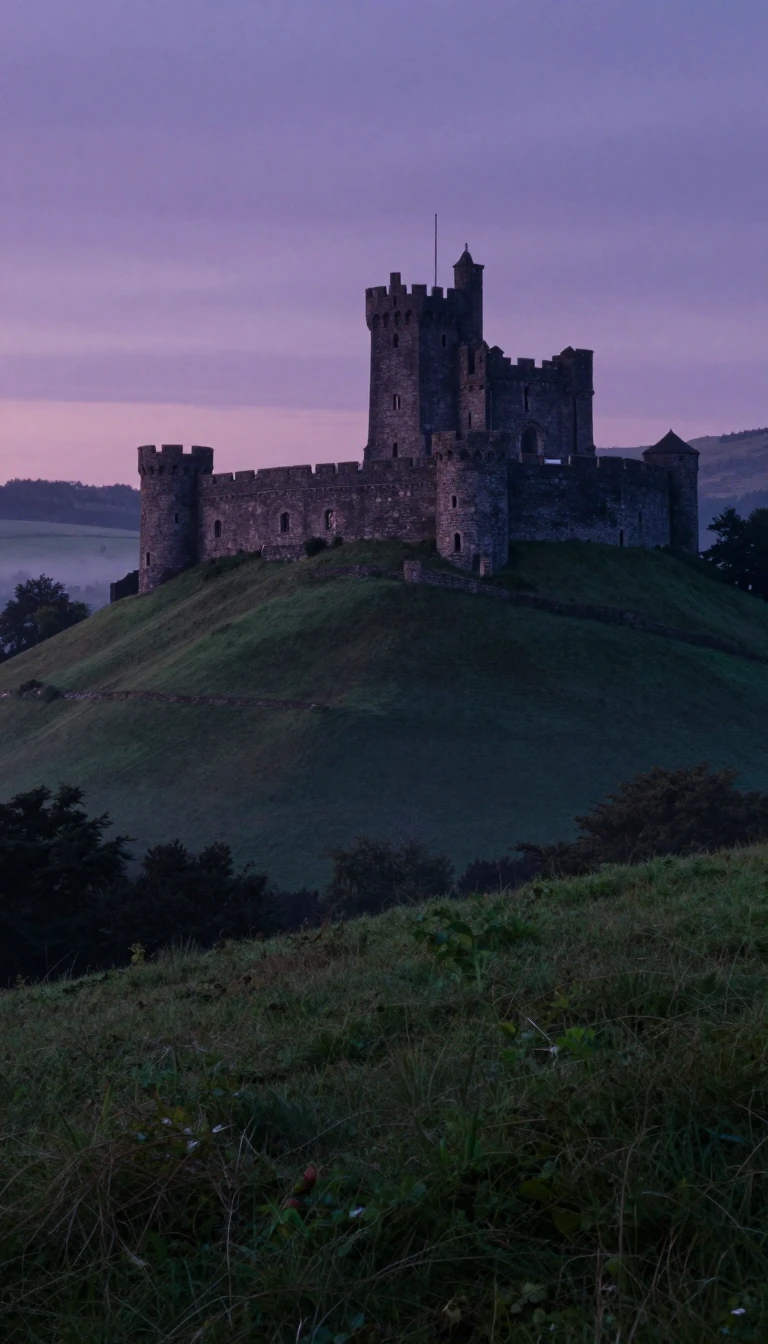 Ludlow: A Border Fortress That Became the Prince's Court and a Geological LandmarkPerched on a hill above the loud waters of the River Teme, Ludlow evolved from a Norman military stronghold into a sophisticated administrative capital. From the tragic end of a y…
 Lusatia: The Slavic Heartland Caught in a Thousand-Year Tug-of-War for SurvivalNestled between the Spree and Neisse rivers, Lusatia has spent centuries as a contested frontier. Home to the Sorbs, a Slavic people, this territory has been conquered, partitione…
 The man-at-arms was a professional soldier, not necessarily a knight of noble birth.For centuries, the man-at-arms defined the battlefield as a heavily armored cavalryman. While often confused with the knightly class, this role was defined by military function ra…
- How an aging governor seized a crumbling empire to found a lasting dynastyMarwan I ascended the throne in 684 as an elderly man in failing health, yet he managed to stabilize the fractured Umayyad state. By securing tribal alliances and positioning his …
 Why a Renowned Japanese Author Staged a Dramatic Military Standoff in 1970On November 25, 1970, novelist Yukio Mishima led a private militia into a military headquarters, seized a general, and demanded a constitutional revolution. While the world watche…
 Monemvasia: The Gibraltar of the East and the birthplace of a legendary winePerched on a tied island off the Peloponnese, Monemvasia has served as a strategic fortress for over 1,400 years. Known as the Gibraltar of the East, this ancient town survived ce…
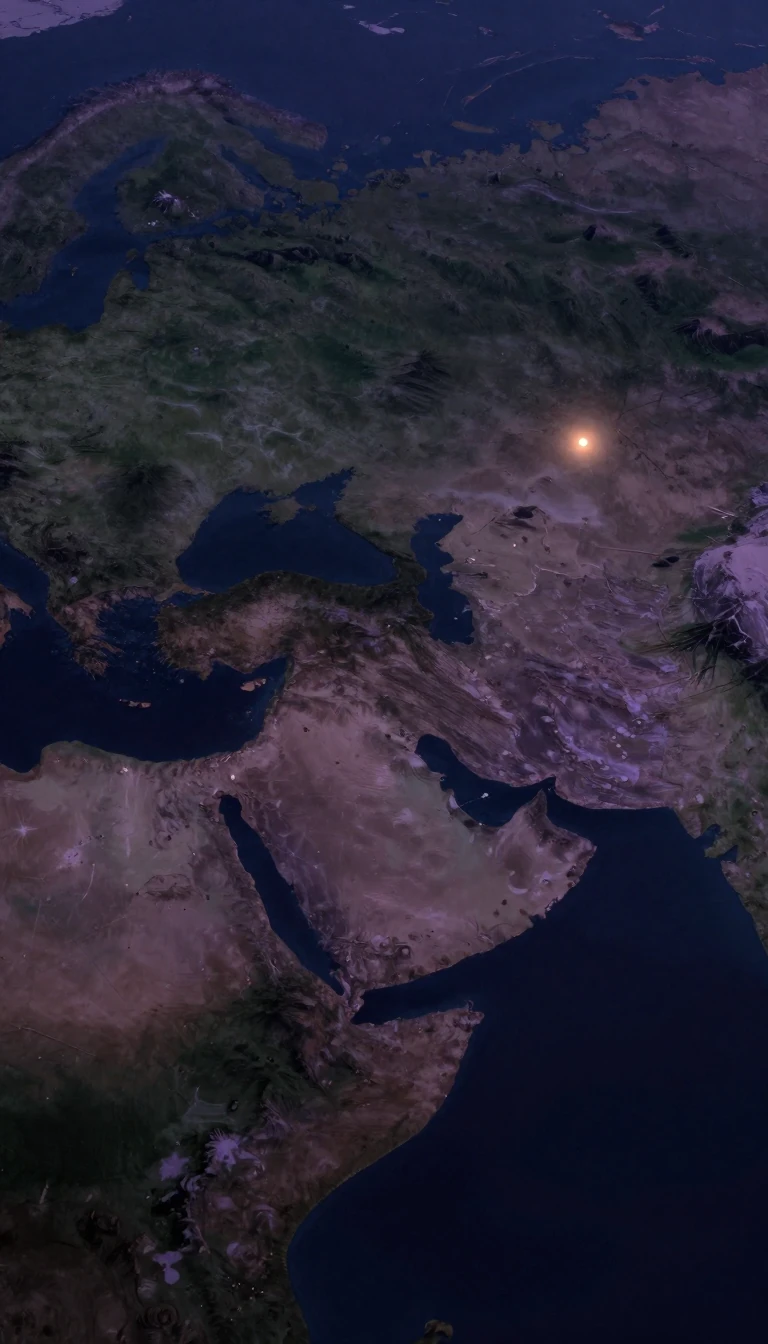 The genetic legacy of the Mongol Empire reveals a complex history of human migration.Mongolic peoples share a deep, continuous genetic history rooted in ancient Northeast Asia, yet their modern diversity tells a story of vast expansion and cultural assimilation. F…
 Why the Ottoman Empire granted Jerusalem its own unique, direct administrative status in 1872In the late 19th century, the Ottoman Empire carved out a special district centered on Jerusalem, governed directly from Constantinople rather than through regional intermediaries…
 How a small sect of mountain rebels defied empires for nearly two centuriesThe Nizari Ismaili state was a geographically scattered network of fortresses that challenged the might of the Seljuk Empire. Led by Hasan-e Sabbah, these rebels utilized strategi…
 Ohrid: A Balkan crossroads where empires, religions, and identities have collided for millenniaPerched on the shores of Lake Ohrid, this ancient city has served as a capital for empires, a religious stronghold, and a contested frontier. From its origins as an Illyrian settl…
 Osnabrück: The German City That Forged Peace From Centuries of Religious ConflictFounded as a marketplace under Charlemagne, Osnabrück evolved from a medieval bishopric into a pivotal site for European diplomacy. While it survived the devastation of the Thirty…
 Can a historian of the Silk Roads reshape how we view global history?Peter Frankopan is a prominent British historian and academic whose work challenges traditional Western-centric narratives. From his focus on the Byzantine Empire to his expansive…
 Why a Portuguese King allegedly forced his court to kiss a dead queen's handPeter I of Portugal is remembered for a romance that turned into a gruesome political tragedy. After his father ordered the murder of his secret lover, Inês de Castro, Peter launc…
 How a French Prince Built a European Powerhouse Through Marriage and Political ManeuveringPhilip the Bold, Duke of Burgundy, transformed from a royal hostage into the virtual ruler of France. By securing vast territories through a strategic marriage and leveraging his …
 How a Flemish princess became the stabilizing force behind England’s most ambitious medieval king.Philippa of Hainault was more than a royal consort. While her husband, Edward III, pursued the Hundred Years’ War and claimed the French throne, Philippa managed the domestic fron…
 Was the Byzantine Emperor Phocas a brutal tyrant or a victim of revisionist history?Phocas ruled the Eastern Roman Empire from 602 to 610, rising from a disgruntled centurion to a usurper who executed his predecessor. While historical records paint him as an inco…
 The pitched battle: how history’s most deliberate clashes shaped the fate of empiresA pitched battle is not a chaotic brawl, but a carefully orchestrated event where commanders choose the time, place, and terrain to exploit an enemy's weaknesses. From ancient bro…
- Pontefract Castle: A medieval fortress that hosted kings, martyrs, and its own destruction.Once a formidable seat of power in West Yorkshire, Pontefract Castle served as a royal residence, a prison for deposed monarchs, and a flashpoint for civil war. Today, its ruins r…
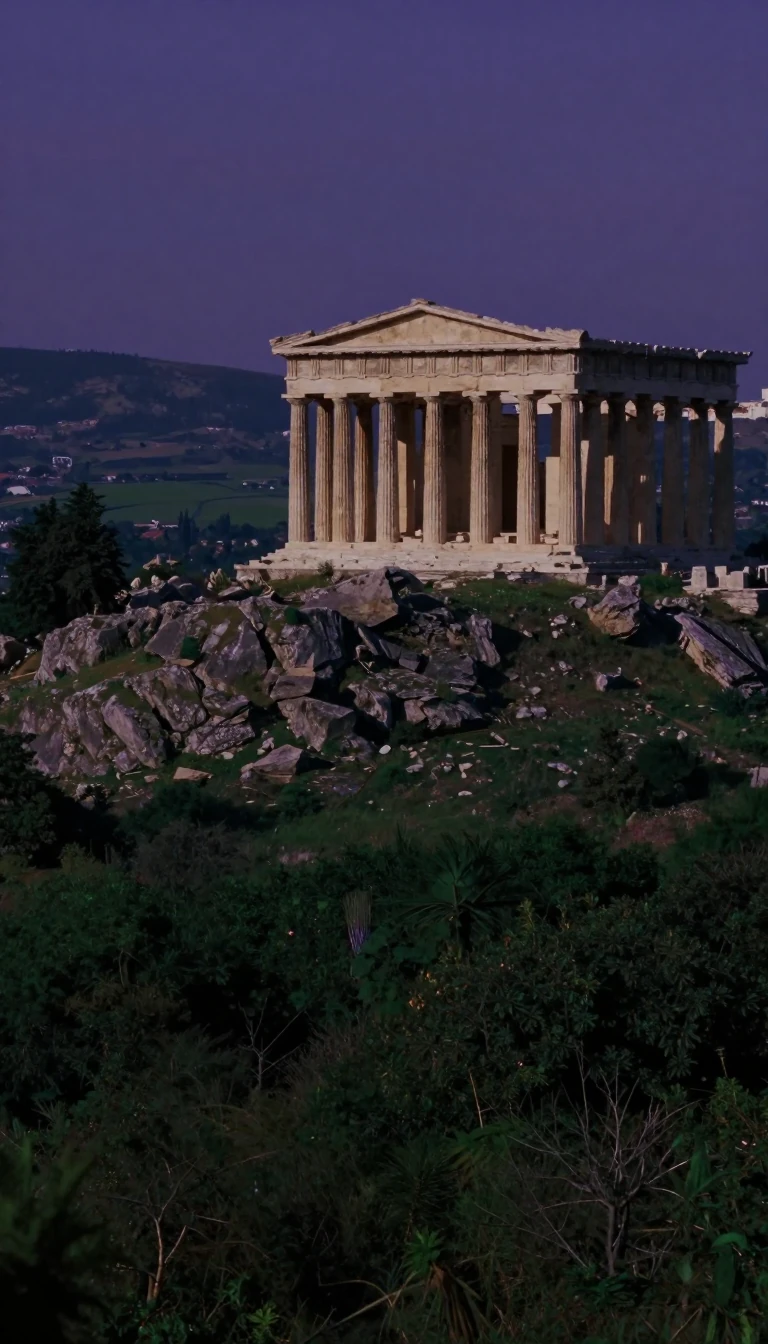 Pontus: The Ancient Anatolian Crossroads That Briefly Defied the Might of RomeTucked between the Black Sea and the rugged mountains of northeastern Anatolia, Pontus was once a formidable independent kingdom. Emerging from the wake of Alexander the Great, th…
 Why the title of queen dowager is more than just a royal widowhoodA queen dowager is the widow of a king, but the title carries complex nuances. While it signals her status as a former consort, it does not grant her automatic succession rights. …
- Was the Sanhedrin a supreme court, a political senate, or a religious legislative body?The Sanhedrin remains one of history's most debated institutions. While often described as the supreme Jewish court of antiquity, scholars argue whether it was a political senate,…
 How a scandal over rancid cooking fat triggered the collapse of Syrian democracySyria's early independence was a volatile experiment in governance, defined by rapid cabinet turnover and shifting constitutions. The instability reached a breaking point in 1949,…
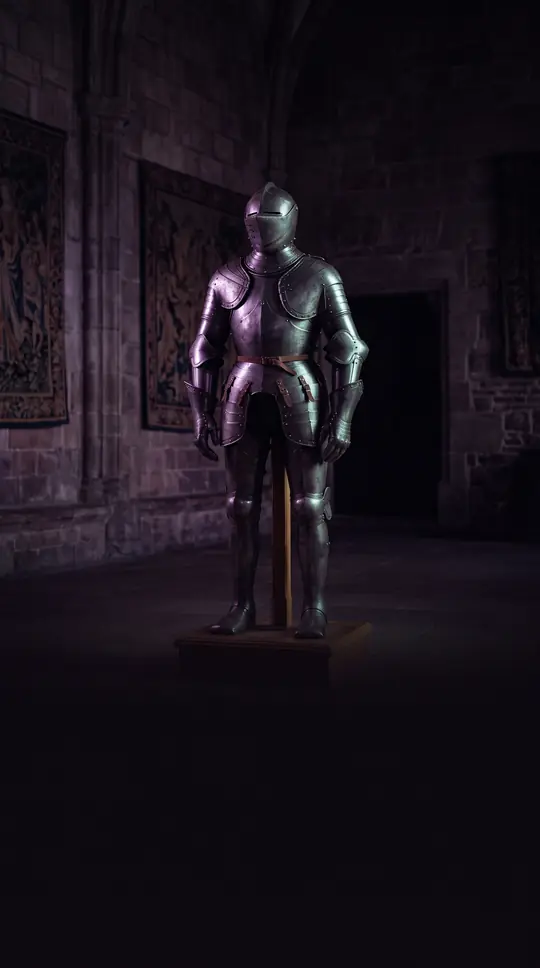 The medieval sergeant was a versatile warrior considered worth half of a knightToday, the sergeant is a familiar non-commissioned officer, but the title began as a humble designation for servants with protective duties. In the medieval era, these soldiers we…
 Is Sinicization a cultural bridge, a tool of statecraft, or a form of erasure?Sinicization describes the process of non-Chinese groups adopting Han Chinese language, norms, and identity. While historically viewed as a natural cultural osmosis, modern critic…
- Why this ancient Black Sea port was the ultimate strategic prize for empiresSinop, a narrow promontory on Turkey's northern coast, has been a coveted prize for millennia. From Greek colonists and Persian satraps to Seljuk Turks and Russian admirals, its u…
- The Ottoman Empire's elite cavalry were not just warriors, but provincial land managers.Sipahis were the backbone of the Ottoman military, serving as professional cavalrymen who traded security and tax collection for land grants. Unlike the infantry Janissaries, thes…
- Did King Æthelred the Unready order the total extermination of all Danes in England?On 13 November 1002, King Æthelred issued a decree to slay Danes within his territory, citing fears of a coup. While later chroniclers claimed this was a genocide of men, women, a…
 Why is the status of Jerusalem considered one of the world's most intractable conflicts?Jerusalem remains a focal point of the Israeli-Palestinian conflict, with both sides claiming the city as their capital. While Israel asserts sovereignty over a unified city, the …
 The Taishō Era: Japan’s Brief, Fragile Experiment with Liberal Democracy and Global PowerBetween 1912 and 1926, Japan pivoted from imperial oligarchy toward parliamentary democracy. This era of 'great righteousness' saw the rise of commoner prime ministers, labor move…
 The Tangut Empire: A Lost Civilization That Once Controlled the Silk RoadThe Tangut people founded the Western Xia dynasty, a powerful state that thrived for two centuries before being annihilated by Genghis Khan. Though their unique language and scrip…
 How one nobleman survived the Wars of the Roses by masterfully playing both sidesThomas Stanley, 1st Earl of Derby, navigated the bloodiest era of English history by serving successive rival kings. While his contemporaries faced execution, Stanley expanded his…
 Why do place names hold the secrets to our forgotten history and culture?Toponymy is the taxonomic study of place names, revealing far more than simple geography. By analyzing the etymology and history behind names for towns, rivers, and mountains, res…
 Why is Jerusalem's most famous fortress named after a king who never built it?The Tower of David is a misnomer born from a biblical misunderstanding. While the citadel guards the Jaffa Gate, its name originated in the 5th century when Byzantine monks mistoo…
 How a medieval Italian city became a battleground for regional power and prestigeTreviso was once a coveted prize, caught between the ambitions of Venice, Padua, and the Austrian Empire. From its origins as a Roman municipium to its transformation into a forti…