 Intellect Plus
Wars & Conflicts
5,856 cards. Each one is a 40-second story with a five-minute read behind it. Page 47 of 98.
Subtopics: 19th-century wars · American Civil War · Ancient & biblical wars · Castles & fortifications · Civil wars · Codebreaking & espionage · Cold War · D-Day & Normandy · Early modern wars · Knights & chivalry · Korean & Vietnam wars · Medieval wars · Military aviation · Military strategy & leaders · Military technology · Naval warfare · Other wars & battles · Ottoman wars · Pacific War · Peace treaties & aftermath · Roman wars · Submarines · Tanks & armoured vehicles · The Crusades · UK & Ireland: wars · Uniforms & medals · Viking raids & wars · War and military · War memorials & museums · Wars since 1945 · Western Front (WWI) · World War I · World War II · World wars era
 Claus von Stauffenberg: The German Officer Who Tried to Assassinate Adolf HitlerClaus von Stauffenberg was a decorated German officer who turned against the Nazi regime. In July 1944, he attempted to kill Adolf Hitler with a briefcase bomb at the Wolf's Lair.…
 The 1963 epic Cleopatra nearly bankrupted a studio and redefined Hollywood production excess.Released in 1963, Cleopatra is remembered as much for its chaotic off-screen drama as its historical narrative. With a record-setting salary for Elizabeth Taylor and a ballooning …
 The forgotten Ptolemaic queen who turned a wild North African kingdom into a powerhouseCleopatra Selene II, the only daughter of Egypt’s last pharaoh, survived her parents' dramatic downfall to become a powerful monarch in her own right. As Queen of Mauretania, she …
 Close air support turns aircraft into mobile artillery for troops on the groundClose air support is the high-stakes art of precision aerial strikes against targets in immediate proximity to friendly forces. It requires seamless integration between pilots and…
 The Final Line of Defense: How Warships Stop Incoming Missiles at Point-Blank RangeWhen a missile slips past a warship's outer defenses, the Close-In Weapon System (CIWS) becomes the last resort. These automated turrets use radar, computers, and rapid-fire canno…
 How a medieval market town survived Robert the Bruce and the River DerwentCockermouth is a historic gem defined by its confluence of rivers and a resilient medieval layout. While it once thrived as a hub for spinning and weaving, the town has navigated …
 How a small group of London merchants accidentally built an empire in IndiaThe English East India Company began as a modest venture to trade spices, with capital far smaller than its Dutch rivals. By avoiding the costs of armed monopoly and relying on di…
 How a failed invasion turned Jamaica into the British Empire's most valuable Caribbean assetAfter a disastrous defeat at Hispaniola in 1655, English forces pivoted to Jamaica, transforming a minor Spanish outpost into a global hub for sugar and slavery. This shift birthe…
 The combat engineer is the soldier who builds the path and breaks the enemyCombat engineers are the military's essential force multipliers. They operate on the front lines to ensure friendly forces can move freely while simultaneously creating obstacles …
 Why the modern combat medic is a soldier who carries a rifle and aidThe combat medic is a paradox of modern warfare. Once protected by the Geneva Convention as a non-combatant, today's medic is often indistinguishable from the infantry. They are h…
 Why the rank of commander is a title for both ships and police squadsThe term commander is a versatile label in the United States, functioning as both a specific military rank and a functional position title. While it denotes a senior officer in th…
 How Nazi Germany used the Spanish Civil War to build its World War II air forceThe Condor Legion was a secret German military unit sent to support Francisco Franco during the Spanish Civil War. While officially neutral, Germany used the conflict as a brutal …
 How the Confederacy built a massive army despite a severe lack of resourcesWhen the American Civil War erupted, the Confederacy faced a staggering disparity in population and industrial capacity compared to the Union. To bridge this gap, they pivoted fro…
 Why Spain’s Congress of Deputies is a Parliament of Groups, Not IndividualsIn the Spanish Congress of Deputies, individual MPs are essentially cogs in a larger machine. Bound by strict party discipline, members must act as part of a parliamentary group, …
 How a broken treaty and a secret march led to the bloodless fall of MeccaIn 630 AD, a violated peace pact triggered a massive military mobilization. Muhammad led his followers toward Mecca, employing a strict communications blackout to ensure total sur…
 How a common soldier from Britain briefly seized the Western Roman Empire's throneIn 407, a lowly Roman soldier named Constantine was acclaimed emperor by his desperate, unpaid peers in Britain. He stripped the province of its military defenses to launch a bold…
 How a Roman Emperor’s calculated restraint helped shape the future of the Western EmpireConstantius Chlorus, a key member of Diocletian’s original four-man tetrarchy, is often remembered as the father of Constantine the Great. Yet, his own career was defined by strat…
 The Continental Army was a fragile experiment in national unity during the American Revolution.Formed by the Second Continental Congress in 1775, the Continental Army was the primary land force for the American colonies. It faced constant instability, struggling against tra…
 How a Compton rapper became a global icon and a reality television regularArtis Leon Ivey Jr., known as Coolio, transcended his gangsta rap origins to become a worldwide cultural force. Beyond his record-breaking 1995 hit Gangsta's Paradise, he navigate…
 Why Napoleon bypassed tradition to crown himself emperor inside Notre-Dame Cathedral in 1804Napoleon Bonaparte’s coronation was a masterclass in political theater. By rejecting the traditional Reims venue and forcing the Pope to travel to Paris, he sought to legitimize h…
 Why the most dangerous moment in any battle is the instant of victoryA counterattack is not merely a defensive reaction; it is a calculated strike designed to exploit an enemy's overextension. By catching an opponent off guard at their moment of pe…
- Counterintelligence is the invisible shield protecting a nation's most sensitive secrets from foreign adversaries.While intelligence agencies gather information to inform decision-makers, counterintelligence works to neutralize the threats that seek to undermine those very efforts. From stopp…
 The County of Tripoli was a Crusader state defined by constant internal power struggles.Founded in 1102, the County of Tripoli was a strategic Crusader state in the Levant. Its history was defined not by simple inheritance, but by shifting alliances, military force, …
 How a 17th-century Scottish religious movement reshaped the British monarchy and churchThe Covenanters were a powerful Scottish movement that began as a protest against royal interference in church doctrine. Their commitment to a Presbyterian Kirk sparked decades of…
 How a tiny Mediterranean island defied empires to force its own unification with GreeceBetween 1898 and 1913, Crete existed in a strange geopolitical limbo. Officially an autonomous state under Ottoman suzerainty, it was effectively governed by European powers and a…
 A failed crusade and a missing king: the battle that shaped the Ottoman EmpireIn 1444, a coalition of European powers marched against the Ottoman Empire, hoping to halt its expansion into the Balkans. The campaign ended in a catastrophic defeat at Varna, wh…
 How Cuba transformed a Soviet-backed military juggernaut into a lean, defensive force.Once the most powerful military in Latin America, Cuba’s armed forces have undergone a radical evolution. From Cold War power projection in Africa to the internal purges of the 19…
 How a Cuban airline became a pioneer of transatlantic flight and Soviet-era aviationFounded in 1929, Cubana de Aviación evolved from a small flying school into a global aviation trailblazer. It was the first Latin American carrier to launch scheduled flights to M…
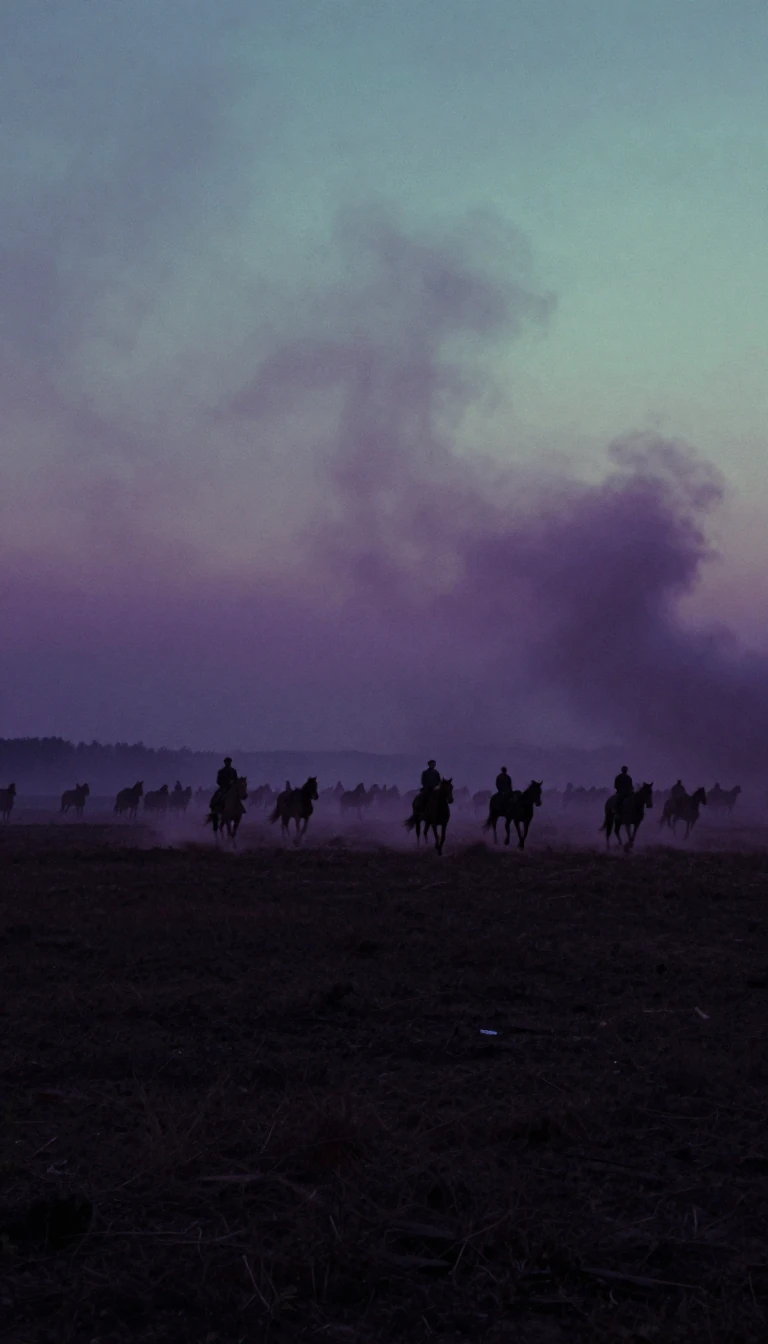 Why did soldiers keep wearing heavy steel breastplates long after the invention of gunpowder?The cuirassier was a relic of a bygone era, yet these armored cavalrymen remained a fixture on European battlefields until 1914. While modern muskets rendered their steel breastpl…
 The 793 Viking raid on Lindisfarne was a seismic shock to the Anglo-Saxon world.When pagan invaders struck the monastery of Lindisfarne, they did more than steal gold and slaughter monks. They shattered the perceived divine protection of a sacred site, trigge…
 How the Dakota people were pushed from their ancestral lands by 18th-century warfareThe Dakota people, once masters of the Great Lakes region, were forced westward by Ojibwe expansion and later by broken U.S. treaties. This displacement culminated in the 1862 Dak…
 How the Roman province of Dalmatia evolved from a pirate stronghold into an autonomous state.Originally known as Illyricum, the region along the Adriatic coast was a persistent thorn in Rome's side. After centuries of conflict, piracy, and administrative restructuring, it…
 The Danzig crisis: How a single city triggered the Second World WarDanzig, a strategic port on the Baltic, became the most dangerous city in Europe by 1939. As Nazi Germany demanded its return, the city-state became a flashpoint that forced Brita…
 How a German City of Science Survived the Devastation of a FirestormDarmstadt is celebrated today as a high-tech hub and City of Science, but its path through the 20th century was marked by tragedy. Once a ducal capital, the city suffered catastro…
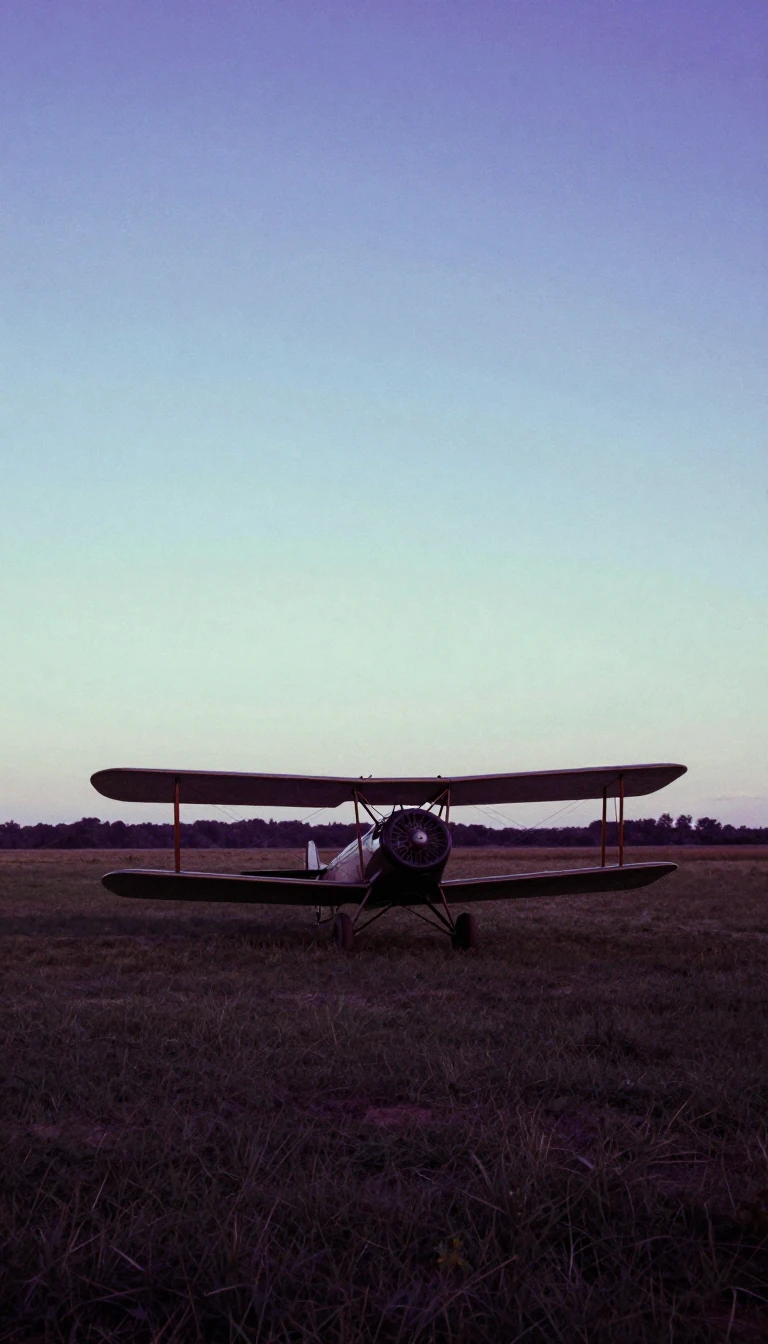 How a rejected, lightweight interceptor became France's most versatile and enduring combat jetBorn from the cancellation of a complex, over-engineered project, the Dassault Mirage 2000 defied expectations. By pairing a simple, affordable delta-wing design with advanced fly…
- How a sleek French delta-wing fighter became a global icon of Cold War air powerThe Dassault Mirage III was the first Western European combat aircraft to break the Mach 2 barrier. Born from a 1952 French requirement for a lightweight interceptor, this versati…
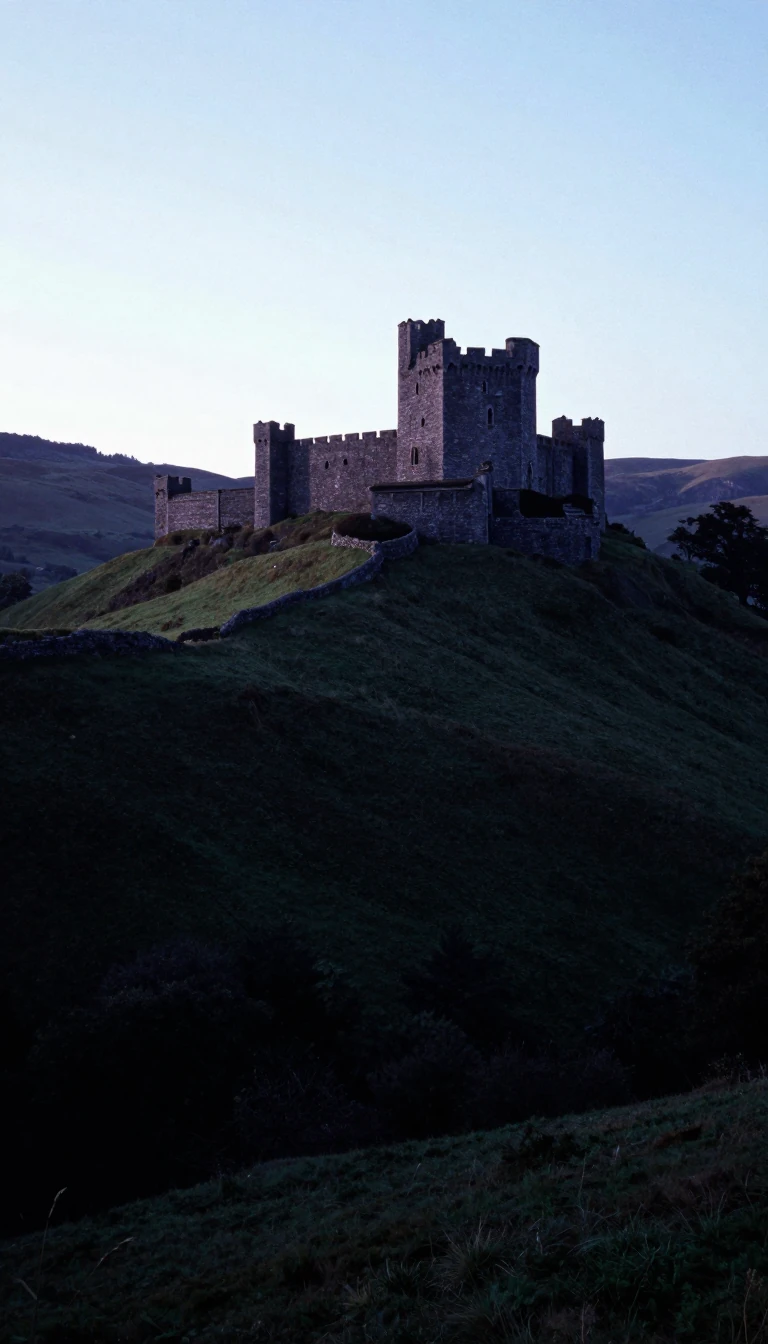 How a debt-ridden feudal lord gave France its most famous royal titleIn 1349, a bankrupt count sold his mountain principality to the French crown. The deal included a curious condition: the heir to the French throne would forever be known as the Da…
 Is dawah a religious invitation or a political tool for power and influence?The term dawah literally means to summon or invite, acting as the Islamic tradition of proselytizing. While often viewed as a spiritual mission to share the message of monotheism,…
 Did Cleopatra really die from an asp, or is that a historical myth?The image of Cleopatra ending her life with a venomous snakebite is iconic, yet ancient historians offer a different, more clinical account. As the last ruler of the Ptolemaic dyn…
 Was the atomic bombing of Japan a military necessity or a moral catastrophe?The decision to drop atomic bombs on Hiroshima and Nagasaki remains one of history's most contentious debates. While supporters argue the strikes prevented a bloody mainland invas…
 The forgotten assassin who was closer to Julius Caesar than any other manDecimus Junius Brutus Albinus was a trusted commander, a designated heir, and a man Caesar loved like a son. Yet, he became a primary architect of the dictator's assassination. Of…
 How a Roman Emperor's attempt to restore tradition triggered a historic religious crisisEmperor Decius sought to unify Rome by mandating universal religious sacrifice, an act intended to secure the empire's future. Instead, his edict sparked the first systematic pers…
 How smaller armies dismantle giants by refusing to fight them all at onceDefeat in detail is a ruthless military strategy that turns a larger force into a series of manageable, isolated targets. By focusing overwhelming power on one subunit at a time, …
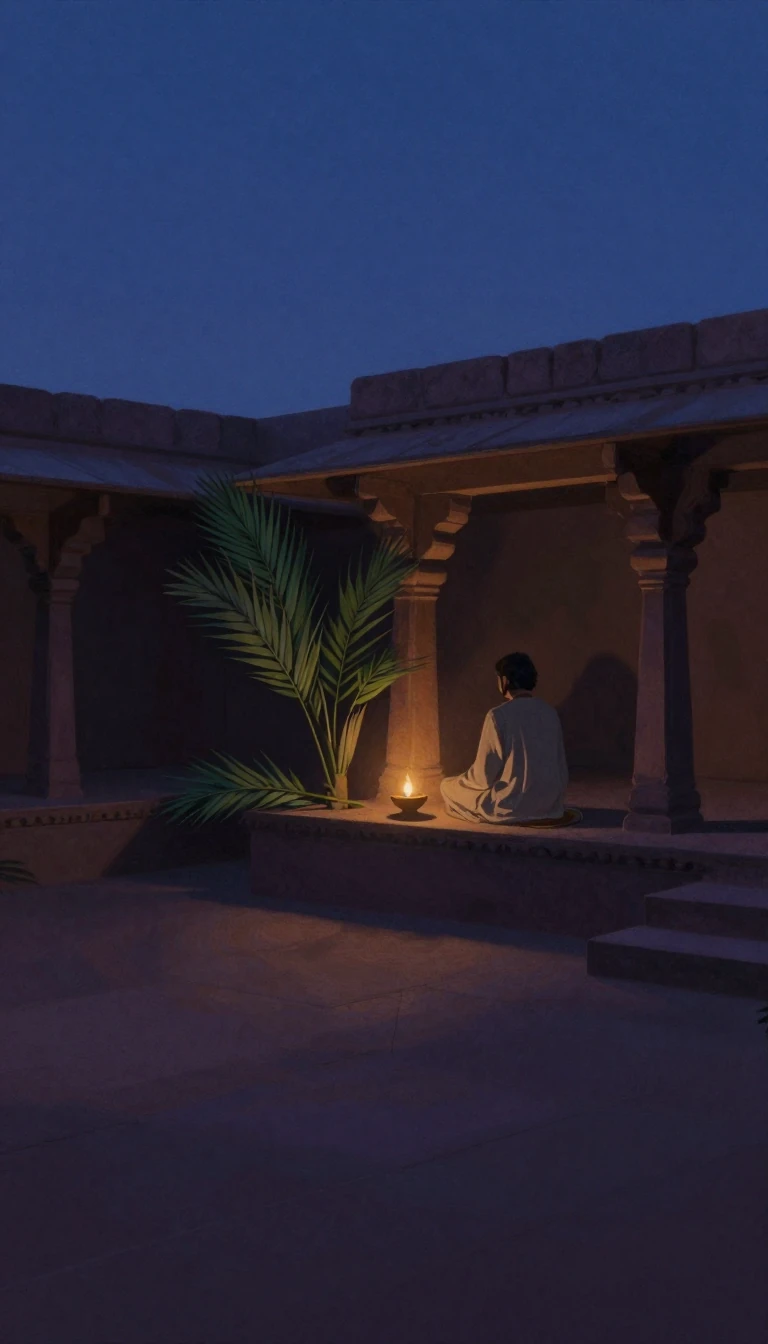 The Delhi Durbar: How Britain’s grandest imperial spectacle eventually signaled its own demiseThe Delhi Durbar was a series of massive, meticulously staged assemblies designed to cement British authority in India. Yet, these glittering displays of imperial pageantry—featur…
 Delta Force: The secretive U.S. military unit born from a veteran's vision of doers.Created in 1977 to combat rising global terrorism, Delta Force is the U.S. military's premier tier-one special mission unit. Known for its extreme secrecy and rigorous selection p…
 Why is the world's most heavily militarized border called a demilitarized zone?The Korean Demilitarized Zone is a 150-mile-long strip of land that acts as a buffer between North and South Korea. Despite its name, the area is heavily fortified, littered with …
- The Democratic Republic of Georgia was a short-lived beacon of progressive democracy in 1918Between 1918 and 1921, the Democratic Republic of Georgia emerged from the Russian Empire's collapse as a pioneering social democratic state. It granted women the vote, establishe…
 What do current birth trends reveal about the shifting landscape of modern Azerbaijan?Azerbaijan’s population dynamics are currently defined by a distinct urban-rural divide. While the nation maintains a crude birth rate of 9.4 per thousand as of 2025, regional dis…
 Why Cuba is currently facing the oldest median age in the entire AmericasCuba’s demographic landscape has shifted dramatically over the last century. Once defined by steady growth and waves of immigration, the island now contends with a shrinking popul…
 How Portugal’s population hit 11 million by rewriting the rules of counting peoplePortugal recently crossed the 11 million inhabitant milestone, a figure reached not just through migration, but through a fundamental shift in statistical methodology. By adopting…
 Why Scotland's disproportionate sacrifice in the First World War reshaped its modern demographic trajectoryScotland's demographic story is defined by more than just birth rates and migration. During the First World War, Scots accounted for 20 percent of British combat deaths despite re…
- Denmark's uneasy wartime compromise: How a small nation navigated Nazi occupationWhen Germany invaded Denmark in 1940, the country surrendered in just six hours. Rather than total collapse, Denmark entered an uneasy coalition with the Nazis, maintaining its go…
- From football ultra to Brigadier General: The complex legacy of Denys ProkopenkoDenys Prokopenko, a former Dynamo Kyiv ultra, rose to become one of Ukraine's most prominent military leaders. As commander of the Azov unit, he led the defense of Mariupol before…
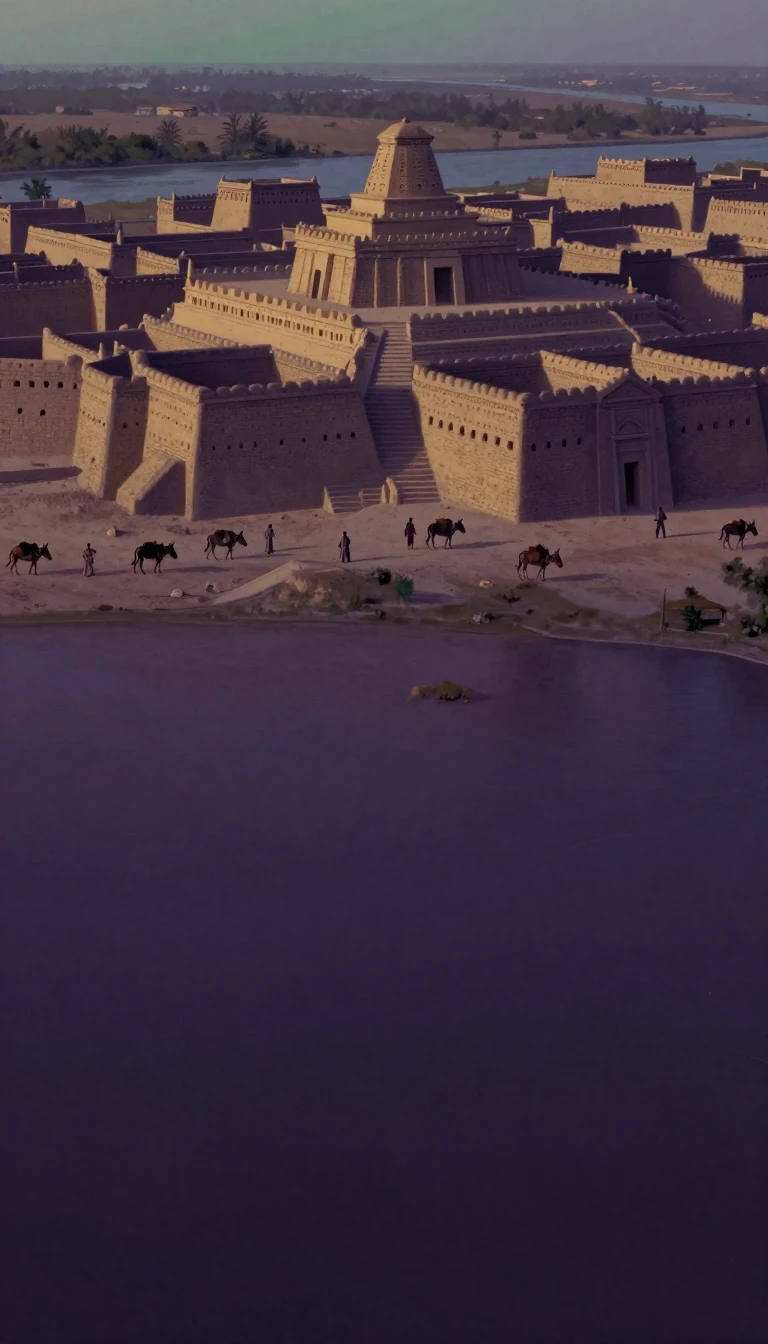 Why Nazi Germany systematically erased Warsaw from the map in late 1944Following the 1944 Warsaw Uprising, Nazi forces executed a deliberate, unprecedented plan to raze Poland's capital to the ground. This was not merely a byproduct of combat, but a …
- The Dhimmi: How Medieval Islamic States Managed Religious Minorities Through a Protected Legal StatusFor centuries, non-Muslims living under Islamic rule were classified as dhimmi, or protected people. This status granted them specific rights, including religious autonomy and pro…
 How a crippled cargo plane survived a surface-to-air missile strike over Baghdad in 2003DHL Aviation operates a complex global web of airlines and hubs, but its history is marked by extraordinary survival stories. In 2003, a missile strike disabled a cargo jet’s hydr…
- Who was the Two-Horned King who traveled to the ends of the Earth?Dhu'l-Qarnayn, the mysterious prophet-king of the Quran, has captivated scholars for centuries. While most historians link him to Alexander the Great, others claim he was a Persia…
- From ancient Sparta to modern states, why do some nations choose two rulers?Diarchy, or the system of dual rule, is one of history's oldest governance models. Whether through formal constitutional design or informal power-sharing, societies have long spli…
 The Doge of Venice: From Byzantine Military Commander to Ceremonial Figurehead of a RepublicThe title of Doge, originating from the Latin for leader, evolved over eleven centuries from a provincial military role into a highly restricted, life-long office. By the end of t…
- New Zealand’s transition to a dominion was a quiet, largely cosmetic constitutional shift.On September 26, 1907, New Zealand officially became a dominion, a title meant to signal political maturity within the British Empire. Yet, for most citizens, the change was barel…