 Intellect Plus
Wealth & Business
5,018 cards. Each one is a 40-second story with a five-minute read behind it. Page 7 of 84.
Subtopics: Accounting · Advertising & marketing · Banking · Banks & banking · Brands & companies · Business · Business and economics · Business stories · Businesspeople · Central banking · Companies · Cryptocurrency · Currencies · Currency · Demand · Economic history · Economic theory · Entrepreneurs · Finance · Financial crises · Fraud · Game theory · Hedge funds · Incentives · Inflation · International trade · Investing · Logistics · Luxury · Markets · Money · Organizations · Personal finance · Policy · Poverty · Property · Real estate · Renaissance · Stock markets
 The unbreakable radio signals used to command spies across bordersFor decades, clandestine agents received instructions from the airwaves—not via the internet or satellites, but through mysterious broadcasts of formatted numbers. These "numbers …
 From electric rifles to cloud ecosystems: the evolution of Axon EnterpriseWhat began as a NASA researcher's attempt to replace firearms with non-lethal electric weapons has transformed into a massive digital surveillance empire. Today, the company once …
 The car that saved a brand by naming itself after a MuseIn the late 1980s, Renault's reputation was in tatters. They needed more than just a new model; they needed a cultural reset. Enter the Clio—a supermini named after a Greek Muse t…
 The massive financial engines that power global retirement securityPension funds are among the world's most significant institutional investors, managing trillions of dollars to secure future incomes. They don't just sit in bank accounts; they ac…
 The man who was a Lord in London but just Ken in TorontoKenneth Thomson inherited one of the world's most powerful media empires, yet he lived a life defined by dual identities. While he held the title of Baron Thomson of Fleet in Brit…
 Magic as a serious science for explaining human unreasonDuring the Renaissance, magic wasn't just fairy tales; it was a rigorous intellectual pursuit. While science sought to explain reason, scholars turned to magic to decode "unreason…
 The remote Pacific atoll where Japan is mining the deep seaThousands of kilometers from Tokyo, a tiny, triangular coral atoll serves as a strategic outpost. Beyond its role in weather observation, Minamitorishima is now the site of a high…
- Can switching crops save Papua New Guinea's oil palm future?Papua New Guinea faces a looming agricultural crisis as climate change threatens the health of its oil palms. Rising diseases and mortality rates could destabilize a key commodity…
- The paradox of a mineral-rich nation with some of the world's lowest incomesHow does a country endowed with the world's second-largest rainforest and immense mineral wealth become one of the least developed nations? The answer lies in a history of predato…
 The 'Paradox of Plenty' and the quest for industrial maturityNorth Macedonia sits on significant deposits of zinc, lead, and other critical minerals, yet it faces a classic economic hurdle: exporting raw wealth without capturing its true va…
 Namibia's high GDP masks a landscape of extreme wealth inequalityOn paper, Namibia is a lower-middle-income success story with per capita wealth significantly above its neighbors. But look closer at the data: only one-sixth of Black Namibians h…
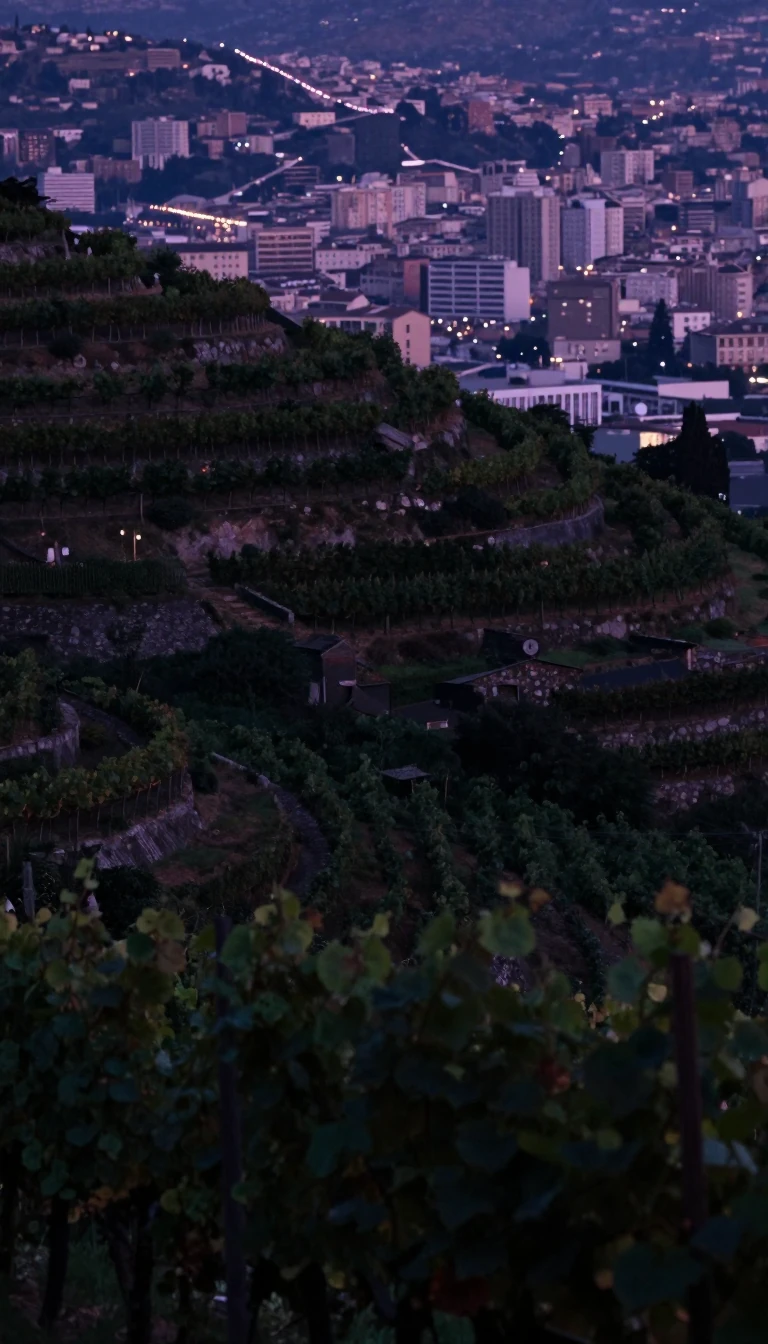 Moldova's agricultural success masks a complex economic transitionMoldova is a land of fertile soil and vast vineyards, yet its economic journey from a command system to a market economy has been a slow, uneven path. While it produces some of th…
- The rise of the 'Asian Wolf' and its mineral-rich destinyIn 2009, analysts predicted Mongolia would become a new Asian tiger economy—a high-growth frontier fueled by vast mineral wealth. This 'Wolf Economy' narrative highlights a nation…
 How a tiny principality turned smuggling into a service-led economyIn the 1990s, Montenegro's industrial system collapsed, turning the nation into a de facto hub for smuggling petrol and cigarettes. Today, it has pivoted toward a high-end tourism…
 The island that defied a debt crisis and found fiscal spaceCyprus has navigated from an all-time high debt peak of 113.6% in 2020 to a robust 55% by 2025. This rapid stabilization allows the nation to fund critical social reforms, like lo…
 How a nation traded bananas for high-tech chips and high-income statusCosta Rica has undergone a radical economic metamorphosis. Once tethered to a singular agricultural identity, it has pivoted toward a diverse portfolio of electronics, medical man…
 A nation where one acre of land barely feeds a familyBurundi faces a profound paradox: it is potentially self-sufficient in food production, yet it ranks among the world's hungriest nations. This crisis is driven by a booming popula…
 Cambodia’s rapid rise: From a planned economy to a global trade hubIn just three decades, Cambodia has undergone a radical economic metamorphosis. After transitioning from a command system to a market-driven model, the nation became one of the wo…
- From 20,000% inflation to a regional leader in reservesBolivia's economic journey is a study in extremes. After enduring a crisis where annual inflation soared above 20,000 percent, the nation transformed into a regional leader in fis…
 How a nation turns vast oil reserves into per capita wealthBrunei offers a striking case study in commodity-driven prosperity. While its vast petroleum and natural gas reserves have fueled one of Asia's highest per capita incomes, they ha…
- Botswana faces a crossroads between diamond reliance and human capitalBotswana is navigating a pivotal economic shift. After decades of diamond-led prosperity, the nation is grappling with a contracting economy and rising debt. To survive, it must p…
- Is a depression just a particularly severe and long-lasting recession?While a recession is defined by two consecutive quarters of declining GDP, an economic depression represents a much more devastating collapse. From massive unemployment to the dis…
 The era of the Maestro debit card is coming to an endSince 1991, this ubiquitous payment brand has powered millions of transactions across the globe. But a significant shift is underway for European banks and cardholders as a major …
- Quality is not about being 'better'—it is about being 'fit'In professional project delivery, high quality doesn't mean luxury or superiority. It means meeting specific requirements so a product functions safely in its intended environment…
 From a cobbler's son to a global fashion iconJimmy Choo's path to luxury was paved with handmade leather and a royal invitation. Before he was a household name, he was a child crafting slippers in a Malaysian workshop. His j…
- The radical architecture of direct democracy in the workplaceImagine a workplace where the employees don't just follow orders, but actually hold the keys to decision-making. Workers' councils offer a model of industrial organization where l…
- Trust is the primary currency of the modern sharing economyBy bypassing traditional retailers, the sharing economy turns underutilized personal assets into community resources. But this shift from corporate regulation to peer-to-peer exch…
- The Pacific Alliance: A $2 Trillion Economic Powerhouse in Latin AmericaImagine a trade bloc so powerful that, if it were a single country, it would rank as the 9th largest economy in the world. This isn't a hypothetical superpower; it is the Pacific …
- The digital economy is more than a market—it's a total structural shift.From the first mention of 'the digital economy' in 1994 to its current trillion-dollar reach, this isn't just about online shopping. It is a fundamental transformation of how huma…
 New York City's labor market hits a record high despite population shiftsWhile many expected a permanent exodus from the city, New York's workforce is showing remarkable resilience. Despite a shrinking child population and a net loss in domestic househ…
 Why the market's 'upside down' signals often precede economic crashesNormally, investors demand higher returns for locking up money for longer periods. When this logic flips and short-term bonds pay more than long-term ones, the yield curve is 'inv…
 The Baltic Tiger is closing the productivity gap with Western EuropeLithuania has transformed from a centrally planned economy into a high-growth market powerhouse. While it still faces a demographic shock, the nation is rapidly catching up to Wes…
 Is your nation a net lender or a net borrower?The current account is more than just a trade balance; it is a country's global report card on spending versus earning. It reveals whether a nation is accumulating wealth abroad o…
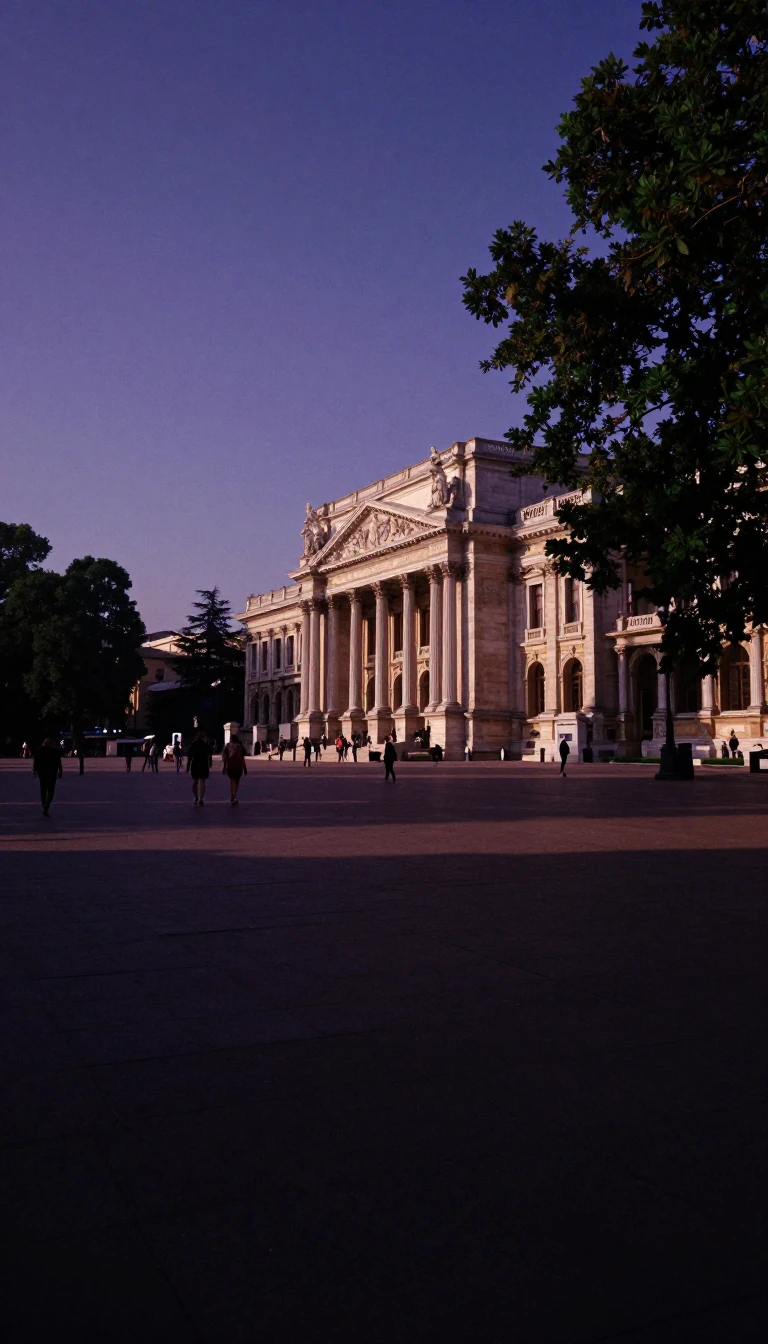 The Soviet Assembly Shop: Belarus's Strategy of State-Led StabilityWhile neighboring nations embraced rapid privatization, Belarus chose a different path: a centralized mixed economy that prioritizes full employment and state control. This model …
- How Bahrain balances a high-income status with limited oil wealthUnlike many of its neighbors, Bahrain possesses relatively limited oil reserves. To maintain its status as a high-income economy, the nation has aggressively pivoted toward a mixe…
- The invisible heist: how fraudsters exploit the gaps in your digital walletCredit card fraud is no longer just a physical theft of a plastic card. It is a sophisticated game of digital mimicry, where fraudsters use everything from skimming devices at gas…
 The digital gatekeepers of the diamond: How MLB.com manages the gameFrom 1994 domain registrations to complex direct-to-consumer streaming rights, MLB.com has evolved into a sophisticated media powerhouse. It doesn't just show you the game; it man…
 From Jesuit roots to a global powerhouse of business leadershipFounded in 1907 as a response to the opening of HEC Paris, ESSEC Business School was born from a movement to blend commercial expertise with humanistic values. Today, it has evolv…
- Russia's shadow fleet: A $10 billion maritime shell gameTo bypass Western sanctions, Russia has amassed a clandestine network of aging oil tankers. By using shell companies, frequent reflagging, and deceptive maneuvers like ship-to-shi…
 Annual salaries increase by hundreds of dollars for each additional inch of statureSocietal biases against short individuals are so ingrained that they manifest as measurable economic penalties. Studies indicate that height-based bias is as significant as racial…
- The high price of rapid growth: Hungary's labor and debt paradoxHungary has achieved some of the fastest wage growth in the European Union, yet it faces a severe labor shortage. This economic friction highlights a complex balancing act: a nati…
- The university paper that became a factory for Silicon Valley powerHow does a student newspaper produce some of the most influential figures in global tech and government? Founded as an outlet for "unpopular views," The Stanford Review has served…
- The intensive one-year pivot for mid-career leadership at Stanford GSBFor high-level executives, career growth often requires more than just experience; it demands a total transformation of perspective. Stanford’s MSx program is designed to compress…
- The corporate maze behind the tech powering modern defenseL3 Technologies wasn't built from a single invention. It was assembled like a high-tech mosaic, absorbing specialized units from giants like Lockheed Martin and Raytheon. From fli…
 From printing presses to microwave weaponry: the evolution of Harris CorpIn 1895, the Harris brothers were trying to solve a simple problem: how to feed paper into a printing press faster. They succeeded so well that their company eventually transforme…
- From incarceration to the stock market: a lesson in financial literacyCurtis "Wall Street" Carroll shares his journey of self-education while incarcerated. He explains how he taught himself to read and trade stocks, offering a perspective on why fin…
- Can free-market principles break the global climate deadlock?Climate policy often feels like a zero-sum game, but a new proposal suggests a path forward that aligns with conservative economic values. This talk explores a carbon dividends pl…
- Can radical transparency turn a workplace into an idea meritocracy?Ray Dalio explains how to strip away office politics to ensure the best ideas rise to the top. This talk explores the mechanics of radical transparency and algorithmic decision-ma…
- Why your most valuable business asset might be decades of experienceAfter 40 years of working for others, Paul Tasner founded his own startup at age 66. His journey highlights a growing trend: seniors are increasingly leveraging their life experie…
- Why even the most innovative companies can become a problemMargrethe Vestager explains the necessity of clear market rules and how dominant corporations can threaten global competition and societal trust.
- The three fundamental roles that define what money actually isWhy do we accept paper and digital digits as wealth? This lesson breaks down the three core economic functions that allow money to facilitate modern civilization.
 Is short-termism eroding the very foundations of economic growth?We often view patience as a moral virtue, but what if it is a structural necessity for a stable economy? As financial markets lean further into myopia, we risk trading long-term s…
- Why 'real' commerce is more than just a simple transactionMost of us view economics as a series of simple exchanges, but what if the true engine of society is something far more complex? This lecture explores the hidden social and politi…
- Why the lack of a theory of value hinders sustainabilityIf economics cannot agree on what something is actually worth, how can it solve the climate crisis? This panel explores why our current financial systems struggle to prioritize lo…
- Why the lack of a theory of value threatens our futureDr. Matthew Kiernan explores why modern economics struggles to define what things are actually worth. By examining the roots of value, he reveals how these foundational gaps impac…
- Why the lack of a theory of value destabilizes our economyProfessor Charles Goodhart explores why modern economics struggles with the concept of value. This lecture examines how our inability to define value creates ripple effects that i…
- How a single disease can dismantle decades of economic progressHIV/AIDS did more than create a health crisis; it acted as a macroeconomic shock. By targeting the most productive members of society, the epidemic reversed life expectancy gains …
- Why the era of banking apologies must end for a new economic normalAfter the 2008-09 financial crash, the banking sector faced intense scrutiny and public blame. But is the pursuit of accountability actually hindering economic growth? Professor K…
 The high cost of corporate excess: Tyco’s $9 billion collapseIn 2002, a global industrial giant imploded under the weight of its own ambition. What began as a strategy of aggressive acquisitions turned into a web of financial fraud and mass…
- From a chartered ship to a $5.4 billion global cruise empirePrincess Cruises didn't start with a fleet of luxury liners. It began in 1965 with a single chartered ship that lacked air-conditioning, making it nearly unfit for the tropical ro…