 Intellect Plus
Cards starting with T
45,693 cards. Page 603 of 762.
 The rogue artificial intelligence that birthed a legendary science fiction sagaBefore Halo, there was Marathon. This 1994 Bungie classic introduced a universe where sentient computers don't just malfunction—they undergo a psychological breakdown called rampa…
 The Rogue River carves through ancient volcanic islands and the Earth's exposed mantleFlowing 215 miles from the Cascade Range to the Pacific, the Rogue River is a geological time machine. Its path cuts through young volcanic peaks, ancient oceanic terranes, and ra…
 The role of the USS Texas in the Battle of OkinawaThis video examines the historical context of the USS Texas during the Battle of Okinawa, offering a concise look at this significant naval engagement.
 The roller coaster that literally flipped the script on physicsImagine a ride where your seat doesn't just move with the train—it rotates independently. X2 was the world's first fourth-dimension coaster, designed to perform backflips while yo…
 The rollercoaster career of a first-round draft pick and Super Bowl starterIn 2001, Rex Grossman was the most efficient passer in college football. By 2006, he was leading the Chicago Bears to a Super Bowl. Yet, his career was defined by a volatile mix o…
 The rolling hills of the American Piedmont are the remnants of ancient mountain ranges.Stretching from New York to Alabama, the Piedmont is a vast plateau of rolling hills and complex geology. Once a series of towering peaks, this region has been worn down over eons…
 The Rolling Stones bassist who once feigned a dental emergency to watch football.Bill Wyman, the legendary bassist for the Rolling Stones, lived a life defined by more than just rock and roll. From his humble beginnings in post-war London to his obsession with…
 The rolling stones just released their first original album in 18 yearsAfter nearly two decades of silence on new material, the Rolling Stones finally broke their streak. But this wasn't a simple studio session; it was a high-stakes race against time…
 The Rolling Stones once recorded an album while barely on speaking terms with each other.Released in 1997, Bridges to Babylon was a high-stakes experiment in blending classic rock with modern electronic production. Behind the scenes, the sessions were defined by inten…
 The Rolling Stones owe their name, indirectly, to a freed Roman slaveA rolling stone gathers no moss is a Latin maxim from Publilius Syrus, a Syrian brought to Rome as a slave. Muddy Waters named a 1950 song after the saying, and a young British ba…
 The Rolling Stones song that named a major FBI investigationWhen the FBI launched a massive counterintelligence probe into Russian interference in 2016, they didn't choose a dry, bureaucratic title. They reached for rock and roll, naming t…
 The Rolling Stones' 1983 album was a sonic tug-of-warWhen the Rolling Stones entered the studio for Undercover, they weren't just fighting for hits; they were fighting for the band's soul. A creative rift between Mick Jagger and Kei…
 The Rolling Stones' first original UK chart-topper was built on a gospel foundationBefore it became a rock staple, The Last Time was a traditional gospel melody. While Mick Jagger and Keith Richards added a signature guitar riff and verse, the chorus traces back…
- The Rolling Stones' greatest album was born from tax exile and heroin-fueled chaos.Recorded in a French villa basement while the band fled British tax authorities, Exile on Main St. was initially panned by critics. Today, it is widely considered the band's maste…
 The Rolling Stones' most iconic anthem was born from a dream and a snore.Keith Richards famously dreamt the legendary guitar riff for Satisfaction, recording it on a cassette player before falling back asleep. The resulting tape captured two minutes of…
 The Rolls-Royce Armoured Car: From Western Front Improvisation to Global Empire DeploymentThe Rolls-Royce Armoured Car stands as an iconic piece of engineering from the First World War. Initially born from improvised designs on the Western Front, this vehicle eventuall…
 The Roman African who redefined the Western mindBefore he was a saint, he was a hedonist, a rhetorician, and a Manichaean. Augustine of Hippo transformed classical philosophy into a Christian powerhouse, creating a theological …
 The Roman aristocrats who once slapped a Pope and crowned an Emperor themselvesThe Colonna family shaped medieval Rome through centuries of brutal power struggles. From their origins as counts of Tusculum to their role in the infamous Outrage of Anagni, thes…
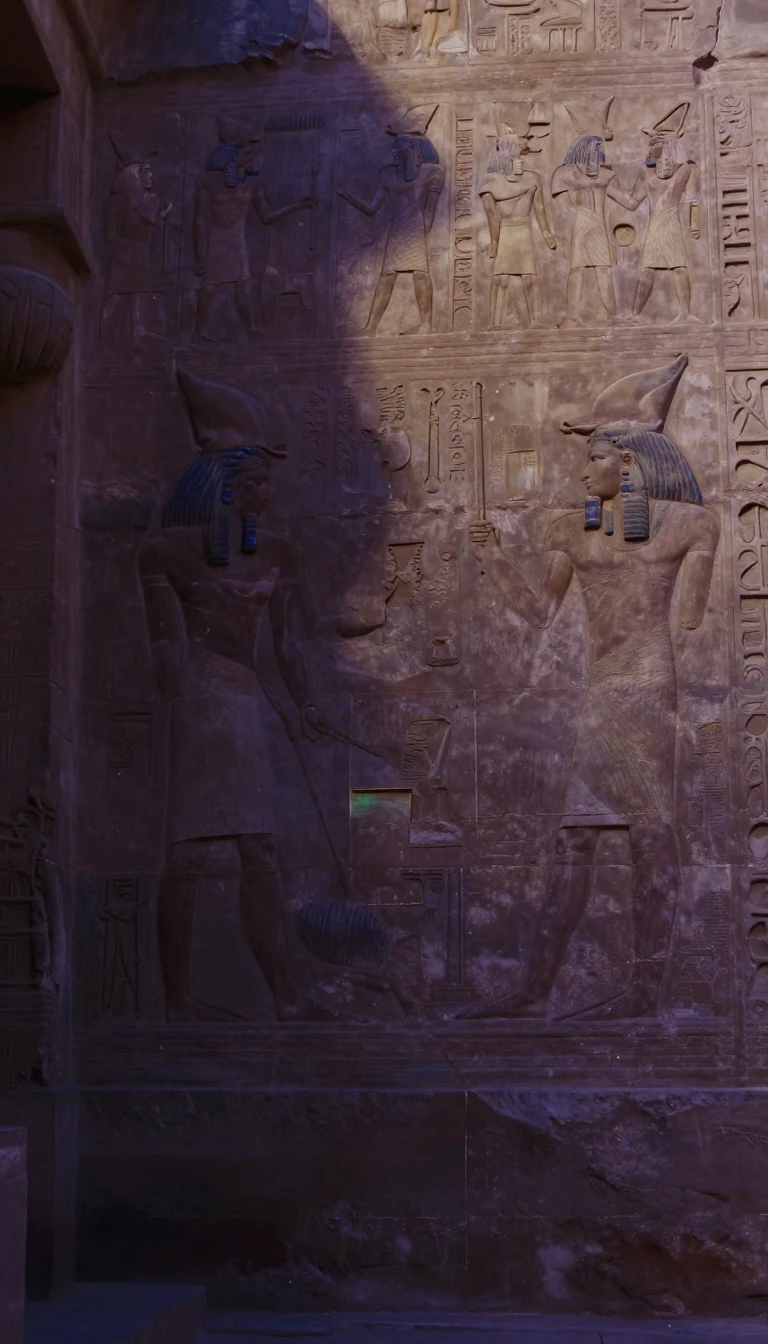 The Roman art revolution: making high culture accessible to the massesIn a world where art was often a luxury for the elite, Rome broke the mold. They didn't just copy the Greeks; they industrialized beauty, creating a diverse, realistic, and widely…
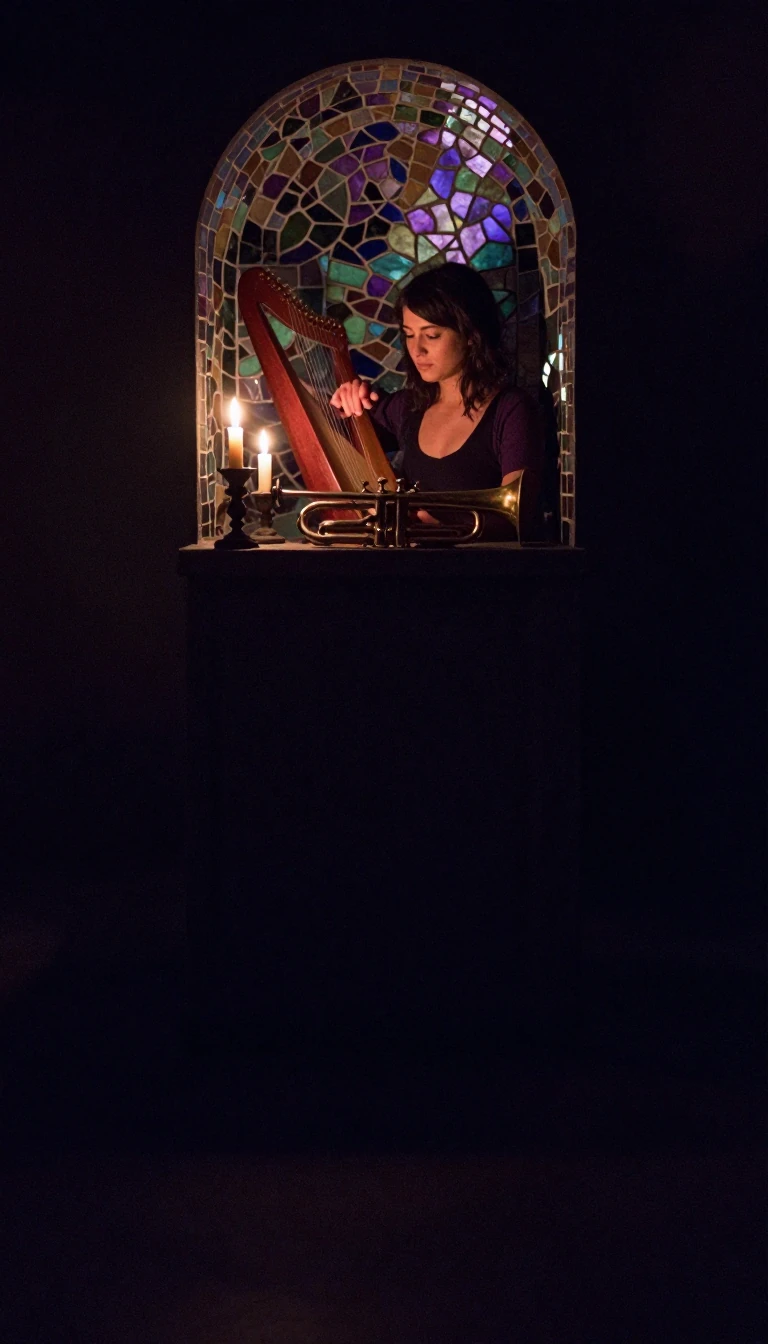 The Roman belief that music could literally reshape a nation's soulTo the Romans, music was never just entertainment; it was a mathematical force capable of ordering the cosmos or corrupting a state. From warding off demons at sacrifices to train…
 The Roman bridge that stood unrivaled for a millenniumTo conquer Dacia, Emperor Trajan needed more than just soldiers; he needed a way to move them across the mighty Danube. He commissioned a feat of engineering so advanced that its …
 The Roman calendar was a political tool that once stretched to 446 days long.Before the Julian reform, the Roman calendar was a chaotic, often manipulated system that drifted seasons out of alignment. Pontiffs frequently failed to intercalate properly, dri…
 The Roman capital designed to replace a Celtic strongholdOnce a bustling Roman capital with up to 100,000 residents, Autun was a planned foundation by Emperor Augustus. Built to serve as the new political centre for the Aedui people, th…
 The Roman capital that survived the fall of empiresLong before London rose to prominence, Colchester stood as the first major city in Roman Britain. From a Celtic power centre to a massive Roman colony, its layers of history revea…
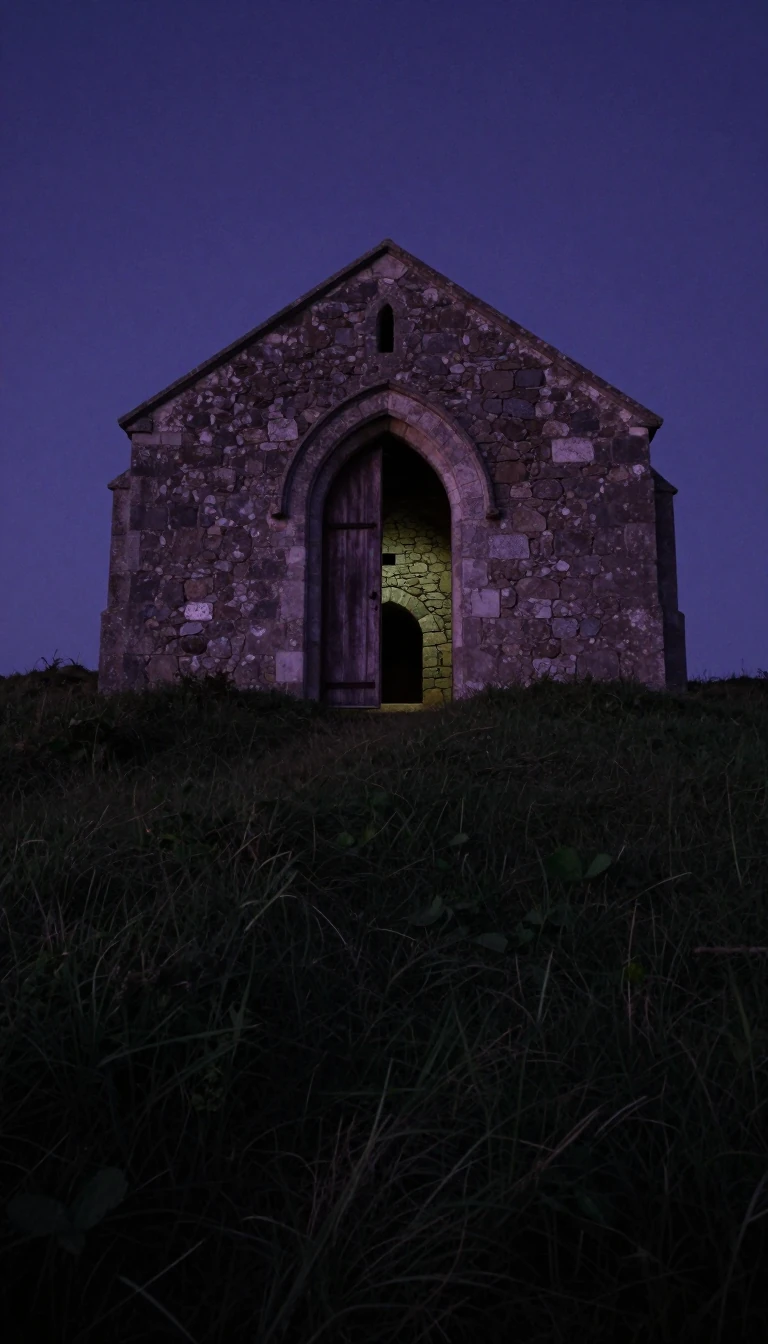 The Roman catacombs were never secret hiding places for persecuted early Christians.Contrary to popular lore, these vast underground networks were not built for clandestine worship. Instead, they were practical solutions to Roman land shortages and burial bans. E…
 The Roman Catholic Church was the single most unifying force in medieval Europe.From the fall of Rome to the Renaissance, the Church acted as the preeminent authority across all social classes. It shaped everything from the monarchy and intellectual life to t…
- The Roman centurion was a complex blend of soldier, officer, and imperial symbol.Far more than just a commander of a hundred men, the centurion was the backbone of the Roman military machine. These elite leaders occupied a unique, contested space between non-c…
 The Roman concept of numen: divine power or just a simple nod?In ancient Rome, numen was not a god, but a mysterious, abstract force. Derived from the Latin for a nod, it represented the expression of divine will or power. It was a flexible,…
 The Roman conquest of Gaul begins with the Helvetii migrationDiscover the opening movements of Julius Caesar's Gallic Wars. This documentary examines the strategic clashes between Roman legions and the migrating tribes of the Helvetii and B…
 The Roman Consul who abandoned his infantry to a sudden massacreIn 62–61 BC, a Roman commander attempted to repeat a successful desertion. While his cavalry escaped the ambush at Histria, his infantry remained trapped, facing a brutal end at t…
 The Roman consul who turned military force into political ruleBefore Julius Caesar or Sulla became the faces of Roman power, Lucius Cornelius Cinna broke the republic's rules. By using armed force to seize control and purge his enemies, he c…
 The Roman courtier who spent his final hours mocking the emperor with his own deathGaius Petronius Arbiter was Nero’s ultimate arbiter of taste, a man whose life of calculated indulgence masked a sharp, satirical mind. When he finally fell out of favor, he orche…
 The Roman cult of Mithras was not Persian, but a homegrown mystery religionLong thought to be an import from Persia, the secretive cult of Mithras was actually a Roman invention. It flourished in military garrisons and cities across the empire, offering …
 The Roman Curia is the Vatican's central engine, evolving from medieval court to modern bureaucracy.The Roman Curia acts as the administrative heart of the Holy See, assisting the pope in governing the global Catholic Church. While its roots stretch back centuries, recent reform…
 The Roman Cursus Honorum was a rigid ladder designed to prevent political shortcuts.In the Roman Republic, ambition was not enough to reach the top. Aspiring politicians had to climb the cursus honorum, a strictly regulated sequence of offices. This ladder of hon…
 The Roman Denarius: How a Ten-Part Silver Coin Built an Empire's EconomyIntroduced around 211 BC, the silver denarius became the backbone of Roman finance. Originally valued at ten bronze asses, this iconic coin eventually fueled the Roman military an…
 The Roman dictator was a temporary emergency official, not a permanent autocrat.In the Roman Republic, a dictator was an extraordinary magistrate appointed for a specific, limited task—like winning a war or holding elections—before immediately resigning. Far …
 The Roman diplomat whose name became the global shorthand for a generous arts patron.Gaius Maecenas was a powerful advisor to Emperor Augustus, yet he refused a formal political career. Instead, he wielded influence as an informal vice-regent, managing Rome while …
 The Roman domus: a private sanctuary built for social powerBeyond the crowded, multi-level rental apartments of the Roman streets lay the domus. These expansive townhouses were more than just residences; they were sophisticated social sta…
 The Roman drain: how luxury goods fueled a massive gold exodusRoman senators were outraged by a growing economic hemorrhage. While the elite pampered themselves with silk and exotic animals, a staggering amount of imperial gold was flowing e…
 The Roman emergency office that became a global symbol of oppressionToday, the word 'dictator' evokes images of tyranny and absolute power. Yet, in the Roman Republic, it was a prestigious, temporary legal appointment designed to protect the state…
 The Roman emperor was never a formal office, but a collection of stolen powers.The title of Roman emperor did not exist as a legal position. Instead, it was a fragile, improvised accumulation of Republican titles and military command. Legitimacy was a post-f…
 The Roman Emperor who became an Egyptian PharaohAt the Dendera temple complex, the boundaries between conqueror and conquered blur. Here, Roman emperors were not just rulers of Egypt; they were depicted as native pharaohs, perf…
 The Roman Emperor who bought the throne at a public auction for 25,000 sestercesIn 193 AD, the Praetorian Guard auctioned the Roman Empire to the highest bidder. Didius Julianus won the title by promising 25,000 sesterces to every soldier. His reign lasted on…
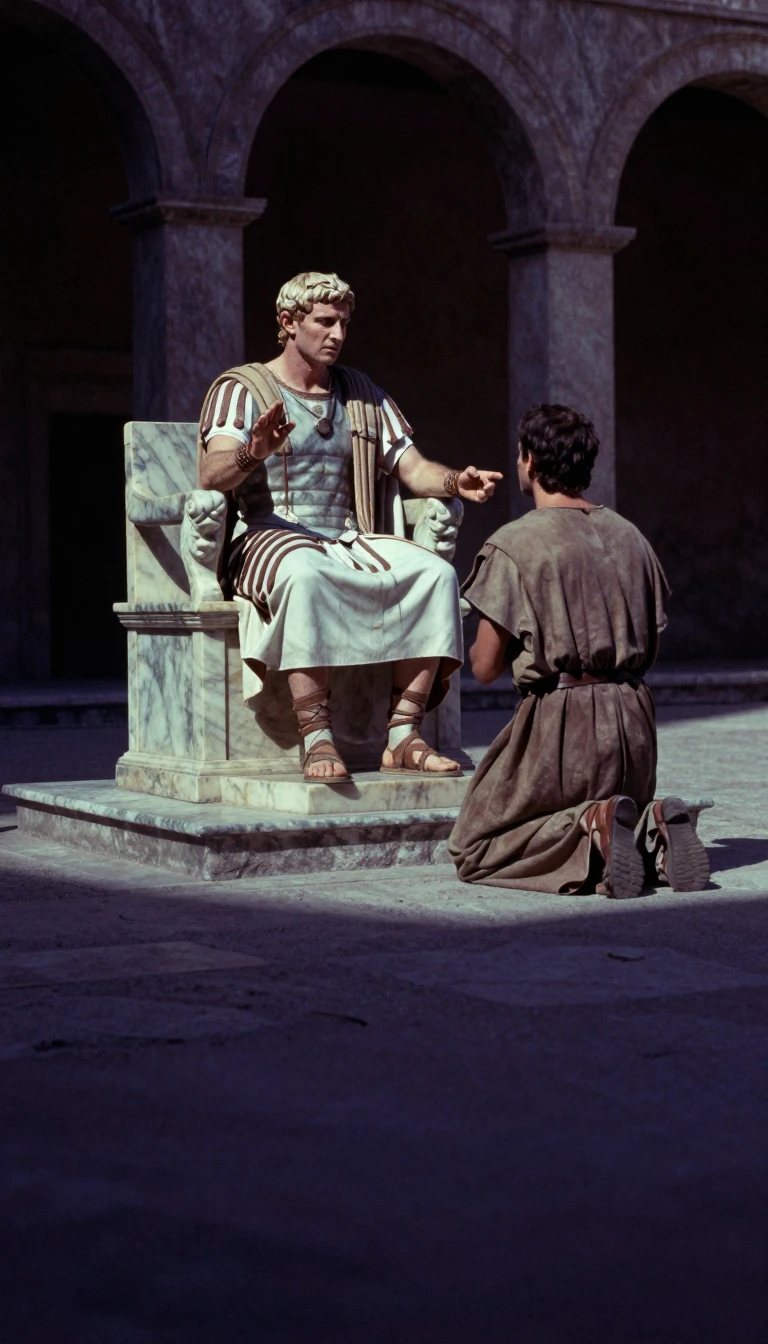 The Roman Emperor who fought a king he never actually metIn the 300s AD, the Roman Empire commissioned a massive triumphal arch to celebrate a victory over the Persian Empire. But the central sculpture depicts a dramatic, personal duel …
 The Roman Emperor who never visited Rome and faced a total erasure of historyMacrinus was the first Roman emperor to hail from the equestrian class and the first to never set foot in Rome during his reign. Rising from Berber origins to praetorian prefect, …
- The Roman Emperor who reigned for seven months and died in a painted roomJovian became emperor in 363 AD after the death of Julian, inheriting a failing military campaign and a fractured empire. His short, tumultuous reign ended abruptly in a mysteriou…
 The Roman Emperor who renamed the entire calendar after his own twelve namesCommodus, the first ruler born during his father's reign, transformed from a promising heir into a paranoid autocrat. He eventually declared himself a living god, rebranded Rome i…
 The Roman emperor who ruled 23 years and probably never saw a legionAntoninus Pius presided over the calmest stretch of Rome's Principate, from AD 138 to 161, and one historian doubts he ever came within five hundred miles of a legion. Yet his rei…
 The Roman Emperor Who Spent His Final Years Imprisoned in a Persian PalaceAfter suffering a humiliating defeat at the Battle of Edessa, the Roman Emperor Valerian was captured by the Sasanian king Shapur I. Instead of a swift execution, he was confined …
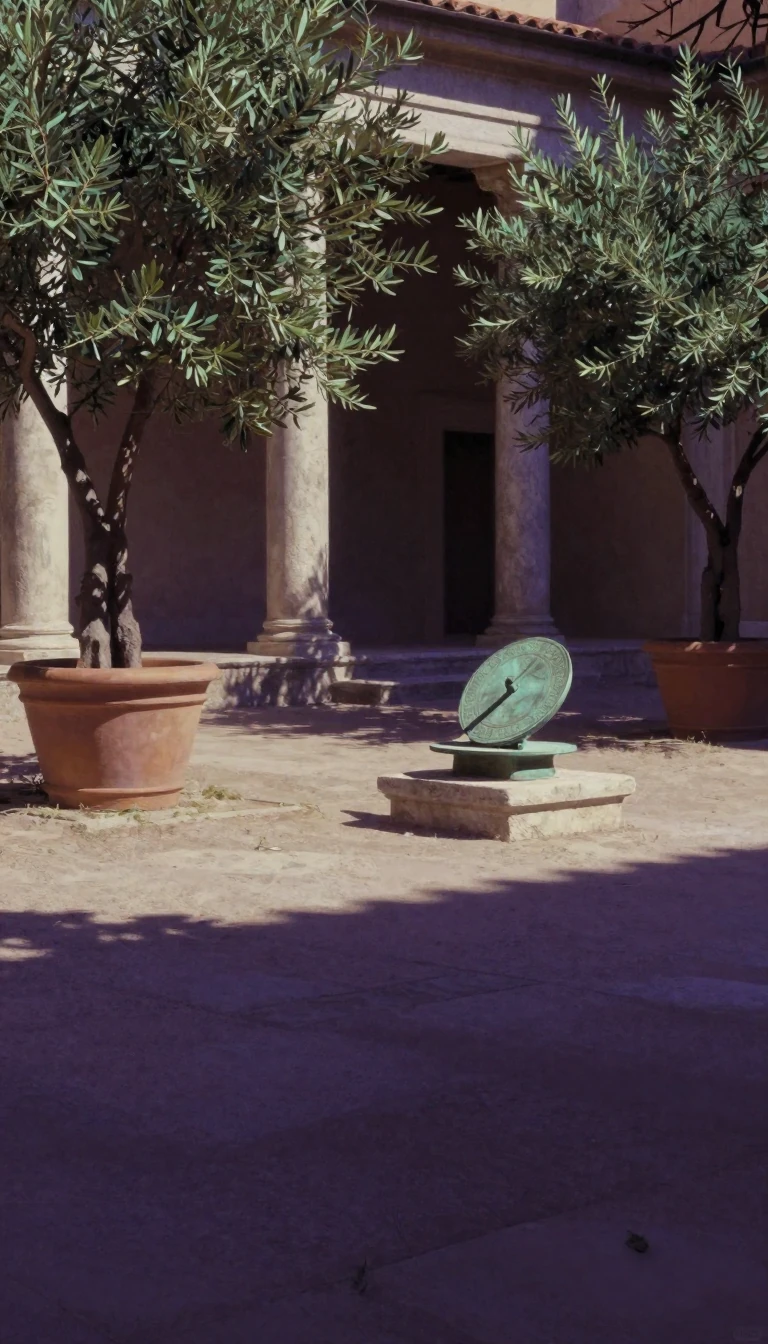 The Roman Emperor who traded a throne for a cabbage patchIn 305 AD, the Roman Emperor Diocletian abdicated his power to retire to a massive fortress-palace in Croatia. He famously claimed he preferred the peace of his private garden to …
 The Roman Emperor who turned an entire empire into citizens to appease the godsCaracalla is remembered as a brutal tyrant who murdered his own brother, yet he also issued the Antonine Constitution. This sweeping edict granted Roman citizenship to nearly ever…
- The Roman emperors who ruled as pharaohs only in one countryTo the Romans, Egypt was a wealthy province; to the Egyptians, it was the center of the world. This cultural divide created a unique political fiction: Roman emperors were recogni…
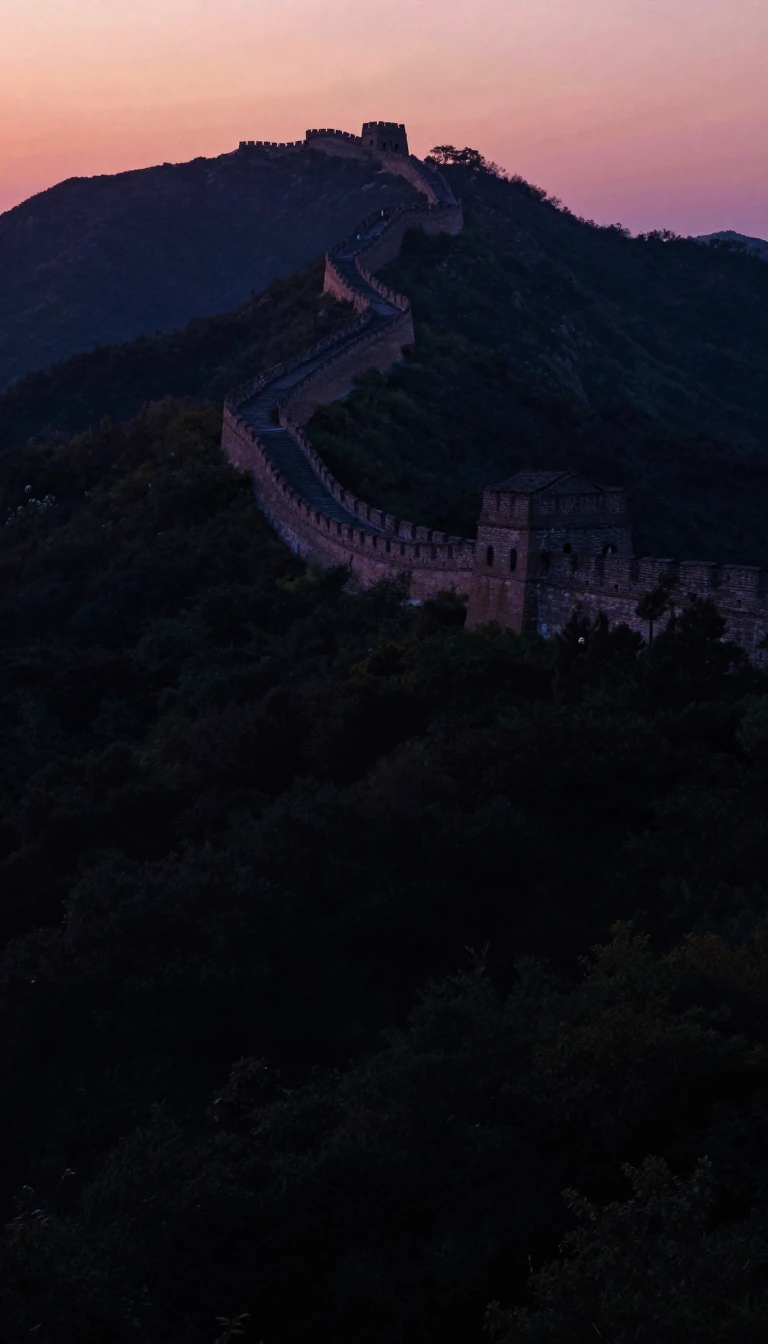 The Roman Empire built a massive, 568-kilometre wall to monitor, not stop, migration.The Limes Germanicus was not a solid iron curtain designed to keep everyone out. Instead, this sophisticated network of ditches, mounds, and watchtowers functioned as a controlled…
 The Roman Empire didn't actually fall in the fifth centuryWhile many history books claim Rome fell in the fifth century CE, millions of people continued living under Roman rule throughout the Middle Ages. This video explores the enduranc…
 The Roman Empire didn't vanish in the 5th centuryMost history books treat the fall of Rome as a single, dramatic collapse in 476 CE. This video challenges that narrative by exploring how the Eastern Roman Empire survived for ano…
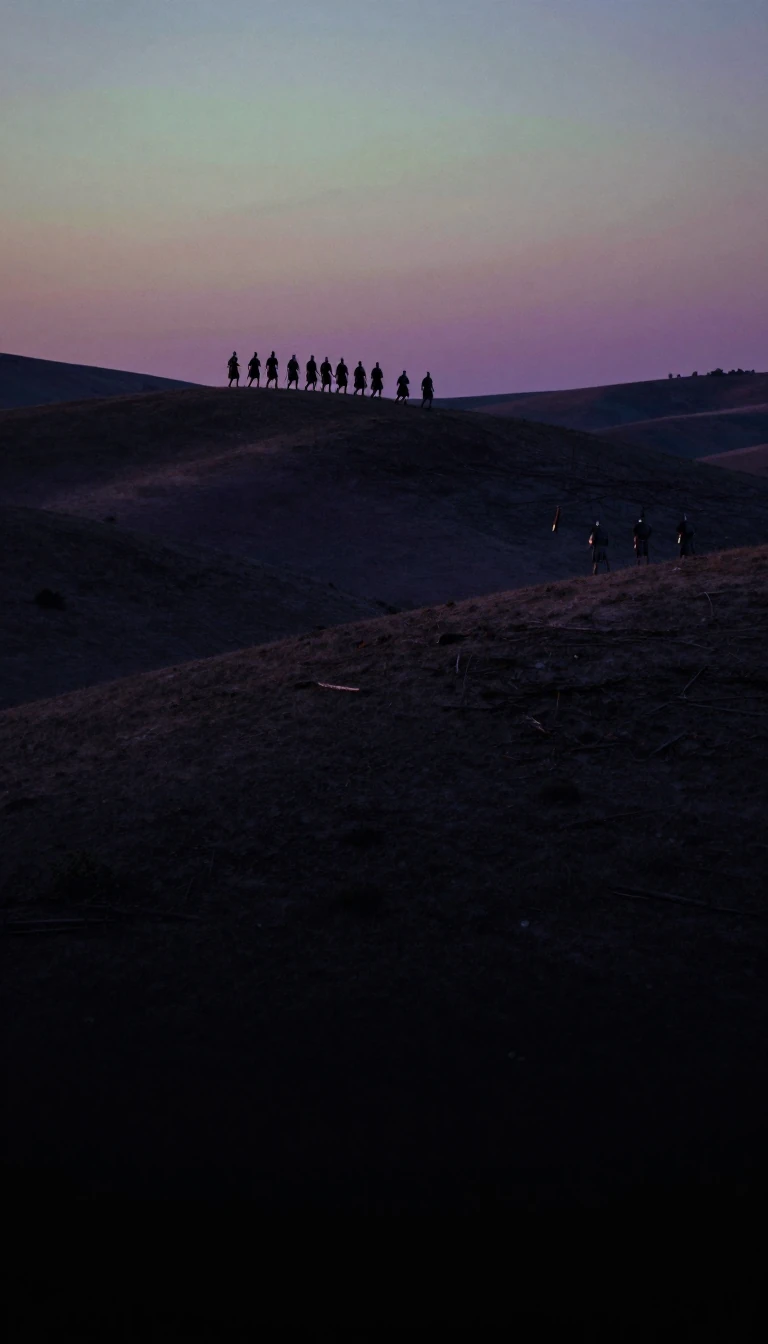 The Roman Empire fell in 476, or in 1453, depending which half you meanRome did not fall in one go. Its western half ended in 476 when a Germanic commander deposed a teenage emperor ironically named Romulus Augustus. The eastern half, run from Consta…
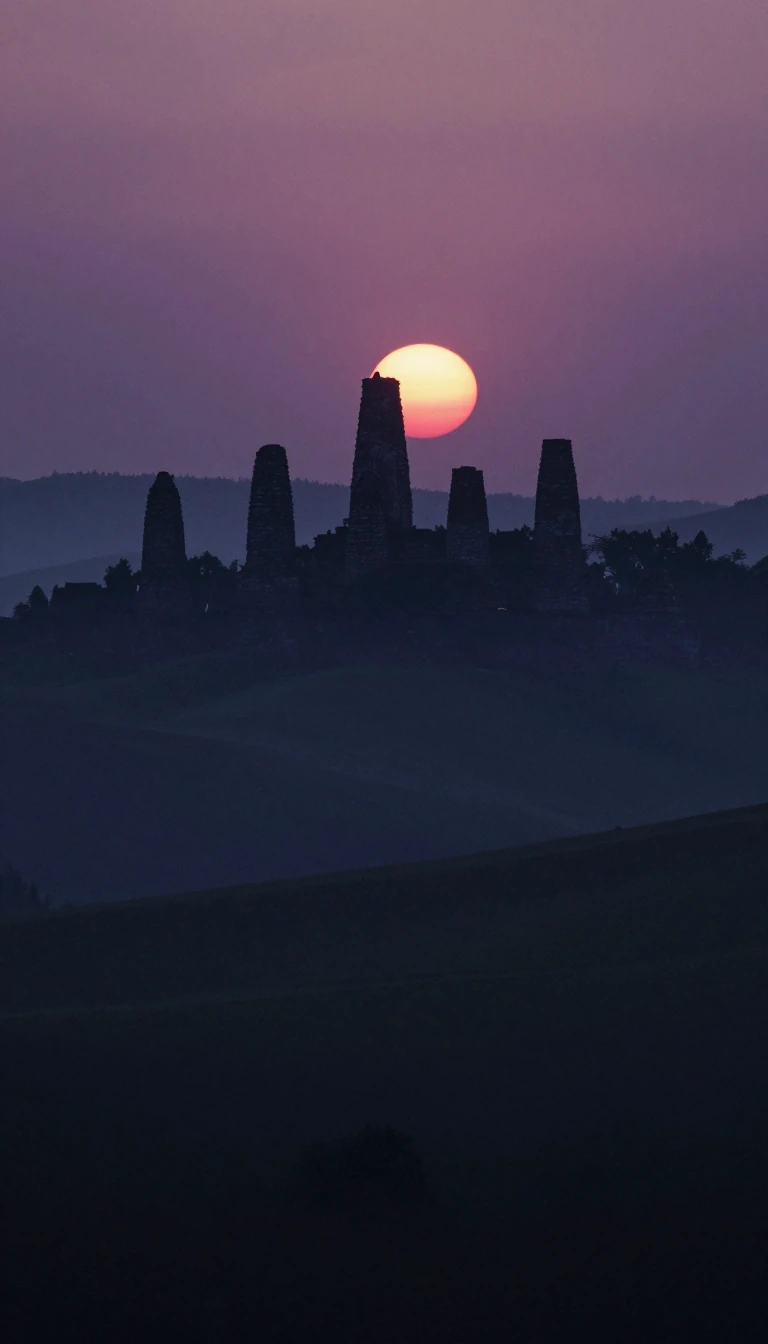 The Roman Empire was a demographic pressure cooker of high mortality and constant migrationThe Roman Empire sustained a population of up to 76 million people despite a brutal mortality regime where half of all children died before age ten. This high-turnover society rel…
- The Roman Empire's borders were not just walls, but a complex, shifting administrative network.The Roman frontier was never a single, static line. From the Rhine and Danube rivers to desert fortifications in North Africa, Rome managed its territory through a fluid mix of mi…
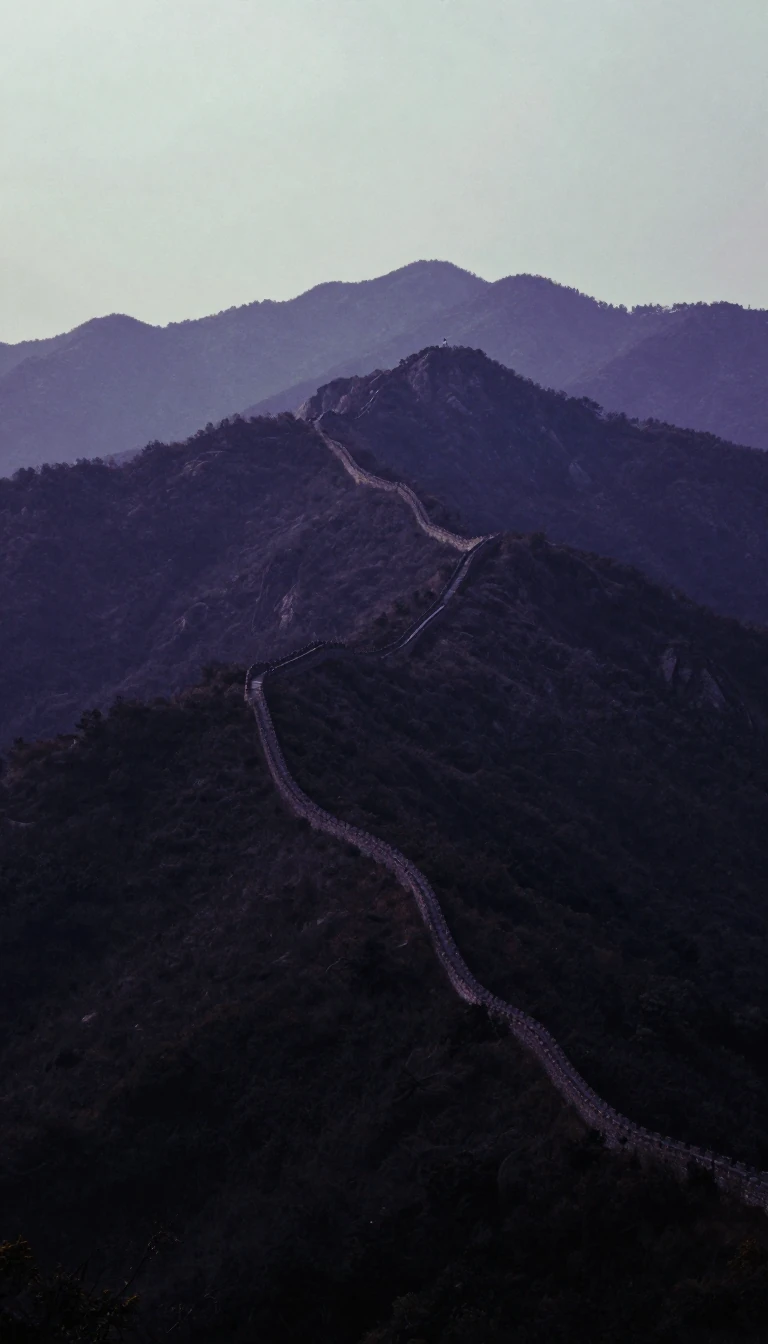 The Roman Empire's forgotten northern frontier was a turf wall, not stoneWhile Hadrian's Wall remains a famous stone monument, the Romans built a second, shorter barrier across Scotland using turf and wood. Abandoned just eight years after completion, …