 Intellect Plus
Cards starting with T
45,693 cards. Page 733 of 762.
 These ancient, living rock structures are built by microscopic, light-harvesting engineersStromatolites are layered, mineralized structures formed by microbial mats, primarily cyanobacteria. These organisms trap and cement sediment into distinct, dome-shaped or flat fo…
 These ancient, striped rocks hold the secret to Earth's oxygen-rich atmosphereBanded iron formations are stunning, layered relics from the deep past. Composed of alternating bands of iron oxide and silica, these rocks tell the story of a planet undergoing a…
 These aquatic insects build their own homes from gold, sand, and precious stones.Caddisflies are master architects of the underwater world. While most adult caddisflies live short, terrestrial lives, their larvae spend years submerged, constructing intricate p…
 These armored giants were the last of the great sauropods to roam the EarthSaltasauridae were a widespread family of Cretaceous herbivores, famous for their unique defensive armor and massive size. While most sauropods relied on sheer scale, these creatu…
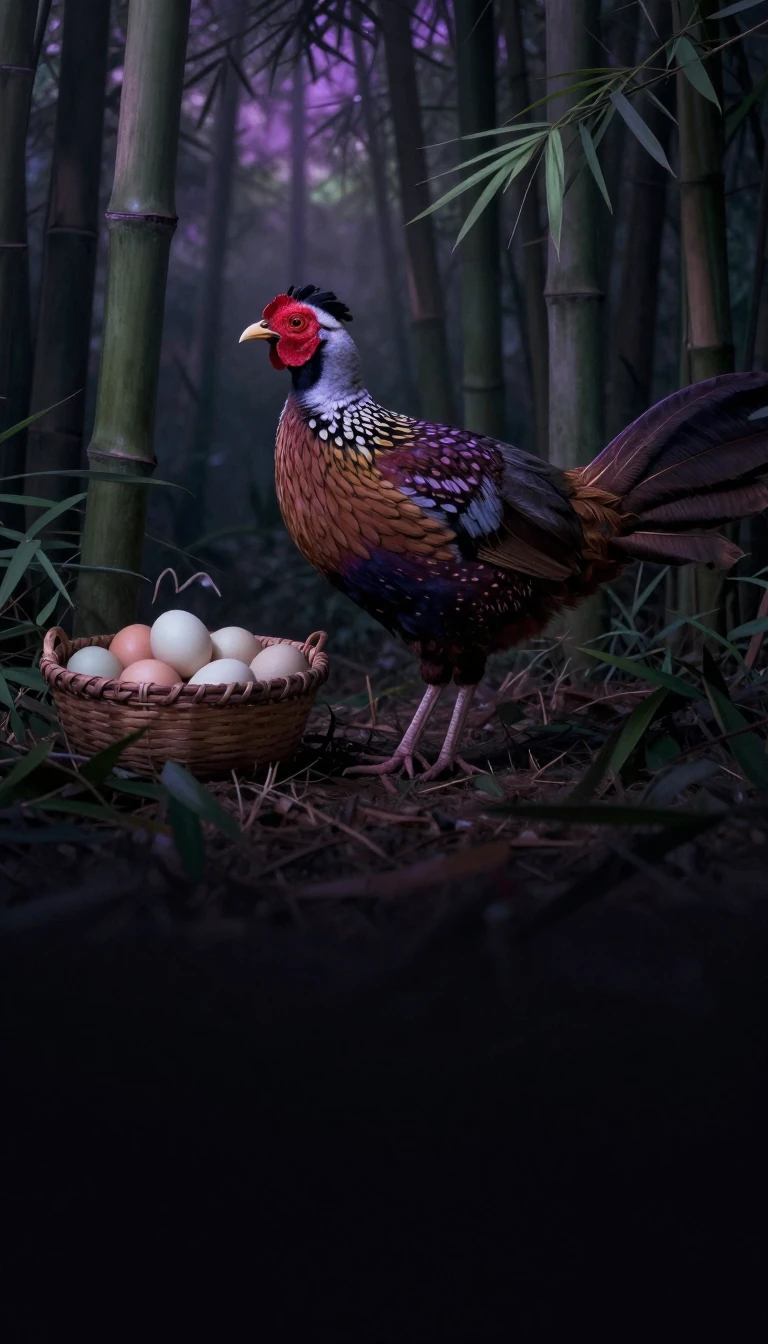 These birds evolved costumes that fooled taxonomists for decadesMale birds-of-paradise grow absurd plumes from beaks, wings, and tails to win mates—yet so many described species were actually hybrids that Erwin Stresemann spent the 1920s and 1…
 These bizarre Cambrian swimmers are challenging our understanding of how chordates first evolvedVetulicolians were once dismissed as stem arthropods, but their strange, two-part bodies and gill-like openings suggest they belong to the chordate lineage. These ancient, swimmin…
 These bizarre Triassic reptiles had bird-like beaks, chameleon limbs, and mysterious, shifting evolutionary histories.Drepanosauromorpha were strange, tree-dwelling reptiles that thrived 230 to 210 million years ago. With barrel-shaped bodies, prehensile tails, and specialized grasping hands, the…
 These bizarre, cone-shaped mollusks once dominated the world's ancient tropical reefsBefore corals reclaimed the seas, the Cretaceous oceans were ruled by rudists. These strange, tube-like bivalves built massive, sprawling reefs that stretched for hundreds of kilo…
 These bizarre, spherical geological formations are often mistaken for alien artifacts or dinosaur eggs.Concretions are compact mineral masses that grow within sedimentary rock, often forming around a nucleus like a fossil or shell. Because they appear in strange, sometimes perfectl…
 These burrowing rodents built a massive underground city the size of a small country.Forget the name; prairie dogs are not canines, but highly social squirrels. These master engineers construct elaborate subterranean towns featuring nurseries, sleeping quarters, a…
 These colorful reef fish are the secret architects behind the world's white sandy beaches.Parrotfish are more than just vibrant reef dwellers; they are essential ecosystem engineers. By grinding down coral to reach nutrient-dense algae, these fish perform a unique biol…
 These common marine worms are vital to global ecosystems and human aquaculture industriesNereididae, or ragworms, are among the most familiar marine annelids, thriving in environments from freshwaters to the deep abyss. Beyond their ecological significance as food for…
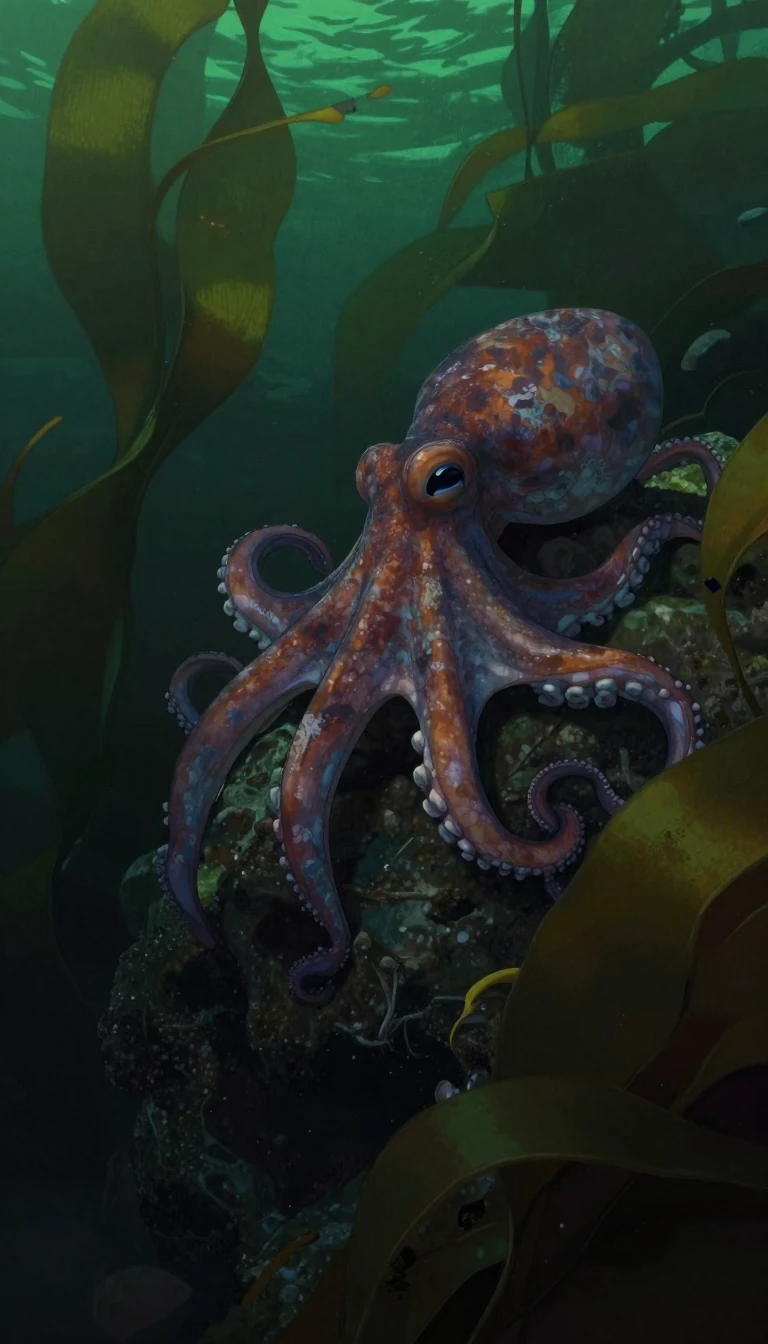 These crabs carry their own living homes by sculpting sponges to fit their bodies.Known as sponge crabs, the Dromiidae family possesses a remarkable architectural talent. Rather than hiding in static crevices, these crustaceans actively harvest living sponges, …
 These Cretaceous predators evolved to lose their arms through a specific genetic defect.Abelisaurids were formidable carnivorous bipeds that dominated the southern supercontinent of Gondwana. While their skulls were heavily ornamented with pits and ridges, their fore…
 These Cretaceous pterosaurs evolved a unique bottom-decker wing design to navigate ancient forestsTapejarids were small to medium-sized pterosaurs defined by their parrot-like beaks and striking cranial crests. Unlike their relatives, these creatures possessed low-slung should…
 These dying red giants pulse with a rhythm that reveals their final cosmic actMira variables are red giants in their twilight years, pulsating with dramatic shifts in brightness. These stars are shedding their outer layers to eventually become white dwarfs.…
 These elusive space rocks spend most of their time inside Earth's orbital pathAten asteroids are a distinct class of near-Earth objects that primarily orbit closer to the Sun than our planet does. Named after the first of their kind discovered in 1976, thes…
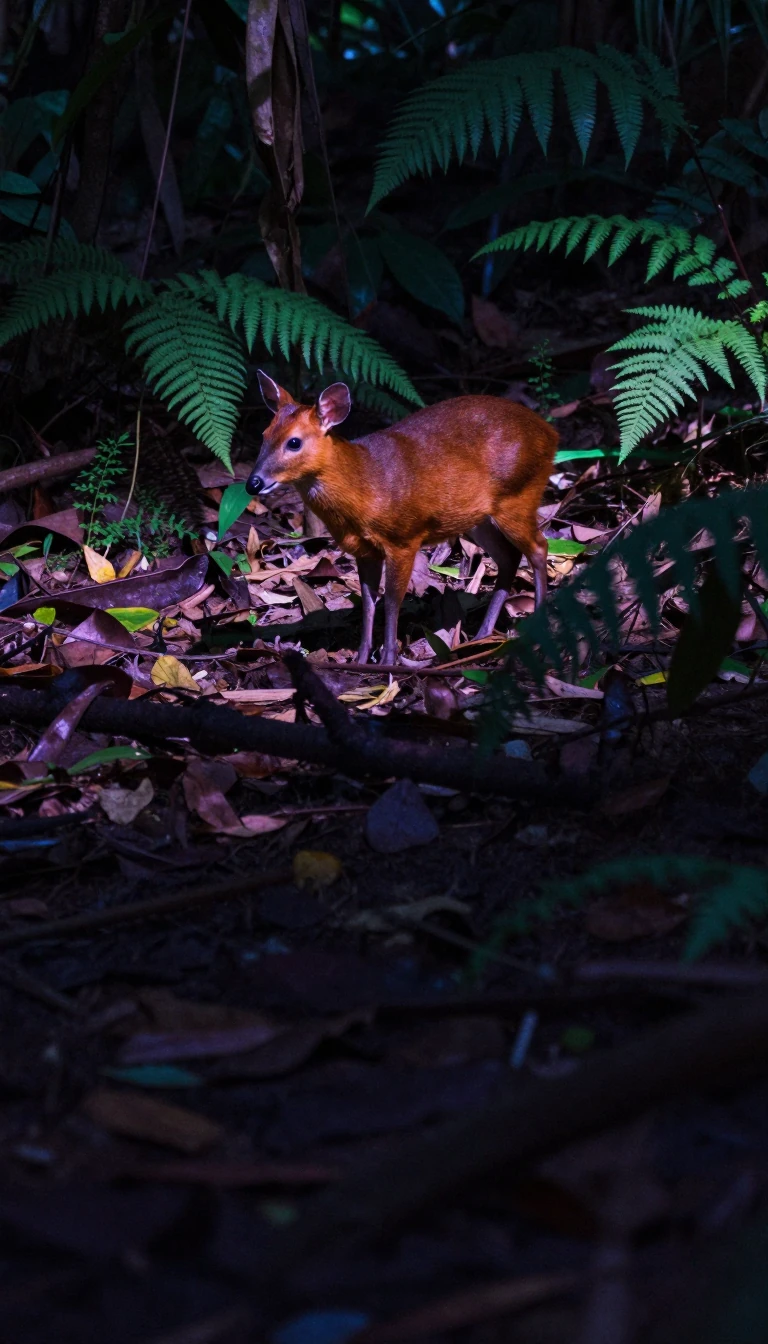 These extinct, clawed mammals were the odd-toed ungulates that defied the hoofed norm.Chalicotheres were strange, herbivorous mammals that looked like horses but sported massive, hook-like claws instead of hooves. While early researchers once mistook their fossiliz…
 These extreme microorganisms use a primitive form of sex to repair their damaged DNA.Sulfolobus are heat-loving, acid-dwelling archaea that thrive in volcanic springs. When exposed to DNA-damaging threats like UV radiation, these microbes aggregate to swap genetic…
 These fierce medieval frontiersmen terrorized heavy cavalry by turning their own mounts against them.Originating as shepherd-warriors on the Iberian frontier, the Almogavars evolved into elite light infantry. Renowned for their extreme frugality and ferocity, these soldiers rejec…
 These fin-stabilized steel darts have been used as lethal ballistic projectiles for over a century.Originating as simple air-dropped darts during the First World War, flechettes are pointed, fin-stabilized projectiles designed for high-velocity penetration. While they lack expl…
 These fish spend three-quarters of their lives on land, walking and climbing with fins.Mudskippers are small, amphibious gobies that defy the aquatic norm. Found across the Indo-Pacific, these remarkable creatures have evolved to thrive in swamps and estuaries. Inst…
- These flattened crustaceans are not true lobsters, but they are masters of disguise.Slipper lobsters are easily identified by their wide, plate-like antennae, but they lack the giant neurons required for a quick escape. Instead of darting away, these bottom-dwell…
- These fox-sized dinosaurs evolved a unique jaw mechanism to grind tough prehistoric plantsHeterodontosauridae were small, agile ornithischians that roamed the earth from the Early Jurassic to the Early Cretaceous. Famous for their distinct, tusk-like teeth and speciali…
 These furled forest greens are a global delicacy with a hidden, toxic sideFiddleheads are the tightly coiled, immature fronds of ferns, prized as a seasonal vegetable from the forests of North America to the mountains of Asia. While they offer a unique,…
 These giant flightless crickets are among the heaviest insects on the entire planet.Endemic to New Zealand, wētā are a diverse group of over 100 species of flightless insects. Some grow so large they outweigh a sparrow, while others possess specialized defenses l…
 These glowing, quill-shaped colonies are actually sophisticated, multi-polyp organisms anchored in the deep sea.Named for their resemblance to antique writing instruments, sea pens are not single animals but complex colonies of specialized polyps. These cnidarians thrive in soft mud, using …
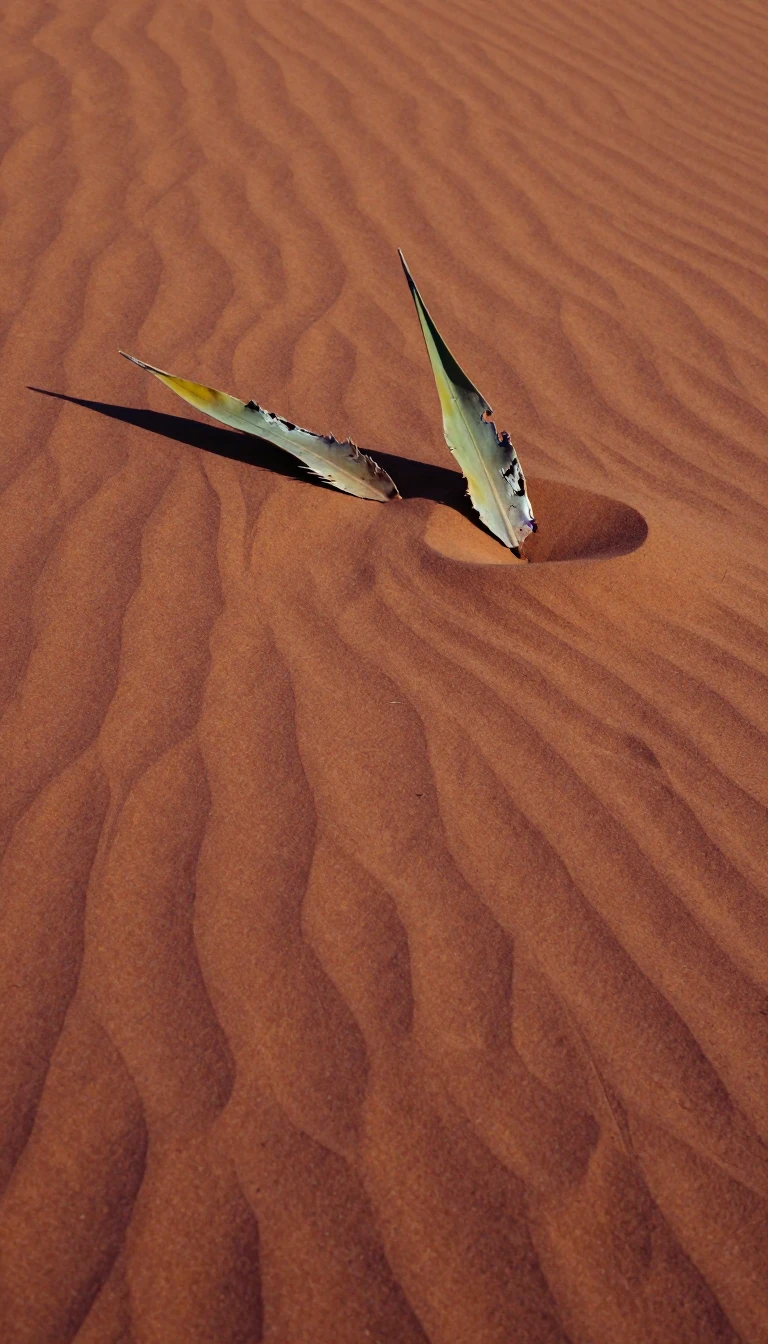 These gnarled Andean trees thrive where almost nothing else can survivePolylepis forests cling to the highest treelines on Earth, surviving extreme cold and thin air. These resilient, shrubby woodlands are not just botanical outliers; they act as vit…
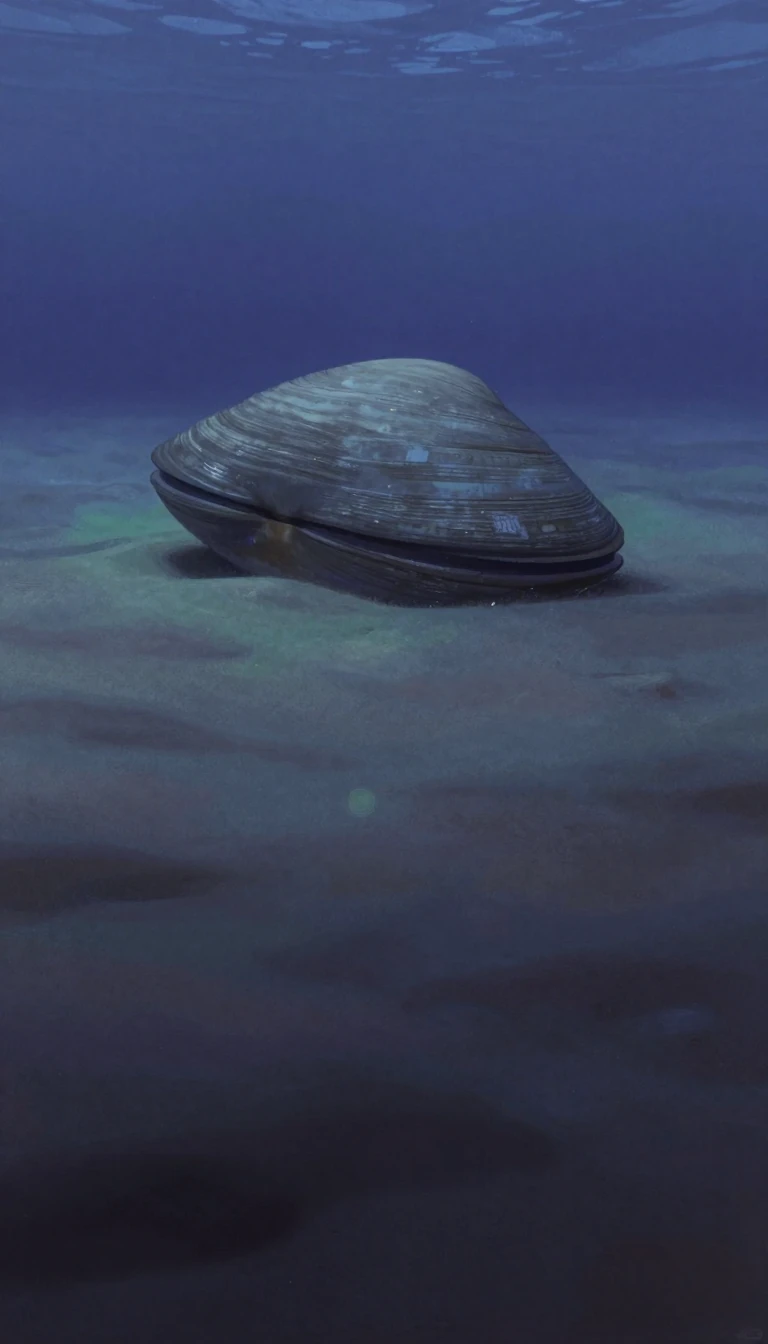 These headless molluscs built shells and human economiesBivalves—clams, oysters, mussels, scallops—enclose soft bodies in hinged calcium-carbonate valves, filtering food from water without a head or radula. About 9,200 living species s…
- These heat-loving microbes thrive in conditions that would dissolve most living things.Thermoplasma are resilient archaea that call volcanic vents and coal refuse piles home. Lacking a traditional cell wall, these organisms have evolved a specialized membrane to sur…
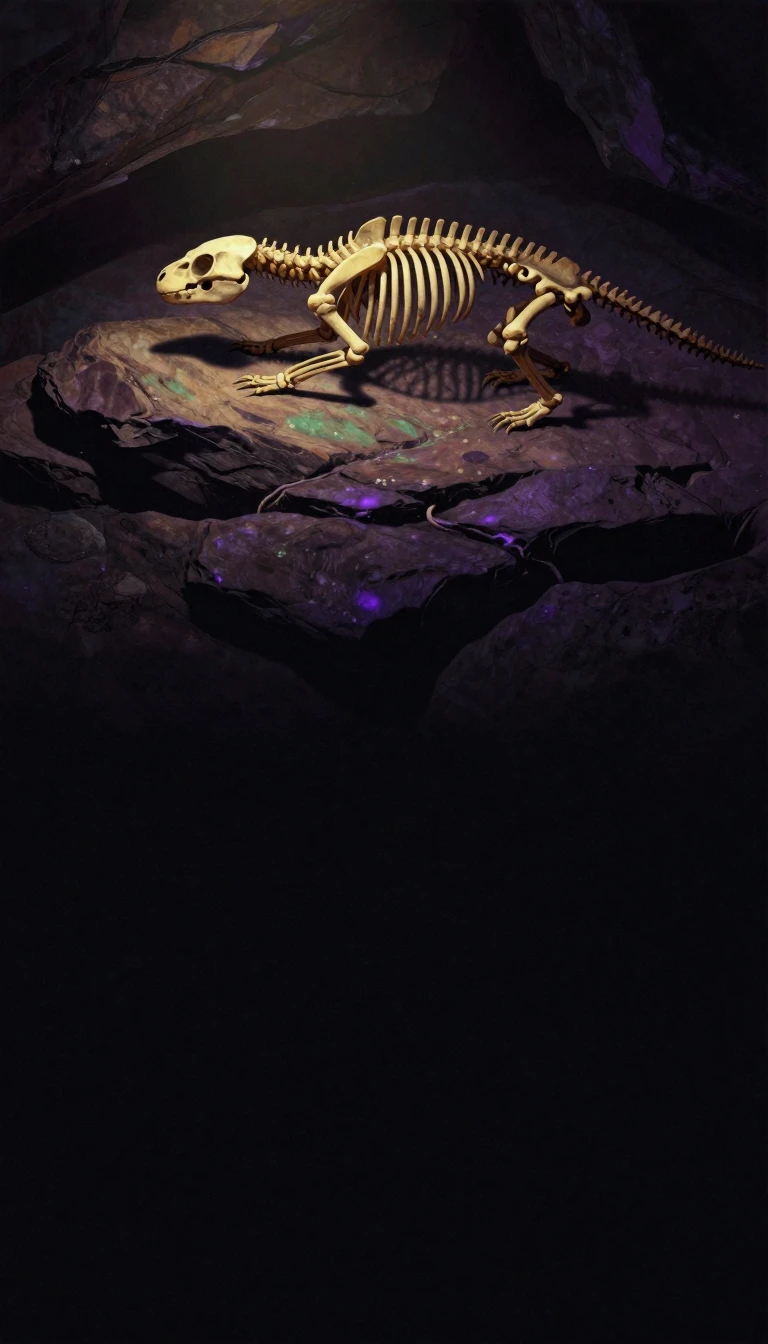 These heavily armored Triassic reptiles were once mistaken for ancient, scaly fish.Aetosaurs were terrestrial, plant-eating archosaurs that dominated the Late Triassic period. Though they are now recognized as relatives of modern crocodiles, early paleontologist…
 These hidden structures are the silent, essential guardians of our modern road networksA culvert is far more than a simple pipe buried under a road. These engineered structures channel water, protect infrastructure from catastrophic collapse, and serve as vital corr…
 These iconic striped blankets were once a form of currency in the North American fur trade.For centuries, the Hudson's Bay point blanket has been a symbol of Canadian identity. Originally manufactured in England as a trade good for beaver pelts, the blankets evolved fro…
 These inconspicuous root-dwelling fungi may hold the secret to the evolution of all Dikarya.For 130 years, the genus Entorrhiza remained an evolutionary enigma. These fungi form subtle galls on the roots of sedges and rushes, hiding in plain sight. Recent molecular analy…
 These insects spin silk from their legs to build protective, maze-like tunnel galleries.Webspinners are small, gregarious insects that produce silk from glands located in their front legs. They use this silk to construct elaborate, protective galleries on bark, rocks…
 These Jurassic marine predators were far more diverse than their modern gharial lookalikesLong thought to be simple marine analogues to modern gharials, teleosaurids were actually a complex family of Jurassic crocodylomorphs. Recent research reveals a surprising range …
 These long-legged shorebirds reunite with their partners after spending the winter thousands of miles apart.The black-tailed godwit is a master of long-distance coordination. Despite migrating to separate wintering grounds across continents, mated pairs often find each other on their br…
 These marine invertebrates are our closest invertebrate relatives and build houses from cellulose.Tunicates are strange, sac-like marine animals that start life as tadpole-like larvae with notochords, linking them to vertebrates. While many spend their adult lives anchored to …
- These massive Miocene ruminants evolved bizarre, Y-shaped headgear for ancient combat and displayLong before modern deer or giraffes dominated the landscape, the Palaeomerycidae roamed Europe and Asia. These massive, long-legged ruminants, weighing up to 500 kilograms, sporte…
 These massive mountain amphitheaters are carved by ice, but sometimes by water insteadA cirque is a dramatic, bowl-shaped valley carved into a mountainside. While most are sculpted by the slow, grinding power of ancient glaciers, some are formed by rivers cutting t…
 These microscopic animals can survive being frozen for 24,000 years in Siberian permafrost.Rotifers are tiny, complex creatures that defy biological norms. Some species have thrived for millions of years without sexual reproduction, while others can be revived after mil…
 These microscopic animals live their entire lives in a world without any oxygenLoricifera are tiny, armored creatures that remained hidden from science until 1983 because they cling tightly to marine gravel. While most animals require oxygen to survive, some…
- These microscopic animals were so bizarre they required their own phylum to be classified.Discovered in 1995 on the mouthparts of Norway lobsters, Symbion are tiny, sac-like creatures that defy easy categorization. With a complex life cycle involving three distinct for…
 These microscopic aquatic creatures use a two-part glue system to anchor themselvesGastrotrichs are tiny, transparent invertebrates that thrive in the spaces between sand grains and soil. Ranging from 0.1 to 1.5 millimetres in size, these creatures navigate thei…
- These microscopic parasites are actually our closest evolutionary cousins in the animal kingdomLong dismissed as mere fish-killing pests, Ichthyosporea are now recognized as a vital window into the origin of animals. These unicellular eukaryotes share a deep, complex histor…
 These microscopic parasites carry a chainmail of DNA inside their single mitochondrionKinetoplastids are flagellated protozoans that cause devastating human diseases, including sleeping sickness and Chagas disease. Their defining feature is a unique DNA-containing …
 These microscopic soil architects are the secret engineers behind your garden's health and vitality.Actinomycetota are diverse, high-GC content bacteria that act as the primary decomposers in soil. By breaking down dead organic matter, they recycle essential nutrients for plants…
 These mysterious deep-sea rocks grow like tree rings over millions of yearsScattered across the vast, dark abyssal plains of our oceans lie millions of round, mineral-rich stones known as ferromanganese nodules. These peculiar formations accrete layer by…
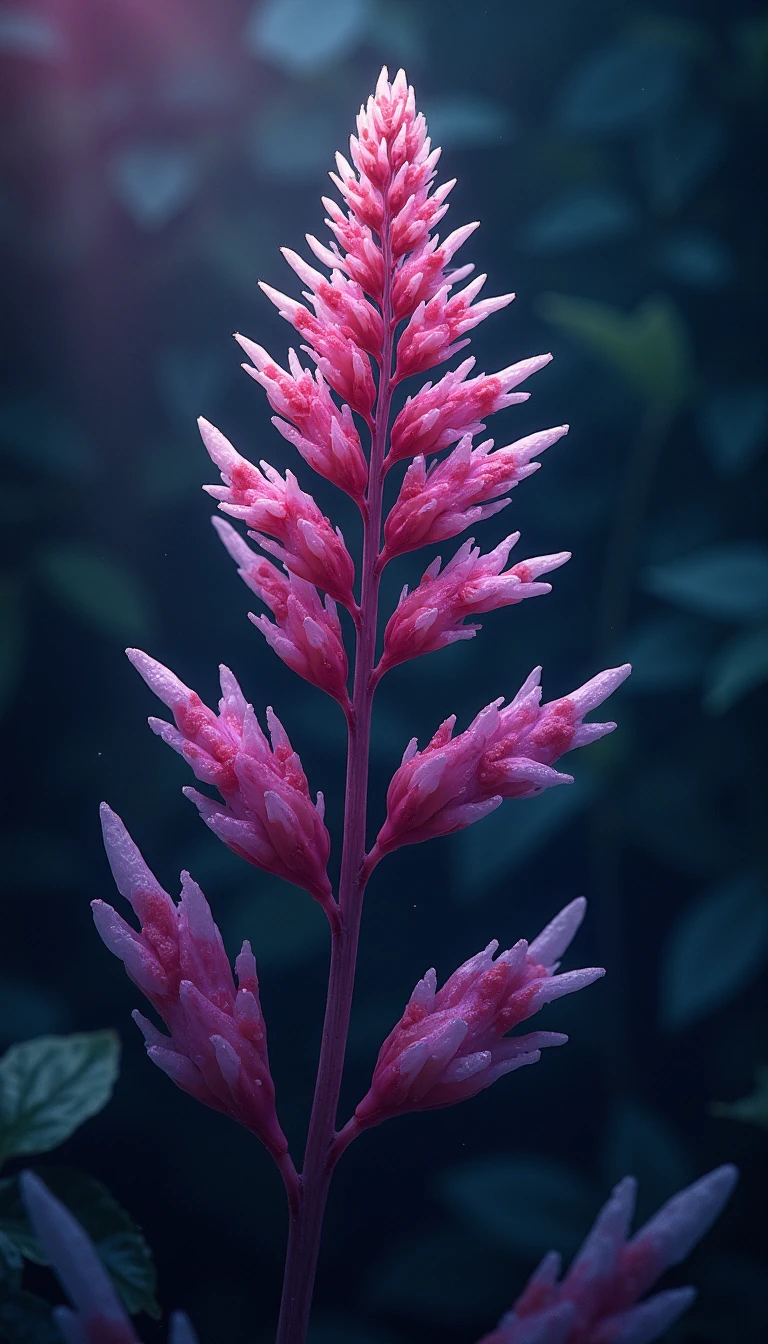 These natural compounds are the secret architects of plant defense and global climate regulation.Terpenes are a massive family of over 30,000 hydrocarbons that plants use to communicate, defend against predators, and even seed clouds to cool the atmosphere. From the scent of …
 These natural compounds define the scent of forests and the future of medicine.Terpenoids are vast, isoprene-derived organic compounds that do more than paint mountains blue. From regulating plant growth to acting as potent antioxidants and anti-inflammatory…
 These natural plant compounds create stable foam and can even act as medicine.Saponins are diverse, plant-derived substances named for their soap-like ability to form stable foam in water. Beyond their utility as natural detergents, these amphiphilic molecu…
- These ostrich-like dinosaurs evolved specialized feet to master the arid landscapes of ancient Mongolia.Ornithomimosaurs were fast, bird-mimicking theropods that dominated Cretaceous ecosystems. While often associated with lush environments, the discovery of Aepyornithomimus tugriki…
 These parasites carry a leftover algal plastid they can no longer use for sunlightApicomplexans are single-celled parasites that break into animal cells using a specialised toolkit at their tip. Most also carry the apicoplast, a relic plastid probably inherited…
- These parasitic crustaceans are not lice, but masters of aquatic attachment and survivalCommonly called carp lice, the family Argulidae are actually specialized crustaceans known as Branchiurans. These obligate ectoparasites use sophisticated suction cups or hooked a…
 These parasitic flatworms have evolved to thrive inside the bodies of other living creatures.Trematoda, or flukes, are a class of parasitic flatworms that have mastered the art of living within hosts. Ranging from microscopic to several centimetres long, these organisms l…
 These parasitic worms hijack insect brains to force them into a watery graveNematomorphs, or horsehair worms, are masters of biological manipulation. These slender parasites infect arthropods, eventually compelling their hosts to seek out water and drown.…
- These predatory marine animals are named after flowers but hunt with harpoon-like venom cells.Sea anemones are not plants, but complex predatory invertebrates related to jellyfish and corals. They anchor themselves to the seabed or drift, using tentacles armed with stingin…
 These predatory sea snails built empires with their vivid, royal purple secretionsMuricidae are more than just striking, spiny shells prized by collectors. These predatory marine gastropods, which first appeared in the Cretaceous period, were once the source of…
- These prehistoric survivors have been breathing air for over 150 million yearsGars are living fossils, ancient fish that have barely changed since the Jurassic period. While most fish rely entirely on gills, these predators gulp air to survive in oxygen-poo…
- These primitive animals build their skeletons from the same material as seashells and limestone.Calcareous sponges are unique among their phylum for possessing skeletons made entirely of calcium carbonate. While most sponges rely on different structural materials, these mari…