 Intellect Plus
Cards starting with T
45,693 cards. Page 734 of 762.
 These rare algae hold the secret to how plants first evolved on EarthGlaucophytes are a tiny, mysterious group of freshwater algae that offer a window into the deep past. Unlike their relatives, the red and green algae, these organisms retain ancie…
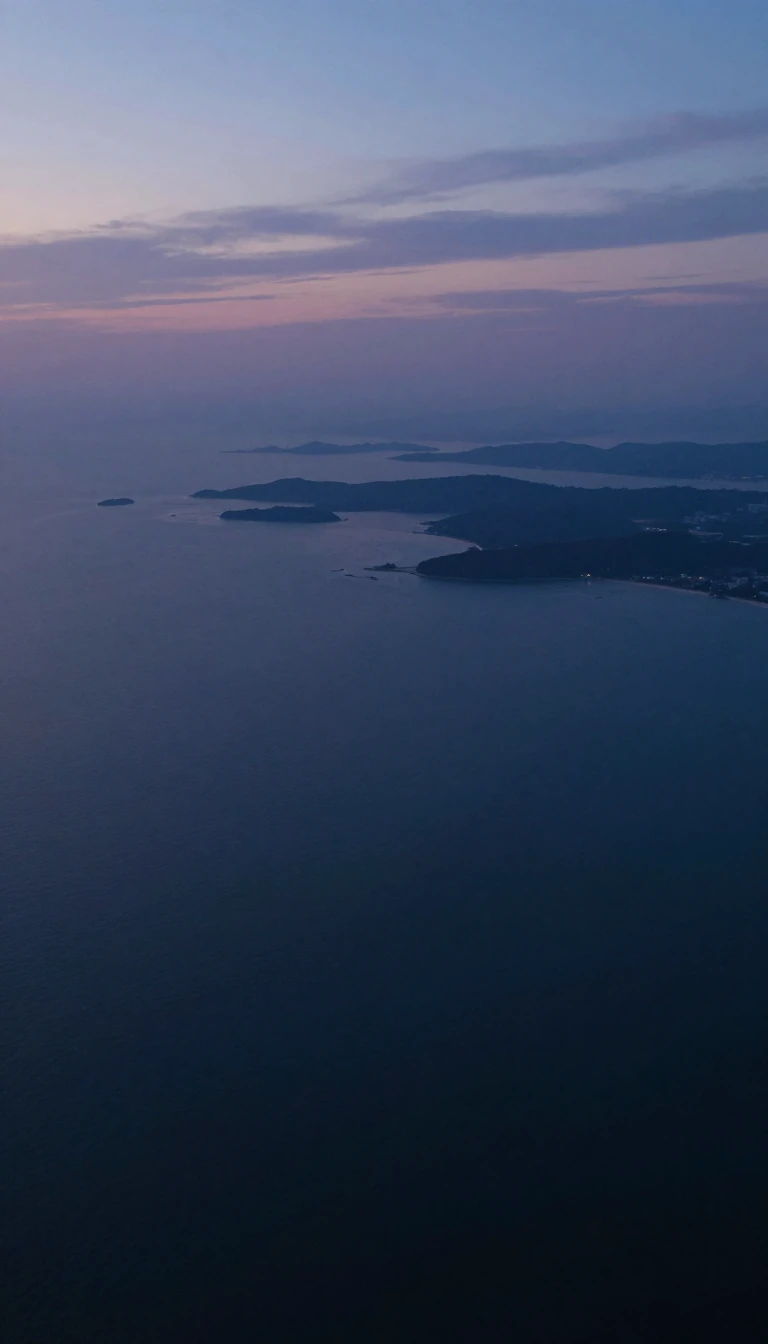 These remote Arctic islands are the remnants of a vast, now-submerged prehistoric plain.Lying north of the New Siberian Islands, the uninhabited De Long archipelago is a geological time capsule. Once high ground on the massive Great Arctic Plain, these peaks were iso…
 These remote sub-Antarctic islands are a graveyard for ships and a haven for orcas.Located in the southern Indian Ocean, the Crozet Islands are a harsh, windswept archipelago that once served as a deadly trap for 19th-century sailors. Today, the uninhabited isla…
 These remote, volcanic islands are the site of the southernmost known Polynesian settlement ever recorded.Lying hundreds of miles south of New Zealand, the Auckland Islands are a rugged, wind-swept archipelago. Though they have no permanent human residents today, archaeological eviden…
 These resilient rod-shaped bacteria can survive extreme conditions that destroy most other life forms.Bacillus bacteria are masters of survival, capable of transforming into dormant spores that withstand heat, radiation, and harsh chemicals. While some species are essential for in…
 These rocky cosmic time capsules hold the secrets of our solar system's birthBorn approximately 4.6 billion years ago, asteroids are the broken building blocks of our solar system. These airless remnants were once part of smallish planets destroyed by coll…
 These salt-loving bacteria thrive in coastal waters and can turn a swim deadly.Vibrio are comma-shaped bacteria that naturally inhabit coastal environments, peaking in number when water temperatures rise between May and October. While most species are harmle…
 These shapeshifting organisms can grow to one metre across and weigh twenty kilograms.Myxogastria, or slime moulds, are bizarre, monocellular entities that cycle through microscopic amoeboid phases and massive, visible plasmodia. Capable of pulsating movement and c…
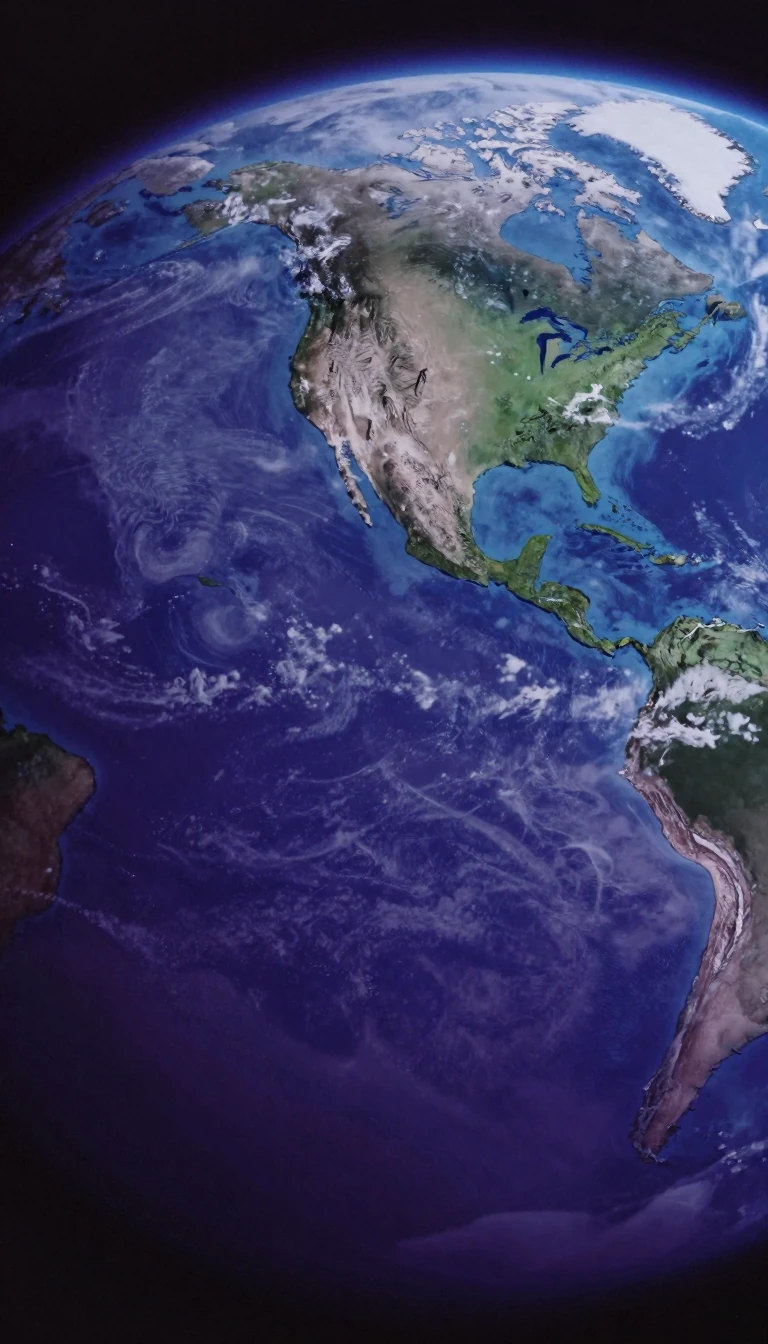 These shifting sand ribbons are the world’s most effective natural coastal defense systemsBarrier islands are dynamic, narrow landforms that act as nature's shock absorbers. By absorbing intense wave energy and storm surges, these sand chains protect mainland ecosystem…
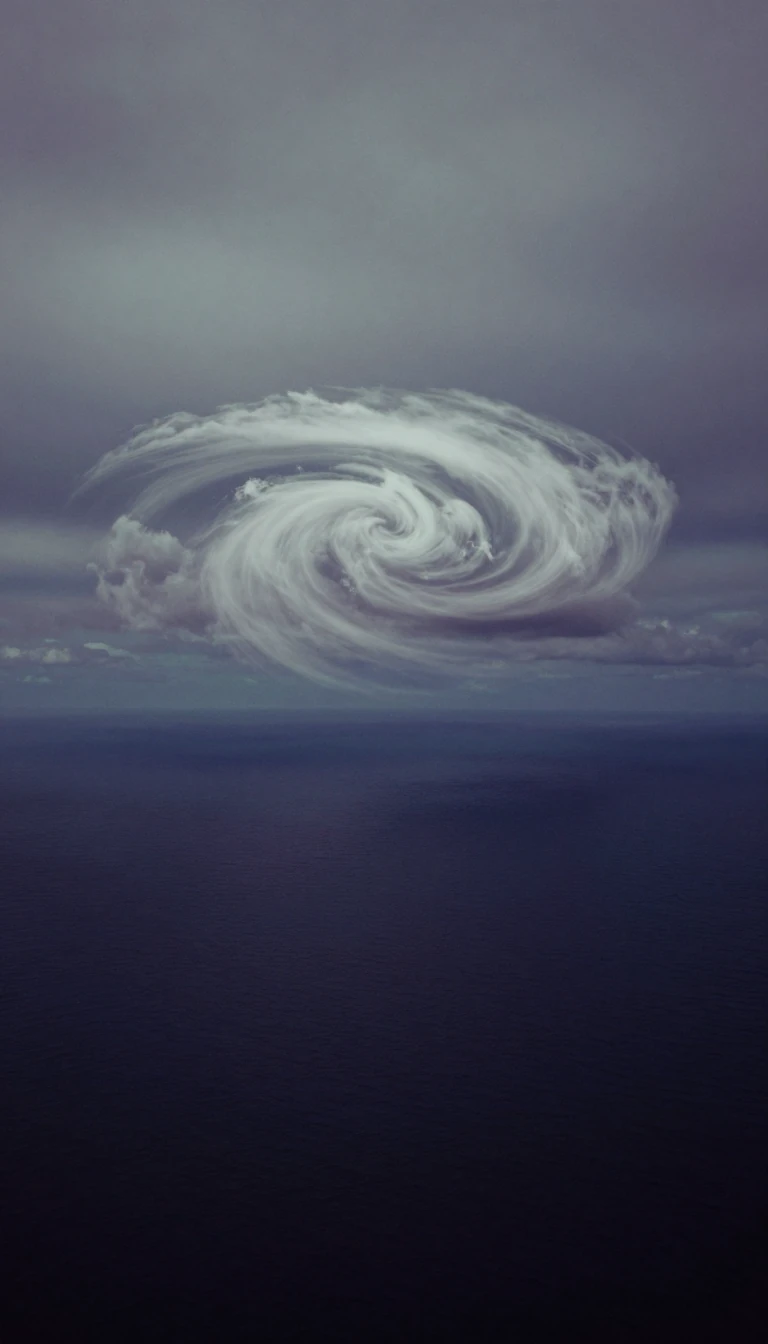 These shimmering polar clouds are the silent architects of our planet's ozone destructionHigh above the poles, rare clouds form in the extreme winter cold. While they appear beautiful, these structures act as chemical factories. They provide surfaces for reactions tha…
 These simple marine worms might be the most ancient branch of bilateral animal life.Xenacoelomorpha are small, flat, worm-like creatures that challenge our understanding of animal evolution. Once mistaken for common flatworms, these marine organisms possess a sur…
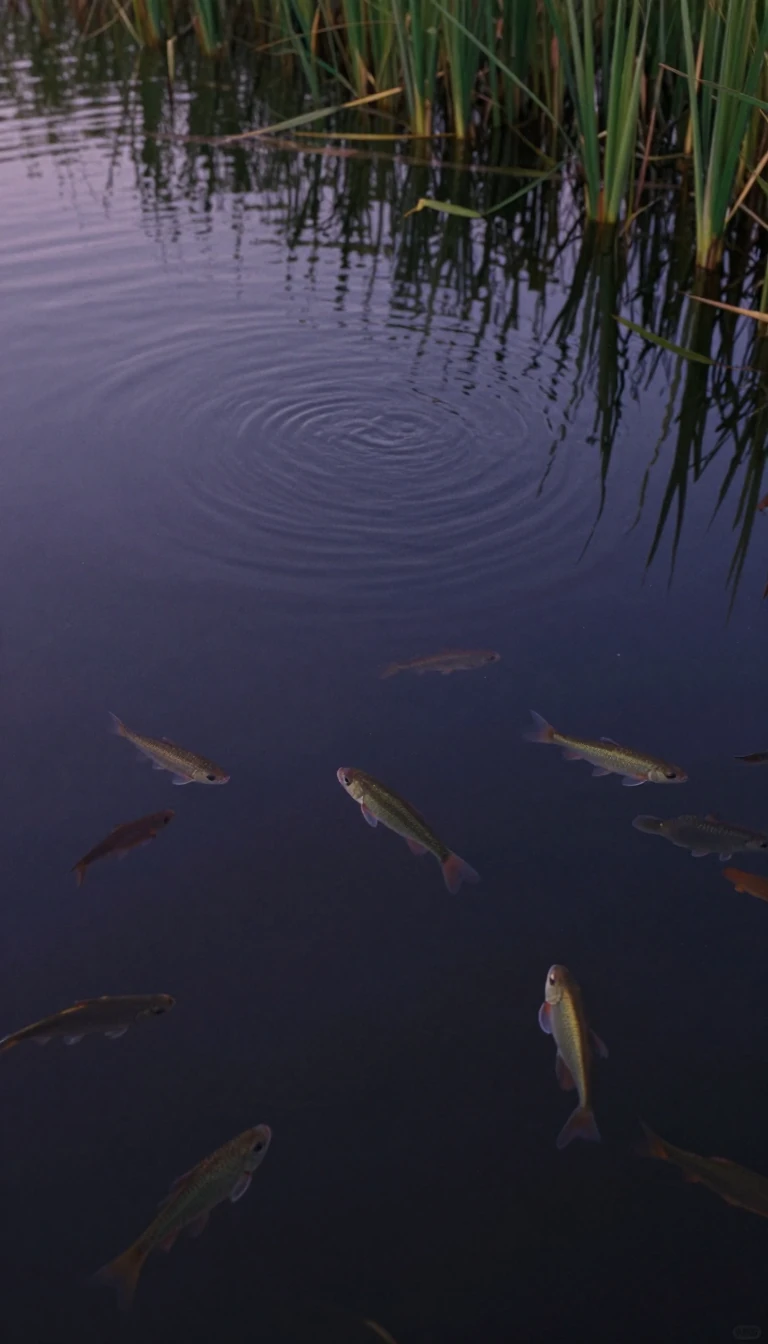 These small, silver fish are the most heavily exploited creatures in our oceansClupeiformes, an order of bony fish including herrings, sardines, and anchovies, account for over one-third of the global fish catch. Despite their massive economic importance and…
 These soil bacteria transform from free-living microbes into essential partners for legume plant growth.Rhizobia are remarkable bacteria that shift their entire lifestyle to support plant life. While they exist independently in the soil, they can invade legume roots to form nodules.…
 These spiders hunt by walking on water, using surface tension like a living web.Fishing spiders of the genus Dolomedes do not build webs to catch their prey. Instead, they use the surface of ponds and streams as a sensory net. By detecting vibrations through …
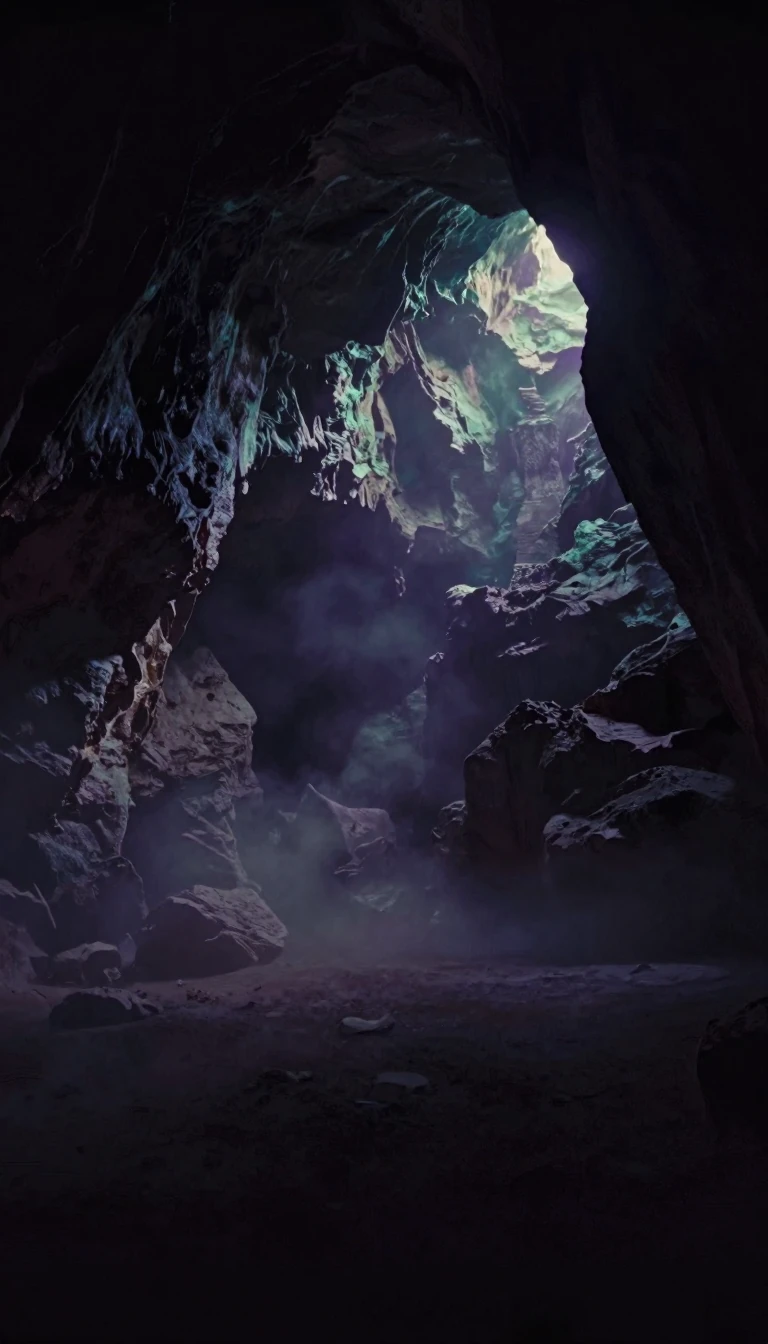 These subterranean mineral sculptures are actually precise, ancient archives of our planet's climate history.Speleothems are more than just cave decorations. These geological formations, ranging from delicate soda straws to massive flowstones, act as natural data loggers. By trapping iso…
 These subterranean rodents spend their entire lives underground, rarely emerging into the sunlight.Blesmols are highly specialized African rodents that have evolved to thrive in total darkness. With blunt heads, protruding incisors, and bodies built for excavation, they spend t…
 These tiny antelopes survive the African heat by turning their noses into cooling systems.Standing barely taller than a house cat, the dik-dik is a master of desert survival. These dwarf antelopes thrive in waterless bush country by utilizing a specialized, blood-coole…
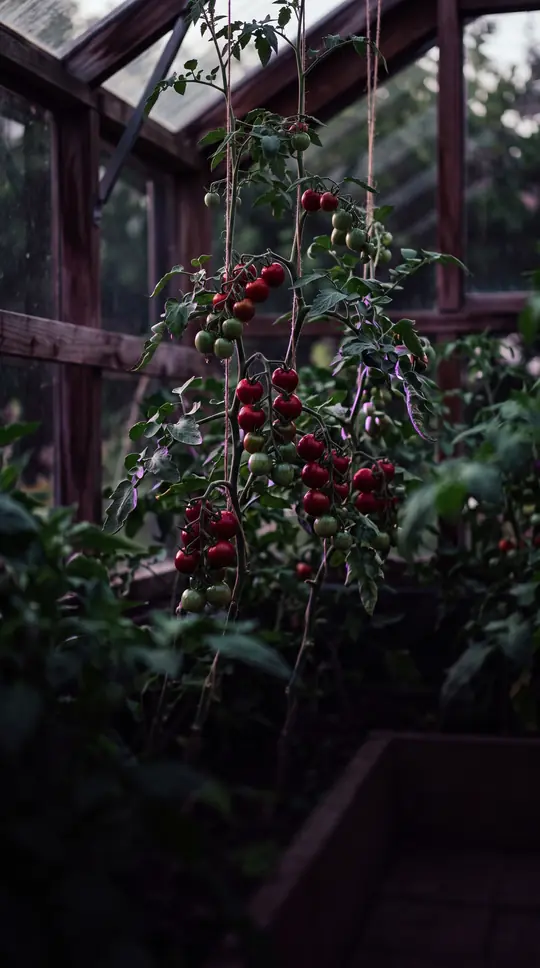 These tiny birds must eat constantly or they will perish within an hourKinglets are among the smallest songbirds on Earth, but their rapid metabolism demands relentless foraging. If these birds are prevented from feeding, they can lose over thirty pe…
 These tiny ceramic components are the silent sentinels of your electronic devices' thermal health.A thermistor is a specialized resistor that changes its electrical resistance in response to temperature shifts. By leveraging this sensitivity, these devices act as precise senso…
 These tiny insects use their front feet to weave intricate, protective silk galleriesYou might mistake them for spider webs draped over logs or hidden beneath rocks, but these silken structures are actually the work of webspinners. Unlike spiders, these insects pr…
 These tiny parasites live in cephalopod kidneys and have no nervous system at all.Dicyemida are microscopic parasites that inhabit the renal appendages of squid, octopus, and cuttlefish. Lacking respiratory, circulatory, excretory, and nervous systems, these or…
 These tiny soil-dwellers are the only arthropods that breathe through their headsKnown as garden centipedes, symphylans are elusive, eyeless creatures that thrive beneath your feet. While they resemble centipedes, these soft-bodied arthropods are biologically …
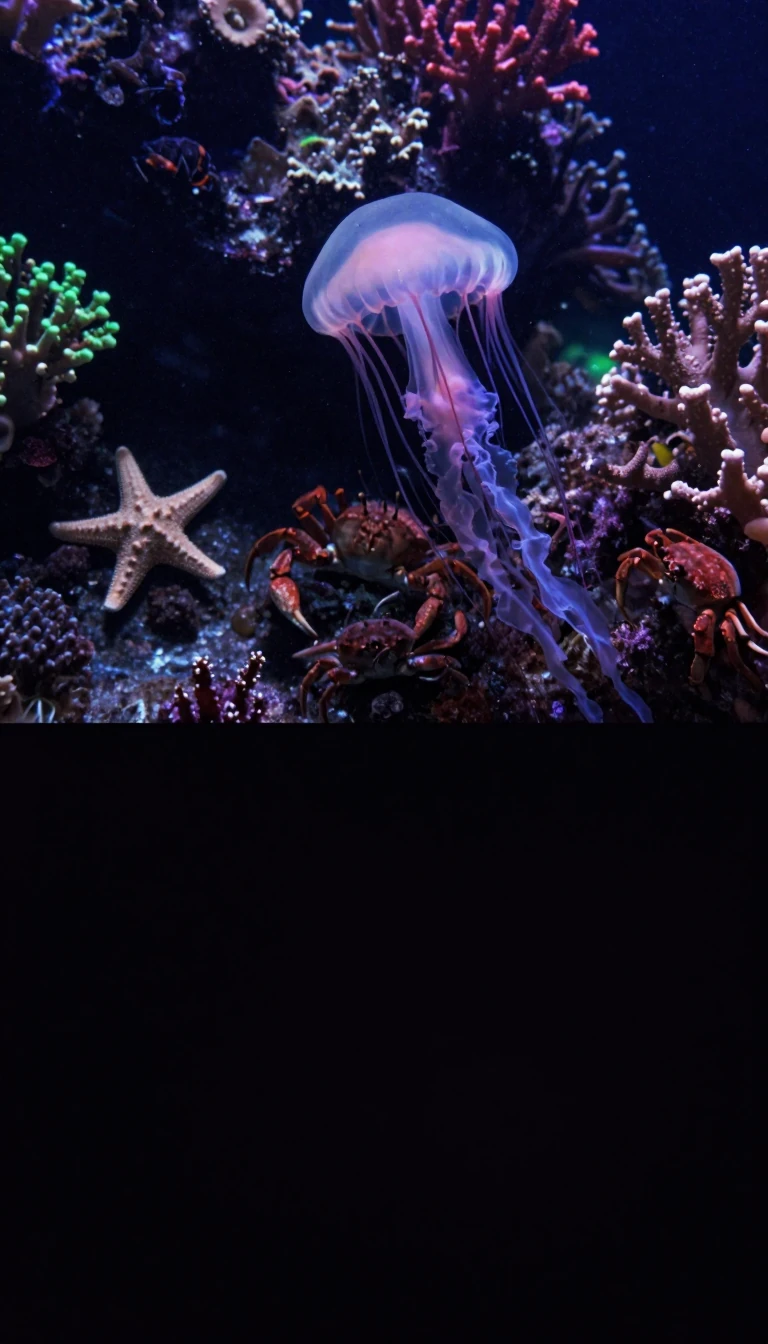 These tiny, diverse crustaceans thrive from the deepest ocean trenches to your backyard garden.Amphipods are master survivors found in nearly every aquatic and terrestrial environment on Earth. Ranging from microscopic scavengers to giants reaching 35 centimeters, these cru…
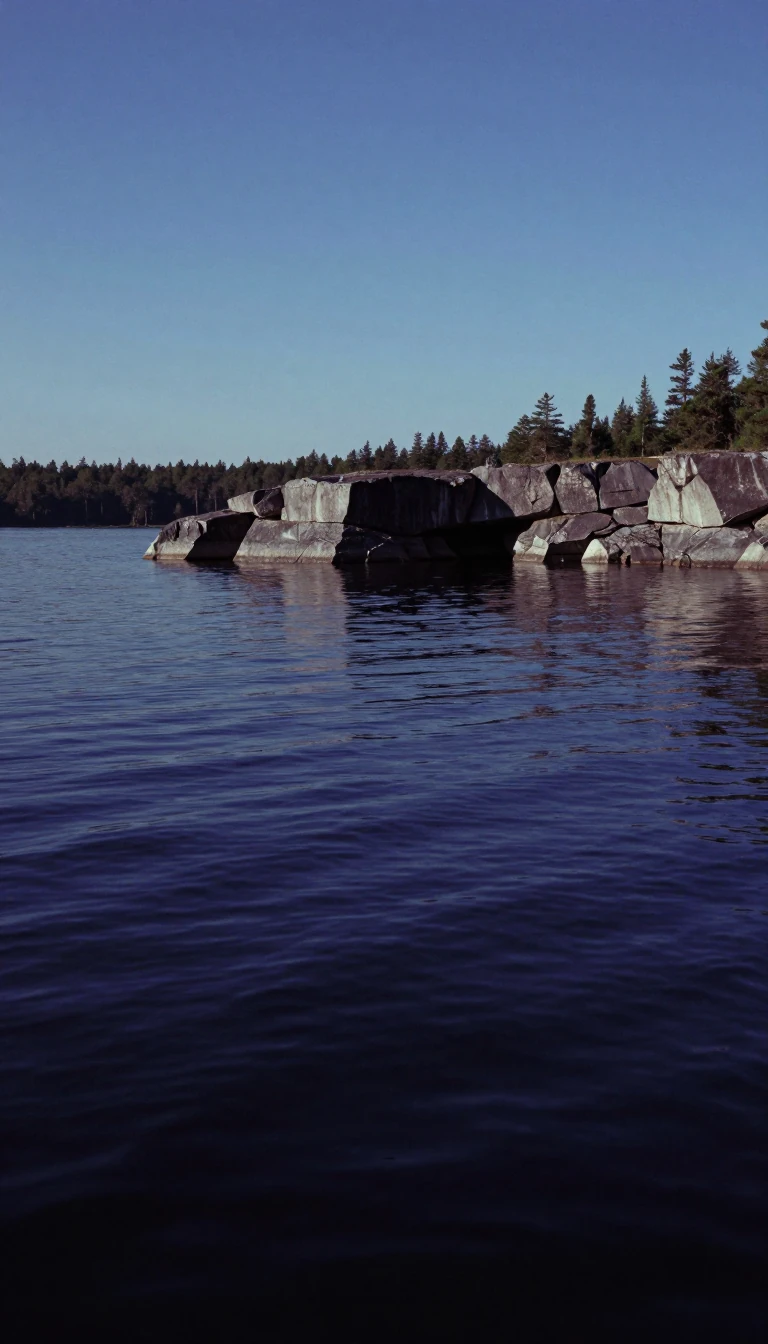 These tiny, egg-shaped stones are the secret building blocks of iconic architectureOolite, a rock formed from microscopic, spherical grains called ooids, is far more than a geological curiosity. These sugar-sized particles, born in turbulent, shallow waters, hav…
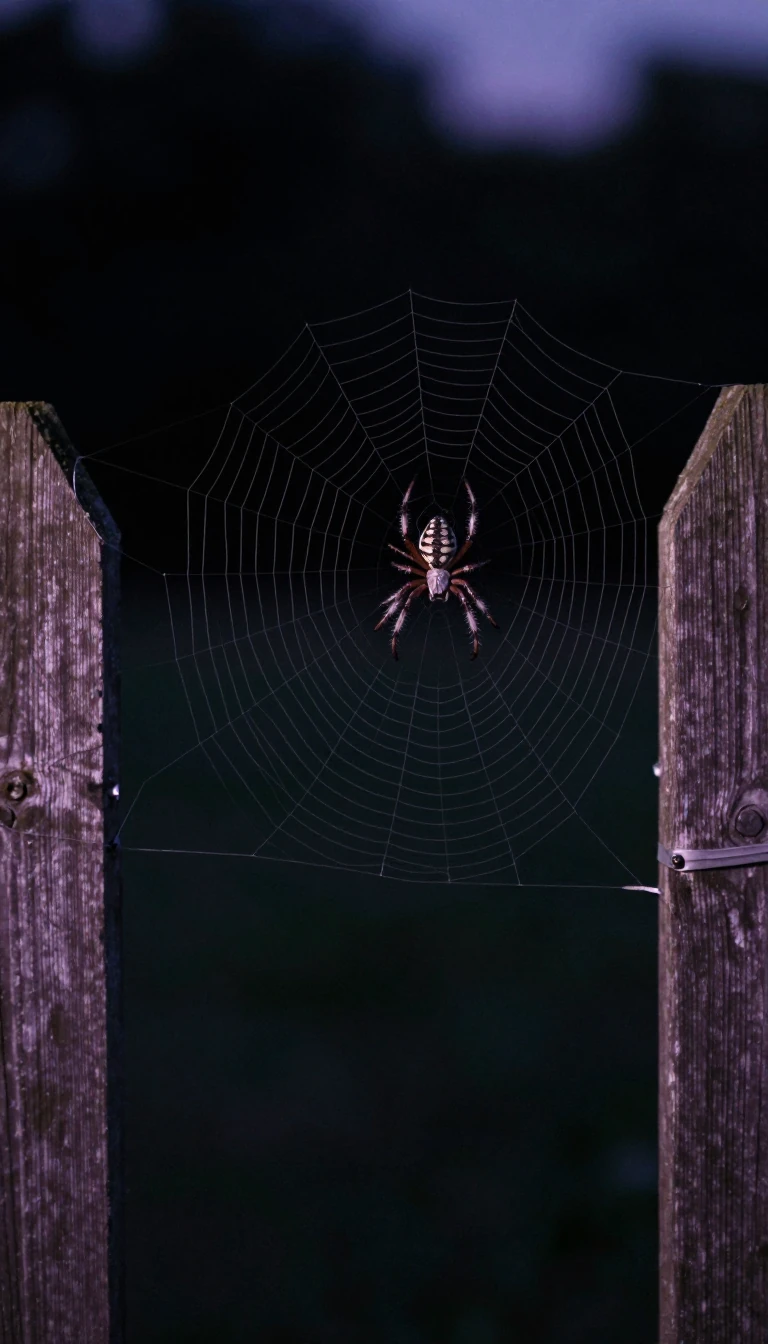 These tiny, eyeless soil dwellers are the most foot-sparse creatures in their entire subphylum.Pauropods are elusive, millipede-like arthropods that thrive in soil and leaf mold worldwide. Measuring only a few millimeters, these soft-bodied creatures lack eyes and hearts, y…
 These tiny, fringed insects use bladder-like feet to walk on vertical surfaces with ease.Thrips are minute insects, often just 1.5 to 3 mm long, known for their fringed wings and unique bladder-like foot structures. While some species are destructive pests that transm…
 These tiny, glowing fish once tricked scientists into thinking the ocean floor had risen.Lanternfish are the most abundant vertebrates in the deep sea, comprising 60 percent of all deep-ocean fish. Their massive, nightly migration to the surface is so dense that it on…
 These tiny, striped invaders are reshaping entire ecosystems by filtering lakes until they are clear.Zebra mussels are small, freshwater bivalves that have colonized North American waters since the late 1980s. Armed with protein-based threads, they attach to almost any surface, c…
- These Triassic marine reptiles evolved unique metabolic strategies to survive in shallow watersPlacodonts were specialized marine reptiles that dominated Triassic seas by crushing shells with massive, flat teeth. While their heavy armor and dense bones made them clumsy swim…
 These Triassic reptiles dominated the planet with a unique, self-sharpening scissors-like bite mechanism.Before dinosaurs took over, rhynchosaurs were the ultimate plant-crushing machines. These stocky, archosauromorph reptiles thrived across Pangea, utilizing a specialized jaw struc…
- These tropical river fish see above and below the water simultaneously with two eyes.Despite their name, four-eyed fish only possess two eyes. These organs are uniquely split by a horizontal band of tissue, allowing the fish to scan the air for insects while simul…
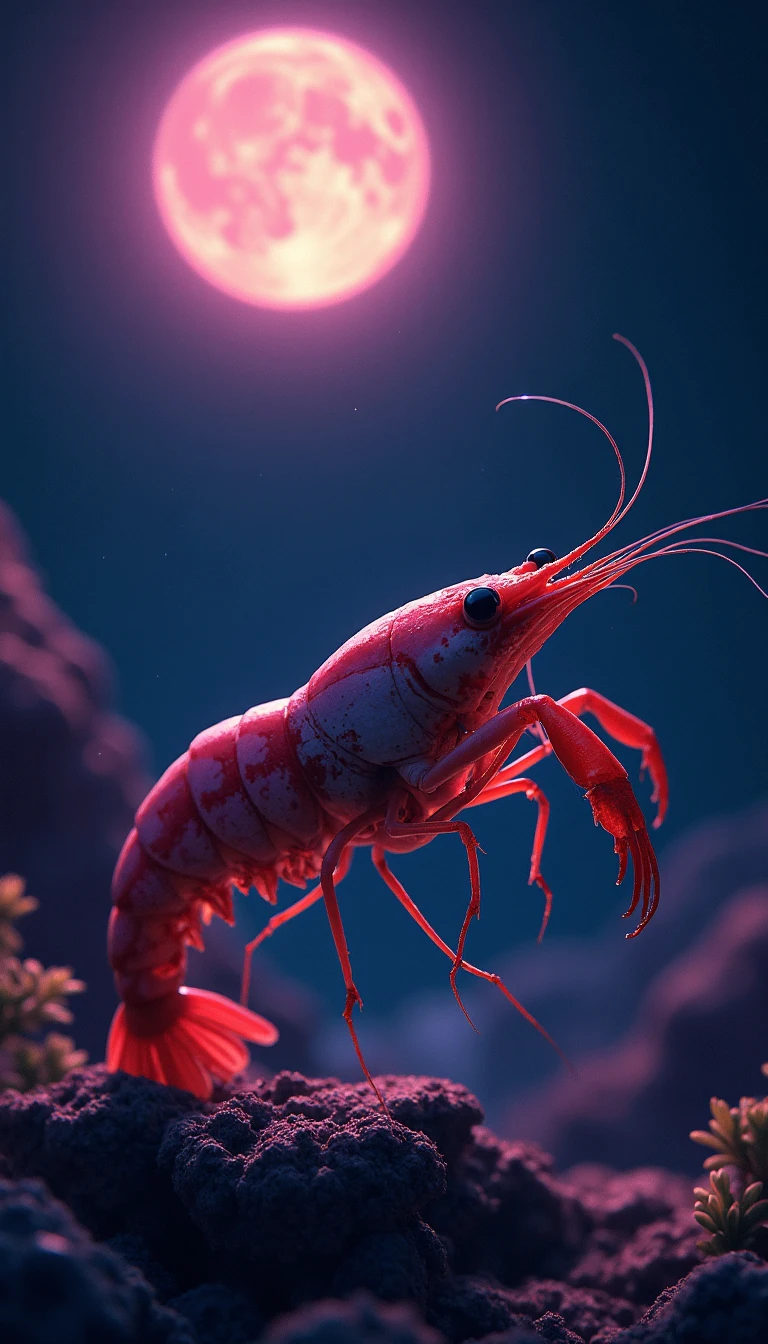 These vibrant, shy crustaceans are the hidden jewels of the world's coral reefsReef lobsters are small, nocturnal creatures known for their striking patterns of red, orange, and purple. While they are highly sought after by aquarium enthusiasts for their bea…
 These volcanic vents are Earth's natural chimneys, sometimes signaling an eruption months in advance.Fumaroles are openings in the Earth's crust that exhale steam and volcanic gases without liquid or solid debris. While they often appear during the final stages of volcanic activi…
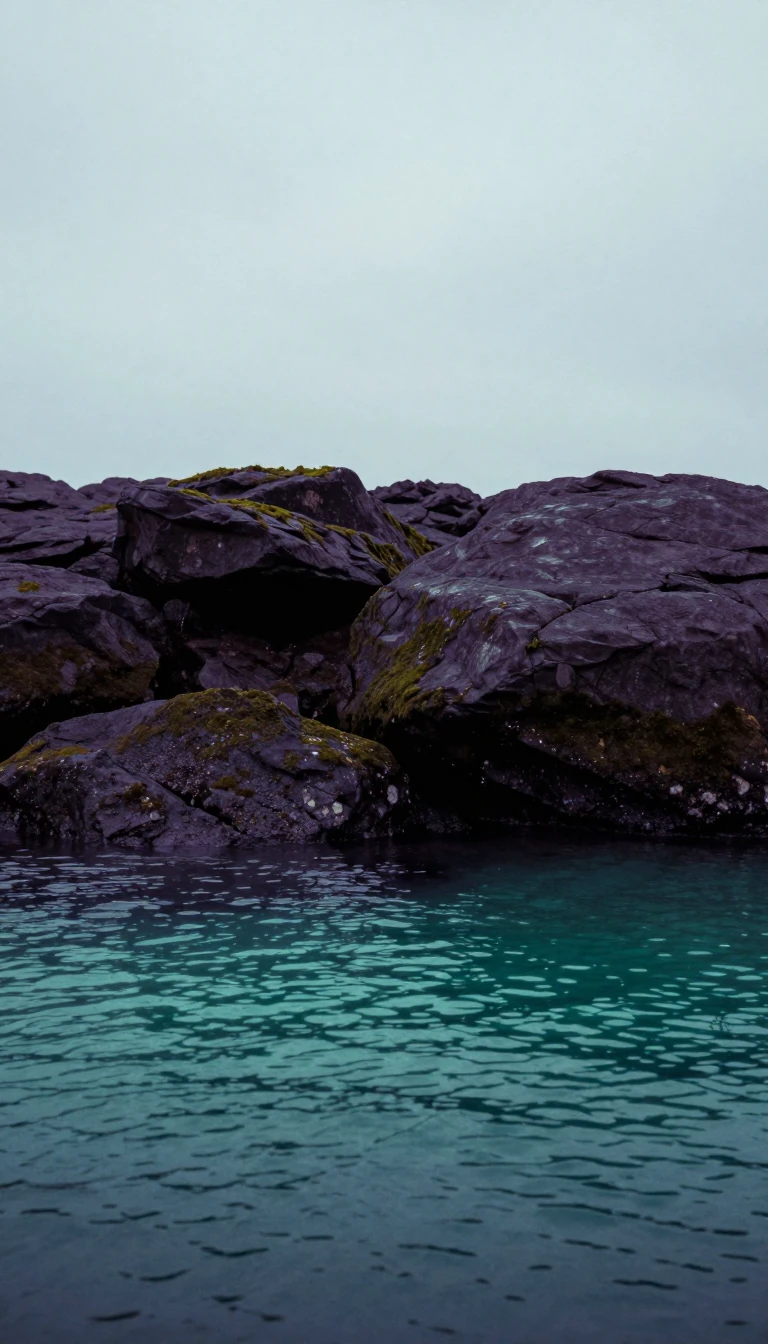 These winding ridges of sand are actually the ghosts of ancient glacial riversEskers are long, sinuous ridges of gravel and sand that snake across landscapes once covered by ice. Often resembling man-made railway embankments, these formations are the final,…
 These wingless insects are so sensitive to heat they die in your living roomGrylloblattidae, or ice crawlers, are extreme cold-weather specialists that thrive on glaciers and mountain peaks. These nocturnal insects are so physiologically tuned to freezing…
 These woody shelf fungi are the unsung architects of our forest ecosystemsPolypores, or bracket fungi, are far more than mere tree parasites. These resilient organisms act as nature's primary recyclers, breaking down the toughest wood components to fuel…
 These worm-like deep-sea creatures are actually mollusks hiding in plain sightAplacophorans look nothing like the clams or snails we associate with mollusks. These cylindrical, shell-less marine animals inhabit the deep ocean floor, often disguised as simpl…
 These young, massive stars are still in the process of becoming main-sequence objects.Herbig Ae/Be stars are cosmic infants, less than 10 million years old, caught in the act of gravitational contraction. These intermediate-mass objects, ranging from two to eight t…
 Theseus had two fathers, a king and a sea god, in one nightGreek myth gave Theseus a double birth. His mother Aethra slept with Aegeus, king of Athens, then waded to a small island and was possessed by Poseidon the same night. That mixed …
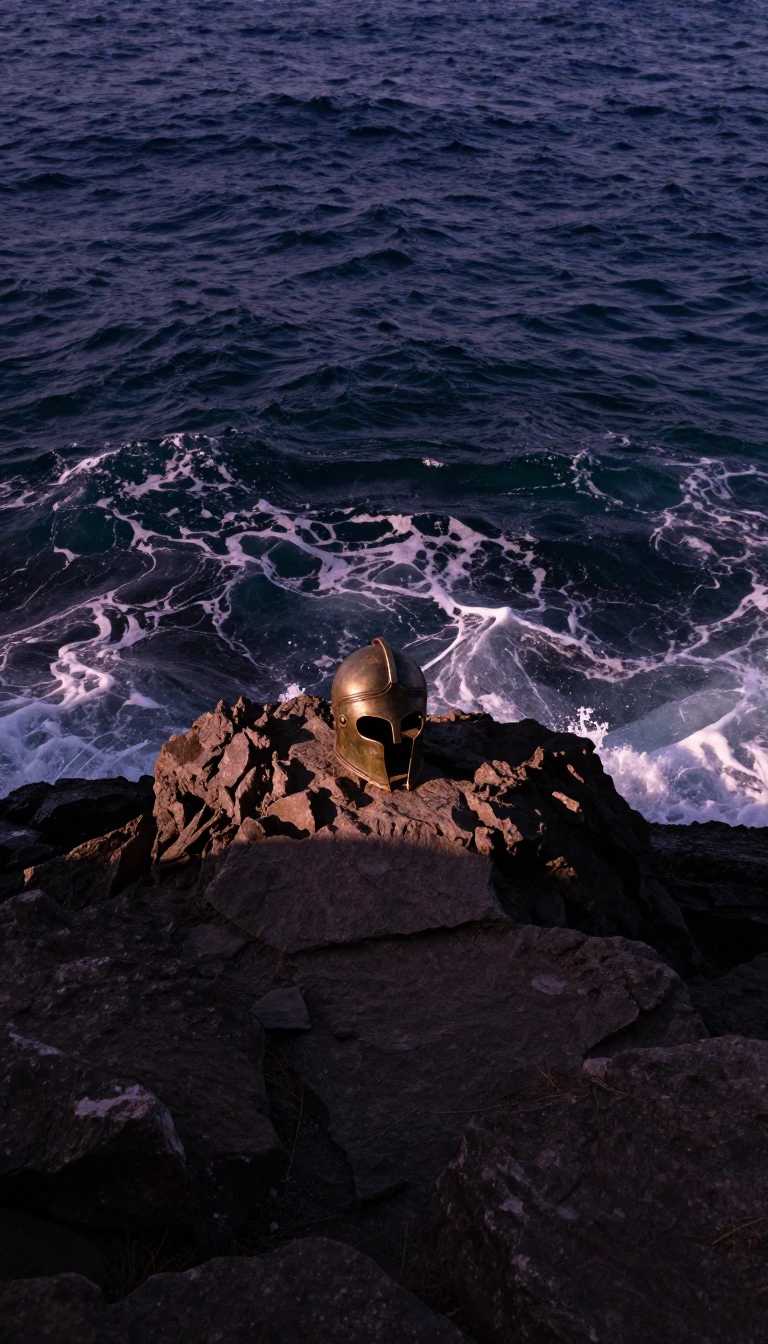 Thessaly was a land of horse-rearing aristocrats, warring factions, and mythical heroes.Ancient Thessaly was a geographically diverse powerhouse, defined by fertile plains and a rigid social hierarchy. While famous as the homeland of Achilles and Jason, its history w…
 Theurgy is the ancient art of using ritual to unite the human with divinity.Often called divine magic, theurgy is a practice designed to bridge the gap between the mortal soul and the transcendent One. By employing specific prayers, symbols, and ritualize…
 They are not relics of the past, but masters of intentional isolationFar from being primitive survivors lost in time, many uncontacted tribes are making a deliberate, modern choice. They actively resist intrusion to protect their autonomy, yet they…
 They are not Romani, but a distinct genetic lineage of IrelandOften mislabeled as 'Gypsies,' Irish Travellers possess a unique biological and cultural identity. Recent DNA analysis suggests they are not migrants from the Indo-Aryan Romani pe…
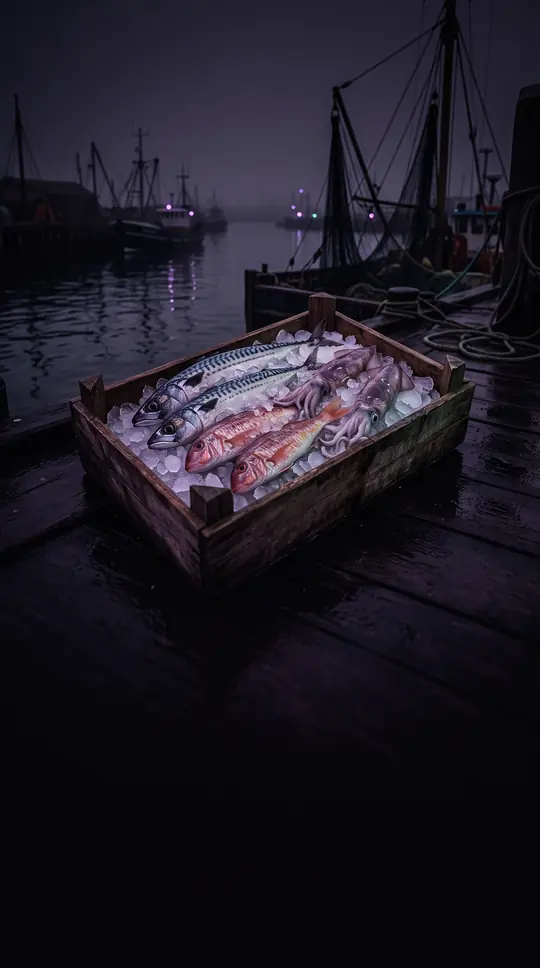 They light their stripes moments before striking preyMarlins can change colour, flashing their stripes just before an attack. Apex predators of open seas, they carry a spear-like bill and a tall dorsal crest that inspired both their…
 They were not called Greeks until the twentieth centuryFor centuries, the people of the Black Sea coast identified as Romans, not Greeks. Driven by shifting empires and the rise of nationalism, this indigenous group underwent a profou…
 They weren't technophobes; they were skilled artisans fighting for their livelihoodsToday, we use 'Luddite' to describe someone afraid of new gadgets. But the original rebels of the early 18/11s weren't anti-technology cranks. They were highly skilled weavers and…
 Thiamine deficiency is a complex metabolic crisis that extends far beyond simple malnutrition.Often associated with alcoholism, thiamine deficiency—or beriberi—is a multifaceted condition that can strike anyone, from infants to children with digestive issues. While it hist…
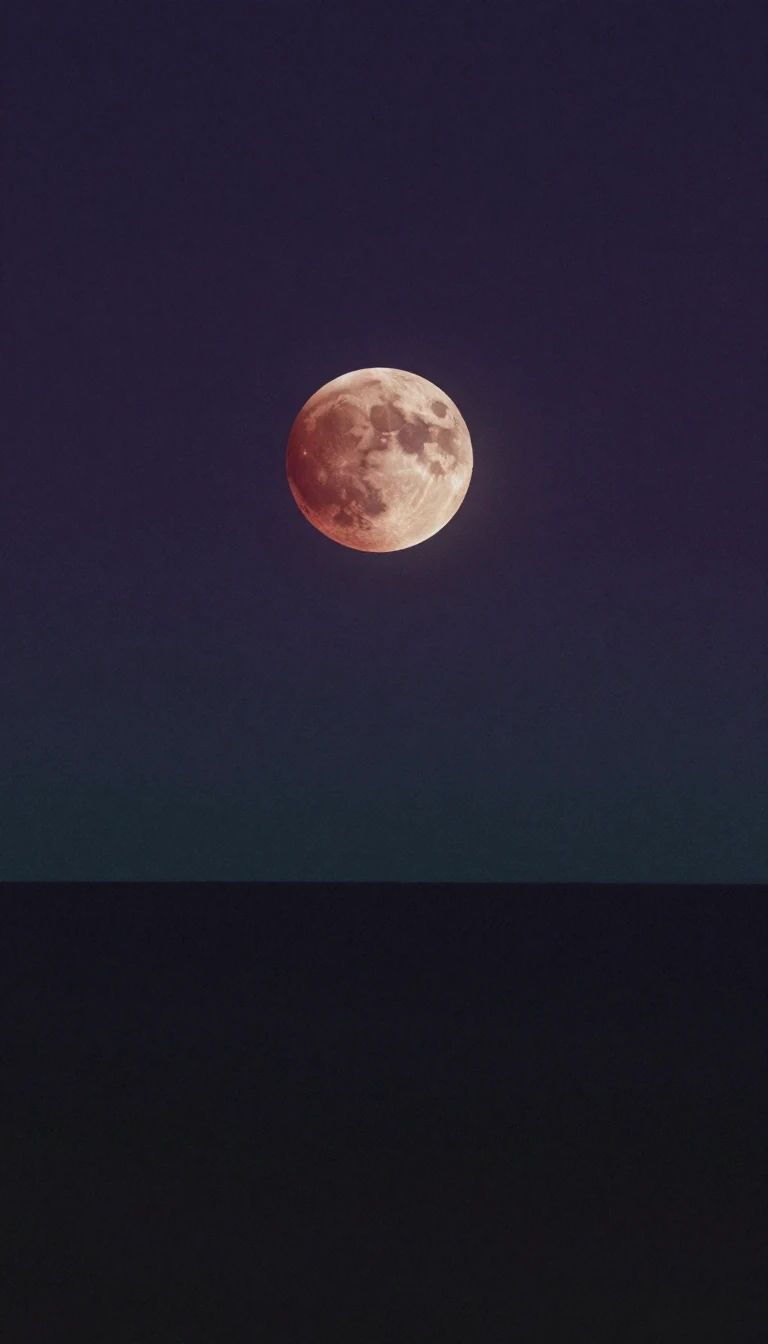 Thief, woodcutter or rabbit: every culture sees someone different on the MoonThe dark patches on the full moon are old lava plains, but people everywhere have read figures into them. Europeans saw a banished criminal, Vietnamese see a woodcutter clinging t…
 Thimphu is a Himalayan capital city designed to protect its fragile mountain ecology.Thimphu, the capital of Bhutan, is a high-altitude metropolis that balances rapid modernization with strict traditional aesthetics. Once a collection of scattered hamlets, it has …
 Thin air, a new track and a flop made Mexico 1968 a record factoryMexico City sits 2,240 metres above sea level, and no Summer Olympics before or since has been staged so high. In October 1968 that thin air, plus a brand-new synthetic track and …
 Thin and fat, derby hats, and one cuckoo themeFrom 1927 to 1955, English Stan Laurel and American Oliver Hardy turned slapstick into a language the world still recognises: the childlike stumble beside the pompous friend, both…
 Thin-film lithium niobate offers high performance and scalability for optical modulatorsResearchers suggest that thin-film lithium niobate is becoming a powerful tool for optical communications. This material platform can convert electrical signals into optical ones …
 Think of yourself as a detective for your own knee painKnee pain is rarely a localized problem; it is often a symptom of tension elsewhere. By using a foam roller to investigate surrounding muscles and connective tissues, you can iden…
 Third World first meant politically unaligned, not poorWhen the French demographer Alfred Sauvy wrote of a third world in 1952, he was echoing the Third Estate of pre-revolutionary France: ignored and exploited commoners who wanted to…
 Thirst is a deceptive signal, often failing to warn you of dangerous fluid loss.Dehydration is not merely feeling thirsty; it is a physiological state where your body loses more fluid than it replaces, disrupting essential functions. While often dismissed as …
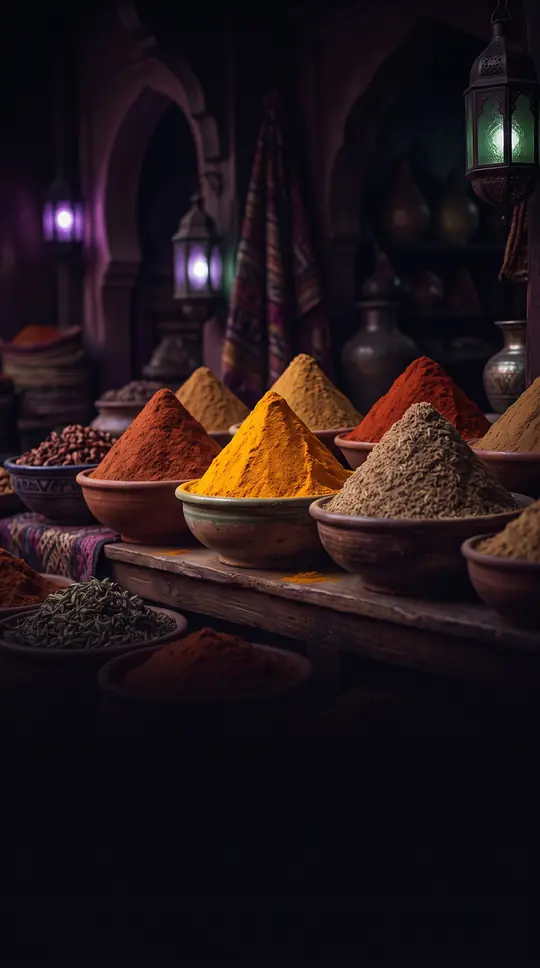 Thirsty chili plants make hotter peppersChili heat comes from capsaicin, a colourless, odourless waxy compound. How much a pepper makes depends partly on hardship: water-stressed plants usually yield fiercer fruit, and …
 Thirteen candidates must compete to replace a retiring God in 999 daysWhen a supreme deity decides to retire in 999 days, thirteen candidates are chosen to take the throne. But this celestial succession is far from peaceful, as some competitors will…
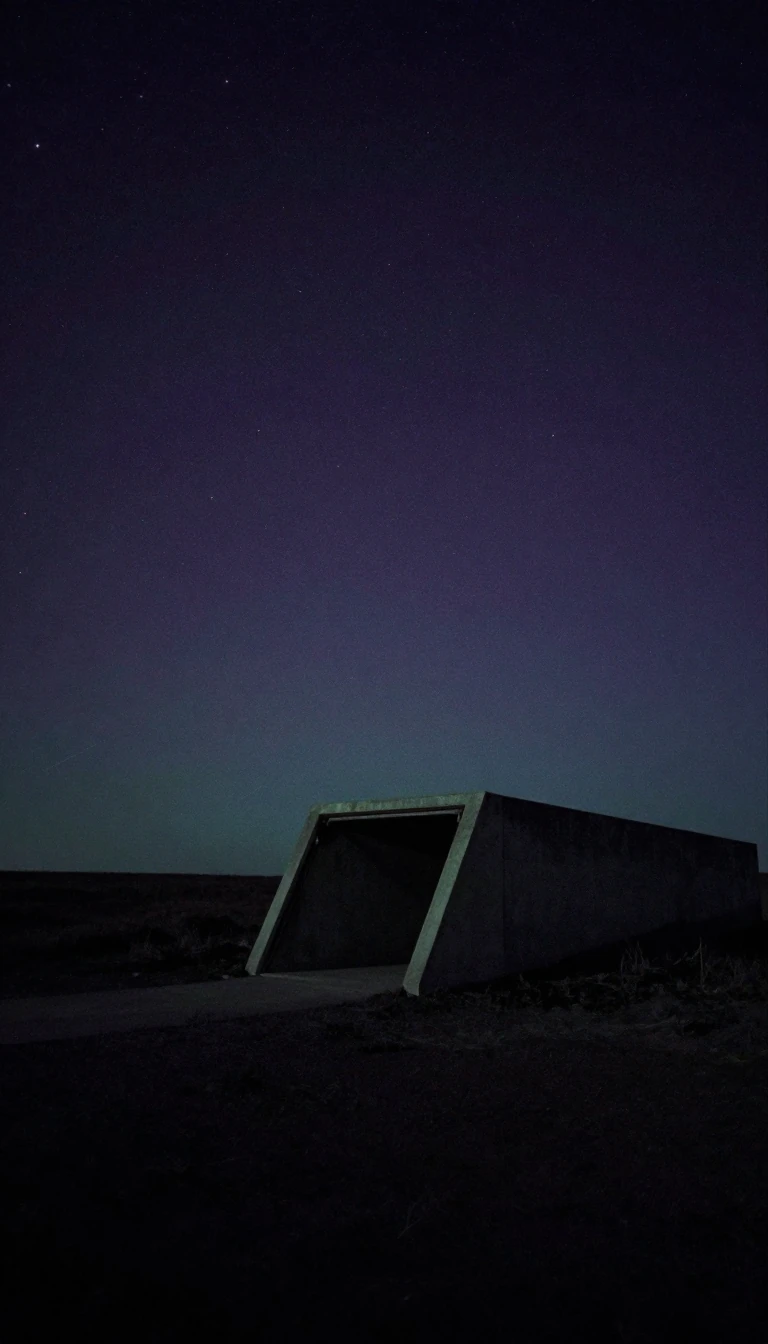 Thirteen days when nuclear missiles faced each other at seaThe Cuban Missile Crisis, lasting 16–28 October 1962, was a thirteen-day standoff after Soviet nuclear deployments in Cuba matched earlier U.S. missiles in Britain, Italy, and Tur…
 Thirteen days when the world stood on the brink of nuclear warDuring the Cold War, millions lived under the constant threat of sudden nuclear annihilation. This video explores the Cuban Missile Crisis, the most intense period of tension duri…
 Thirteen inventors whose own creations ultimately led to their untimely deathsThis episode of The List Show explores the tragic histories of thirteen inventors who lost their lives to the very machines or designs they created. It offers a look at the inters…